- Published on
Forget Two Arms: This Wild New Four-Armed "Space Humanoid" is Built for Zero-Gravity
One tap, and our reporting appears more often in your Google Top Stories. It makes a real difference to a small newsroom.

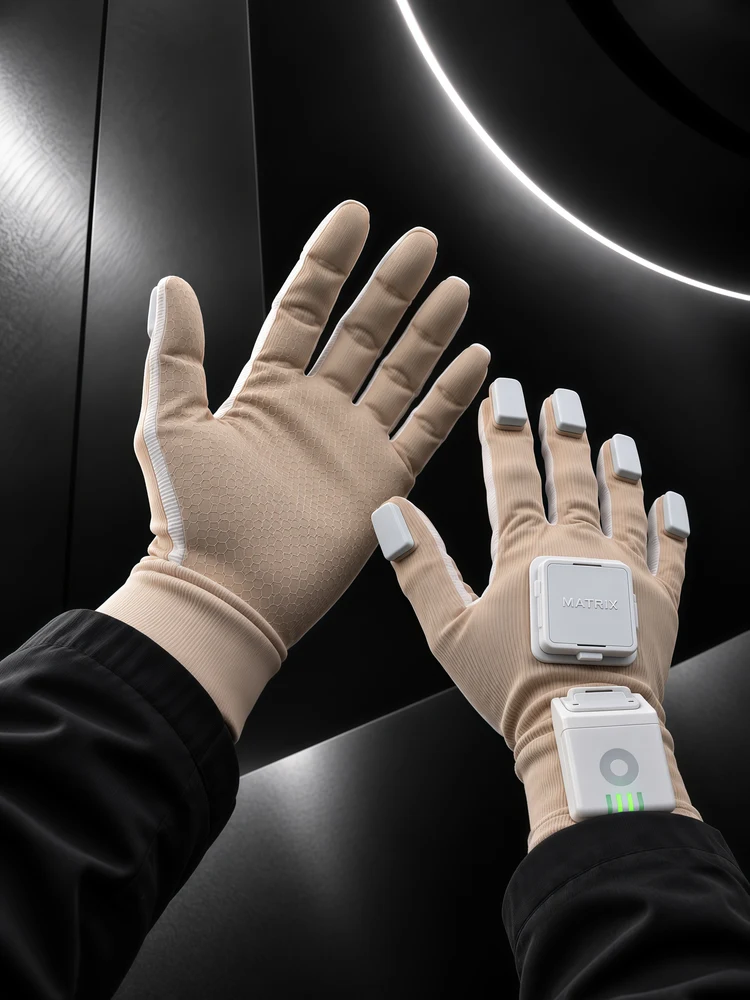
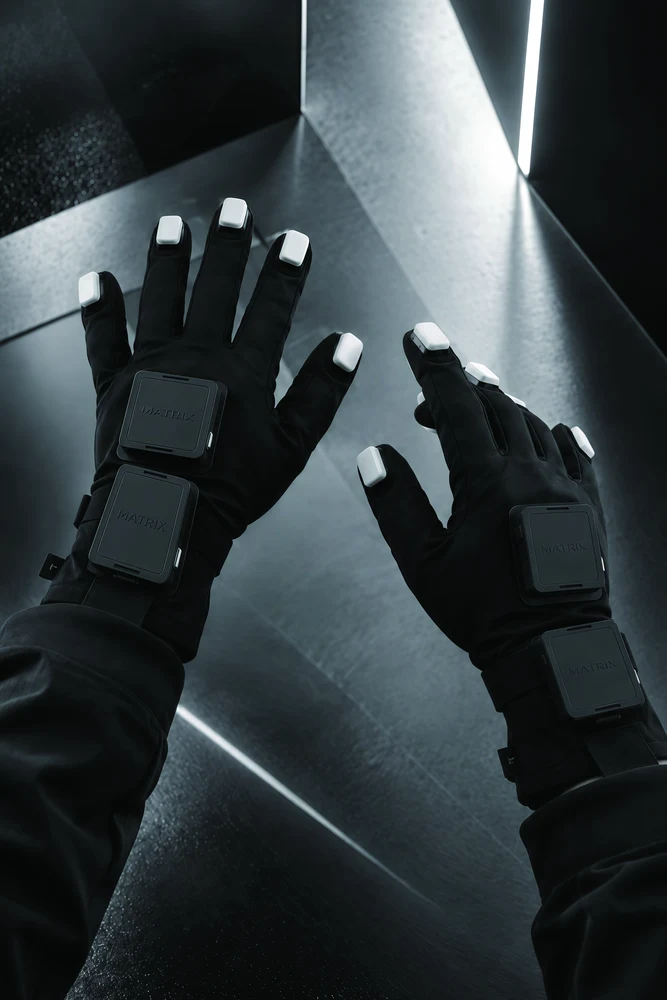

- Orbit Robotics, an ETH Focus Project, has teased HELIOS, a four-armed humanoid specifically engineered for zero-gravity space operations.
- The sleek, cable-driven robot is designed to assist astronauts rather than replace them, and will make its official debut on May 27 in Switzerland.
- The off-world robotics race is heating up, with heavyweights like Tesla developing space-hardened chips and Foundation Robotics aiming for lunar bases.
- Apptronik, drawing on its experience with NASA's 300-pound Valkyrie robot, also plans to send its Apollo humanoid to the International Space Station and beyond.
Two arms are so Earth-bound. When you're floating in the abyss of zero-gravity, trying to repair a satellite or construct a lunar habitat, you need all the appendages you can get. That’s the wonderfully wild premise behind HELIOS, a brand-new "space humanoid" teased this week by Orbit Robotics.
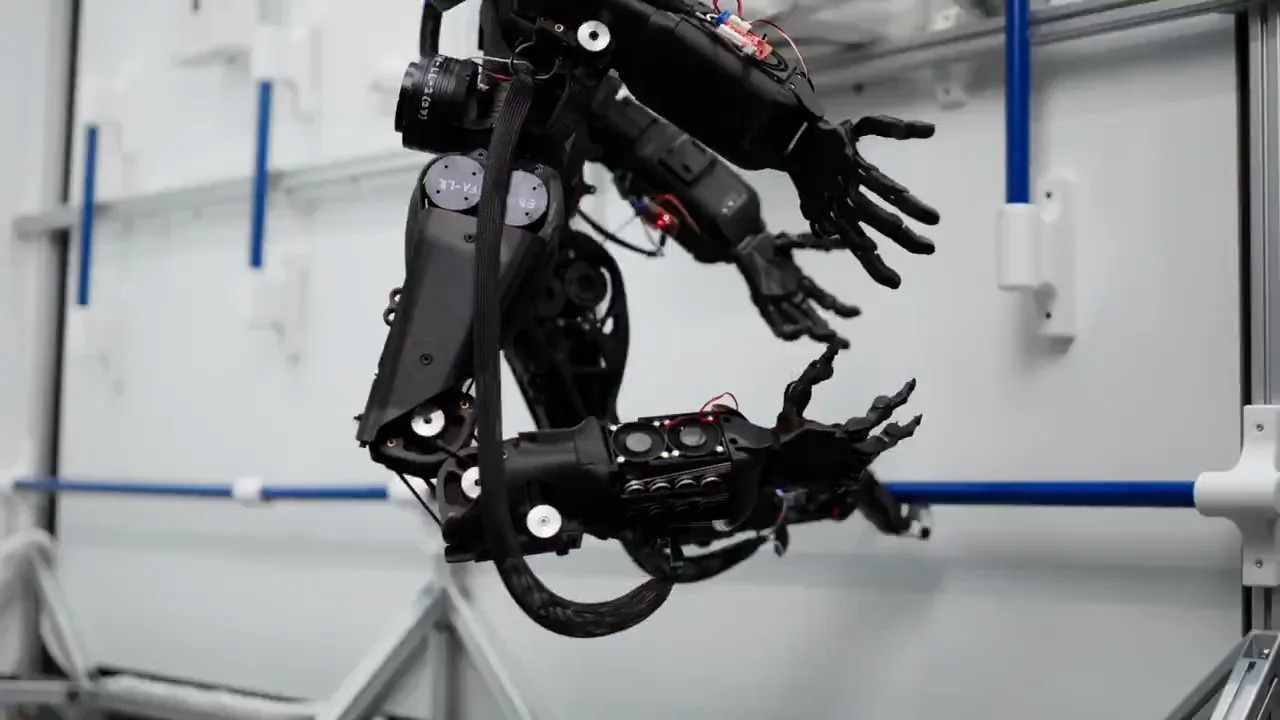
In a newly released teaser video floating around X (formerly Twitter), the team showcased a skeletal, black-chassis robot suspended in a testing rig. Close-up shots reveal a fascinating, highly complex system of cable-driven pulleys and joints—a stark departure from the bulky, rigid actuators we usually see on terrestrial factory floors.
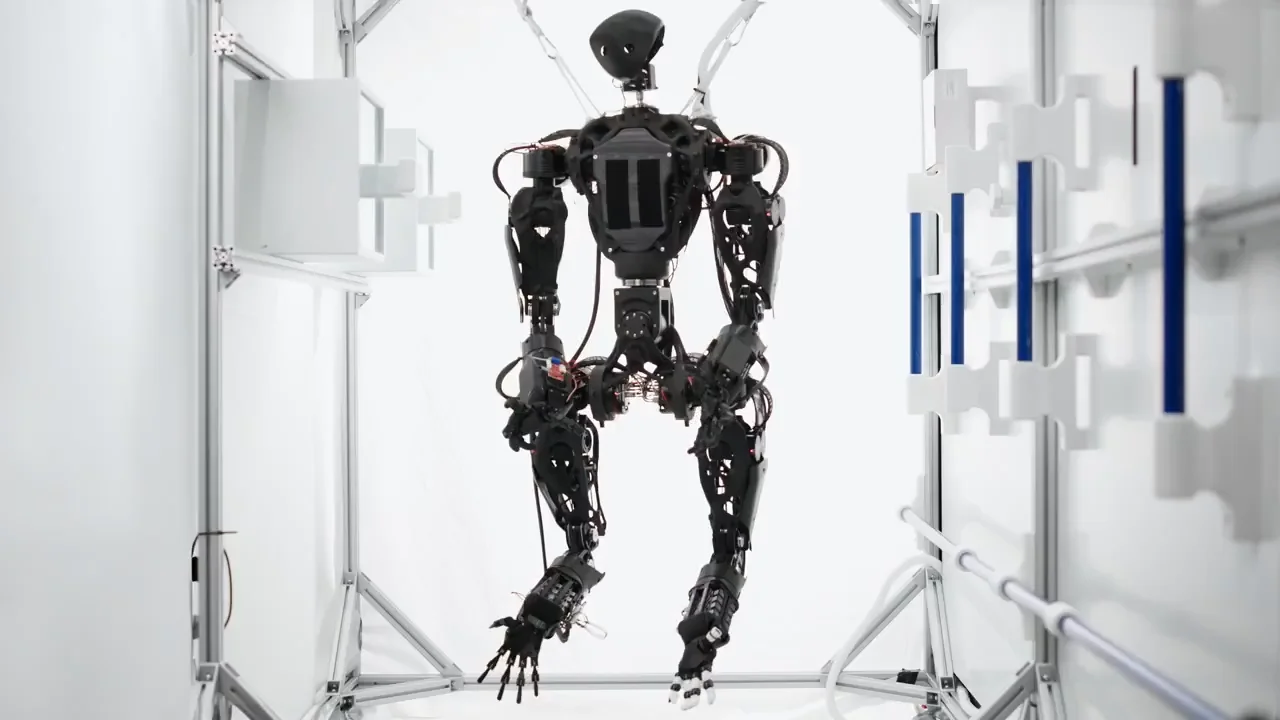
"The future has arrived!" the Orbit Robotics team declared in their post. "After a long wait, we are finally ready to reveal our complete space humanoid HELIOS. After two semesters of intense work, research and iteration, this is what we have to show. 4 arms. 4 hands. 1 vision. 1 dream."
Not a Replacement, But a Super-Tool
Before you start worrying about General Grievous taking over the International Space Station (ISS), Orbit Robotics is quick to clarify their mission. Born out of an ETH Focus Project (the prestigious Swiss Federal Institute of Technology), HELIOS isn't designed to replace human astronauts. Instead, it’s built to be the ultimate multi-tasking tool to help them work more efficiently and accelerate space research.
The weekly humanoid robotics briefing
One email a week: the launches, funding and research that mattered, with context from Humanoids Daily.
Read recent issuesAccording to their site, the project "combines controls, perception, electronics, mechanics, and biomechanics into a single integrated effort focused on operational robots for orbit."
The robot is slated for a full, official presentation on May 27 at the ETH Fokus-Rollout (CLA Glashalle), featuring visuals by Michel Elsasser.
The Galactic Humanoid Race is On
Orbit Robotics’ focus on the stars highlights a massive, industry-wide pivot: space is rapidly becoming the ultimate proving ground for humanoid robotics.
Elon Musk has famously—and repeatedly—stated that Tesla’s Optimus robot is destined for Mars. Tesla is already laying the groundwork for this off-world expansion with its massive Terafab initiative, which aims to produce space-hardened AI chips specifically optimized to survive the high-energy ion radiation of orbit.
Similarly, the controversial and ambitious Foundation Robotics has explicitly outlined the construction of "self-sustaining bases on the Moon and Mars" as a core pillar of its official Masterplan.
And let's not forget the veterans. Apptronik CEO Jeff Cardenas has been very open about his off-world ambitions for the Apollo humanoid. "The goal is that he's going to start doing work here on Earth, but then long term going to the Space Station," Cardenas recently noted. "From the space station to the moon, Mars and beyond."
Apptronik certainly has the pedigree for it. The team was heavily involved in NASA's historic Valkyrie project—a colossal 300-pound, 6-foot-2 bipedal machine powered by a 1.8kWh battery. Originally built for the 2013 DARPA Robotics Challenge, Valkyrie was designed as a rugged, entirely electric humanoid to operate in degraded environments, proving that NASA has been thinking about bipedal space assistants for over a decade.
While terrestrial robots are currently fighting for dominance in logistics warehouses and automotive plants, HELIOS is a brilliant reminder that the ultimate goal for this technology isn't just moving cardboard boxes. It's building the infrastructure of our sci-fi future.
We'll be keeping a close (four-eyed?) watch on the May 27 reveal.
Share this article
Read next
- Published on
- Reading time
- 3 min read
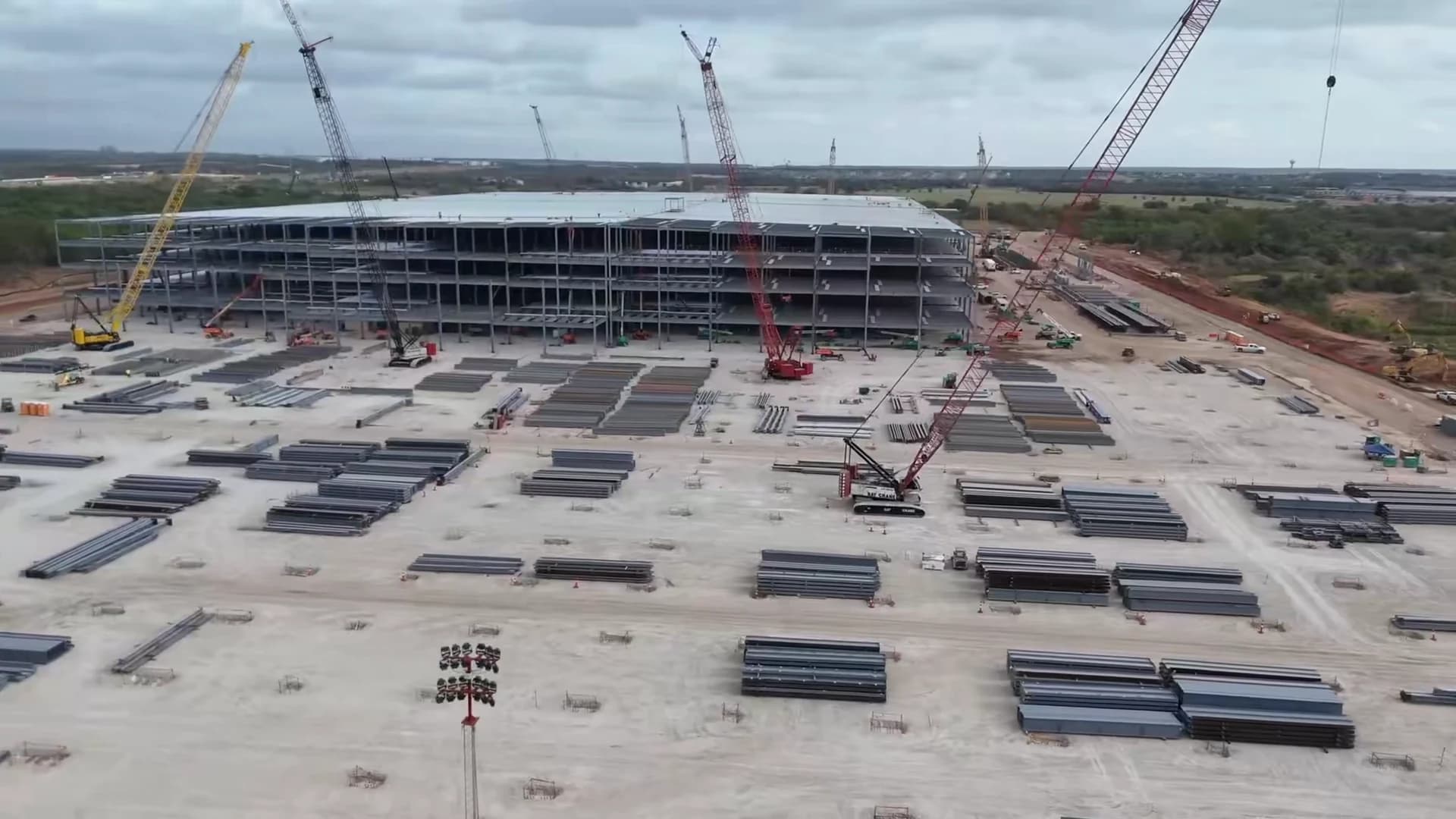
Tesla Optimus Plant Takes Shape in Texas, With Steel Structure Estimated at 40%
- Published on
- Reading time
- 3 min read
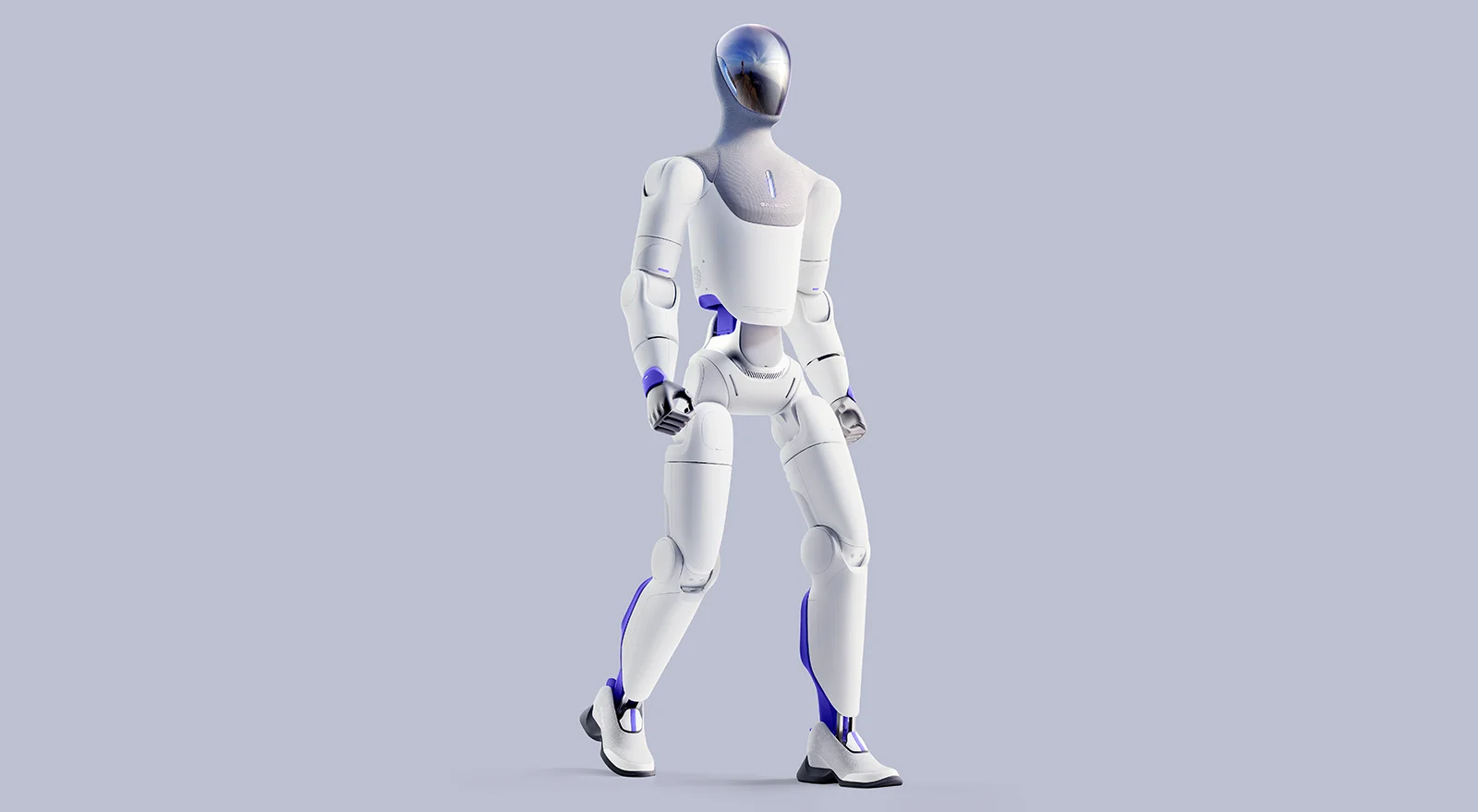
Galbot Prices ET1 Humanoid From 79,000 Yuan Across Three Versions
- Published on
- Reading time
- 3 min read
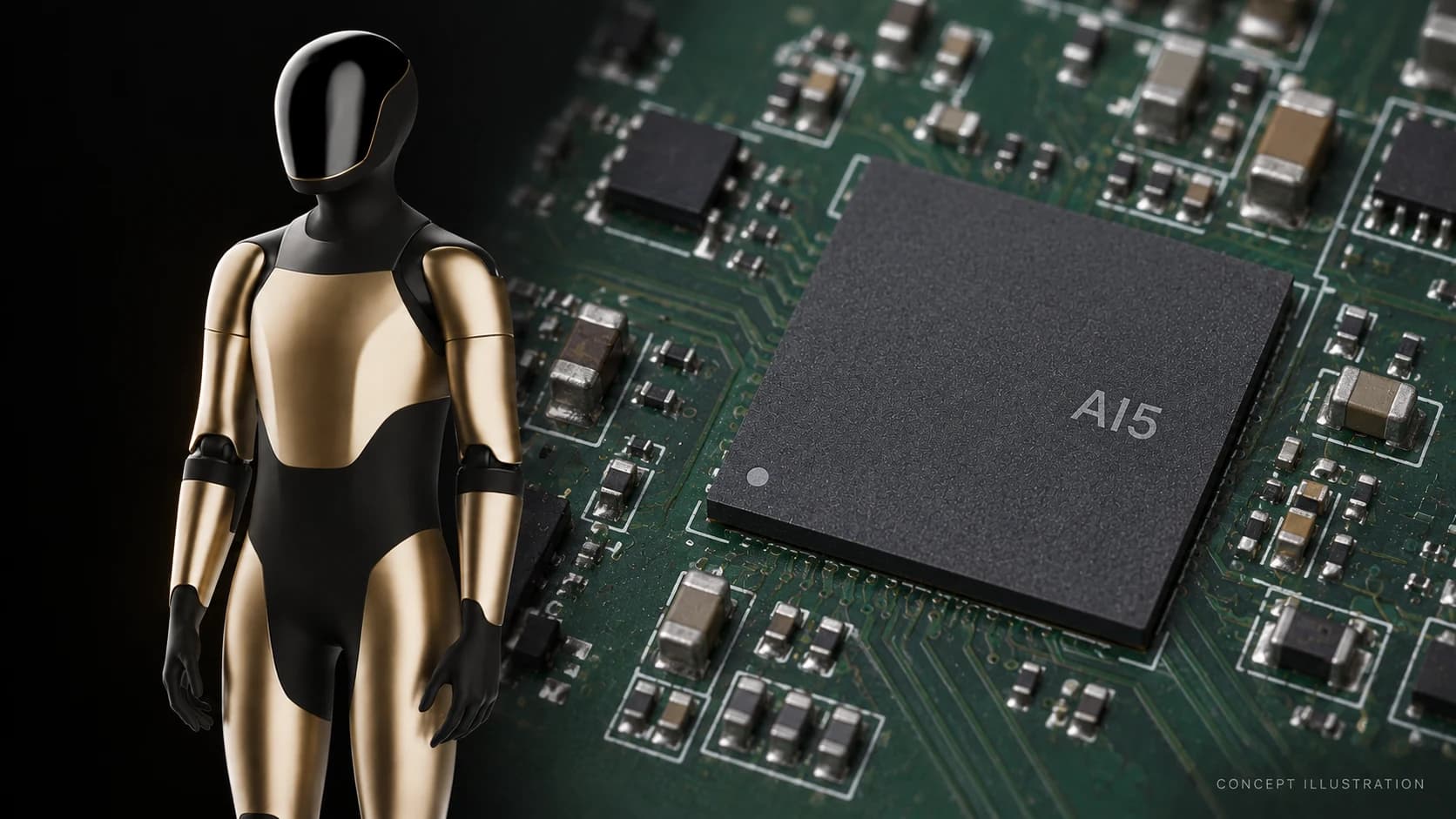
Musk Says Tesla Halved AI5 RAM to Secure Memory for Optimus Production
- Published on
- Reading time
- 3 min read
Clone Shows Torso 3 Hand Demo, Targets November Launch for Redesigned Torso 4
- Published on
- Reading time
- 3 min read
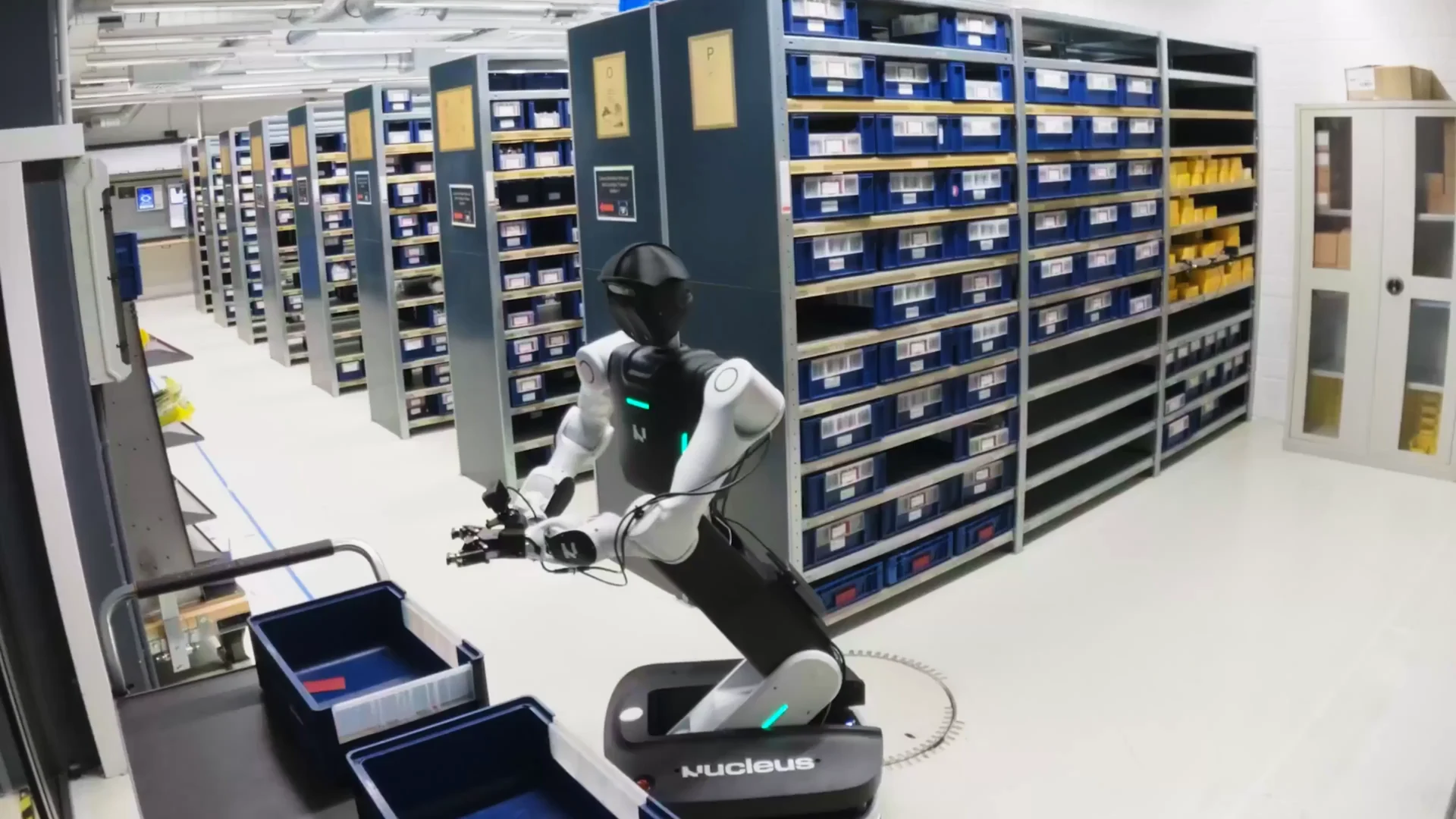
Nucleus Shares Nearly Two Hours of Factory Work, Says Demo Is 60% Autonomous
- Published on
- Reading time
- 3 min read
UBTECH CEO Tours Robot Factory, Says Monthly Output Could Reach 1,500 Units

The weekly humanoid robotics briefing
One email a week: the launches, funding and research that mattered, with context from Humanoids Daily.
Read recent issues