- Published on
Highline Commerce Taps Ultra Robotics to Automate 30% of Fulfillment in Brooklyn Hub
One tap, and our reporting appears more often in your Google Top Stories. It makes a real difference to a small newsroom.


Your guide
Rich Robinson
Jee Chee Ren · Executive tour
See China’s AI and robotics ecosystem first-hand.
Six days exploring AI, robotics and advanced manufacturing.
With Rich Robinson, Clinical Professor of Entrepreneurship at Peking University
Beijing · Guangzhou · Shenzhen
29 November–4 December 2026
Referral partnership · We earn a commission on referred bookings.
- Brooklyn-based 3PL Highline Commerce is now fulfilling up to 30% of its order volume using Ultra Robotics' humanoid systems.
- Ultra’s OP1 "Operator" robot utilizes a stationary design to eliminate battery swaps and tipping risks, enabling continuous 24-hour operation.
- By co-locating at Brooklyn's Industry City tech hub, Ultra Robotics can test and iterate its hardware on a live production floor rather than a decentralized lab.
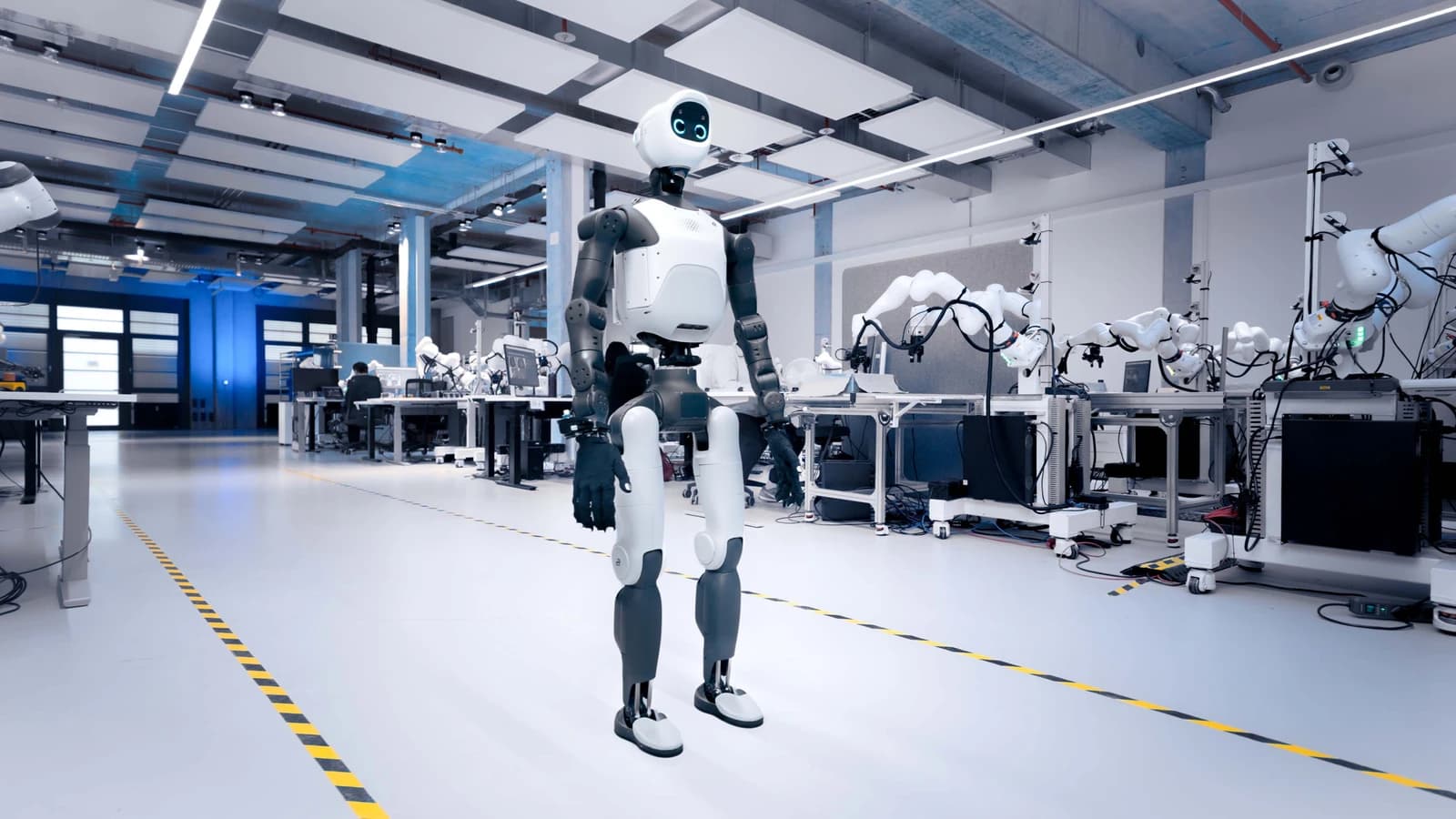
- The deployment follows a broader industry shift to validate robotic reliability in active commercial environments, reflecting recent milestones such as AGIBOT’s live factory integration.
Humanoid robots have officially hit the fulfillment floor in Brooklyn. Third-party logistics (3PL) provider Highline Commerce has integrated humanoid systems from Y Combinator-backed Ultra Robotics to handle up to 30% of its daily order volume. The robots are now managing the pick, pack, scan, and conveyor processes for over 200 retail brands.
The move establishes Highline Commerce as one of the first fulfillment companies to deploy humanoid-style robots for live, commercial retail operations.
The Stationary Strategy
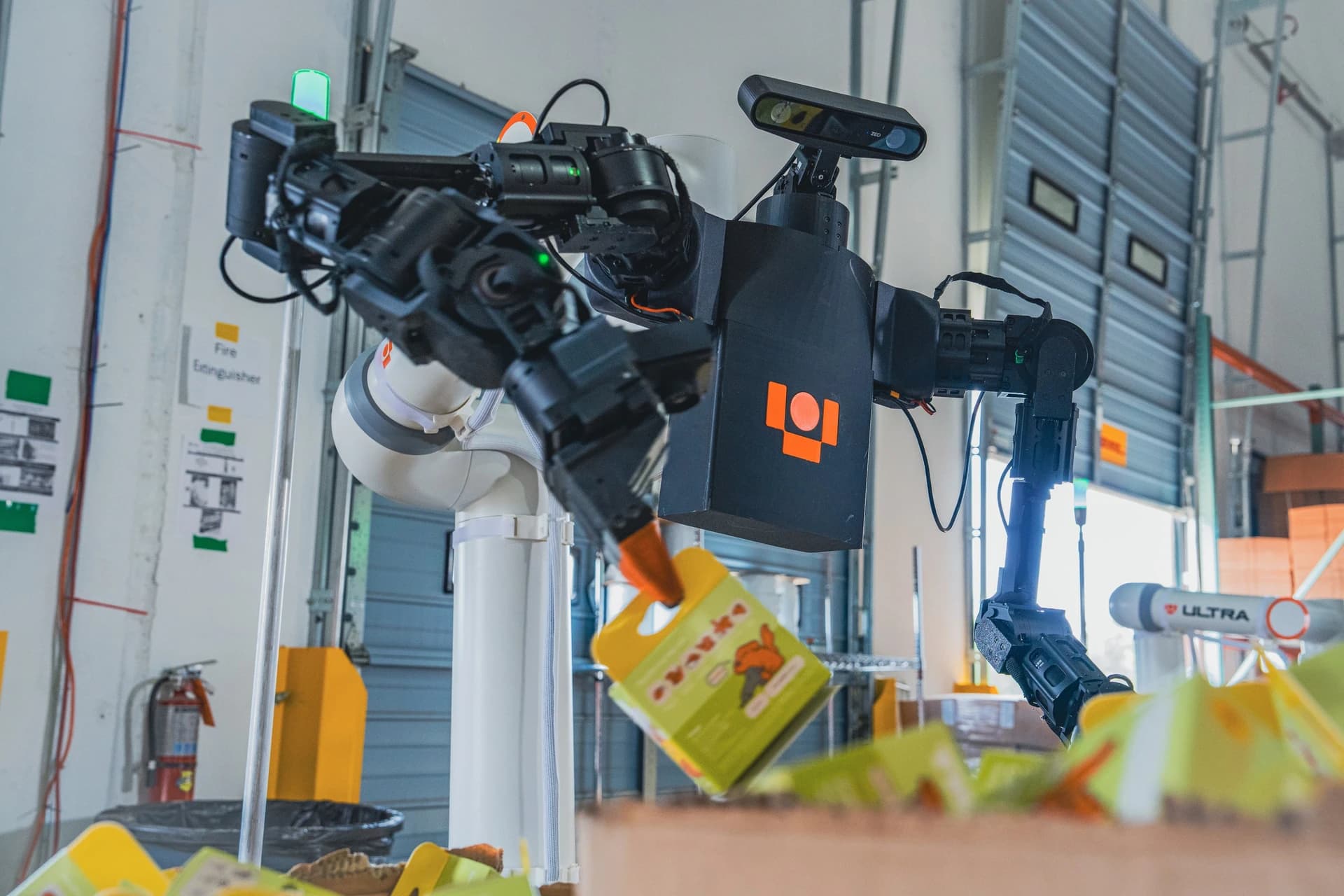
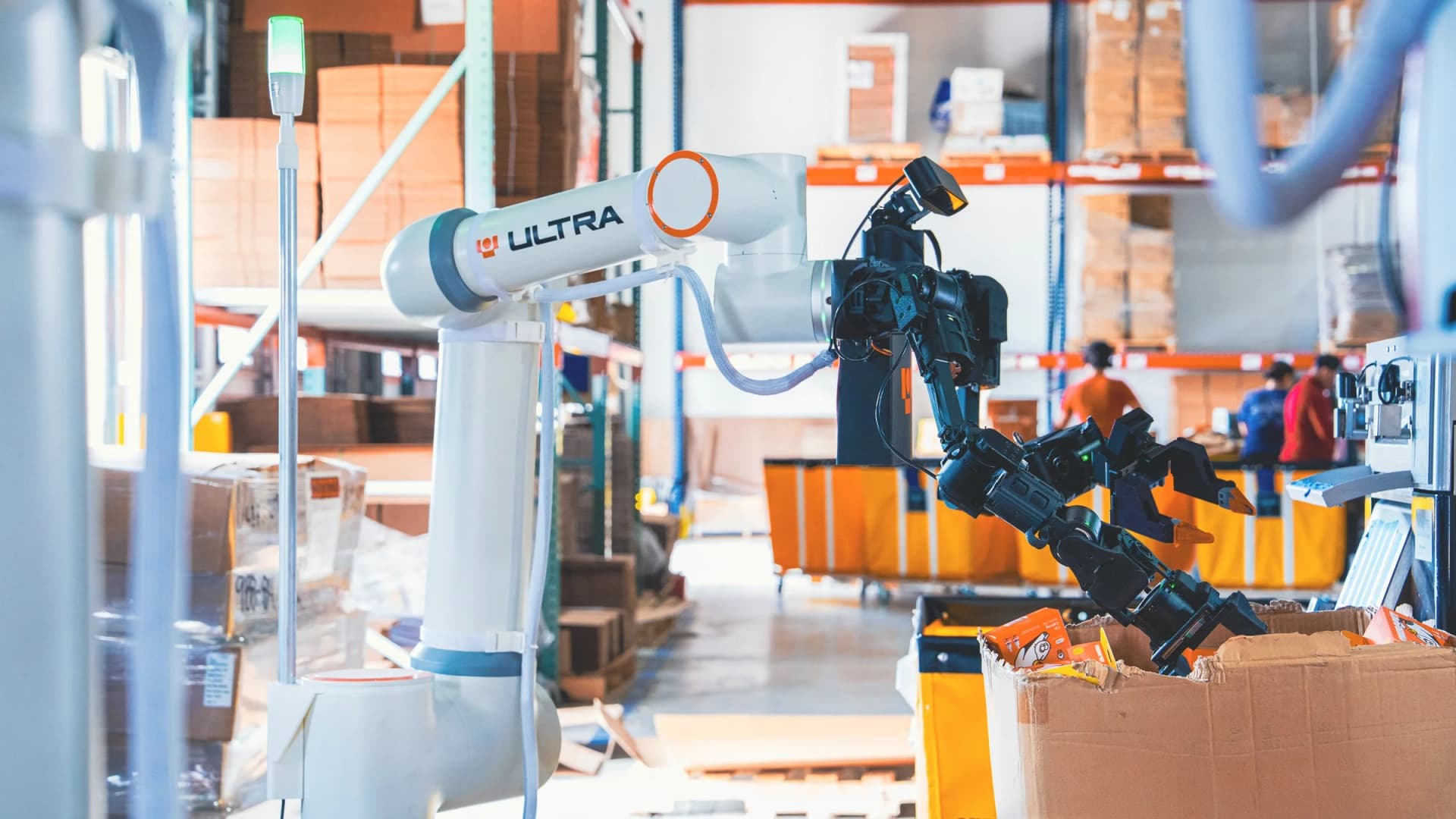
Rather than building a bipedal robot that walks the warehouse floor, Ultra Robotics has taken a pragmatically narrow approach with its OP1 system, known as "Operator."
Introduced in April, the OP1 is a stationary, dual-arm AI robot designed specifically to automate highly repetitive tasks like packing, sorting, and kitting without requiring major infrastructure changes. The robot is mounted on a fixed base, allowing it to move around a single work cell, grab items off the floor, and reach up to 10 feet high.
Follow humanoid robotics without following every announcement.
Get the week’s most important launches, funding and research—and why they matter—in one email from Humanoids Daily.
Once a week. Unsubscribe anytime.
Read recent issues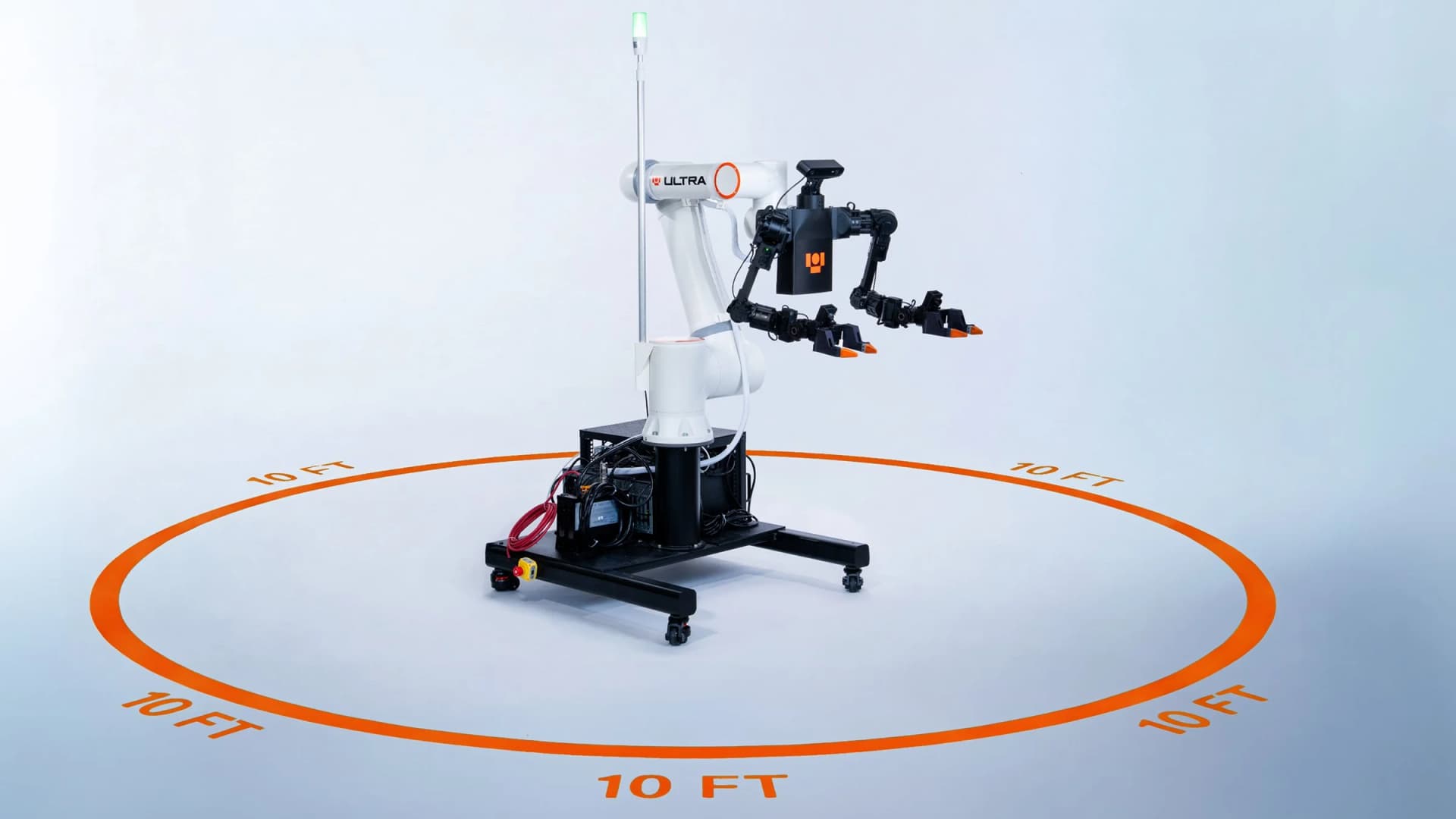
By sacrificing mobility, Ultra has solved several major pain points that currently bottleneck bipedal deployments. The stationary design allows the robot to plug directly into a wall outlet, enabling continuous 24/7 operation with no downtime for battery charging and zero risk of tipping over. Ultra claims that their robots can adapt to the unpredictable reality of warehouse workflows, handling endless item variations without requiring perfectly structured environments.
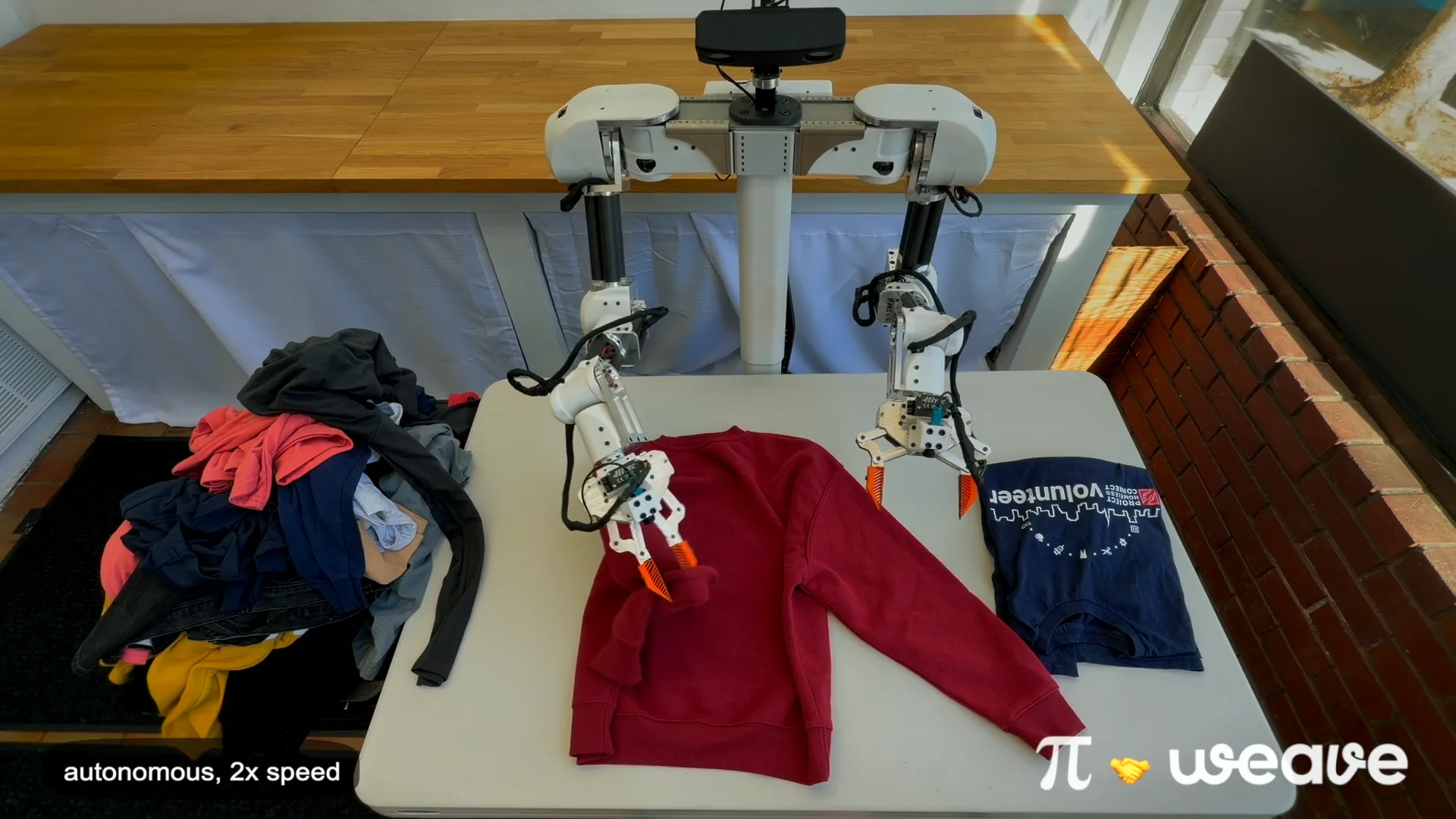
This flexibility is driven by the system's underlying software architecture. As previously reported, Ultra leverages Physical Intelligence's π0.6 foundation model as an intelligence layer. This integration enables the robot to process complex, "long tail" packaging tasks and recover from errors autonomously, significantly boosting throughput.
Industry City: A Live-Action Proving Ground
The collaboration between Highline Commerce and Ultra Robotics is heavily facilitated by their shared location in Industry City, a massive 35-acre tech and manufacturing campus in Brooklyn's Sunset Park.
For Ultra Robotics, having a 3PL partner in the same complex means its engineers can test the OP1 on a live production floor rather than a polished corporate laboratory. This tight physical feedback loop allows the team to observe real-time edge cases—such as deformable mailers or oddly shaped products—and iterate quickly. Highline Commerce CEO Richard Hurley noted in the press release that the density of on-site manufacturing, fulfillment, and robotics companies creates an ecosystem that simply couldn't be replicated in Silicon Valley without prohibitive real estate costs.
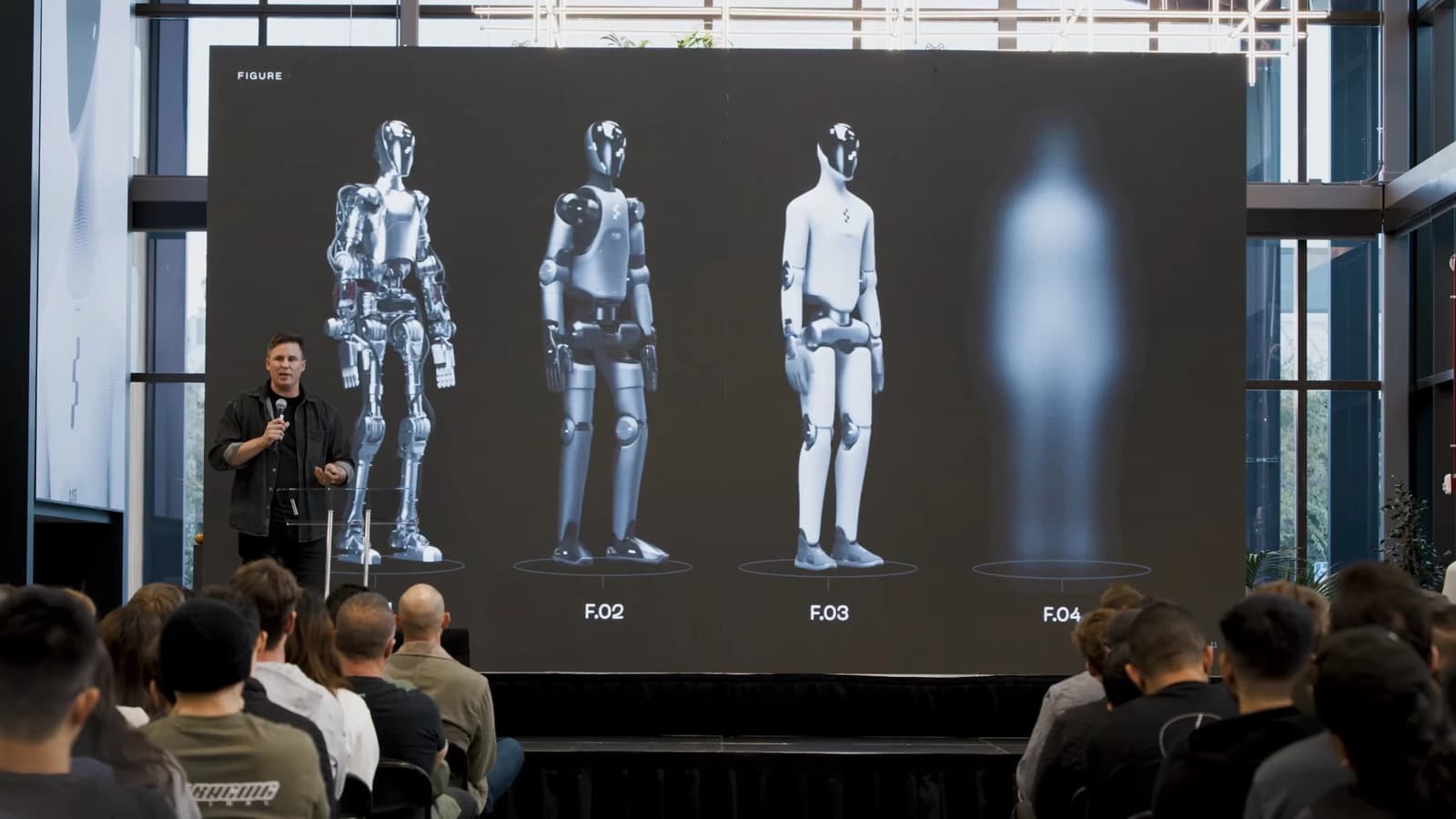
This localized, real-world testing mirrors a broader industry push toward verifying hardware on active production lines. Just as Figure recently had to prove its hardware durability through a 200-hour livestream marathon, and AGIBOT opted to broadcast directly from a consumer electronics factory floor, Ultra is leaning on live fulfillment data to prove its commercial viability.
Deployment in Hours, Not Months
A key hurdle in industrial automation is the "integration tax"—the months of planning, rewiring, and infrastructure overhauls usually required to install new hardware. Ultra Robotics is attempting to bypass this entirely.
According to the company, the OP1 can be rolled up, plugged in, and operational within hours. In a recent customer deployment, Ultra reported that its team delivered two robots in the afternoon, and both units were autonomously packing mailers before the day ended.
While the exact number of OP1 units currently deployed at Highline Commerce has not been disclosed, the ability to manage nearly a third of the facility's order volume indicates a serious scaling effort. As brands continue to launch at a breakneck pace in the $50 million-a-year e-commerce sector, the race to automate the fulfillment pipeline is becoming less about futuristic walking robots, and more about who can pack a box reliably today.
Share this article
Follow humanoid robotics without following every announcement.
Get the week’s most important launches, funding and research—and why they matter—in one email from Humanoids Daily.
Once a week. Unsubscribe anytime.
Read recent issuesRead next
- Published on
- Reading time
- 3 min read
Ultra Raises $50 Million Series A for Warehouse Robots, Deepens Physical Intelligence Partnership
- Published on
- Reading time
- 5 min read
The API-fication of Robotics: Physical Intelligence Unveils Real-World Performance Data with Weave and Ultra
- Published on
- Reading time
- 5 min read
Figure 04 Reaches Design Lock as Adcock Details a Multibillion-Dollar AI Push
- Published on
- Reading time
- 6 min read
Tesla Begins Optimus Production in Fremont, Targets Customer Deliveries in Late 2027
- Published on
- Reading time
- 3 min read
Agile Robots Unveils Agile ONE SN as NVIDIA Expands Its Isaac Robotics Platform
- Published on
- Reading time
- 8 min read
The Unitree G1 Is Becoming a Platform for American Robot Startups