- Published on
The Spring Festival Gala Effect: Humanoid Orders Surge as Unitree Eyes 20,000-Unit Year
One tap, and our reporting appears more often in your Google Top Stories. It makes a real difference to a small newsroom.

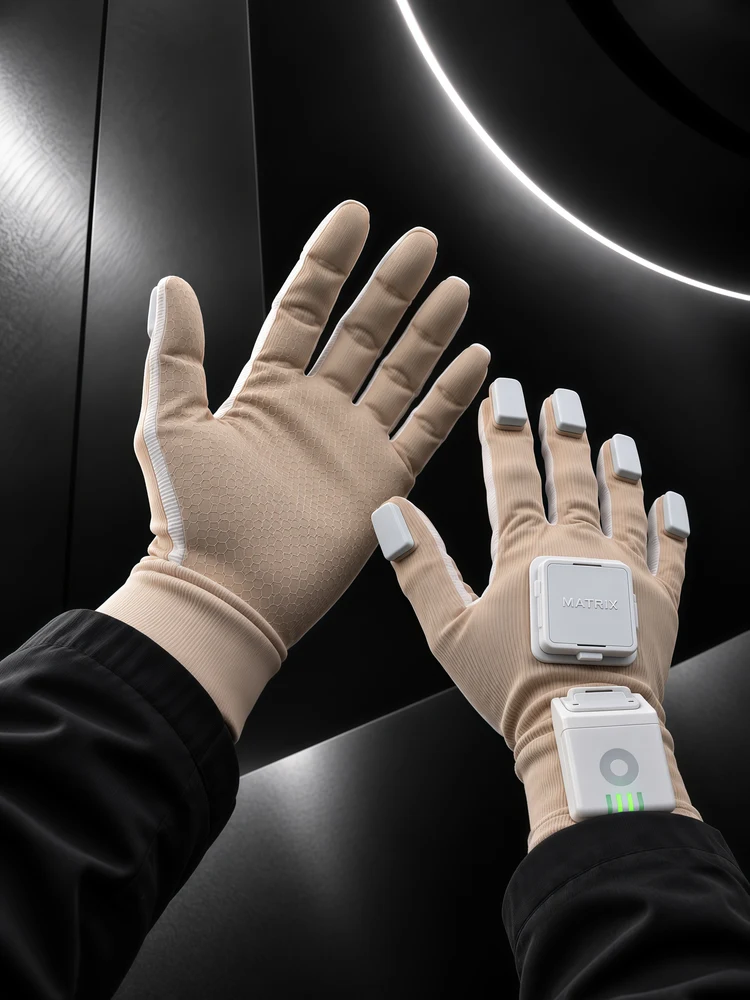
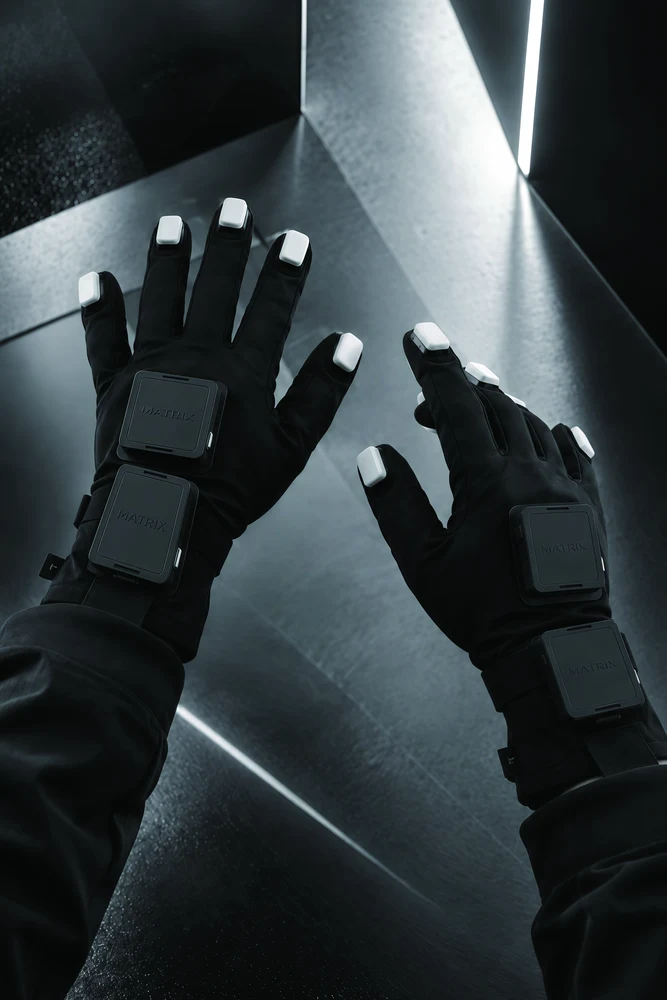

The annual CCTV Spring Festival Gala, or Chunwan, has long been a cultural juggernaut in China, but in 2026, it served as the ultimate product launch for the nation’s burgeoning humanoid robotics sector. Following a performance that integrated machines into the core of the entertainment, the impact on the domestic market has been immediate and quantifiable.
According to data from JD.com, searches for robots on the platform surged by 300% within just two hours of the China Media Group broadcast. The spike in curiosity translated directly into commerce: customer service inquiries rose by 460%, while total order volume jumped 150%. This surge wasn't limited to tech hubs, as new orders originated from over 100 cities nationwide, signaling that the humanoid "showbiz" moment is successfully penetrating the public consciousness.
Unitree Sets Sights on 20,000 Units
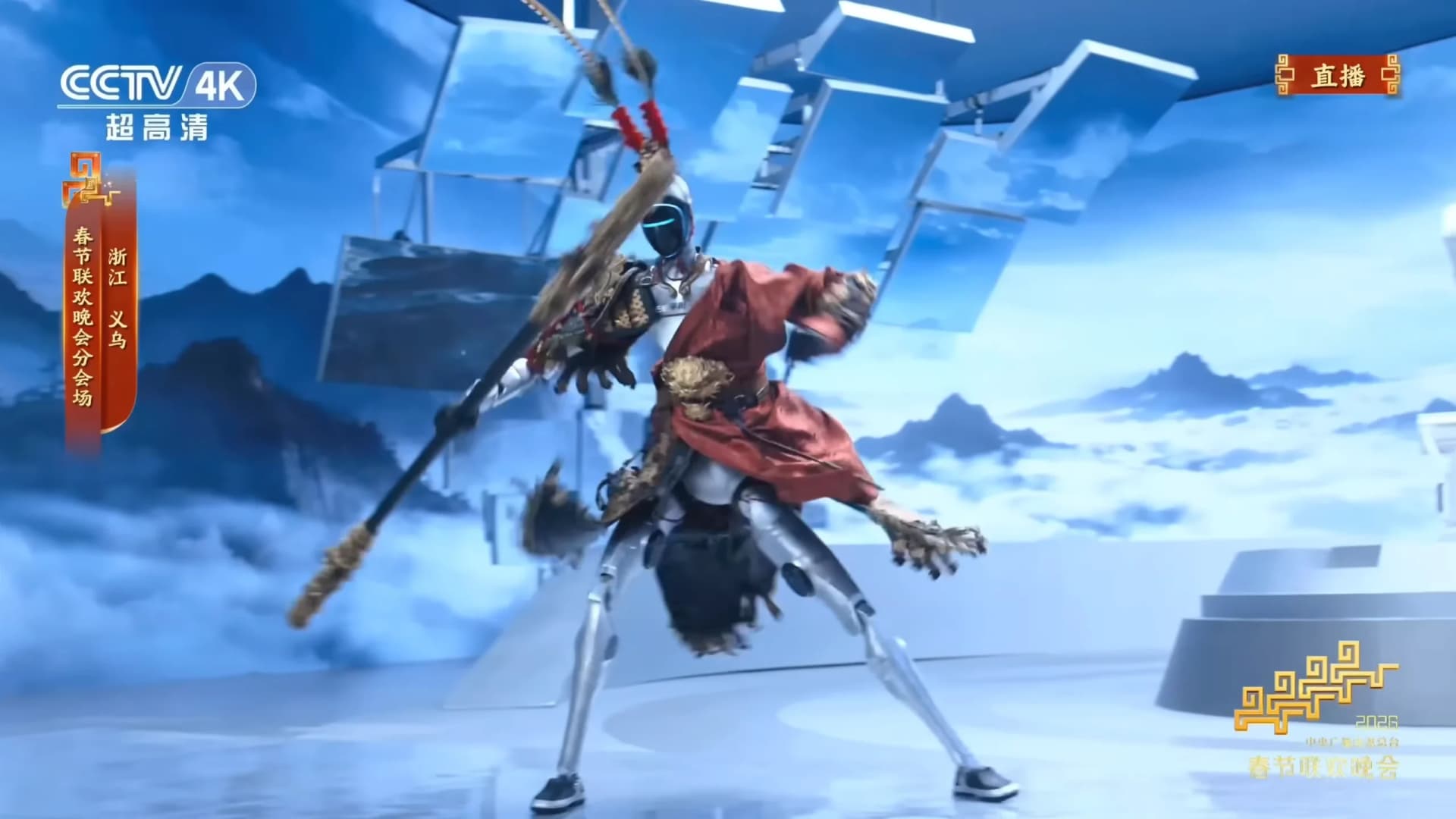
The technical standout of the evening was undoubtedly Unitree Robotics, which used the gala to showcase its G1 model in a high-octane "Martial BOT" segment. The robots performed fully autonomous kung fu routines, obstacle avoidance, and even trampoline somersaults reaching heights of three meters. The show also featured the new, bigger, H2 model.
Following the viral success of the broadcast, Unitree CEO Wang Xingxing disclosed ambitious growth plans in an interview with 36Kr. After reporting over 5,500 units shipped in 2025, Wang projects that Unitree could ship between 10,000 and 20,000 units in 2026. This aggressive scaling aligns with broader industry forecasts from GGII, which suggest domestic humanoid shipments could reach 62,500 units this year—a massive leap from the 18,000 units estimated for 2025.
The weekly humanoid robotics briefing
One email a week: the launches, funding and research that mattered, with context from Humanoids Daily.
Read recent issuesUnitree’s confidence is backed by strong financial health; the company has reportedly maintained profitability for five consecutive years, with annual revenue now exceeding 1 billion yuan ($138 million). In the US, the company recently listed its G1 humanoid on Amazon, further bridging the gap between industrial hardware and consumer availability.
From Performance to Utility
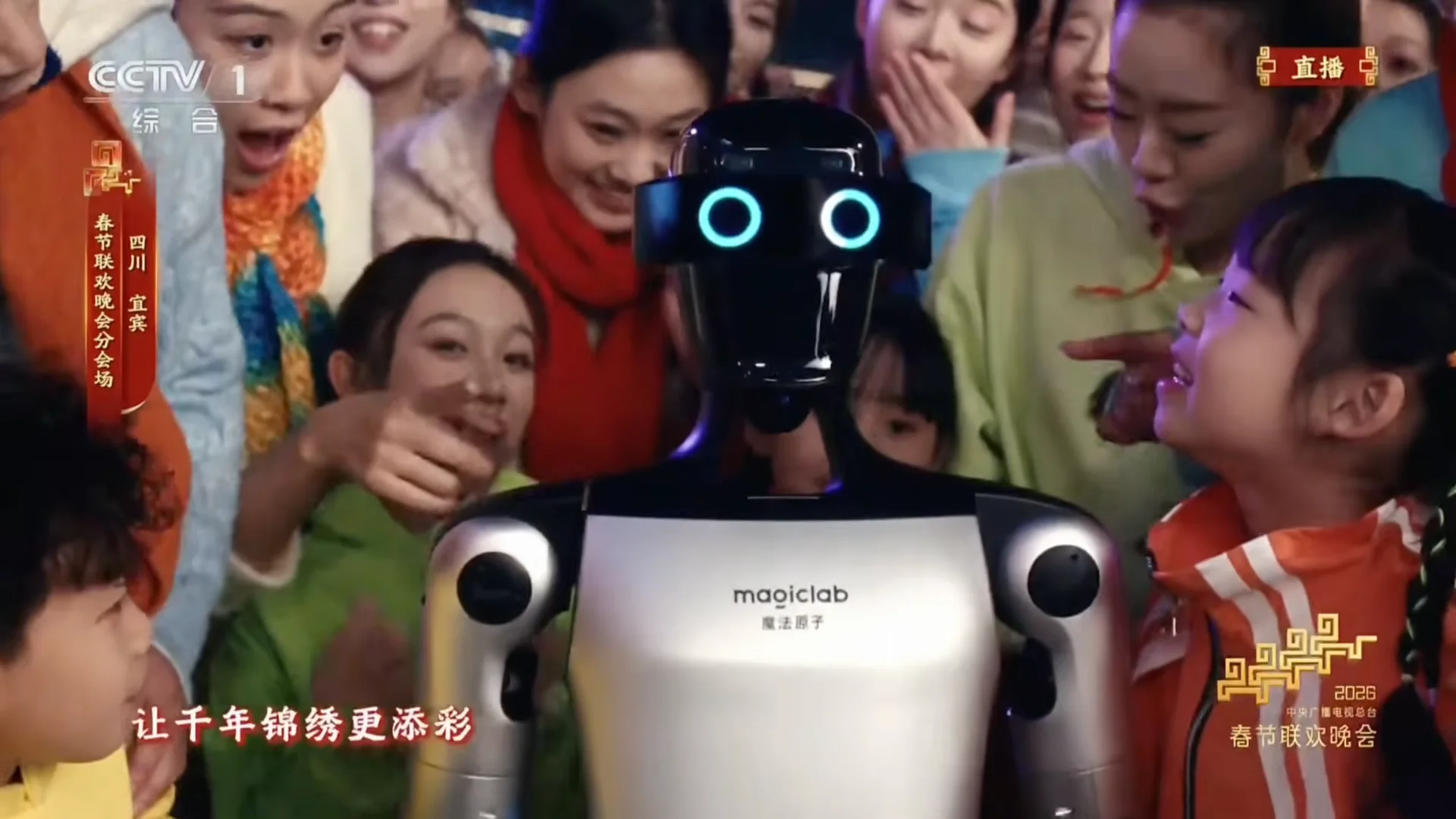
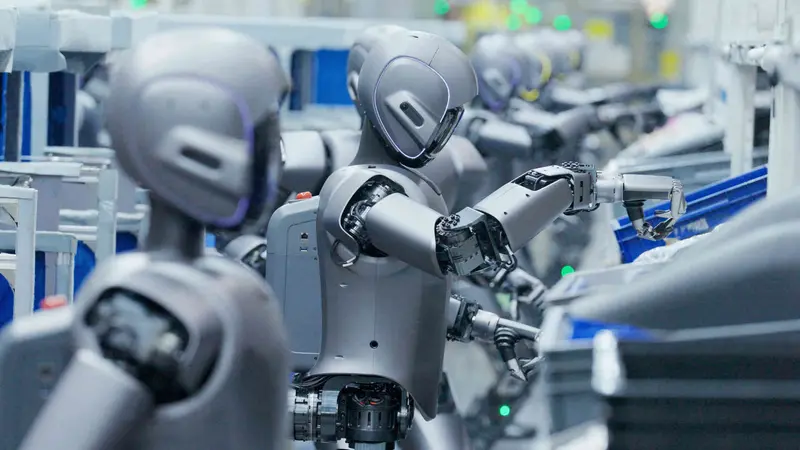
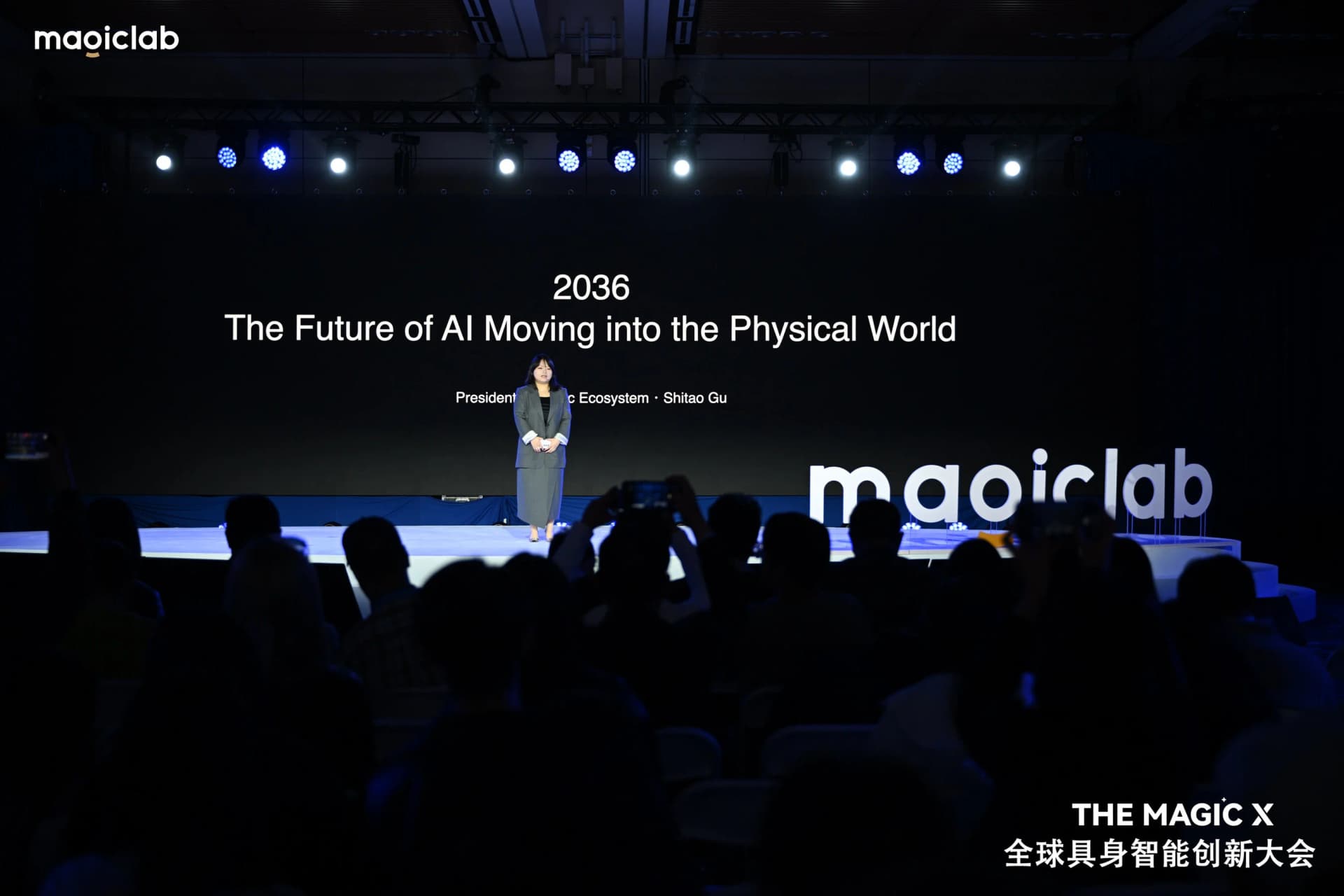
While the gala emphasized entertainment, several participants used the platform to demonstrate practical utility. MagicLab showcased its robots in a food-service context, acting as a "noodle chefs" and "food delivery workers", although within the context of a dance number.
"We want the public to see that robots are not just performers but capable, intelligent partners," said MagicLab co-founder Gu Shitao.
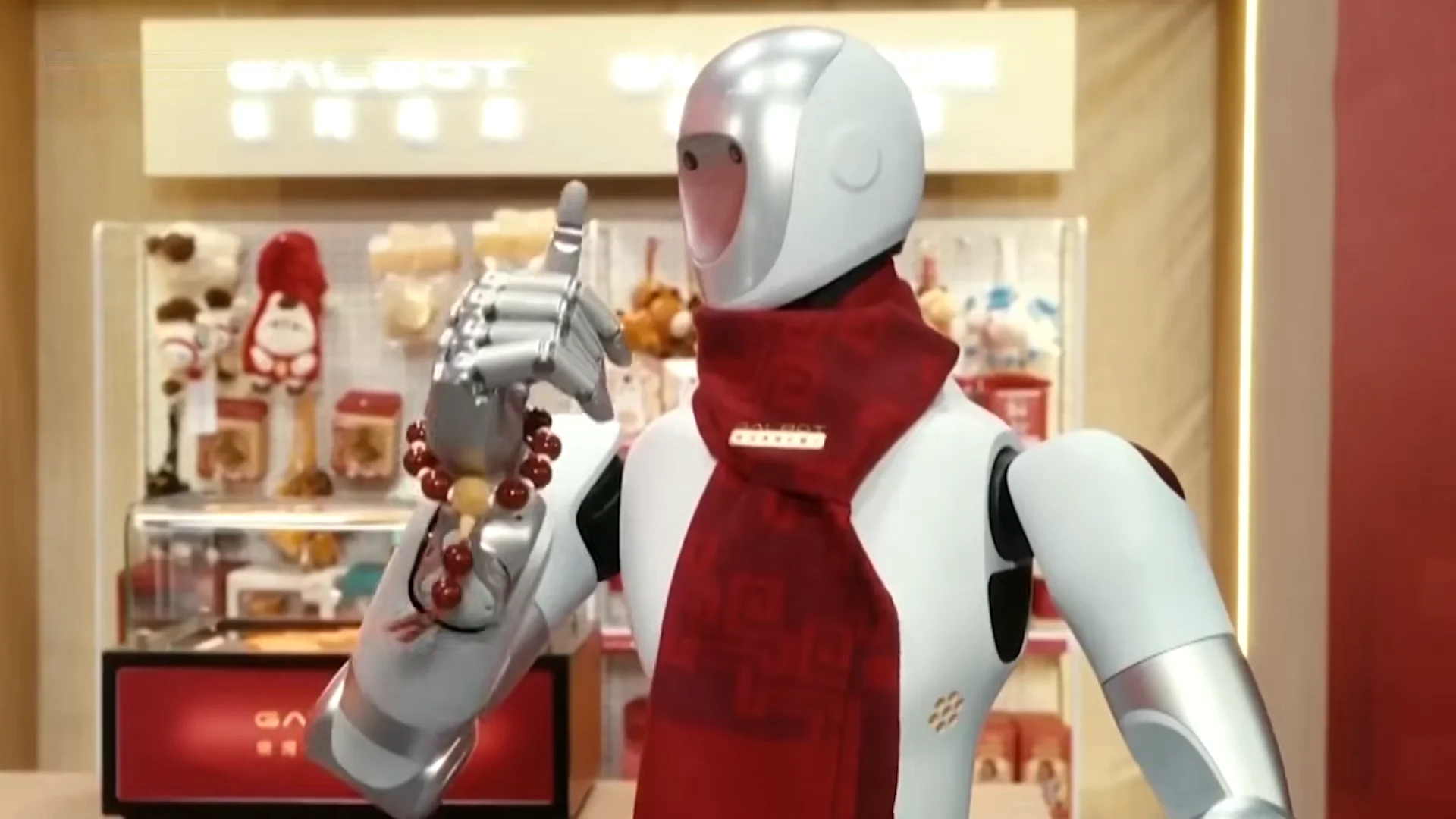
Similarly, Galbot—which recently secured a $300 million funding round at a $3 billion valuation—demonstrated its "AstraBrain" large-model AI. Its robots performed dexterous household tasks like sorting and folding clothes, highlighting a future domestic service market.
The Bionic Front: Noetix and Human Interaction
In a gala first, Noetix Robotics featured its humanoids in a "language-based" comedy sketch alongside veteran actress Cai Ming. The performance relied on the robots’ bionic facial features, driven by compact motors to mimic realistic eye and mouth gestures.
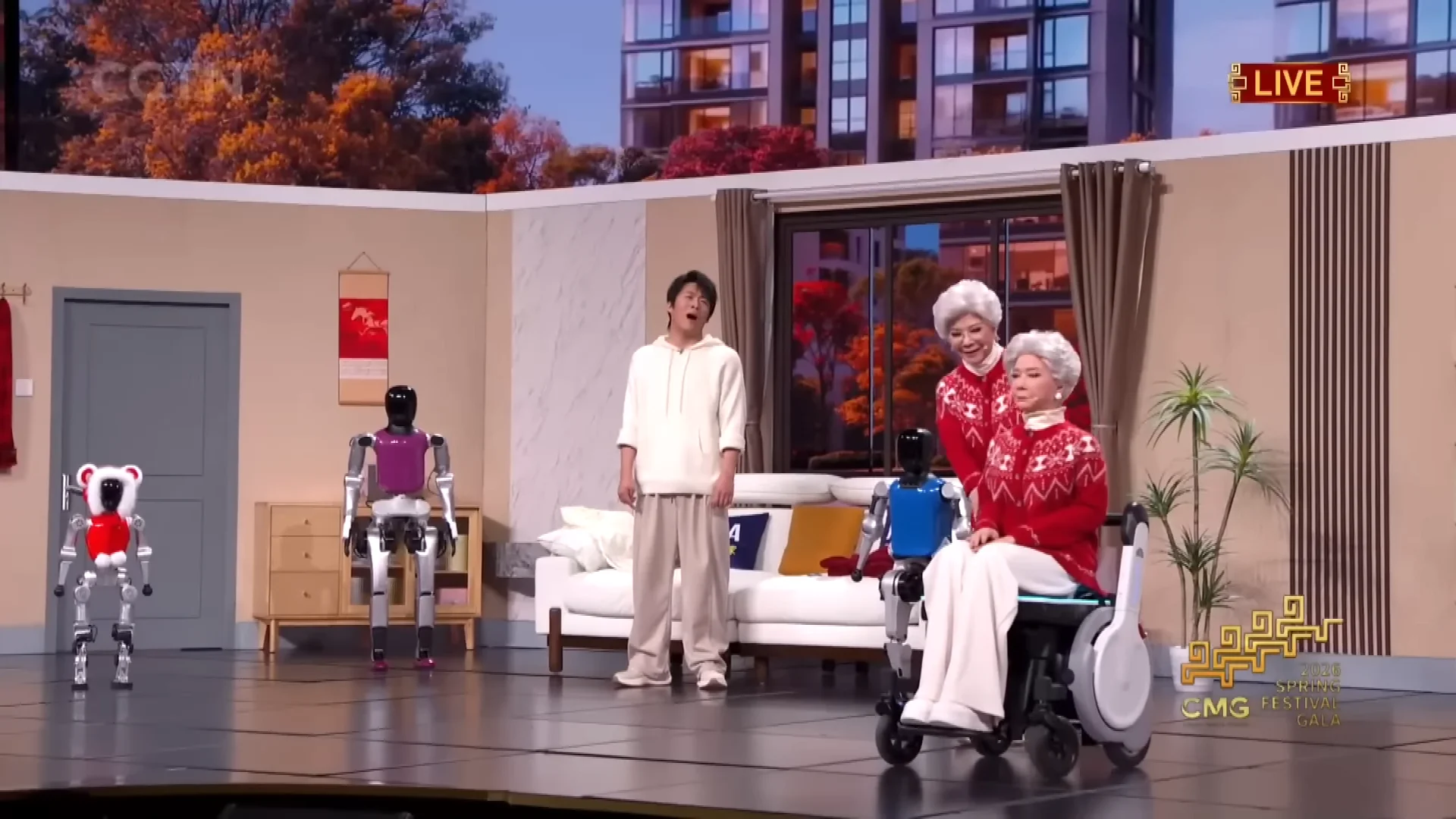
This emphasis on "companion" robotics is central to Noetix’s strategy. The company’s Bumi humanoid, which also featured in the comedy sketch, is priced at 9,988 yuan (roughly $1,445), positioning it as one of the most accessible entry-level platforms on the market.
A Crowded Field
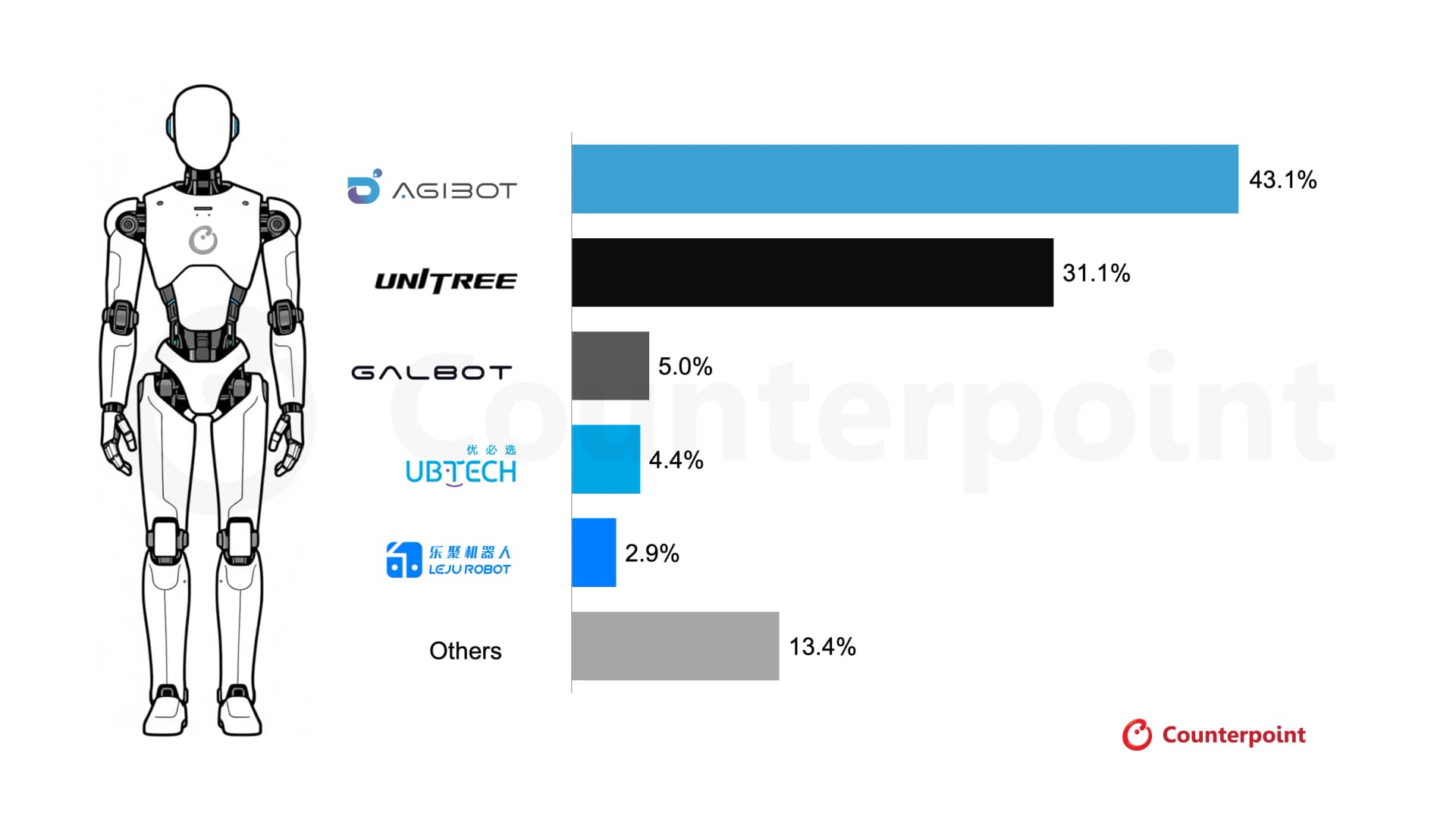
The explosion in consumer interest arrives as the industry enters a phase of growing competition. While Unitree and AgiBot continue to clash over shipment data and definitions, the Spring Festival Gala has shifted the battlefield from technical white papers to the living rooms of millions.
Share this article
Read next
- Published on
- Reading time
- 4 min read
The "Robot Super Bowl": Humanoids Dominate China’s 2026 Spring Festival Gala
- Published on
- Reading time
- 6 min read
Global Humanoid Shipments Surpass 22,000 in H1 2026 as AGIBOT Leads and Form-Factor Debates Intensify
- Published on
- Reading time
- 2 min read
China's Noetix Robotics Prices 'Bumi' Humanoid Under $1,400, Targeting Consumers
- Published on
- Reading time
- 4 min read
Humanoid Robots Approaching Cost Parity, Poised for Wider Adoption Within 5 Years, Bain Suggests
- Published on
- Reading time
- 5 min read
The $1.4 Billion Sprint: Inside China’s Post-Gala Humanoid Funding Frenzy
- Published on
- Reading time
- 4 min read
MagicLab Pivots to "Magic-Mix" Intelligence with $1 Billion Developer Ecosystem Bet


The weekly humanoid robotics briefing
One email a week: the launches, funding and research that mattered, with context from Humanoids Daily.
Read recent issues