- Published on
The End of C++: Brett Adcock on Helix 02 and Figure’s Path to "Room-Scale" Autonomy
One tap, and our reporting appears more often in your Google Top Stories. It makes a real difference to a small newsroom.

Supported by RoboStrategySupport for Humanoids Daily comes from RoboStrategy
Sponsored
Investing involves risk, including possible loss of principal. Read the prospectus before investing.
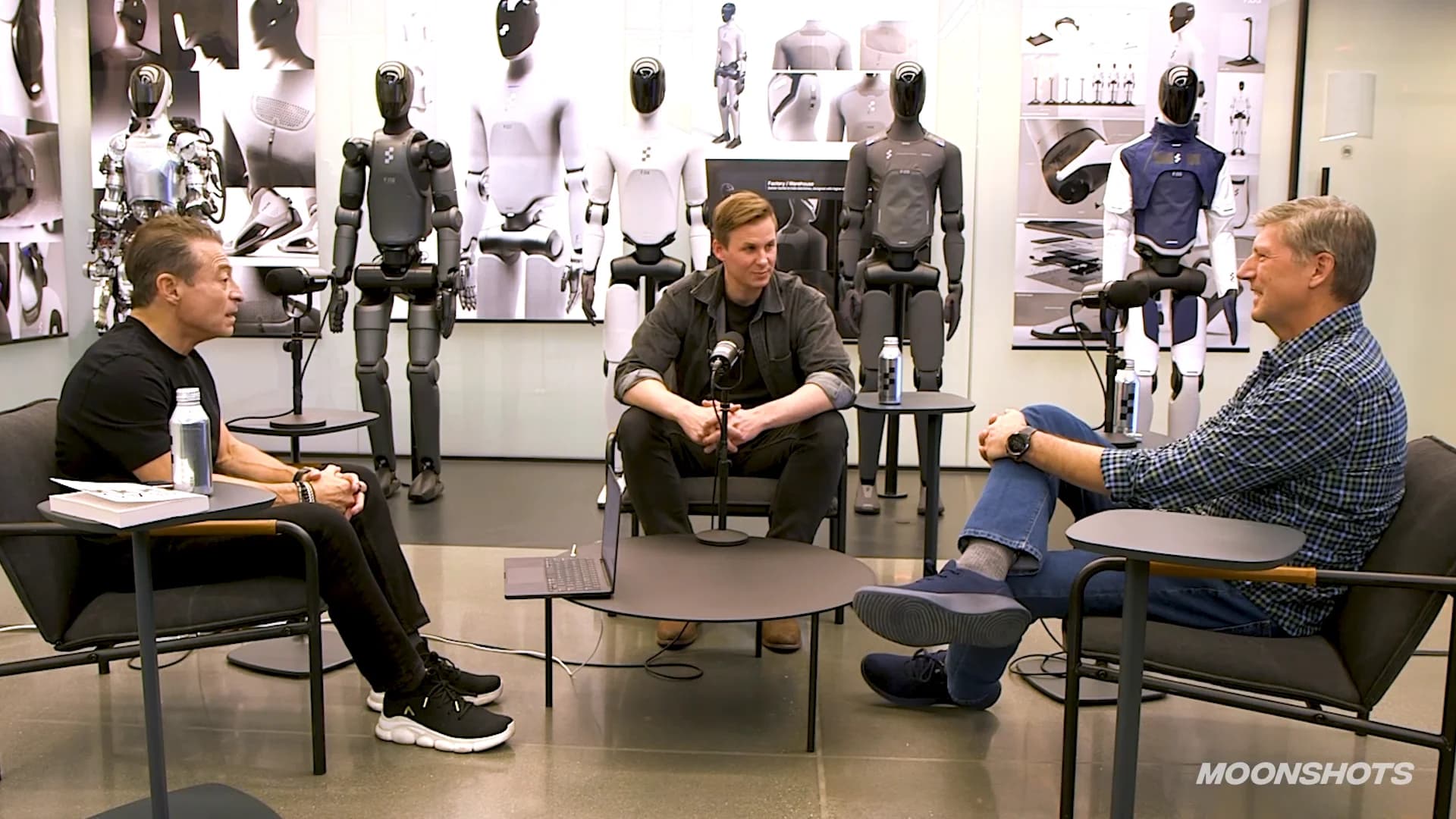
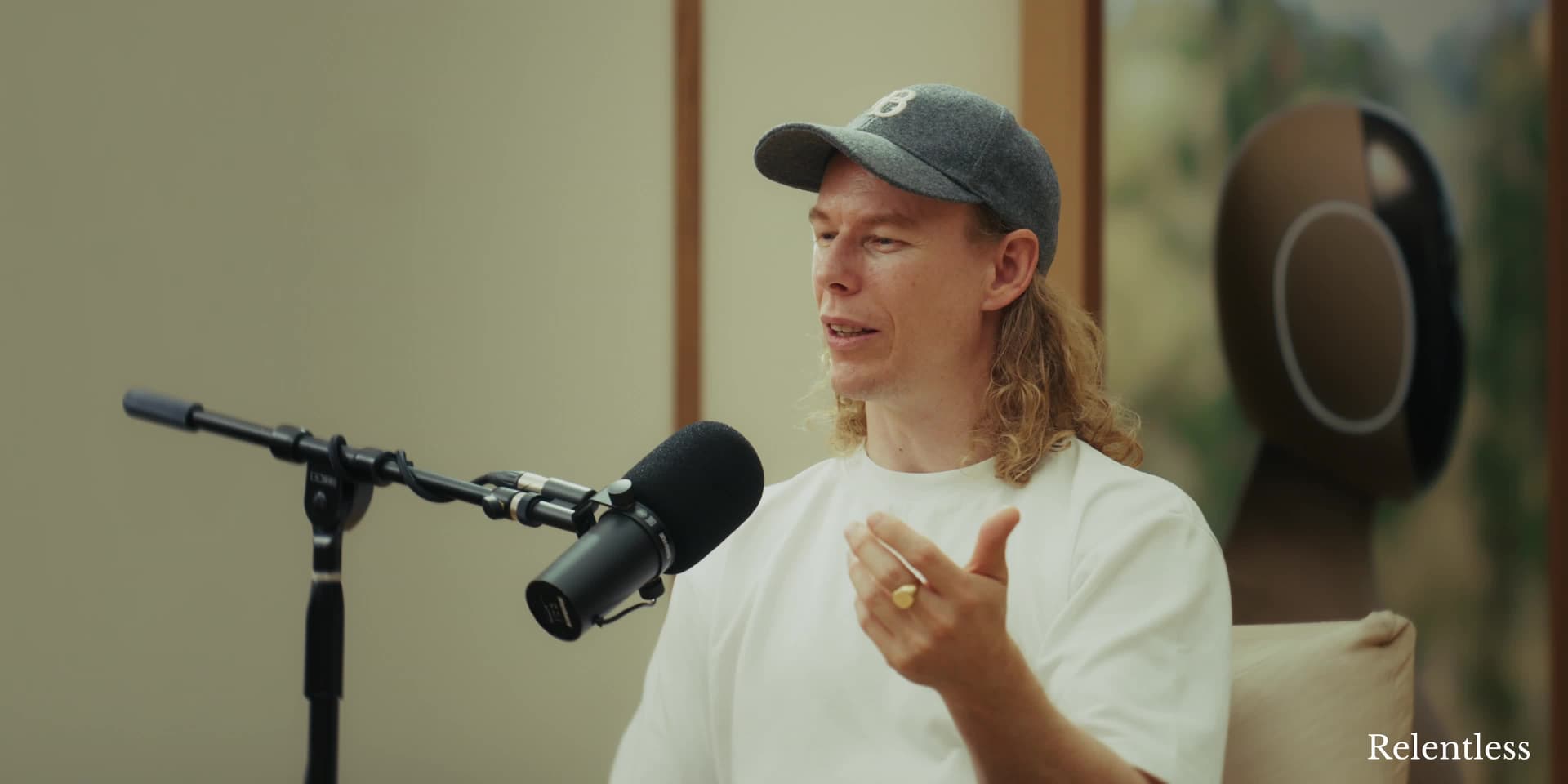
Figure CEO Brett Adcock has declared the era of hand-coded robotics officially over. In a new, wide-ranging interview (watch it at the end of the article) on Peter Diamandis’ Moonshots podcast, Adcock revealed that the company has reached a "Software 2.0" milestone with the release of Helix 02, an AI architecture that has allowed Figure to delete the final 109,504 lines of hand-engineered C++ code from its robots.
The interview, conducted at Figure’s Sunnyvale headquarters, provided the most detailed look yet at the company’s "System 0, 1, 2" brain and its aggressive manufacturing roadmap for 2026.
Deleting the "Clunky" Past
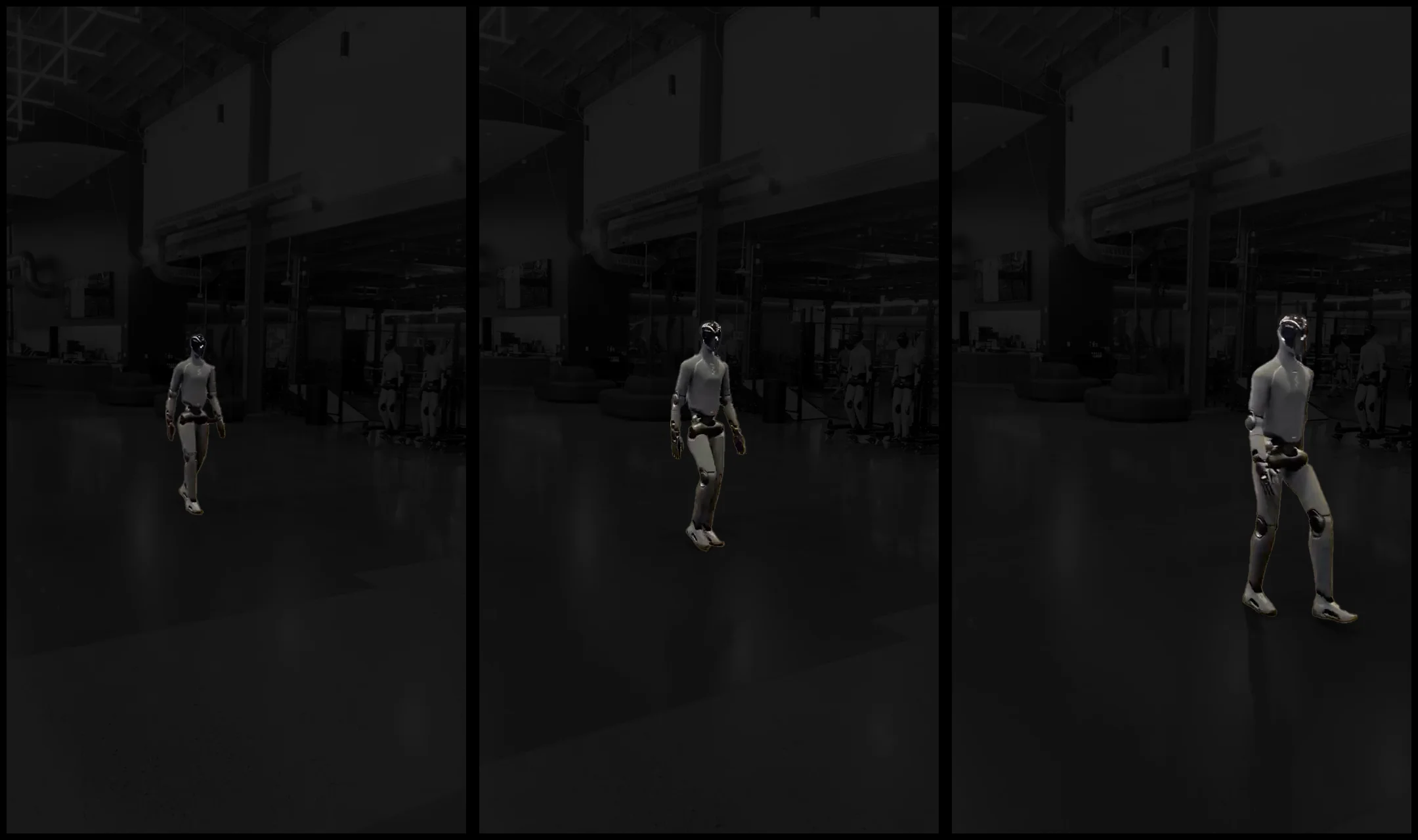
The core of the announcement is the full deployment of Helix 02, which Adcock describes as a fundamental refactoring of robotic intelligence. While previous iterations relied on C++ for lower-body control and balance, Helix 02 introduces System 0 (S0)—a full-body reinforcement learned controller that handles balance, contact, and coordination entirely via neural networks.
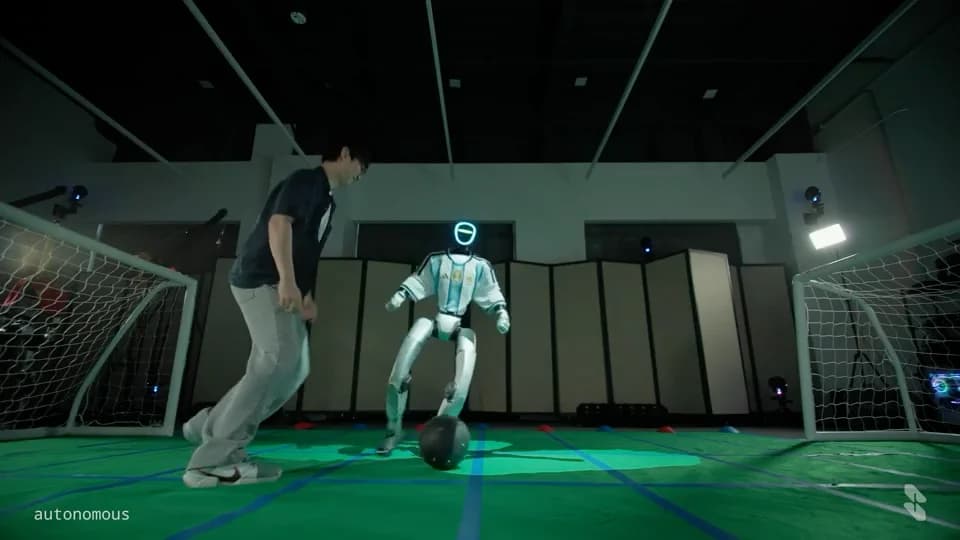
"We would have never been able to do a quarter of what you saw today with code heuristics," Adcock told Diamandis, referring to a demonstration of a Figure 03 loading glassware into a dishwasher. This "pixels-to-torque" approach allows the robot to perform "room-scale autonomy," where it can navigate and manipulate objects as a single, continuous system without the "stop-and-go" lag of traditional controllers.
The weekly humanoid robotics briefing
One email a week: the launches, funding and research that mattered, with context from Humanoids Daily.
Read recent issuesFigure 03: Hardware Built for the Model
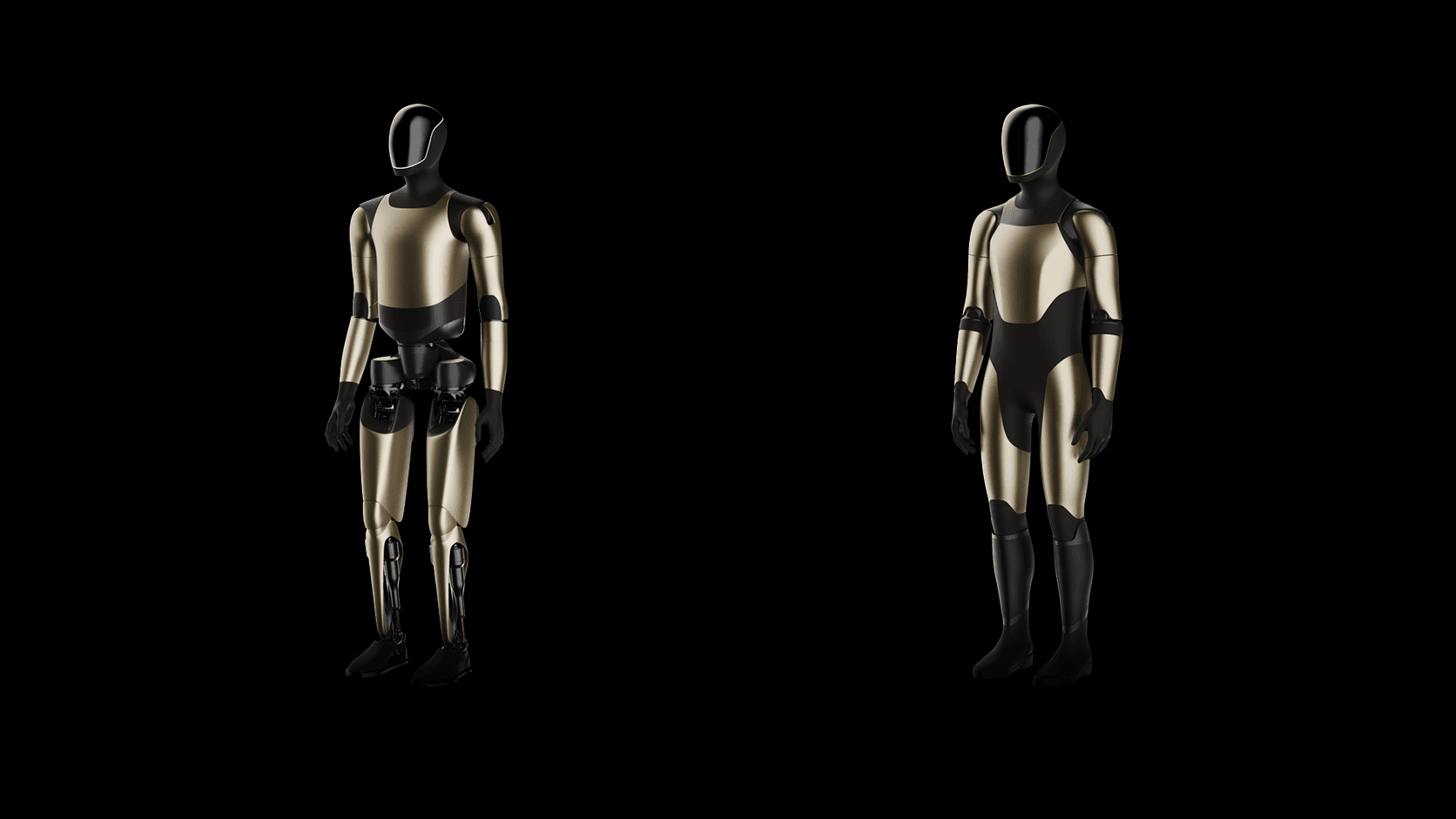
Adcock showcased the Figure 03 as a "workhorse" specifically designed to run the Helix stack. The hardware represents a massive leap in economic viability, with Adcock claiming a 90% reduction in manufacturing costs compared to the Figure 02. Key refinements include:
- Weight Reduction: The F.03 is 30 lbs lighter than its predecessor, improving safety and power efficiency.
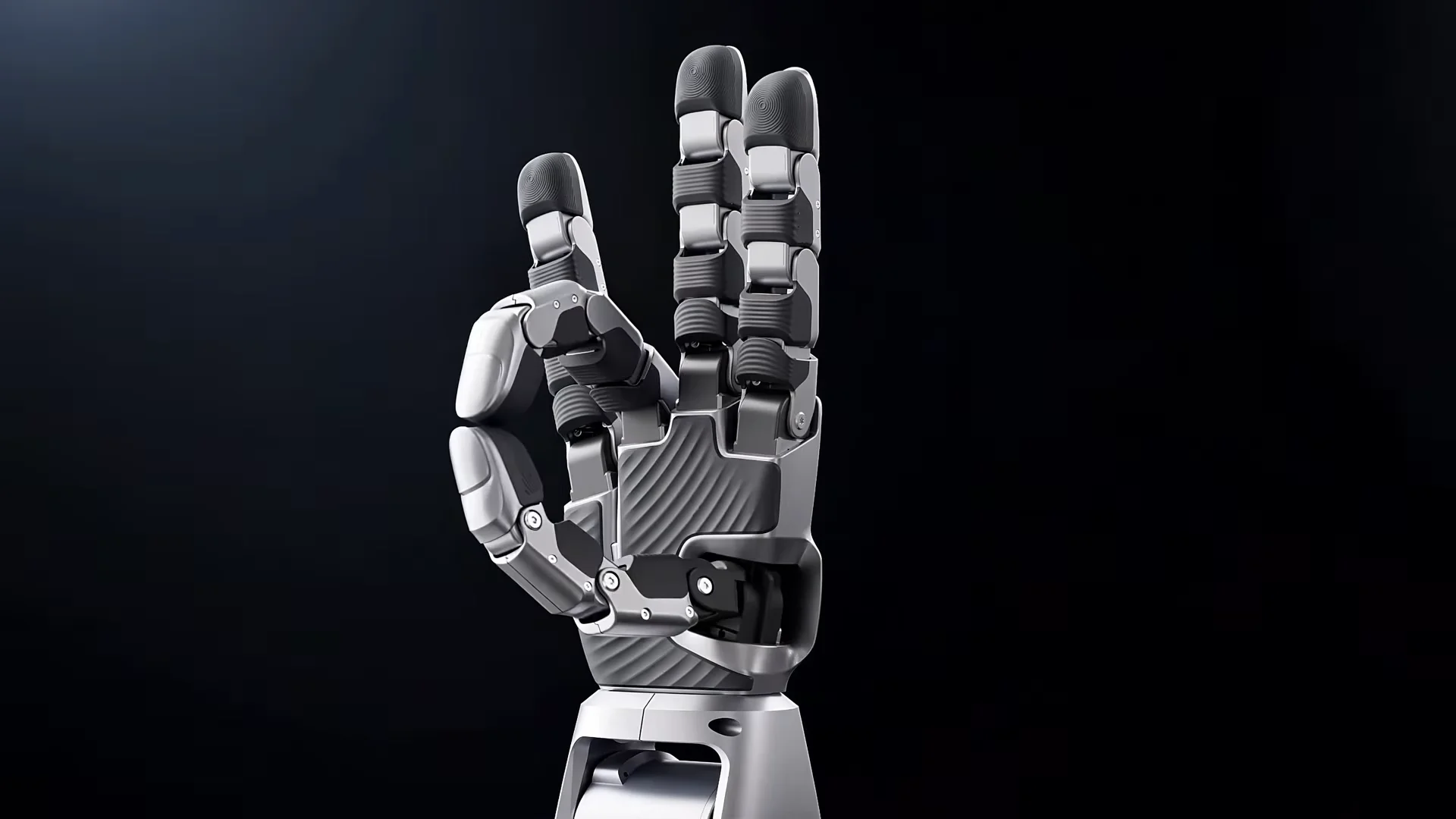
- Sensor Integration: New palm cameras and fingertip tactile sensors (sensitive down to three grams) are now fused directly into the neural policy.
- Locomotion: A new "passive toe" design allows for more natural gaits and deeper ranges of motion, moving past the "clunky" flat-footed walk of earlier models.
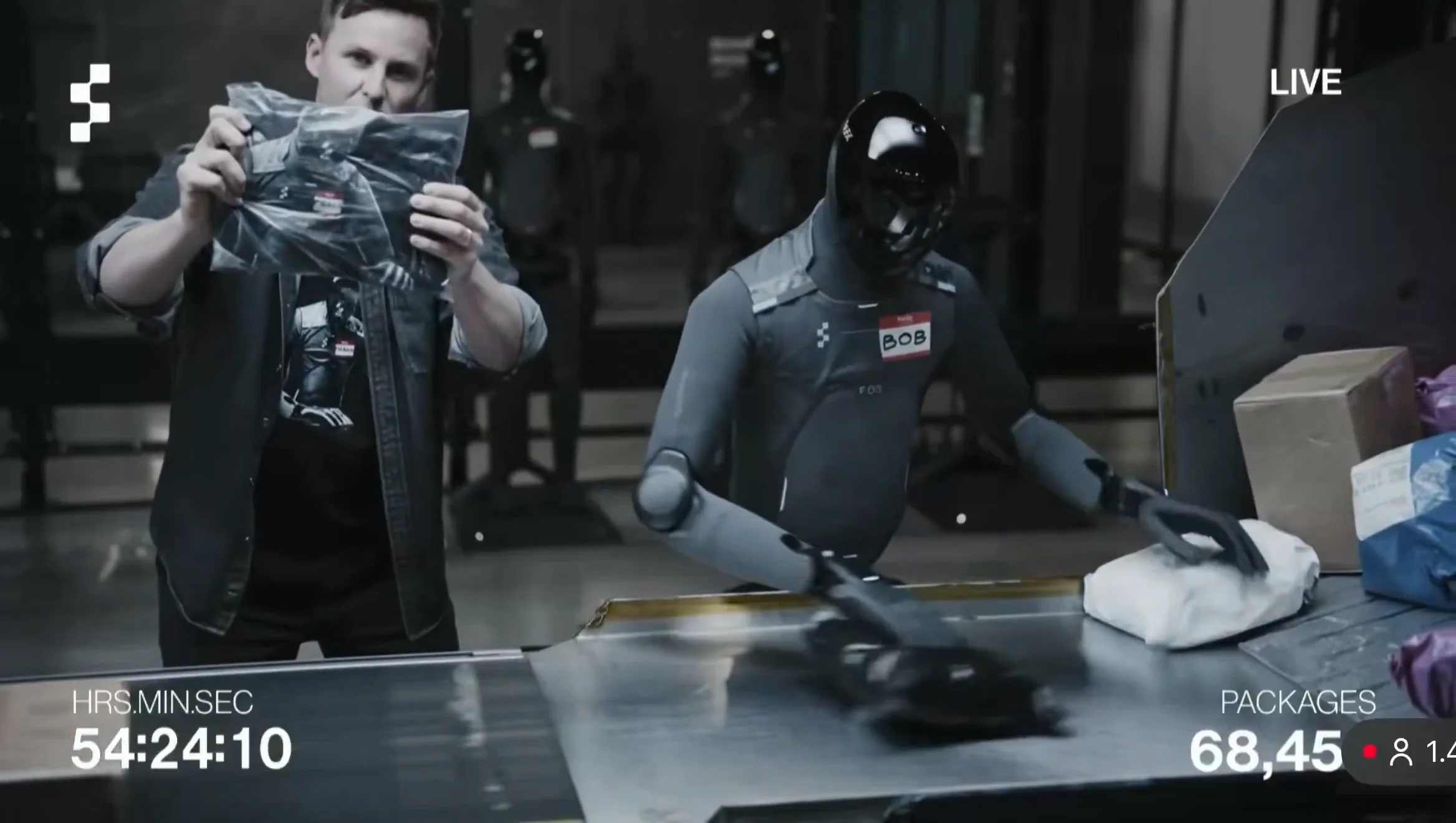
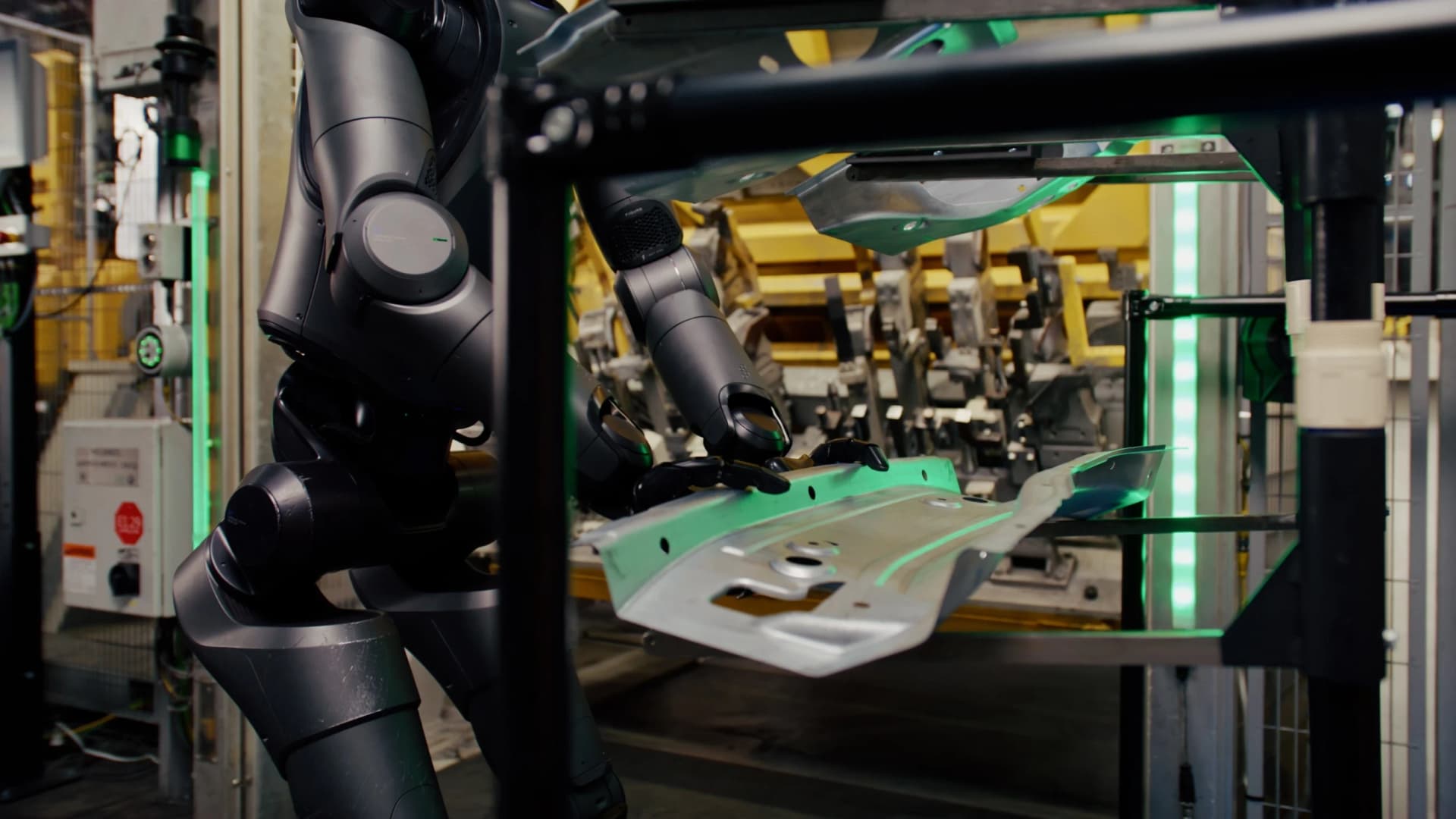
This hardware maturation follows the retirement of the Figure 02 fleet, which spent 1,250 hours on the BMW production line. Adcock noted that while the BMW pilot was successful, the underlying architecture was "too brute force" to scale to the millions of units Figure envisions.
HARK and the "Omni-Model" Vision
Adcock discussed the founding of HARK, a new AI lab focused on digital and physical autonomy. HARK appears to be the engine behind Figure’s shift toward an "omni-model"—a single neural network that handles speech, reasoning, and physical action simultaneously.
Adcock used the lab’s progress to explain why Figure dissolved its partnership with OpenAI in 2025. "Our team just ran circles around them," Adcock stated, arguing that general-purpose robotics requires a level of "embodied physics" that pure Large Language Models (LLMs) cannot achieve. He dismissed current LLMs as "advanced Google search engines" that lack the world-understanding necessary to avoid walking through glass walls or crushing delicate objects.
2026: Robots Building Robots
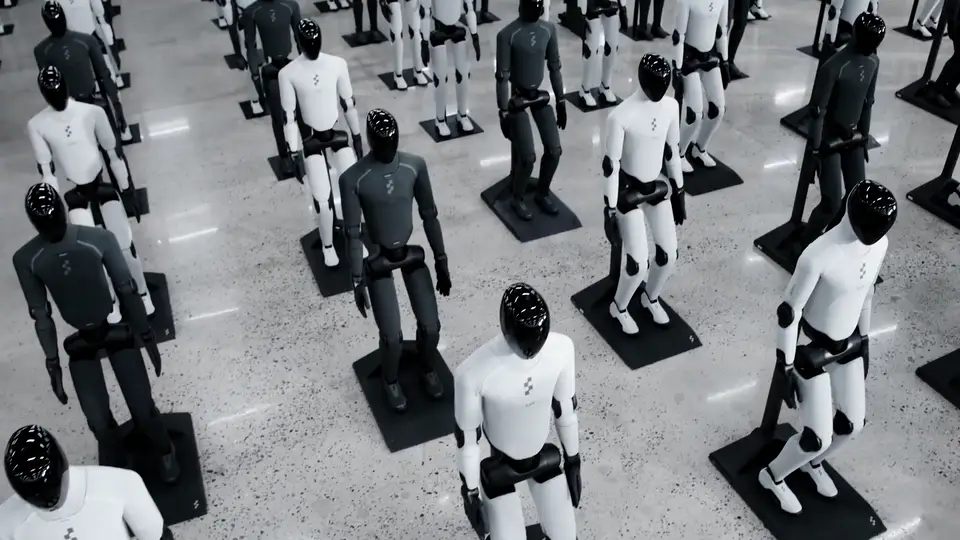
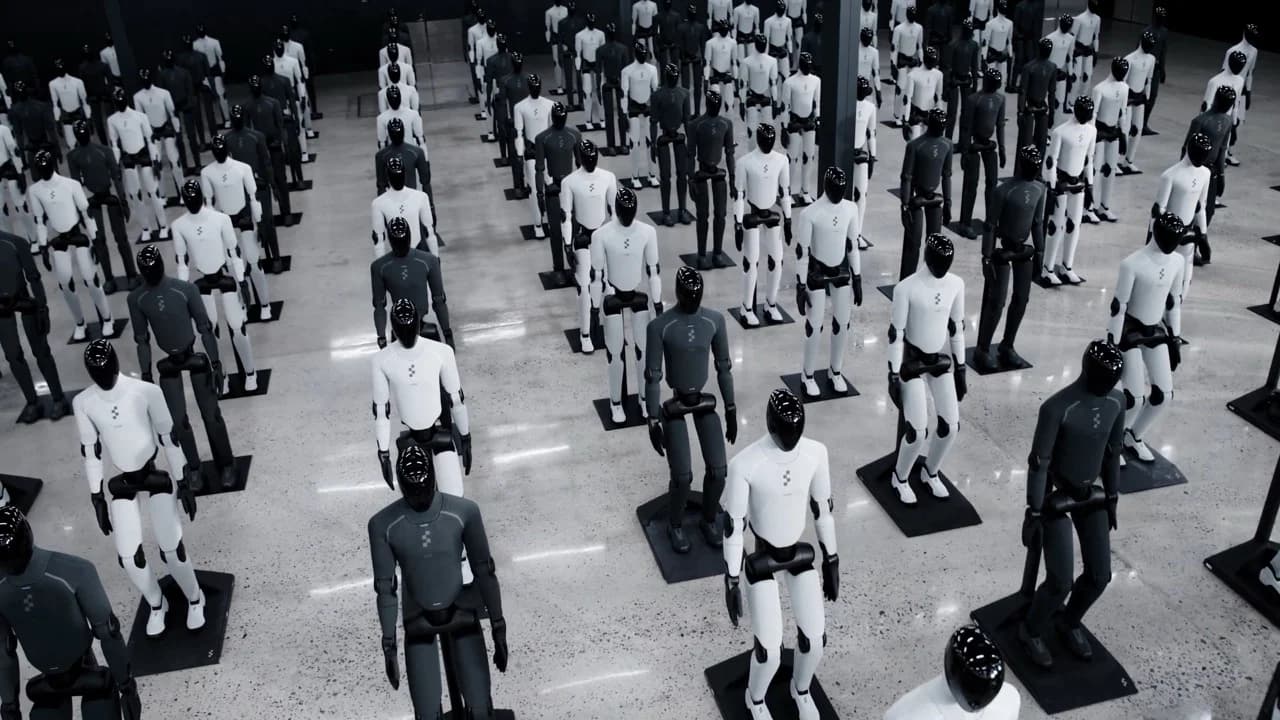
The timeline for 2026 remains aggressive. Adcock expects to put robots on Figure’s own "BotQ" manufacturing lines this year, moving toward a "self-replicating" production model. The BotQ facility is currently being outfitted to support a capacity of nearly 50,000 units per year.
While the Dishwasher Wars with Sunday Robotics have highlighted Figure's ability to handle fragile glassware, the ultimate test remains the home. Adcock admitted that while his 2026 roadmap targets "unseen" homes, he still "babysits" the robot when it is around his own children.
"The goal is to be able to put a robot in a home fully autonomously, end-to-end, around all my kids," Adcock said. "Until I feel safe enough to have it there with free reign, it’s not ready for everyone." He estimated that hardware capable of surgical-level dexterity will be ready by the end of 2026, though the "brain" will require significantly more data to reach that level of reliability.
The Global Race
Addressing the perceived competition with China, Adcock was both complimentary and dismissive. While acknowledging China's work ethic and talent, he argued that most international competitors are still stuck in "open-loop" behaviors—pre-programmed routines or teleoperation that he famously calls "soy stuff."
"Show me a minute of a robot doing a task uncut, closed-loop, and real-time," Adcock challenged. "You just haven't seen that elsewhere."
Tesla CEO Elon Musk recently offered a starkly different assessment, dismissing Figure and the broader U.S. robotics scene entirely. During Tesla's Q4 2025 financial results webcast, Musk stated, "To the best of our knowledge, we don't see any significant competitors outside of China".
By summer 2026, Figure aims to have almost no Chinese components in its supply chain, further insulating the $39 billion startup from geopolitical friction as it attempts to ship the first truly general-purpose humanoids.
Share this article
Read next
- Published on
- Reading time
- 8 min read
Beyond the 60-Hour Mark: Figure AI’s Endurance Marathon Signals Playbook for Figure 4 and Supply Chain Independence
- Published on
- Reading time
- 3 min read
Compute War Chest: Figure and Hark Secure Full Datacenter of NVIDIA B200s
- Published on
- Reading time
- 4 min read
"I Fired Them": Brett Adcock on the OpenAI Split, Robot Self-Repair, and the Kid-Safety Test
- Published on
- Reading time
- 3 min read
Lights-Out in Sunnyvale: Figure 03 Fleet Shifts to 24/7 Autonomous Operation
- Published on
- Reading time
- 5 min read
BMW Reflections: Why the Spartanburg Pilot Succeeded and Why Figure 02 Had to Die
- Published on
- Reading time
- 5 min read
24x Throughput: Figure Scales Manufacturing to One Robot Per Hour
The weekly humanoid robotics briefing
One email a week: the launches, funding and research that mattered, with context from Humanoids Daily.
Read recent issues