- Published on
NVIDIA and Hugging Face Standardize Open-Source Robotics Pipeline via LeRobot
One tap, and our reporting appears more often in your Google Top Stories. It makes a real difference to a small newsroom.

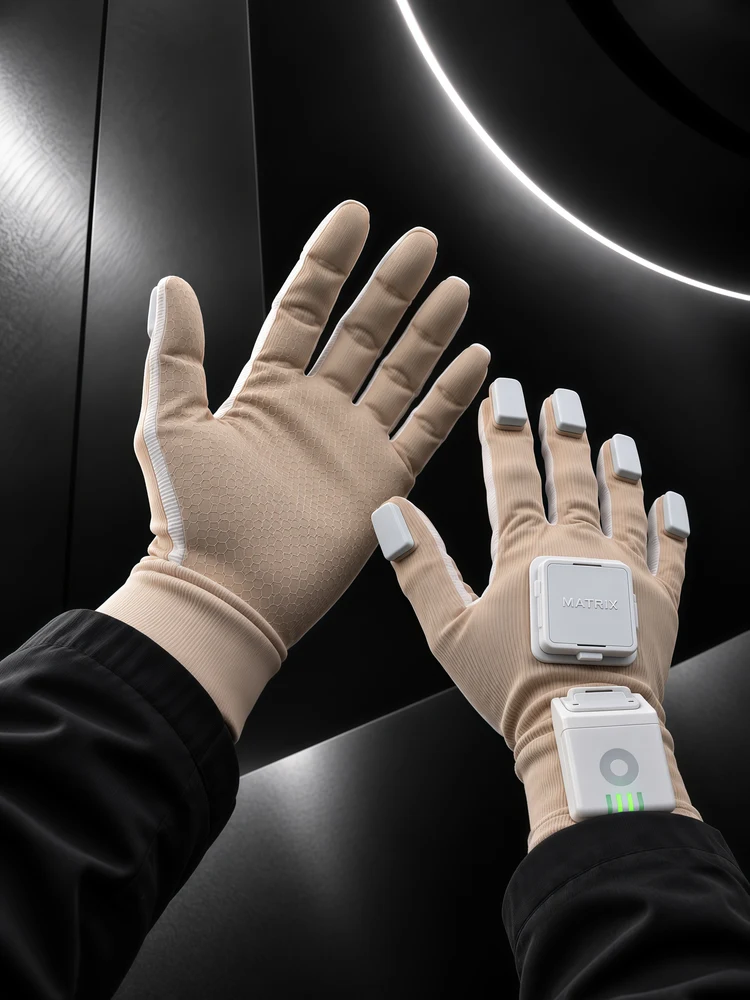


- NVIDIA and Hugging Face are integrating core physical AI frameworks—including Isaac GR00T 1.7 and Isaac Teleop—directly into the open-source LeRobot library.
- The collaboration connects NVIDIA’s 3 million robotics developers with Hugging Face’s 16 million AI builders to create an end-to-end open pipeline.
- Future roadmap plans include bringing NVIDIA’s recently announced Cosmos 3 frontier world model into the LeRobot ecosystem.
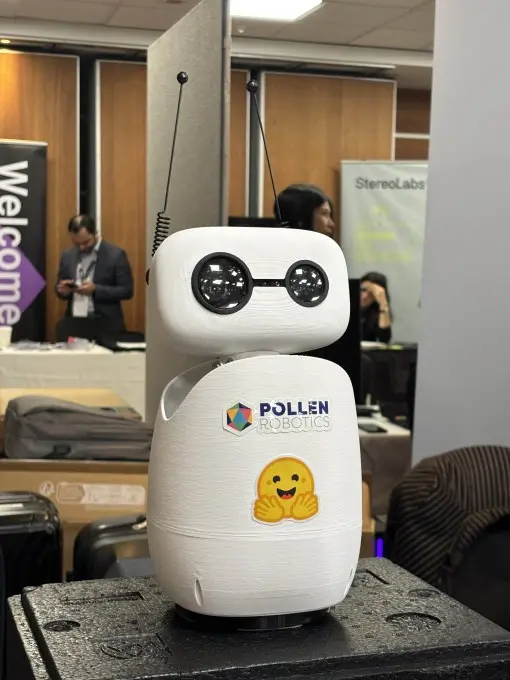
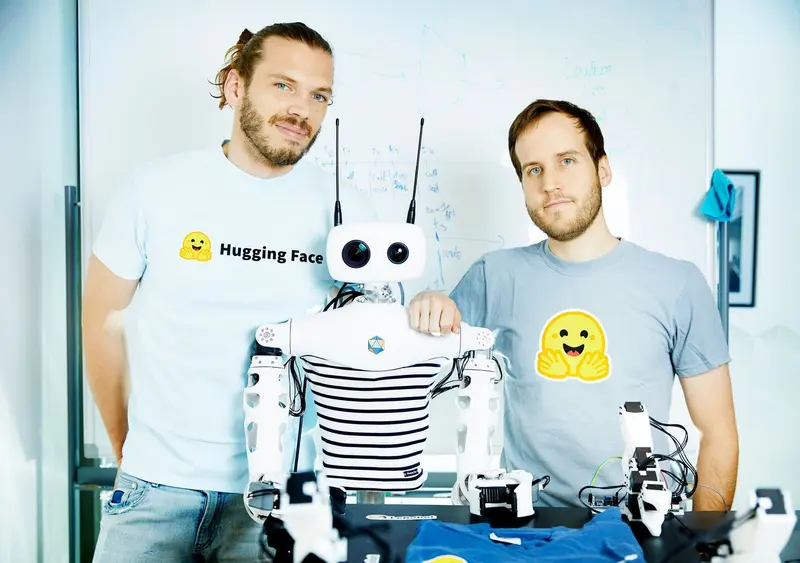
- The integration supports edge deployment via NVIDIA Jetson Thor on Hugging Face-backed open humanoid platforms like Pollen Robotics' Reachy 2.
The friction of physical AI development has long been defined by fragmented tools. While open-source software revolutionized natural language processing, the robotics community has historically operated in silos, splitting its efforts between custom simulation environments, proprietary data structures, and isolated hardware platforms.
In a bid to unify these workflows, NVIDIA and Hugging Face have announced a deep technical collaboration. The partnership integrates NVIDIA’s primary physical AI models and frameworks directly into LeRobot, Hugging Face’s open-source library for training, running, and sharing robot datasets. By bridging NVIDIA’s 3 million robotics developers with Hugging Face’s 16 million AI builders, the initiative aims to establish a standardized, end-to-end pipeline for open-source humanoid and automation research.
A Unified Architecture for Physical AI
Rather than forcing developers to build custom data-ingestion layers, the integration brings three of NVIDIA’s core foundational tools into open workflows:
- NVIDIA Isaac Teleop: An open-source framework that enables developers to capture high-quality human demonstrations from external devices using standardized, interoperable data formats, directly native to LeRobot.
- NVIDIA Isaac GR00T 1.7: Positioned as an open and commercially viable robot foundation model, GR00T 1.7 will use LeRobot workflows to simplify post-training and deployment, easing the process of adapting generalist policies to custom robot configurations.
- NVIDIA Cosmos 3: Slated for integration in the near future, the frontier world foundation model—which unveiled a massive paradigm shift toward vision-first world action models—will allow developers to generate synthetic data and simulate environments directly within the LeRobot ecosystem.
"Open source is how a field turns advanced research into something people can study, adapt and build on," Thomas Wolf, cofounder and Chief Science Officer at Hugging Face, said in a statement. "With NVIDIA Isaac GR00T 1.7 and Isaac TeleOp in LeRobot today, robotics developers can use shared models, data and workflows to train and evaluate robots in the open."
The weekly humanoid robotics briefing
One email a week: the launches, funding and research that mattered, with context from Humanoids Daily.
Read recent issuesCapitalizing on the Open Ecosystem
The announcement builds on an aggressive string of robotics moves from Hugging Face over the past year. Since acquiring Pollen Robotics and introducing accessible testbeds like HOPEJr, the platform has pivoted toward capturing the data layer of physical automation.
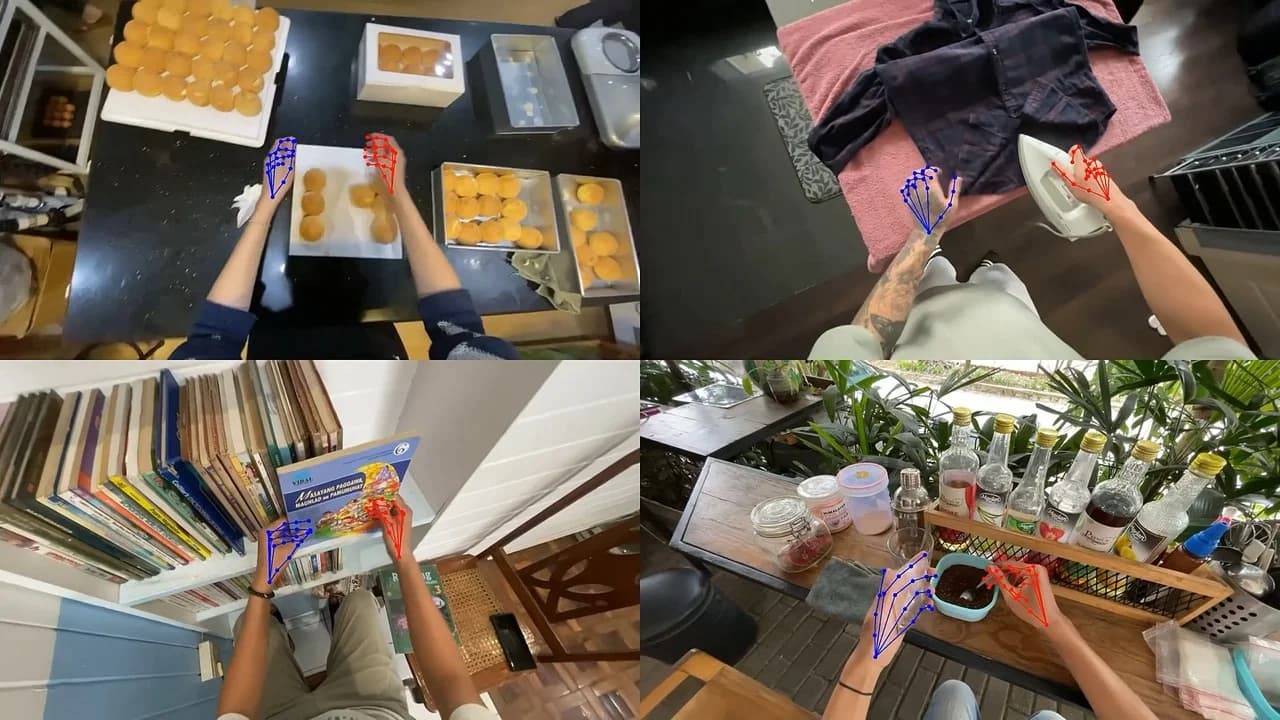
Hugging Face recently partnered with BitRobot Network to host HIW-500, a massive 10TB real-home humanoid dataset, re-encoding it into the compressed LeRobot format to lower infrastructure barriers for smaller research teams. Bringing NVIDIA’s tooling into this loop solves a separate bottleneck: simulation and validation.
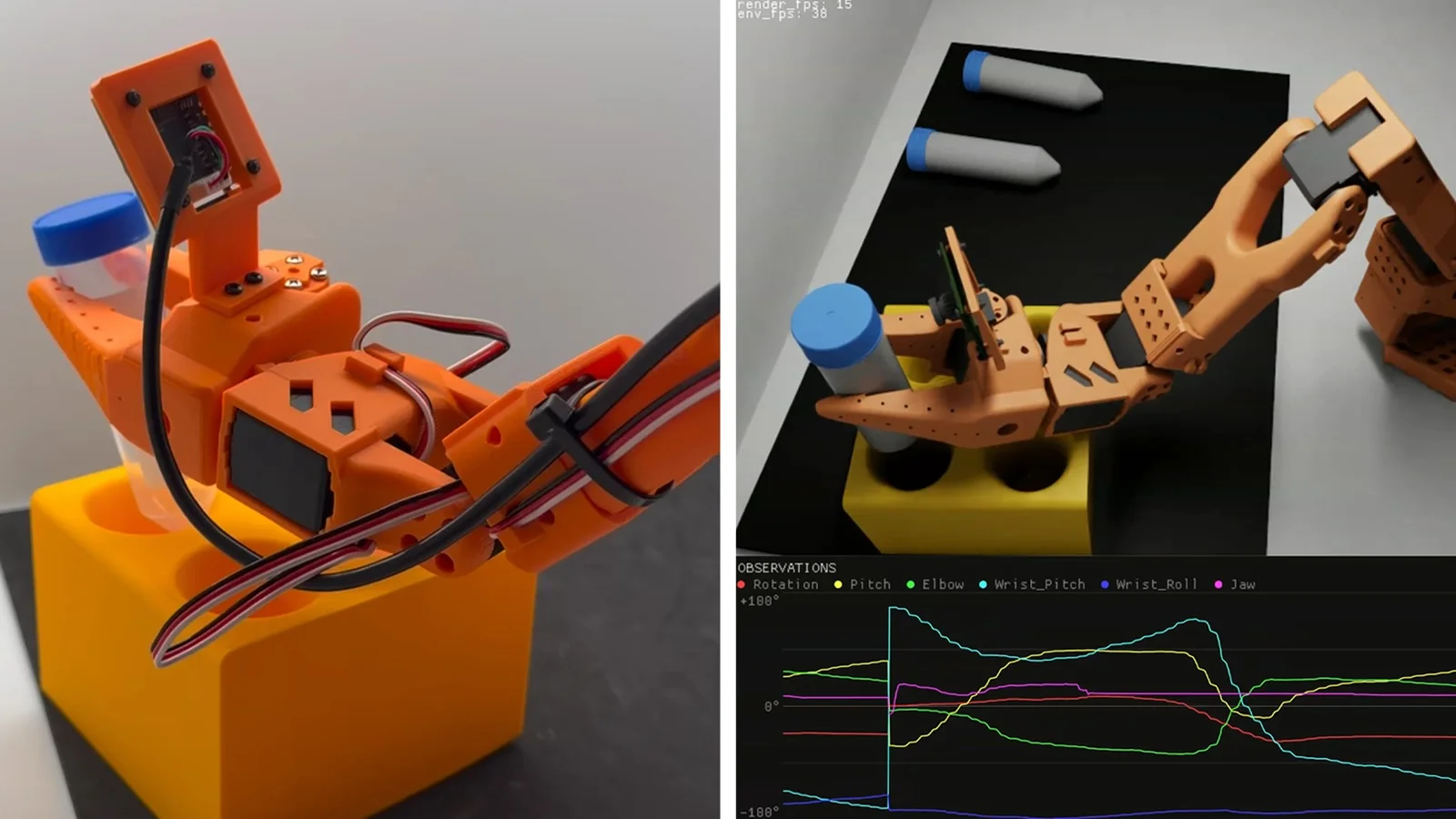
Alongside the core model integrations, the collaboration links several heavy-duty compute resources directly to LeRobot. Developers can now access NVIDIA Isaac Sim and Isaac Lab-based simulation frameworks to test policies before deploying to physical hardware. Additionally, NVIDIA's Isaac Lab-Arena has been integrated into the LeRobot Environment Hub, allowing teams to quickly prototype complex environments and evaluate policies like GR00T, Pi, or SmolVLA.
Hardware on the Horizon
Crucially, the pipeline extends all the way to edge inference. The collaboration includes NVIDIA Jetson Thor integration with LeRobot’s Reachy 2 platform. Jetson Thor, which NVIDIA showcased as the hardware brain driving next-generation reference humanoids, is built to handle the intense multimodal processing required by Vision-Language-Action (VLA) models natively on physical machinery.
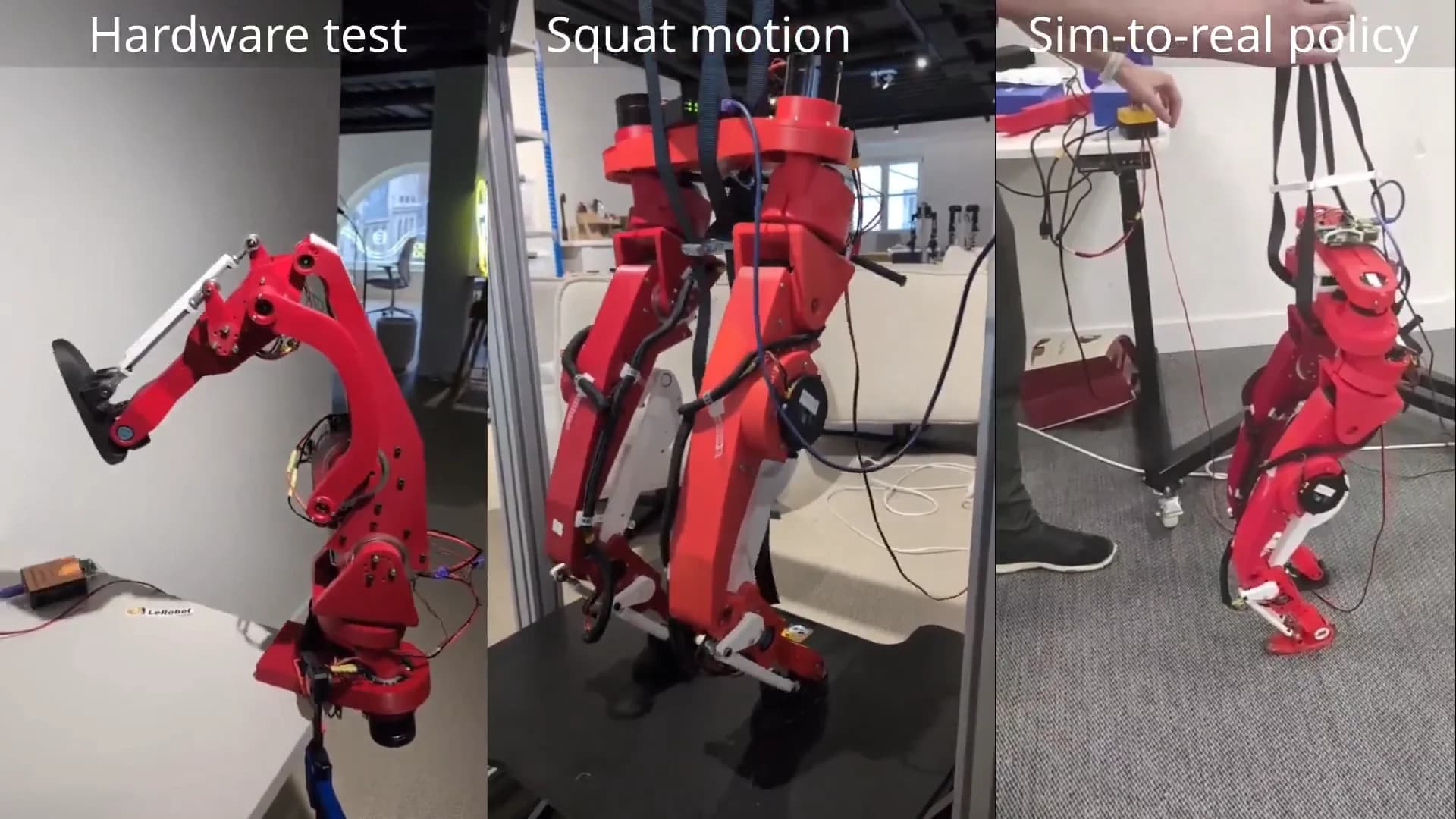
For a community currently experimenting with custom $2,500 3D-printed bipedal platforms, the message from NVIDIA and Hugging Face is clear. By packaging standardized data collection, simulation validation, and hardware-optimized deployment into a single open-source pipeline, they are attempting to insulate the research community from the "dangerous black-box systems" that dominate closed corporate robotics labs.
Whether this software standardization can successfully overcome the stark physical differences of heterogeneous robot hardware remains the ultimate question, but the tools to try are now openly on the table.
Share this article
Read next
- Published on
- Reading time
- 7 min read
NVIDIA Buys Hugging Face for $12.9B as Open-Source Robotics Scales Up
- Published on
- Reading time
- 4 min read
Hugging Face Drops a $2,500 3D-Printed Humanoid for Open Robot Learning
- Published on
- Reading time
- 4 min read
Hugging Face Introduces Open-Source Humanoid HOPEJr and Desktop Robot Reachy Mini
- Published on
- Reading time
- 4 min read
Hugging Face Acquires Pollen Robotics, Eyes Open Source Future for Humanoid Hardware
- Published on
- Reading time
- 4 min read
The Human Scale: NVIDIA’s EgoScale Unlocks High-Dexterity Robotics via 20,000 Hours of Human Video
- Published on
- Reading time
- 3 min read
NVIDIA "Supersizes" Humanoid Control: SONIC Open-Sources Whole-Body Tracking at Scale
The weekly humanoid robotics briefing
One email a week: the launches, funding and research that mattered, with context from Humanoids Daily.
Read recent issues