- Published on
Substance Over Hype: Apptronik Quietly Unveils Apollo 2 Humanoid via Website Update
One tap, and our reporting appears more often in your Google Top Stories. It makes a real difference to a small newsroom.

Supported by RoboStrategySupport for Humanoids Daily comes from RoboStrategy
Sponsored

Investing involves risk, including possible loss of principal. Read the prospectus before investing.
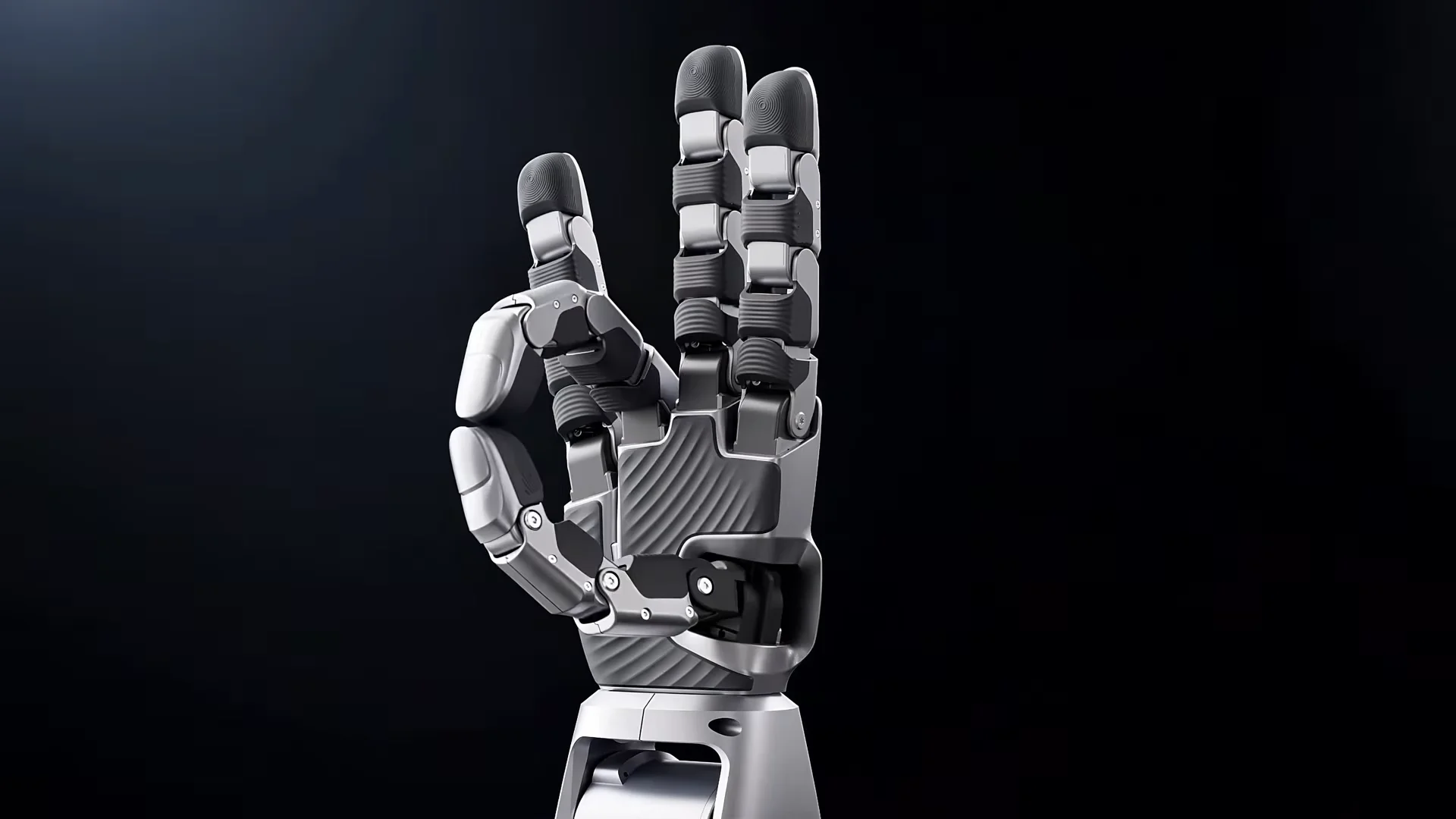
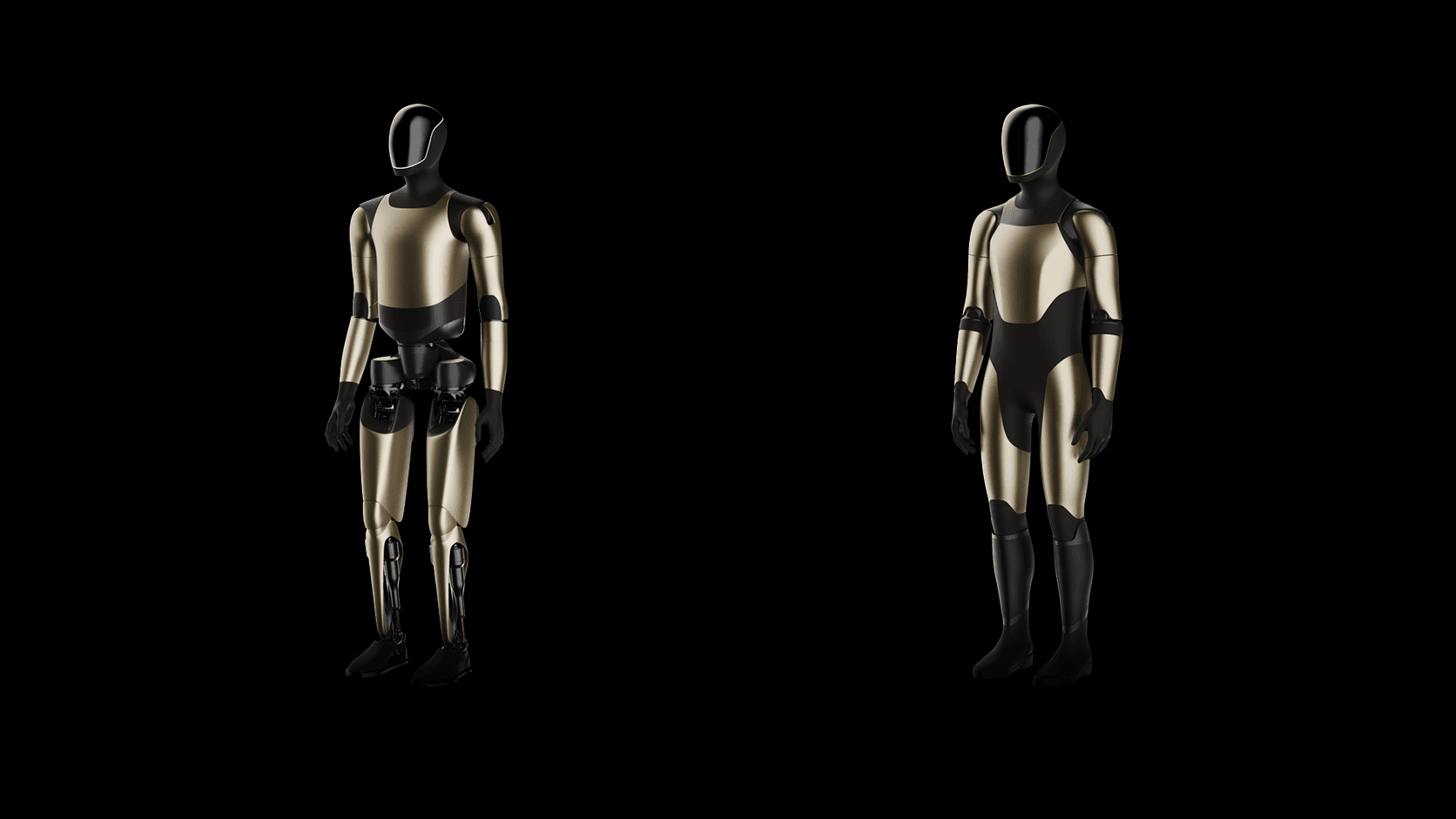
- Apptronik has quietly updated its website to introduce Apollo 2, the next generation of its commercial humanoid platform.
- The new robot features a modular mobility strategy, allowing teams to swap between a bipedal configuration and a wheeled base depending on the workload.
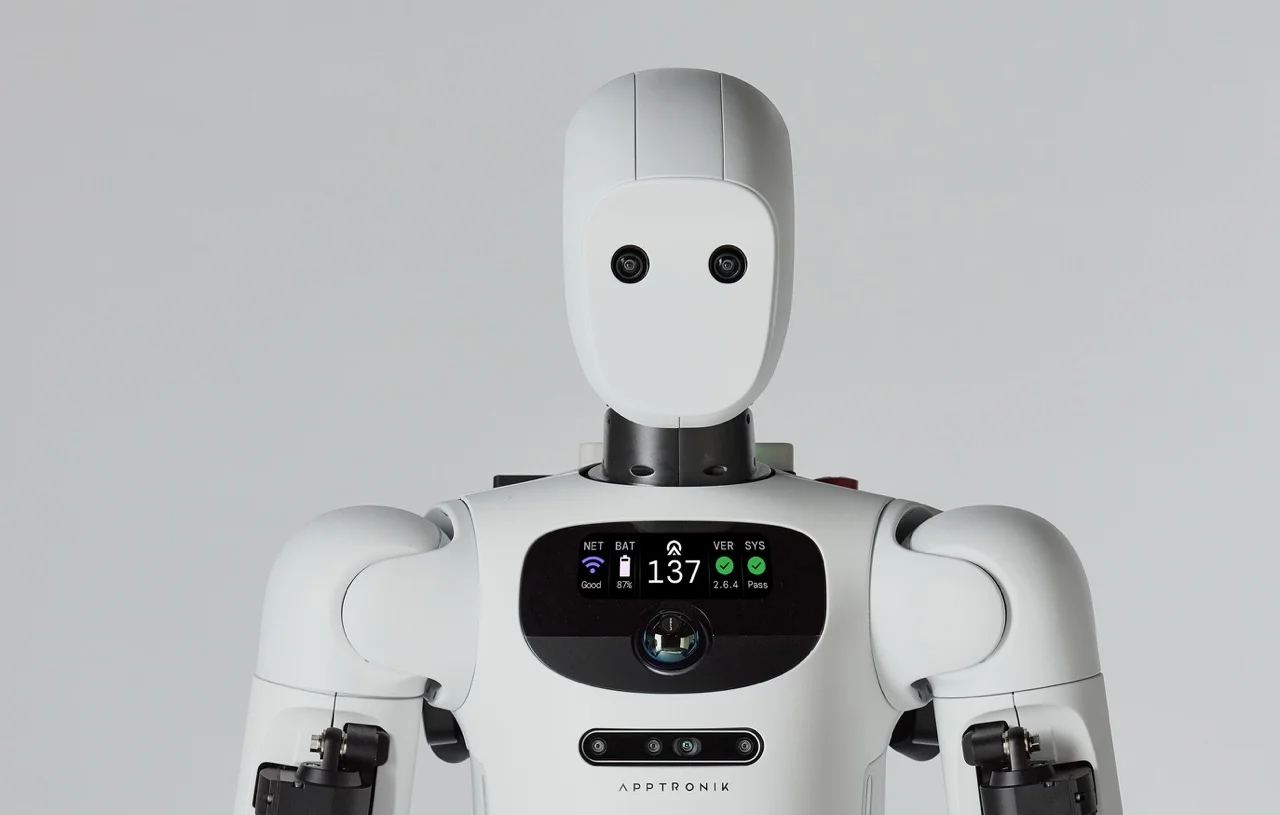
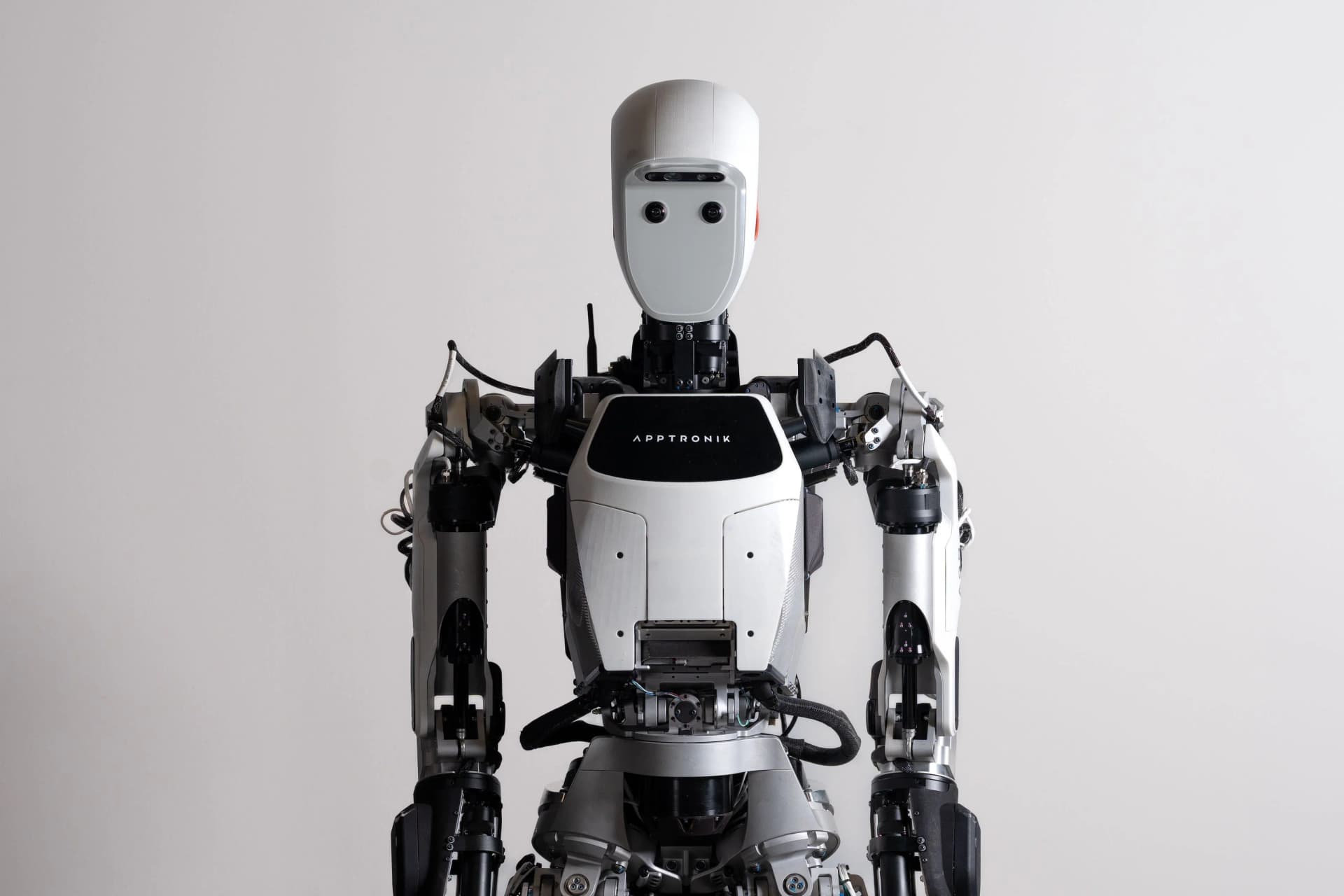
- Apollo 2 features 90%+ energy-efficient patented actuators, swappable batteries for continuous operation, and a human-centered interface with an expressive LED mouth and chest display.
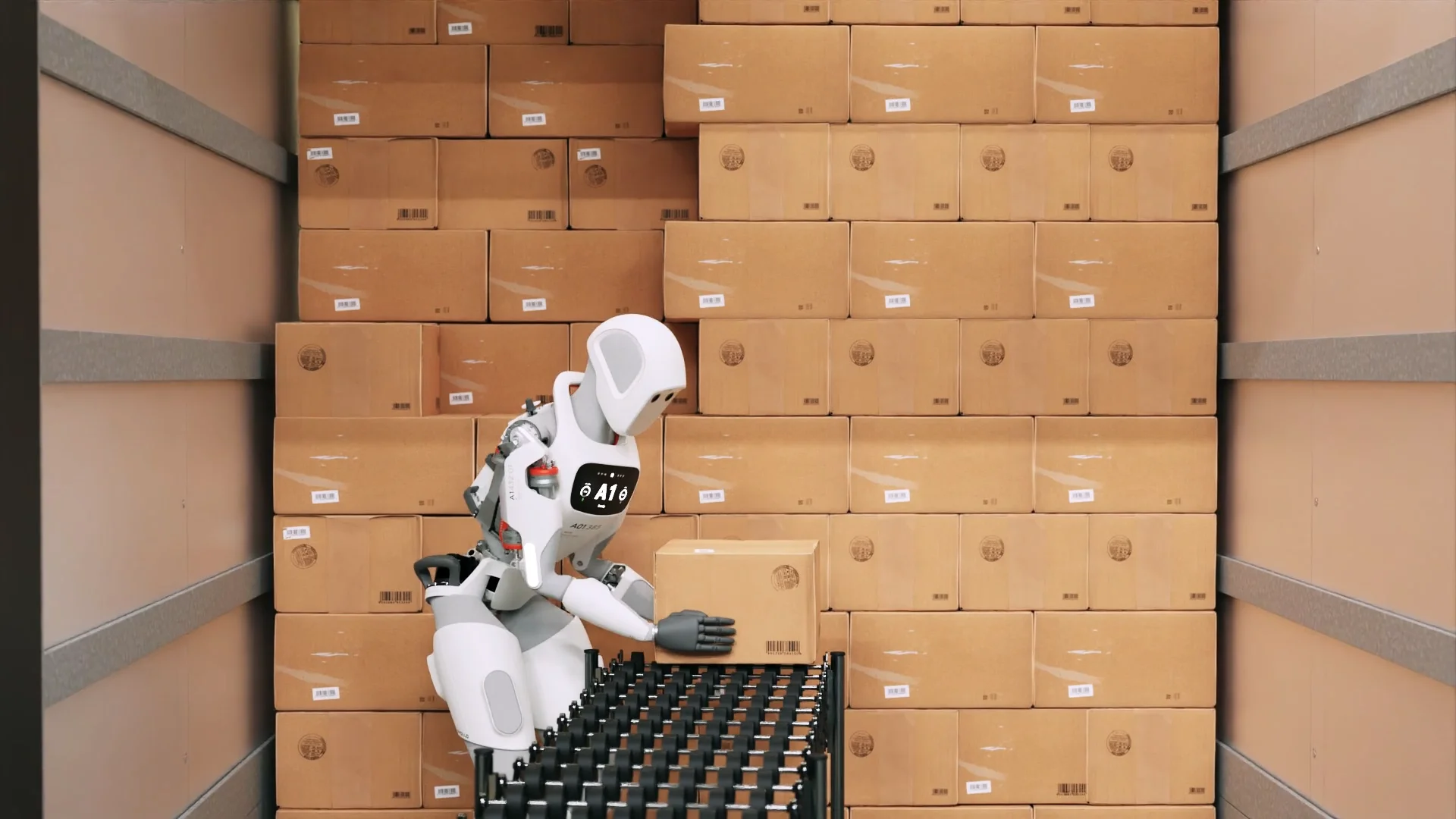
- The update outlines target commercial use cases across six sectors, including goods-to-person fulfillment, packout, automotive kitting, and machine tending.
- This understated rollout aligns directly with Apptronik’s tempered substance over hype approach, contrasting sharply with the loud, viral product debuts of its closest competitors.
In an industry where new hardware reveals are typically accompanied by cinematic YouTube drops and aggressive social media campaigns, Austin-based Apptronik has chosen a characteristically quiet path. Without an accompanying press release or public event, the company has updated its digital storefront to debut Apollo 2, its next-generation general-purpose humanoid robot.
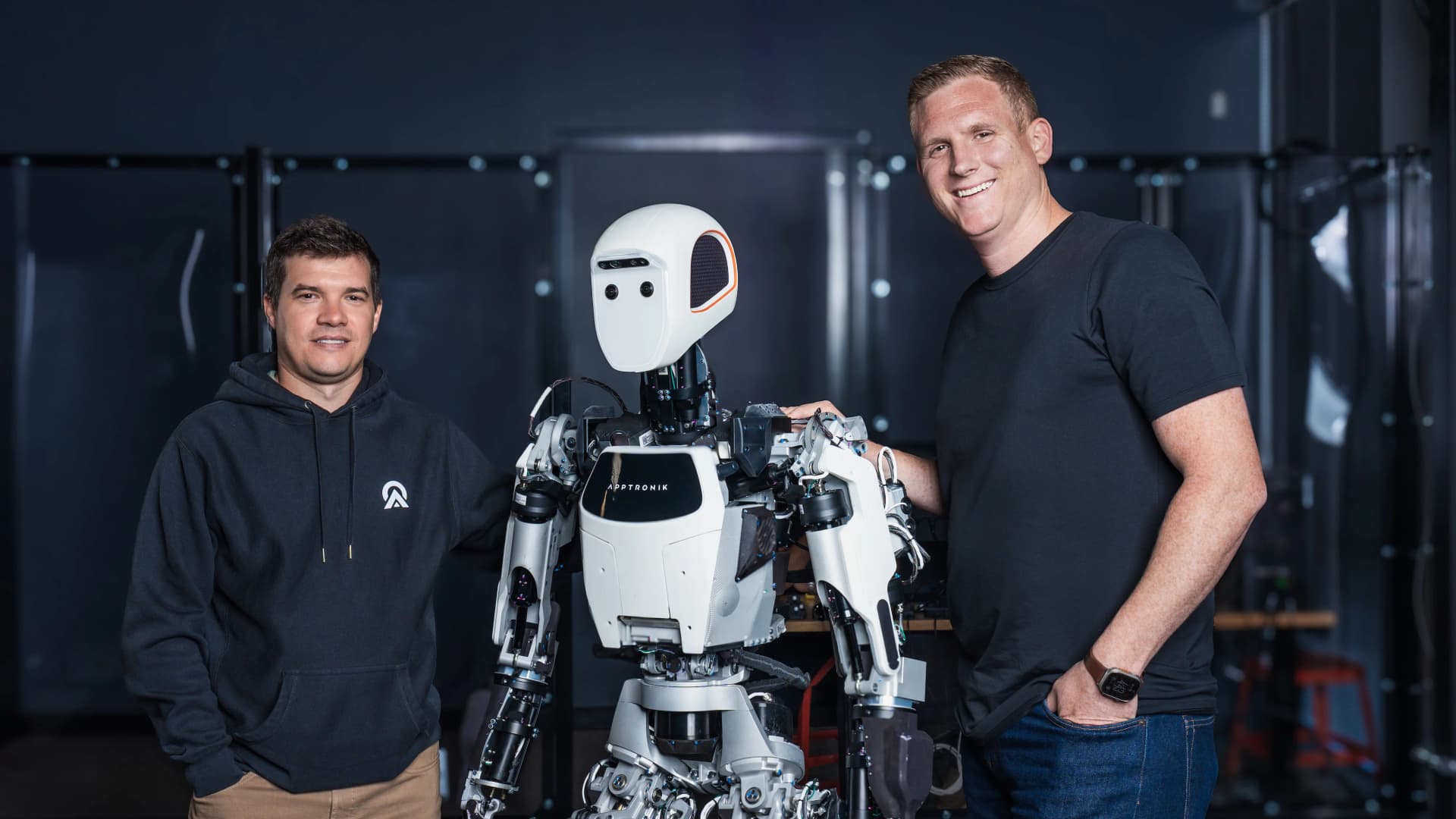
The stealthy launch is the ultimate realization of the philosophy espoused by CEO Jeff Cardenas, who has consistently preached a “substance over hype” approach to commercializing Physical AI. While competitors like Figure lock in high-stakes visibility wars—such as the heavily marketed rollout of the Figure 03—Apptronik’s soft launch underscores its strategy of building hardware meant to be verified in person rather than hyper-analyzed in a compressed video demo. Cardenas previously characterized this next phase as a hardware and software "refinement" designed to lay the groundwork for mass deployment.
Form Follows Function: Modular Mobility
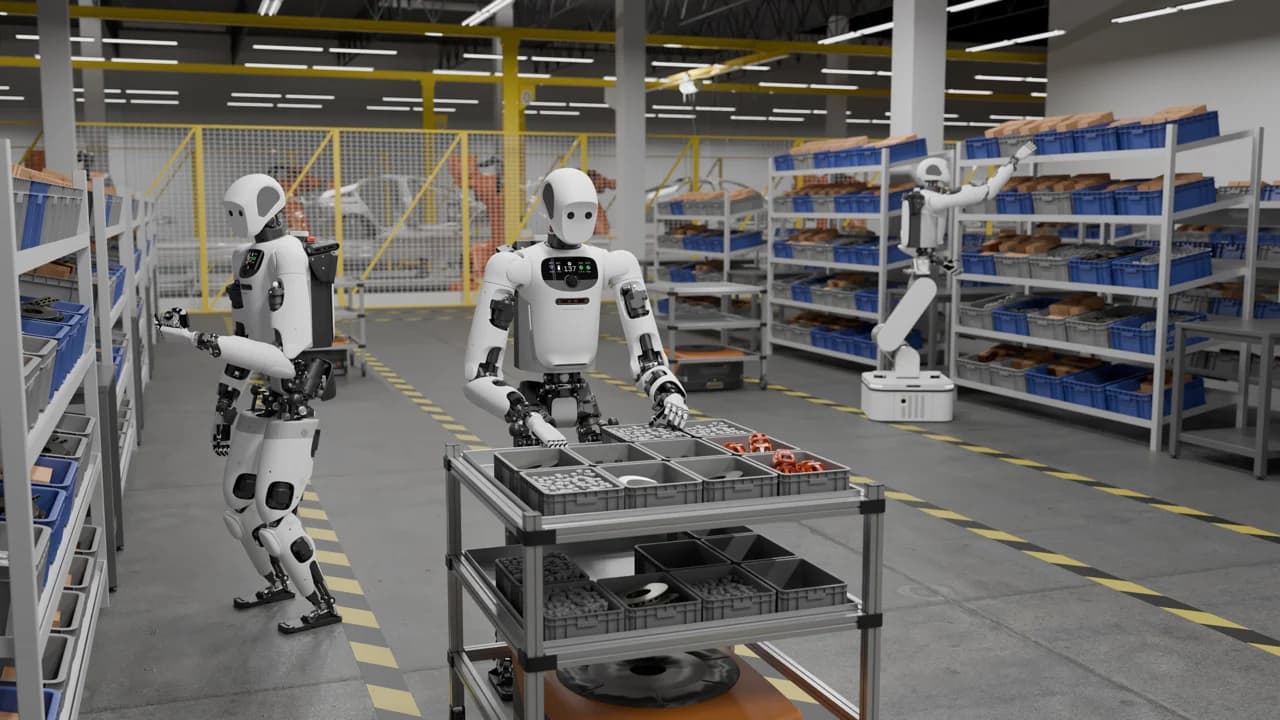
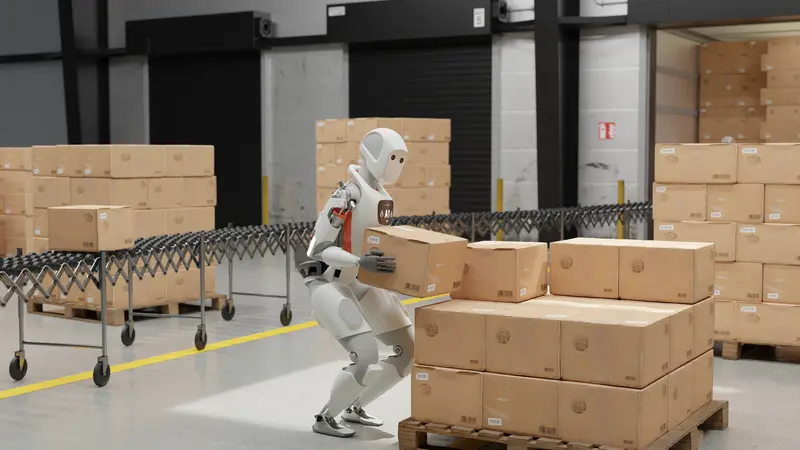
Perhaps the most distinct design evolution of Apollo 2 is its explicit commitment to a modular mobility architecture. While the purist definition of a humanoid usually demands two legs, Apptronik has embraced pragmatic industrial realities. Apollo 2 can be configured either as a bipedal humanoid for navigating human-centric environments with stairs and tight spaces, or mounted atop a wheeled base to maximize stability and efficiency in high-throughput warehouse corridors.
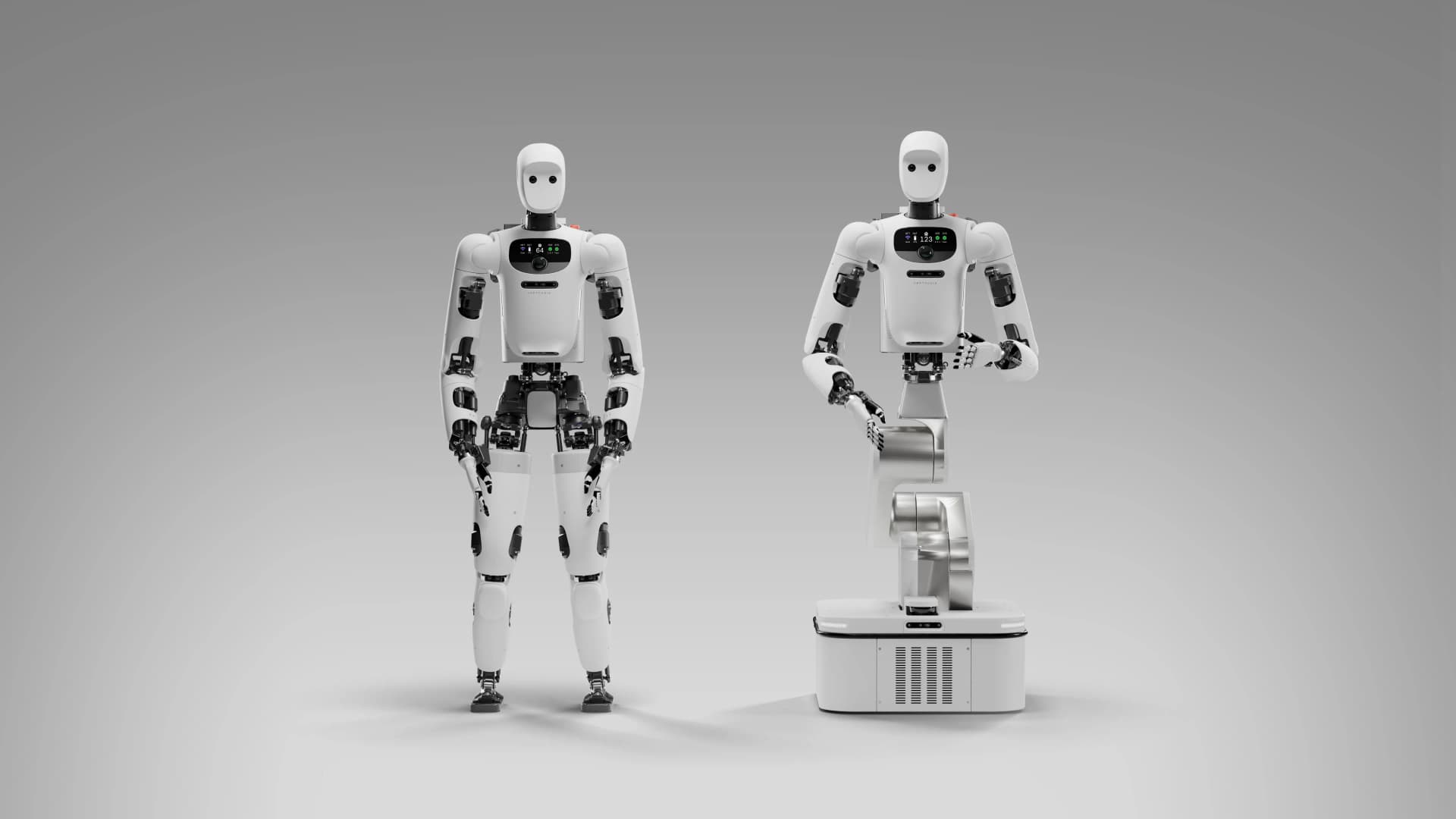
This dual-track physical strategy is paired with a highly structured software and operations platform:
The weekly humanoid robotics briefing
One email a week: the launches, funding and research that mattered, with context from Humanoids Daily.
Read recent issues- Apptronik Apollo 2: The physical foundation, optimized for real-world mobility, dexterous manipulation, and transparent interaction.
- Apptronik Artemis: The dynamic control layer that coordinates whole-body controls, safety protocols, and perception systems.
- Fleet Connect: The orchestration layer designed to manage, monitor, and collect data across massive fleets of deployed humanoids.
Engineered for Scalability and Continuous Uptime
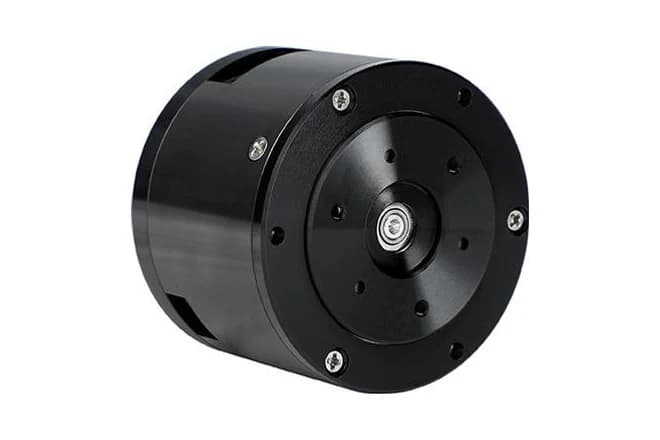
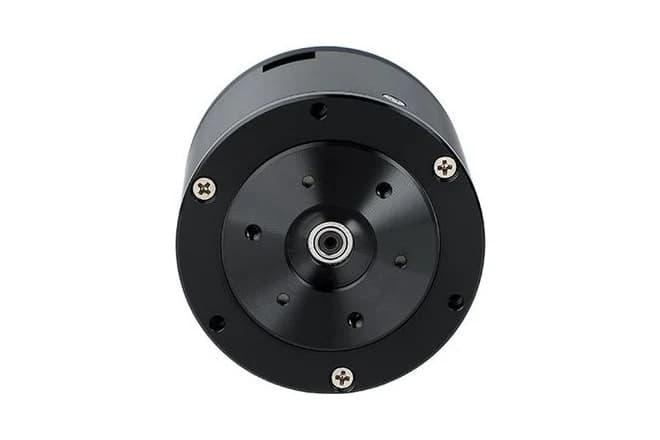
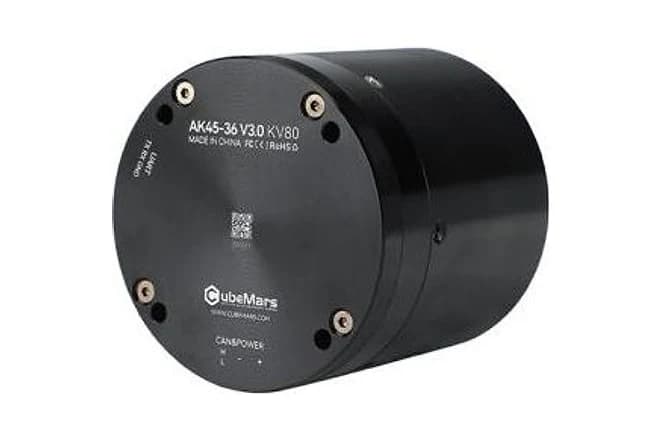
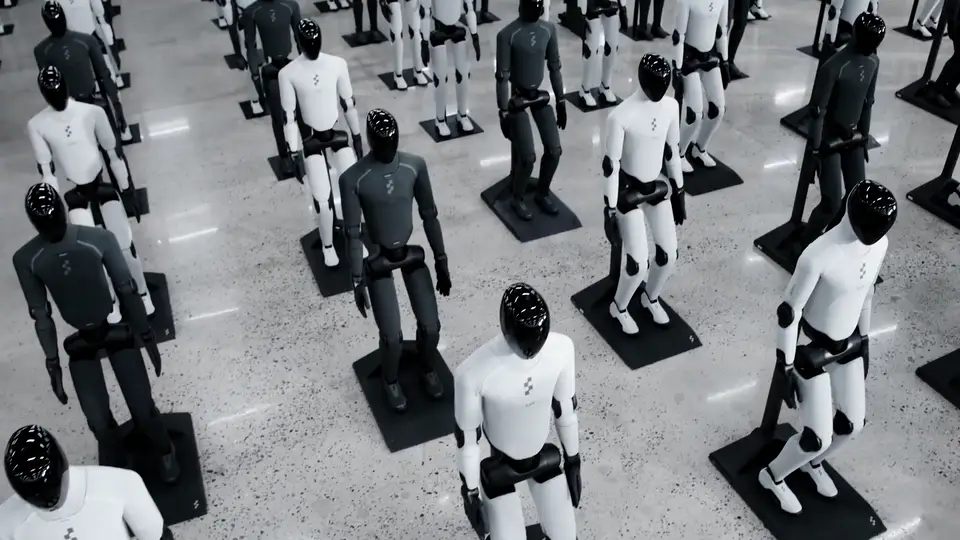
The hardware improvements built into Apollo 2 focus heavily on mass manufacturability and operational availability—the "boring" but vital components of commercial robotics. At the core of the platform is Apptronik’s patented actuator technology, which boasts an energy efficiency rating of over 90%. Designed to rely less on single-source global suppliers, the actuator platform is built specifically for supply chain resiliency and low-cost manufacturing scale.
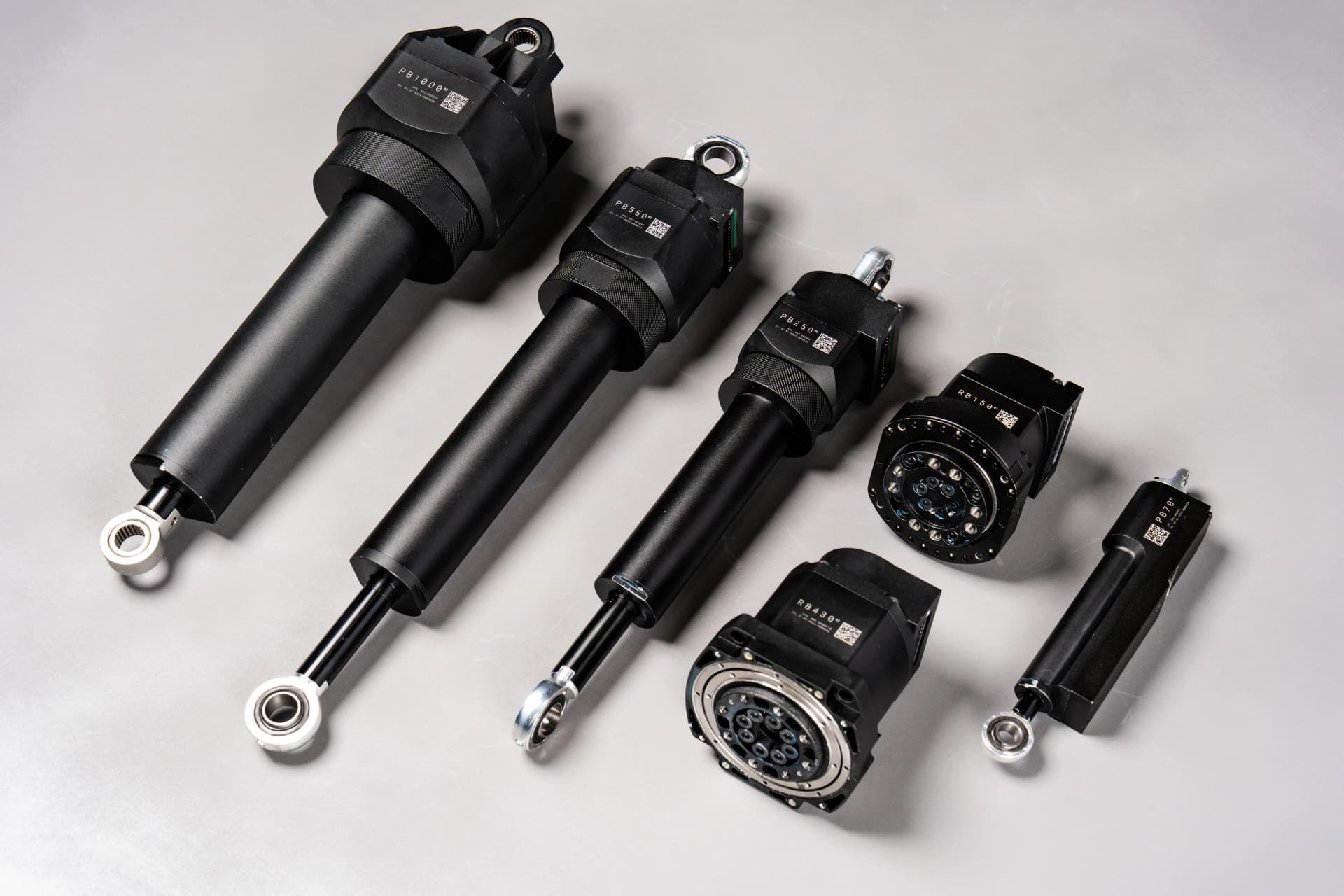
To address the perpetual limitation of robot battery life, Apollo 2 relies on a swappable battery architecture designed to enable continuous workflow cycles. Coupled with opportunity charging and tethering capabilities, the platform is engineered to keep downtime to an absolute minimum.
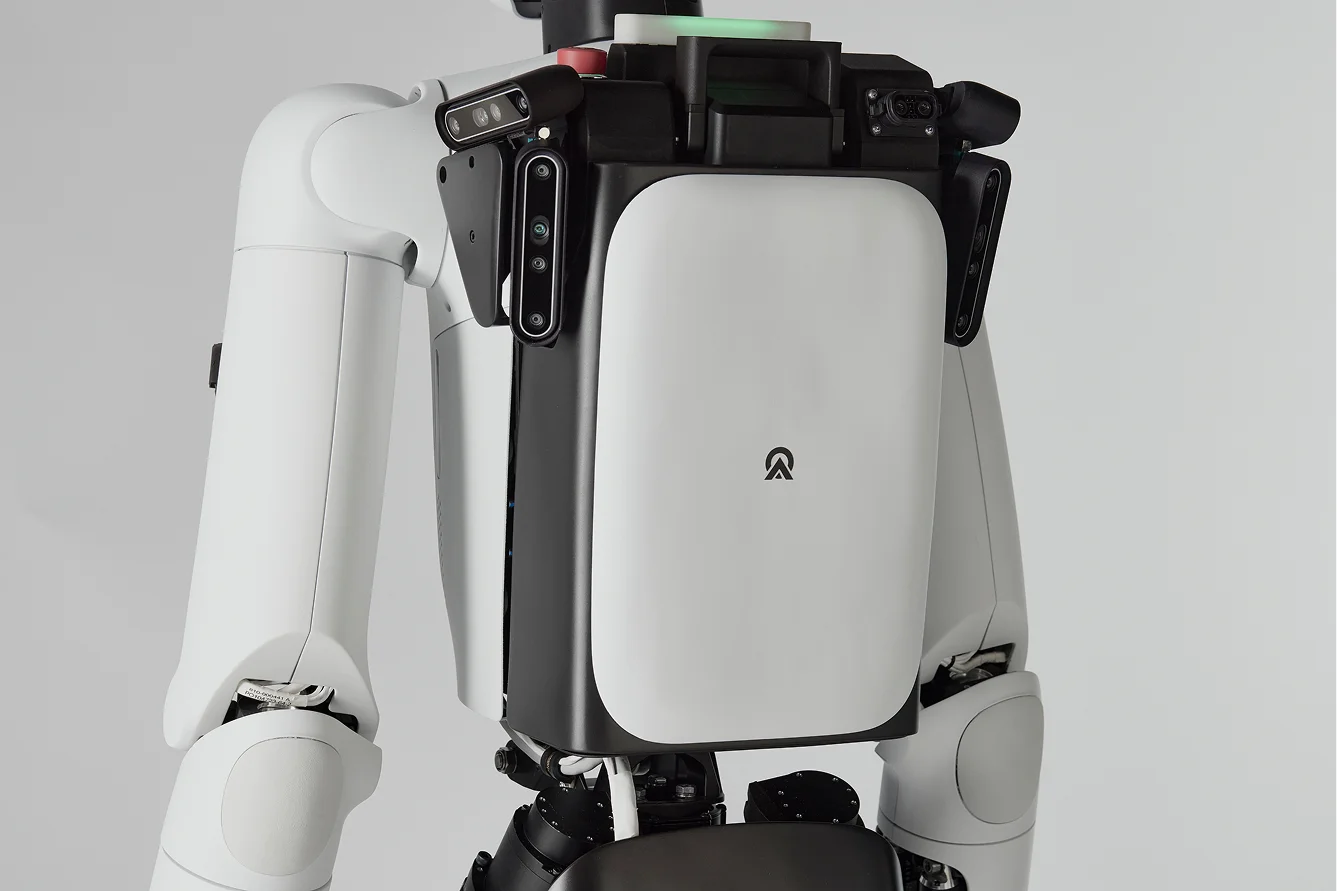
Safety has also received a multi-layered hardware overhaul. The robot features configurable physical perimeter zones and an immediate "impact zone" that pauses all internal movement the moment an unexpected object or human worker enters its operating radius. A solution similar to Halos, recently revealed by NVIDIA and Agility. Externally, the robot relies on a human-centered design, featuring a built-in chest display for status tracking and an expressive LED mouth to communicate intent transparently to nearby human teams.
Six Paths to Commercial Value
A newly updated "Solutions" index on the Apptronik website provides the most granular look yet at where Apollo 2 is headed. Supported by a massive capital war chest—including a recent $520 million Series A-X extension—the company has mapped out six distinct industrial applications:
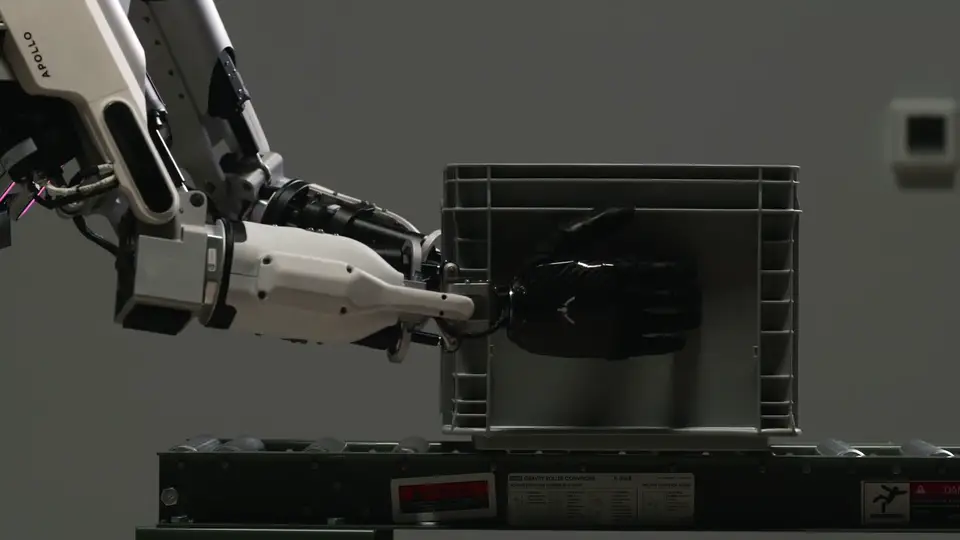
- Goods-to-Person: Retrieving consumer products from automated storage systems and staging them onto transport carts.
- Packout: Assisting outbound logistics by placing picked products into boxes and loading them onto conveyors.
- Inspection & Sorting: End-of-line automotive part classification and defect detection to mitigate manufacturing assembly strain.
- Person-to-Goods: Navigating standard retail and warehouse aisles to pick items into totes.
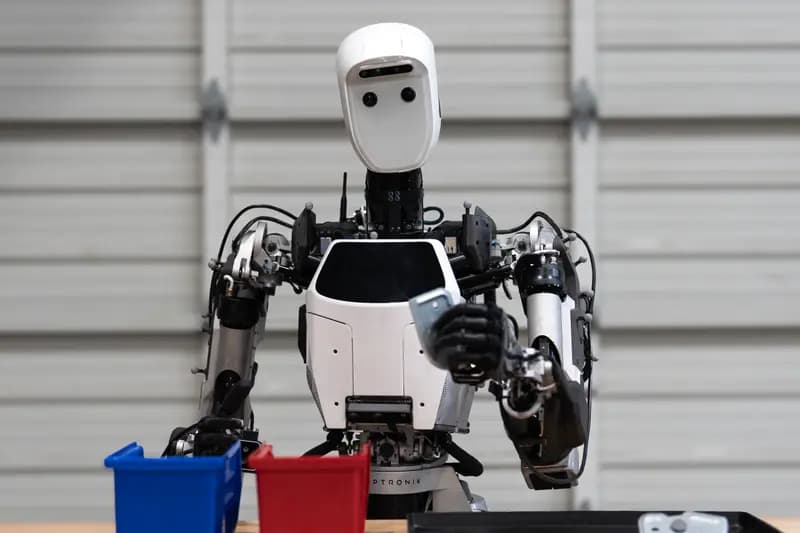
- Kitting: Consolidating multiple automotive components from different bins into localized, divided storage kits.
- Machine & Tool Tending: Repetitive loading and material replenishment roles, specifically targeted at battery manufacturing layouts.
The Embodied AI Horizon
While the physical improvements position Apollo 2 as a robust tool for logistics and manufacturing, Apptronik’s website explicitly points out the robot's role as a blank canvas for advanced machine intelligence. The platform is purpose-built to support massive robotics foundation models that require hardware capable of real-world perception, reasoning, and torque execution.
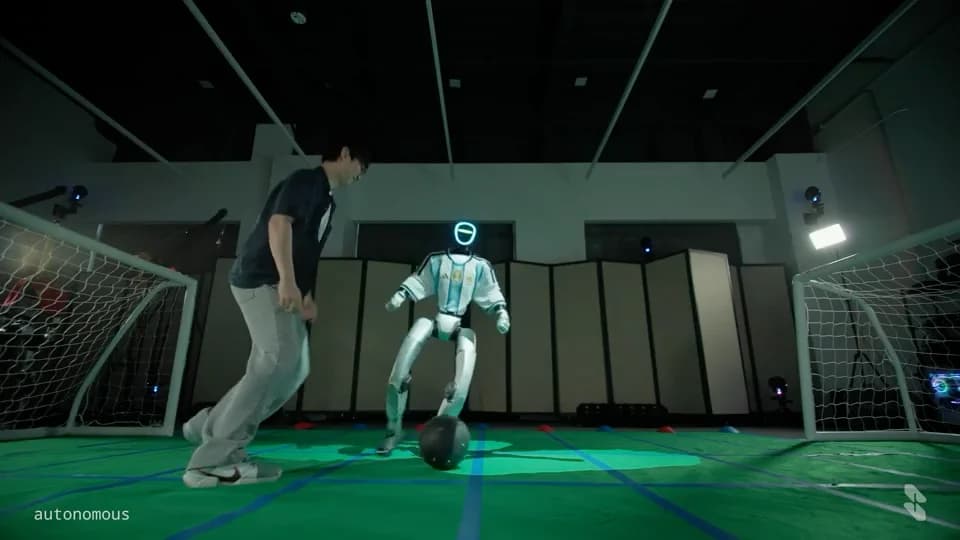
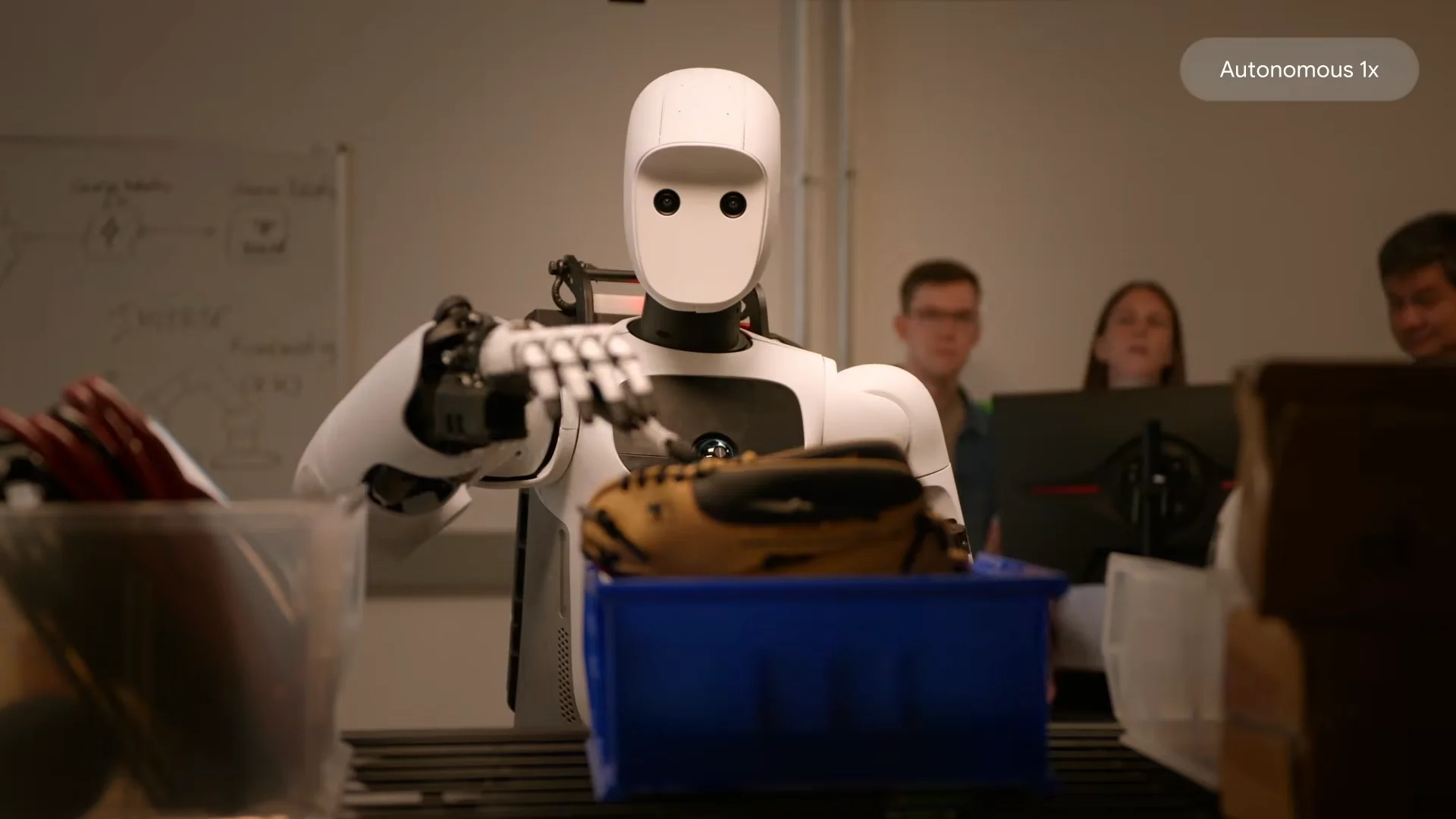
The company highlighted its ongoing Google DeepMind collaboration, demonstrating how pairing Gemini Robotics models with custom physical hardware yields highly interactive, general-purpose machines.
Backed by high-profile executive hires from the likes of Waymo and Boston Dynamics, Apptronik is clearly readying its deployment playbook. By substituting viral hype for deep institutional engineering, the quiet arrival of Apollo 2 shows a company that is confident its hardware can do the talking on the factory floor.
Share this article
Read next
- Published on
- Reading time
- 7 min read
Google DeepMind Unveils Gemini Robotics 2, Bringing Whole-Body Intelligence and Multi-Robot Teams to Physical AI
- Published on
- Reading time
- 5 min read
Substance Over Hype: Inside Apptronik’s Measured Push for the "Next" Apollo
- Published on
- Reading time
- 3 min read
Apptronik Cracks CNBC Disruptor 50, Highlighting Humanoid Robotics' Rise in AI Era
- Published on
- Reading time
- 3 min read
Apptronik Nears $1 Billion Milestone with Massive $520 Million Funding Extension
- Published on
- Reading time
- 5 min read
Apptronik CEO Calls Humanoid Robotics the "Space Race of Our Time," Says Fewer Than 5 U.S. Players Are Credible
- Published on
- Reading time
- 4 min read
Apptronik Gears Up Apollo Humanoid Production with Jabil Partnership, Teases Upgrades
The weekly humanoid robotics briefing
One email a week: the launches, funding and research that mattered, with context from Humanoids Daily.
Read recent issues