- Published on
Scaled to Scale: AGIBOT Rolls Out 15,000th Robot as Production Ramps Accelerate
One tap, and our reporting appears more often in your Google Top Stories. It makes a real difference to a small newsroom.

Supported by RoboStrategySupport for Humanoids Daily comes from RoboStrategy
Sponsored

Investing involves risk, including possible loss of principal. Read the prospectus before investing.
- AGIBOT has produced its 15,000th robot, a landmark milestone achieved just over three years after the company’s founding in February 2023.
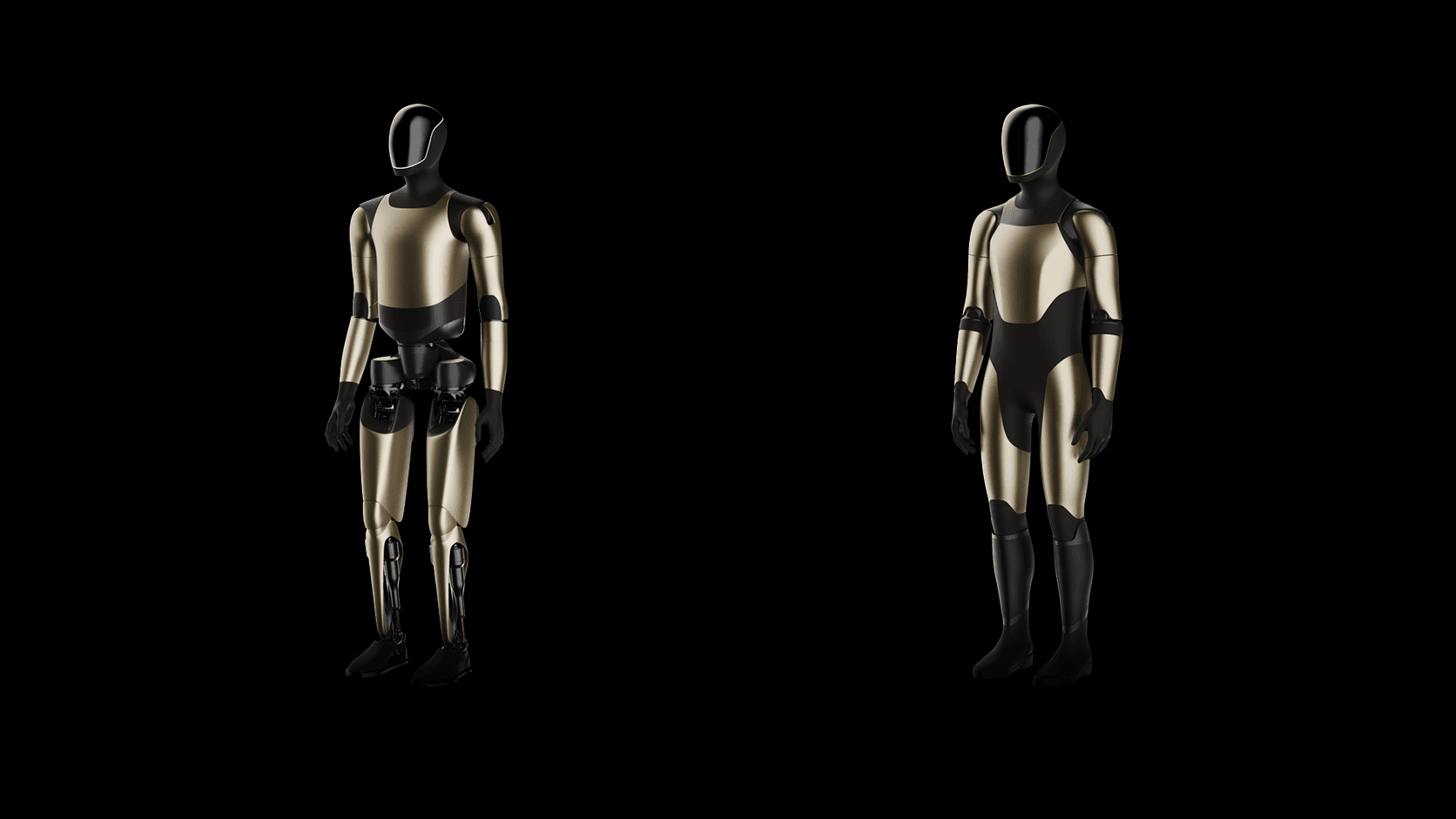
- The 15,000th unit is an AGIBOT G2, an industrial-grade embodied task robot designed for real-world manufacturing and operational environments.
- The milestone highlights a staggering acceleration in production velocity, with the jump from 10,000 to 15,000 units outpacing previous production phases.
- The production ramp-up is being validated on the ground through 100 hours of active factory livestream operations at Longcheer Technology’s tablet manufacturing plant.
- Market data underscores AGIBOT’s scaling capabilities, following its first-place ranking in global humanoid robot shipments and market share for the 2025 fiscal year.
SHANGHAI, China — The global race for commercial supremacy in embodied artificial intelligence has reached a new threshold of industrial scale. Shanghai-based robotics developer AGIBOT has announced that its 15,000th robot has officially rolled off the assembly line. The milestone unit, identified as an industrial-grade AGIBOT G2 task robot, underscores a significant shift in the sector from limited proof-of-concept projects toward high-volume, repeatable manufacturing.
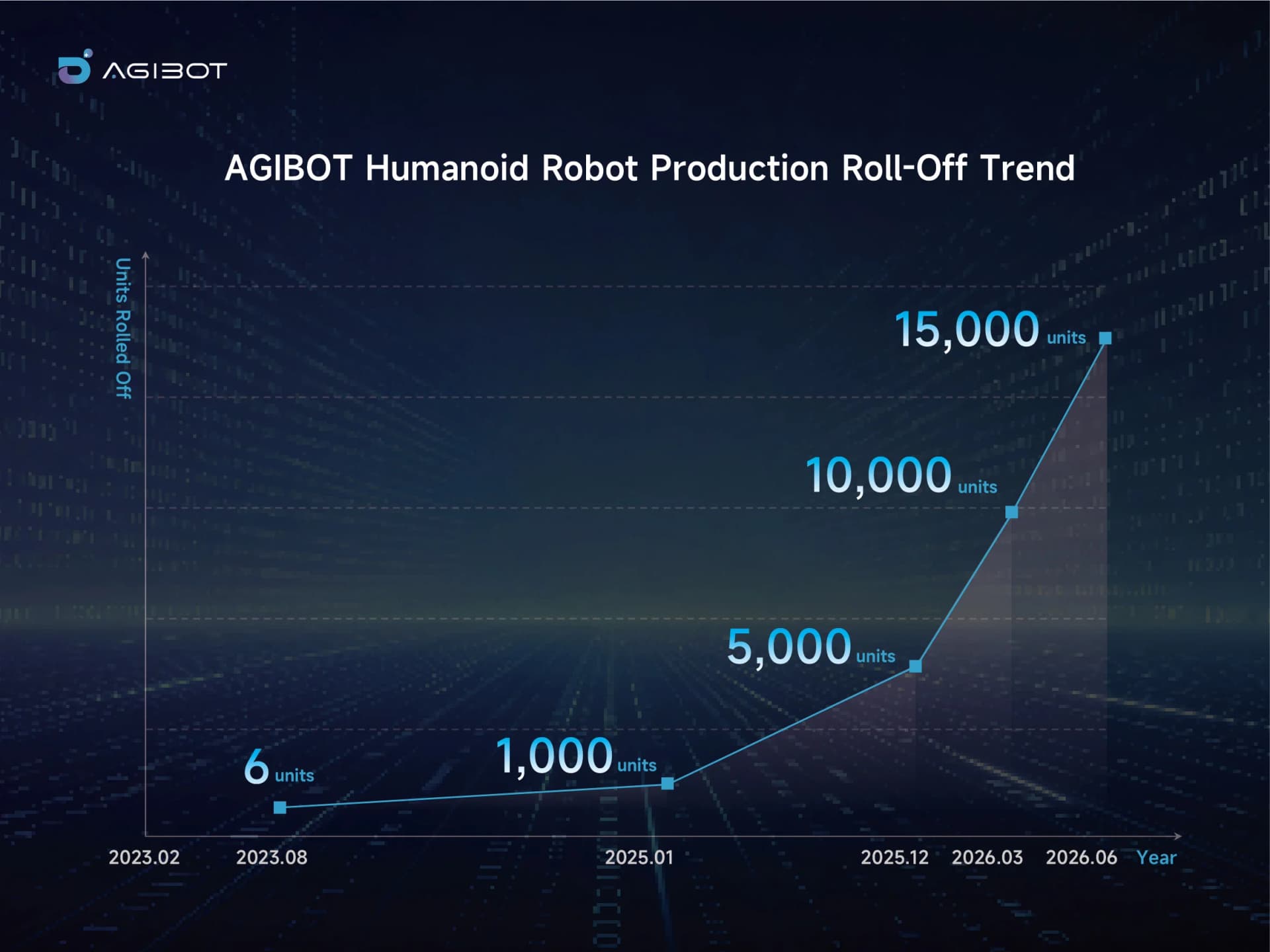
Founded in February 2023, the startup has maintained a highly aggressive production timeline. While the transition from its initial 1,000 units to the 5,000-unit mark required approximately one year, its manufacturing cadence has dramatically accelerated. The subsequent jump from 5,000 to 10,000 units—a milestone achieved in March 2026—took a mere three months, marking a fourfold increase in production velocity. The latest surge to 15,000 units indicates that AGIBOT is successfully stabilizing its full-system manufacturing pipelines and supply chain readiness to meet large-scale delivery demands.
Validating the Fleet in Live Environments
For an industry frequently scrutinized over the practical utility of its hardware, AGIBOT is shifting its validation strategy away from isolated corporate laboratories into active third-party facilities. Coinciding with the production milestone, the company completed approximately 100 cumulative hours of continuous factory livestream operations featuring the AGIBOT G2 platform.
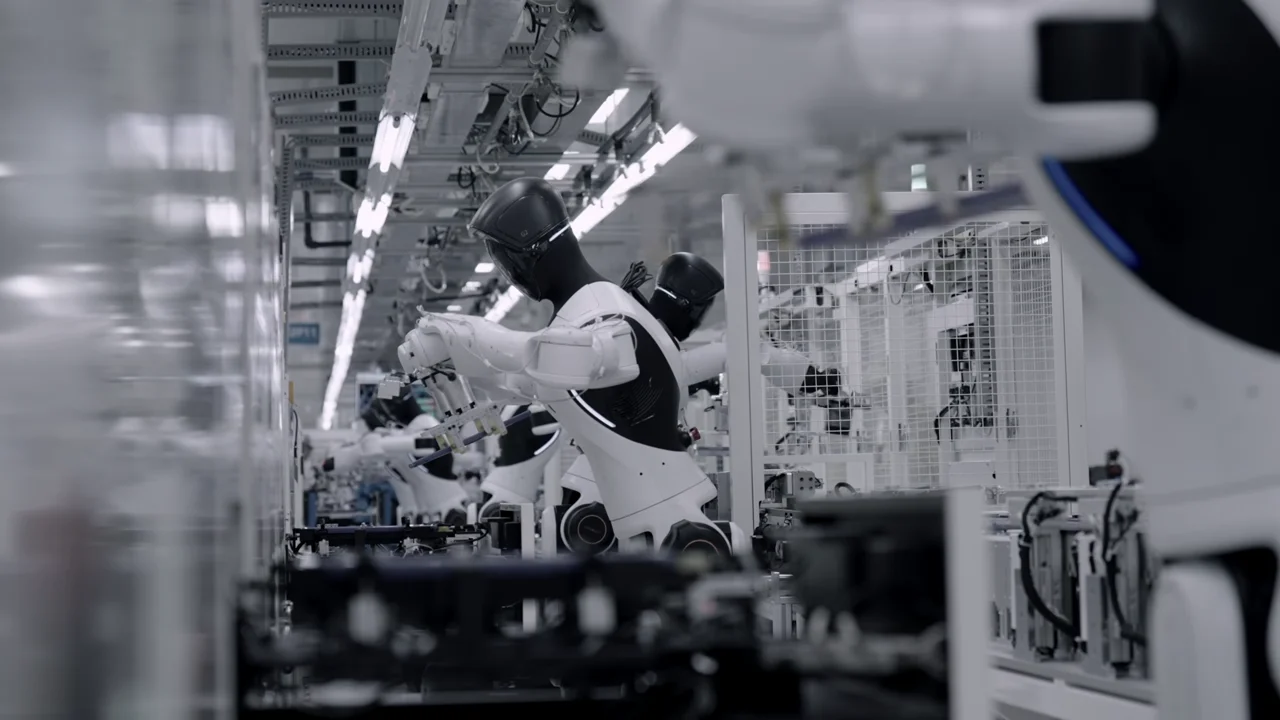
The fleet was deployed directly into a live mass-production quality inspection section at Longcheer Technology's tablet assembly plant. Operating alongside human assembly line workers, the robots had to align with strict factory production rhythms and maintain real-world operational stability. This continuous, live public demonstration serves as a critical counterweight to Figure's 200 hour research marathon, shifting the industry benchmark to revenue-generating commercial workflows.
The weekly humanoid robotics briefing
One email a week: the launches, funding and research that mattered, with context from Humanoids Daily.
Read recent issuesThe G2’s real-world deployment builds upon the joint automation project first initiated during AGIBOT AI Week in April 2026, where the bipedal and wheeled humanoids were tasked with precision loading and unloading operations. The integration relies heavily on the company's proprietary "One Robotic Body, Three Intelligences" architecture, which unifies locomotion, manipulation, and multimodal interaction into a singular physical system.
Escalating the Shipment Showdown
The 15,000-unit milestone further solidifies AGIBOT’s position in a highly competitive market landscape. According to historical data from research firm Omdia, AGIBOT ranked first globally in humanoid robot shipments and market share for 2025, delivering 5,168 units to capture a 39% share of the global market.
| Production Milestones | Timeline / Context |
|---|---|
| • 1,000 Units | Early validation phase (Reached January 2025) |
| • 5,000 Units | Transition to batch delivery (Reached December 2025) |
| • 10,000 Units | Scaled manufacturing ramp-up (Reached March 2026) |
| • 15,000 Units | Large-scale real-world deployment phase (Reached June 2026) |
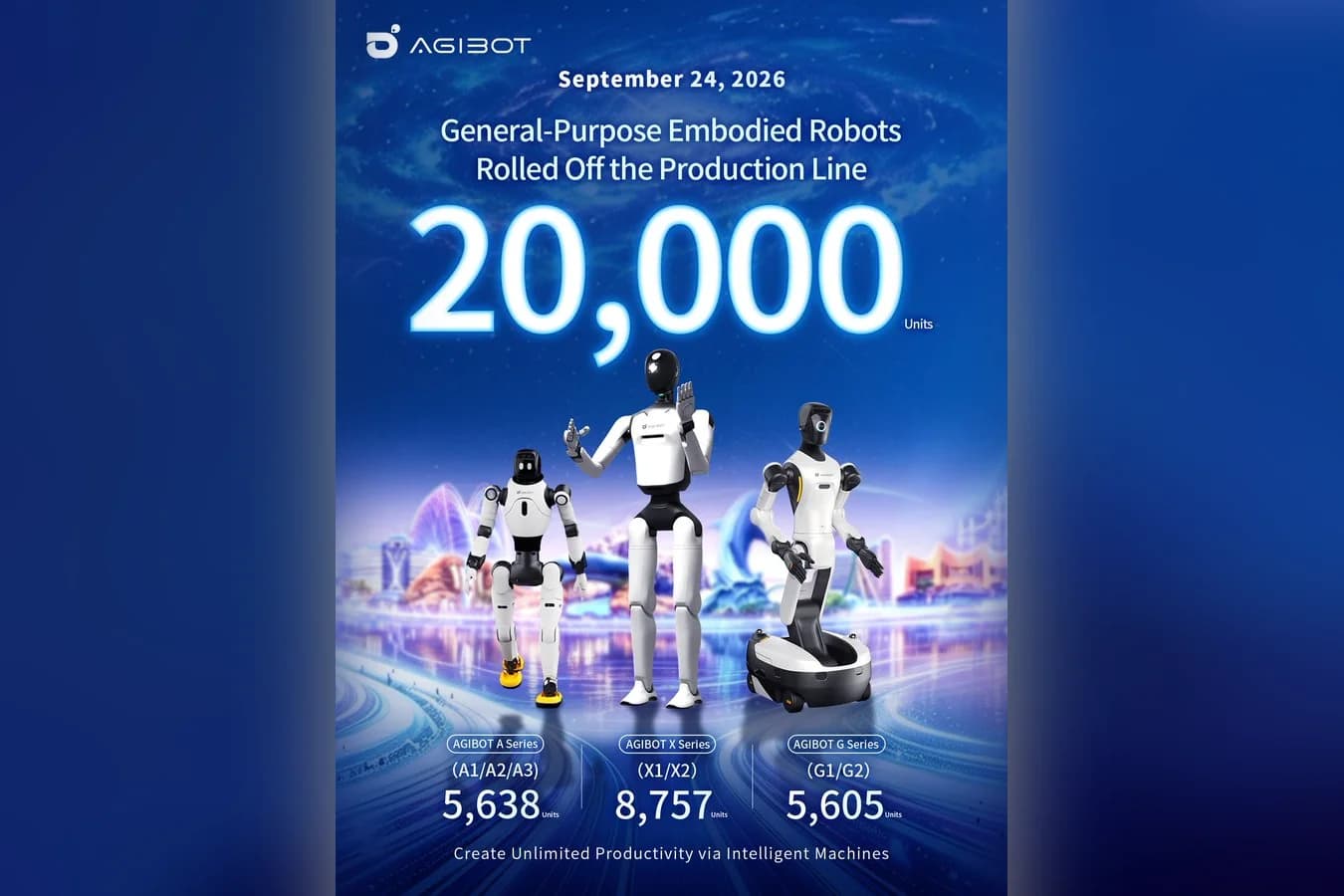
This volume-heavy trajectory has been the source of some industry friction, sparking what we dubbed the "Great Numbers War" against domestic rival Unitree Robotics. Unitree previously contested third-party market reports by self-reporting over 5,500 pure humanoid shipments in 2025, criticizing competitors for combining wheeled and bipedal platforms into their total calculations. By pushing its cumulative volume to 15,000 units across its diverse fleet—including the wheeled Genie G-Series, the agile Lingxi X-Series, and the industrial G-Series—AGIBOT is attempting to decisively secure its lead through sheer manufacturing volume.
The Industrial Realities of Scale
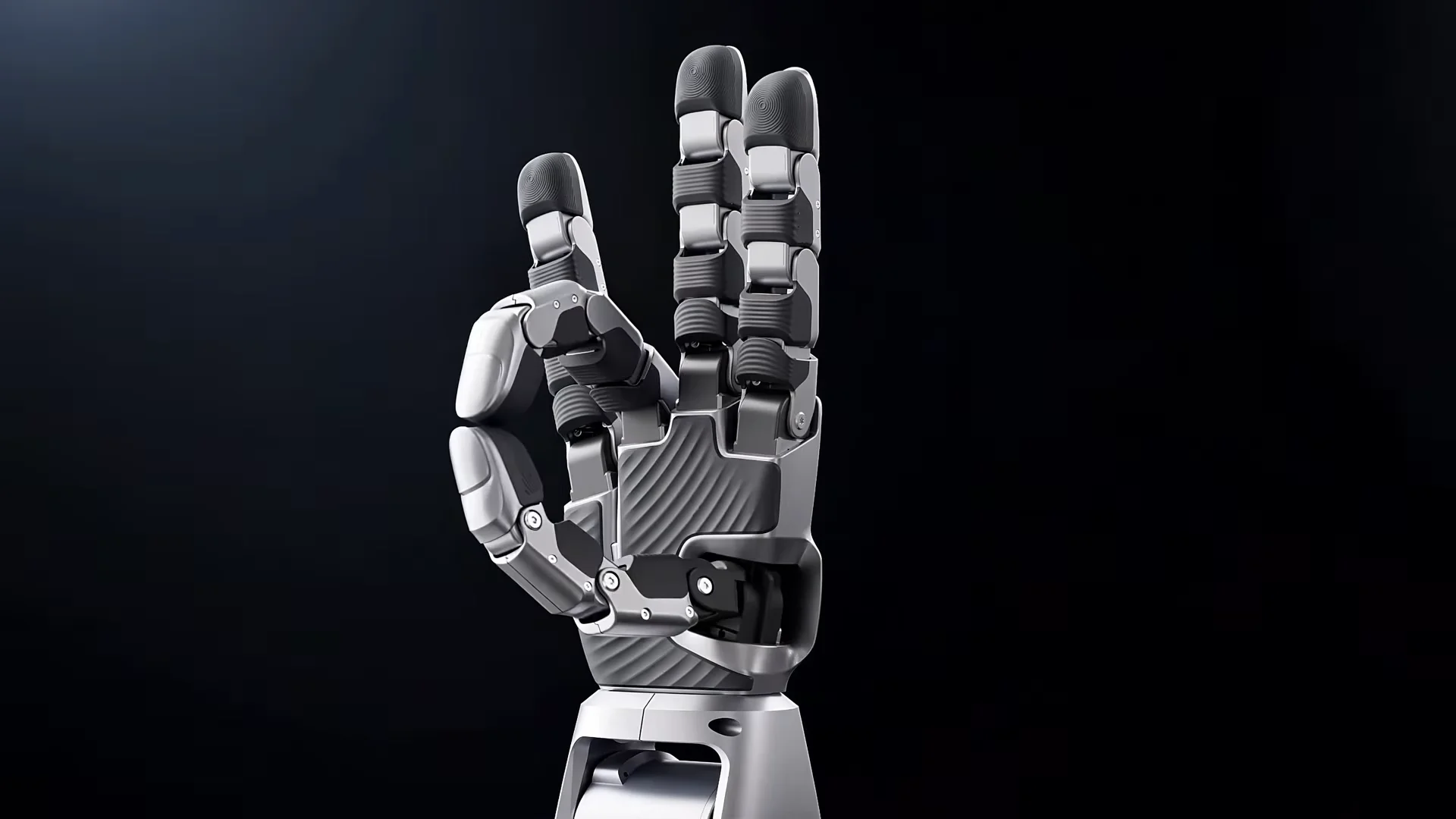
AGIBOT's rapid expansion comes as the entire robotics sector faces pressure to transition into "Deployment Year One," moving corporate messaging away from technical spectacles toward tangible return on investment ($ROI) on the shop floor. The capital requirements and mechanical challenges of maintaining thousands of units in the field have already forced structural specialization across the ecosystem, exemplified by the unicorn-level spin-off of AGIBOT's dexterous hand subsidiary, AGILINK, earlier this year.
However, scaling hardware production is only half the battle. As thousands of these embodied systems enter industrial, commercial, and public-service environments, the long-term challenge shifts toward managing the "long tail" of real-world edge cases, physical constraints, and human-robot co-working dynamics. Furthermore, intensifying geopolitical headwinds—such as the proposed bipartisan GUARD Act in the United States seeking federal procurement bans on Chinese robotics—could restrict Western market access, forcing high-volume manufacturers to lean heavily on domestic lines and localized supply hubs.
For the broader embodied AI industry, AGIBOT's 15,000-unit milestone stands as a definitive signal: the era of single-robot laboratory demonstrations is officially drawing to a close. Success will no longer be measured by pre-recorded technical novelties, but by a company’s capacity to sustain large-scale production, maintain hardware availability, and deliver reliable, multi-day autonomous labor in real-world environments.
Share this article
Read next
- Published on
- Reading time
- 5 min read
AGIBOT Has Built 20,000 Robots—Twice Its March Total
- Published on
- Reading time
- 4 min read
AGIBOT Brings 300-Plus Robots to Chimelong Theme Park
- Published on
- Reading time
- 3 min read
AGIBOT Says A3 Ultra Is Going to Work in Hotels, Shops and Metro Inspection
- Published on
- Reading time
- 7 min read
AGIBOT Open-Sources GE-Act 2.0, Challenging Unitree in the Open Embodied AI Race
- Published on
- Reading time
- 5 min read
AGIBOT Deepens European Push at IFA 2026 with TÜV Rheinland Certification and Tekpoint Retail Alliance
- Published on
- Reading time
- 5 min read
Minth Group and AGIBOT Launch Europe’s First Humanoid Mass Production Line in Serbia

The weekly humanoid robotics briefing
One email a week: the launches, funding and research that mattered, with context from Humanoids Daily.
Read recent issues