- Published on
NVIDIA GTC: NVIDIA and Sharpa Unveil Isaac GR00T Reference Humanoid Robot
One tap, and our reporting appears more often in your Google Top Stories. It makes a real difference to a small newsroom.


Your guide
Rich Robinson
Jee Chee Ren · Executive tour
See China’s AI and robotics ecosystem first-hand.
Six days exploring AI, robotics and advanced manufacturing.
With Rich Robinson, Clinical Professor of Entrepreneurship at Peking University
Beijing · Guangzhou · Shenzhen
29 November–4 December 2026
Referral partnership · We earn a commission on referred bookings.
- NVIDIA and Sharpa have announced the NVIDIA Isaac GR00T Reference Humanoid Robot, a standardized, open hardware and software reference design.
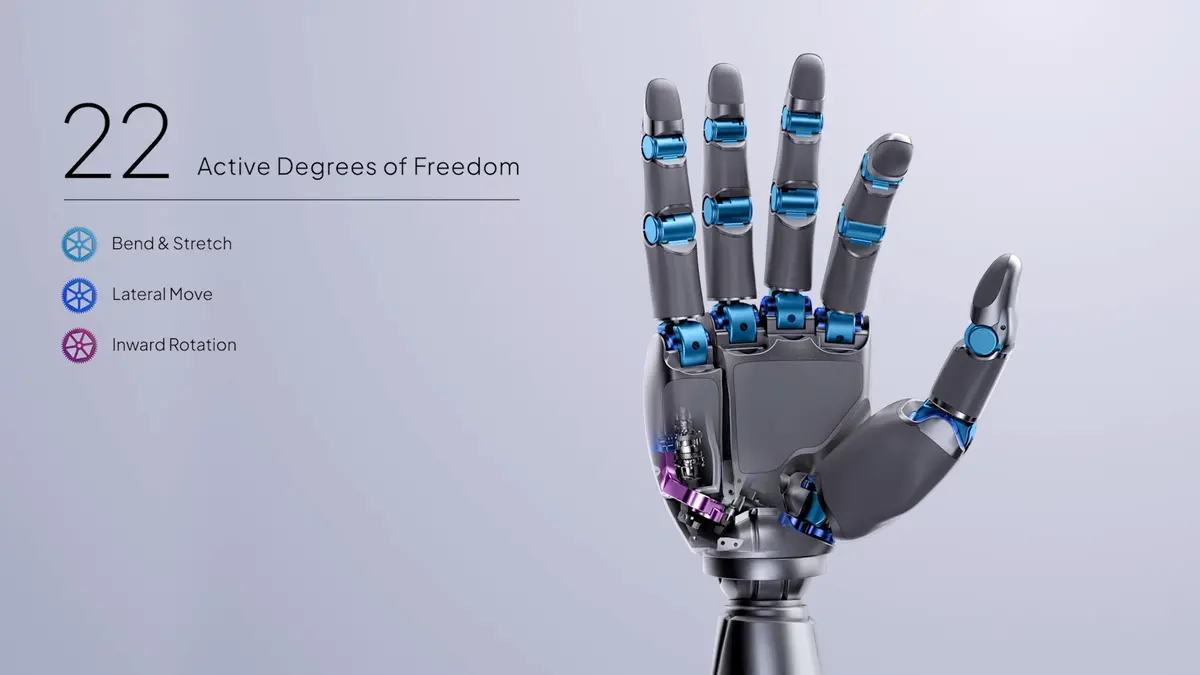
- The package unifies a Unitree H2 Plus chassis (31 DOF) and Sharpa Wave tactile hands (22 DOF per hand) with NVIDIA's onboard compute and software stack.
- Powered by the NVIDIA Jetson AGX Thor T5000 module, the platform delivers 2,070 FP4 TFLOPS of Blackwell-architecture performance to eliminate fragmented development workflows.
- Slated for an October 2026 release, the high-profile launch lands precisely during Unitree’s STAR Market IPO hearing in China.
TAIPEI — At NVIDIA GTC Taipei, a new open frontier humanoid robot reference design was unveiled, aiming to solve the fragmentation plaguing physical AI research. The platform, officially named the NVIDIA Isaac GR00T Reference Humanoid Robot, is a collaborative effort between Silicon Valley chip giant NVIDIA and Singaporean embodied AI startup Sharpa, built on a hardware base from Hangzhou-based Unitree Robotics.
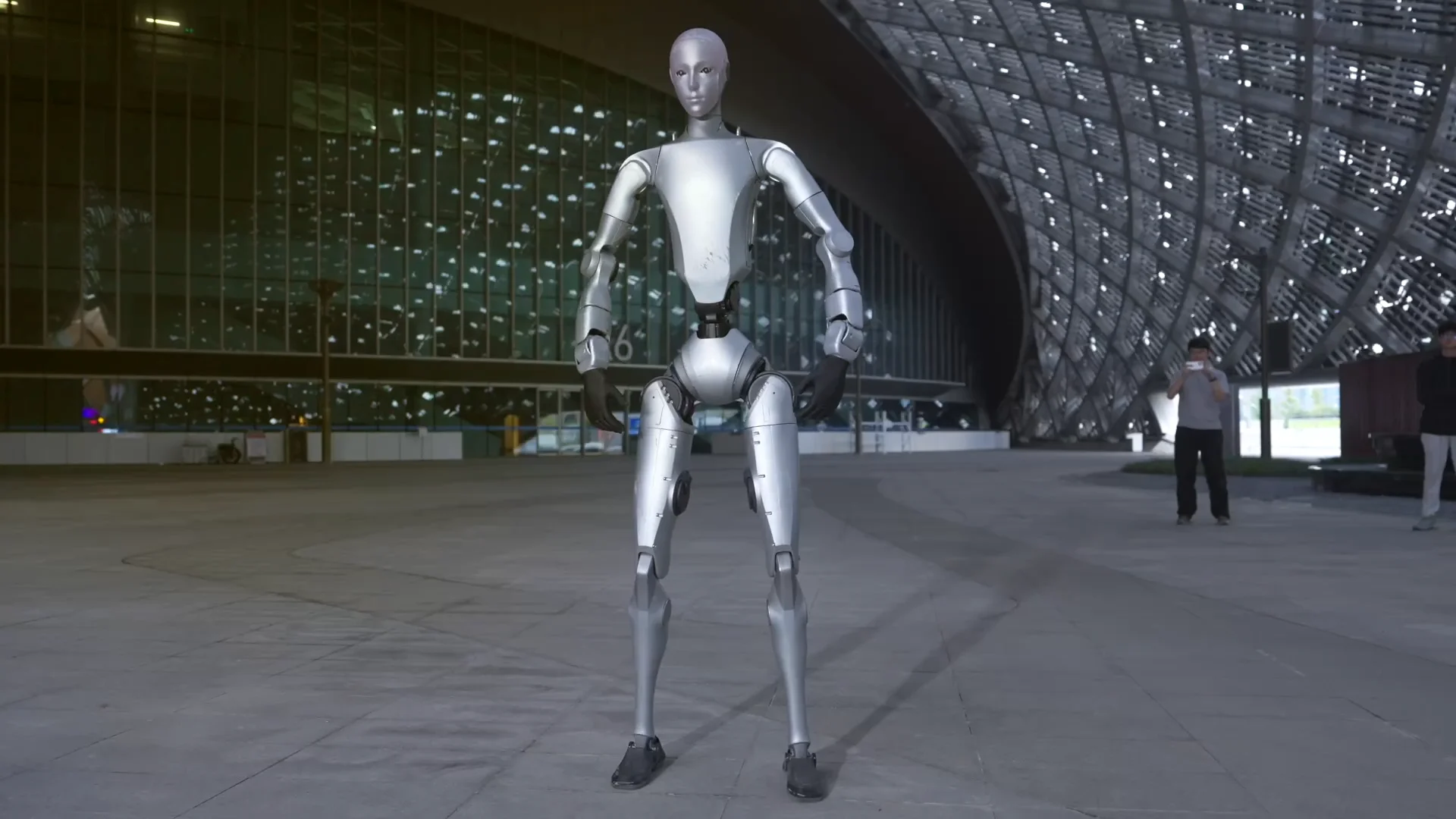
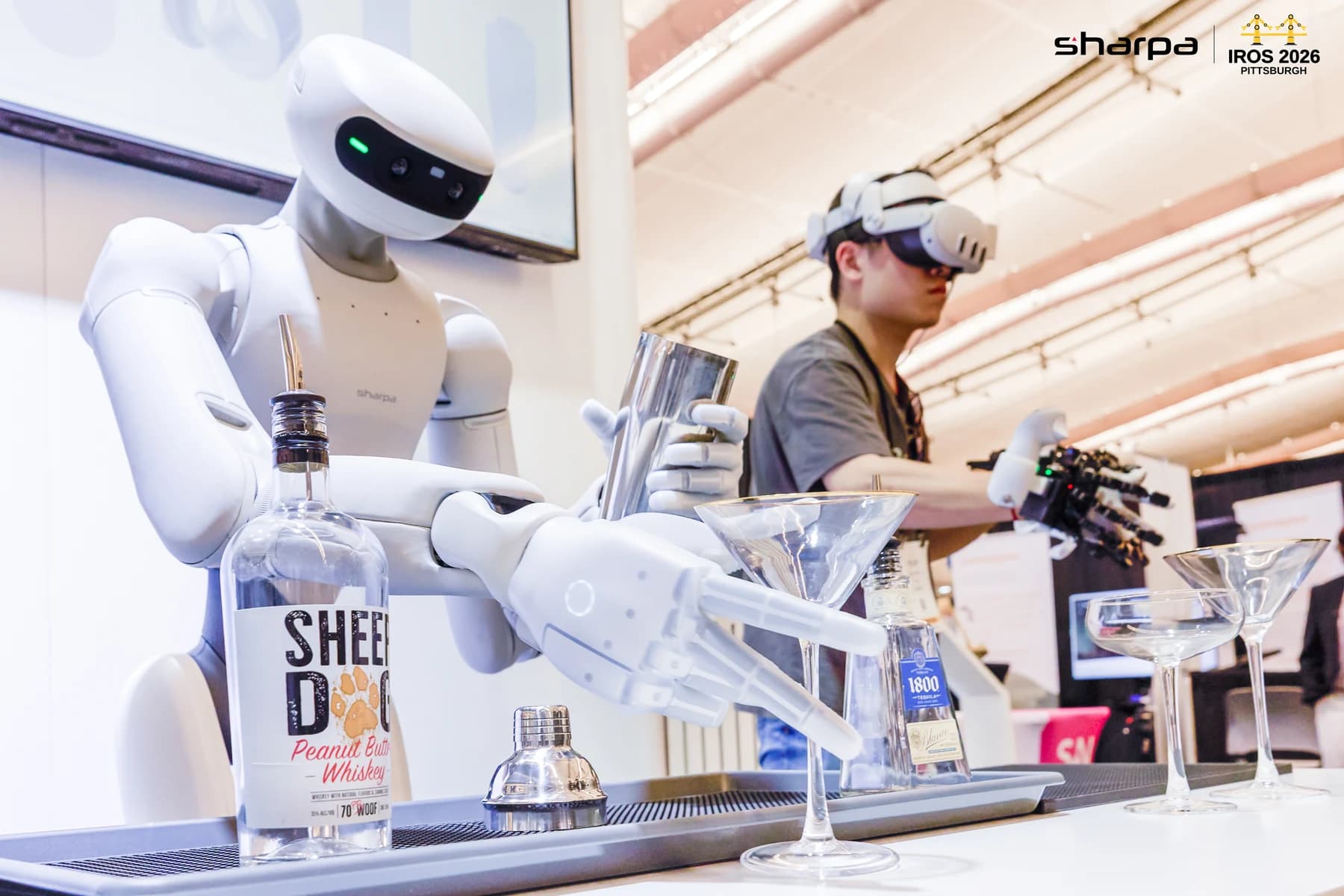
Designed to provide an "out-of-the-box" solution for developers, the reference design unifies a Unitree H2 Plus humanoid robot chassis and Sharpa’s high-fidelity tactile hands (forming the "body") with NVIDIA’s next-generation Blackwell-based onboard compute and Isaac GR00T software workflows (forming the "brain"). According to Rev Lebaredian, Vice President of Physical AI Simulation at NVIDIA, the platform is intended to shift research away from "Franken-robots" and basic hardware maintenance, allowing labs to focus purely on training complex, real-world skills.
The reference design is scheduled to become available in October 2026
Technical Architecture: Muscle, Touch, and Brains
According to NVIDIA, the NVIDIA Isaac GR00T Reference Humanoid Robot pushes the frontier of humanoid articulation, bringing the machine to a total of 75 degrees of freedom (DOF) across its hands and body.
The weekly humanoid robotics briefing
One email a week: the launches, funding and research that mattered, with context from Humanoids Daily.
Read recent issuesThe system is architected across three core pillars:
- The Chassis: Built on the Unitree H2 full-sized humanoid platform, the body contributes 31 degrees of freedom.
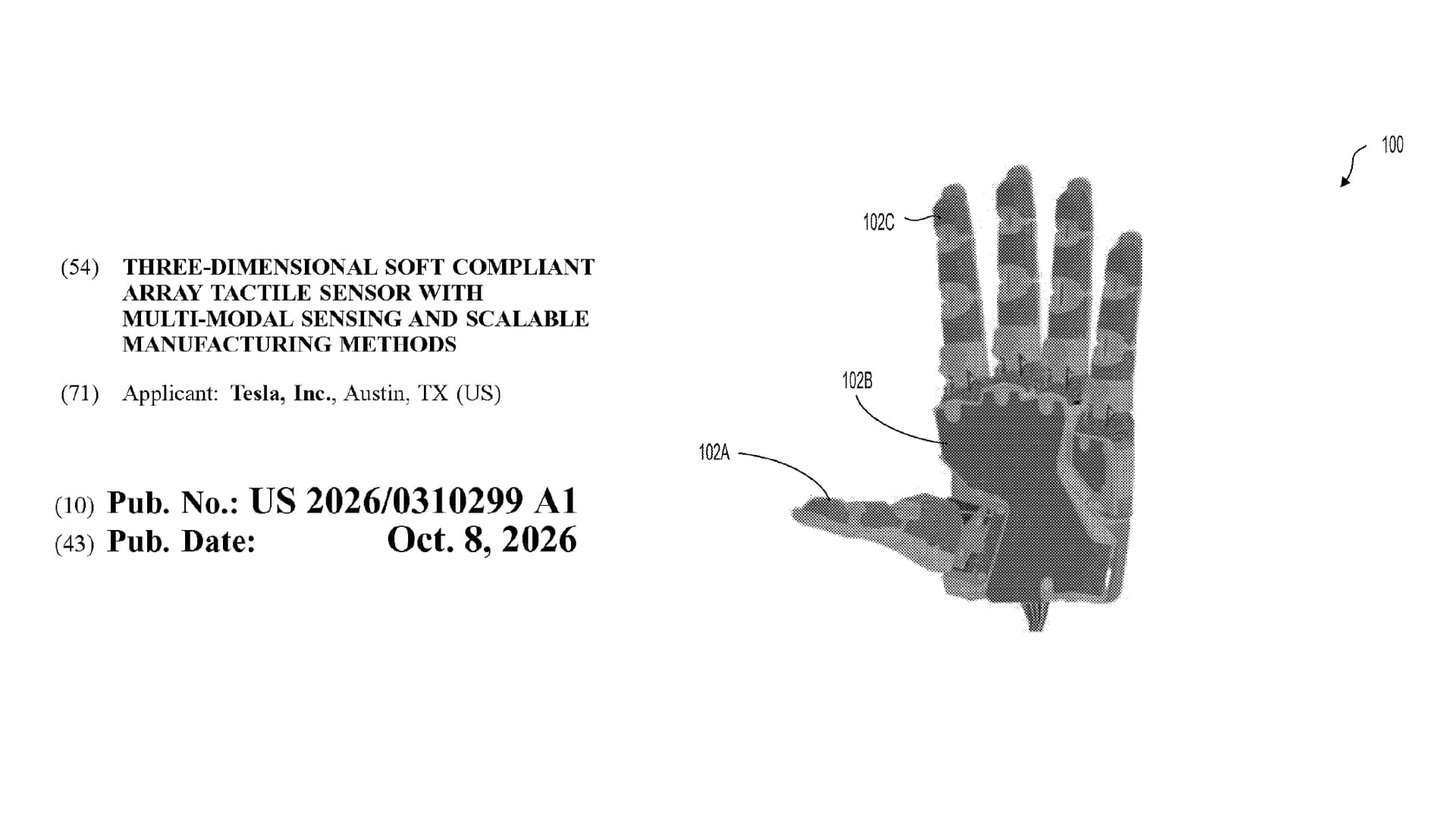
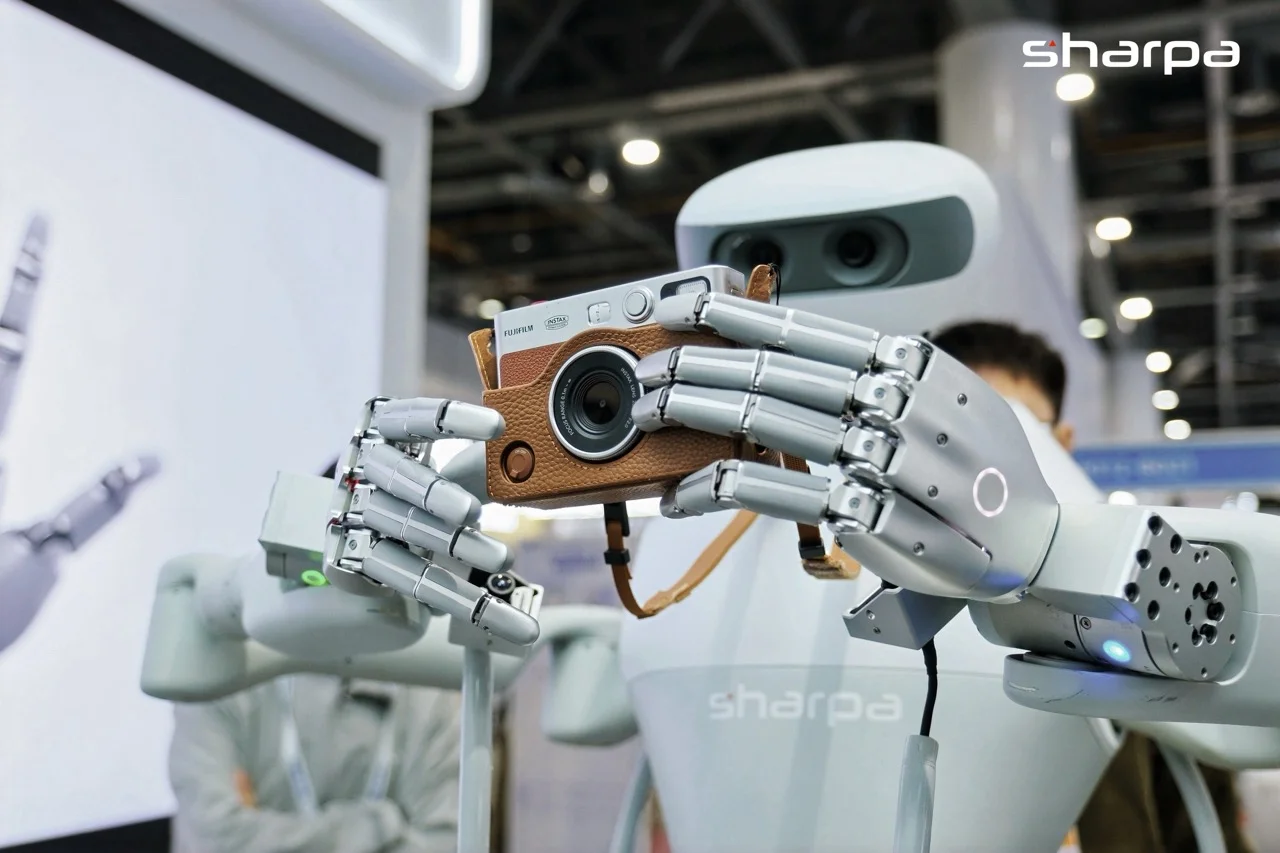
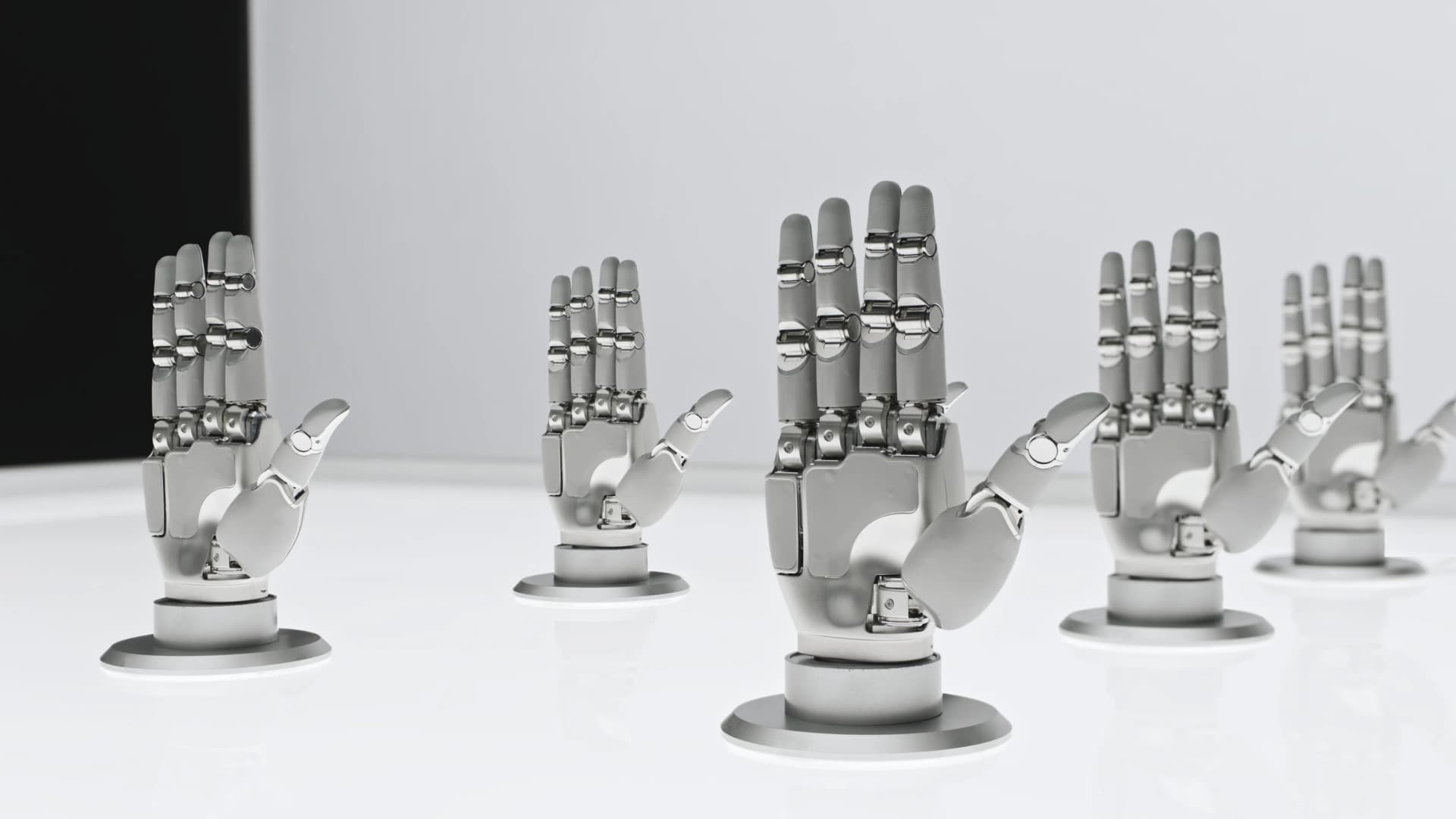
- The End-Effectors: The platform replaces generic or low-DoF grippers with dual Sharpa Wave tactile five-finger hands. Each hand boasts 22 active degrees of freedom and features a "Digital Tactile Array" embedded with over 1,000 tactile pixels per fingertip. With a calibrated pressure sensitivity of 0.02N, the hands close the perception gap when optical vision is occluded, allowing for contact-rich, long-horizon tasks.
- The Compute: Driving the physical chassis is the NVIDIA Jetson AGX Thor T5000 system-on-module. Built on the Blackwell GPU architecture, the system delivers an impressive 2,070 FP4 TFLOPS of AI performance paired with a 14-core Arm CPU and 128 GB of unified memory.
Bypassing the Fragmentation Bottleneck
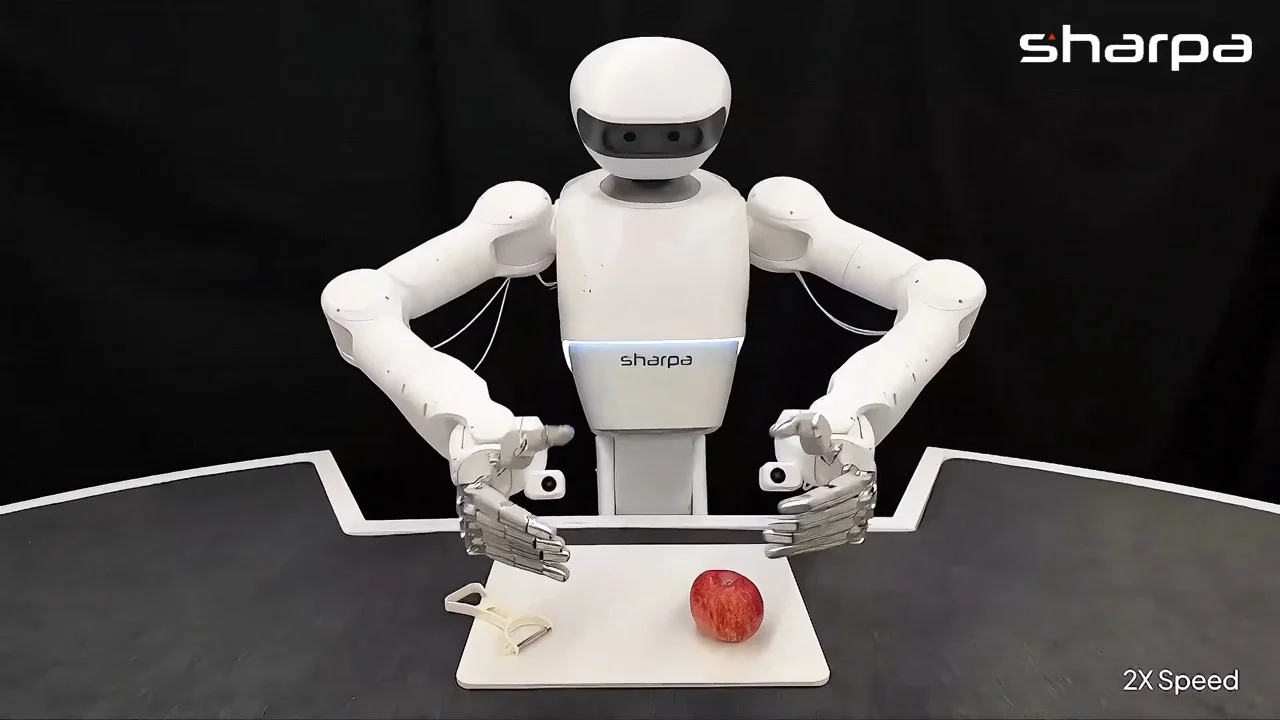
The partnership deepens a growing workflow integration between the three firms. Sharpa has historically utilized NVIDIA's Isaac Lab environment to train complex tactile policies, such as its widely covered bimanual apple peeling milestone earlier this year.
Under the new reference stack, the H2 Plus will ship preloaded with the NVIDIA GR00T 1.7 humanoid robot model. This allows research teams to utilize NVIDIA Isaac Teleop and simulation libraries out of the box to collect data, train policies, and deploy models back to the physical hardware via Jetson Thor with minimal sim-to-real degradation.
"The problem that we've had so far is that... research labs spend a lot of time and energy on just making the basics of the robot work," Lebaredian noted during a pre-brief Q&A session that Humanoids Daily attended. "Having a platform that's being developed at scale with spare parts and everything coming out of the box integrated together...They don't have to spend all of their time just getting the physical robot to stand up and boot up, they can just use it out of the box and go."
While commercial pricing tiers have not yet been published, Sharpa indicated that a major, publicly visible pilot utilizing their tactile platform will launch in the summer of 2026, targeting food and beverage use cases alongside enterprise partnerships like Grab in Singapore.
Geopolitical Winds and IPO Mechanics
While the technical synergy between the companies is clear, the broader context surrounding the announcement is remarkably complex. The GTC reveal lands on June 1, 2026—the exact day Unitree Robotics is scheduled to face the Shanghai Stock Exchange’s listing committee for its STAR Market IPO hearing.
Unitree is attempting to raise 4.2 billion yuan ($621 million) to fund manufacturing bases capable of scaling humanoid production. Financial disclosures from late May reveal that while Unitree’s Q1 2026 revenue jumped 68% year-on-year to 422.8 million yuan, its adjusted net profit dipped 52% due to soaring R&D and sales expenditures. An official endorsement from NVIDIA at GTC provides a massive validation boost for investors parsing Unitree’s transition from high-volume "robot dogs" to pure-play bipedal platforms.
Simultaneously, the alliance faces mounting political crosswinds in North America. Despite Unitree’s G1 and H1 models serving as the de facto budget platforms for Western academic laboratories, U.S. lawmakers recently introduced the bipartisan American Security Robotics Act. The proposed bill seeks to impose a strict federal procurement ban on Chinese-made unmanned ground vehicles over data exfiltration and national security anxieties.
By positioning the H2 Plus as a global, open-frontier "reference design" backed by American silicon and software stacks—and utilizing tactile hardware headquartered out of Singapore—the triumvirate may be attempting to carve out a politically resilient framework for international AI labs. Whether this collaborative structure can successfully insulate the platform from escalating trade restrictions remains an open, critical question for the industry.
Share this article
Read next
- Published on
- Reading time
- 4 min read
The Human Scale: NVIDIA’s EgoScale Unlocks High-Dexterity Robotics via 20,000 Hours of Human Video
- Published on
- Reading time
- 5 min read
Sharpa Launches D01 Robot, W02 Hand and AE01 Haptic Glove at IROS 2026
- Published on
- Reading time
- 7 min read
Google DeepMind Unveils Gemini Robotics 2, Bringing Whole-Body Intelligence and Multi-Robot Teams to Physical AI
- Published on
- Reading time
- 4 min read
The Apple Peeling Milestone: How Sharpa’s "MoDE-VLA" Unlocks Bimanual Dexterity
- Published on
- Reading time
- 3 min read
Sharpa Robotics Ramps Up Mass Production of "Vision-Based" Tactile Hand
- Published on
- Reading time
- 3 min read
Sharpa Robotics Begins Shipping Its SharpaWave Hand, Targeting Human-Level Tactile Sensing
The weekly humanoid robotics briefing
One email a week: the launches, funding and research that mattered, with context from Humanoids Daily.
Read recent issues