- Published on
Agility to Go Public in $2.5 Billion SPAC Merger with Churchill Capital XI
One tap, and our reporting appears more often in your Google Top Stories. It makes a real difference to a small newsroom.

Supported by RoboStrategySupport for Humanoids Daily comes from RoboStrategy
Sponsored
Investing involves risk, including possible loss of principal. Read the prospectus before investing.
- Agility has announced plans to go public via a merger with Churchill Capital Corp XI (CCXI), valuing the humanoid robotics pioneer at $2.5 billion.
- The transaction is expected to yield over $600 million in gross proceeds, anchored by a $200 million PIPE led by existing backer Foxconn.
- Operating under the ticker AGLT, the company aims to capitalize on pent-up retail investor demand as the first stand-alone Western humanoid pure-play.
- CEO Peggy Johnson highlighted macroeconomic tailwinds, including workforce retirements and the Trump administration’s manufacturing reshoring initiatives, as core demand drivers.
- Capital proceeds will fund a next-generation Digit robot with enhanced dexterity and advanced safety standards, supporting a production target of 10,000 units annually in Salem, Oregon.
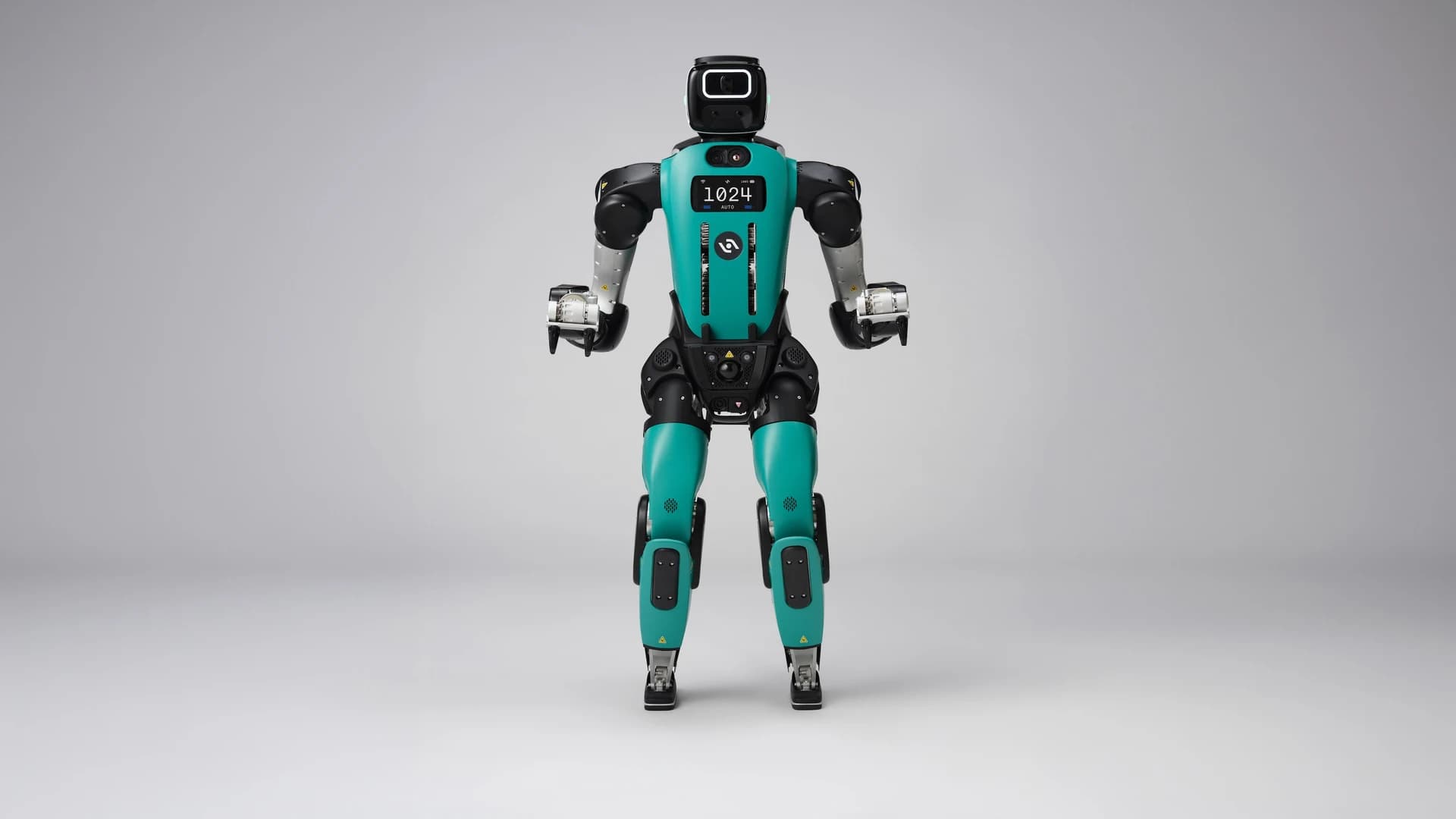
The public market scarcity for Western humanoid robotics is about to break. Agility, the Oregon-based developer of the bipedal Digit robot, is set to go public via a merger with blank-check firm Churchill Capital Corp XI (CCXI), company executives told The Wall Street Journal.
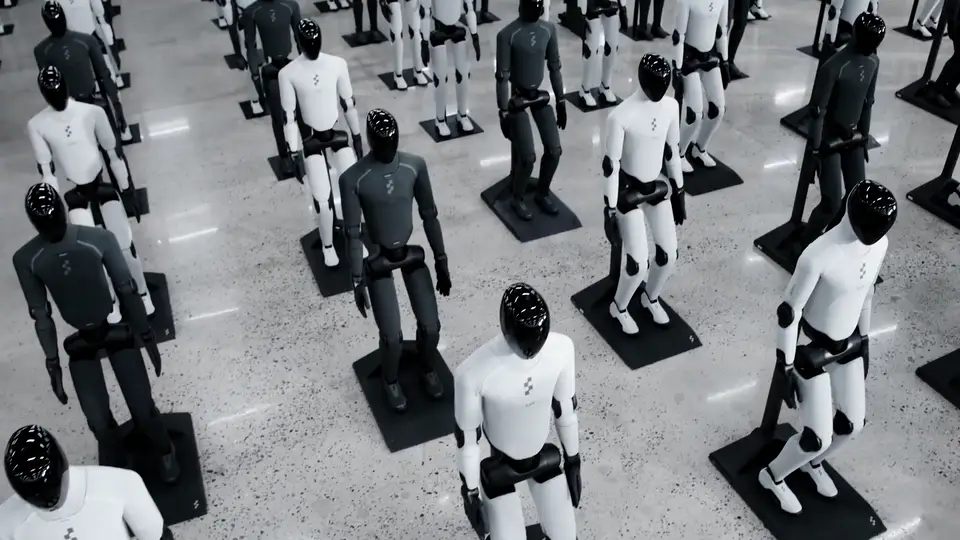
The special purpose acquisition company (SPAC) transaction values the physical AI startup at approximately $2.5 billion. The combined entity will list on the public markets under the ticker symbol AGLT, marking a historic transition for a sector previously confined to venture capital funding and private equity.

The Financial Mechanics and Backing
The transaction is structured to inject more than $600 million in gross proceeds into Agility’s balance sheet. This capital influx includes $420 million in cash held in trust by Churchill XI, supplemented by a private investment in public equity (PIPE) exceeding $200 million.
Crucially, the common-stock PIPE is being led by Taiwan-based manufacturing giant Foxconn, an existing Agility backer. Foxconn's continued financial commitment provides a massive strategic pipeline for high-volume manufacturing expertise as Agility scales. Agility’s roster of prominent institutional backers also includes Amazon, Nvidia, and SoftBank.
The weekly humanoid robotics briefing
One email a week: the launches, funding and research that mattered, with context from Humanoids Daily.
Read recent issuesThe vehicle for the listing, Churchill XI, is sponsored by veteran dealmaker Michael Klein. A former Citigroup banker, Klein is one of the market's most prolific SPAC sponsors, having previously used blank-check companies to list EV maker Lucid and nuclear power firm Oklo. The deal comes amid a broader revival of the IPO and SPAC markets.
Unlocking Public Access to Physical AI
Until now, public market investors looking for exposure to the humanoid boom faced a severe structural bottleneck. High-value Western peers like Figure AI and Apptronik remain stubbornly private, forcing retail investors to rely on closed-end vehicles like RoboStrategy (Nasdaq: BOT) or multi-sector conglomerates where robotics is a secondary business.
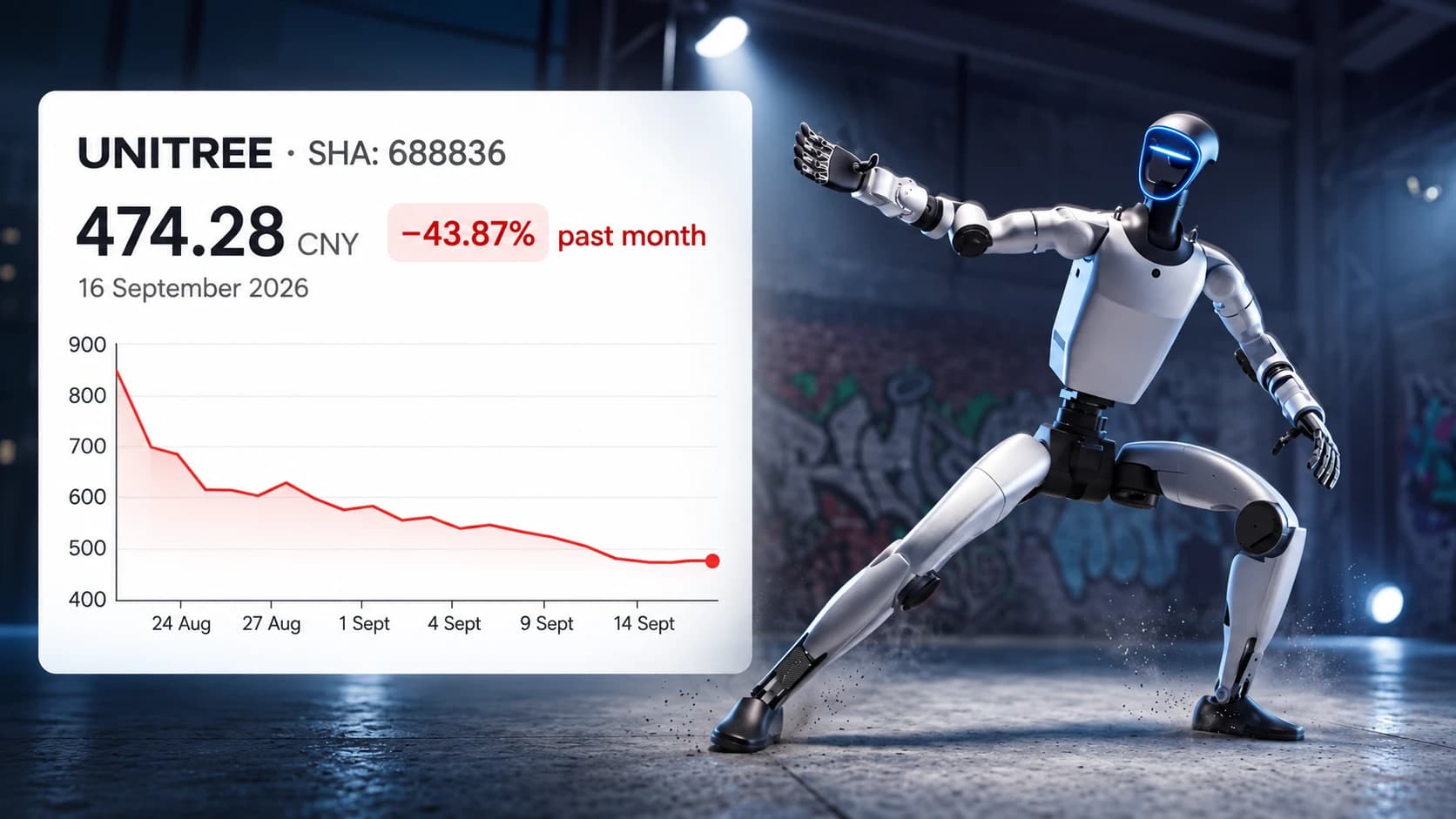
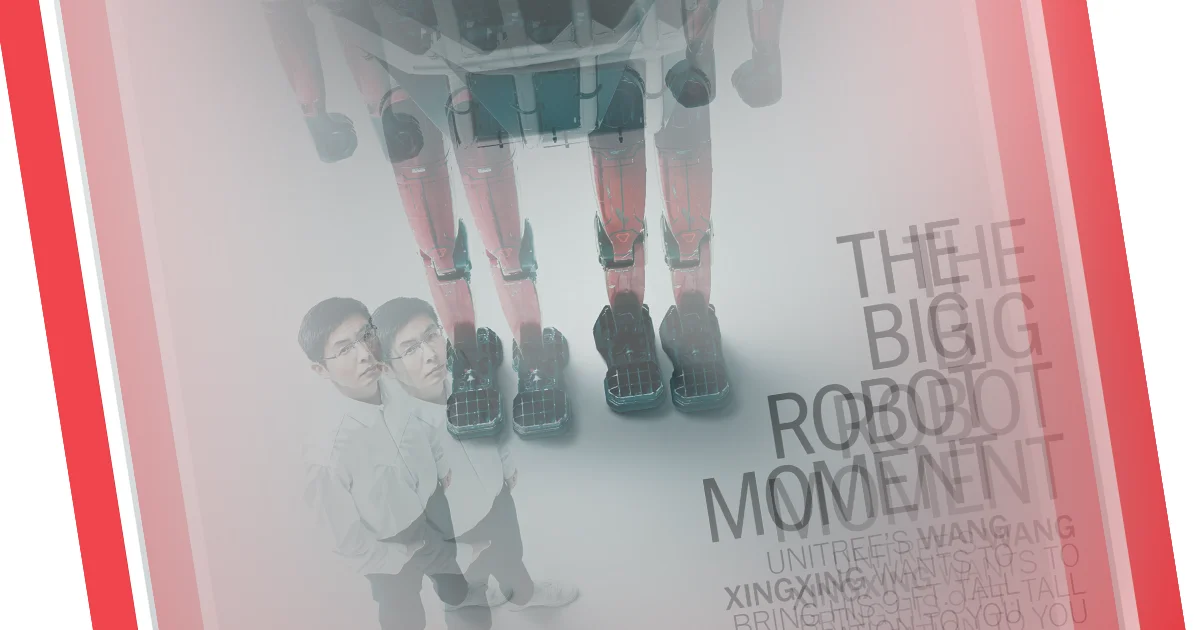
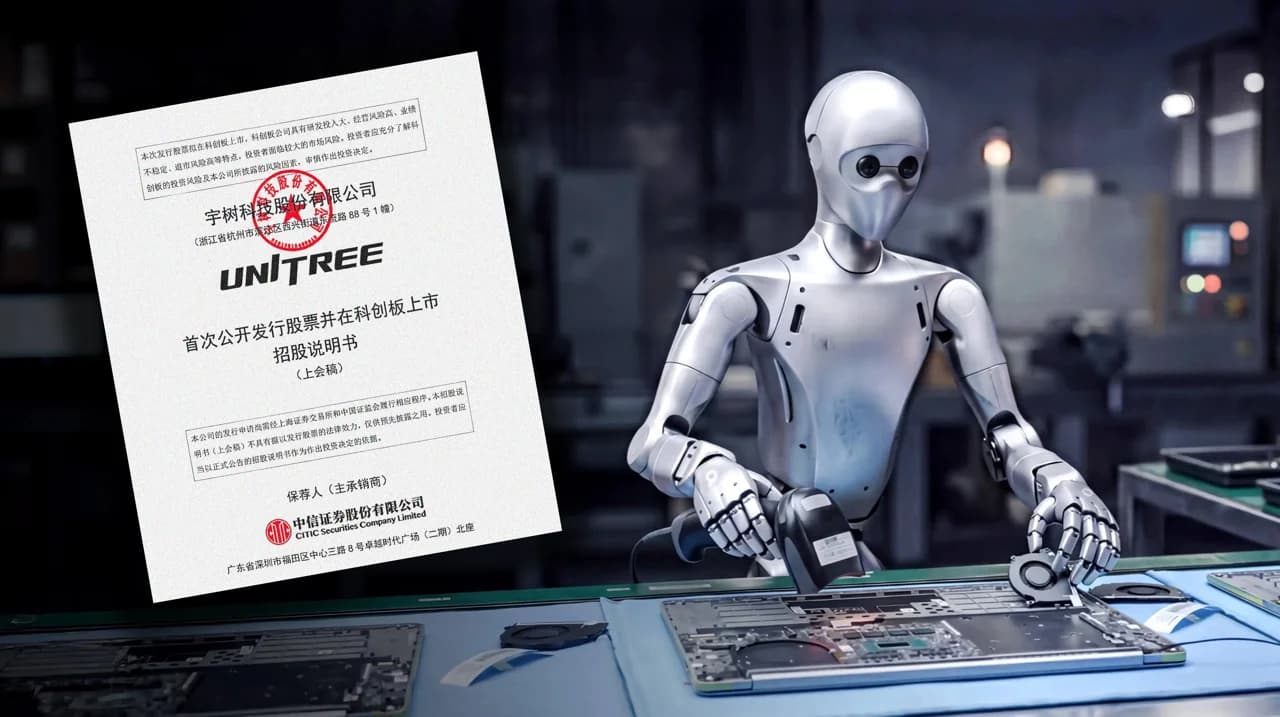
While industrial giants like Schaeffler have served as a public proxy due to their roles as Tier 1 component suppliers, pure-play public listings have been heavily concentrated in China. There, Unitree Robotics recently cleared major hurdles for its STAR Market listing, following public entries from deep-tech peers like Deep Robotics.
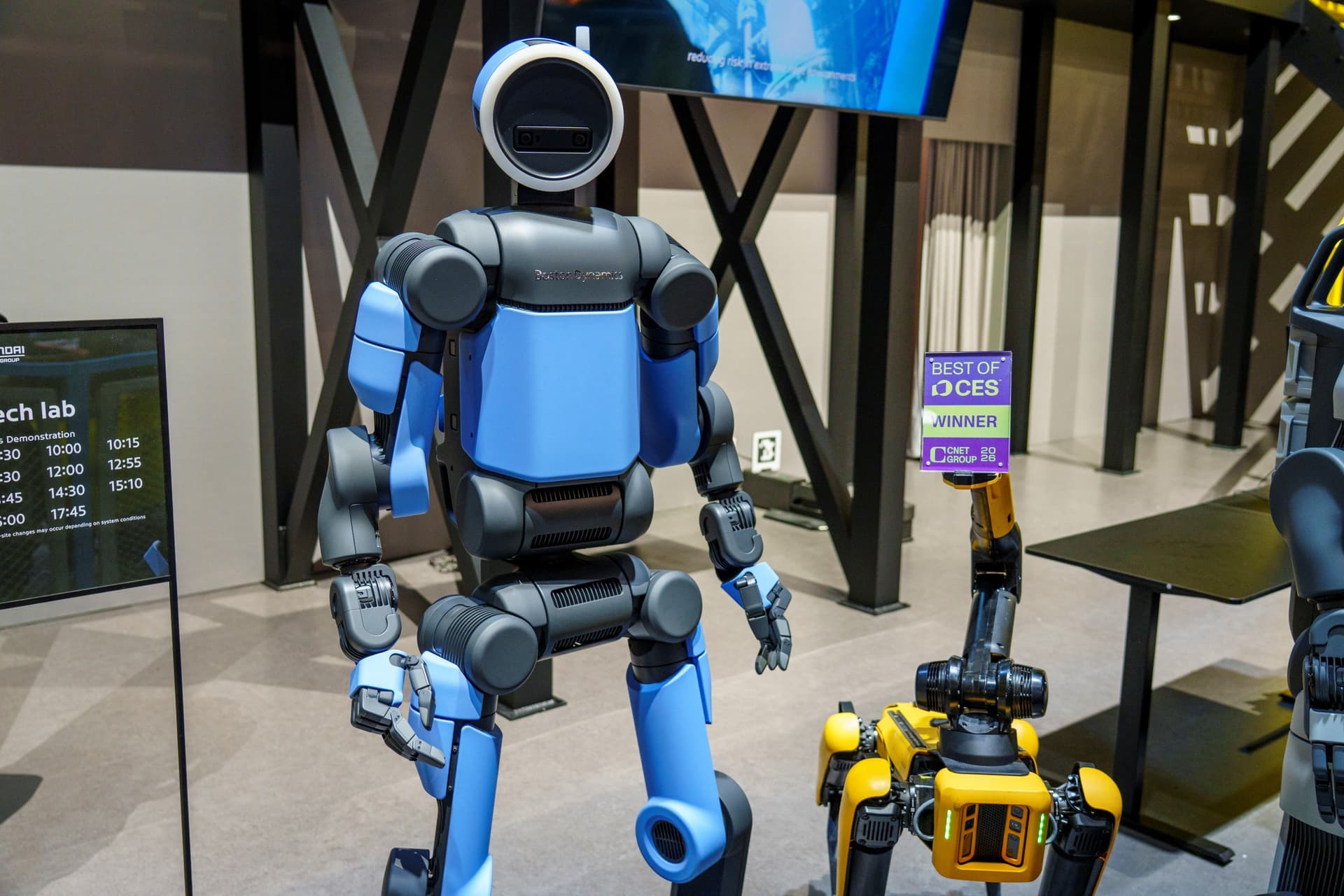
Agility’s move to the Nasdaq undercuts the anticipated public timeline for other Western heavyweights. While recent corporate restructurings indicate that Boston Dynamics is preparing for its own public debut via Hyundai, that listing is not expected until late 2027 or 2028.
Agility CEO Peggy Johnson—a former Microsoft executive who previously helmed Magic Leap—believes this timing provides a distinct first-mover advantage. Johnson noted pent-up demand from individual investors looking to put dollars directly into stand-alone humanoid businesses.
Macroeconomic Tailwinds and the Labor Gap
"We see so much interest from companies seeking to fill the labor gap," Johnson stated. The company’s commercial footprint already spans several corporate giants; its customer list features Amazon.com, logistics provider GXO, car parts manufacturer Schaeffler, and Toyota Motor Manufacturing Canada.
Johnson highlighted a convergence of macroeconomic shifts that are accelerating enterprise adoption. The combination of an aging workforce retiring and the Trump administration’s policy focus on reshoring manufacturing jobs back to the United States is expected to drive sustained demand for autonomous bipedal labor.
To meet this demand, Agility is leveraging its "Robofab" production facility in Salem, Oregon. According to Johnson, the factory is engineered to manufacture 10,000 humanoid units annually once it is fully up and running. This industrial-first scale stands as a counterweight to competitors still struggling to transition out of research laboratories.
Scaling a Pre-Ordered Next-Gen Digit
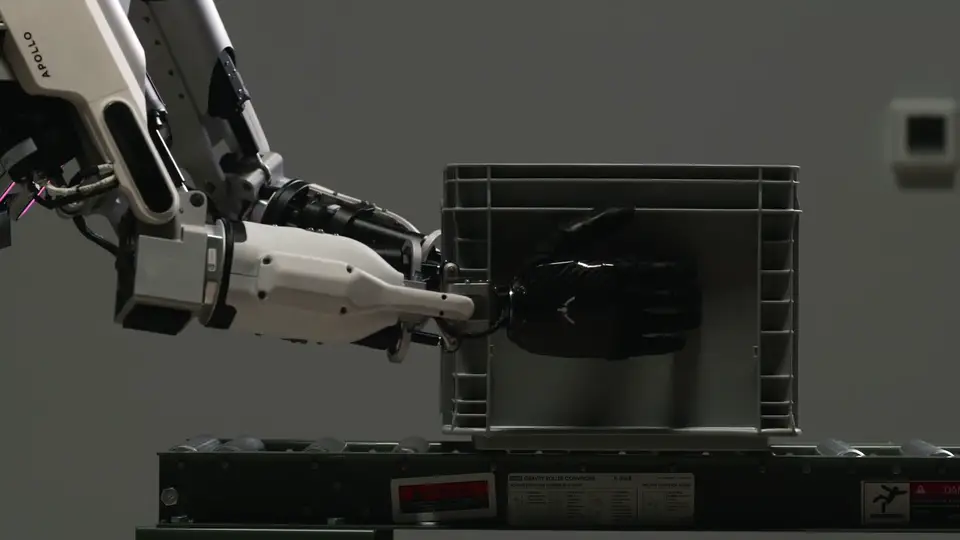
The capital injection will directly fund the deployment and iteration of Agility's core hardware platform. Digit is currently optimized for repetitive material handling tasks, such as moving and stacking heavy containers across fulfillment networks.
However, Agility has already secured orders for a next-generation version of Digit currently under development. This forthcoming model will feature significantly finer dexterity to manipulate smaller objects, expanding its utility beyond simple tote-shifting into more complex manufacturing assembly workflows.
The next-generation platform will also incorporate enhanced safety standards. The hardware evolution follows Agility’s recent integration partnership with NVIDIA to implement the Halos safety architecture—a standardized system designed to allow humanoids to work natively alongside human operators without the need for protective cages.
By combining certified, cage-free safety infrastructure with a public equity structure, Agility is attempting to prove that its pragmatic, industrial-first commercial roadmap is the fastest path to scaling physical AI. Wall Street will soon decide if it agrees.
Share this article
Read next
- Published on
- Reading time
- 3 min read
Boston Dynamics IPO Unlikely in 2027, Hyundai Executive Says
- Published on
- Reading time
- 5 min read
Unitree’s Stock Slump Puts China’s Robot IPOs Under Scrutiny
- Published on
- Reading time
- 4 min read
Unitree Soars Over 600% in Shanghai IPO, Cements China’s Lead in Humanoid Hardware
- Published on
- Reading time
- 5 min read
Unitree’s Blockbuster IPO Highlights the Scramble for Embodied AI Supremacy
- Published on
- Reading time
- 4 min read
Unitree Kicks Off STAR Market IPO Amid Deepening US-China Robotics Rivalry
- Published on
- Reading time
- 6 min read
Unitree Clears Major Hurdle with Fast-Track STAR Market IPO Approval
The weekly humanoid robotics briefing
One email a week: the launches, funding and research that mattered, with context from Humanoids Daily.
Read recent issues