- Published on
Abundance or Agony? Elon Musk Maps Out the Optimus Production S-Curve in Davos
One tap, and our reporting appears more often in your Google Top Stories. It makes a real difference to a small newsroom.


Your guide
Rich Robinson
Jee Chee Ren · Executive tour
See China’s AI and robotics ecosystem first-hand.
Six days exploring AI, robotics and advanced manufacturing.
With Rich Robinson, Clinical Professor of Entrepreneurship at Peking University
Beijing · Guangzhou · Shenzhen
29 November–4 December 2026
Referral partnership · We earn a commission on referred bookings.
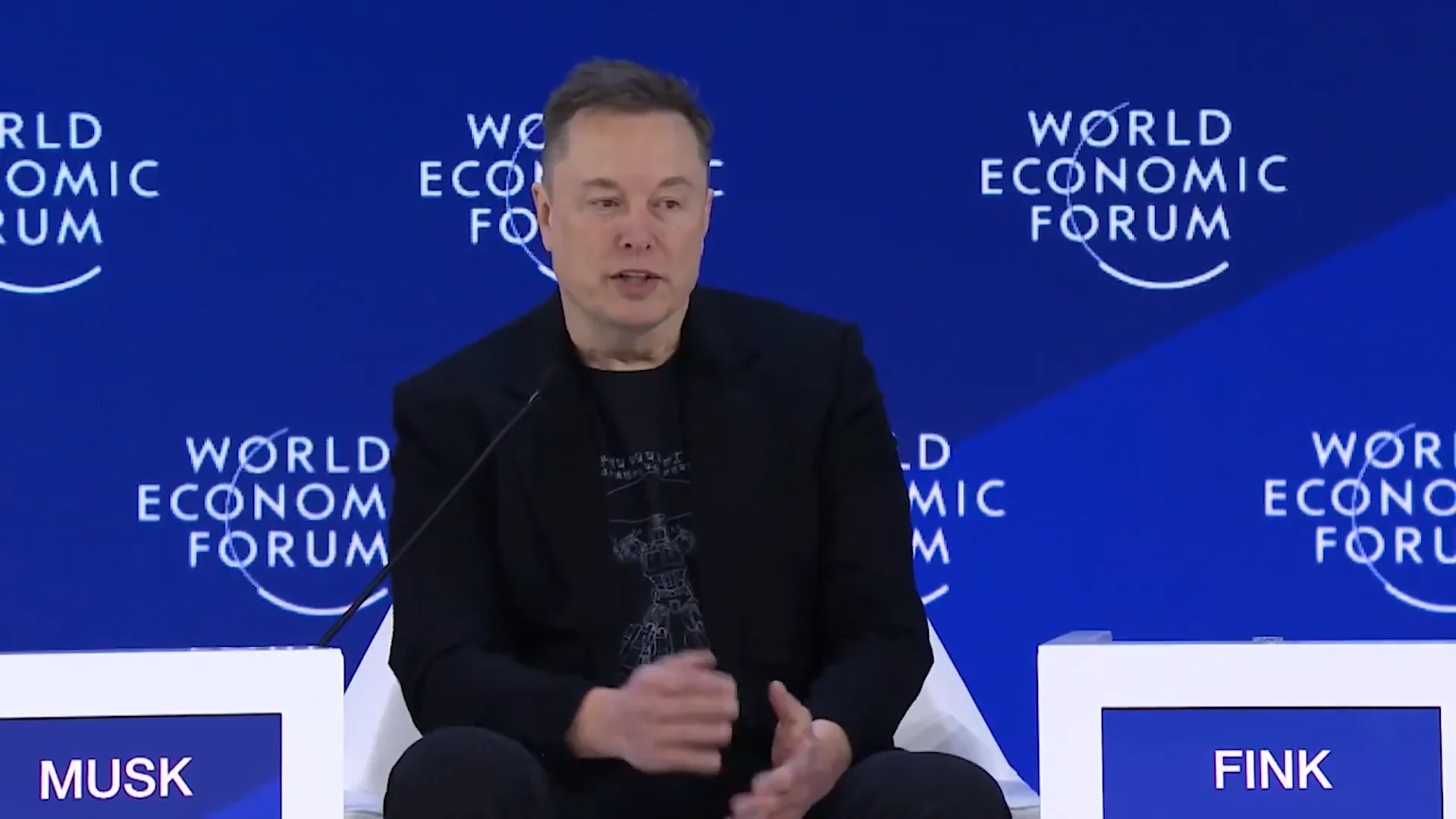
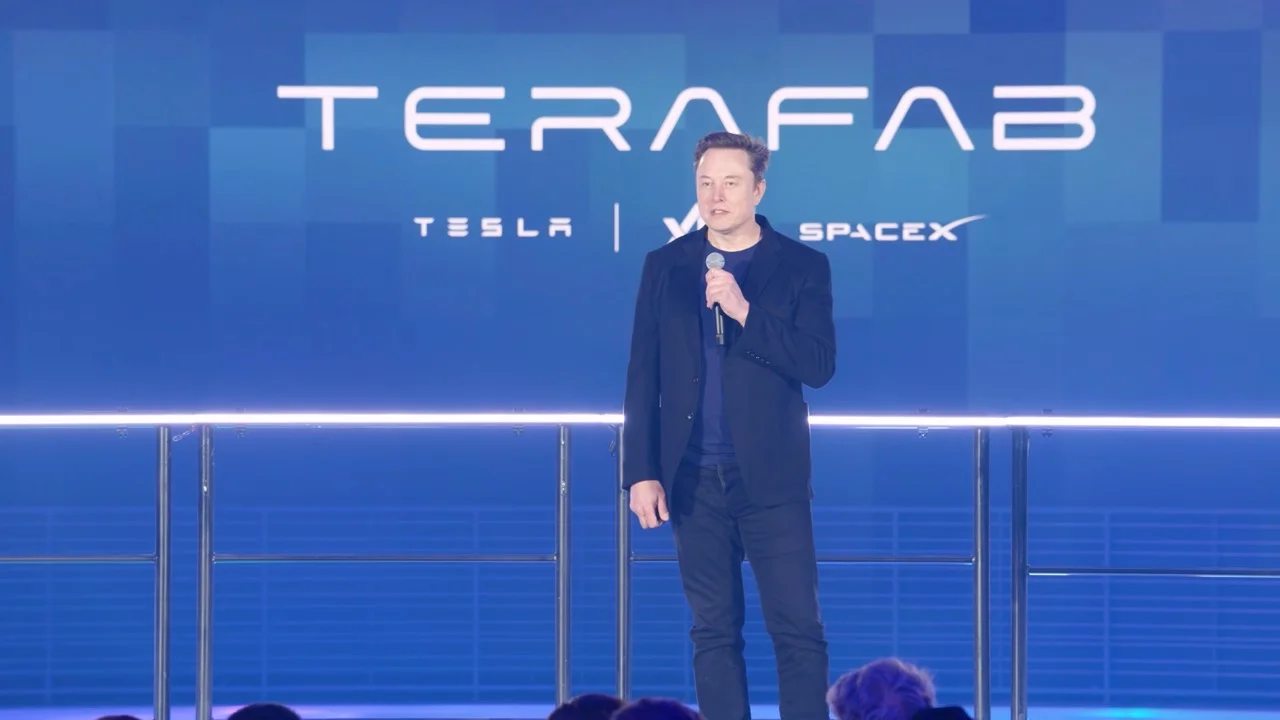
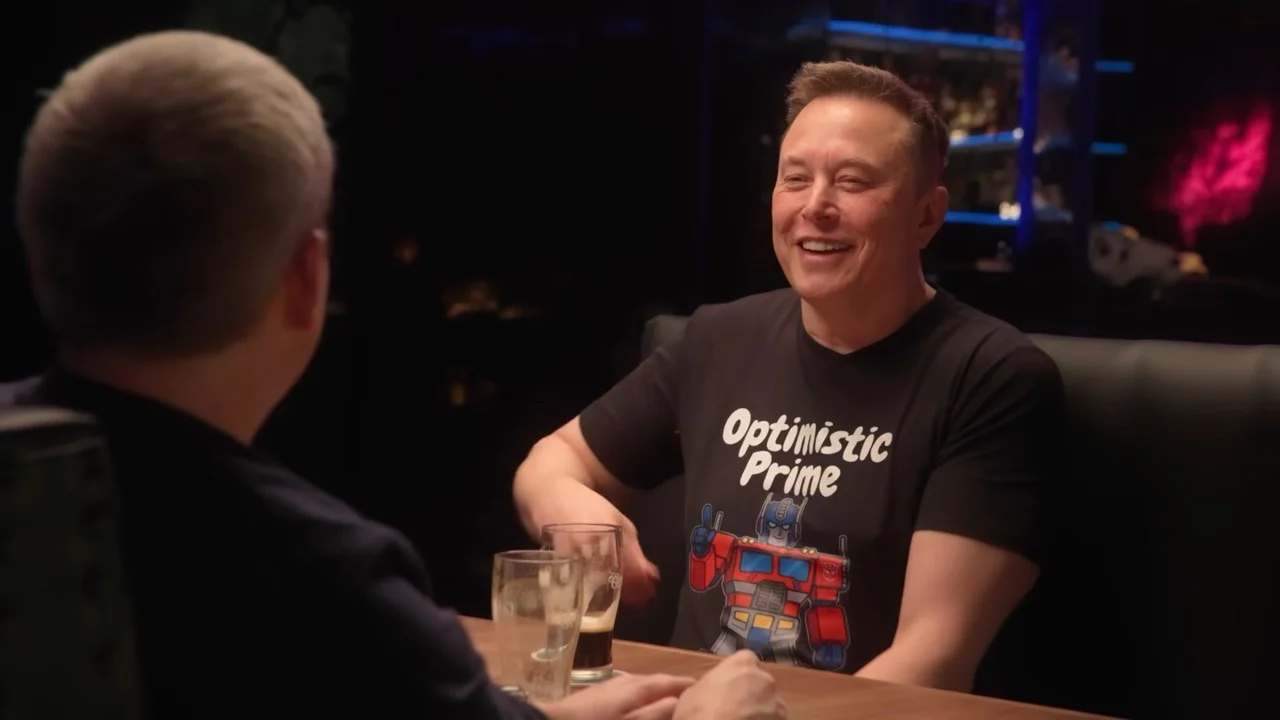
During a fireside chat with BlackRock CEO Larry Fink at the World Economic Forum in Davos, Switzerland, Elon Musk outlined an expansive vision for "sustainable abundance" driven by artificial intelligence and humanoid robotics. While Musk’s long-term predictions suggest a global economy expanded "beyond all precedent," he recently tempered these expectations on social media, warning that the path to mass-producing the Optimus robot will be defined by a difficult "S-curve."
The "Agonizingly Slow" Production Ramp
Following his appearance in Davos, Musk clarified the manufacturing hurdles facing Tesla’s most ambitious projects. Responding to reports on the production speed of the upcoming Cybercab on X (formerly Twitter), Musk noted that the speed of a production ramp is inversely proportionate to the number of new parts and steps involved.
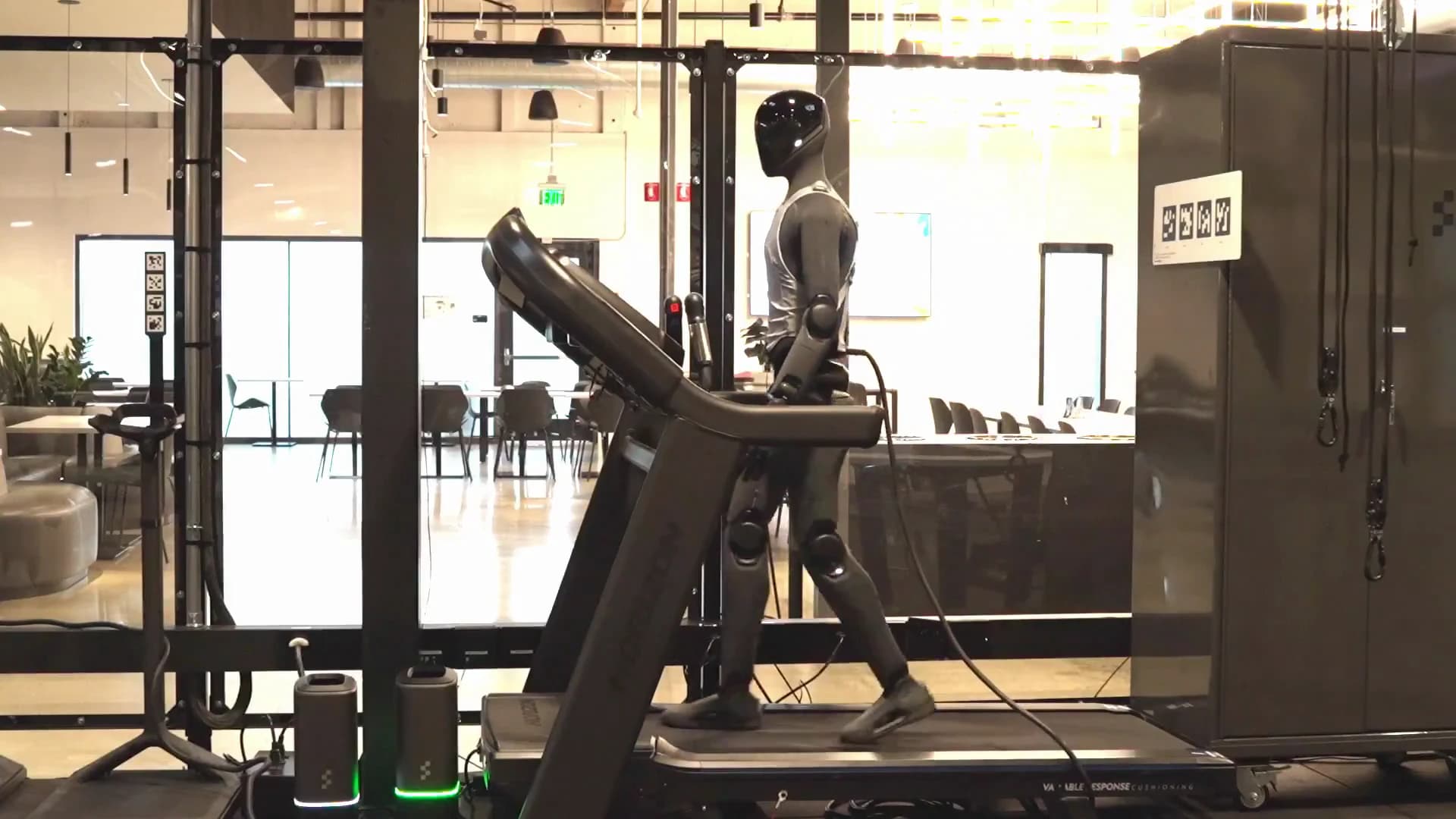
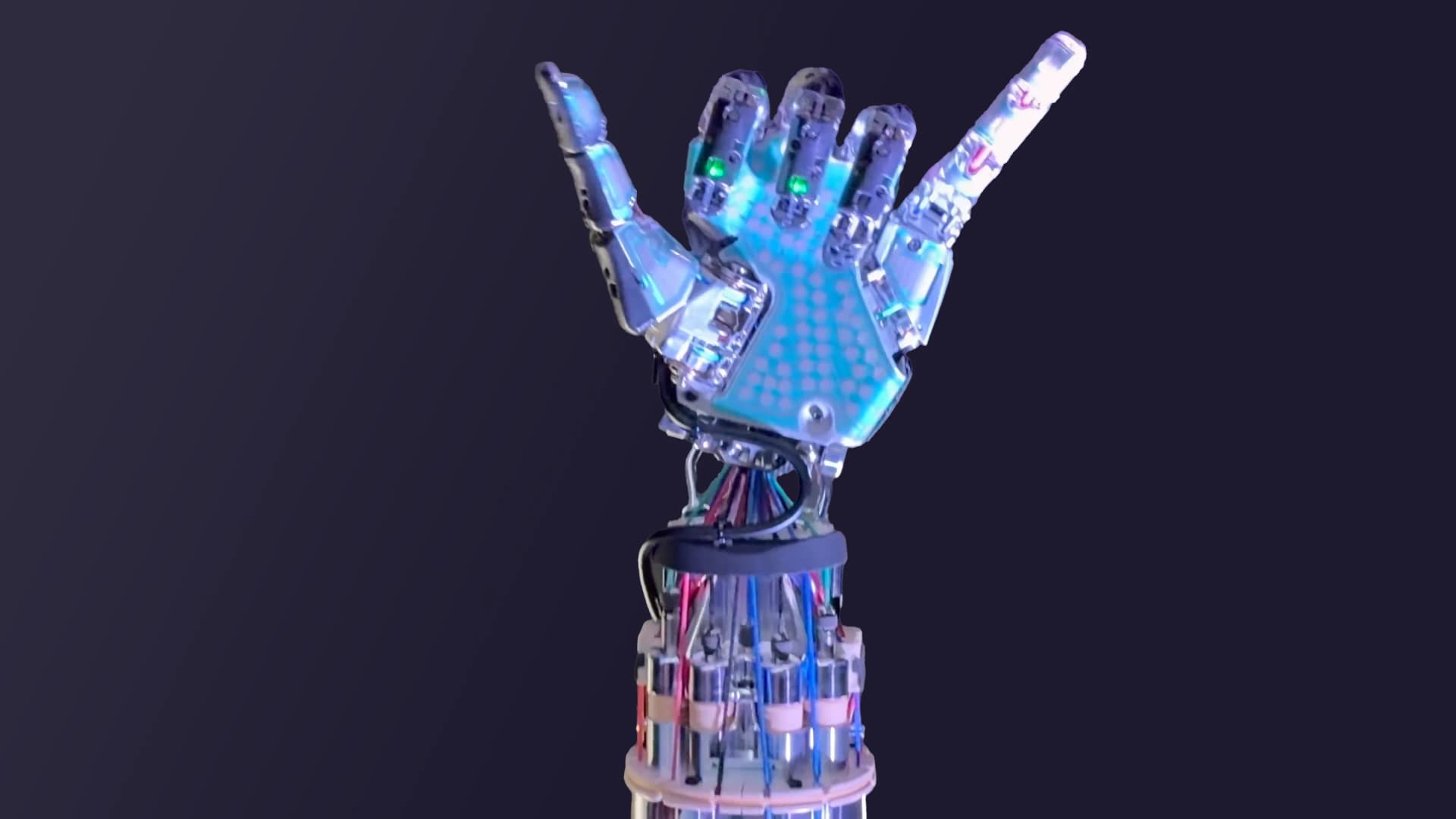
"For Cybercab and Optimus, almost everything is new," Musk stated. "The early production rate will be agonizingly slow, but eventually end up being insanely fast." This acknowledgment of the manufacturing bottleneck aligns with Musk’s previous comments regarding the immense complexity of the robot’s hardware, including the goal of integrating 25 actuators into the next-generation Optimus hand.
A Robot for Every Human
In Davos, Musk framed the robotics revolution not just as an industrial shift, but as a fundamental solution to global poverty and aging demographics. He predicted a future where the number of humanoid robots exceeds the human population, with every person potentially owning at least one unit.
The weekly humanoid robotics briefing
One email a week: the launches, funding and research that mattered, with context from Humanoids Daily.
Read recent issues- Saturating Human Needs: Musk suggested that "ubiquitous robotics" will eventually saturate all human needs, leading to an abundance of goods and services where cost becomes negligible.
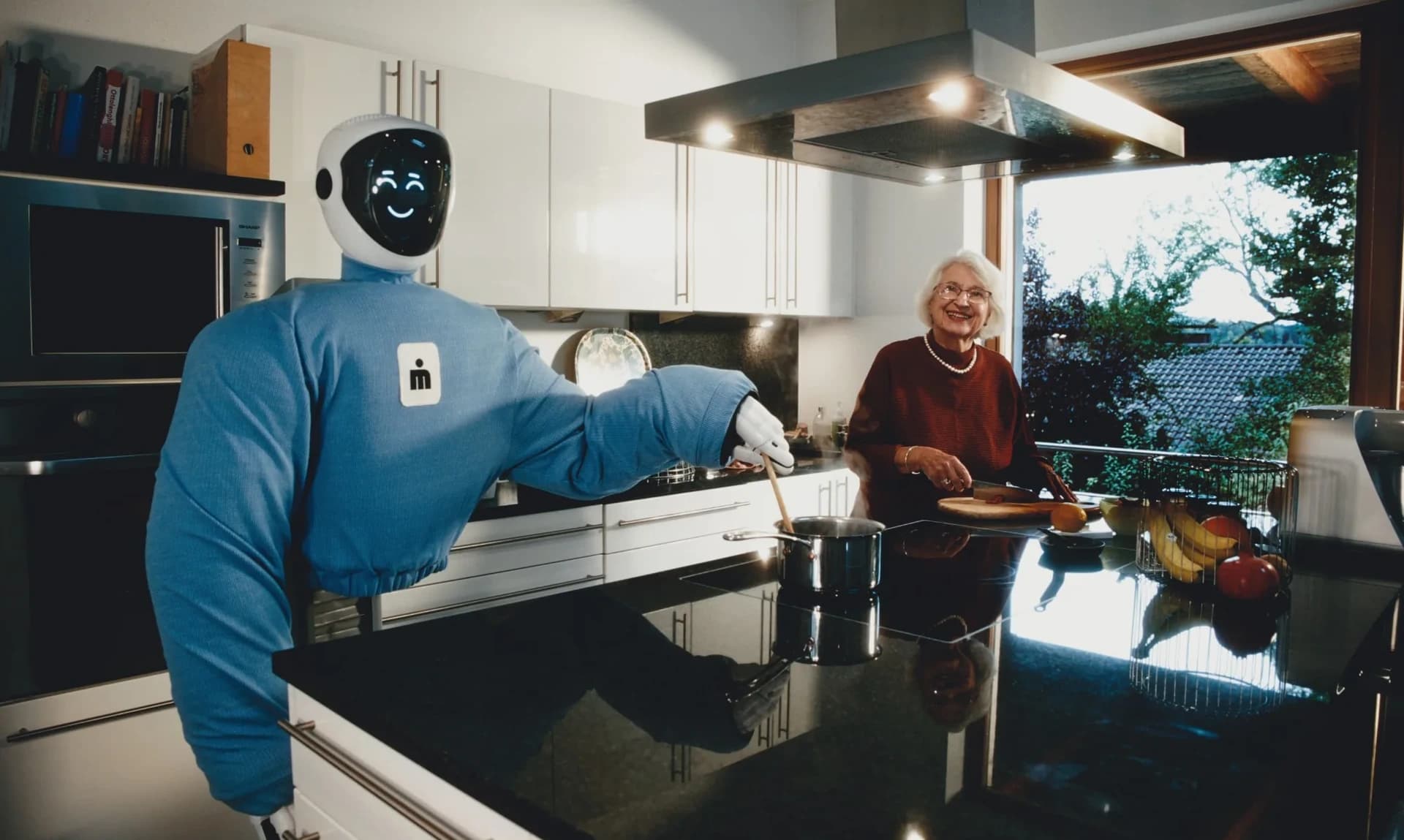
- The Caregiver Role: He specifically highlighted the potential for robots to care for the elderly or watch over children, addressing the global shortage of young workers available to support aging populations.
- Economic Output: Musk defined future economic output as the average productivity per robot multiplied by the total number of robots, predicting a benign scenario where labor is no longer a limiting factor.
The 2027 Roadmap
Despite the "agonizing" start to production, Musk provided a characteristically ambitious timeline for the deployment of Optimus. He expects the robots to move from simple tasks already being performed in Tesla factories to more complex industrial roles by the end of 2026.
By the end of 2027, Musk claims Tesla will be ready to sell humanoid robots to the public, provided they meet internal standards for "very high reliability" and "very high safety." This focus on safety is particularly relevant following a recent teleoperation mishap in Miami, which highlighted the risks of rigid robots losing balance when their human tethers are disconnected.
Beyond Earth: Solar-Powered AI Data Centers
The Davos conversation also veered into the infrastructure required to support this robotic future. Musk identified electrical power as the primary bottleneck for AI deployment, noting that the rate of chip production is currently outstripping the growth of the electrical grid.
To solve this, Musk proposed moving AI compute into space. He suggested that SpaceX could launch solar-powered AI satellites within the next two to three years. According to Musk, space provides a "no-brainer" environment for data centers because solar panels are five times more effective without atmospheric interference, and the vacuum of space offers an efficient cooling system for high-performance chips.
The Optimist’s Gamble
Musk concluded his Davos session by defending his penchant for optimistic projections. "I would encourage everyone to be optimistic and excited about the future," he told the audience. "For quality of life, it is actually better to err on the side of being an optimist and wrong rather than a pessimist and right."
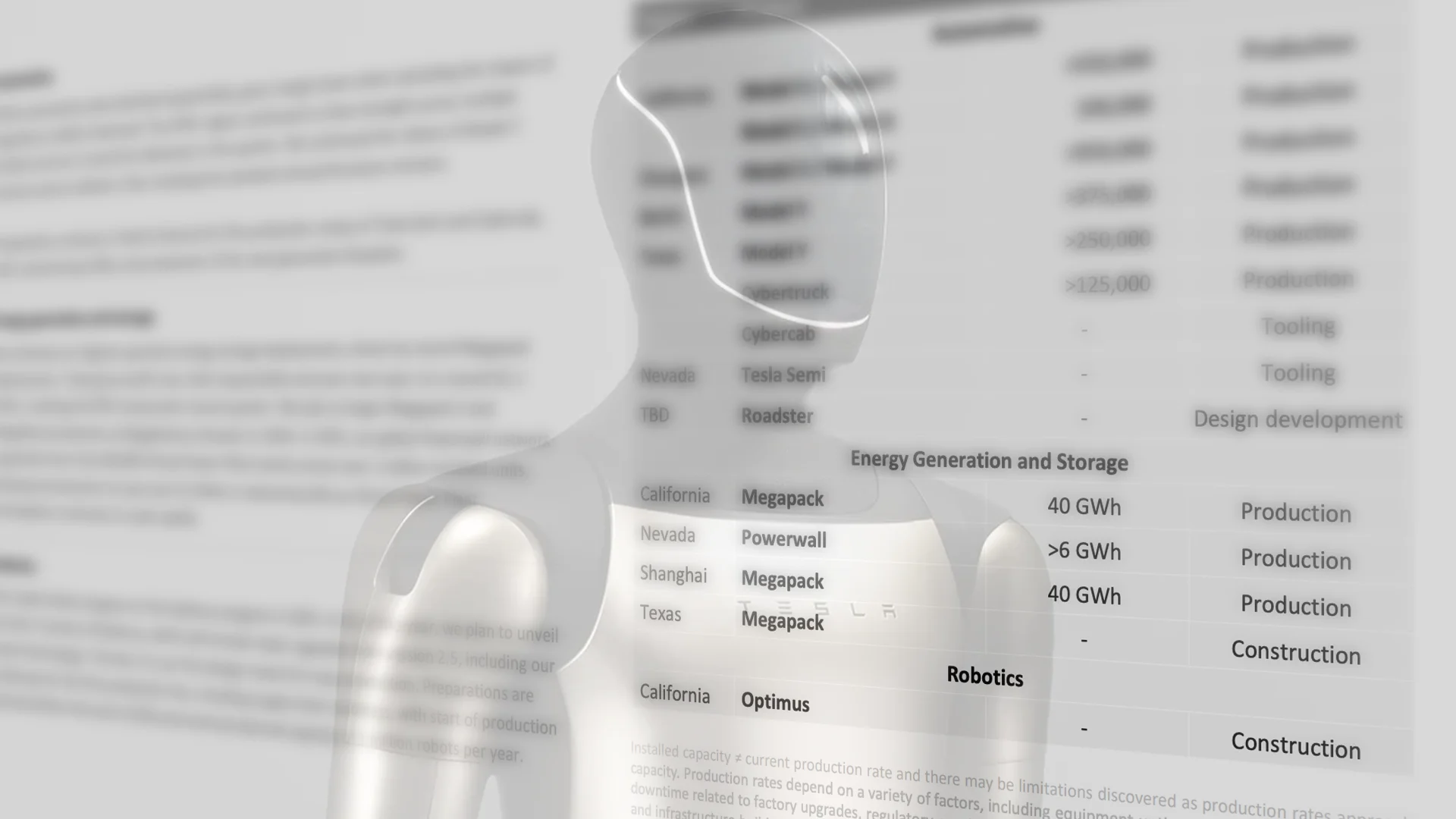
As Tesla prepares for a planned 1-million-unit production line in Fremont, the industry will be watching to see if the "insanely fast" portion of the S-curve arrives in time to meet Musk’s $20,000 price target or if the "agonizing" phase lasts longer than shareholders anticipate.
Share this article
Read next
- Published on
- Reading time
- 2 min read
Musk Puts Optimus and Cybercab at the Center of Tesla’s Future Value
- Published on
- Reading time
- 5 min read
Musk Details Optimus Hand Challenges, Warns of Slow Initial Production Ramp
- Published on
- Reading time
- 5 min read
The Terafab Manifesto: Tesla and Intel Join Forces to Power Musk’s "Galactic" AI Ambitions
- Published on
- Reading time
- 5 min read
The "Infinite Money Glitch": Elon Musk Outlines the Roadmap to a Billion Robots
- Published on
- Reading time
- 3 min read
Optimus Hits the Ledger: Tesla Formally Lists Humanoid Production Line in Q4 Results
- Published on
- Reading time
- 3 min read
Tesla’s Next Optimus Hand to Feature 50 Actuators, Musk Says, Eclipsing Current Prototype
The weekly humanoid robotics briefing
One email a week: the launches, funding and research that mattered, with context from Humanoids Daily.
Read recent issues