- Published on
Cartwheel Robotics Founder Scott LaValley Joins Google DeepMind
One tap, and our reporting appears more often in your Google Top Stories. It makes a real difference to a small newsroom.


Your guide
Rich Robinson
Jee Chee Ren · Executive tour
See China’s AI and robotics ecosystem first-hand.
Six days exploring AI, robotics and advanced manufacturing.
With Rich Robinson, Clinical Professor of Entrepreneurship at Peking University
Beijing · Guangzhou · Shenzhen
29 November–4 December 2026
Referral partnership · We earn a commission on referred bookings.
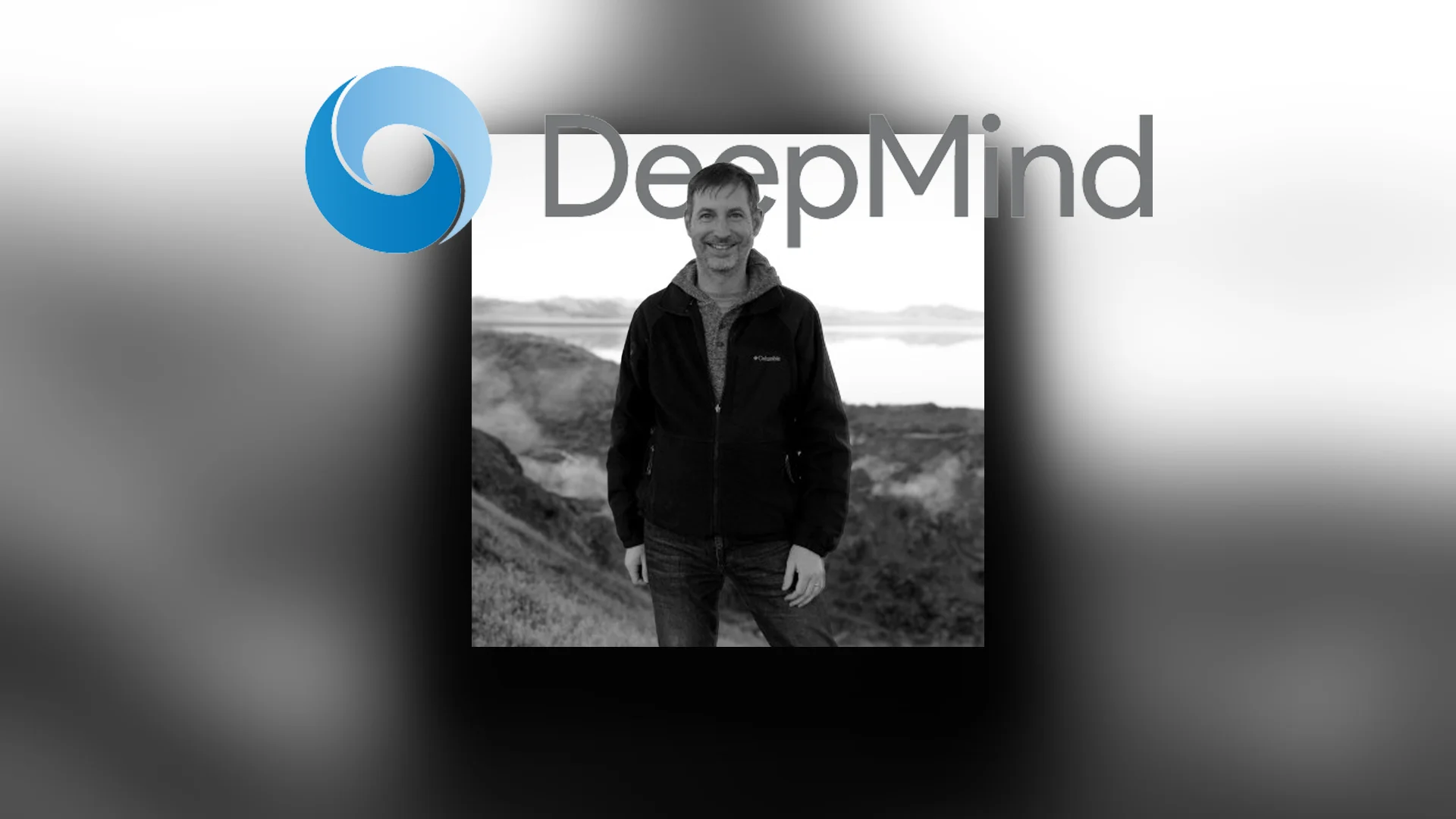
The "Android of robotics" just gained another significant architect. Scott LaValley, the founder and CEO of the recently shuttered Cartwheel Robotics, has joined Google DeepMind to work on robotics and physical AI.
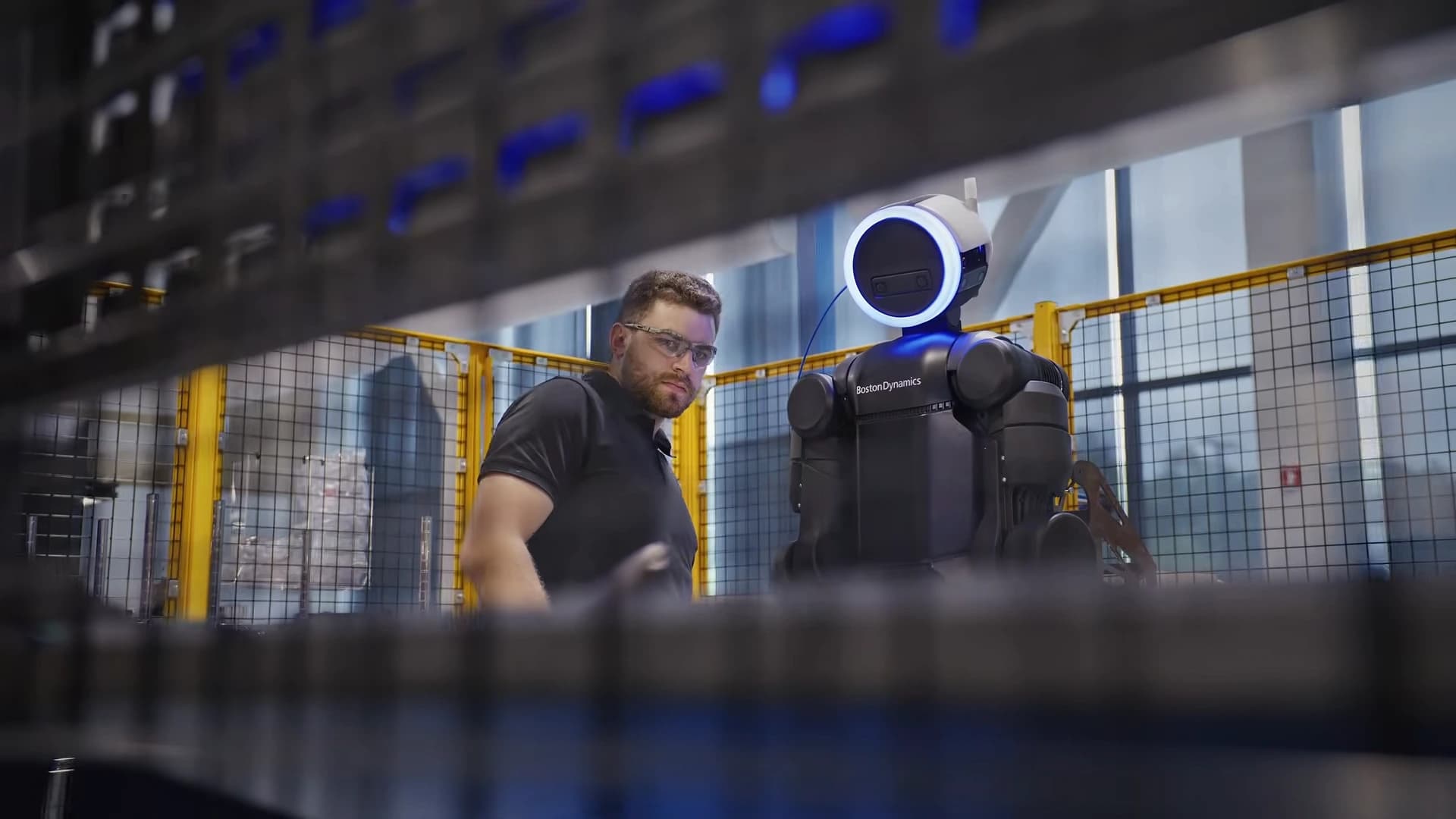
The move, announced by LaValley on LinkedIn, reunites him with Aaron Saunders, the former Boston Dynamics CTO who was hired as DeepMind’s VP of Hardware Engineering in late 2025. Both men are veterans of Boston Dynamics’ early days, and their presence at DeepMind signals a massive consolidation of elite mechanical and software talent under the Alphabet umbrella.
A Return to the Frontier
LaValley’s career has spanned the most influential corners of the robotics industry. He was part of the small team at Boston Dynamics that developed the first generation of dynamic humanoids—machines that prioritized balance and movement in ways the industry had never seen.
He later transitioned to Disney Imagineering, where he led the team behind the highly expressive Baby Groot robot. This experience informed his philosophy that robots should be "lovable" and approachable, a vision he attempted to scale through Cartwheel Robotics.
The weekly humanoid robotics briefing
One email a week: the launches, funding and research that mattered, with context from Humanoids Daily.
Read recent issues"In many ways, this moment feels like coming back to the frontier, but at a very different scale," LaValley wrote of his new role. "The hardest problems in robotics won’t be solved incrementally... they require deep AI research, serious infrastructure, long time horizons, and a willingness to pursue foundational breakthroughs."
Scaling Physical AI
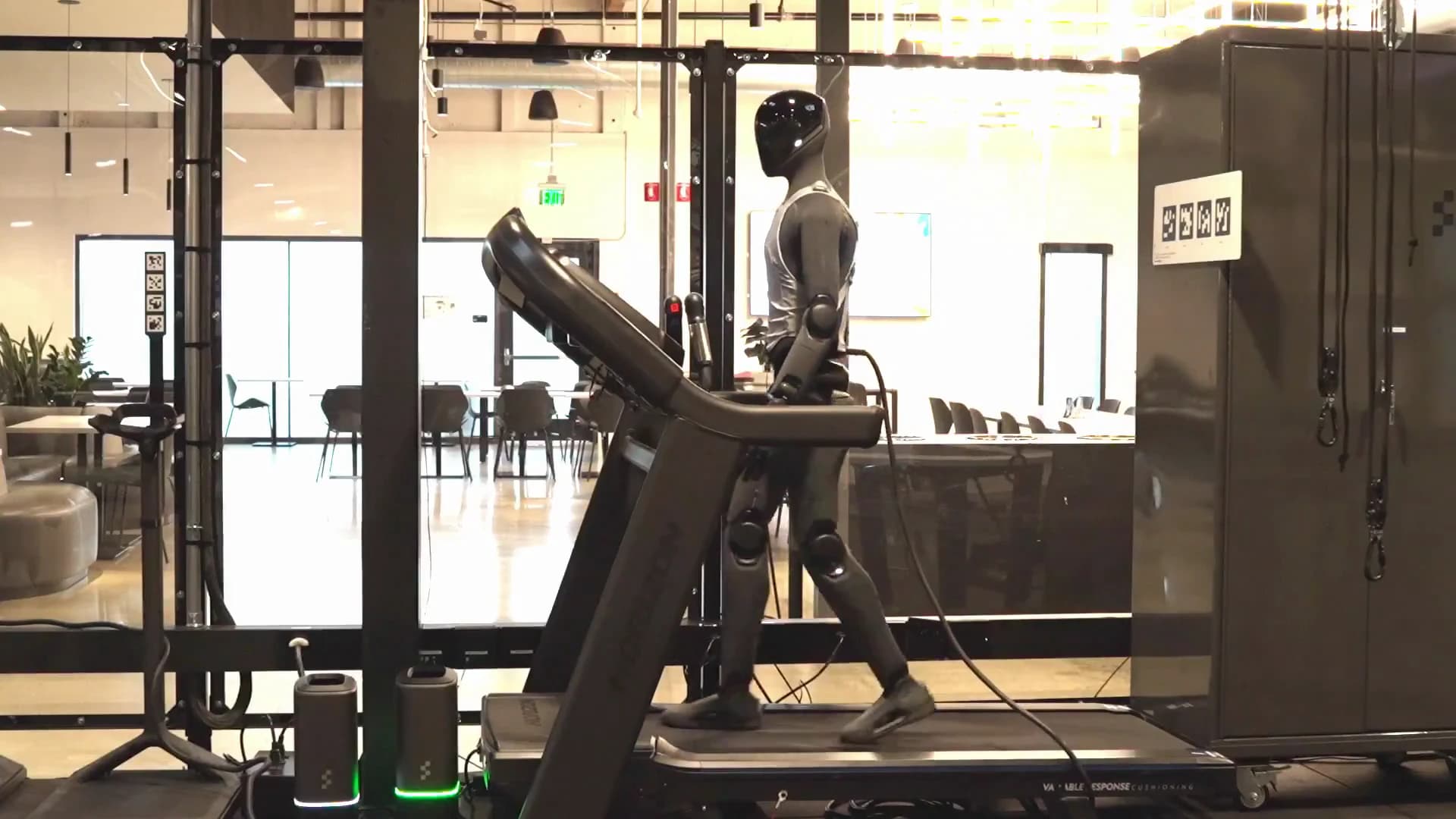
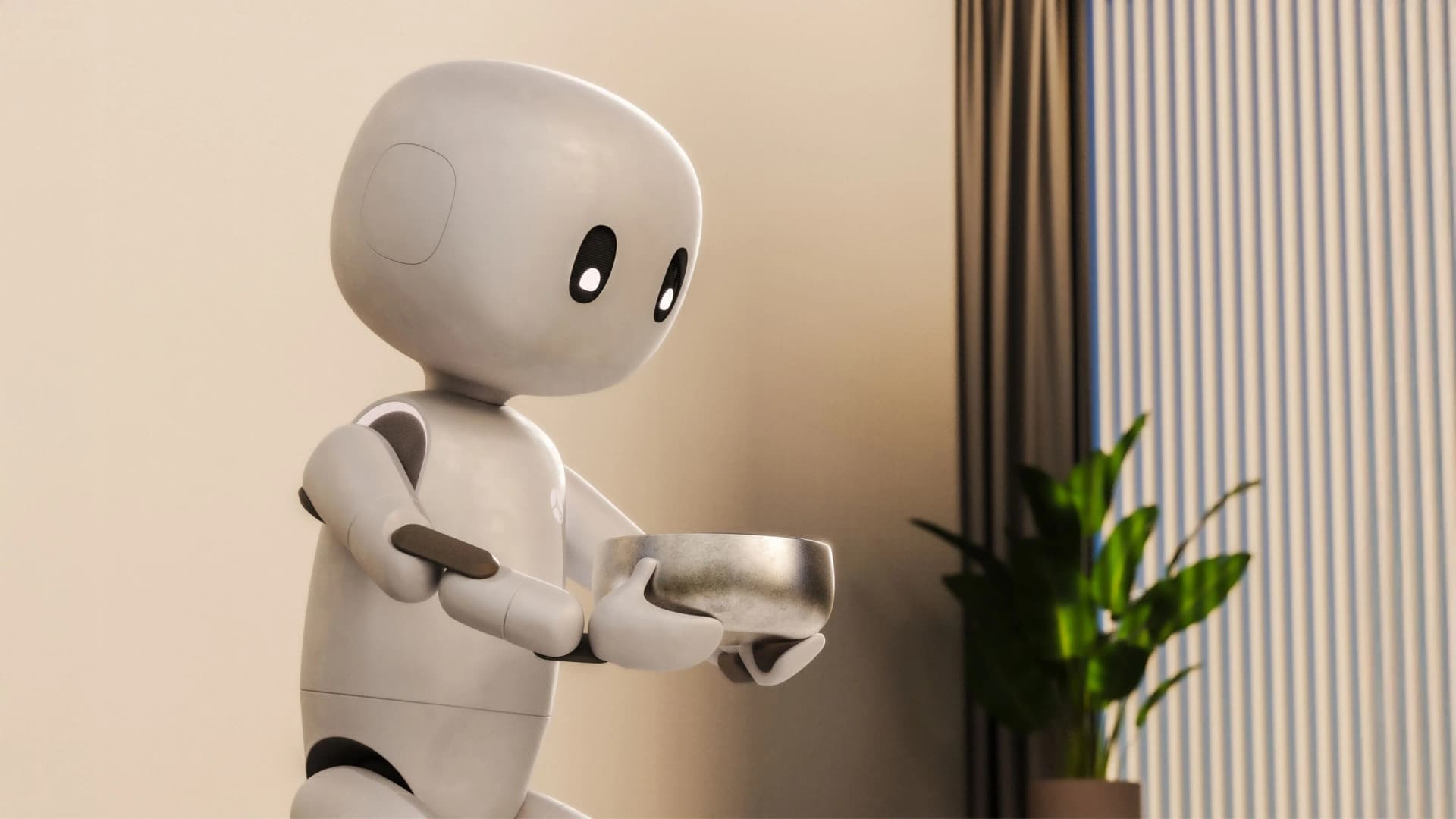
The appointment comes just weeks after Cartwheel Robotics closed its doors due to a lack of capital. Despite achieving technical milestones with its "Yogi" humanoid—including an AI-driven "motion language model" that produced eerily smooth, lifelike movement—the startup succumbed to the "Valley of Death" that often claims hardware-heavy ventures.
At DeepMind, LaValley will likely find the "oxygen" he noted was missing at Cartwheel: near-limitless capital and infrastructure. DeepMind CEO Demis Hassabis has been vocal about his strategy to turn the Gemini AI model into a universal "operating system" for robots.
While Cartwheel’s "Yogi" was designed for emotional connection and home companionship, DeepMind’s ambitions are broader. By bringing in specialists like Saunders and LaValley, the lab is positioning itself to solve the "sim-to-real" gap—ensuring that foundation models can control complex, deforming, and dynamic hardware in the unpredictable real world.
The Emerging Dream Team
The hiring of LaValley reinforces a clear trend: the convergence of high-end animation physics and advanced machine learning. LaValley's work on expressive motion at Disney and Cartwheel mirrors DeepMind’s recent collaborations with Disney on the Olaf robot project, which utilized the "Newton" simulation framework to teach robots "squash and stretch" animation principles.
As DeepMind continues to recruit the engineers who built the industry's most iconic hardware, the lab is moving beyond being a mere software partner. With the expertise behind the electric Atlas and the "lovable" Yogi now in-house, Google is building a team capable of designing the next generation of robot bodies—and the brains to run them.
Share this article
Read next
- Published on
- Reading time
- 4 min read
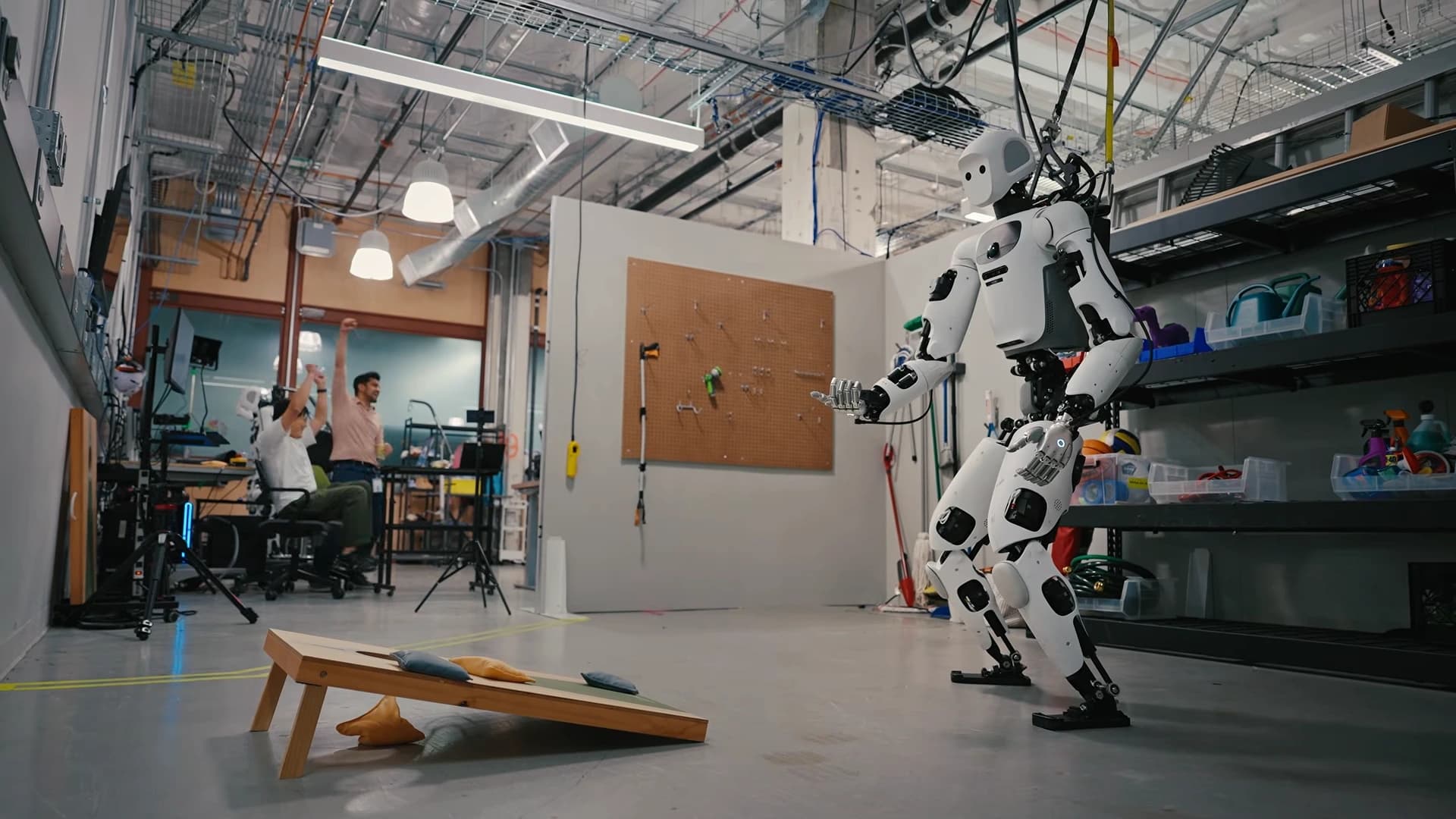
Gemini 4 Argon Takes Apollo From Human Video to Seven Straight Cornhole Shots
- Published on
- Reading time
- 7 min read
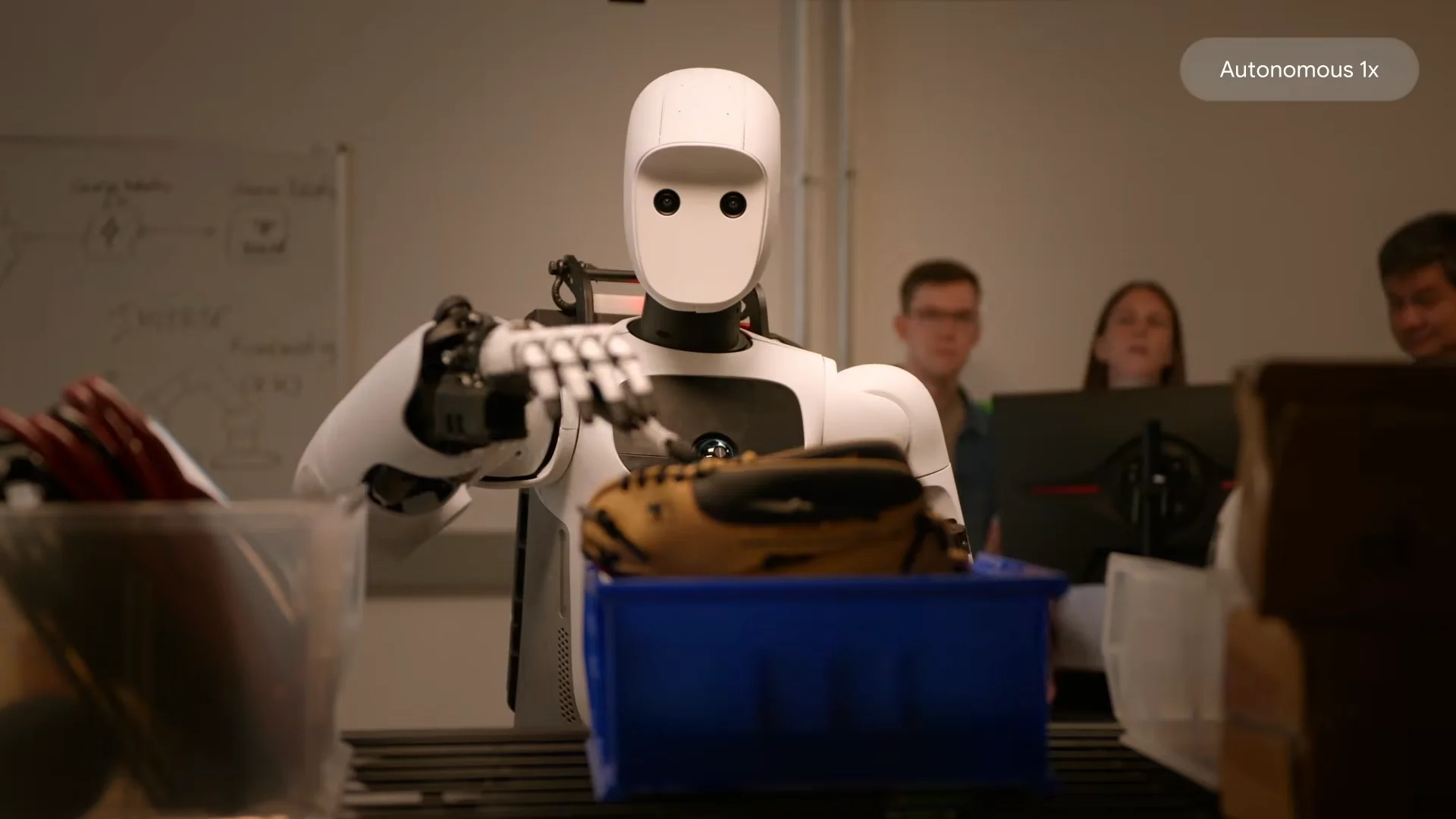
Google DeepMind Unveils Gemini Robotics 2, Bringing Whole-Body Intelligence and Multi-Robot Teams to Physical AI
- Published on
- Reading time
- 4 min read
Agile Robots and Google DeepMind Partner to Bring Gemini to the Factory Floor
- Published on
- Reading time
- 4 min read
Google DeepMind Unveils Gemini Robotics-ER 1.6: A Leap in Spatial Reasoning and Industrial Utility
- Published on
- Reading time
- 5 min read
Waymo Leverages Genie 3 to Launch "Waymo World Model" for Hyper-Realistic Simulation
- Published on
- Reading time
- 3 min read
Cartwheel Robotics Shuts Down, Joining the Humanoid Startup "Valley of Death"
The weekly humanoid robotics briefing
One email a week: the launches, funding and research that mattered, with context from Humanoids Daily.
Read recent issues