- Published on
Neura Robotics Reportedly Secures €1 Billion from Tether to Scale Humanoid Vision
One tap, and our reporting appears more often in your Google Top Stories. It makes a real difference to a small newsroom.


Your guide
Rich Robinson
Jee Chee Ren · Executive tour
See China’s AI and robotics ecosystem first-hand.
Six days exploring AI, robotics and advanced manufacturing.
With Rich Robinson, Clinical Professor of Entrepreneurship at Peking University
Beijing · Guangzhou · Shenzhen
29 November–4 December 2026
Referral partnership · We earn a commission on referred bookings.
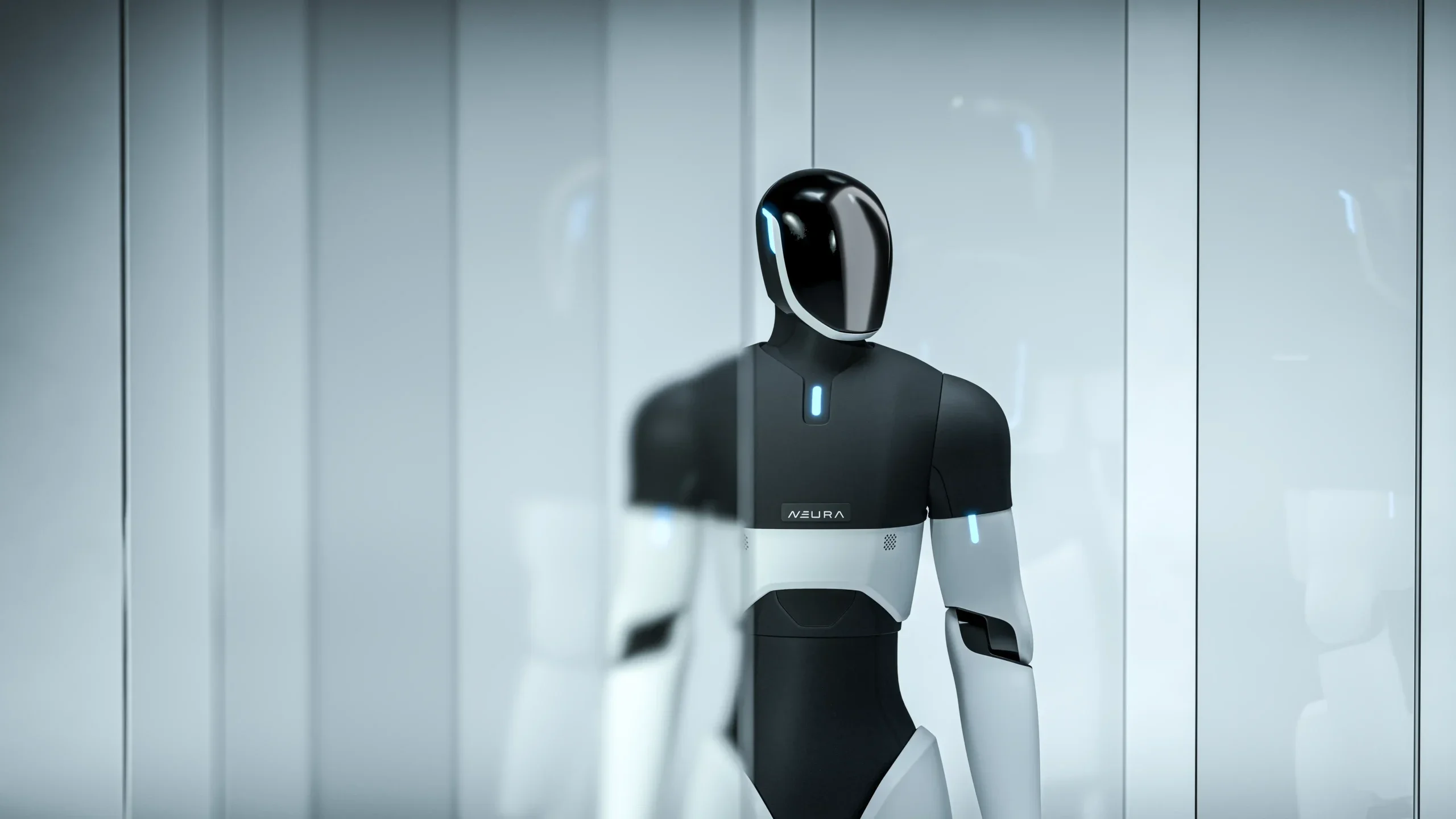
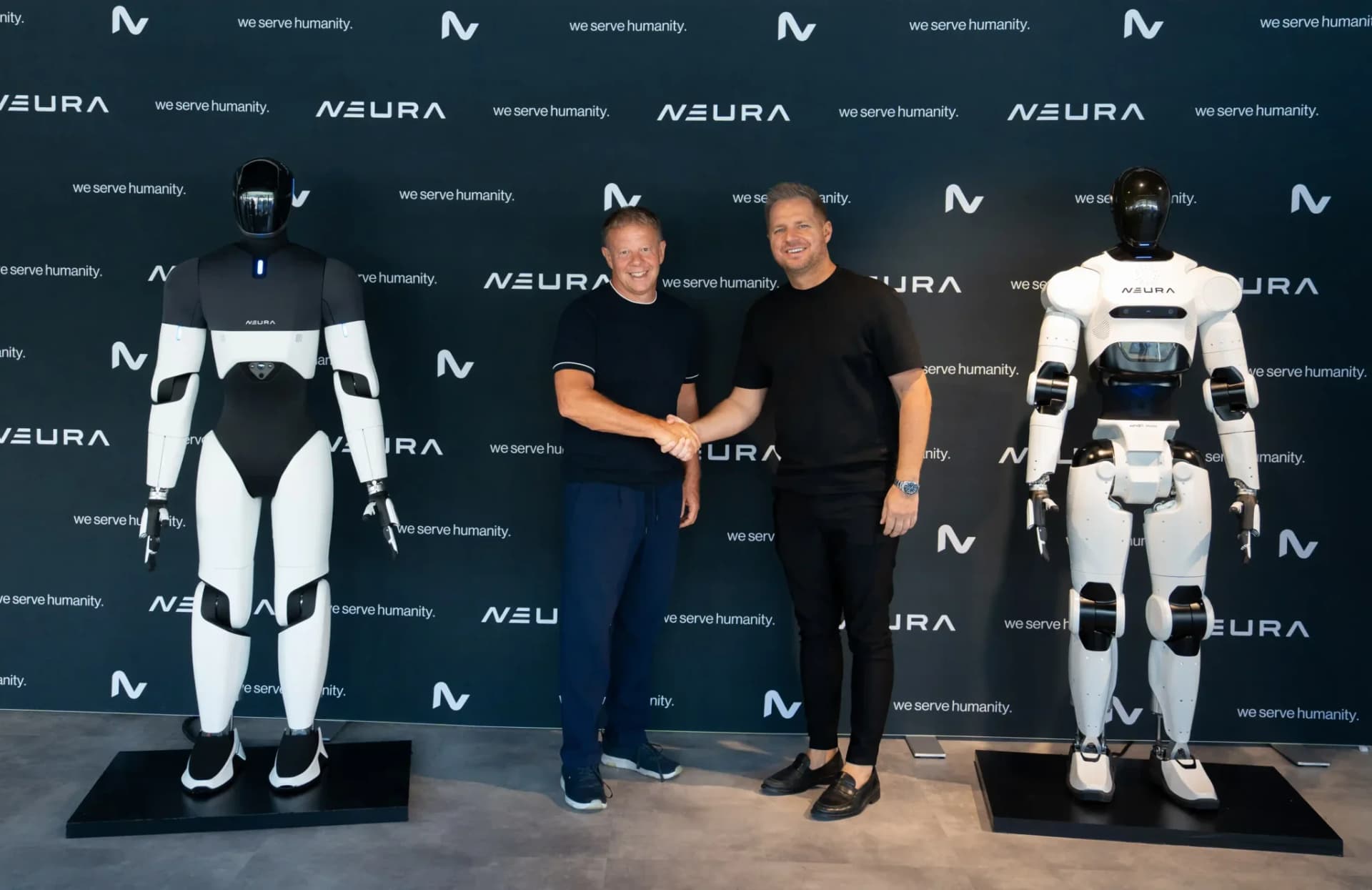
The long-rumored capital injection for Neura Robotics appears to have arrived. According to a report from Bloomberg, the German cognitive robotics firm is raising approximately €1 billion ($1.2 billion) in a massive funding round backed by Tether Holdings SA, the issuer of the world’s largest stablecoin.
While Neura has not yet issued an official statement, the deal represents a pivotal moment for the Metzingen-based company as it seeks to transition from R&D to the large-scale industrialization of its flagship 4NE-1 humanoid robot.
Scaling the "Brain" and the "Body"
The reported €1 billion investment follows months of speculation. In November 2025, reports first surfaced that Tether was in talks to lead a ten-figure round, though the current Bloomberg report suggests a valuation of approximately €4 billion—a significant figure, though more conservative than the €8 billion to €10 billion valuations whispered in earlier rumors.
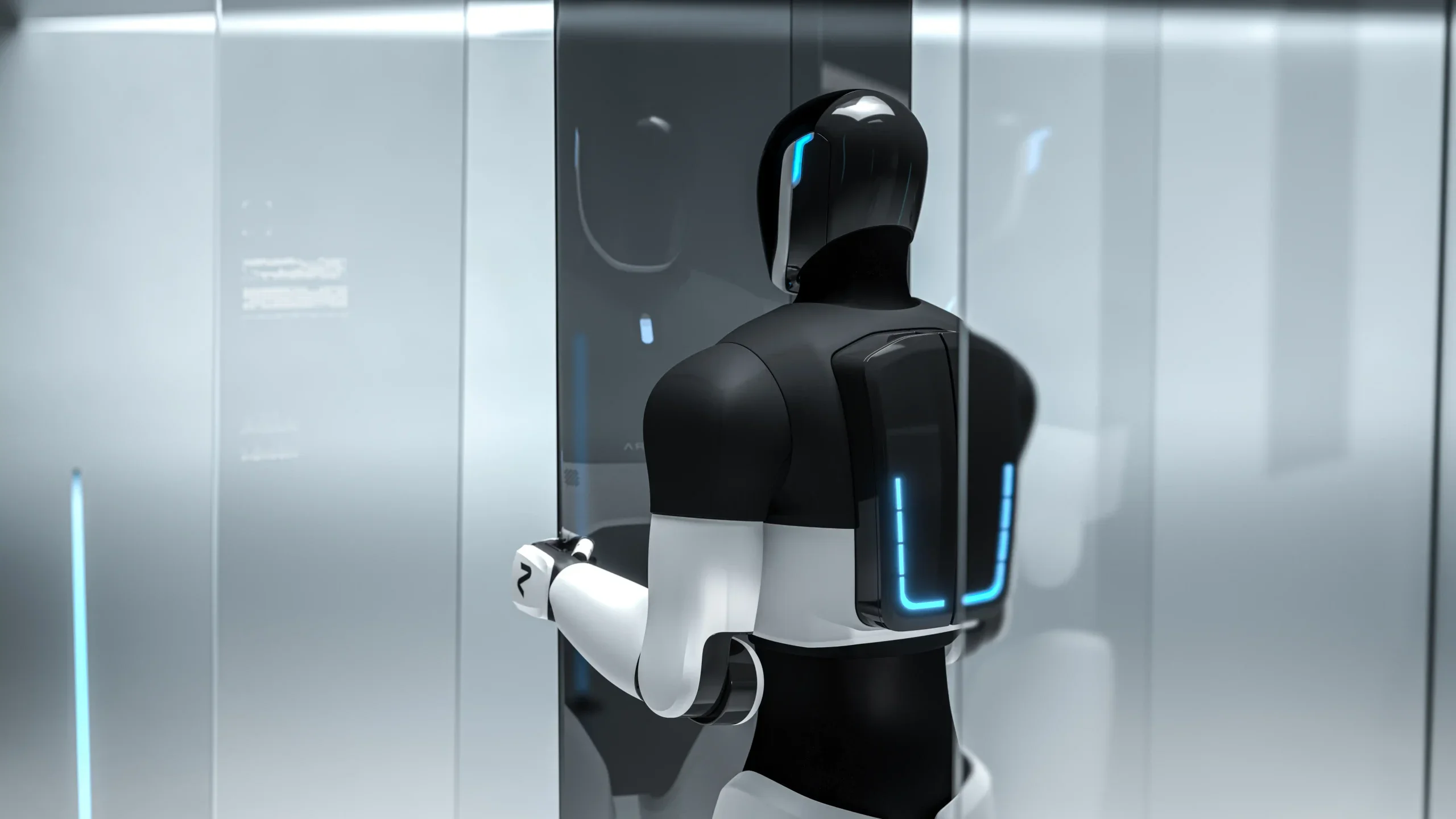
This capital influx is expected to fuel Neura’s ambitious global roadmap. The company has spent the last year aggressively decentralizing its operations to tap into specialized regional expertise:
The weekly humanoid robotics briefing
One email a week: the launches, funding and research that mattered, with context from Humanoids Daily.
Read recent issues- R&D in Zurich: In late 2025, Neura moved its humanoid R&D to Switzerland, positioning itself in the heart of Europe’s "Robotics Valley" near ETH Zurich to focus on "Physical AI" and cognitive capabilities.
- Manufacturing in India & China: To handle its order book—which CEO David Reger previously valued at nearly $1 billion—the company partnered with Sona Comstar in India and established a €45 million subsidiary in Hangzhou, China.
- Component Supply: A partnership with industrial giant Schaeffler secured a steady supply of high-torque actuators, a critical bottleneck in humanoid production.
Tether’s Move into "Frontier Tech"
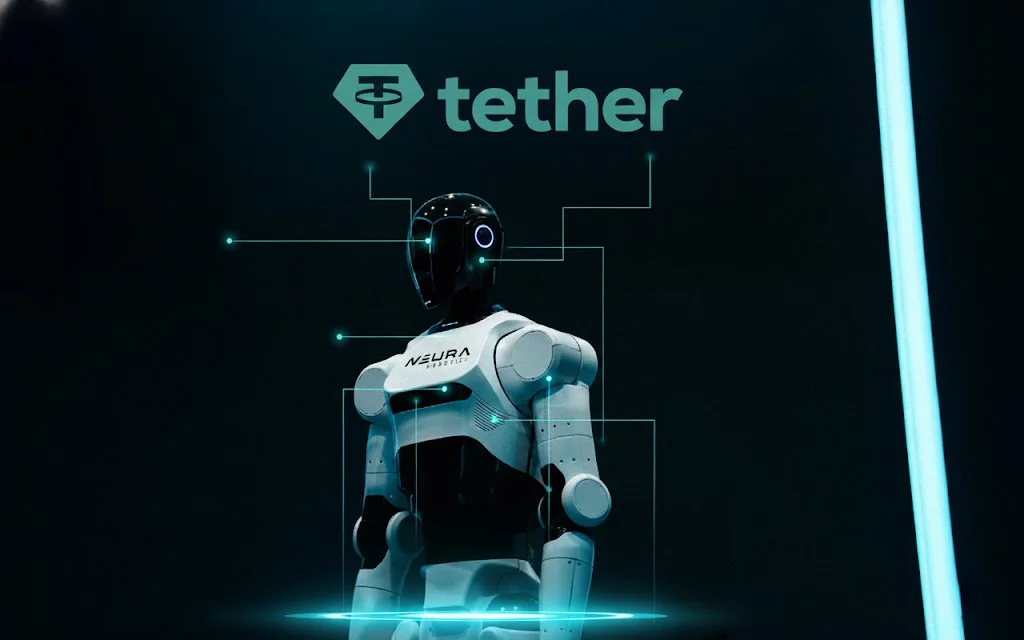
For Tether, the investment is part of a broader "frontier tech" spree. The company, which posted a $13.4 billion profit in 2024, has been diversifying its massive cash reserves into AI, data startups, and brain-computer interface firms like Blackrock Neurotech. They were also part in a recent €70 million funding round in Italian humanoid robotics competitor Generative Bionics. Tether CEO Paolo Ardoino has previously stated his belief that the future will be populated by "trillions of AI agents and billions of robots."
By backing Neura, Tether is betting on a "software-first" approach to robotics. Neura’s strategy centers on the Neuraverse, an AI-driven ecosystem designed to act as a universal "brain" for its machines. This platform has seen real-world testing through major pilots with SAP, where the 4NE-1 was integrated directly into warehouse management systems to perform autonomous picking tasks.
The Road Ahead
The humanoid race is becoming increasingly capital-intensive. With competitors also raising hundreds of millions of dollars, the reported €1 billion gives Neura the runway needed to bridge the "simulation-to-reality gap."
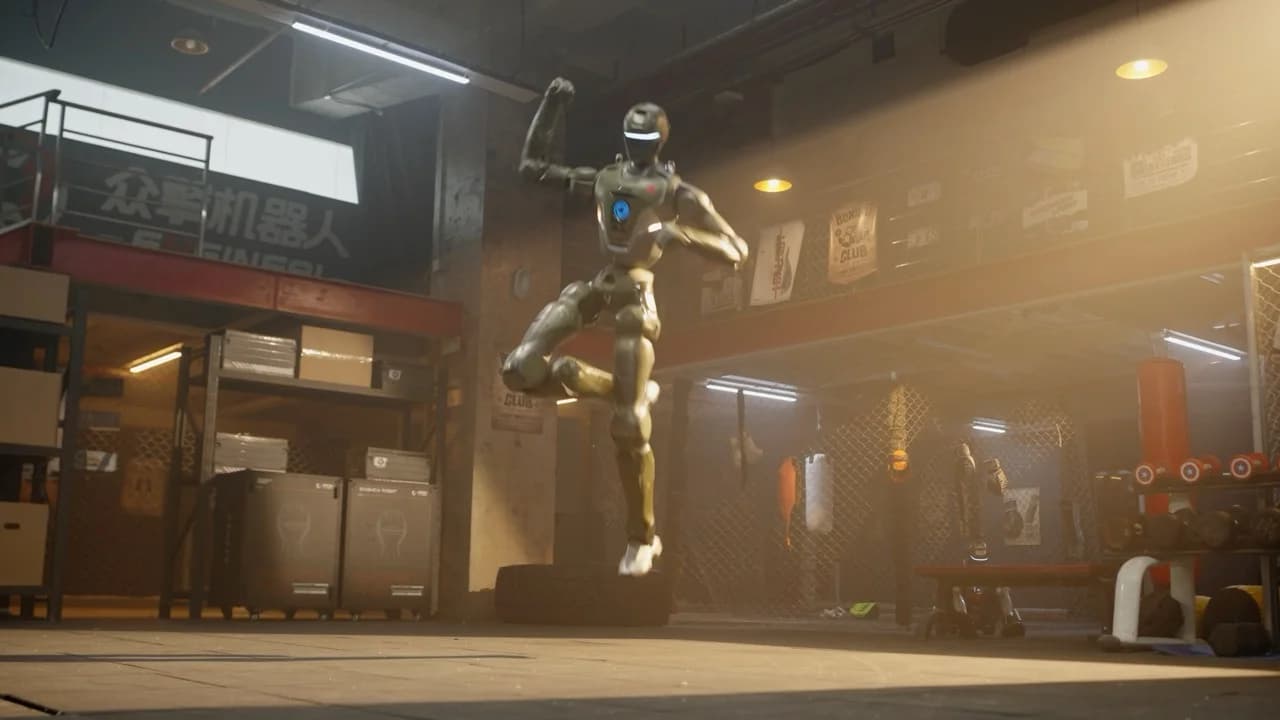
The company recently unveiled the NEURA Gym, a physical AI training center where robots gather real-world data to refine their cognitive skills. With fresh capital and a global supply chain in place, Neura’s next challenge will be proving it can deliver on its goal of producing millions of robots for both industrial and domestic use by the end of the decade.
Share this article
Read next
- Published on
- Reading time
- 6 min read
NEURA Robotics Secures Record $1.4 Billion Series C, Led by Tether, to Build the "Machine Economy"
- Published on
- Reading time
- 3 min read
Report: Crypto Giant Tether in Talks to Lead €1B Funding Round in Neura Robotics
- Published on
- Reading time
- 3 min read
The Billion-Dollar World Model: Yann LeCun’s AMI Labs Secures $1.03B to Challenge LLM Dominance
- Published on
- Reading time
- 5 min read
NEURA Robotics and SECO Team Up to Scale European Physical AI Hardware
- Published on
- Reading time
- 4 min read
Italy Enters the Chat: Generative Bionics Raises €70M to Bring "Physical AI" to Industry
- Published on
- Reading time
- 3 min read
EngineAI Secures $200 Million Series B as Manufacturing Giant Luxshare Joins the Cap Table

The weekly humanoid robotics briefing
One email a week: the launches, funding and research that mattered, with context from Humanoids Daily.
Read recent issues