- Published on
Asimov Launches $15,000 "Here Be Dragons" DIY Humanoid Kit
One tap, and our reporting appears more often in your Google Top Stories. It makes a real difference to a small newsroom.


Your guide
Rich Robinson
Jee Chee Ren · Executive tour
See China’s AI and robotics ecosystem first-hand.
Six days exploring AI, robotics and advanced manufacturing.
With Rich Robinson, Clinical Professor of Entrepreneurship at Peking University
Beijing · Guangzhou · Shenzhen
29 November–4 December 2026
Referral partnership · We earn a commission on referred bookings.
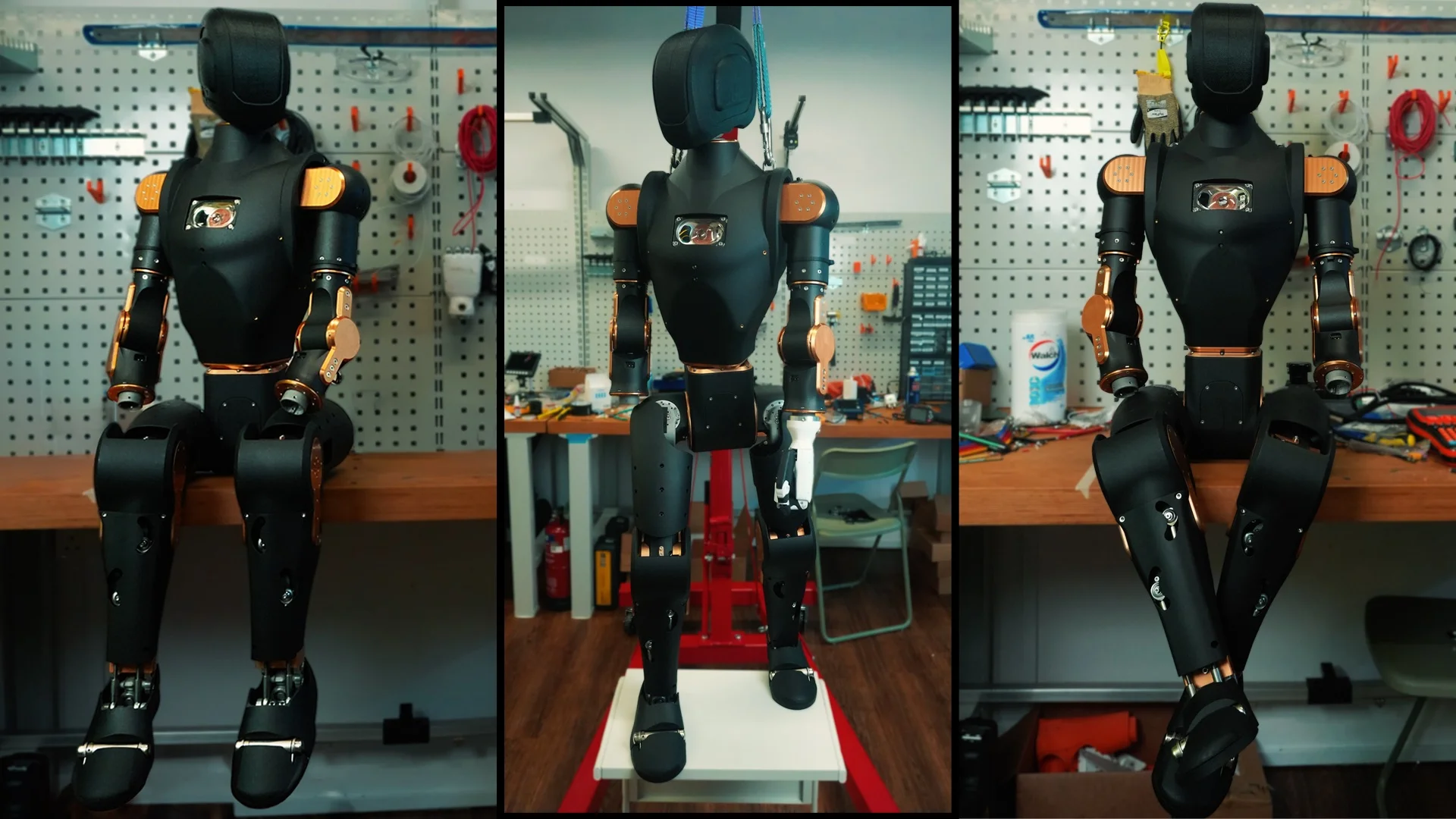
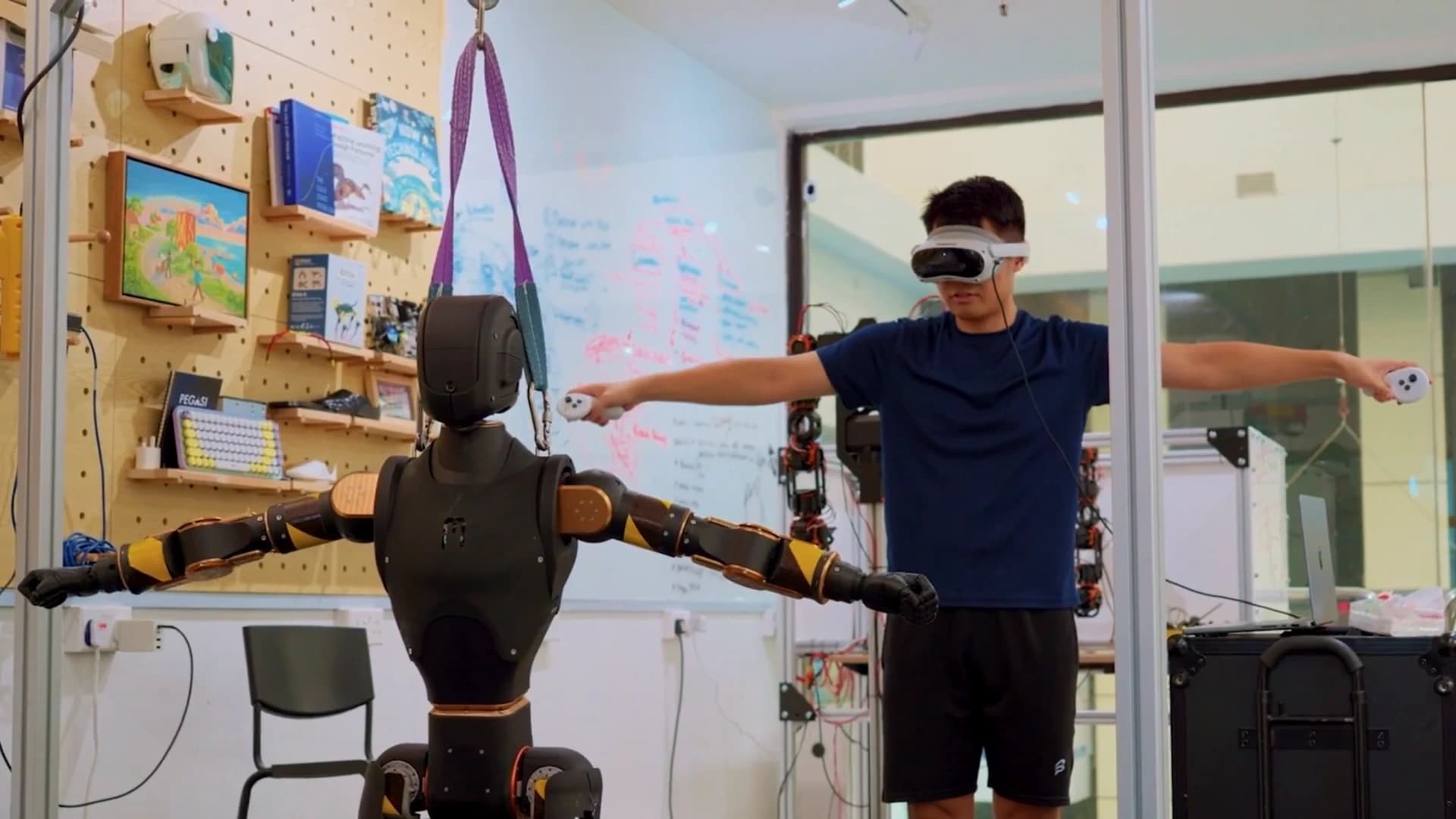
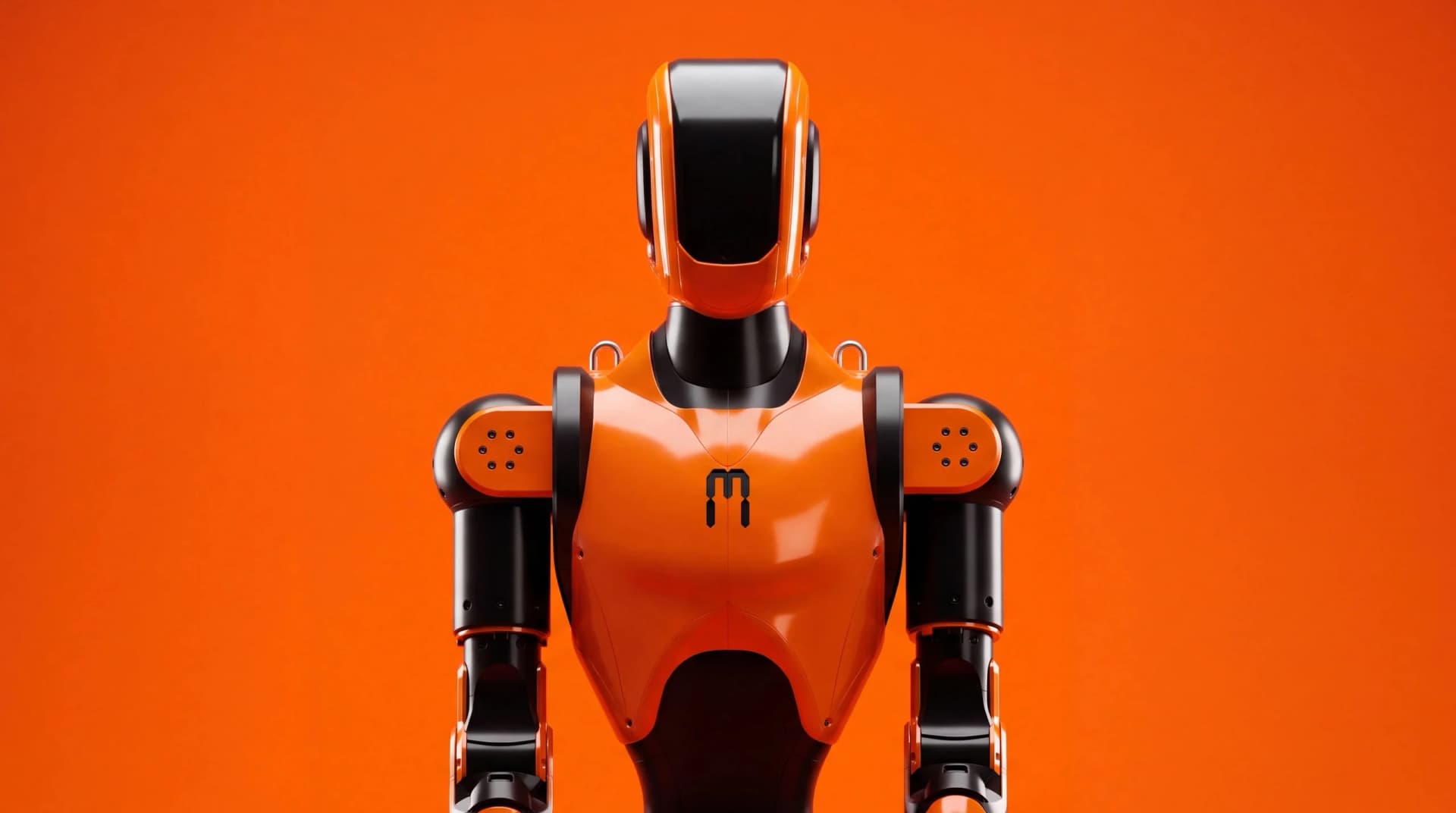
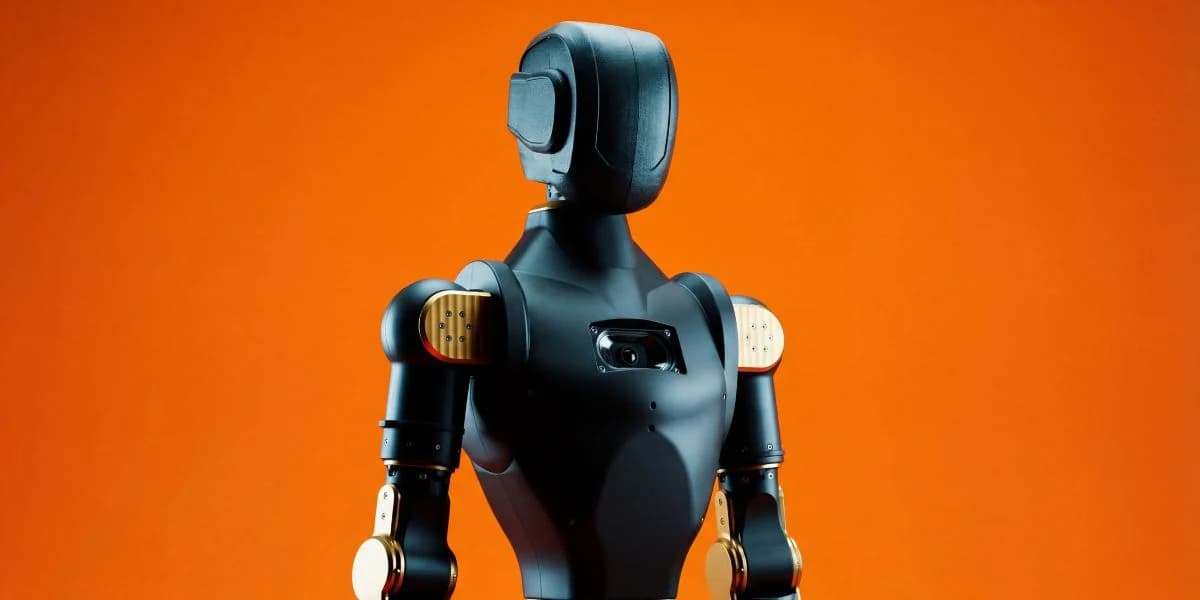
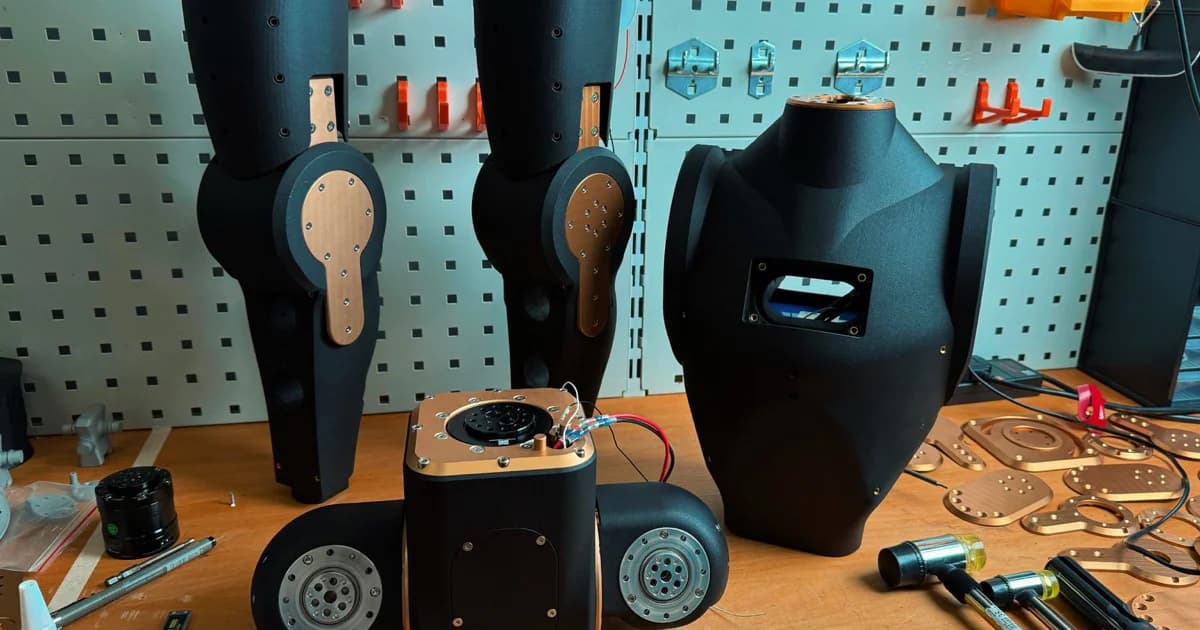
The barrier to entry for humanoid robotics is shifting from "big black box" proprietary systems to the workbench. Asimov, an open-source humanoid project developed by Menlo Research, has announced the launch of a DIY hardware kit dubbed the "Here Be Dragons Edition." Sold through their website at a target price of $15,000—which the team claims is close to the bill-of-materials (BOM) cost—the kit represents a growing movement to commoditize bipedal hardware. Prospective builders can secure a spot in the queue with a $499 deposit, with shipments expected to begin in a few months.
Moving Past the "Black Box"
The decision to transition from a pure research project to a hardware provider stems from frustration with existing commercial platforms. In a recent update, the Asimov team noted that the Unitree G1 could not keep pace with their development cycle. Specifically, a two-month wait for a single replacement part for a G1 knee joint effectively halted their progress.
"Engineers need an open-source humanoid to build faster," the team stated on X. "When you can see inside without reverse engineering, source off-the-shelf parts, and 3D print components, iteration speeds up dramatically."
This philosophy mirrors the "reproducible baseline" approach recently seen with the ROBOTO ORIGIN project, which also aims to reduce "rebuild friction" for labs and hobbyists.
The weekly humanoid robotics briefing
One email a week: the launches, funding and research that mattered, with context from Humanoids Daily.
Read recent issuesTechnical Specifications: The Asimov v1
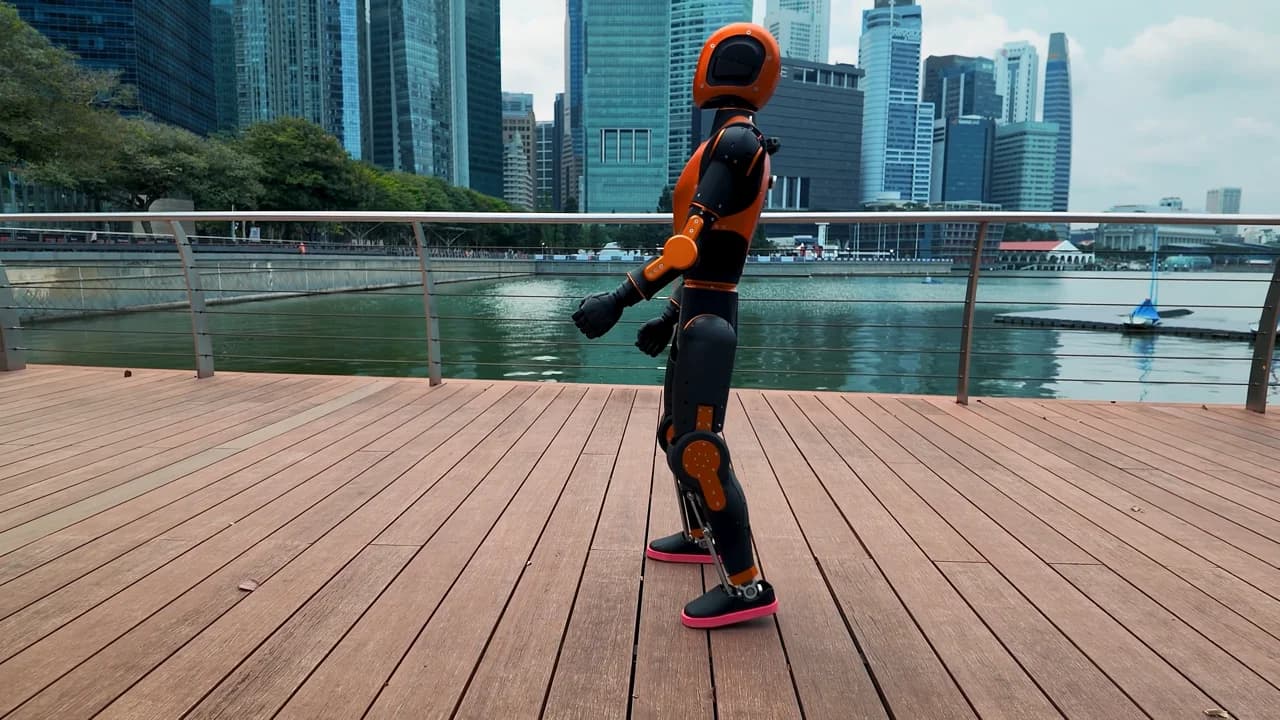
The "Here Be Dragons" kit is a 1.20-meter tall, 35kg humanoid featuring 25+2 degrees of freedom (DoF). Unlike consumer-ready robots, this unit comes entirely unassembled, though it includes a full manual and build videos.
Key mechanical highlights include:
- Modular Architecture: The robot consists of independent modules (legs, torso, arms, head) that snap together using universal motor mounting fixtures.
- RSU Ankle Mechanism: A parallel Revolute-Spherical-Universal ankle design allows for roll and pitch with two degrees of freedom, enabling better torque sharing and natural responses to ground forces.
- Passive Toes: In an effort to reduce control complexity while maintaining traction, Asimov utilizes an articulated, non-actuated toe joint that assists in the stance-to-push-off transition.
- MJF Compatibility: Most structural parts are designed for Multi Jet Fusion (MJF) 3D printing, allowing for high-strength components without the need for expensive CNC tool paths.
Bridging the Sim-to-Real Gap
Asimov’s software strategy focuses on what they call "Processor-in-the-Loop" (PIL) simulation. Rather than relying on perfect mathematical models, their training environment intentionally injects "unfair" reality. This includes emulating CANBus latencies (up to 9ms for stale data) and raw sensor noise through an I2C emulator.
By training an Asymmetric Actor-Critic reinforcement learning policy where the "critic" sees privileged ground-truth data but the "actor" only sees noisy, delayed sensor inputs, the team has demonstrated zero-shot sim-to-real locomotion. This allows the robot to walk forward, backward, and recover from external pushes without manual fine-tuning on the physical hardware.
The Economics of Open-Source Hardware
Asimov’s $15,000 target price places it in a precarious middle ground between hobbyist toys and industrial platforms. It is significantly more expensive than the $8,999 K-Bot Founder’s Edition previously offered by K-Scale Labs.
However, the industry is still reeling from K-Scale’s recent shutdown, which was triggered by a failure to secure funding to scale high-CapEx manufacturing. By selling closer to BOM cost and utilizing 3D-printable designs, Menlo Research appears to be attempting to avoid the "high-volume tooling" trap that led to K-Scale’s collapse.
Asimov and their partners at Menlo Research argue that the "venture-scale problem" isn't just building a robot, but making humanoids "operationally deployable and economically inevitable." For now, that journey begins with a box of parts and a manual for those brave enough to enter the "Dragons" territory.
Share this article
Read next
- Published on
- Reading time
- 3 min read
Asimov Releases Python SDK, Announces Open-Source Edge Control Layer
- Published on
- Reading time
- 4 min read
Asimov Open-Sources the Training Code Behind Its Humanoid’s Walk
- Published on
- Reading time
- 4 min read
Asimov 1 DIY Humanoid Kits Begin Shipping as Team Details Final Costs
- Published on
- Reading time
- 4 min read
Menlo Research Open-Sources Asimov v1, Releasing CAD and Simulation Files for "The Rest of Us"
- Published on
- Reading time
- 4 min read
Beyond the Kit: Asimov Details the 100-Hour Path to a Walking Humanoid
- Published on
- Reading time
- 2 min read
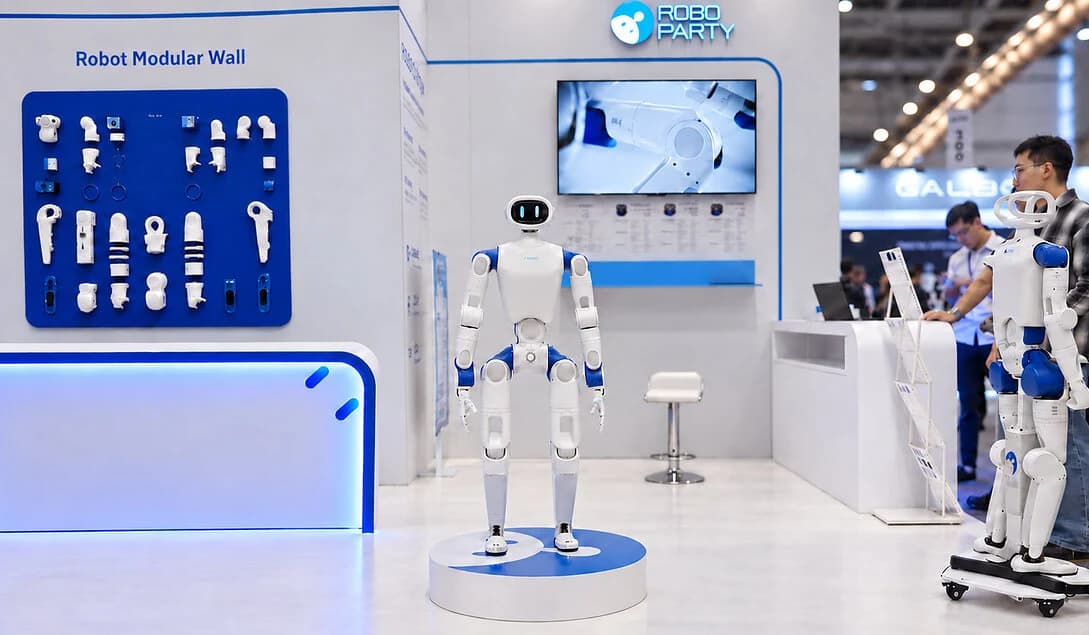
RoboParty Unveils RP1 Humanoid at IROS, Plans Broader Open-Source Release in Q4
The weekly humanoid robotics briefing
One email a week: the launches, funding and research that mattered, with context from Humanoids Daily.
Read recent issues