- Published on
PrimeBOT Launches Personal Robots at 19,999 Yuan, Betting on Apps and Companionship
One tap, and our reporting appears more often in your Google Top Stories. It makes a real difference to a small newsroom.

Supported by RoboStrategySupport for Humanoids Daily comes from RoboStrategy
Sponsored
Investing involves risk, including possible loss of principal. Read the prospectus before investing.
- PrimeBOT has opened Chinese sales of its Q1 and T1 personal robots, each starting at 19,999 yuan, with deliveries scheduled to begin October 1.
- Q1 focuses on programmable interaction and customization; T1 can switch between humanoid and quadrupedal configurations.
- The company is starting with companionship, education and entertainment, while betting on content and services for longer-term revenue. Complex household chores remain a development challenge.
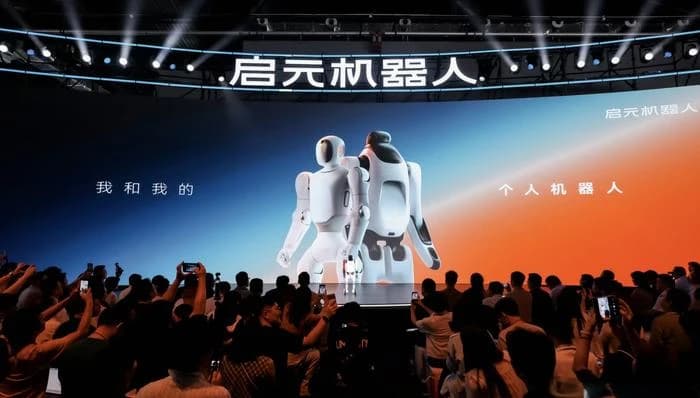
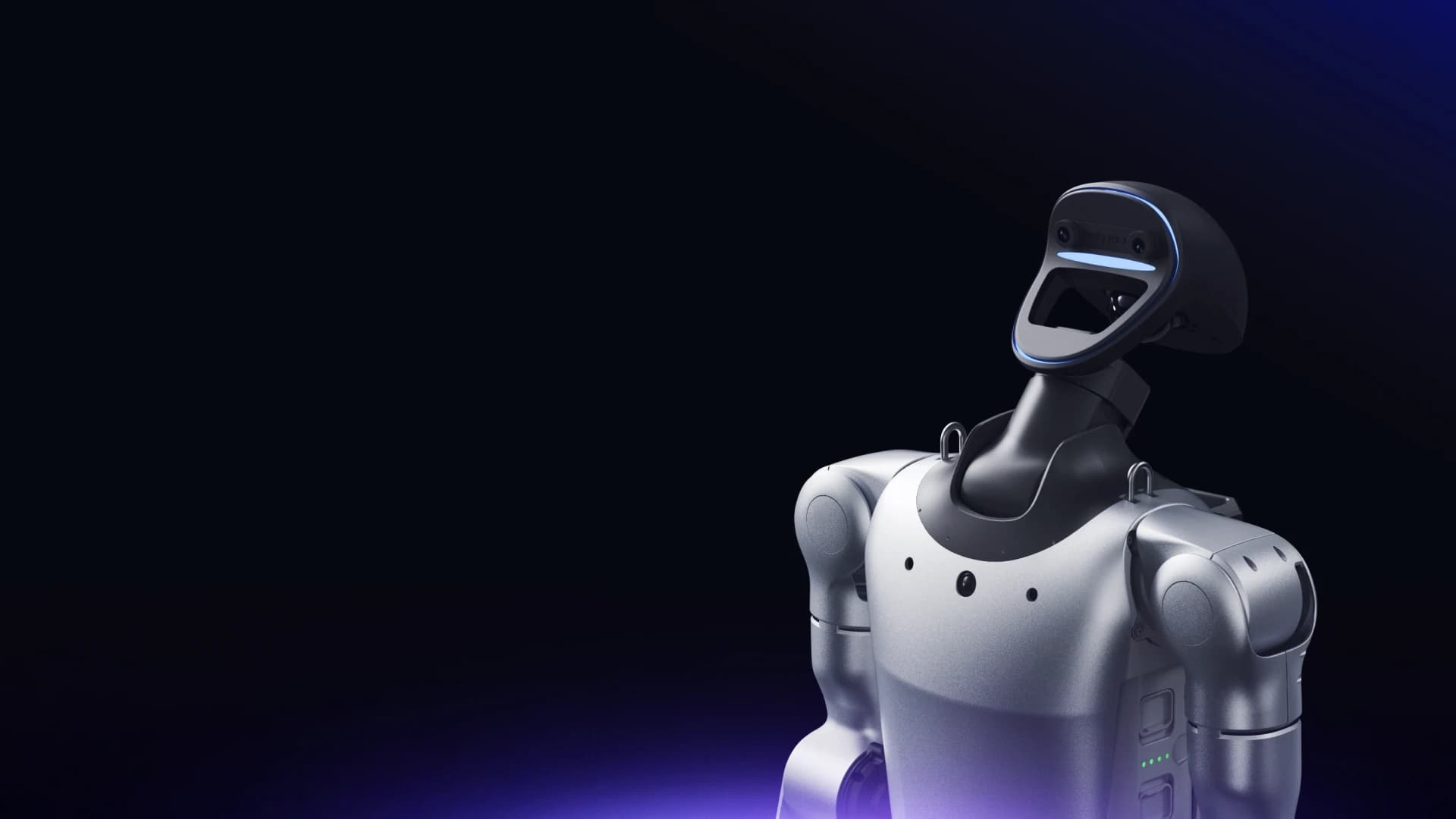
PrimeBOT has put a price on its bid to bring robots into consumers’ homes. The brand, known as Qiyuan in China, launched sales of its Q1 and T1 robots in Shanghai on September 20, with both base models priced at 19,999 yuan.
The launch adds a commercial milestone to products already presented at IFA in Berlin earlier this month. Deliveries are scheduled to start October 1, in order of purchase, according to launch coverage published by IT Home. Those are announced delivery plans, rather than evidence of completed customer shipments.
Two approaches to a personal robot
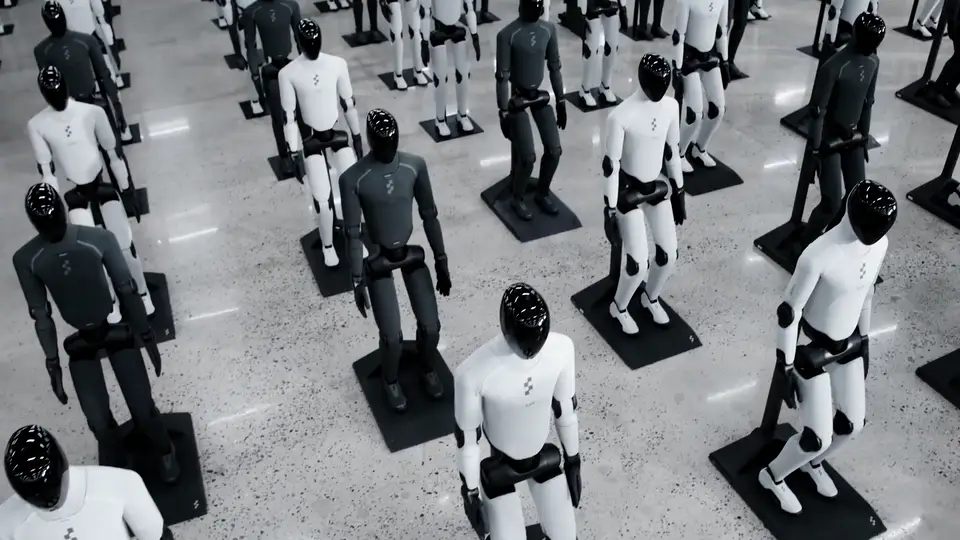
Q1 is an 88-centimeter humanoid with 22 degrees of freedom, according to PrimeBOT’s IFA announcement. The company emphasizes programming and personalization: users can modify its appearance, voice, personality and behaviors.
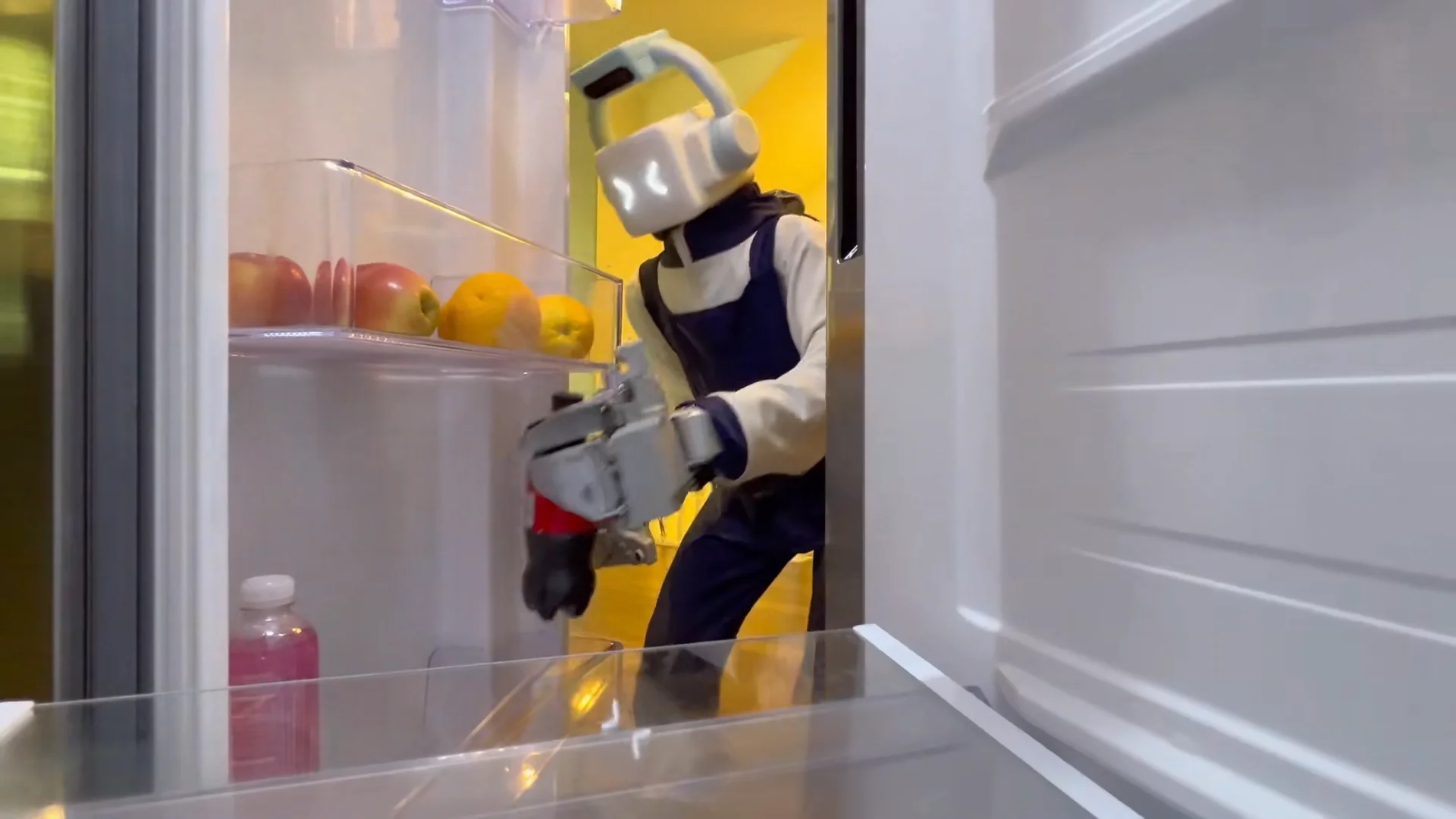
T1 takes a different physical approach, switching between humanoid and quadrupedal modes. PrimeBOT promotes following and autonomous filming among its applications. These are manufacturer-described capabilities; the launch materials do not provide independent reliability measurements for everyday home use.
The weekly humanoid robotics briefing
One email a week: the launches, funding and research that mattered, with context from Humanoids Daily.
Read recent issues| Model | Announced China price |
|---|---|
| Q1 | 19,999 yuan |
| Q1 Explorer | 26,999 yuan |
| T1 | 19,999 yuan |
| T1 Pro | 29,999 yuan |
IT Home reports that the Explorer edition opens software and hardware development interfaces. T1 Pro adds an NVIDIA Orin Nano processor and advertised features including obstacle avoidance, automatic return to charging and voice summons. Buyers should therefore distinguish the capabilities of the base robots from those of the higher-priced versions.
Companionship first, housework later
The company's commercial argument is more revealing than another list of robot movements. In an interview with Jiemian, republished by 36Kr, parent company Sunway New Materials’ CEO Tian Hua said complex housework is not the initial core selling point. Education, companionship, entertainment and developer applications are the starting markets.
Tian also acknowledged that the hardware is not profitable at the announced pricing. He sees longer-term revenue opportunities in content, subscriptions and services, with the robot providing access to that business.
That strategy shifts the test of success toward sustained use. A robot that entertains a household on delivery day still has to earn a place in its routine months later. An application store could help, but its value depends on the quality and usefulness of what customers can actually install.
Tencent’s agent gets a physical interface
A Tencent Cloud-hosted announcement confirms that Q1 and T1 are integrating with WorkBuddy. It describes combining the agent’s reasoning and cloud tools with the robots’ interaction and execution capabilities, with proposed office scenarios including physical meeting reminders and guidance to meeting rooms.
Access to digital tools should not be read as equivalent to mastering thousands of physical tasks. Connecting an agent to a robot can expand how it responds to requests; reliable manipulation and navigation still need to work in the environment around it.
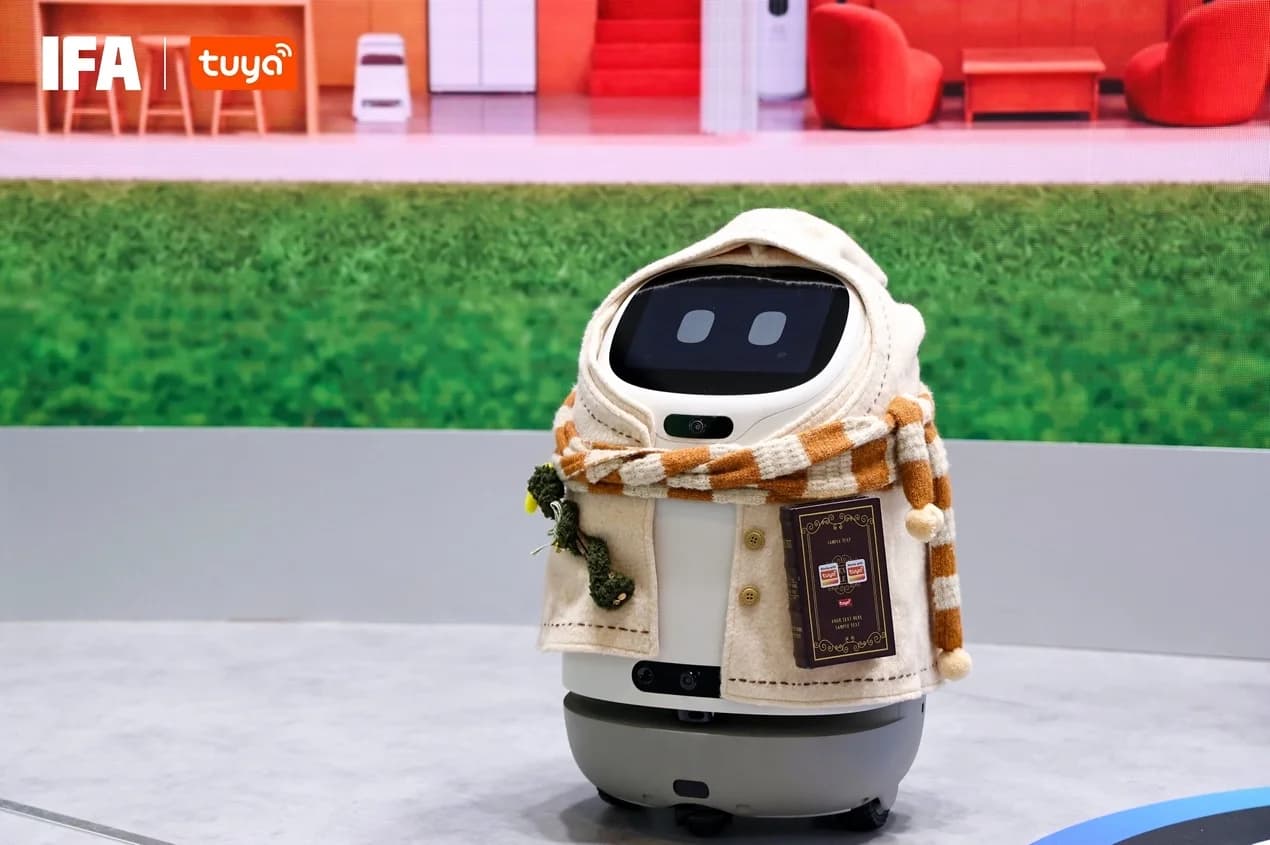
The launch also fits a broader consumer push we covered with Tuya’s Doova companion robot. For PrimeBOT, the next meaningful milestone is what customers receive in October—and whether the experience is compelling enough to keep using after the novelty fades.
Share this article
Read next
- Published on
- Reading time
- 3 min read
Video: Honor Teases Humanoid Debut for MWC 2026 as "Alpha Plan" Pivot Accelerates
- Published on
- Reading time
- 2 min read
Noetix Bumi Shows Early Consumer Interest, Surpassing 500 Pre-Orders on JD.com
- Published on
- Reading time
- 2 min read
China's Noetix Robotics Prices 'Bumi' Humanoid Under $1,400, Targeting Consumers
- Published on
- Reading time
- 5 min read
Faraday Future Expands Robot Lineup With $9,990 Master Mini
- Published on
- Reading time
- 4 min read
Noble Machines Exits Stealth: The "Anti-Human" Approach to Industrial Humanoids
- Published on
- Reading time
- 5 min read
Weave Robotics Launches "Isaac 0": A $9,999 Stationary Bet on the Future of Laundry

The weekly humanoid robotics briefing
One email a week: the launches, funding and research that mattered, with context from Humanoids Daily.
Read recent issues