- Published on
Feather launches a $30,000 wheeled humanoid for developers, announces $7.6M funding
One tap, and our reporting appears more often in your Google Top Stories. It makes a real difference to a small newsroom.

Supported by RoboStrategySupport for Humanoids Daily comes from RoboStrategy
Sponsored

Investing involves risk, including possible loss of principal. Read the prospectus before investing.
- Feather is formally launching on September 24 with $7.6 million in funding led by Gradient.
- Its wheeled, dual-arm humanoid starts at a promotional $29,990, with a design focused on simplicity and reliability.
- The platform lets developers integrate their choice of AI models through Feather's controls and SDK.
- Feather says the launch follows roughly a year of customer field testing; detailed reliability and deployment figures have not been provided in the materials reviewed.
Feather Robotics is making its formal launch today with $7.6 million in funding and a wheeled humanoid built for other companies to develop applications on. Its pitch: provide affordable hardware designed for reliable deployment, so customers can focus on teaching robots useful work.
The funding is led by Gradient, with participation from Builder Capital, Geometry, Seed Innovation, and Virgo VC. The launch follows roughly a year of customer field testing, according to Feather. Its website is already live and taking orders.
In an interview with Humanoids Daily, co-founder and CEO Hoa Mai described a robotics industry with too many tasks for a handful of companies to tackle alone. Each workplace has its own processes, exceptions, and details. Feather wants to supply the common platform beneath that work.
“And the idea that just a few companies will automate all this work is actually absurd,” Mai said.
The weekly humanoid robotics briefing
One email a week: the launches, funding and research that mattered, with context from Humanoids Daily.
Read recent issues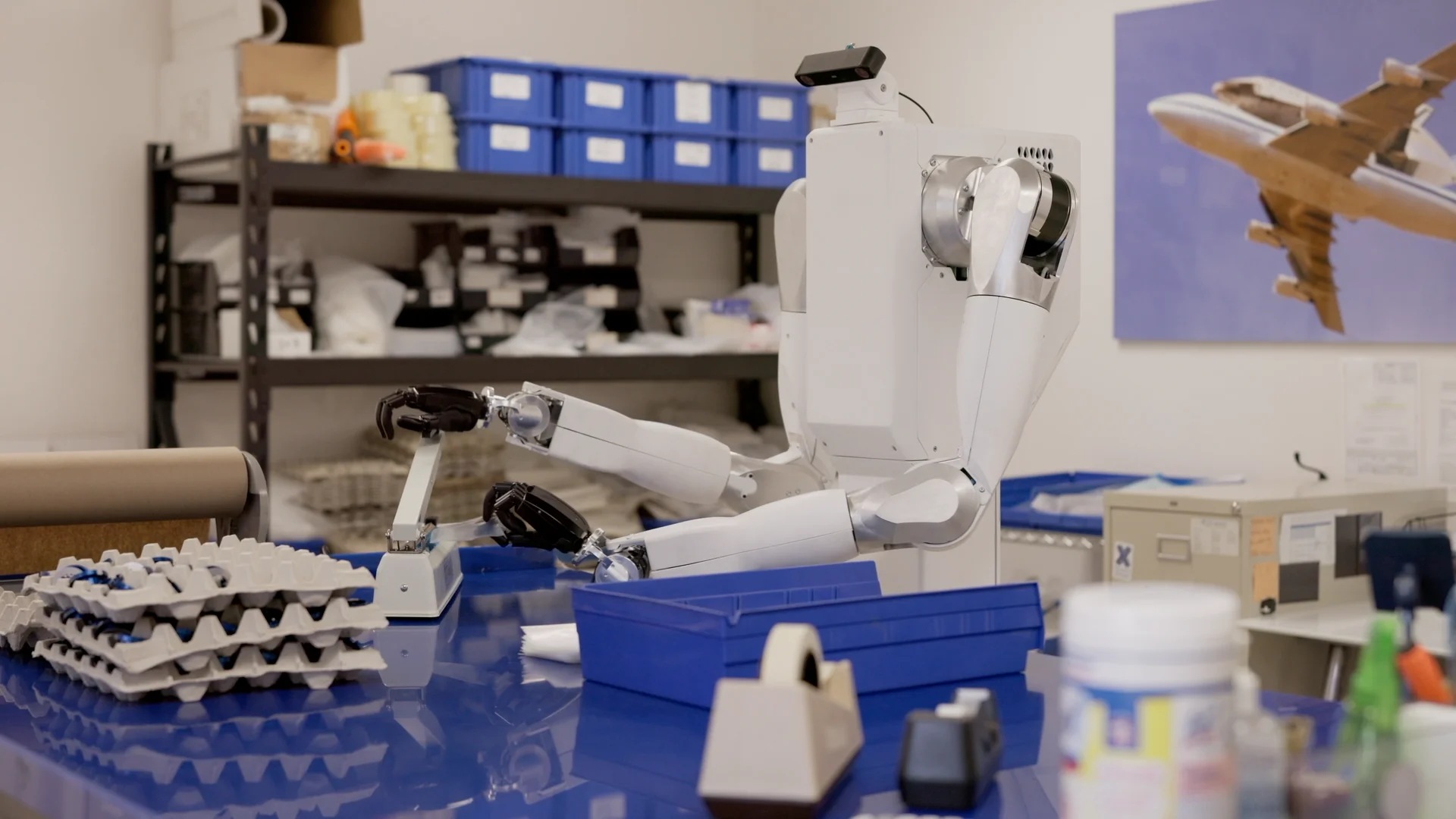
An “iPod moment” for humanoids
Feather's design starts with a deliberate constraint: keep the robot as simple as possible while retaining enough capability to do useful work.
The robot has two seven-degree-of-freedom arms, a torso with 600 millimeters of vertical travel, and an omnidirectional wheeled base that can move sideways without turning. Feather lists one-meter arms and a maximum ground speed of 1.3 meters per second. Its published specifications distinguish a rated payload of 1.8 kilograms per arm from a peak payload of 6.8 kilograms.
The company advertises 10-hour battery life, with dual hot-swappable batteries. Its current promotional starting price is $29,990, down from a listed $32,990.
For Mai, limiting complexity is central to both cost and reliability.
“Because I think that we're probably going to see an iPod moment in humanoid robotics before we see the iPhone moment,” he said.
The analogy describes Feather's development philosophy: start with a system that can perform useful work with today's AI, then expand its capabilities as reliability improves.
Customers choose the intelligence
Feather is designed to be agnostic about the intelligence layer. It supplies the robot, controls, and software development kit; customers can integrate external AI models and build their own applications.
Mai pointed to models from companies such as Physical Intelligence as examples of what developers could integrate. That is a statement about the platform's intended flexibility, rather than an announcement of a partnership or a guarantee that every model works without adaptation.
The website lists Python and ROS 2 support, built-in teleoperation, simulation support, collision detection, interchangeable end effectors, and swappable onboard compute.
In the interview, Mai also said Feather supports teleoperation through Apple Vision Pro and Meta Quest. The company is developing its own tools for collecting task data and training models, but he described that work as still in development.
The immediate product is a platform on which customers can build and deploy their chosen intelligence.
A personal reason to build
Mai's interest in robotics began well before Feather. Born in Vietnam and raised in Orange County, he described growing up in a family of ten supported on roughly $30,000 a year. That experience shaped his interest in increasing society's capacity to produce housing, goods, and other necessities.
He began building humanoids in his garage in 2018 and later co-founded Kind Humanoid. Kind Humanoid was aquired by 1X in January last year. Feather pairs Mai's robotics background with co-founder and chief product officer Parsa Bakhtiari's experience scaling Tesla Model 3 production, as described on the company's founder page.
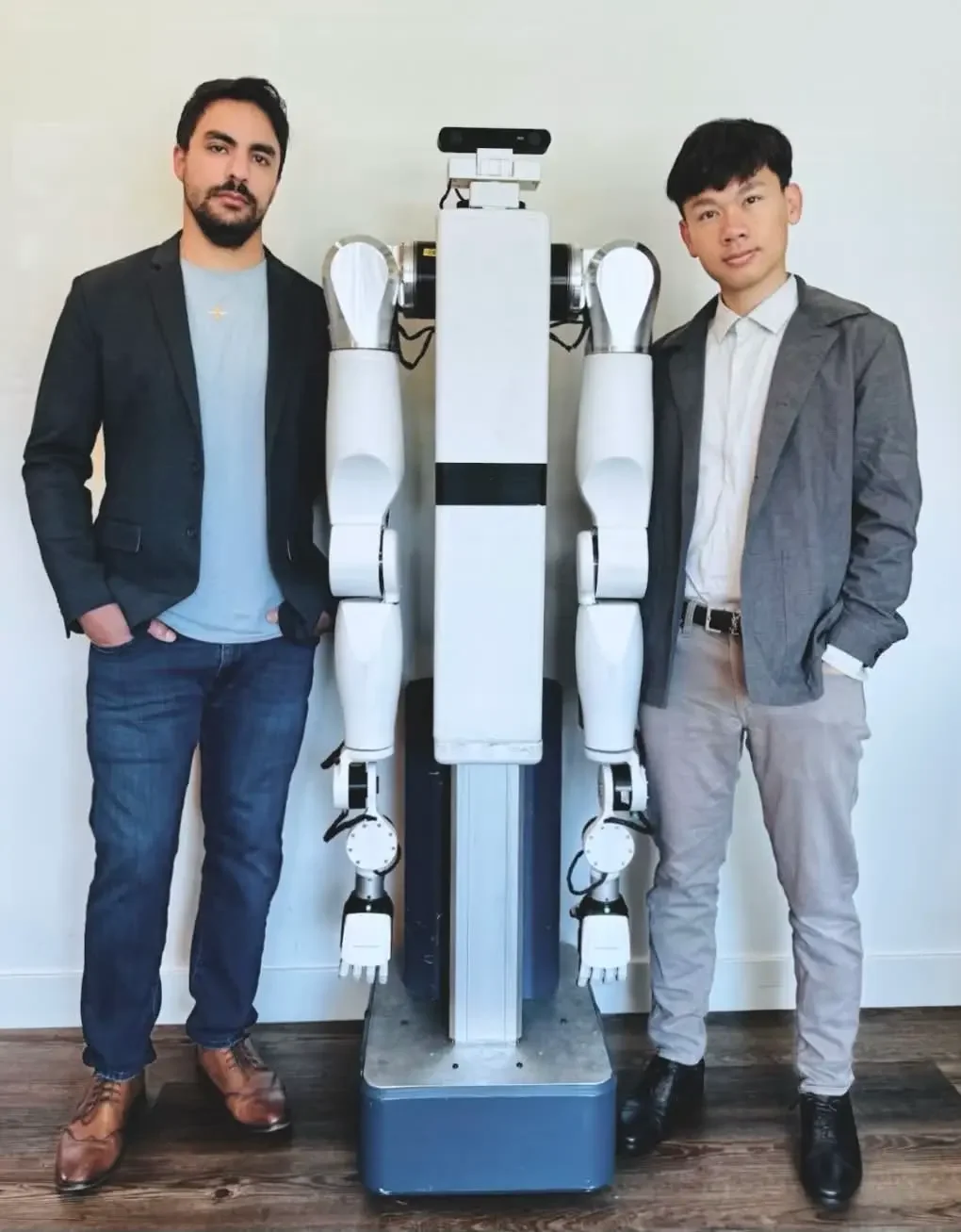
Manufacturing is already underway in the Bay Area, according to Mai. He said Feather's current facility could produce 30 robots a month, with a planned next facility intended to support 200.
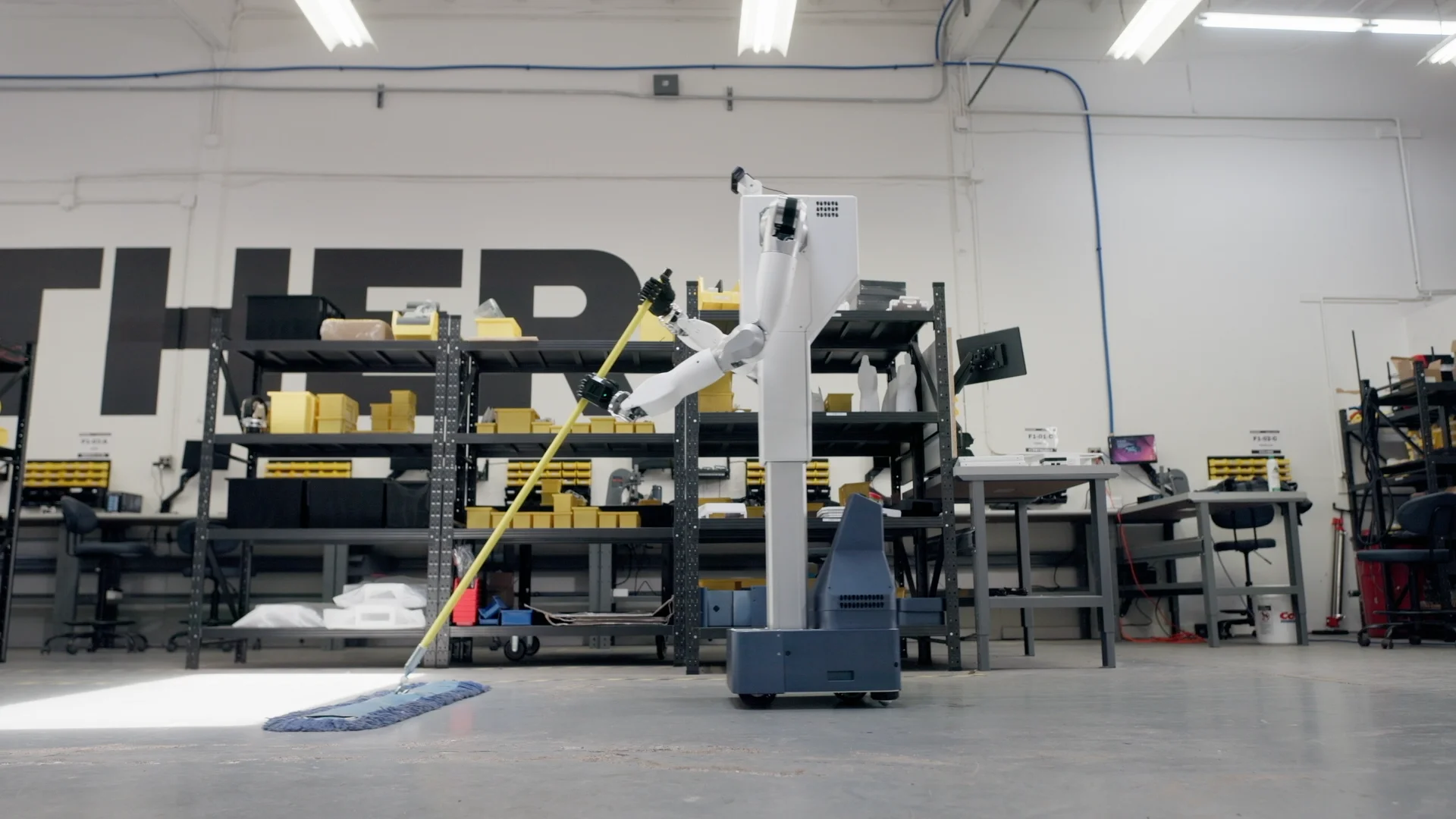
From platform to useful work
Feather says its robots have been tested with customers across manufacturing, commercial, and home settings. The materials shared with Humanoids Daily do not provide detailed uptime figures, task success rates, or fleet deployment totals.
Those measures will matter as Feather tests its central proposition: that a simpler, accessible robot can support a business built around dependable hardware and third-party applications.
Its launch gives developers another platform to work with. The next test is how readily they can turn it into repeatable, useful work.
Share this article
Read next
- Published on
- Reading time
- 4 min read
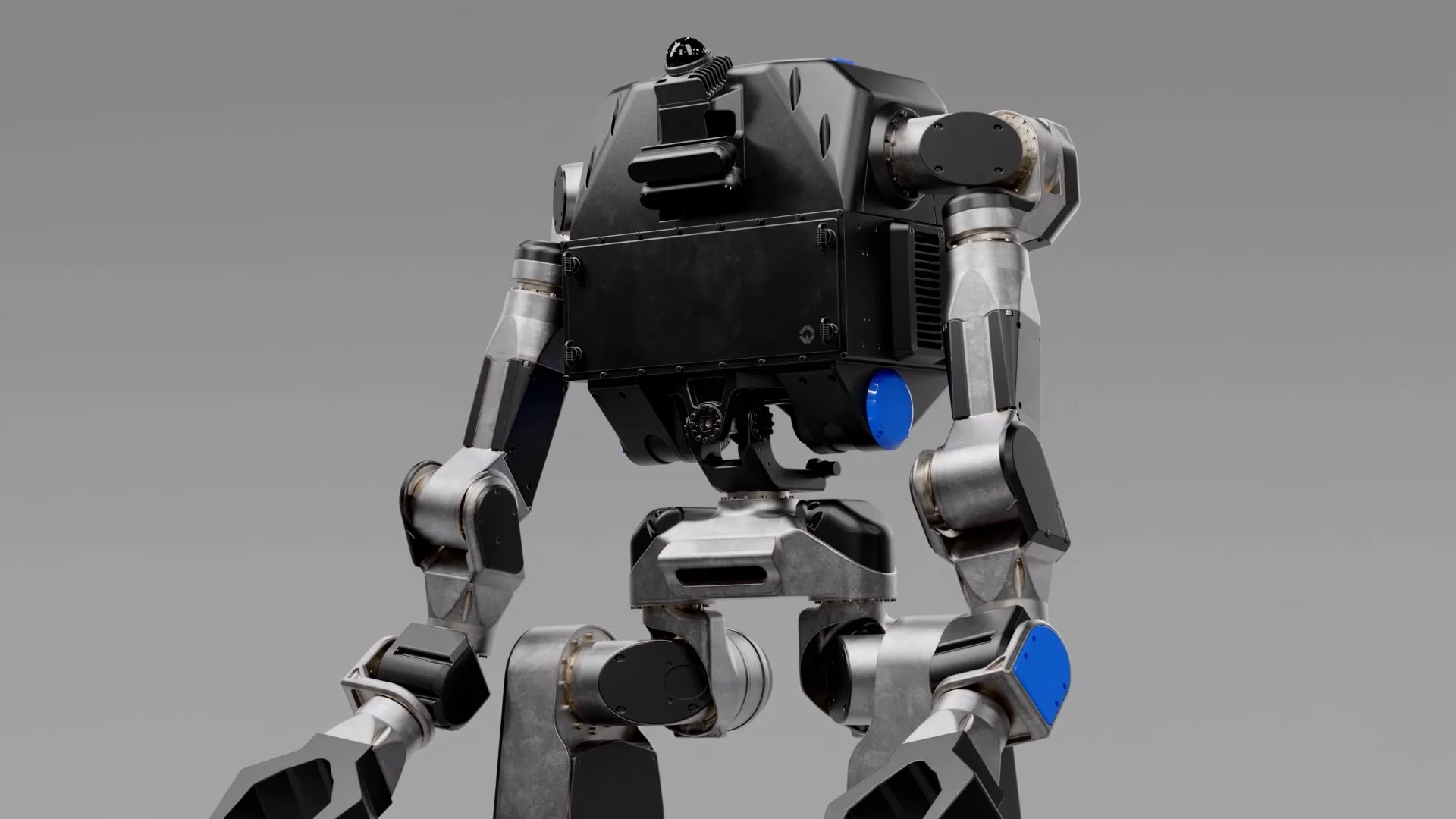
Noble Machines Exits Stealth: The "Anti-Human" Approach to Industrial Humanoids
- Published on
- Reading time
- 5 min read
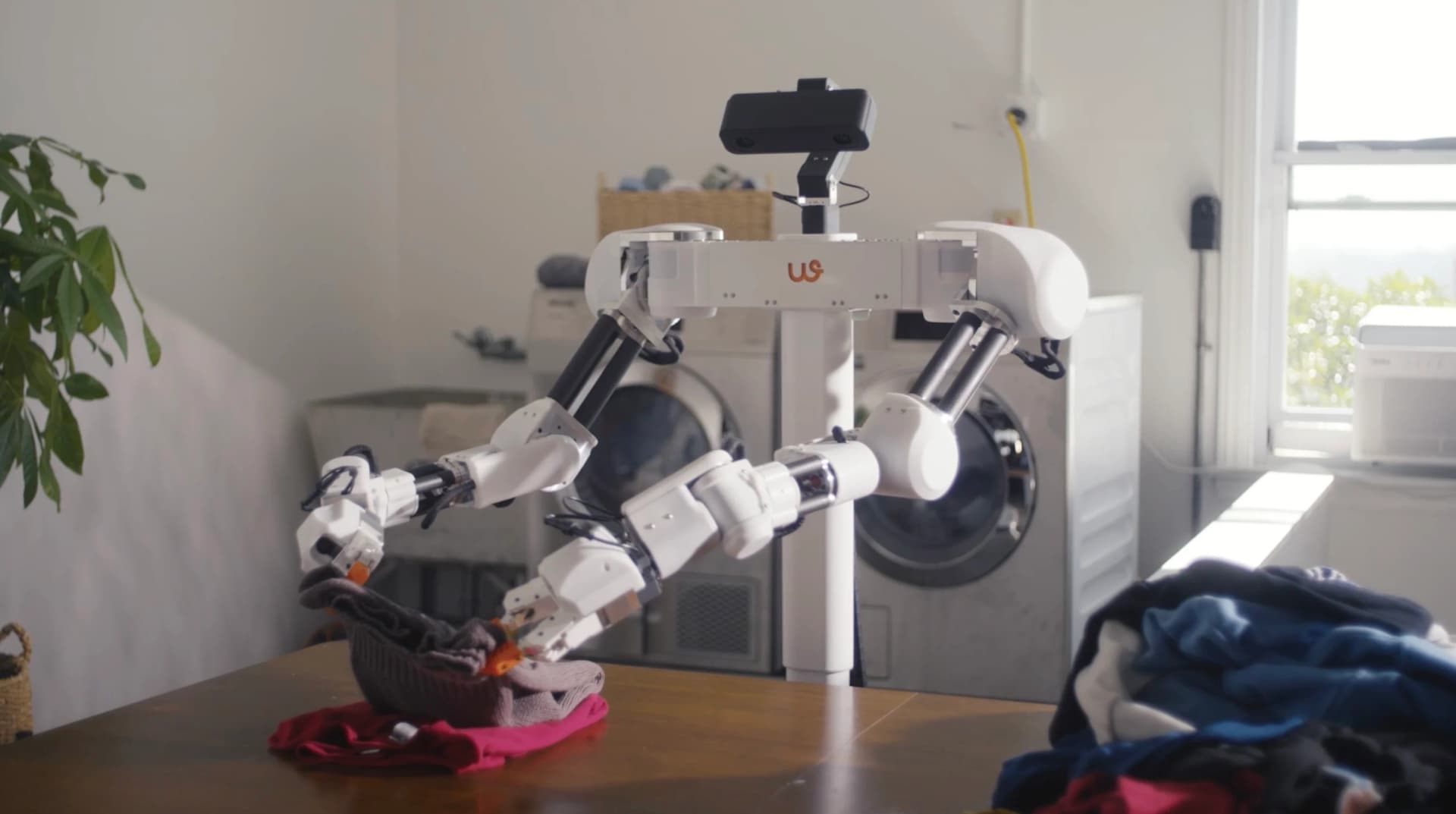
Weave Robotics Launches "Isaac 0": A $9,999 Stationary Bet on the Future of Laundry
- Published on
- Reading time
- 3 min read
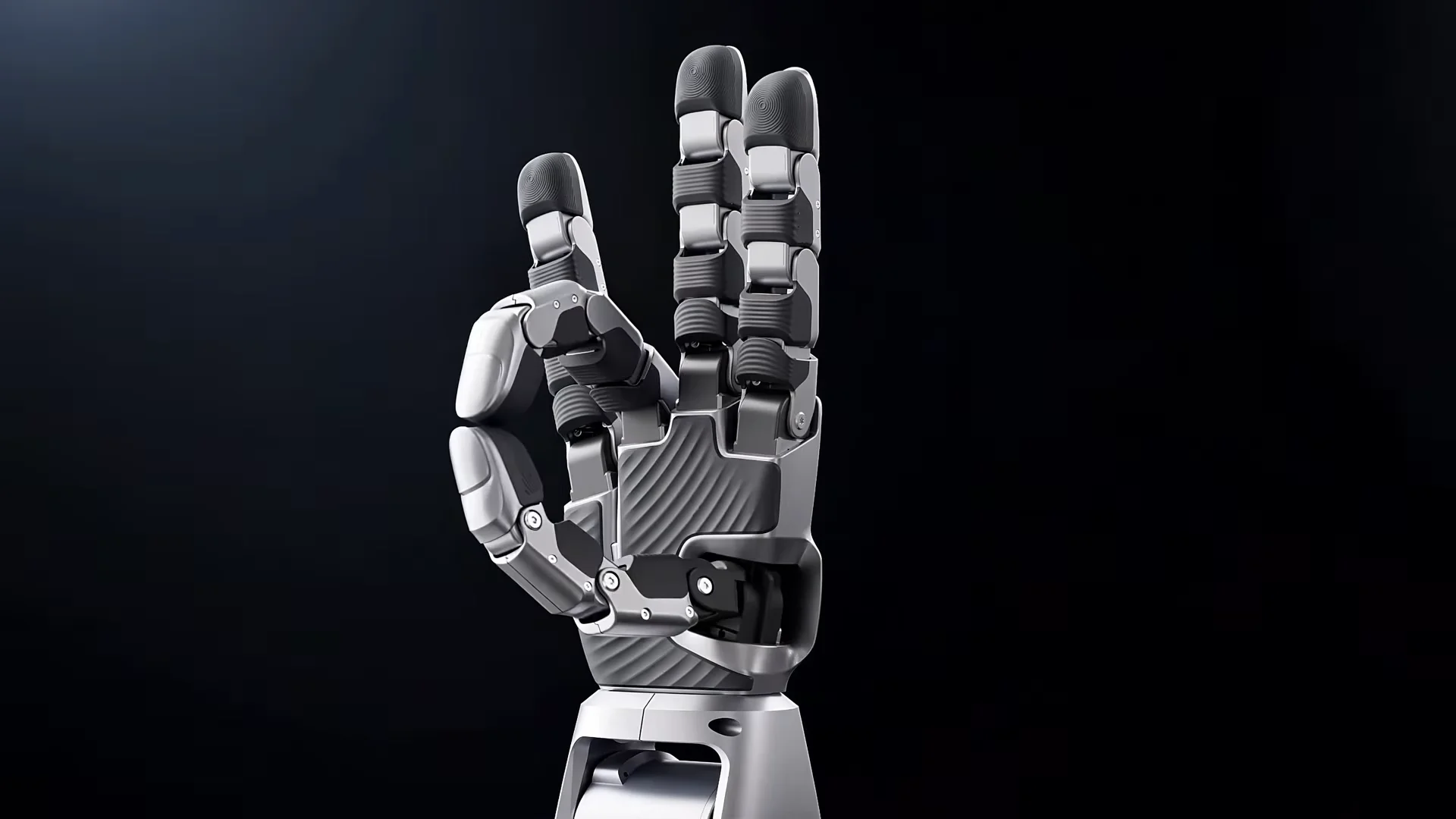
Unitree Unveils Human-Sized Robot Hand Starting at $6,500
- Published on
- Reading time
- 4 min read
PrimeBOT Launches Personal Robots at 19,999 Yuan, Betting on Apps and Companionship
- Published on
- Reading time
- 5 min read
Faraday Future Expands Robot Lineup With $9,990 Master Mini
- Published on
- Reading time
- 3 min read
Video: Honor Teases Humanoid Debut for MWC 2026 as "Alpha Plan" Pivot Accelerates


The weekly humanoid robotics briefing
One email a week: the launches, funding and research that mattered, with context from Humanoids Daily.
Read recent issues