- Published on
Faraday Future Expands Robot Lineup With $9,990 Master Mini
One tap, and our reporting appears more often in your Google Top Stories. It makes a real difference to a small newsroom.

Supported by RoboStrategySupport for Humanoids Daily comes from RoboStrategy
Sponsored
Investing involves risk, including possible loss of principal. Read the prospectus before investing.
- Faraday Future announced nine robot configurations across five models on September 19, with prices from $9,990 to $137,900. The company says all are available for sale and delivery.
- The new Master Mini targets education and robot sports. FF’s own product page names Booster software and hardware, providing evidence of another supplier relationship alongside its earlier AGIBOT-based lineup.
- FF is bundling robots with software, curricula and services for education, research, security and inspection. The launch does not independently establish the performance of its proposed shared robot intelligence.
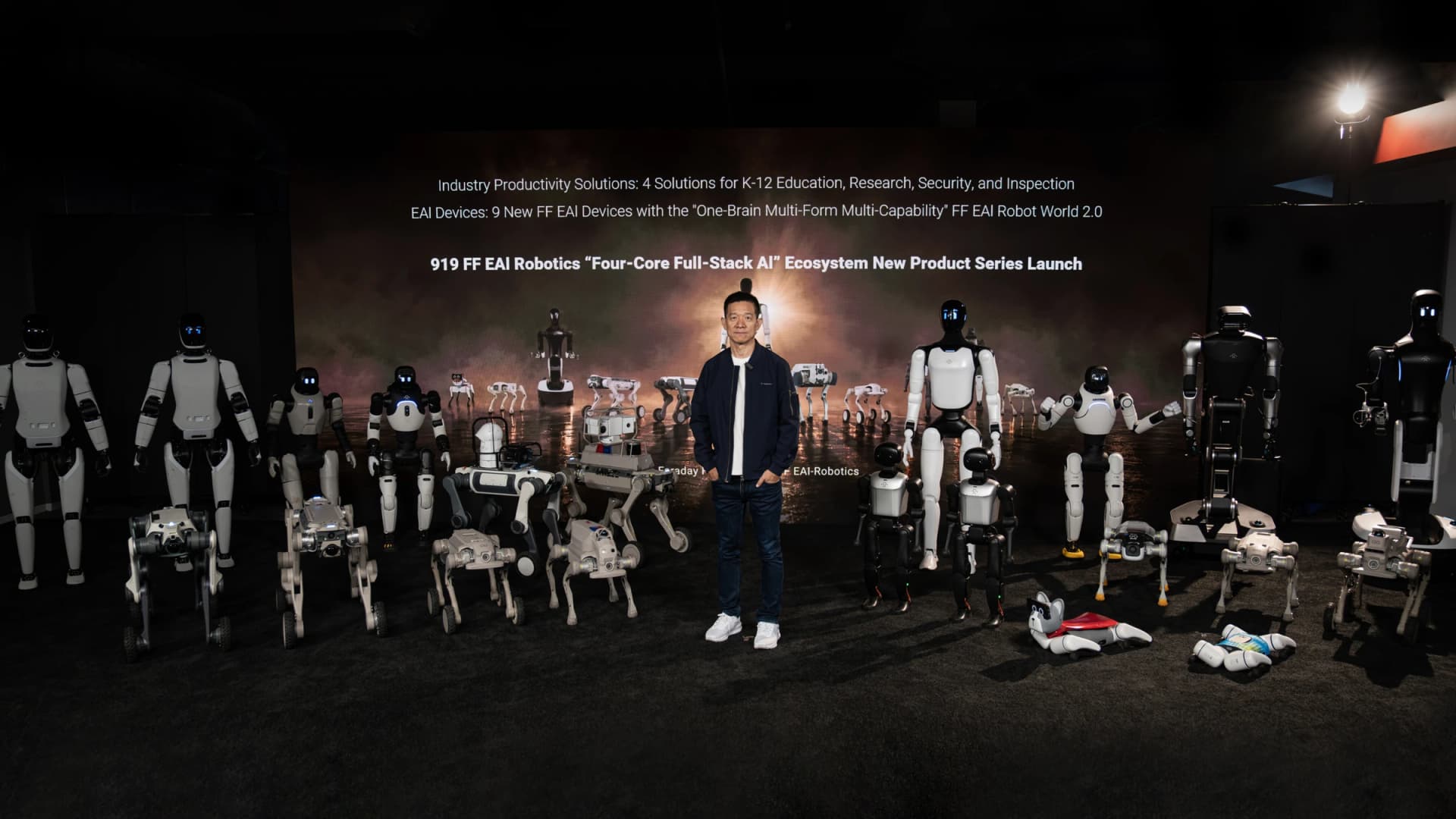
Faraday Future is expanding its robot business with a $9,990 compact humanoid and a broader range of industrial machines, extending a strategy built around selling robots with software and application packages under its own brand.
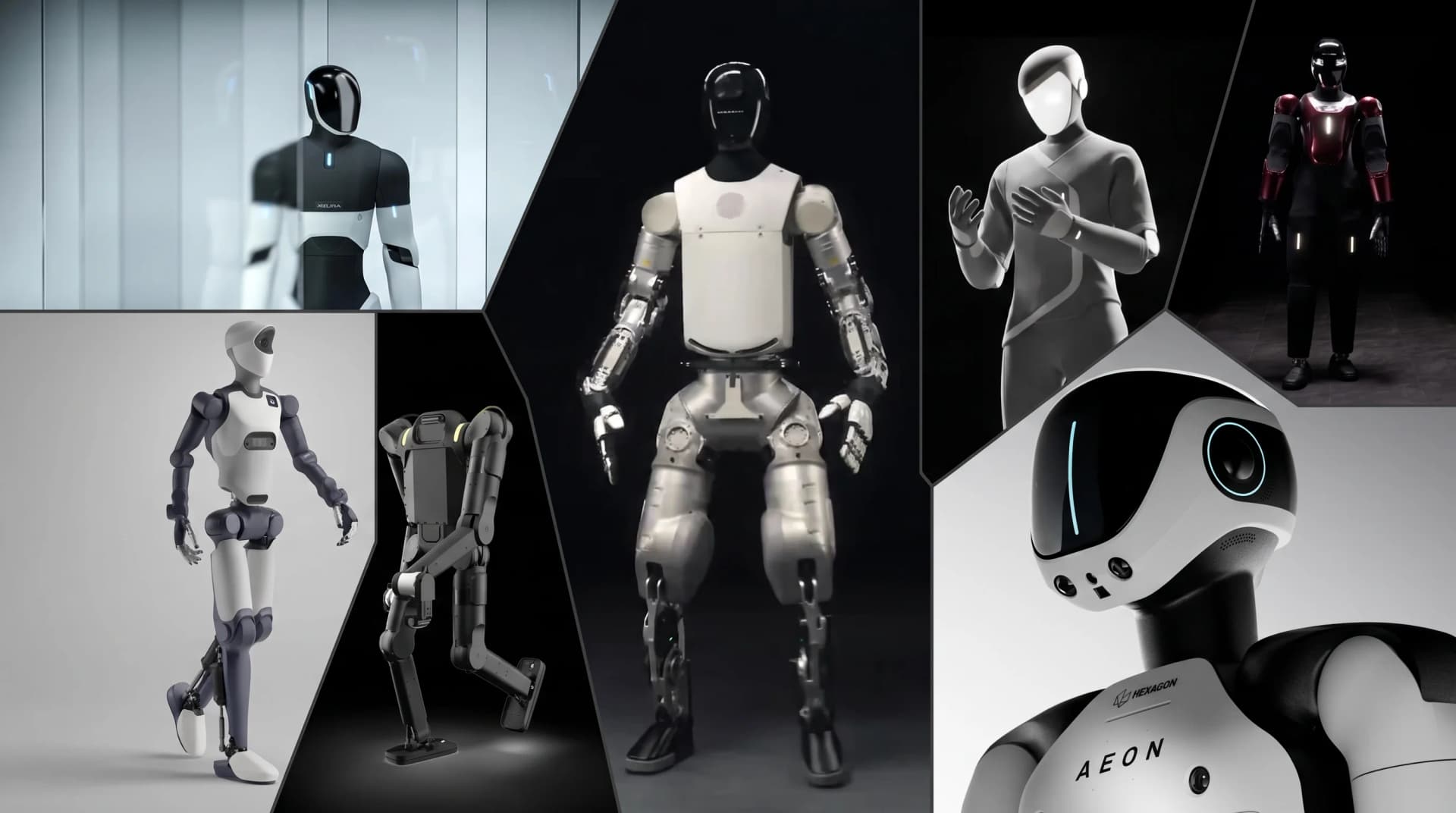
At its September 19 launch, the company announced nine configurations across five models, spanning humanoids, quadrupeds and wheel-legged robots. FF says sales and deliveries are now open, with packages targeting schools, universities, security operators and industrial inspection customers.
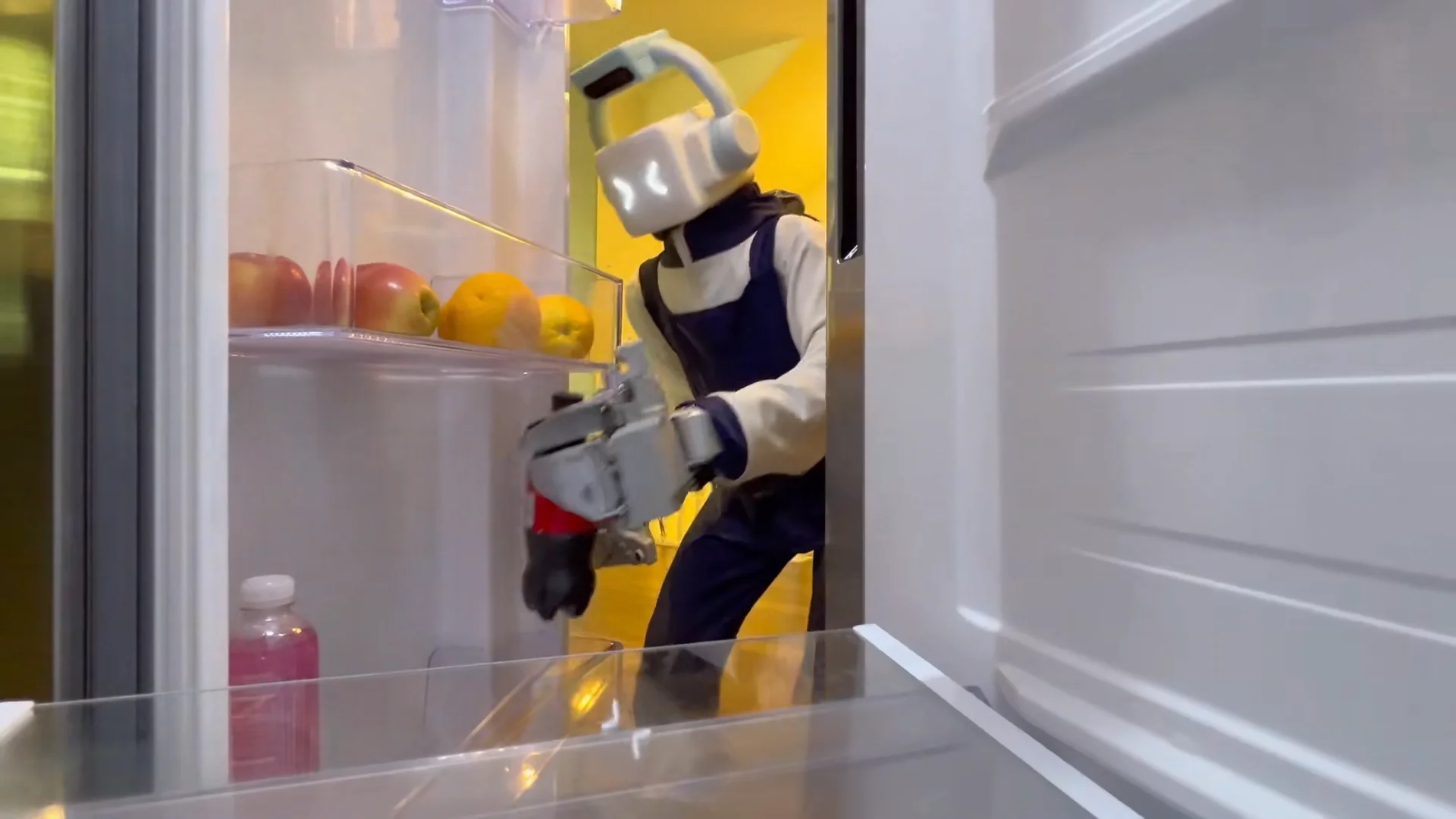
The most accessible new humanoid is the Master Mini, a roughly 95-centimeter, 19.5-kilogram robot designed for programming lessons, open development and robot soccer. It also offers a useful window into where FF’s hardware comes from.
Familiar hardware from Booster and AGIBOT
The Master Mini product page explicitly references Booster and ROS 2 SDKs, Booster Gym training tools and a Booster controller. Its dimensions and 22-degree-of-freedom specification match the Booster K1.
The weekly humanoid robotics briefing
One email a week: the launches, funding and research that mattered, with context from Humanoids Daily.
Read recent issuesTogether, those details strongly indicate that Master Mini is based on Booster’s K1 platform. That is an inference from the companies’ product documentation; the supplied launch release does not name Booster or explain the commercial arrangement.
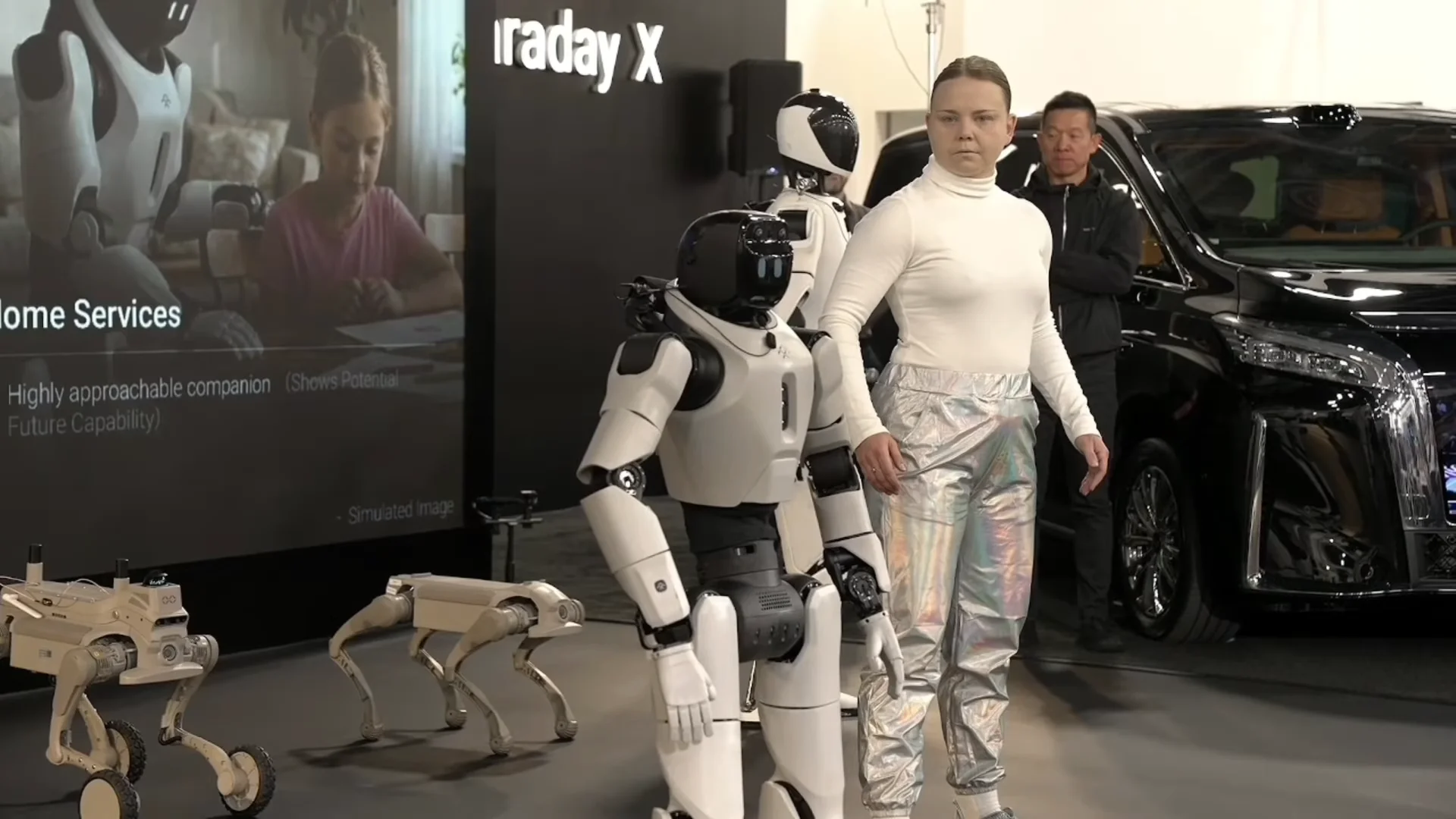
We previously covered FF’s robotics debut and its apparent use of white-labeled AGIBOT hardware. The Master Mini documentation suggests FF is broadening that supplier-based approach.
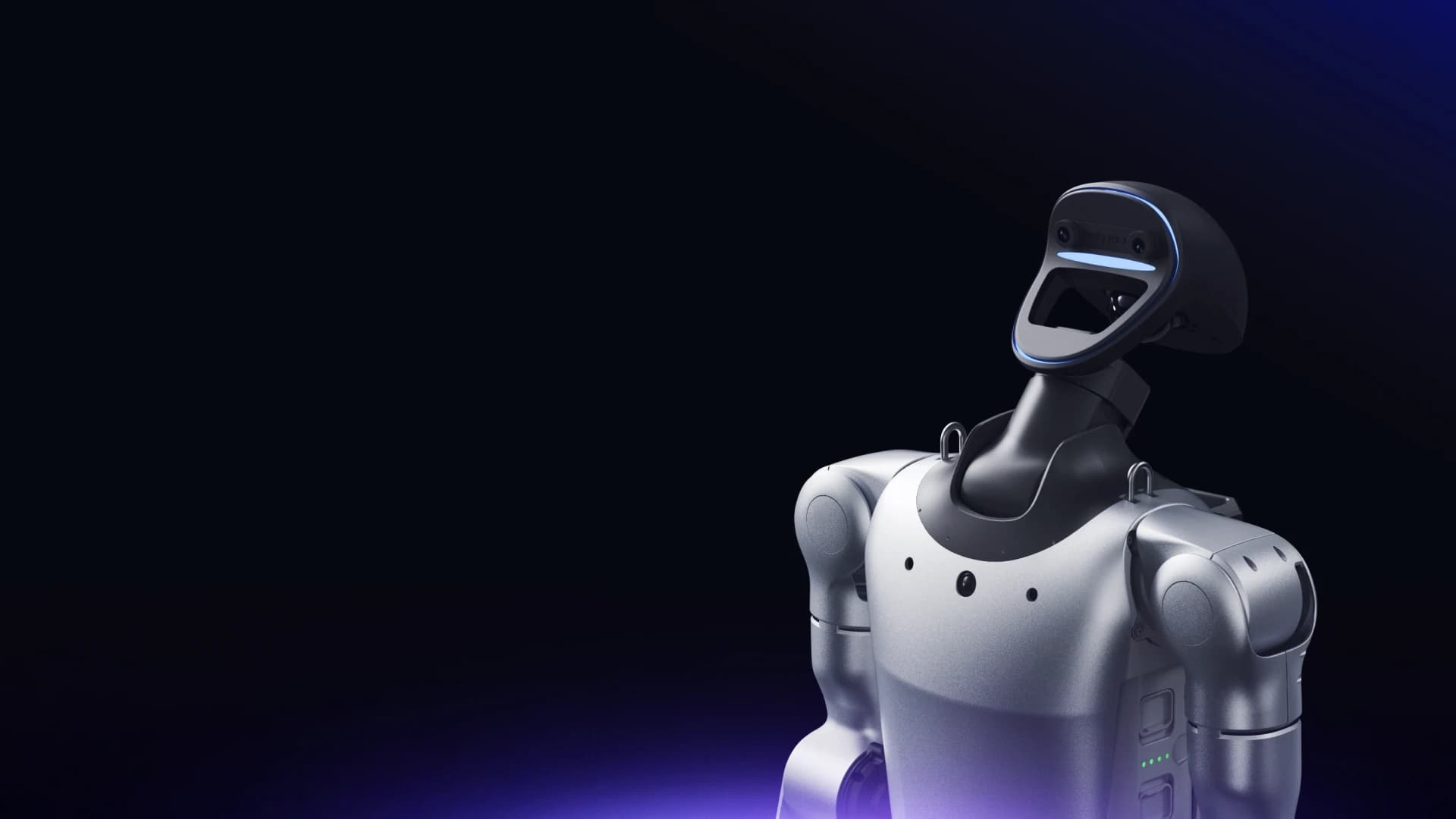
The All-New Futurist also closely resembles AGIBOT’s A3, with a similar head, torso and limb design. Both companies list a height of 173 centimeters and a 1,152 Wh dual-battery system; FF lists a weight of 54 kilograms, compared with AGIBOT’s 55 kilograms. Those similarities suggest the All-New Futurist is based on the A3 platform, although neither linked page explicitly confirms an OEM agreement for this model.
What the new lineup costs
According to the release supplied to Humanoids Daily, the advertised prices include Skills Packages, whose stated values are assigned by FF.
| Model | Announced price | Intended role |
|---|---|---|
| Master Mini / Pro / Ultra | $9,990 / $12,990 / $17,990 | Education, development and robot sports |
| All-New Futurist Standard / Ultra | $89,900 / $129,900 | Full-size humanoid for research and professional applications |
| Aegis Hyper | $137,900 | Heavy industrial quadruped for hazardous environments |
| Aegis Mega A / D | Series starts at $74,990 | Industrial wheel-legged robots |
| Aegis Ultra-W | $12,990 | Lightweight wheel-legged robot for security and development |
FF lists the All-New Futurist with 51 active degrees of freedom, rising to 71 with an upgraded dexterous-hand configuration. It claims around eight hours of operation under standard working conditions from a 1,152 Wh dual-battery system. The Ultra version uses NVIDIA Jetson Thor and is rated at 700 TOPS. Those are manufacturer specifications, not independently tested results. FF’s shop page currently differs from the release, listing 31 degrees of freedom and six hours of standing or four hours of continuous walking. The materials do not explain whether those differences reflect configurations or outdated specifications.
The release does not give separate prices for both Aegis Mega configurations.
The business proposition is the package
FF’s pitch extends beyond the machines. Its education offering combines robots with Blockly, Python and ROS teaching materials, teacher training and classroom management. The research package promises a shared development toolchain covering simulation, data collection, model training and deployment across different robot forms.
Security and inspection packages add fleet management and task-specific capabilities, such as thermal sensing, meter reading and gas detection. FF offers hardware alone, hardware with a Skills Package, or a complete application solution.
The underlying ambition is a shared “EAI Brain” supporting different bodies, with deployment data feeding back into model and skill development. That makes the commercial question whether FF can deliver useful integration, support and software on top of sourced hardware. A wider catalog alone does not demonstrate that a common intelligence transfers reliably between those platforms.
For buyers, the next evidence to watch is sustained customer use: what the bundled skills actually do, how much setup and supervision they require, and whether FF’s services make these robots easier to deploy than purchasing from their original suppliers.
Share this article
Read next
- Published on
- Reading time
- 4 min read
Faraday Future Pivots to Robotics with White-Labeled AgiBot Fleet
- Published on
- Reading time
- 4 min read
PrimeBOT Launches Personal Robots at 19,999 Yuan, Betting on Apps and Companionship
- Published on
- Reading time
- 4 min read
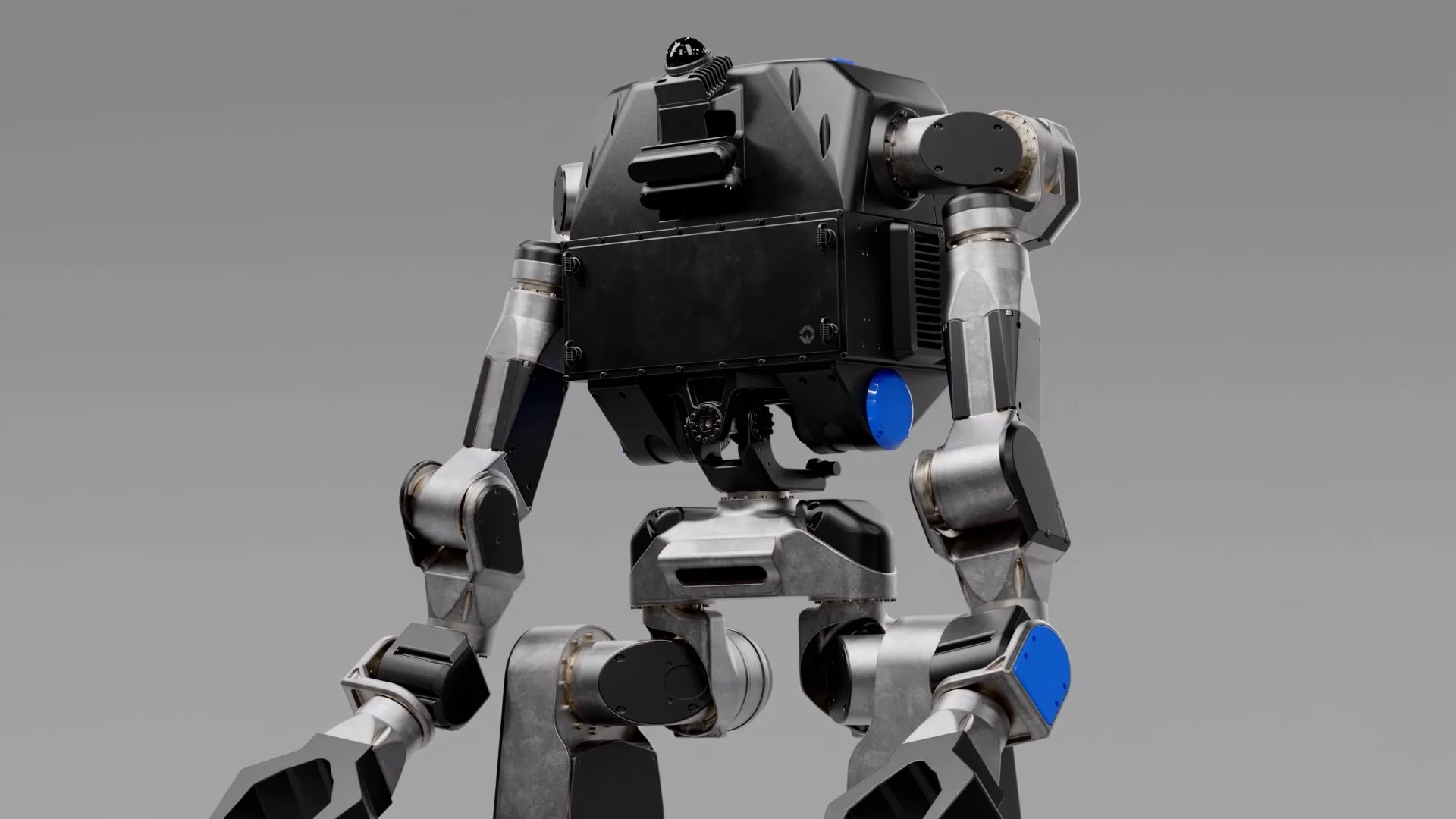
Noble Machines Exits Stealth: The "Anti-Human" Approach to Industrial Humanoids
- Published on
- Reading time
- 3 min read
Video: Honor Teases Humanoid Debut for MWC 2026 as "Alpha Plan" Pivot Accelerates
- Published on
- Reading time
- 5 min read
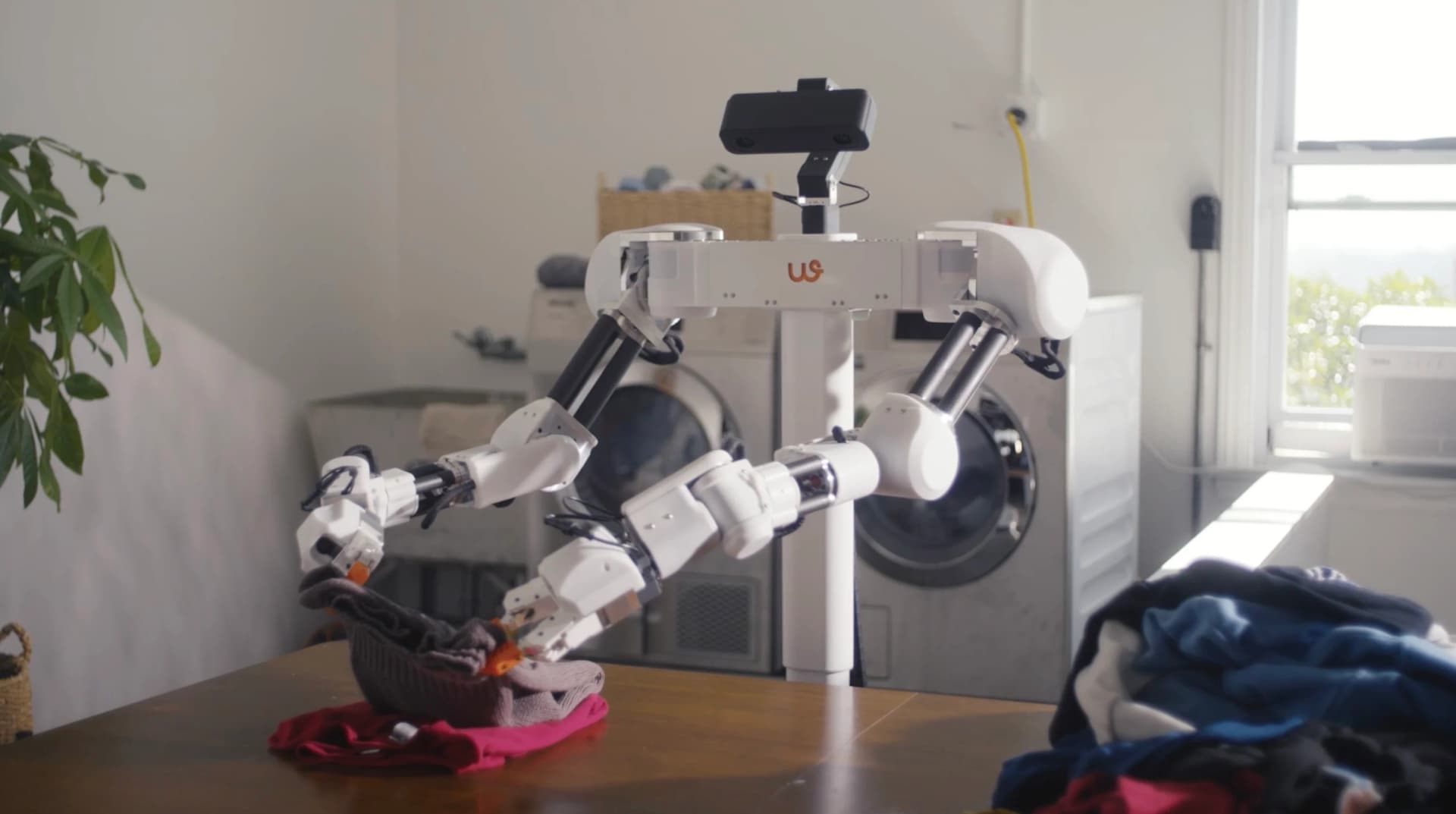
Weave Robotics Launches "Isaac 0": A $9,999 Stationary Bet on the Future of Laundry
- Published on
- Reading time
- 3 min read
1X Opens Pre-Orders for NEO Humanoid Robot at $20,000, Pivoting from R&D to Product


The weekly humanoid robotics briefing
One email a week: the launches, funding and research that mattered, with context from Humanoids Daily.
Read recent issues