- Published on
Tuya Unveils Doova: An AI Companion Robot Targeting Elder Care and Smart Home Hubs
One tap, and our reporting appears more often in your Google Top Stories. It makes a real difference to a small newsroom.


Your guide
Rich Robinson
Jee Chee Ren · Executive tour
See China’s AI and robotics ecosystem first-hand.
Six days exploring AI, robotics and advanced manufacturing.
With Rich Robinson, Clinical Professor of Entrepreneurship at Peking University
Beijing · Guangzhou · Shenzhen
29 November–4 December 2026
Referral partnership · We earn a commission on referred bookings.
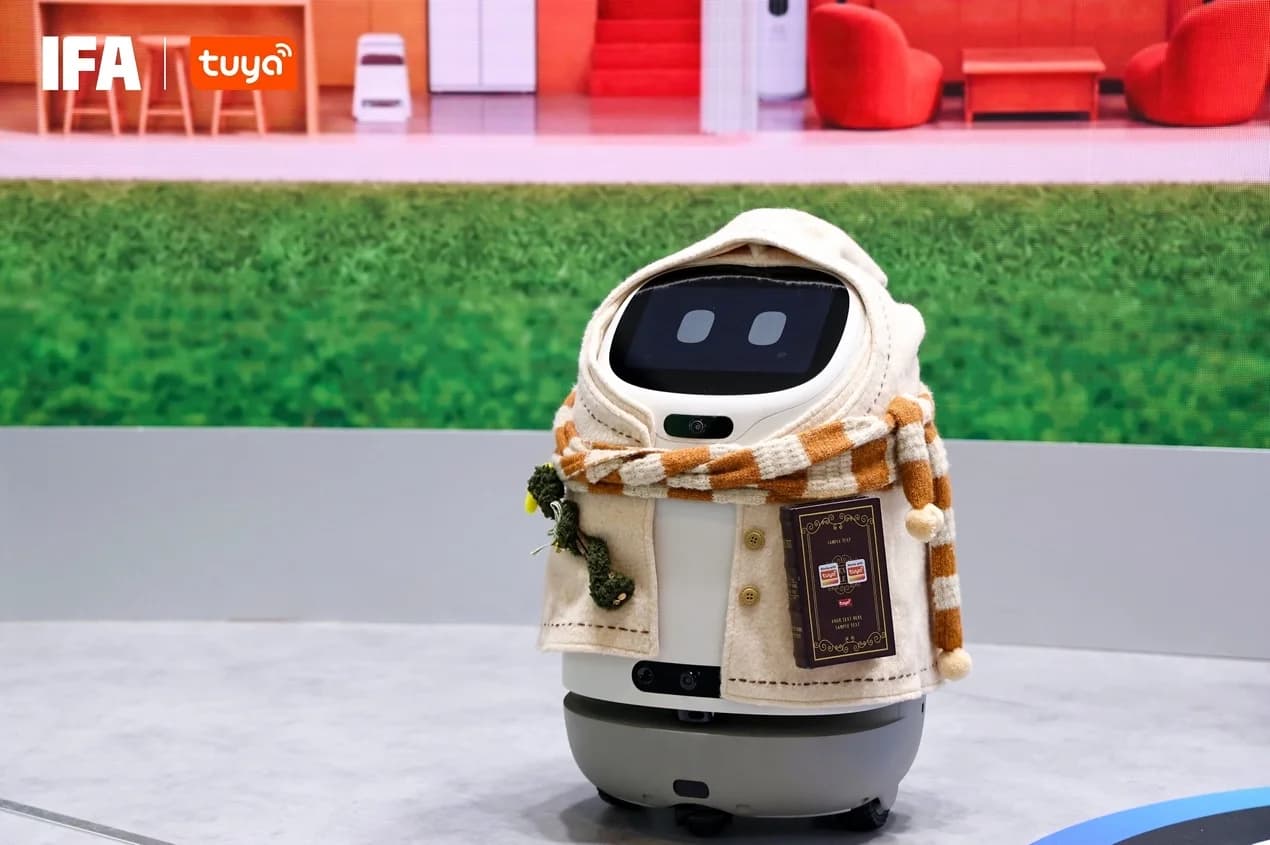
- Tuya Smart introduced Doova, an autonomous companion robot designed specifically to support independently living seniors, at IFA 2026.
- The machine integrates LDS LiDAR, directional microphones, and computer-vision skeletal tracking to identify falls and escalate emergency calls.
- Conversational interactions are driven by a multimodal large language model capable of reading documents, flagging scams, and managing daily wellness schedules.
- Doova doubles as a mobile smart home hub, leveraging Tuya's AIoT ecosystem to control connected household appliances.
- Pricing, market availability, battery longevity, and local privacy architecture remain unspecified by the manufacturer.
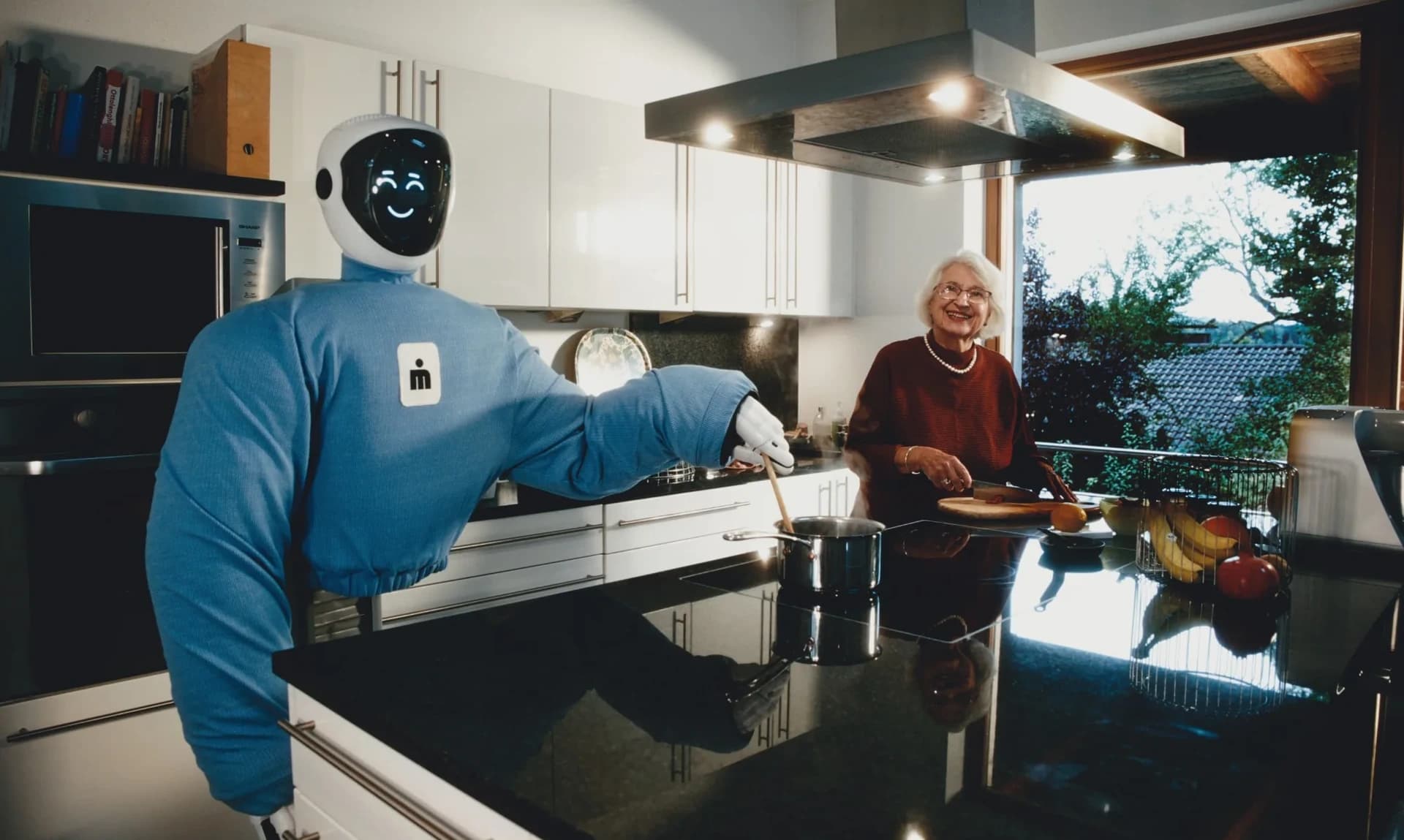
At IFA 2026 in Berlin, IoT infrastructure giant Tuya Smart announced Doova, an autonomous companion robot engineered to address the growing demographic challenges of elder care. Built around senior users living independently, Doova blends proactive fall-detection protocols with conversational intelligence and deep integration into Tuya’s broader smart home ecosystem.
Rather than taking the form of a complex bipedal or dexterous humanoid, Doova adopts an approachable, wheeled form factor tailored for domestic navigation. The announcement highlights a pragmatic shift across consumer robotics: deploying focused, specialized autonomy to tackle pressing ambient-care problems where general-purpose humanoids remain economically or practically out of reach.
Proactive Fall Detection and Emergency Response
For seniors aging in place, unexpected falls represent both an acute physical hazard and an informational bottleneck. The primary danger often stems from prolonged delays before caregivers or emergency services are alerted.
Doova addresses this through a multi-sensor array comprising LDS (Laser Distance Sensor) LiDAR, a four-microphone sound source localization setup, and onboard computer vision running skeletal tracking algorithms. When a resident calls out "Hey Tuya, help," the robot tracks the directional audio, navigates autonomously to the individual, and evaluates their posture using visual skeletal recognition.
The weekly humanoid robotics briefing
One email a week: the launches, funding and research that mattered, with context from Humanoids Daily.
Read recent issuesIf the user does not respond within 60 seconds of an alert event, Doova triggers an automated emergency workflow. It initiates two-way video calls to designated family members or care providers, providing a real-time visual feed of the room and enabling rapid intervention.
Multimodal LLM Companionship and Cognitive Support
Beyond passive security monitoring, Doova incorporates a multimodal large language model (LLM) designed to make day-to-day interactions less transactional. Tuya notes the system handles open-ended, continuous dialogue, moving away from rigid command-and-control voice assistants.
The multimodal pipeline allows Doova to process visual inputs from the environment to assist with functional daily tasks:
- Document and Mail Reading: Interpreting complex utility statements, official correspondence, and identifying potential mail-in scams.
- Health and Medication Reminders: Tracking daily schedules, fluid intake, and medication routines alongside interactive cognitive games.
- Personalized Assistance: Adapting over time to suggest meal planning, weather-appropriate clothing, and gardening advice based on behavioral patterns.
Tuya also outlined roadmapped software additions, such as autonomous object retrieval tracking to locate commonly misplaced household items like keys or glasses.
Mobile Smart Home Hub with Center-Room Navigation
Doova serves as a mobile command hub for Tuya’s global AIoT ecosystem, allowing residents to operate lighting, motorized curtains, climate control, and connected appliances using natural voice cues.
For physical navigation, the platform uses a dual-wheel drive setup augmented with caster wheels. Rather than relying on traditional perimeter-patrolling algorithms—which follow walls and can evoke a sense of continuous surveillance—Doova uses a node-oriented navigation strategy. The machine moves to the center of living areas, performs 360-degree environmental scans, and generates periodic safety summaries sent directly to a family member's mobile device.
Physically, the device features curved, non-industrial surfacing intended to blend into domestic spaces. A 10.1-inch high-definition display presents dynamic facial expressions and video feeds, positioned at a height calculated for clear visibility whether the user is seated, standing, or lying in bed. When its power depletes, Doova returns to an autonomous charging dock without manual oversight.
Open Questions: Privacy, Connectivity, and Commercial Viability
While Doova offers an integrated approach to ambient senior care, several operational and technical details remain unconfirmed.
Tuya has not yet disclosed pricing details, consumer launch dates, or targeted regional rollouts. In home environments populated with rugs, raised thresholds, and cluttered floorplans, the real-world clearance of dual-wheel and caster drivetrains often encounters mechanical hurdles that structured trade-show floors do not reveal.
Furthermore, deploying multimodal LLMs and visual skeletal sensors inside private residences creates immediate data governance and privacy questions. Whether Doova processes sensitive audio-visual telemetry locally on edge hardware or routes streams back through cloud-based pipelines will be a critical consideration for both families and regulatory compliance bodies as the platform moves closer to commercial distribution.
Share this article
Read next
- Published on
- Reading time
- 2 min read
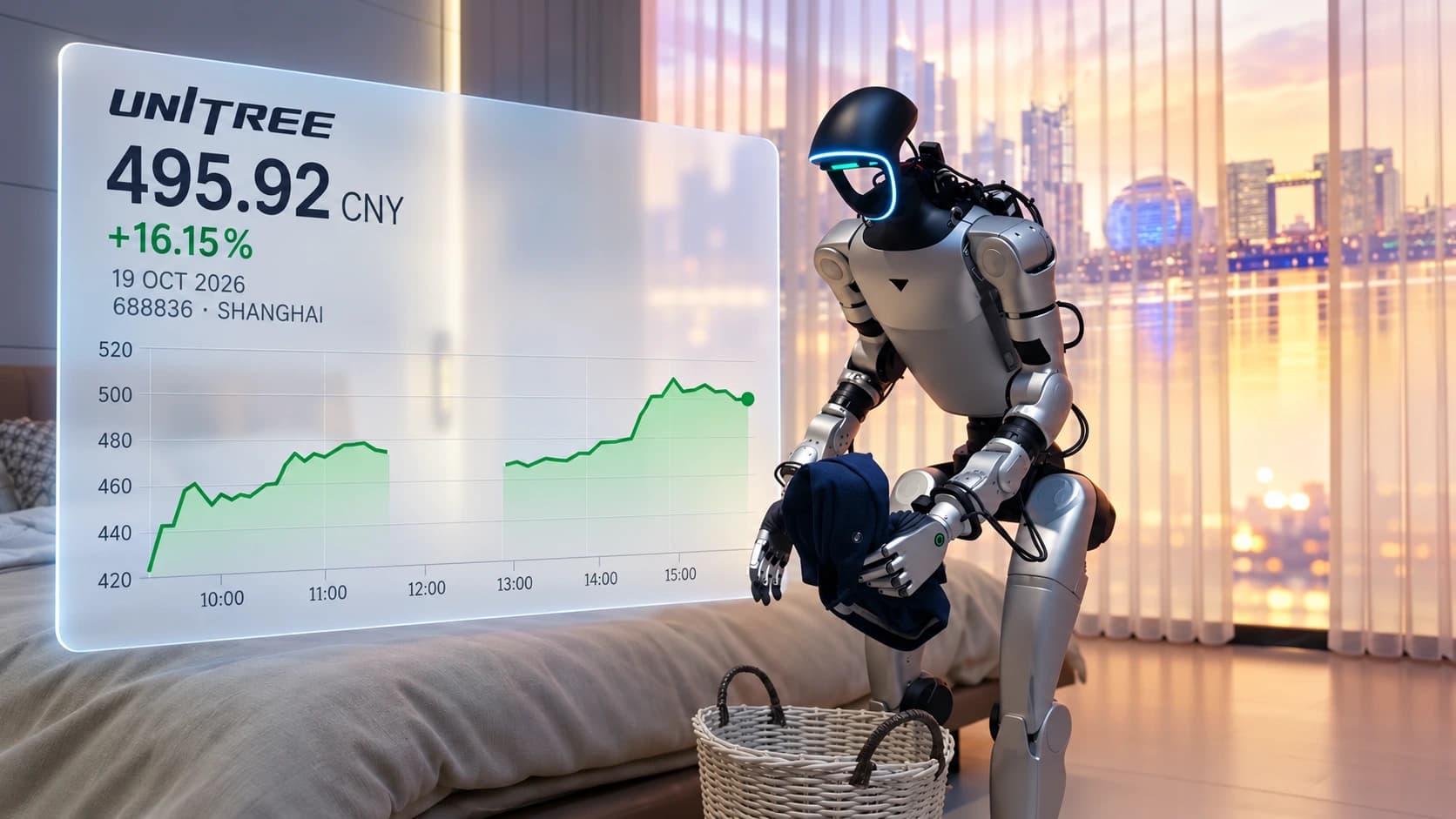
Unitree Shares Jump 16% as China Pushes Robots Into Everyday Commerce
- Published on
- Reading time
- 2 min read
Phybot Packs 23 Active Degrees of Freedom Into Its New Robotic Hand
- Published on
- Reading time
- 3 min read
Can a Simulated Robot Score Predict Real Performance? X Square Releases X2Real
- Published on
- Reading time
- 1 min read
AiMOGA Heads Home With Mobo, Opening Robot Pre-Orders on October 21
- Published on
- Reading time
- 3 min read
Unitree’s UniUni Lets Operators Choreograph Robot Teams With Natural Language
- Published on
- Reading time
- 3 min read
RoboParty Opens RP1 Humanoid Designs, From Mechanical Parts to Motion Policies

The weekly humanoid robotics briefing
One email a week: the launches, funding and research that mattered, with context from Humanoids Daily.
Read recent issues