- Published on
Robotera Secures $280 Million Strategic Round as Logistics Deployment Scales
One tap, and our reporting appears more often in your Google Top Stories. It makes a real difference to a small newsroom.


Your guide
Rich Robinson
Jee Chee Ren · Executive tour
See China’s AI and robotics ecosystem first-hand.
Six days exploring AI, robotics and advanced manufacturing.
With Rich Robinson, Clinical Professor of Entrepreneurship at Peking University
Beijing · Guangzhou · Shenzhen
29 November–4 December 2026
Referral partnership · We earn a commission on referred bookings.
- Robotera (Star Action Era) raised over RMB 2 billion (~$280 million) in its latest round, bringing its two-month funding total to nearly $350 million.
- The company’s valuation has surpassed RMB 10 billion (~$1.4 billion), decoupling from the hype seen in the broader sector to focus on factory-floor stability.
- Industrial giants including SF Group, Dongfeng Investment, and ICBC Capital joined the round, expanding a strategic roster that already included Geely, Alibaba, and Samsung.
- Robotera reports a 300% growth rate in 2026, shifting toward large-scale delivery of thousands of units across Chinese logistics centers.
The capital flood within China’s humanoid robotics sector is increasingly concentrating around a few dominant players. Beijing-based Robotera (Star Action Era) announced today it has closed a strategic funding round exceeding RMB 2 billion (approximately $280 million). Led by SF Group, the round saw participation from major financial institutions like Sequoia China, IDG Capital, and CICC Capital, alongside industrial backers including Dongfeng Investment and China Unicom.
This massive injection brings Robotera’s total capital raised within the last two months to nearly RMB 2.5 billion (~$350 million). The speed and scale of the funding—which reportedly saw investor demand far exceed original targets—follows a RMB 1 billion strategic round announced just weeks prior that originally pushed the company's valuation past the $1.4 billion threshold.
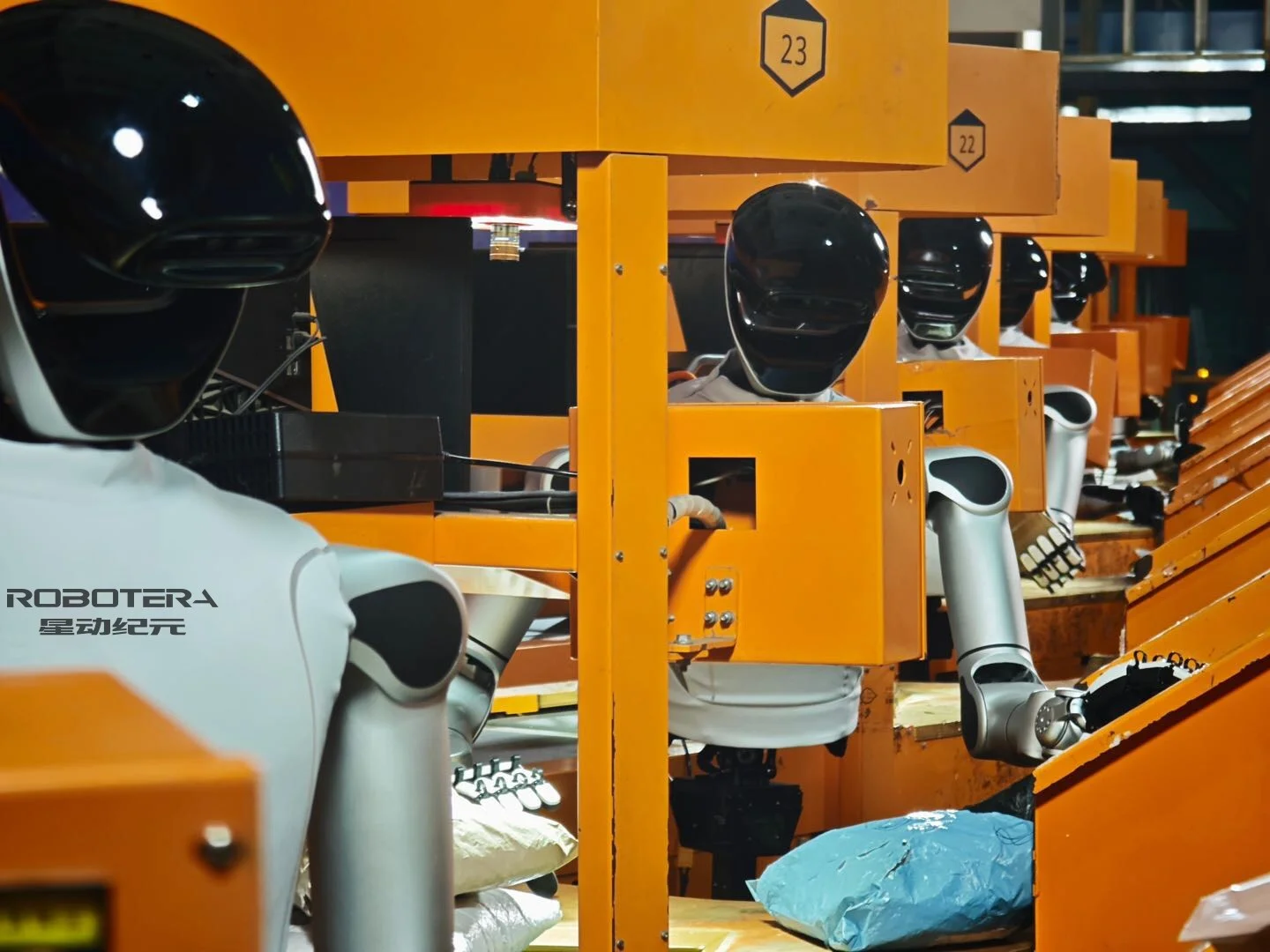
Scaling the "Logistics Brain"
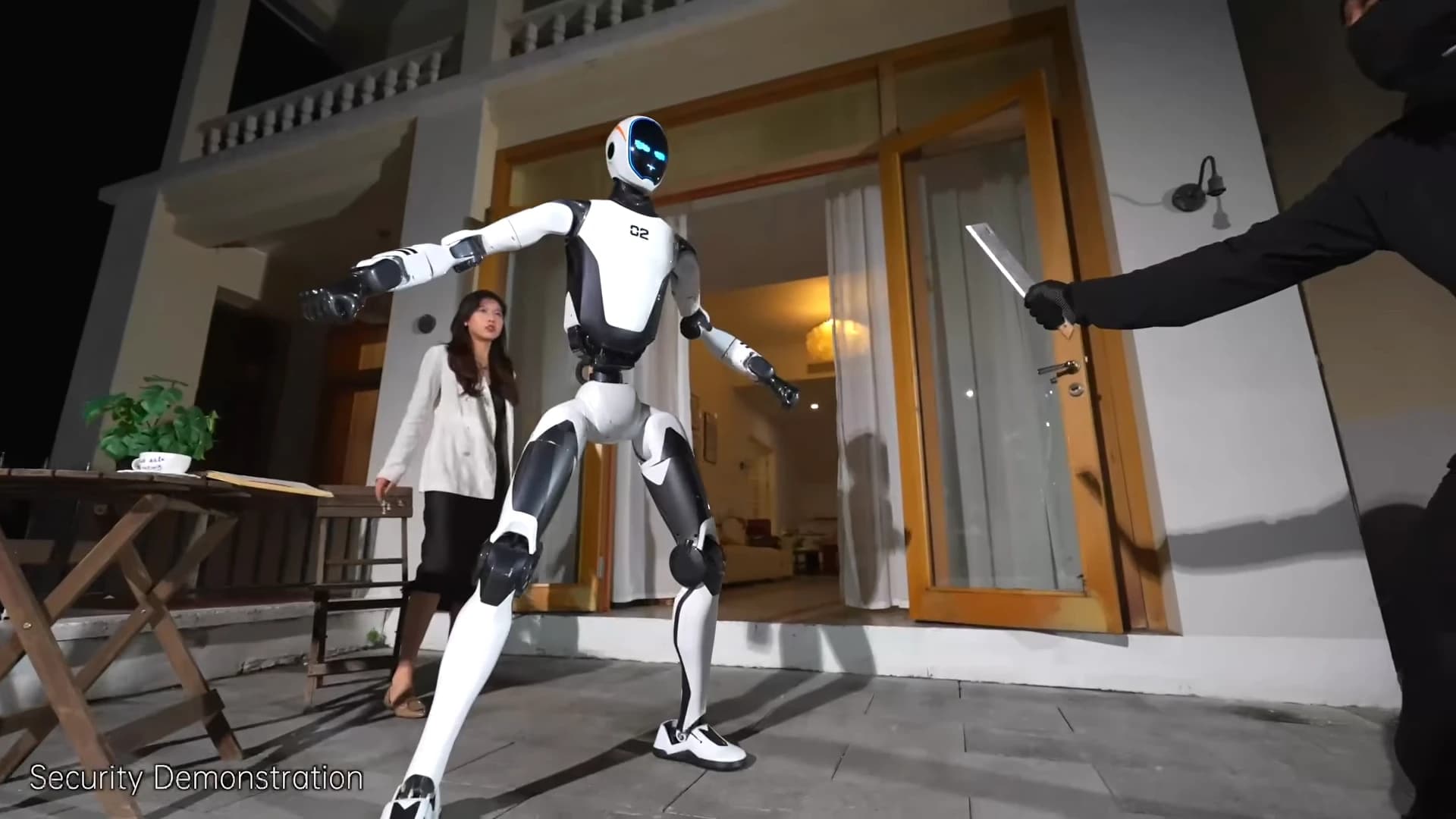
What differentiates Robotera from the IPO-bound rivals like Unitree and AgiBot is its aggressive pivot toward large-scale, real-world deployment. The company claims to have achieved a "closed-loop commercialization model" for embodied AI specifically within the logistics sector.
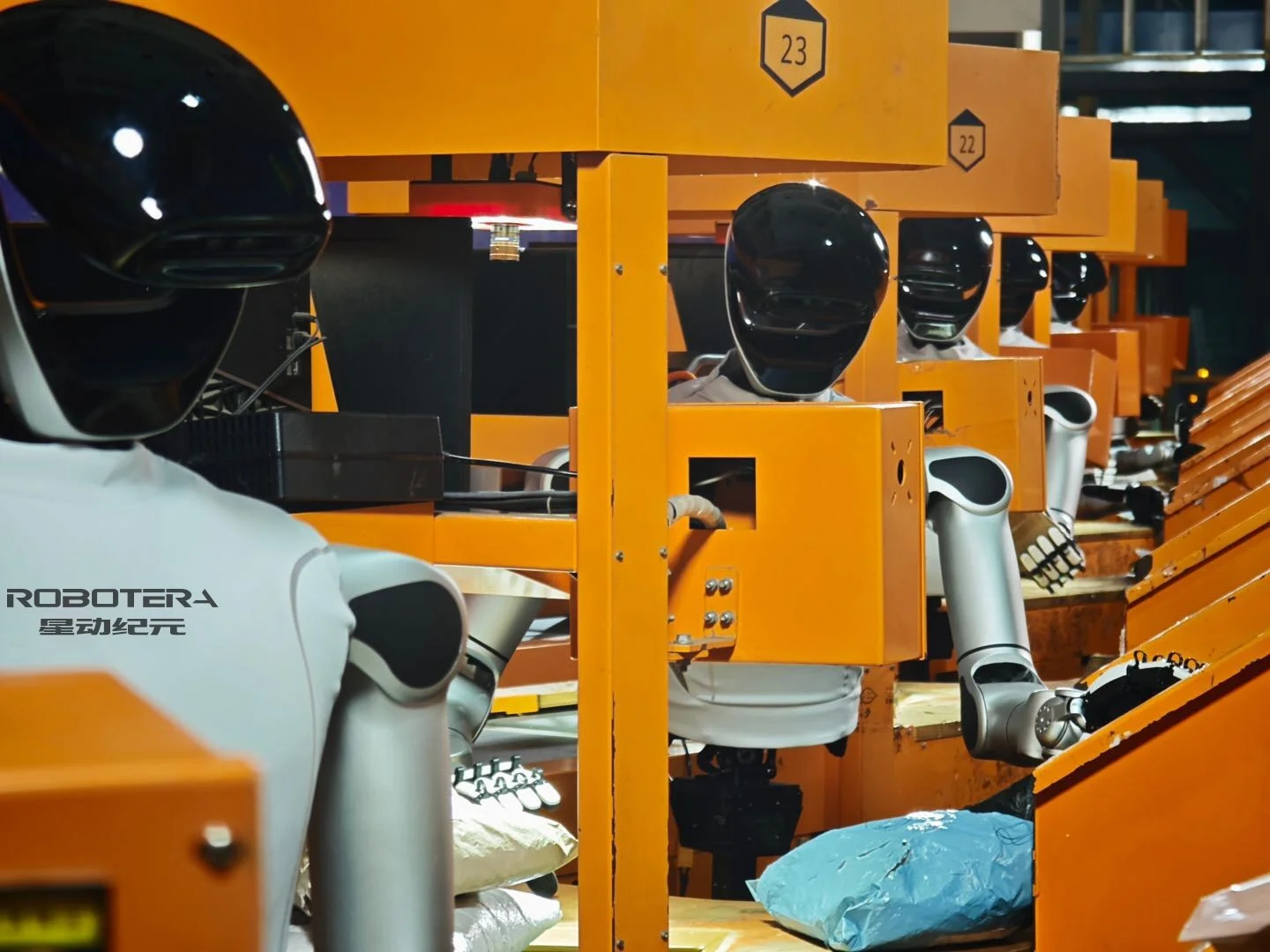
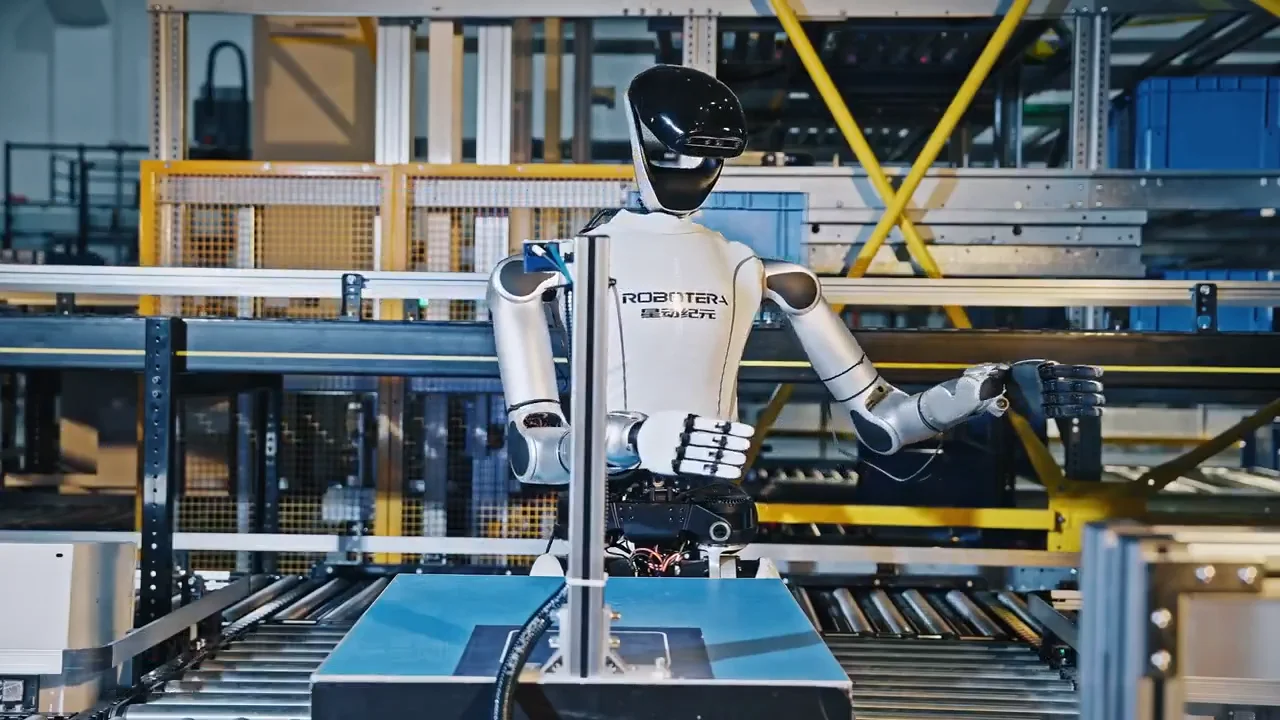
In the second quarter of 2026, the firm began delivering humanoid units at a scale of thousands of units. These robots are currently deployed across more than 10 logistics centers in North, East, and South China through partnerships with China Post and SF Group. According to Robotera, these machines have achieved up to 85% of human-level efficiency in demanding environments while maintaining 24/7 operations.
Follow humanoid robotics without following every announcement.
Get the week’s most important launches, funding and research—and why they matter—in one email from Humanoids Daily.
Once a week. Unsubscribe anytime.
Read recent issuesThe technical foundation for this scale is the company's ERA-42 architecture, a Vision-Language-Action (VLA) model. This "end-to-end" AI brain allows the L7 humanoid to process raw visual input and generate motor controls dynamically, enabling it to handle the high variance of e-commerce goods without the need for constant reprogramming.
A Strategic "All-Star" Lineup
Robotera’s investor list now reads like a directory of global manufacturing and technology leadership. By securing backers like Geely, BAIC, Renault, Samsung, and Lenovo, the company has effectively locked in its own future customer base.
- Automotive: Partnerships with Geely and BAIC, established in previous rounds, provide structured environments for testing component picking and assembly.
- Consumer Electronics: Collaborations with Samsung and TCL target precision manufacturing and cleanroom-compatible automation.
- Logistics: The lead investment from SF Group reinforces Robotera’s dominance in "flexible picking," solving the automation gap traditionally filled by temporary human labor.
The Hardware Moat
While the software provides the intelligence, Robotera’s "full-stack" approach to hardware remains a core part of its valuation. The company develops 95% of its hardware components in-house, including the XHand—a 12-degree-of-freedom (DOF) dexterous manipulator.
By treating hardware like "Lego" blocks, Robotera has been able to monetize specific modules even as it scales its full-sized humanoid. This modular strategy, combined with the new capital, is intended to drive down costs through economies of scale. As the industry moves further into 2026, Robotera appears to be betting that the "delivery battle" will be won not by the most agile robot in a lab, but by the one most deeply integrated into the world's supply chains.
Share this article
Follow humanoid robotics without following every announcement.
Get the week’s most important launches, funding and research—and why they matter—in one email from Humanoids Daily.
Once a week. Unsubscribe anytime.
Read recent issuesRead next
- Published on
- Reading time
- 3 min read
Robotera’s VPP2 Tops RoboDojo Simulation Benchmark by Linking Video Prediction to Robot Actions
- Published on
- Reading time
- 3 min read
Robotera Reaches $1.4 Billion Valuation in RMB 1 Billion Strategic Round
- Published on
- Reading time
- 3 min read
Robotera Secures $140M Series A+ Backed by Automakers Geely and BAIC, Claims $70M in Orders
- Published on
- Reading time
- 5 min read
Robotera Unveils "End-to-End" Humanoid Solution to Close Logistics’ Final Automation Gap
- Published on
- Reading time
- 3 min read
Honor Enters Humanoid Robotics Fray, Claims 4 m/s Speed for AI-Trained Unitree Robot
- Published on
- Reading time
- 3 min read
AGIBOT Coordinates 110 Production Humanoids in Guinness-Certified Dance Performance