- Published on
Menlo Research Open-Sources Asimov v1, Releasing CAD and Simulation Files for "The Rest of Us"
One tap, and our reporting appears more often in your Google Top Stories. It makes a real difference to a small newsroom.


Your guide
Rich Robinson
Jee Chee Ren · Executive tour
See China’s AI and robotics ecosystem first-hand.
Six days exploring AI, robotics and advanced manufacturing.
With Rich Robinson, Clinical Professor of Entrepreneurship at Peking University
Beijing · Guangzhou · Shenzhen
29 November–4 December 2026
Referral partnership · We earn a commission on referred bookings.
- Menlo Research has officially open-sourced the Asimov v1 hardware and software under CERN-OHL-S-2.0 and GPL-2.0 licenses.
- The release includes mechanical CAD, electrical wiring harnesses, and a MuJoCo simulation model designed for immediate locomotion policy training.
- The 1.2-meter humanoid features 25 actuated degrees of freedom and a modular design utilizing CNC-machined 7075 aluminum and MJF-printed nylon.
- Developers can choose between a $15,000 DIY kit or self-sourcing components via an open Bill of Materials (BOM).
- The project aims to reduce "rebuild friction" by bypassing proprietary "black box" systems common in the robotics industry.
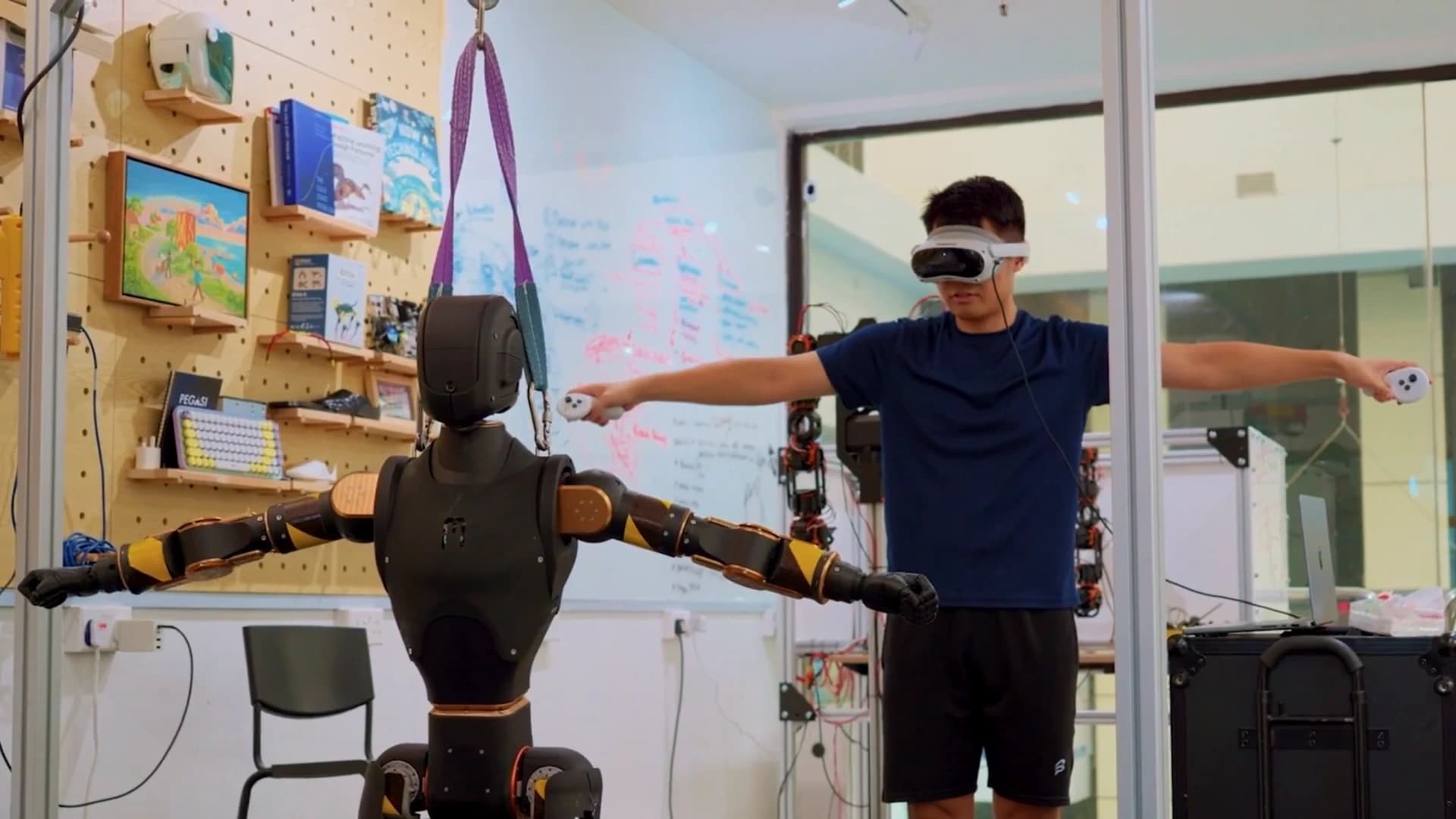
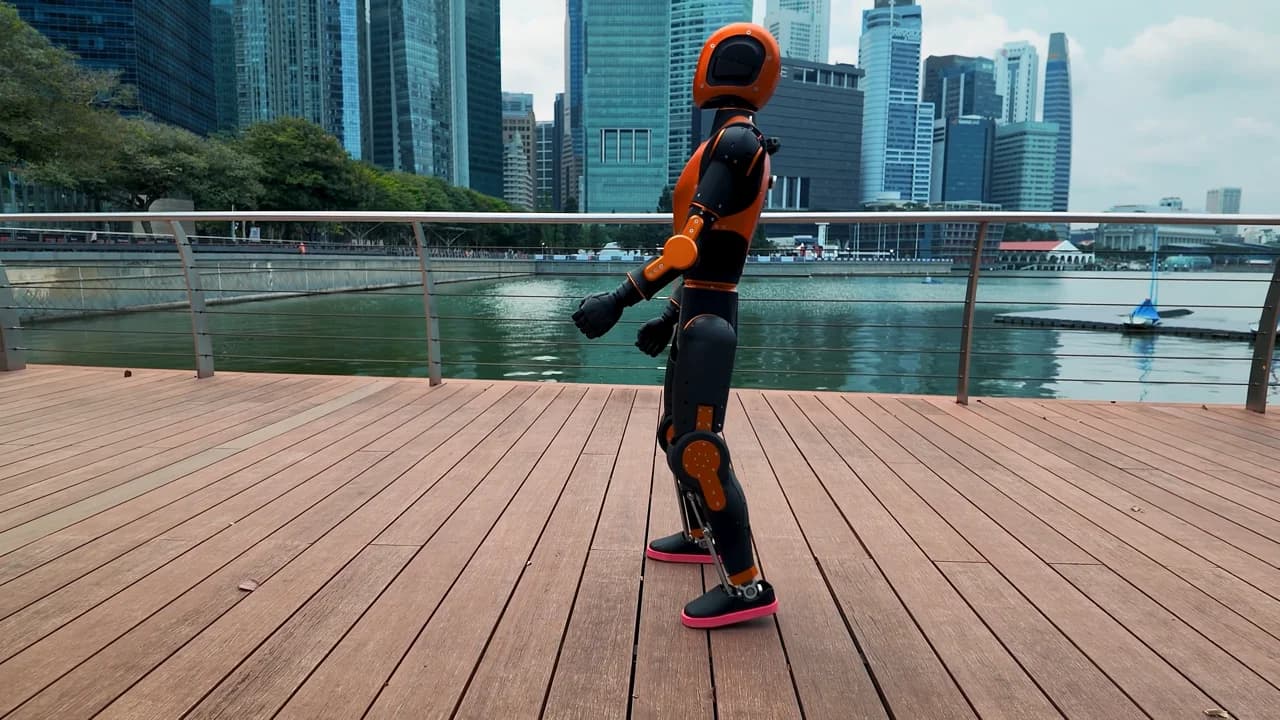
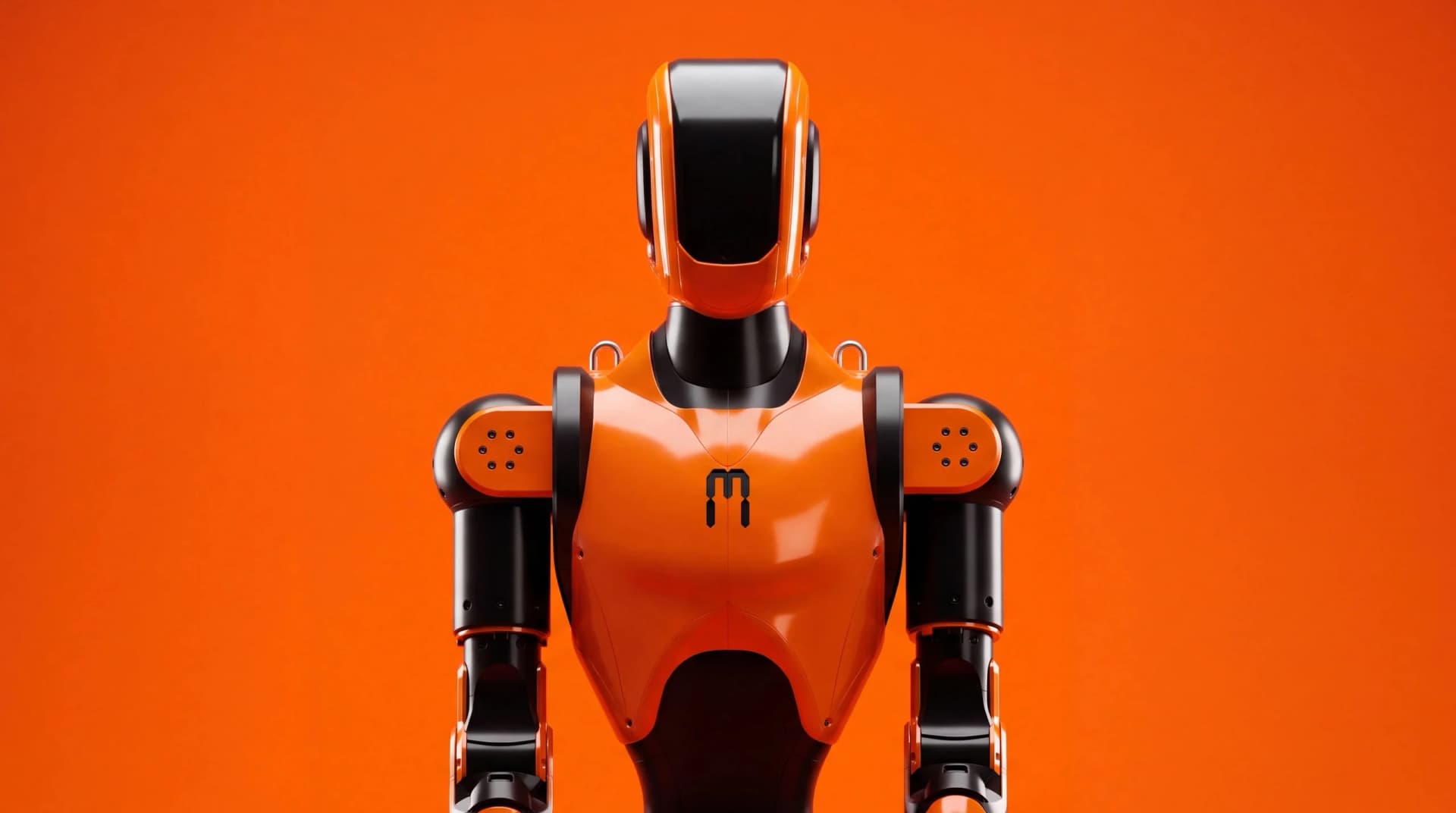
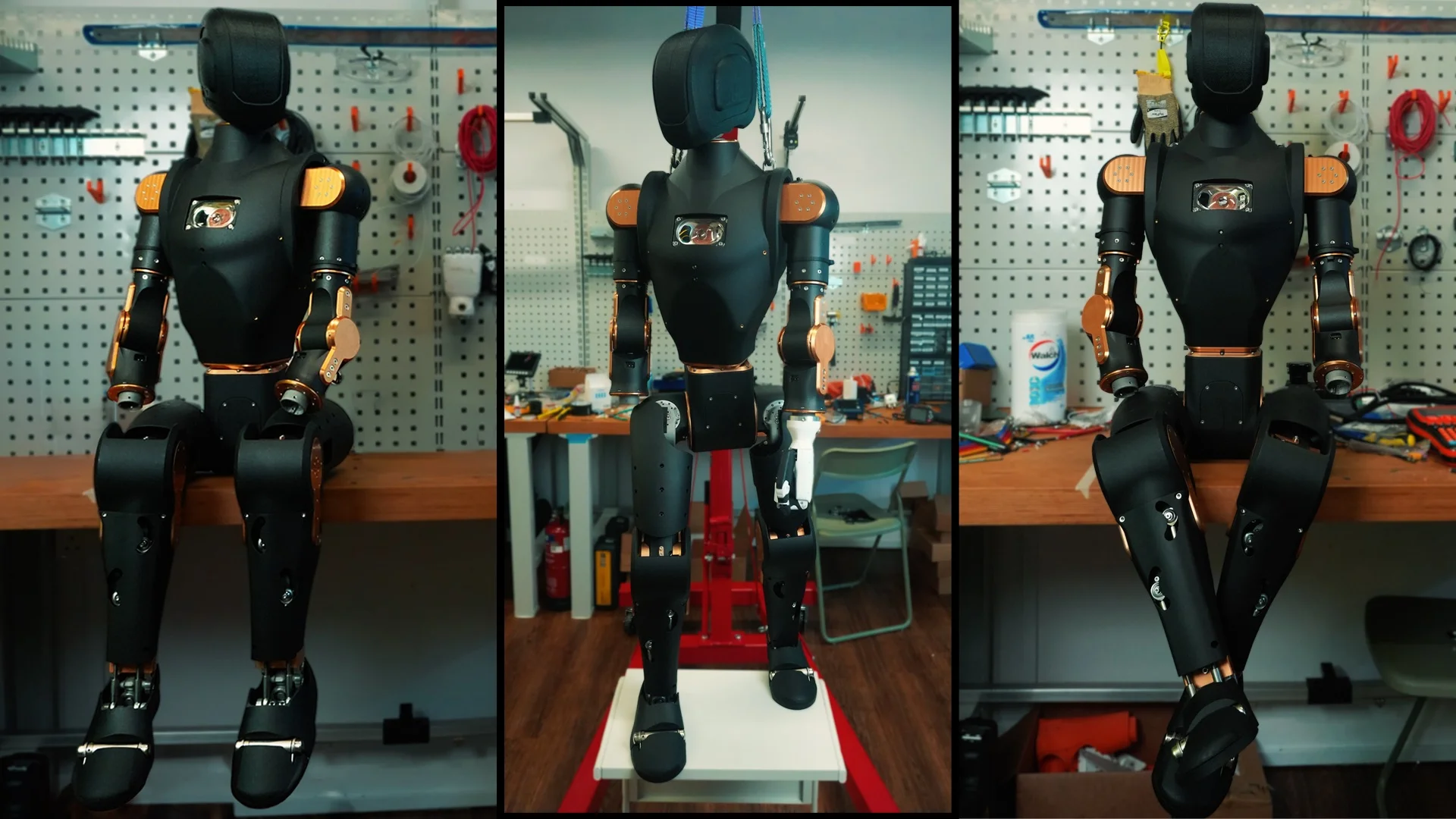
In a significant move toward the commoditization of bipedal robotics, Menlo Research has officially released the open-source files for its Asimov v1 humanoid. The release, announced via X (formerly Twitter) and a GitHub repository, provides the global developer community with the mechanical, electrical, and simulation blueprints required to build and customize the 1.2-meter-tall robot from scratch.
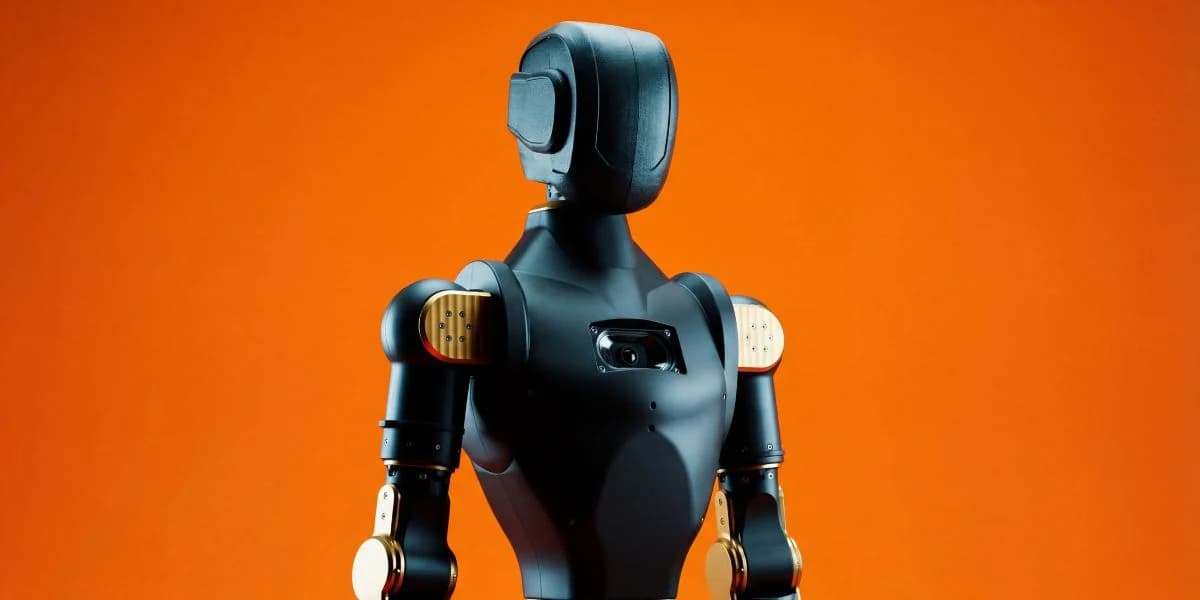
This move follows the launch of the $15,000 "Here Be Dragons" DIY kit earlier this year. By providing an open Bill of Materials (BOM) and fabrication files, Menlo Research is positioning Asimov as a reproducible baseline for researchers and hobbyists alike.
A Modular Design for "The Rest of Us"
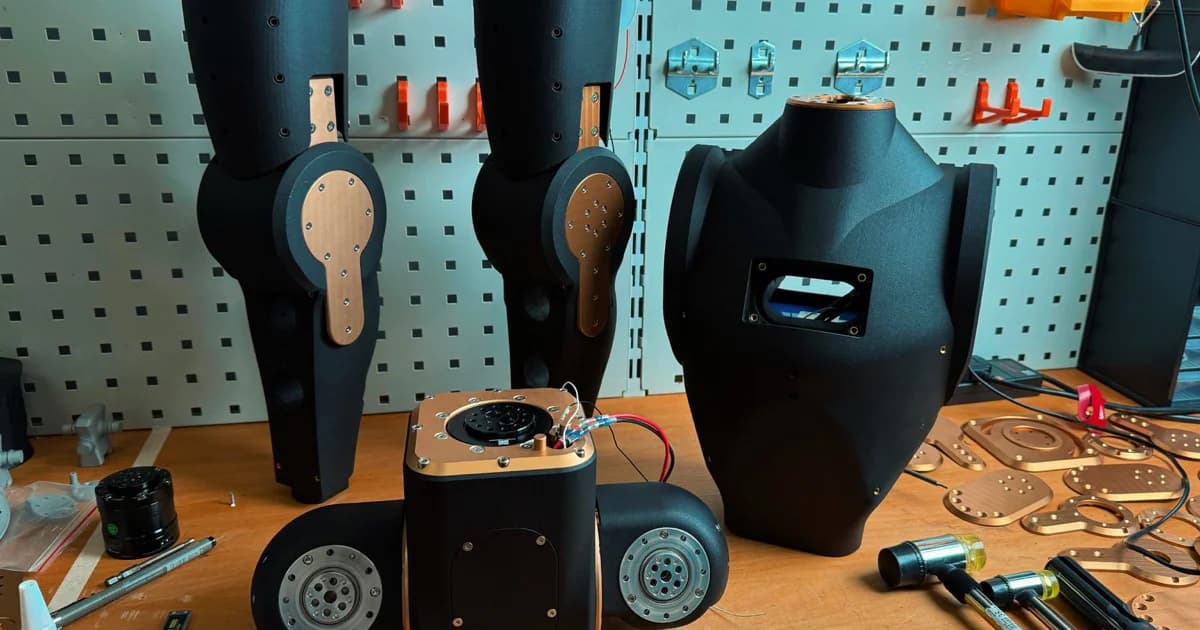
The Asimov v1 is a 35kg bipedal platform featuring 25 actuated degrees of freedom (DoF) and two passive toe joints. According to the newly released technical specifications, the robot’s architecture is split across seven major sub-assemblies. The structural integrity is supported by 7075 aluminum for load-bearing parts, while non-structural elements are optimized for Multi Jet Fusion (MJF) PA12 nylon 3D printing.
The hardware stack is powered by a dual-compute setup: a Raspberry Pi 5 handles media and networking tasks, while a Radxa CM5 manages real-time motion control. This compute power drives a sophisticated sensor suite, including a 2MP monocular camera, a quad-microphone array, and integrated IMUs. Notably, the mechanical design includes the innovative RSU (Revolute-Spherical-Universal) ankle mechanism, which allows for more natural responses to ground forces through parallel actuation.
The weekly humanoid robotics briefing
One email a week: the launches, funding and research that mattered, with context from Humanoids Daily.
Read recent issuesBridging the Sim-to-Real Gap
Central to the open-source release is the inclusion of a MuJoCo simulation model. Menlo Research has designed the platform to be "ready for locomotion policy training out of the box," addressing the complex 100-hour path to a walking humanoid.
The software strategy employs Processor-in-the-Loop (PIL) simulation, which intentionally injects "unfair" reality—such as CANBus latencies of up to 9ms and sensor noise—into the training environment. This ensures that the reinforcement learning policies developed in simulation can survive the transition to physical hardware without extensive manual fine-tuning.
Open-Source Economics and the Path Ahead
While the "Here Be Dragons" DIY kit is available for pre-order with a $499 deposit and a target price of $15,000, the open-source release allows builders to bypass the kit entirely by self-sourcing components. However, the team warns that even with the files in hand, building the Asimov v1 remains a complex engineering undertaking involving intricate wiring and precise mechanical calibration.
The project’s roadmap indicates that while mechanical CAD and simulation models are now live, electrical schematics, PCB files, and a dedicated mobile app are still in development. Shipments for the official DIY kits are expected to begin by the end of summer 2026.
Share this article
Read next
- Published on
- Reading time
- 3 min read
Asimov Releases Python SDK, Announces Open-Source Edge Control Layer
- Published on
- Reading time
- 4 min read
Asimov Open-Sources the Training Code Behind Its Humanoid’s Walk
- Published on
- Reading time
- 4 min read
Asimov 1 DIY Humanoid Kits Begin Shipping as Team Details Final Costs
- Published on
- Reading time
- 4 min read
Beyond the Kit: Asimov Details the 100-Hour Path to a Walking Humanoid
- Published on
- Reading time
- 4 min read
Asimov Launches $15,000 "Here Be Dragons" DIY Humanoid Kit
- Published on
- Reading time
- 3 min read
AGIBOT Releases Physical Reasoning Dataset to Connect Robot Decisions With Actions
The weekly humanoid robotics briefing
One email a week: the launches, funding and research that mattered, with context from Humanoids Daily.
Read recent issues