- Published on
XPENG's Head of Robotics Admits Hardware is 'Bottleneck' as 2026 Production Goal Looms
One tap, and our reporting appears more often in your Google Top Stories. It makes a real difference to a small newsroom.


Your guide
Rich Robinson
Jee Chee Ren · Executive tour
See China’s AI and robotics ecosystem first-hand.
Six days exploring AI, robotics and advanced manufacturing.
With Rich Robinson, Clinical Professor of Entrepreneurship at Peking University
Beijing · Guangzhou · Shenzhen
29 November–4 December 2026
Referral partnership · We earn a commission on referred bookings.
- XPENG's head of robotics, Mi Liangchuan (LC), admits that hardware reliability is currently the primary bottleneck holding back the company’s AI capabilities.
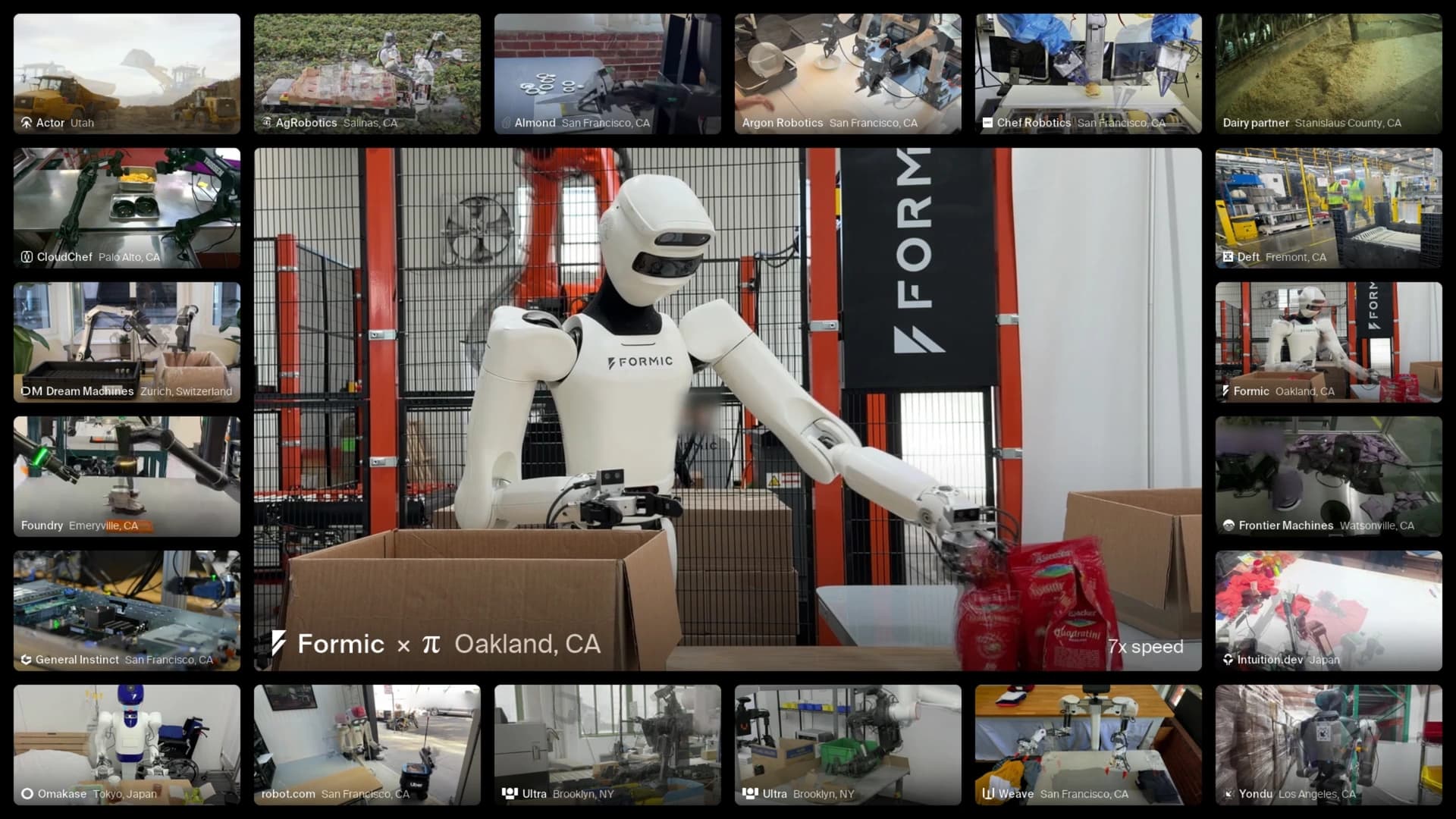
- The company is actively building a "data factory" in Guangzhou to solve the scaling challenges of Physical AI, though the specific type of training data remains proprietary.
- The production-grade Iron robot will utilize a triple-Turing chip architecture and run VLA 2.0, the same underlying AI stack used in XPENG’s autonomous vehicles.
- Reporting reliability issues with first-generation hands, XPENG is pursuing multiple R&D tracks for its next-gen dexterous hardware rather than settling on a single design.
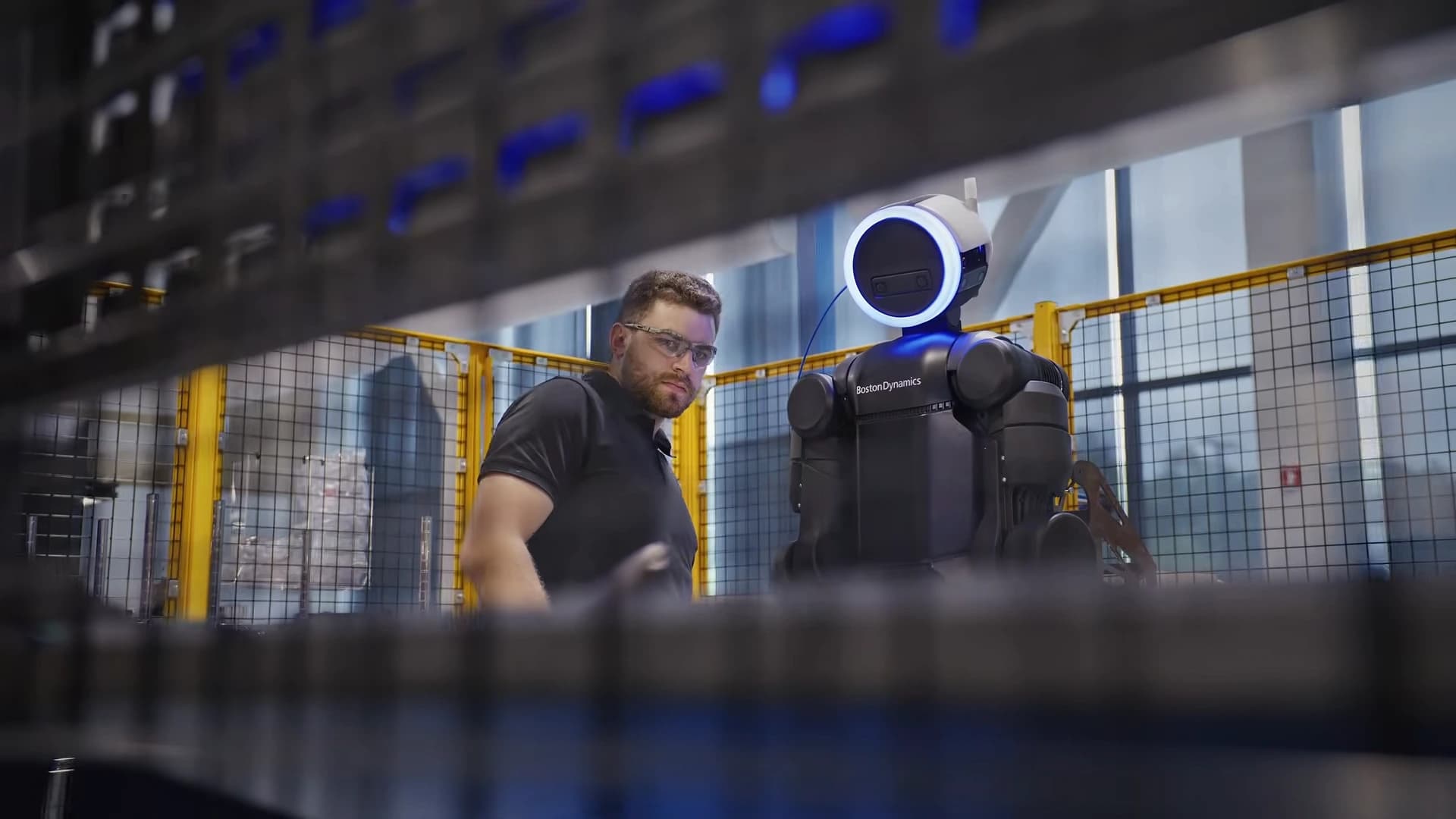
- XPENG views the humanoid market as a non-competitive space at this stage, prioritizing the "boundary between human and machine" over immediate rivalry with firms like Tesla or Boston Dynamics.
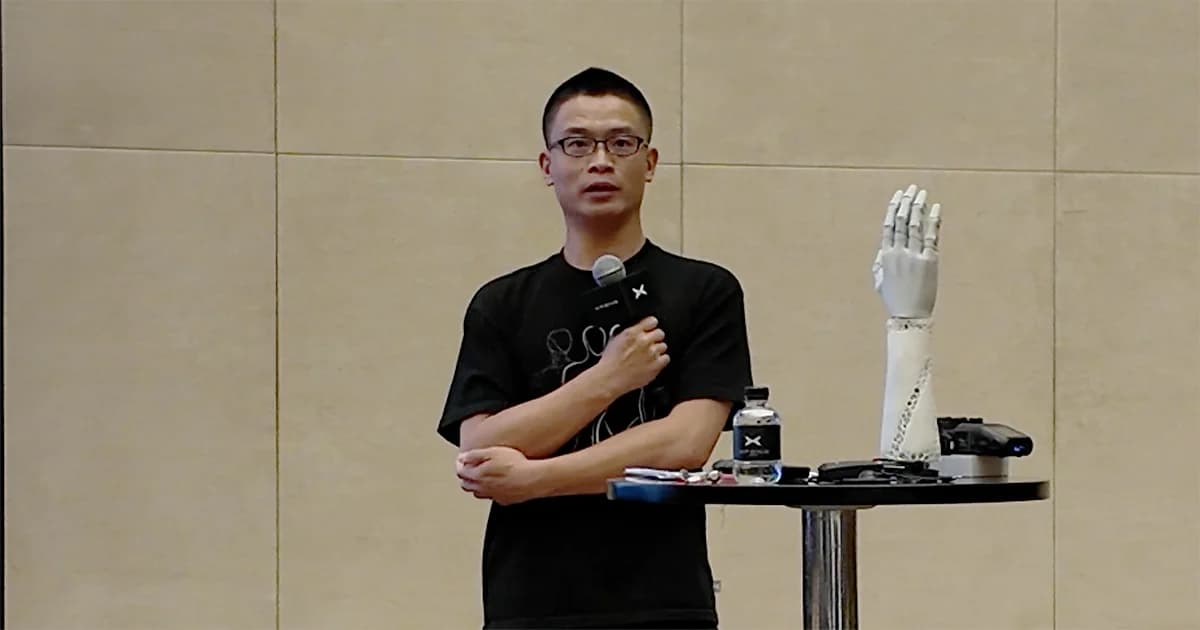
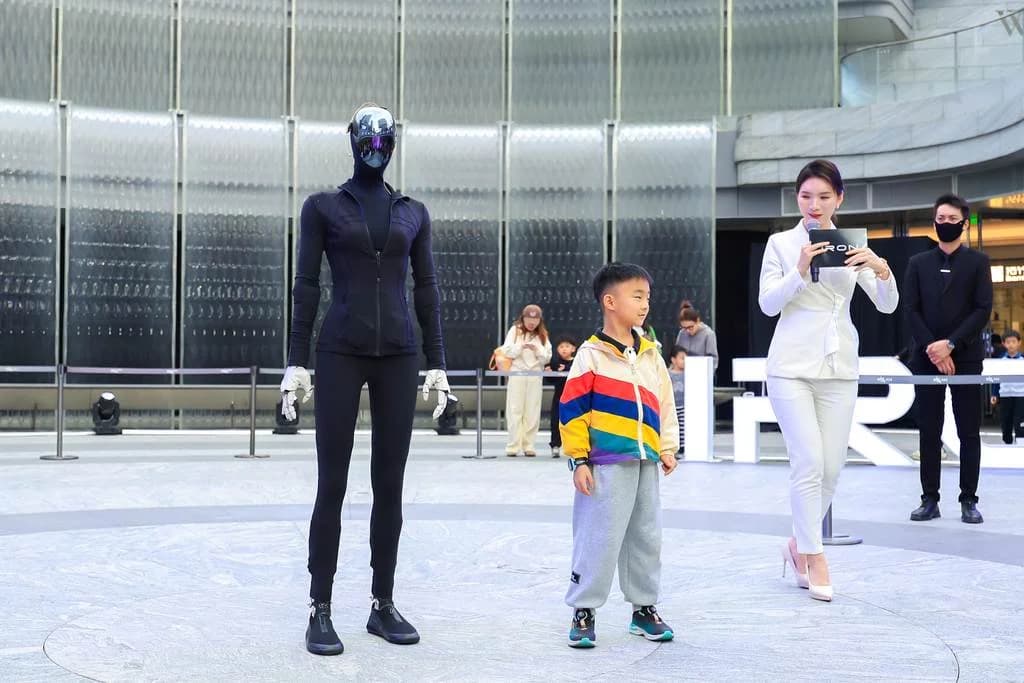
BEIJING — Humanoids Daily is on the ground in Guangzhou and Beijing this week for XPENG’s 2026 "AI in Motion" media tour. At a technical workshop Mi Liangchuan, the company’s head of AI and robotics, offered a candid assessment of the hurdles facing the Iron humanoid platform. While the company maintains its ambitious 2026 mass production target, Mi suggested that they are currently being held back by the stubborn realities of mechanical engineering.
Software Speed vs. Hardware Hiccups
Speaking to us directly about the current state of development, Mi acknowledged that XPENG’s AI progress is currently outpacing its hardware. "Surprisingly, AI is not our bottleneck," Mi told the gathered media. "AI is going strong... but all our falling in the past, almost none of them came from AI or the controller. It’s all coming from a little wire somewhere or some signal disconnection".
This "hardware bottleneck" is particularly evident in the development of the robot's extremities. XPENG has previously noted that early factory trials saw hands fail in less than a month. Mi confirmed that the team is still exploring multiple "tracks" for a second-generation hand but has yet to conclude which path will reach the final production line.
The Guangzhou Data Factory
To feed the "Physical AI" models, Mi revealed that XPENG is constructing a dedicated data factory in Guangzhou. While he declined to specify the exact nature of the data being collected, he noted that the "scaling laws" seen in Large Language Models (LLMs) appear to apply to robotics as well.
The weekly humanoid robotics briefing
One email a week: the launches, funding and research that mattered, with context from Humanoids Daily.
Read recent issuesThe strategy relies heavily on "manufacturing synergy" with XPENG’s automotive wing. The latest version of Iron is already running VLA 2.0 (Vision-Language-Action), the same architecture powering the company’s latest autonomous driving systems. By sharing Turing AI chips and navigation models between cars and robots, XPENG hopes to solve the "long-tail" problems of navigation more efficiently than pure-play robotics firms.
A Human-Centric Mission
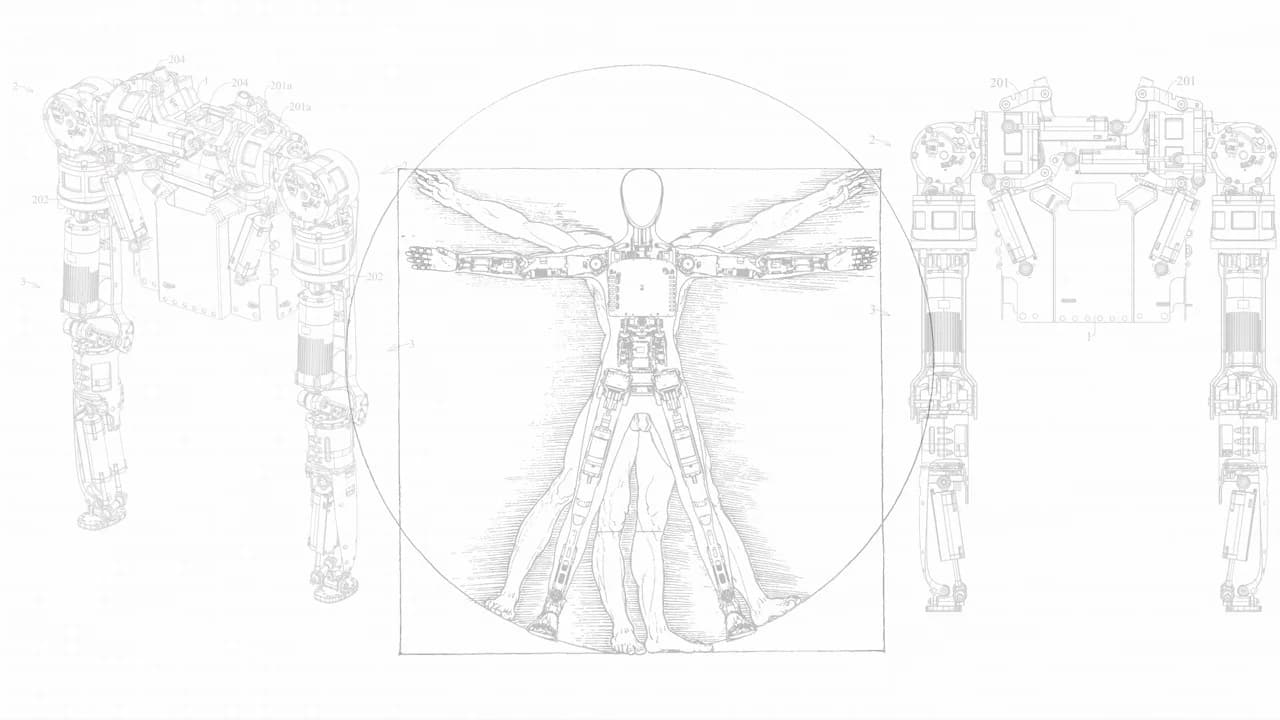
Beyond the technical specifications—which include an 84-joint architecture and a five-degree-of-freedom waist—Mi framed the project in deeply personal terms. He shared the story of his neighbor, Danny, who was forced into a care facility because his family could not support his needs at home.
"Our motivation to build a humanoid robot to help people is an ultimate mission," Mi said, visibly moved. He envisions the Iron platform eventually serving as a "family member" that allows the elderly or sick to remain in their homes.
Market Outlook: No Room for Rivalry
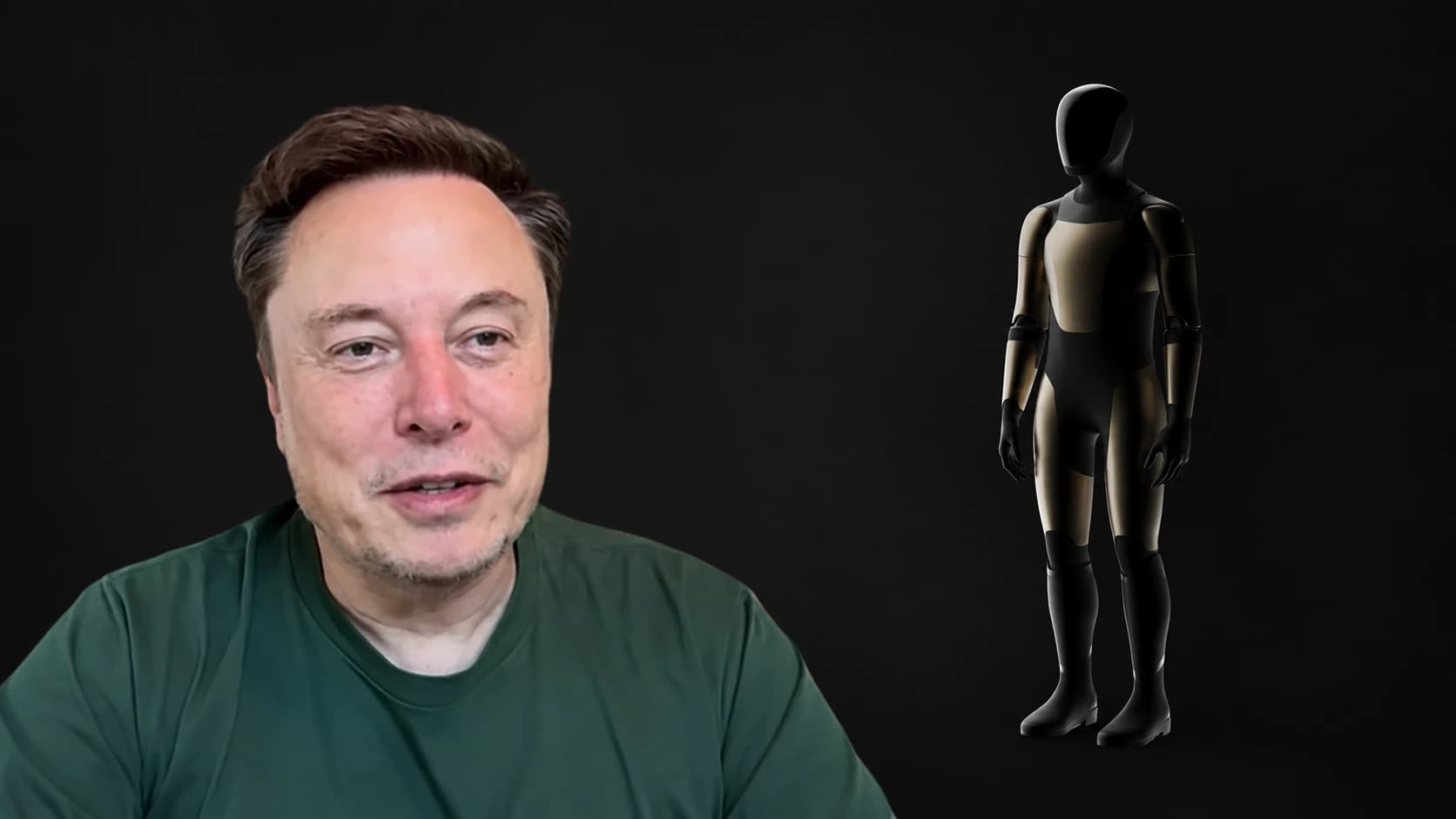
Interestingly, Mi dismissed the idea of a "humanoid race" against global competitors like Tesla or Unitree. Despite XPENG's recent surging market capitalization, he argued that the potential market is too vast for traditional competition to be the primary focus.
"We don’t treat any team from any country as a competitor because the market is so huge and the industry is still at an early stage," Mi stated. Instead, the company is focusing on "adoption"—the psychological process of humans accepting a machine that looks and moves like them.
As XPENG prepares their Guangzhou production base, the focus has shifted from proving the robot is "real" to ensuring it is reliable enough to start mass producing it.
Share this article
Read next
- Published on
- Reading time
- 6 min read
Inside XPENG’s Bet on IRON: He Xiaopeng on Why the Hardest Path in Humanoid Robotics Is Never Crowded
- Published on
- Reading time
- 6 min read
XPENG Launches Mass Production of IRON Humanoid
- Published on
- Reading time
- 4 min read
Xpeng to Break Ground on "Full-Chain" Humanoid Factory to Meet 2026 Production Goal
- Published on
- Reading time
- 3 min read
XPENG CEO Targets Late 2026 for Massive IRON Deployment
- Published on
- Reading time
- 5 min read
Simulating the 'Masterpiece': XPENG Robotics Unveils Design Framework and Lattice Musculature for IRON
- Published on
- Reading time
- 3 min read
Xpeng Iron Hits the Catwalk: Humanoid Prototype Makes Surprise Debut in Shenzhen

The weekly humanoid robotics briefing
One email a week: the launches, funding and research that mattered, with context from Humanoids Daily.
Read recent issues