- Published on
Tau Robotics Launches $30 Hour Humanoid Cleaning Service Amidst FCC Ban Turmoil
One tap, and our reporting appears more often in your Google Top Stories. It makes a real difference to a small newsroom.

Supported by RoboStrategySupport for Humanoids Daily comes from RoboStrategy
Sponsored

Investing involves risk, including possible loss of principal. Read the prospectus before investing.
- Tau Robotics has launched a $30-per-hour humanoid cleaning service in San Francisco, currently restricted to an invite-only waitlist.
- The company utilizes modified Unitree G1 robots, leveraging a combination of artificial intelligence and human teleoperation to perform tasks like vacuuming and wiping surfaces.
- The reliance on Unitree hardware poses a significant regulatory risk, given the recent sweeping FCC ban on foreign-produced humanoids.
Tau Robotics recently went viral on X with compelling footage of humanoid robots navigating San Francisco homes. Founder and CEO Alexander Koch officially announced the launch of the company's humanoid cleaning service, priced aggressively at $30 per hour. Currently operating on an invite-only basis, the startup promises to handle everyday chores ranging from vacuuming floors and taking out the trash to wiping down counters and clearing clutter.
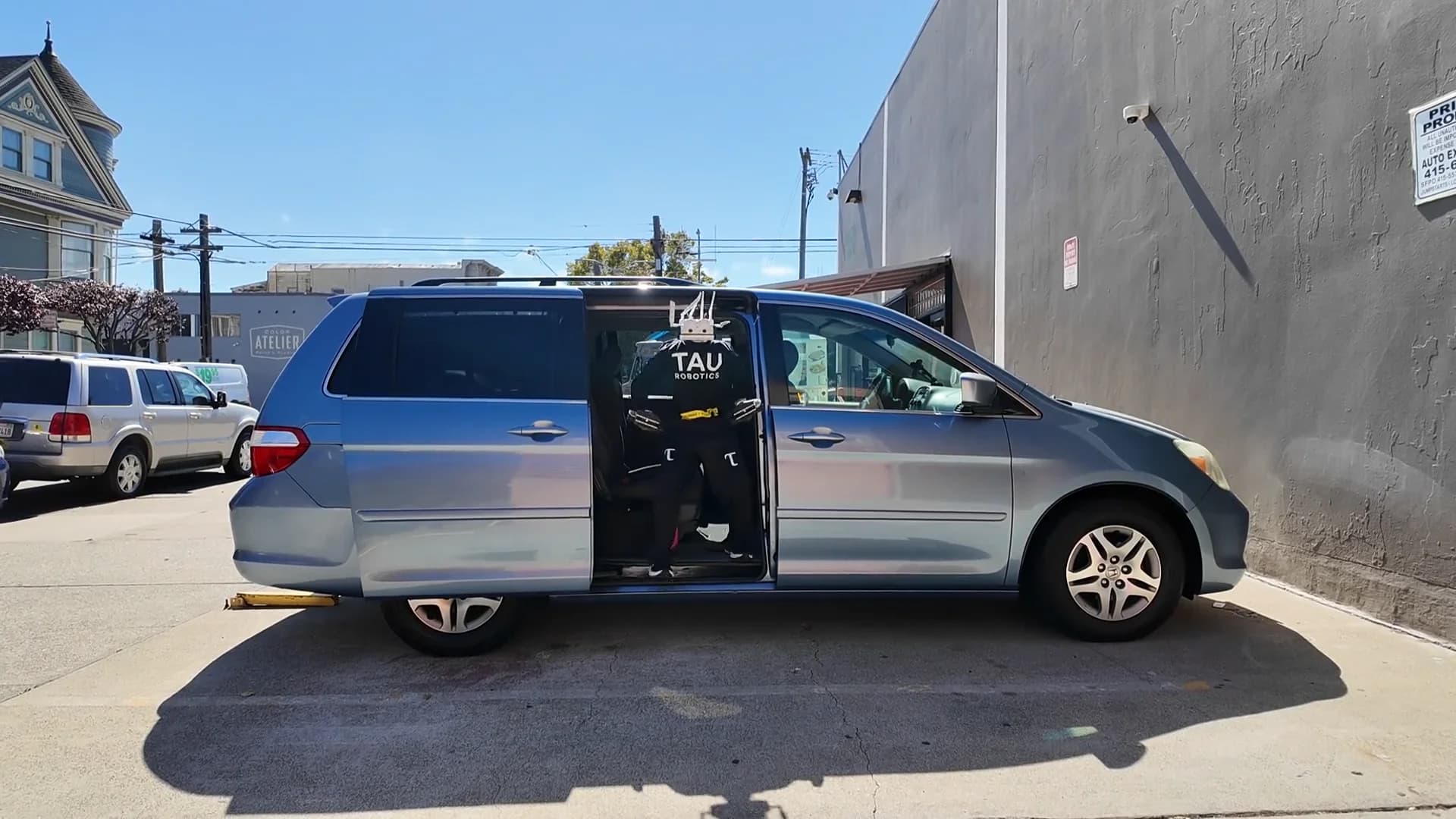
The demonstration videos—which Koch notes are presented at 1x speed—showcase remarkable full-body control. The robots can be seen dynamically jumping out of vehicles, bending down to retrieve stray items from the floor, and using their feet to operate trash can pedals. According to the company, the machines are jointly controlled by a human operator and an AI system, acting as a physical extension of a remote worker.
Hardware Choices and the FCC Roadblock
For its physical fleet, Tau Robotics has opted to use the G1 humanoid platform manufactured by Chinese robotics firm Unitree.
However, Tau's robots are visibly modified. They feature custom heads heavily equipped with antennas, likely engineered to ensure the zero-latency, high-bandwidth connectivity required for seamless teleoperation in varied domestic Wi-Fi environments.
The weekly humanoid robotics briefing
One email a week: the launches, funding and research that mattered, with context from Humanoids Daily.
Read recent issuesMore pressingly, the reliance on Unitree introduces a regulatory vulnerability. The Federal Communications Commission (FCC) recently enacted a sweeping ban on the import and sale of new foreign-produced advanced robotic devices weighing over 4.4 pounds, a restriction that explicitly targets Chinese manufacturers. The ban was implemented to protect U.S. infrastructure from potential surveillance and data theft.
The Teleoperation Crutch and Technical Skepticism
The $30-per-hour service leans heavily on human teleoperation. While Tau’s website advertises specialized "personas" like "Chelsea" for deep cleaning and "Elon" for recurring visits, the underlying intelligence is still a hybrid approach.
Koch has previously acknowledged that general-purpose robots will require trillions of trials to learn effectively. In 2025, he detailed the company's development of a 1-billion-parameter world model—a large causal transformer with a flow-matching head—optimized for reinforcement learning in imagination and trained on a massive dataset of human and multi-camera robot data.
Privacy and the "Human in the Loop"
The necessity of human teleoperators introduces significant privacy concerns for a device operating inside private homes. Having remote workers constantly streaming video from a living room is a tough sell, which likely partly explains why Tau Robotics is tightly controlling its rollout via an invite-only waitlist.
This privacy debate is not unique to Tau. Competitors like 1X Technologies have fiercely defended their own human-in-the-loop systems, arguing that with proper vetting, anonymization, and audit trails, teleoperated robots can actually be "more secure" than traditional human house cleaners.
For now, Tau Robotics is navigating the classic embodied AI bottleneck: using human teleoperation to provide immediate utility while simultaneously seeking to gather the massive amounts of data required to eventually train an autonomous system.
Share this article
Read next
- Published on
- Reading time
- 5 min read
Beyond Imitation: MotionDisco Uses LLMs to Discover Whole-Body Humanoid Skills From Scratch
- Published on
- Reading time
- 3 min read
Racing for the Future: The Complex Dynamics of Humanoid Robotics
- Published on
- Reading time
- 5 min read
BitRobot and Hugging Face Drop HIW-500: A Massive 10TB Real-Home Humanoid Dataset
- Published on
- Reading time
- 3 min read
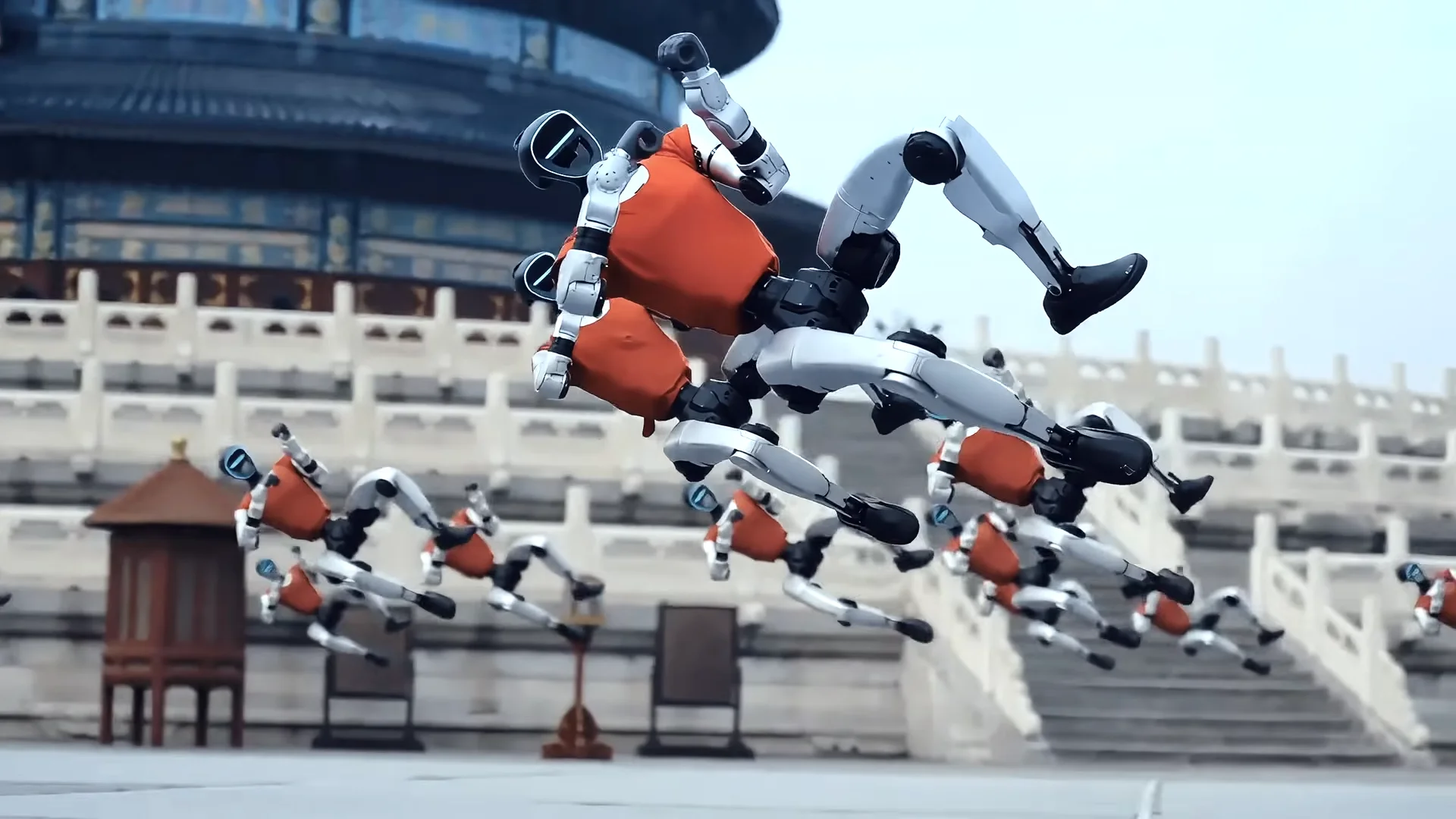
Sacred Ground, Silicon Swarm: Unitree’s G1 Fleet Performs at the Temple of Heaven
- Published on
- Reading time
- 3 min read
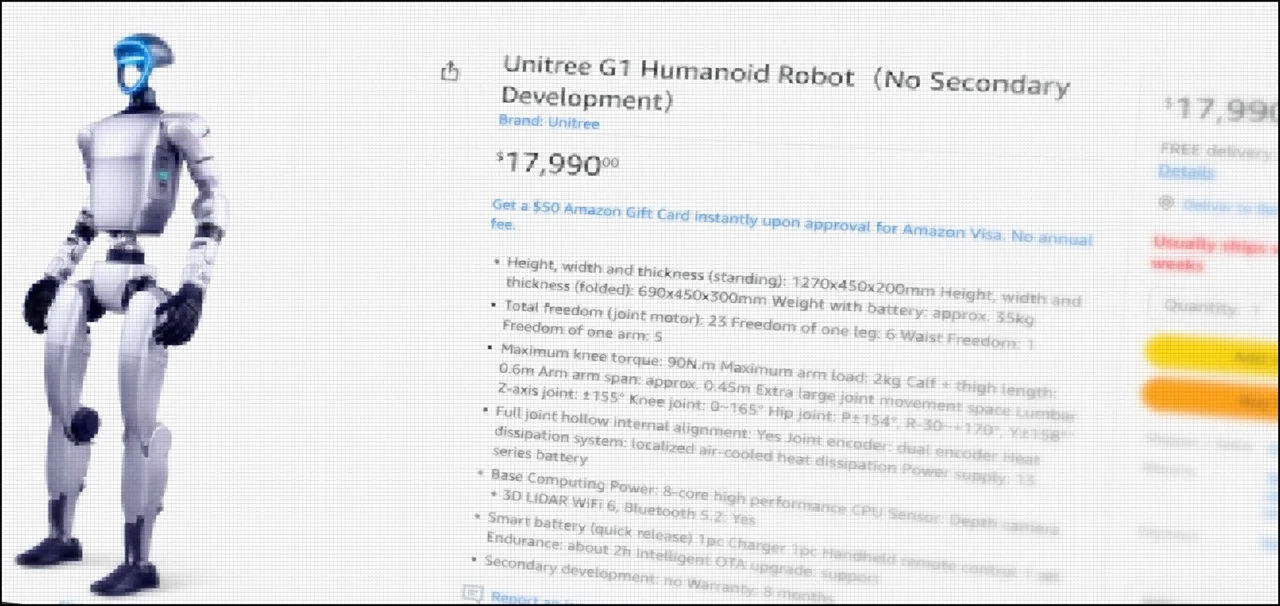
One-Click Humanoid: Unitree G1 Hits Amazon US with a 'Convenience Premium'
- Published on
- Reading time
- 4 min read
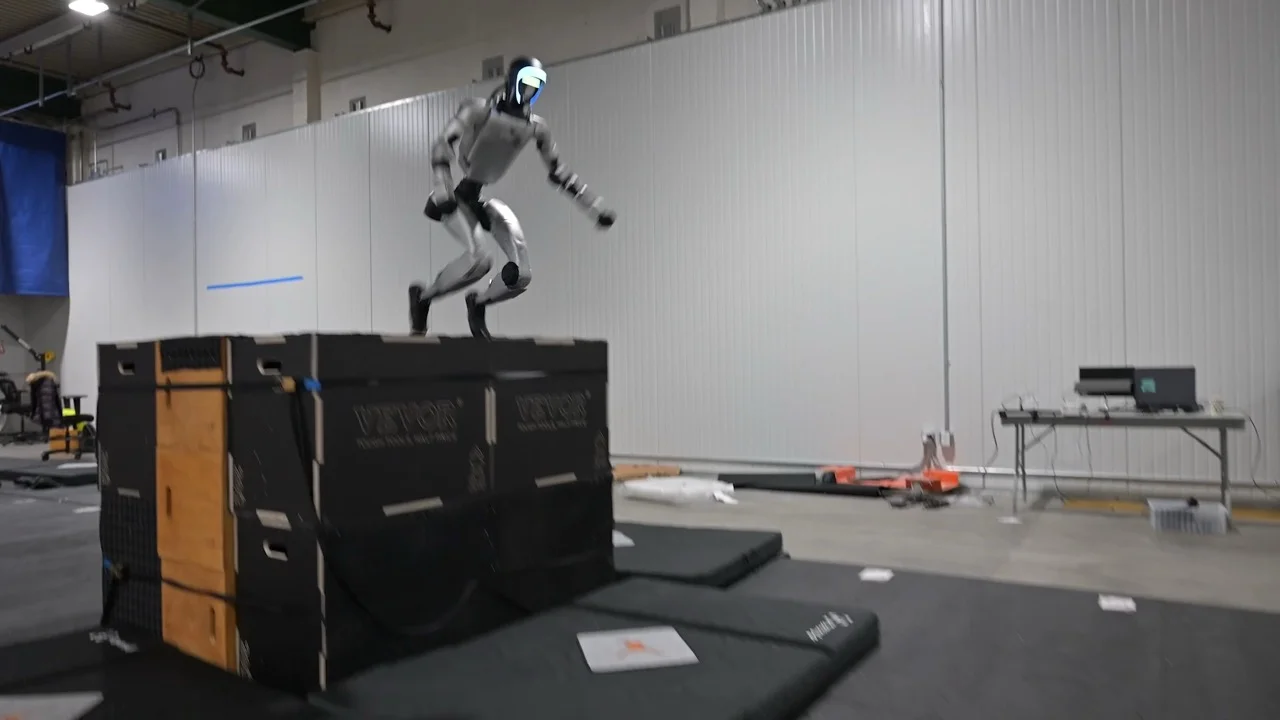
Parkour for Humanoids: Amazon’s PHP Framework Masters Agile Traversal
The weekly humanoid robotics briefing
One email a week: the launches, funding and research that mattered, with context from Humanoids Daily.
Read recent issues