- Published on
Galbot Reportedly Eyes $4 Billion Hong Kong IPO, Joining China’s Humanoid Rush
One tap, and our reporting appears more often in your Google Top Stories. It makes a real difference to a small newsroom.


Your guide
Rich Robinson
Jee Chee Ren · Executive tour
See China’s AI and robotics ecosystem first-hand.
Six days exploring AI, robotics and advanced manufacturing.
With Rich Robinson, Clinical Professor of Entrepreneurship at Peking University
Beijing · Guangzhou · Shenzhen
29 November–4 December 2026
Referral partnership · We earn a commission on referred bookings.
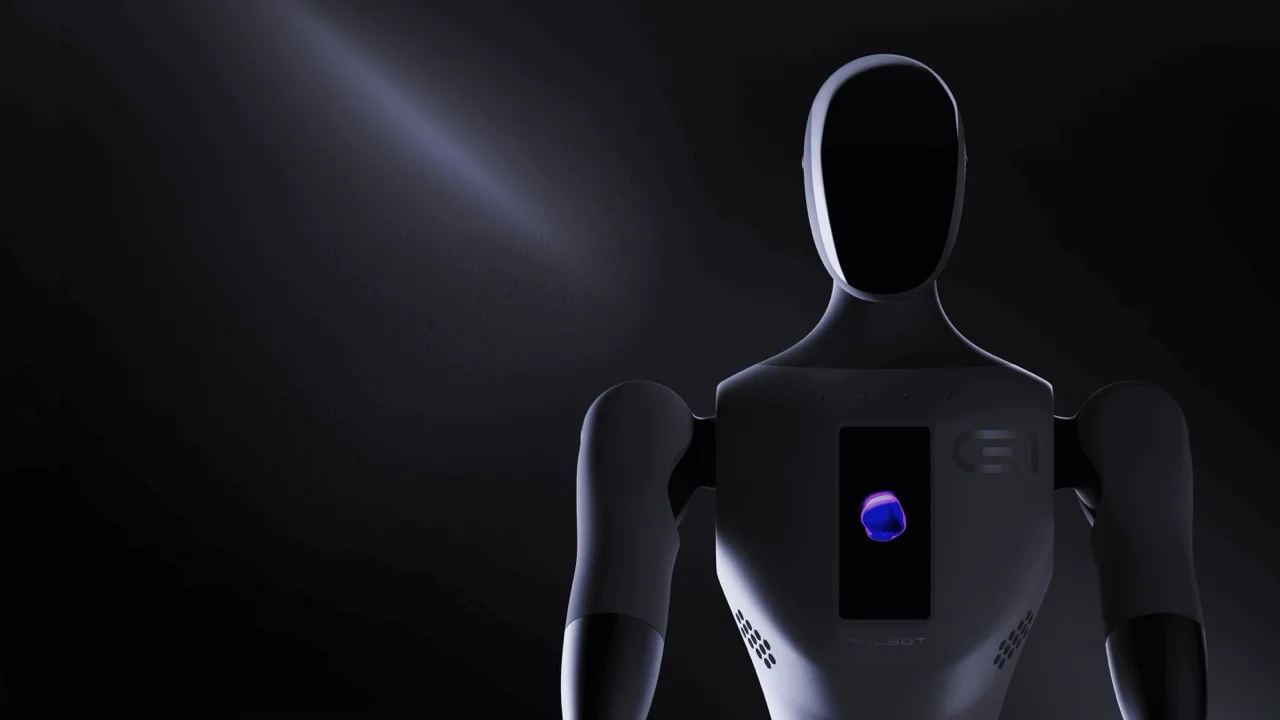
Another major player in China’s humanoid robotics sector appears to be preparing for the public markets, despite official denials.
Galbot, a Beijing-based startup known for its retail-focused service robots, is reportedly considering an initial public offering in Hong Kong as early as 2026. According to a report from Tech in Asia (citing Bloomberg), the company has selected Citic Securities, Huatai Securities, and UBS Group AG to manage the potential share sale, with a filing possible as soon as next quarter.
If successful, Galbot would seek a valuation between $3 billion and $4 billion—a massive leap from its current standing that highlights the aggressive capital ambitions defining the Chinese robotics landscape.
The "Restructuring" Defense
Like its competitors, Galbot is officially playing down the rumors. In a statement, the company claimed the information "isn't true," characterizing its current moves as a "shareholding restructuring" aimed at securing new investors from the primary market rather than a public listing.
Follow humanoid robotics without following every announcement.
Get the week’s most important launches, funding and research—and why they matter—in one email from Humanoids Daily.
Once a week. Unsubscribe anytime.
Read recent issuesHowever, seasoned observers of the Chinese tech sector will recognize this specific phrasing. "Shareholding reform" is a standard legal prerequisite for Chinese limited liability companies to convert into joint-stock companies—a necessary step before an IPO.
We saw this exact pattern play out just last month with Deep Robotics, which completed its own shareholding reform shortly before signaling its IPO intentions. Similarly, Unitree Robotics adjusted its corporate structure and name in November as part of its confirmed march toward an A-share listing.
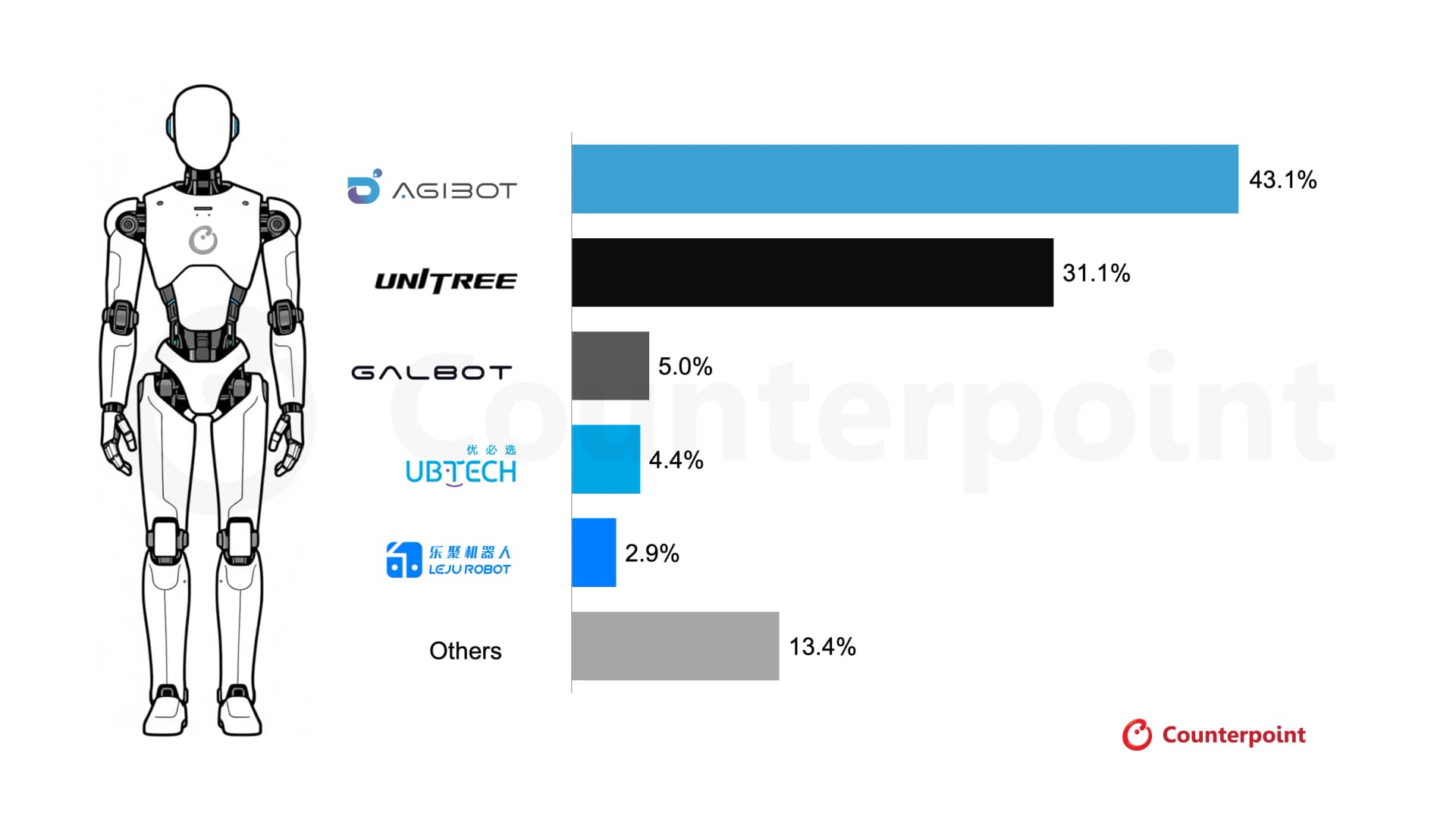
If Galbot proceeds, it will join a crowded race. AgiBot (Zhiyuan Robotics) is also reportedly planning a Hong Kong IPO in 2026, while Unitree and Aelos Robotics are targeting mainland exchanges.
The $4 Billion Question
The reported valuation target of $3 billion to $4 billion represents a significant markup from Galbot’s most recent watermark.
In June 2025, the company raised approximately 1.1 billion yuan (~$156 million) in a funding round led by battery titan CATL, which valued the startup at around $2 billion. To nearly double that valuation in less than a year—amidst a cooling global venture market—suggests Galbot is banking heavily on the "robot fever" currently gripping Chinese investors.
This aggressive valuation target comes at a sensitive time. Just weeks ago, China’s National Development and Reform Commission (NDRC) issued a rare warning regarding "bubbles" and "repetitive" low-quality projects in the humanoid sector. With over 150 startups now vying for capital, regulators are increasingly wary of inflated valuations driven by hype rather than industrial utility.
Backed by "Dream Team" Status
Despite the bubble fears, Galbot has established itself as a serious technical contender. The company was recently named to the Ministry of Industry and Information Technology's national standardisation committee, placing it alongside industry leaders like Unitree and UBTECH in defining the country's technical future.
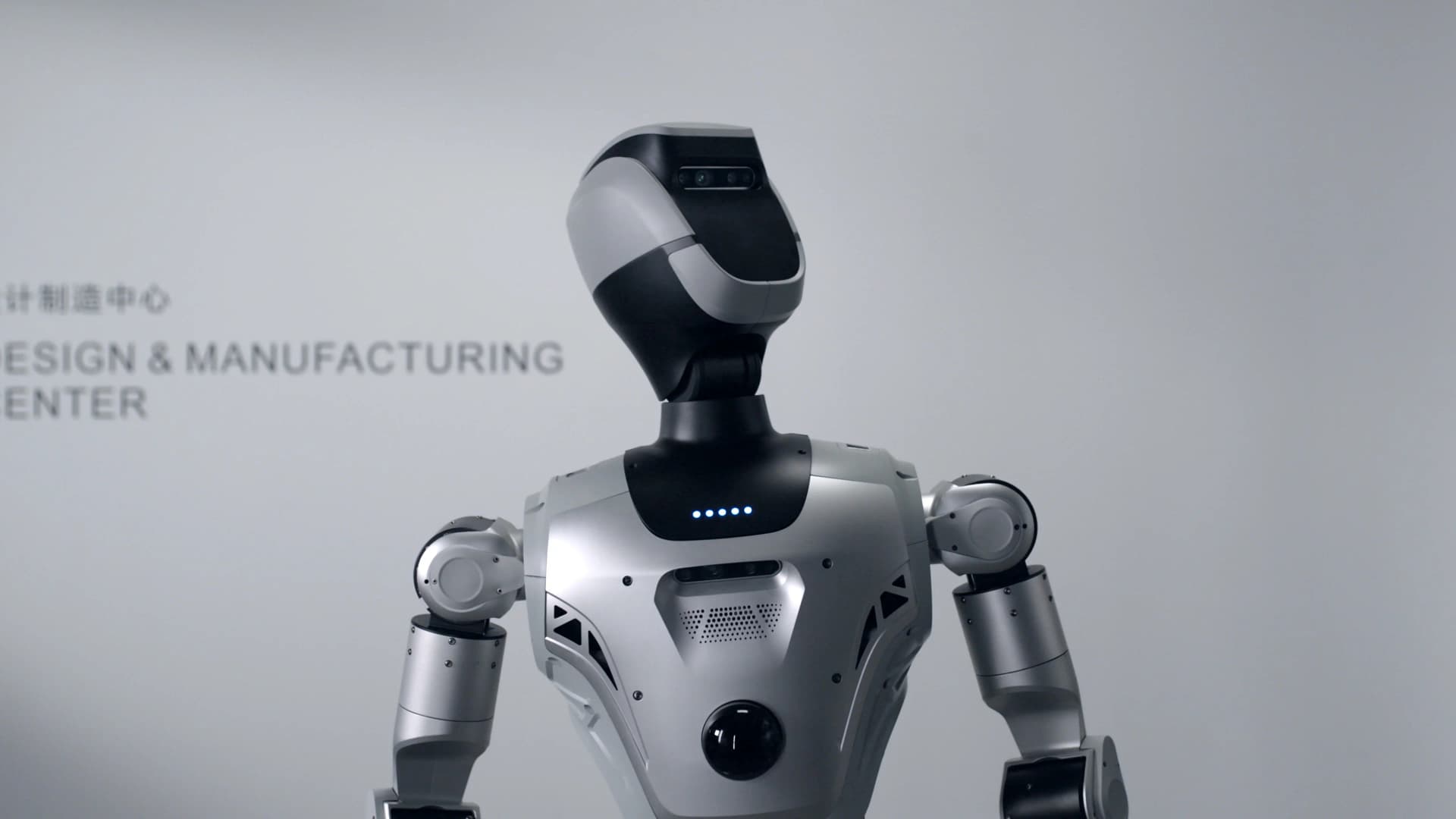
Its flagship product, the Galbot G1, also aligns with the "dedicated purpose" strategy that analysts at Goldman Sachs recently identified as the most viable near-term path for Chinese robotics. Standing 1.73 meters tall, the G1 is designed primarily for retail and logistics tasks—such as shelf restocking and medication sorting—rather than general-purpose home use.
By focusing on structured commercial environments, Galbot aims to bypass the immense complexity of domestic service robots, a strategy that has already won it backing from industrial heavyweights like CATL. Whether that industrial focus can justify a $4 billion price tag in the public markets remains the defining question for 2026.
Share this article
Follow humanoid robotics without following every announcement.
Get the week’s most important launches, funding and research—and why they matter—in one email from Humanoids Daily.
Once a week. Unsubscribe anytime.
Read recent issuesRead next
- Published on
- Reading time
- 6 min read
Global Humanoid Shipments Surpass 22,000 in H1 2026 as AGIBOT Leads and Form-Factor Debates Intensify
- Published on
- Reading time
- 6 min read
Galbot Opens Pre-Orders for ET1 Bipedal Humanoid Aimed at Entertainment and Performance
- Published on
- Reading time
- 5 min read
The $1.4 Billion Sprint: Inside China’s Post-Gala Humanoid Funding Frenzy
- Published on
- Reading time
- 3 min read
AGIBOT Says A3 Ultra Is Going to Work in Hotels, Shops and Metro Inspection
- Published on
- Reading time
- 3 min read
Unitree Says It Won’t Become a Robot Integration Company
- Published on
- Reading time
- 4 min read
LimX Dynamics Secures $200 Million Series B to Scale Modular and General-Purpose Humanoids