- Published on
Unitree CEO Defines Embodied AI’s ‘ChatGPT Moment’ With an “80% Target”
One tap, and our reporting appears more often in your Google Top Stories. It makes a real difference to a small newsroom.


Your guide
Rich Robinson
Jee Chee Ren · Executive tour
See China’s AI and robotics ecosystem first-hand.
Six days exploring AI, robotics and advanced manufacturing.
With Rich Robinson, Clinical Professor of Entrepreneurship at Peking University
Beijing · Guangzhou · Shenzhen
29 November–4 December 2026
Referral partnership · We earn a commission on referred bookings.
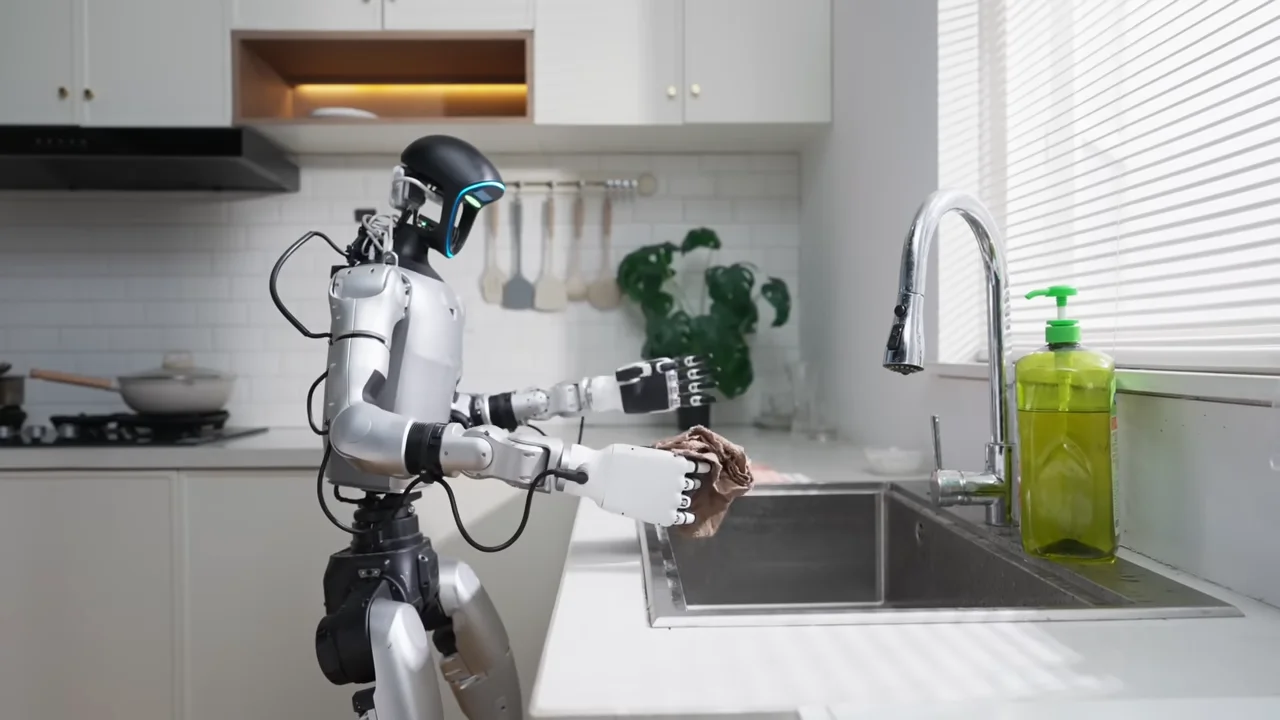
SHANGHAI—The "ChatGPT moment" for embodied intelligence will arrive when a humanoid robot can successfully complete approximately 80% of tasks commanded by voice or text, across approximately 80% of unfamiliar real-world scenes—all without prior, scene-specific training.
That new benchmark was proposed by Wang Xingxing, founder and chairman of Unitree Robotics, during a session on humanoid robot development at the 8th Hongqiao International Economic Forum on Wednesday.
Wang framed this this '80/80' target as the decisive threshold for functional, general-purpose robots. Speaking to an audience of entrepreneurs, scientists, and policymakers, he argued that the first entity to achieve this goal "next year or the year after" would "undoubtedly... lead the world in embodied AI."
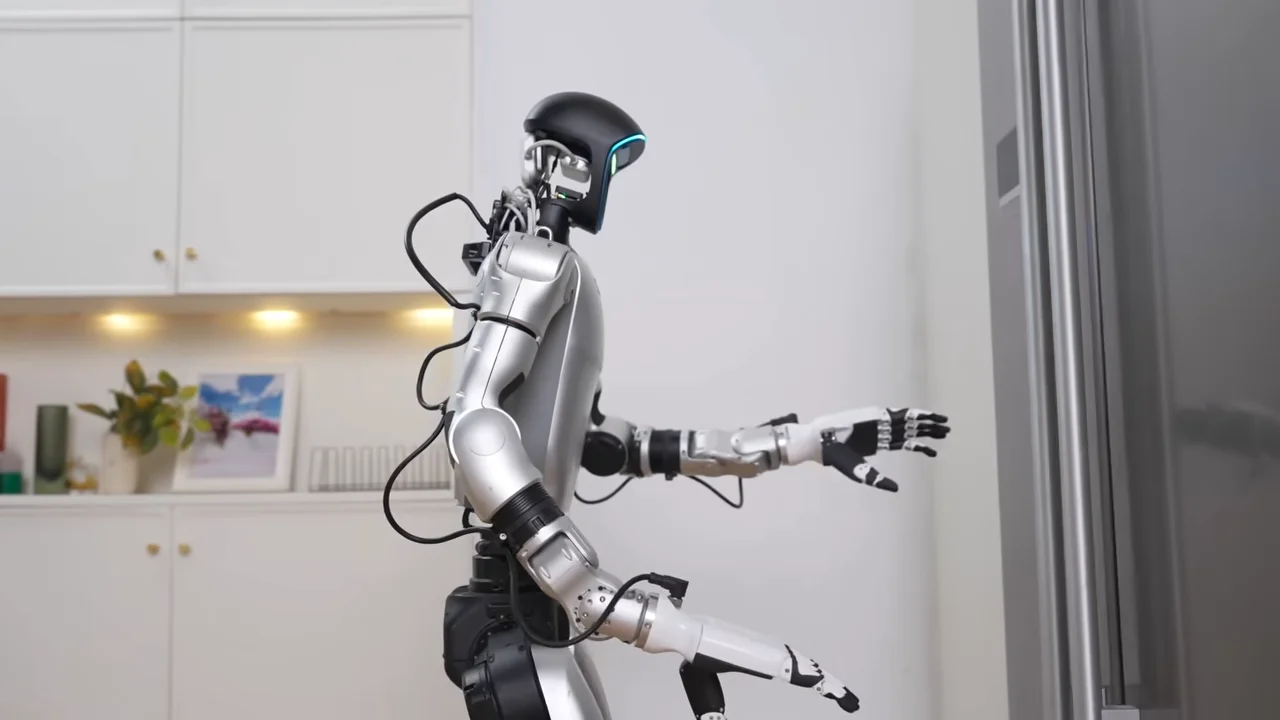
The session, co-hosted by China's Ministry of Industry and Information Technology (MIIT), brought together key players including UBTECH, SenseTime, and several national robotics innovation centers.
The weekly humanoid robotics briefing
One email a week: the launches, funding and research that mattered, with context from Humanoids Daily.
Read recent issuesA Candid Reality Check
Despite the ambitious 1-to-2-year timeline for a breakthrough, Wang—whose company is reportedly preparing for an IPO —delivered a candid and pragmatic assessment of the sector's current state.
He noted that progress on large-scale robotic models has been "slower than hoped," pegging the industry's current capability at a level analogous to "one to three years before the launch of ChatGPT."
According to Wang, the primary bottleneck is not simply a lack of data, but a lack of generalization. He stressed that "model capability still needs innovation" and that high-quality data collection and evaluation remain "extremely difficult."
He also tempered expectations for immediate factory automation, stating that getting "end-to-end" models to perform "real work" on a factory floor remains "very challenging." This aligns with Unitree's recent strategy of releasing tools like its "Embodied Avatar" teleoperation suit to generate the high-quality human data needed for training.
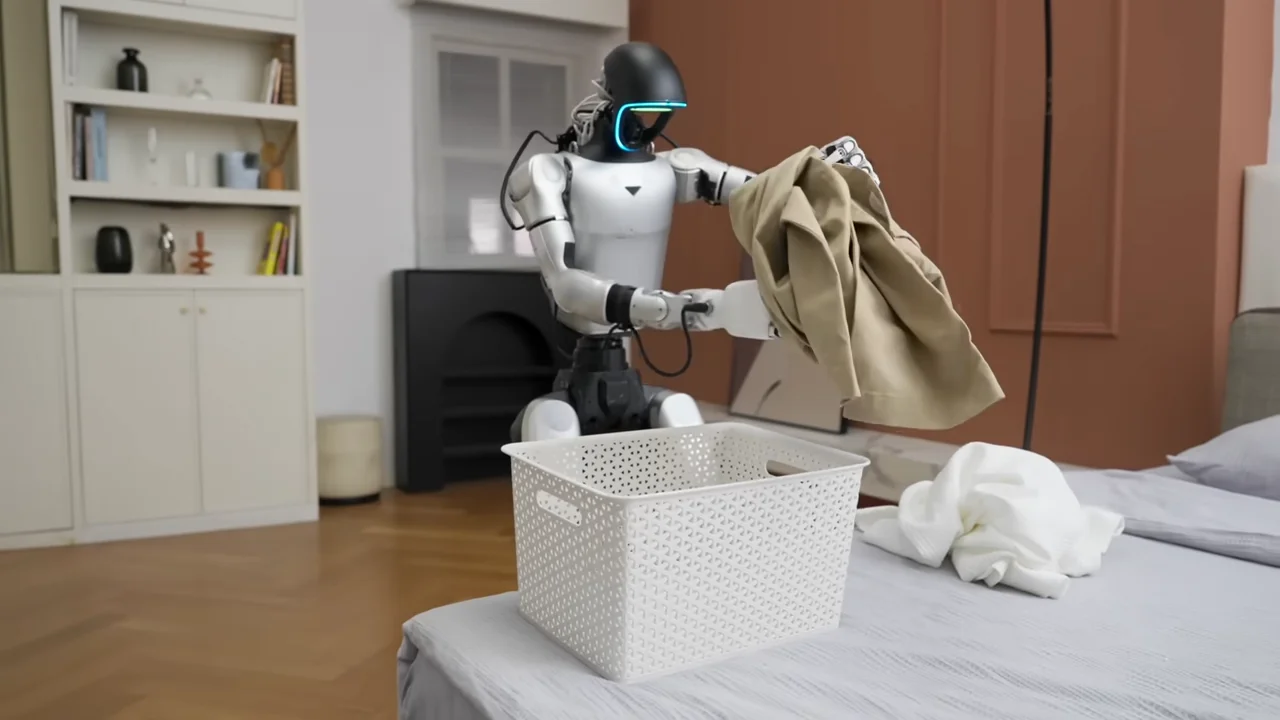
From 'Showboating' to Standardization
Wang's pragmatic tone was echoed by other industry leaders and officials, who pushed for a shift away from flashy demos and toward solving fundamental industrial hurdles.
"A more pragmatic approach is necessary to foster high-quality development within the humanoid robot industry," said Yao Jia, a deputy director-general at the MIIT.
The most significant hurdle identified at the forum was a critical lack of industry standards, which speakers warned is crippling the development of large-scale AI models.
Wang Xiaogang, co-founder and CTO of SenseTime, compared the situation to self-driving cars, noting that Tesla's success with autonomous driving relies on standardized sensor configurations and data collection across millions of vehicles.
Leng Xiaokun, chairman of Leju Robotics Technology (Aelos), was more direct. He asserted that if different companies continue to collect data in inconsistent formats, "developing usable large models will be nearly impossible."
The problem extends to hardware as well. Michael Xu, CEO of PaXini Tech, noted that his company frequently needs to customize interfaces for different clients, a process that causes significant R&D and production delays.
This industry-wide call for alignment appears to be driving government action. Jiang Lei, chief scientist at the National and Joint Innovation Center for Humanoid Robots, revealed plans to establish a national standards committee for humanoids by the end of 2025.
This push for standardization comes as the sector experiences explosive growth. Wang Xingxing offered an optimistic forecast that, on average, companies in China's intelligent robotics industry will grow by 50% to 100% this year alone.
Share this article
Read next
- Published on
- Reading time
- 3 min read
Unitree’s H2-X Flips Off Cars in New Kung Fu “Guardian” Video
- Published on
- Reading time
- 3 min read
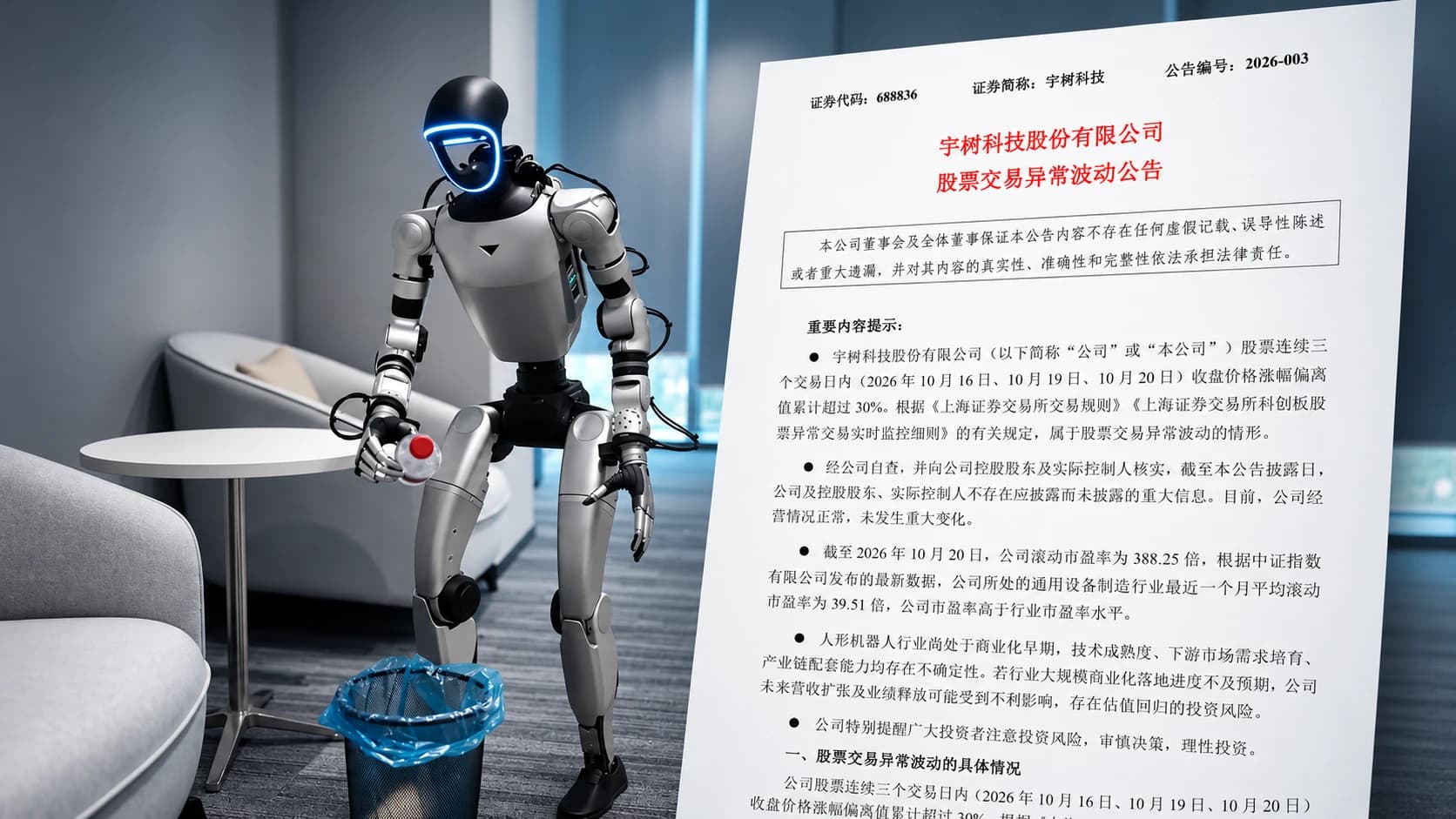
After Its Stock Surge, Unitree Warns Humanoid Commercialization Is Still in Its Early Days
- Published on
- Reading time
- 2 min read
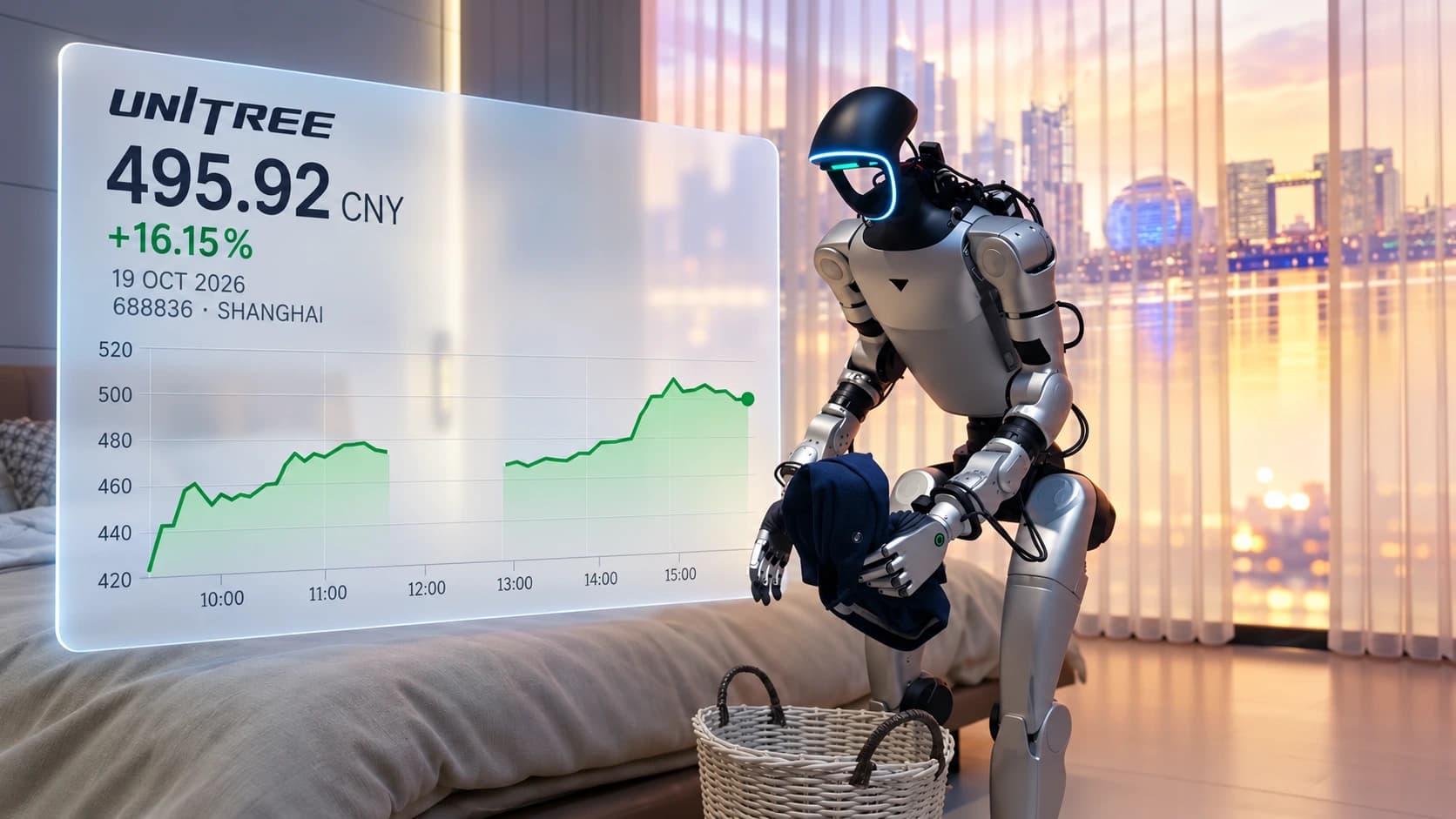
Unitree Shares Jump 16% as China Pushes Robots Into Everyday Commerce
- Published on
- Reading time
- 3 min read
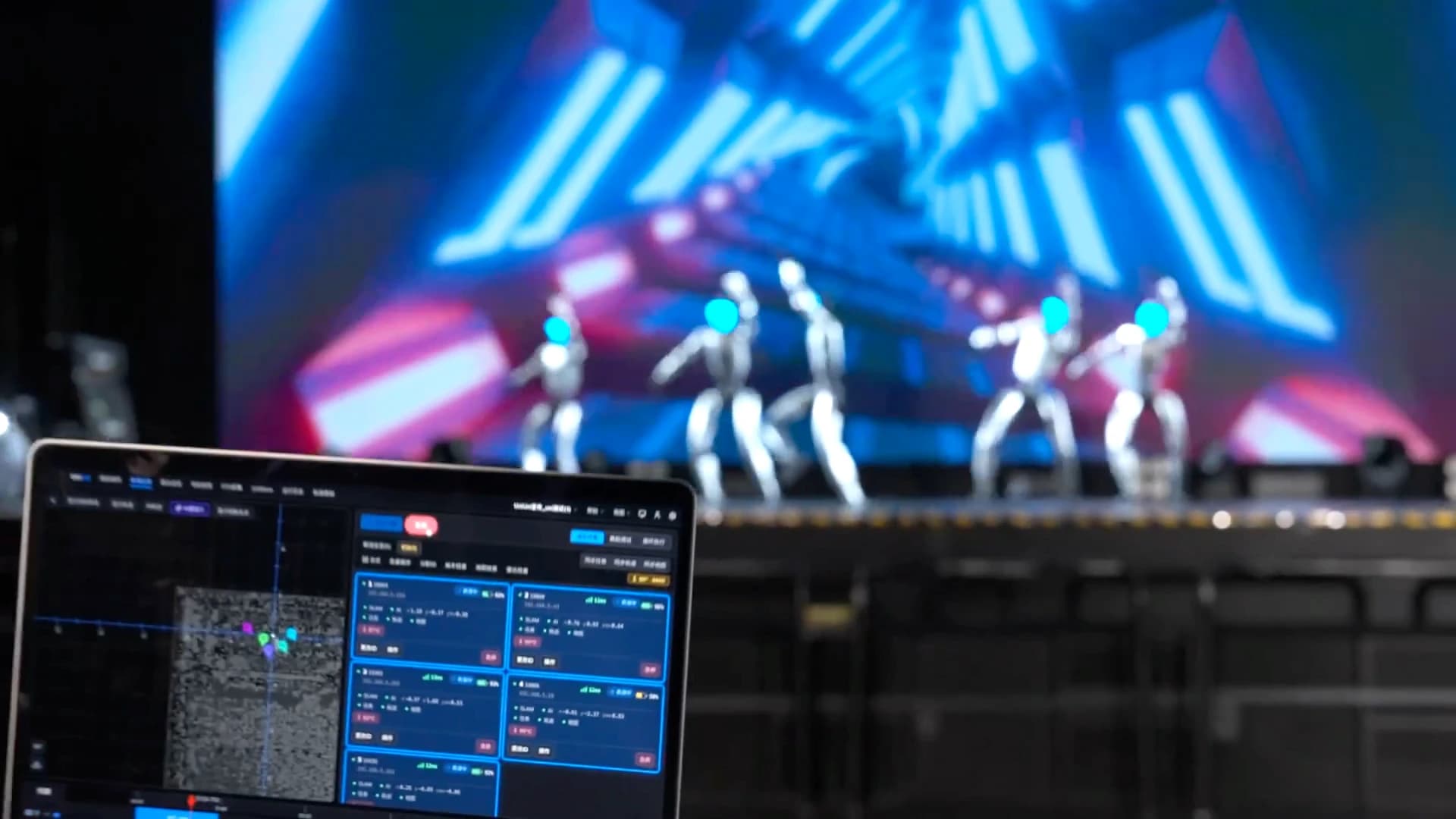
Unitree’s UniUni Lets Operators Choreograph Robot Teams With Natural Language
- Published on
- Reading time
- 3 min read
Unitree’s Wang Xingxing Says GPT-6 Tests Strengthen His Optimism for Embodied AI
- Published on
- Reading time
- 3 min read
Unitree Unveils Human-Sized Robot Hand Starting at $6,500
The weekly humanoid robotics briefing
One email a week: the launches, funding and research that mattered, with context from Humanoids Daily.
Read recent issues