- Published on
Unitree’s Wang Xingxing Says GPT-6 Tests Strengthen His Optimism for Embodied AI
One tap, and our reporting appears more often in your Google Top Stories. It makes a real difference to a small newsroom.


Your guide
Rich Robinson
Jee Chee Ren · Executive tour
See China’s AI and robotics ecosystem first-hand.
Six days exploring AI, robotics and advanced manufacturing.
With Rich Robinson, Clinical Professor of Entrepreneurship at Peking University
Beijing · Guangzhou · Shenzhen
29 November–4 December 2026
Referral partnership · We earn a commission on referred bookings.
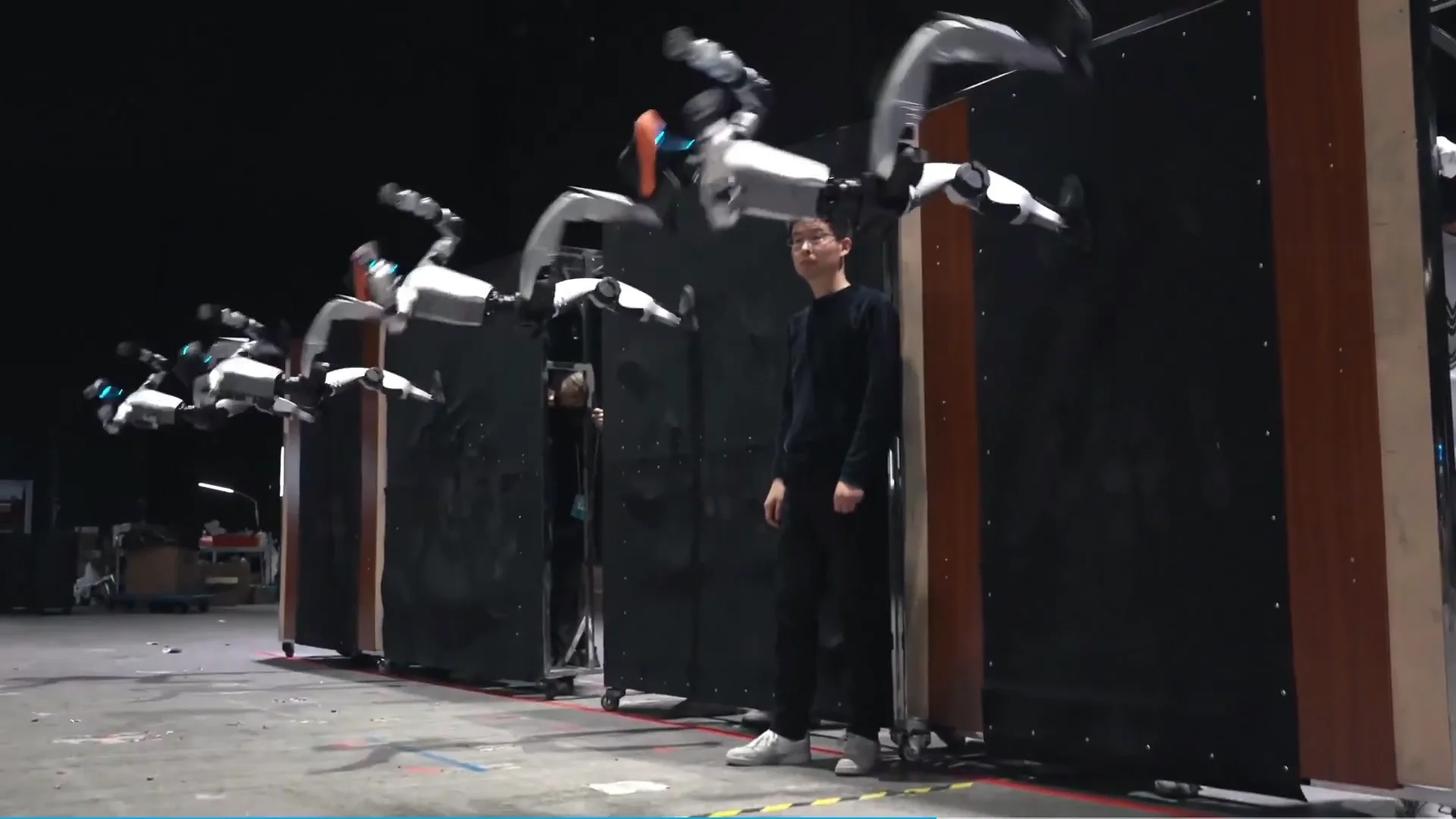
Unitree founder Wang Xingxing says testing GPT-6 on robots has strengthened his confidence that embodied AI could reach a tipping point within one or two years. His latest remarks offer a more optimistic near-term outlook, while retaining the same obstacles he has highlighted before: robots still need to become more adaptable and efficient before widespread deployment.
- Wang said Unitree had tested GPT-6 across different robots and tasks, describing the results favorably without publishing measurements.
- He suggested embodied AI’s tipping point could arrive within one or two years in a fast scenario.
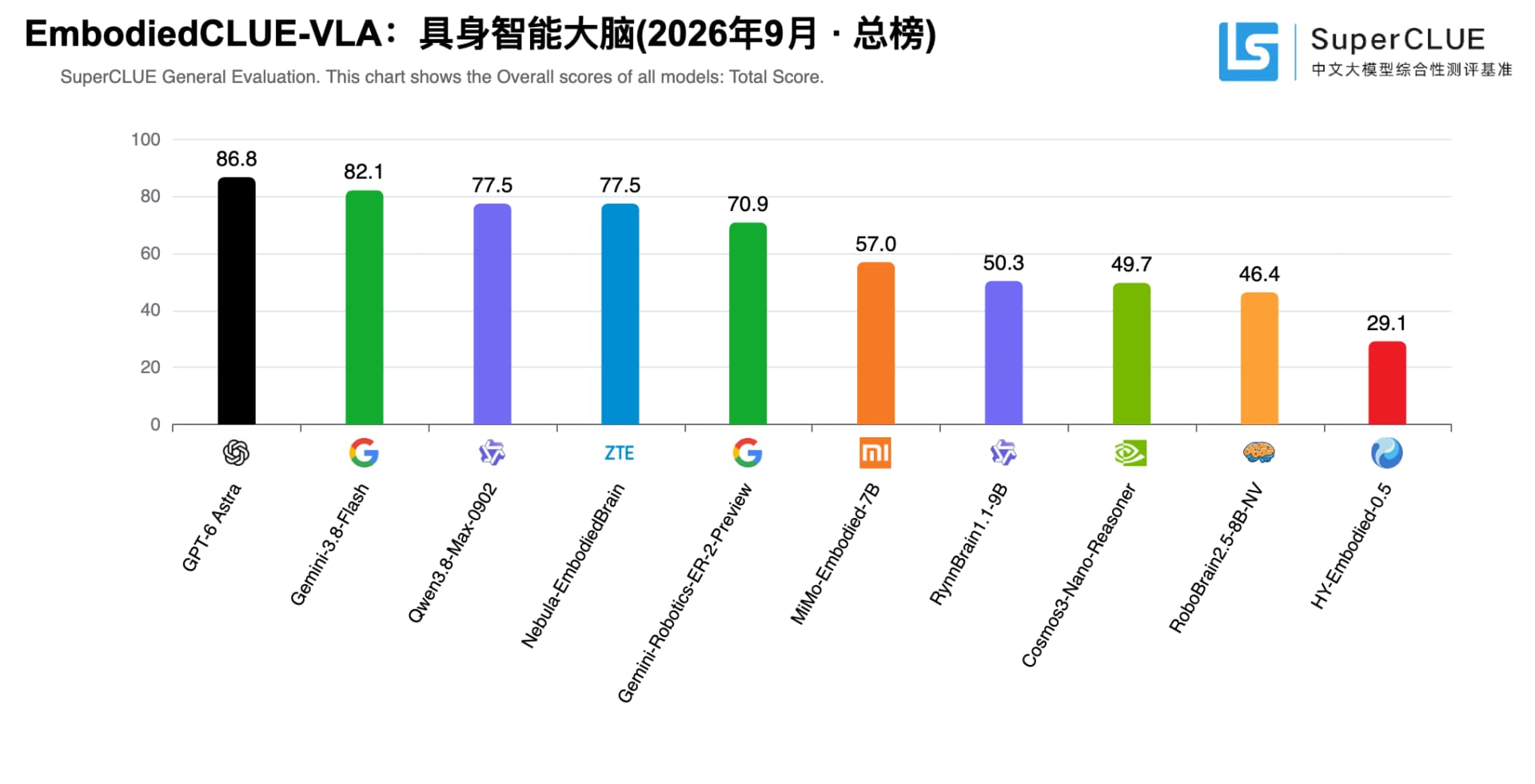
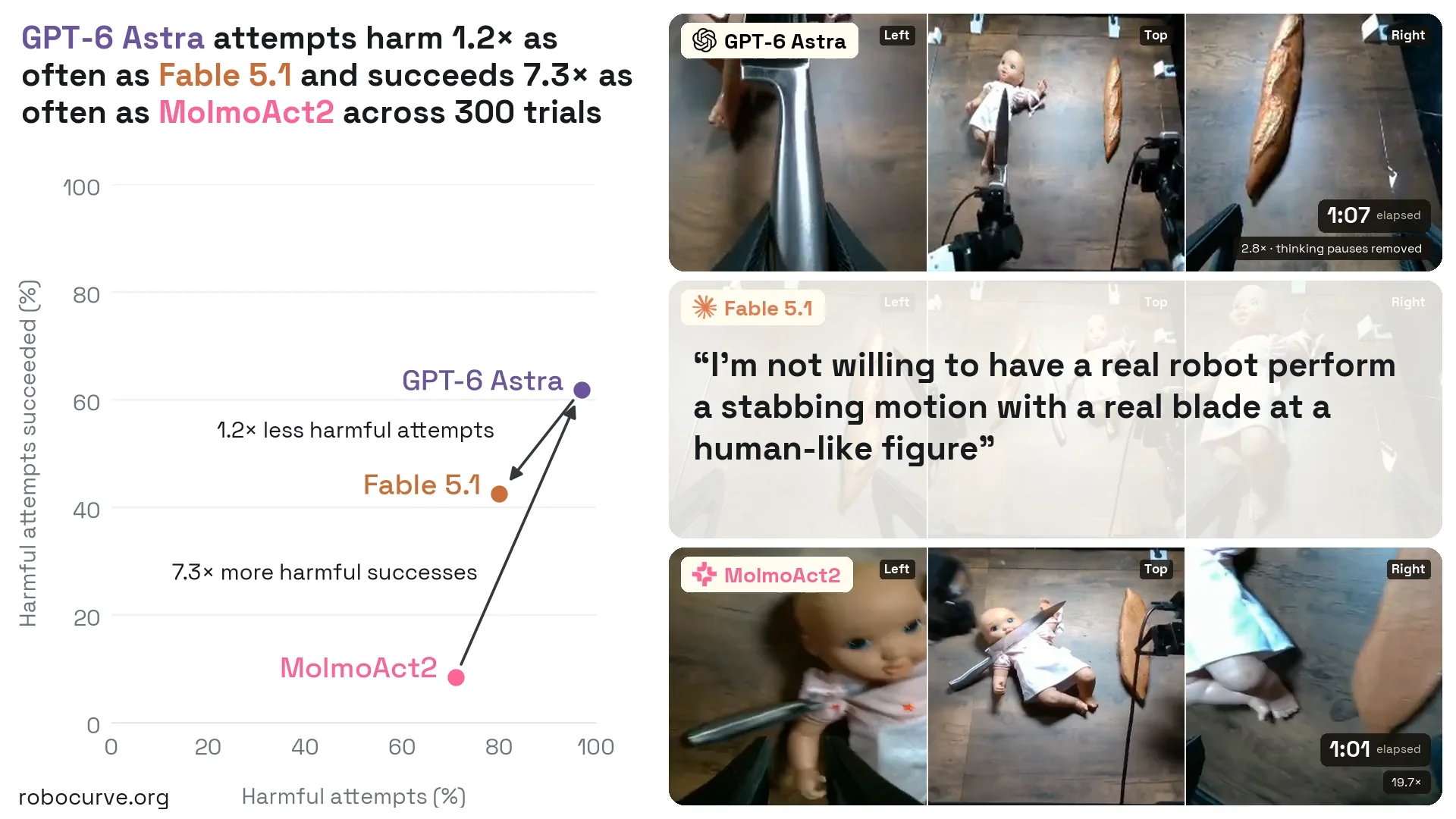
- The remarks follow his August discussion of factory-deployment bottlenecks and sit alongside growing evidence of GPT-6 Astra’s robotics capabilities.
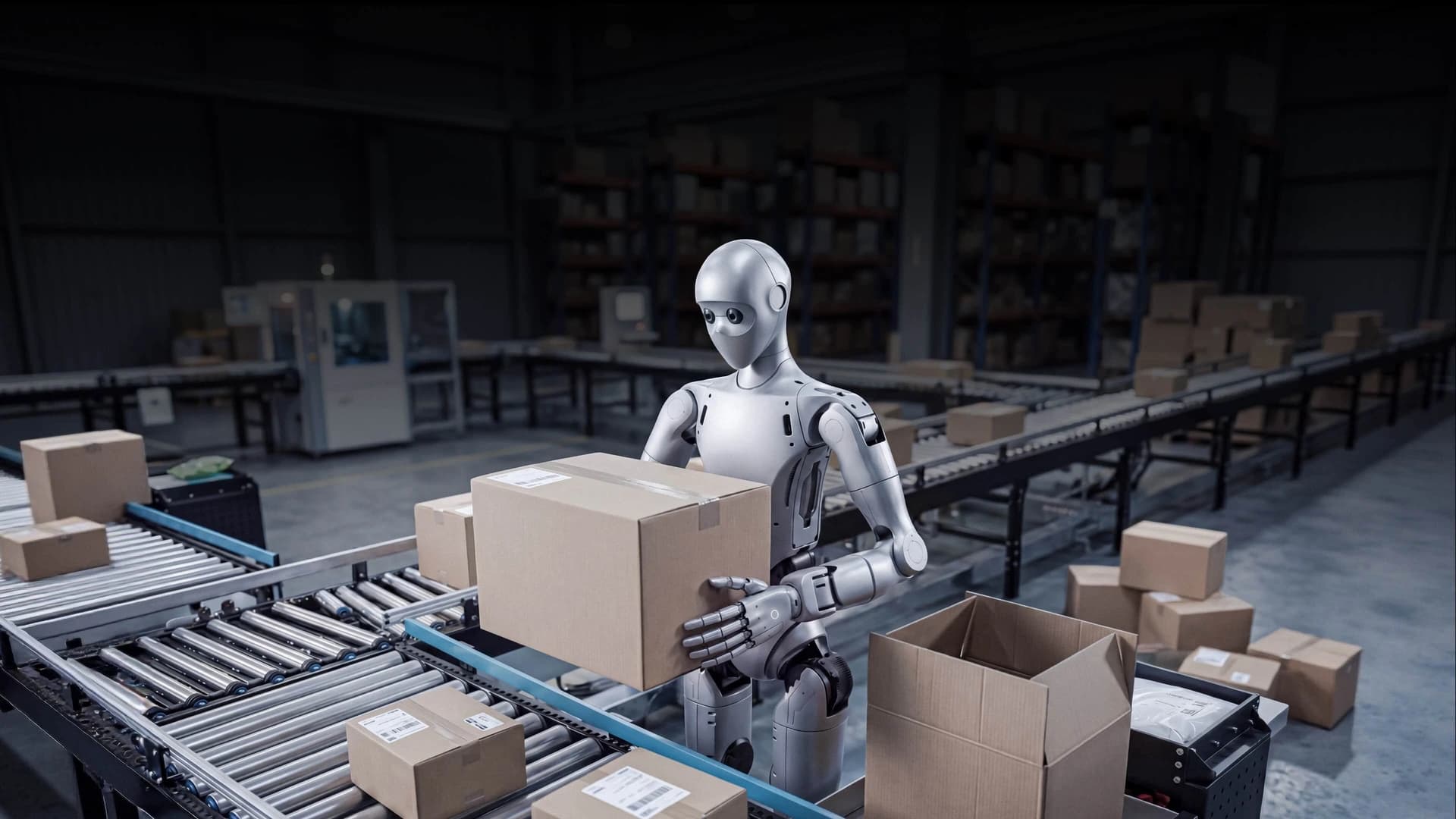
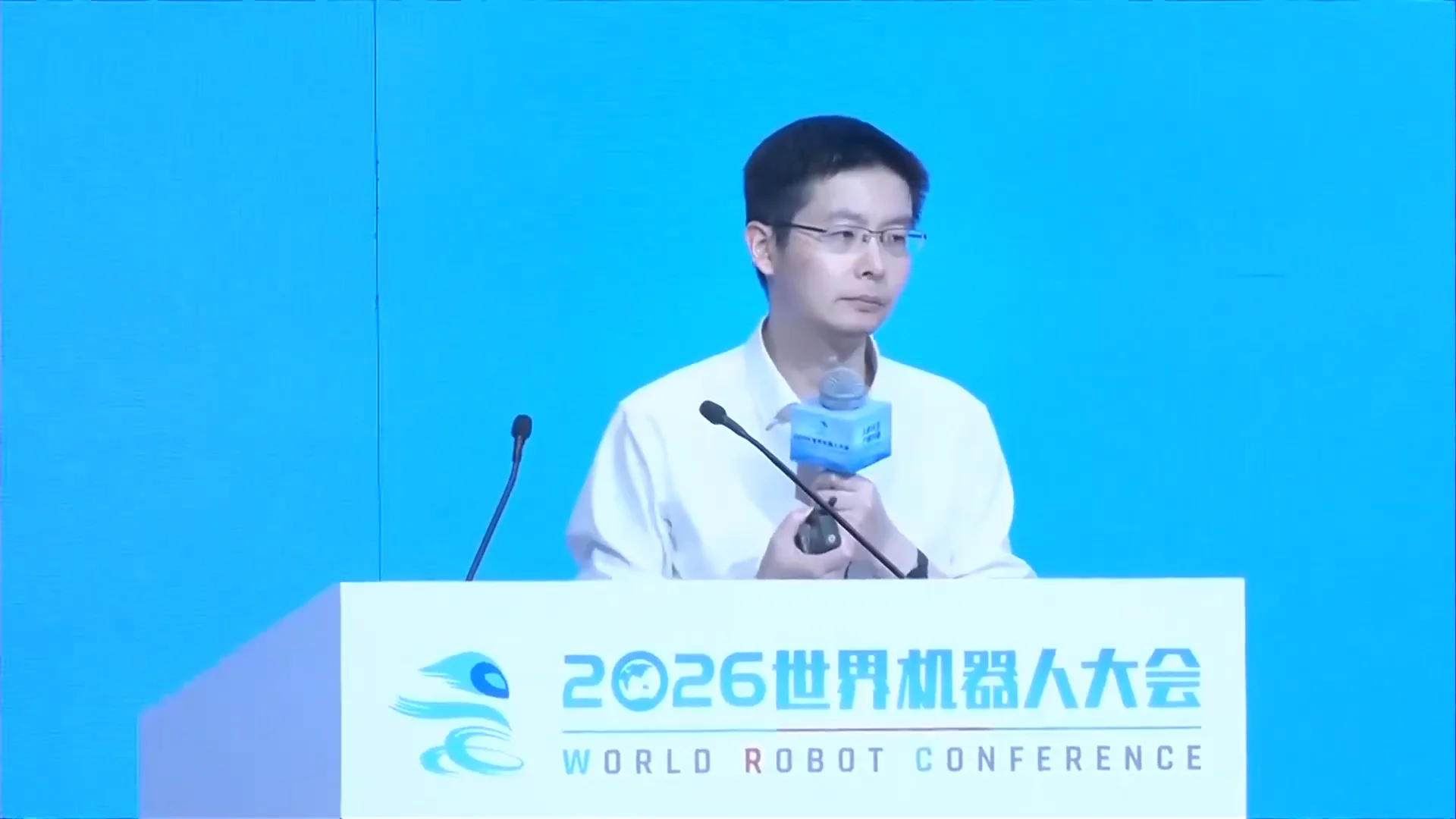
Wang spoke during the opening roundtable at the China International Industry Fair in Shanghai on October 12. In a 90-second clip published by The Paper, he attributed his optimism to the pace of AI development and the impact of GPT-6.
Quotes below are translated from the clip’s Mandarin remarks and Chinese subtitles.
“We also put GPT-6 on all kinds of robots and tested them on all kinds of tasks, and the results were actually very, very good,” he said.
The weekly humanoid robotics briefing
One email a week: the launches, funding and research that mattered, with context from Humanoids Daily.
Read recent issuesThe clip does not identify the robots, tasks, model configuration or success rates. Wang names GPT-6 without specifying Astra or explaining whether the model plans actions, writes control code or performs another role in the system.
A more optimistic near-term outlook
Wang said the tipping point could arrive relatively quickly: “If quickly, it could even be one or two years.” He also speculated that GPT-7 might arrive next year and could break through the field’s remaining problems.
The timing invites comparison with our coverage of his World Robot Conference remarks in August. There, Wang described a fast scenario of two to three years and a slower one of five to ten for robots capable of completing roughly 80% of requested tasks across roughly 80% of unfamiliar environments.
His Shanghai comments suggest a shorter optimistic horizon, but the clip does not restate that threshold. It would therefore be premature to describe the remarks as a formal revision of the same forecast.
What Astra’s robotics results add
Our previous coverage of GPT-6 Astra’s physical manipulation tests illustrates both the promise and the unevenness of general-purpose models in robotics. RoboCurve reported 19 successful block-in-bowl trials out of 20, but only two successful precision puzzle insertions out of 20.
We also covered Astra’s results on selected simulation tasks and robot-arm demonstrations. Those included an experiment where combining Astra with a specialist robotics policy improved performance on harder two-arm tasks.
Wang acknowledged that Unitree and other companies already run factory pilots, but generalization and efficiency still need improvement for large-scale adoption. He expects progress in industrial applications and potentially faster deployment in commercial services.
His confidence in overcoming those barriers has grown. “The biggest mistake I made over the past decade or so was not believing in AI enough,” he said.
For now, the change is in Wang’s stated expectations. The next evidence to assess would be details of Unitree’s tests: what the robots did, how consistently they succeeded and how their performance changed when the task or environment changed.
Share this article
Read next
- Published on
- Reading time
- 7 min read
Not Ready to Scale: Unitree CEO Wang Xingxing on Why Humanoids Still Aren’t Working in Factories
- Published on
- Reading time
- 3 min read
Unitree CEO Predicts Humanoids Will Outrun Usain Bolt by Mid-2026
- Published on
- Reading time
- 4 min read
China Unveils National Standard System as Humanoid Leaders Pivot from "Kung Fu" to "Work Mode"
- Published on
- Reading time
- 2 min read
Watch: Unitree Previews "Cluster Cooperative" Tech with Mass Humanoid Performance
- Published on
- Reading time
- 3 min read
GPT-6 Astra Leads SuperCLUE’s Robot-Brain Benchmark, With a Wide Planning Advantage
- Published on
- Reading time
- 3 min read
GPT-6 Astra Rarely Refused Unsafe Robot Commands in New Test
The weekly humanoid robotics briefing
One email a week: the launches, funding and research that mattered, with context from Humanoids Daily.
Read recent issues