- Published on
The "Schaeffler Effect": How Humanoid Ambition is Re-Rating Industrial Giants
One tap, and our reporting appears more often in your Google Top Stories. It makes a real difference to a small newsroom.

Supported by RoboStrategySupport for Humanoids Daily comes from RoboStrategy
Sponsored
Investing involves risk, including possible loss of principal. Read the prospectus before investing.
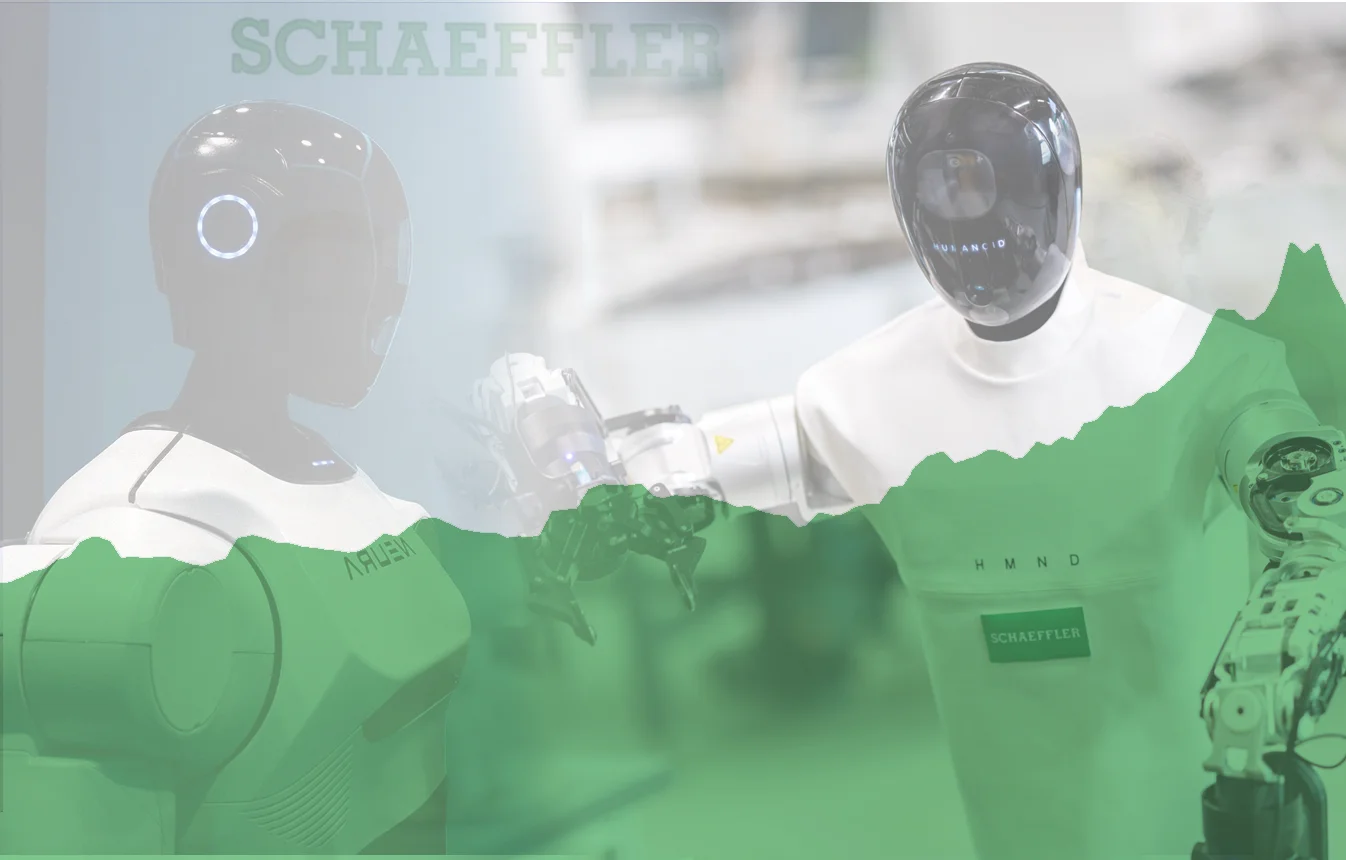
The search for opportunities in the increasingly crowded field of humanoid robotics is leading investors into unexpected corners of the industrial market. As the humanoid sector transitions from laboratory curiosity to factory floor reality, German industrial giant Schaeffler has emerged as a primary proxy for the industry’s growth. Despite the broader automotive sector facing stagnation, Schaeffler’s shares have surged approximately 150% over the last year, reaching a market capitalization of over 10 billion euros (~$12 billion).
This rally represents a significant "re-rating" of the company. Traditionally viewed as a Tier 1 automotive supplier, Schaeffler is being increasingly valued for its foundational role in the humanoid supply chain. The company recently confirmed its ambition to generate up to 10% of its sales—approximately 3 billion euros—from sectors including humanoid robotics and defense by 2035.
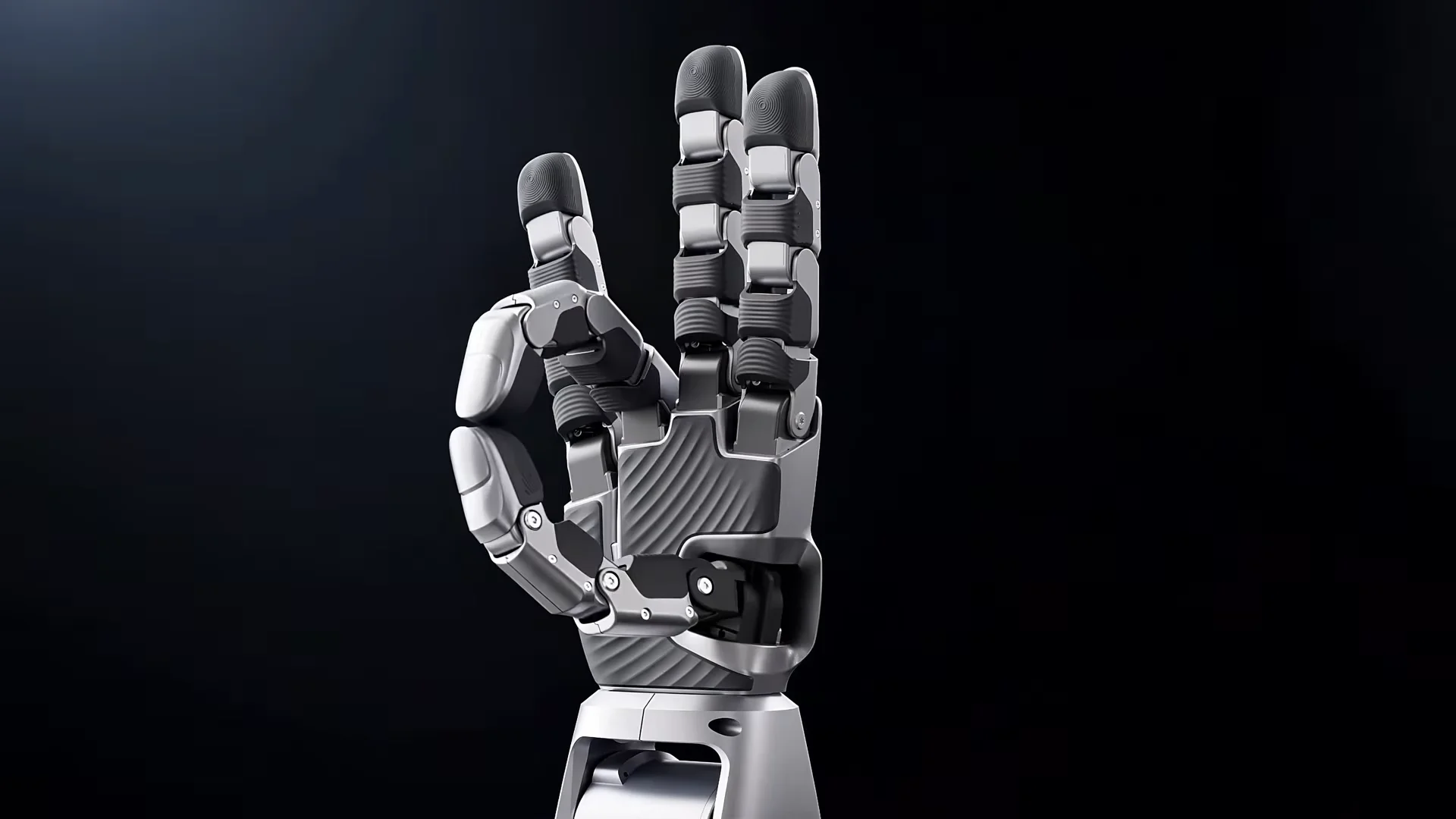
The Component Play: Supplying the "Muscle"
Schaeffler’s market outperformance is tied to its aggressive "user-supplier" strategy. The company is not only deploying robots in its own facilities but is also positioning itself as the critical component manufacturer for the entire industry.
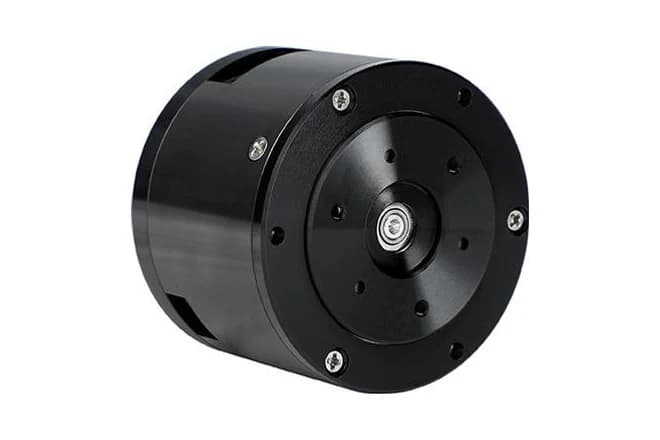
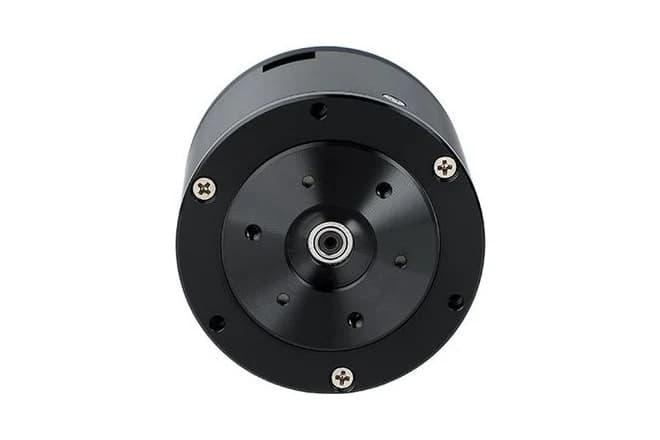
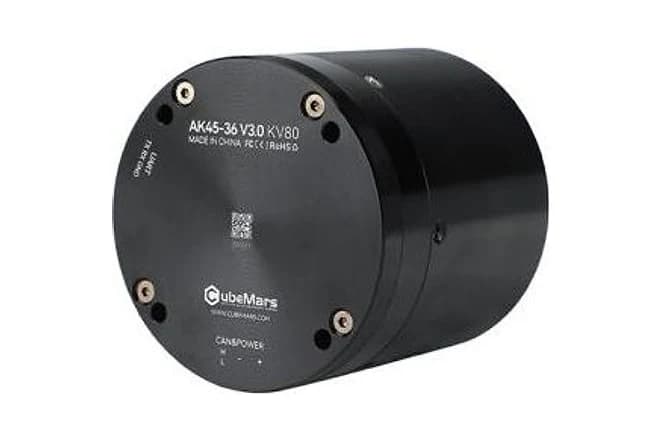
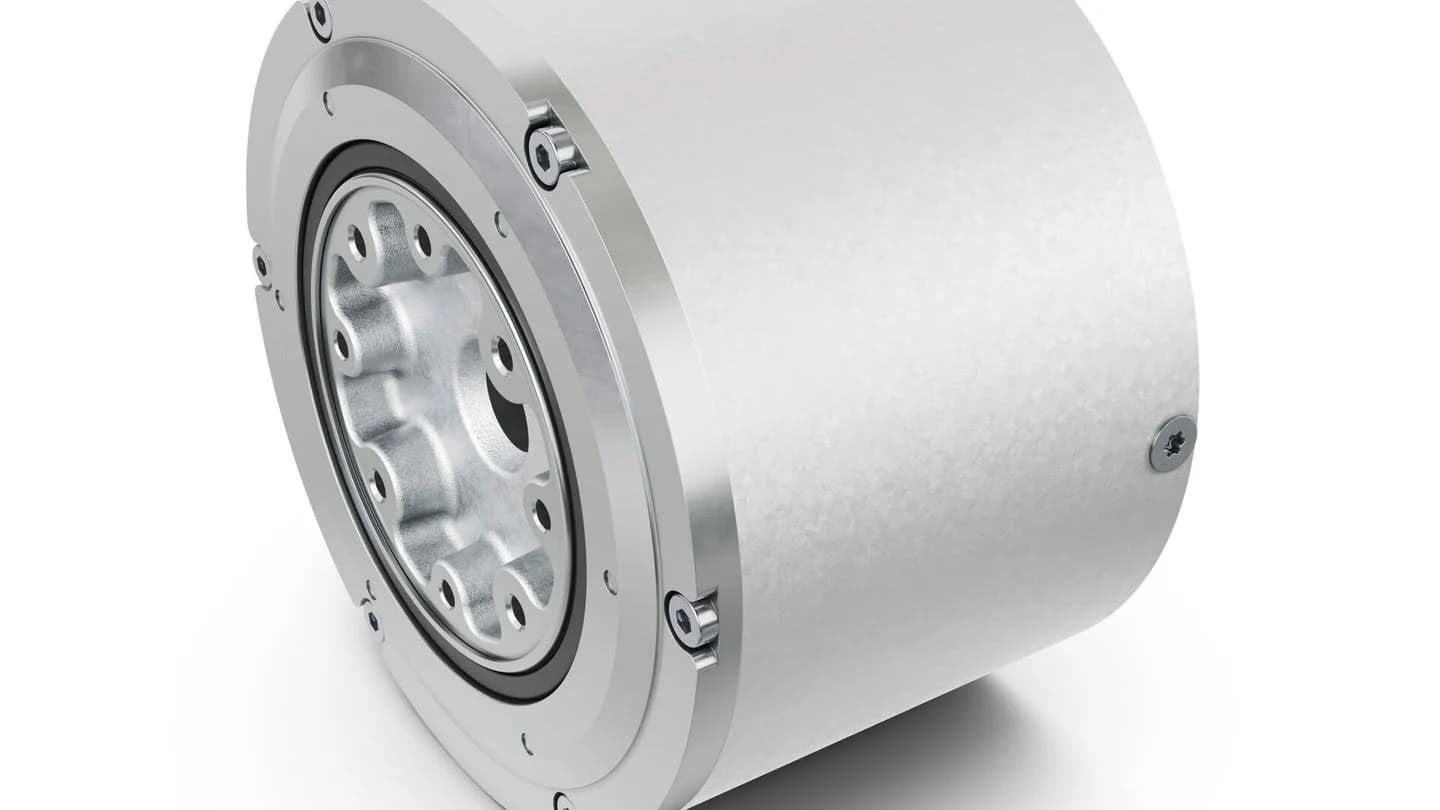
The centerpiece of this strategy is the recently unveiled all-in-one planetary gear actuator, designed specifically for the high-torque requirements of humanoid joints. By leveraging its new robotics and AI lab in Singapore, Schaeffler is adapting automotive technology into the "muscle" required for bipeds.
The weekly humanoid robotics briefing
One email a week: the launches, funding and research that mattered, with context from Humanoids Daily.
Read recent issuesInvestors are rewarding this diversification. While the European auto index has dipped 11%, Schaeffler trades at a 94% premium to the sector. This enthusiasm is fueled by deep industrial integrations, such as its partnership to supply actuators for Neura Robotics and its recent strategic partnership with UK startup Humanoid.
Schaeffler’s market outperformance aligns with a broader investment thesis recently championed by Morgan Stanley. In its "Humanoid Tech 25" report, the bank advocates for a "picks and shovels" strategy, advising investors to target the suppliers of the "brains," "eyes," and "bodies" rather than the robot brands themselves.
The Private Giants and the 2026 IPO Wave
The "Schaeffler Effect" highlights a scarcity of public investment opportunities in the humanoid space. Currently, the market is dominated by private "unicorns" and large conglomerates where robotics is a secondary business.
- Public Humanoid Plays: UBTECH Robotics remains the most prominent pure-play listed in Hong Kong. Others, like Tesla and XPeng, are investing heavily in humanoid development (Optimus and IRON), but their valuations remain tethered to the volatile electric vehicle market.
- The Private Leaders: High-value startups like Figure (recently valued at $39 billion) and Apptronik—which just secured a $520 million Series A extension—continue to draw massive private capital, keeping them out of reach for retail investors.
However, the tide is turning. A massive "IPO Rush" is building in China, with several leaders nearing public debuts:
- AgiBot (Zhiyuan Robotics): Reportedly targeting a Hong Kong IPO in Q3 2026 with a valuation between $5.1 billion and $6.4 billion.
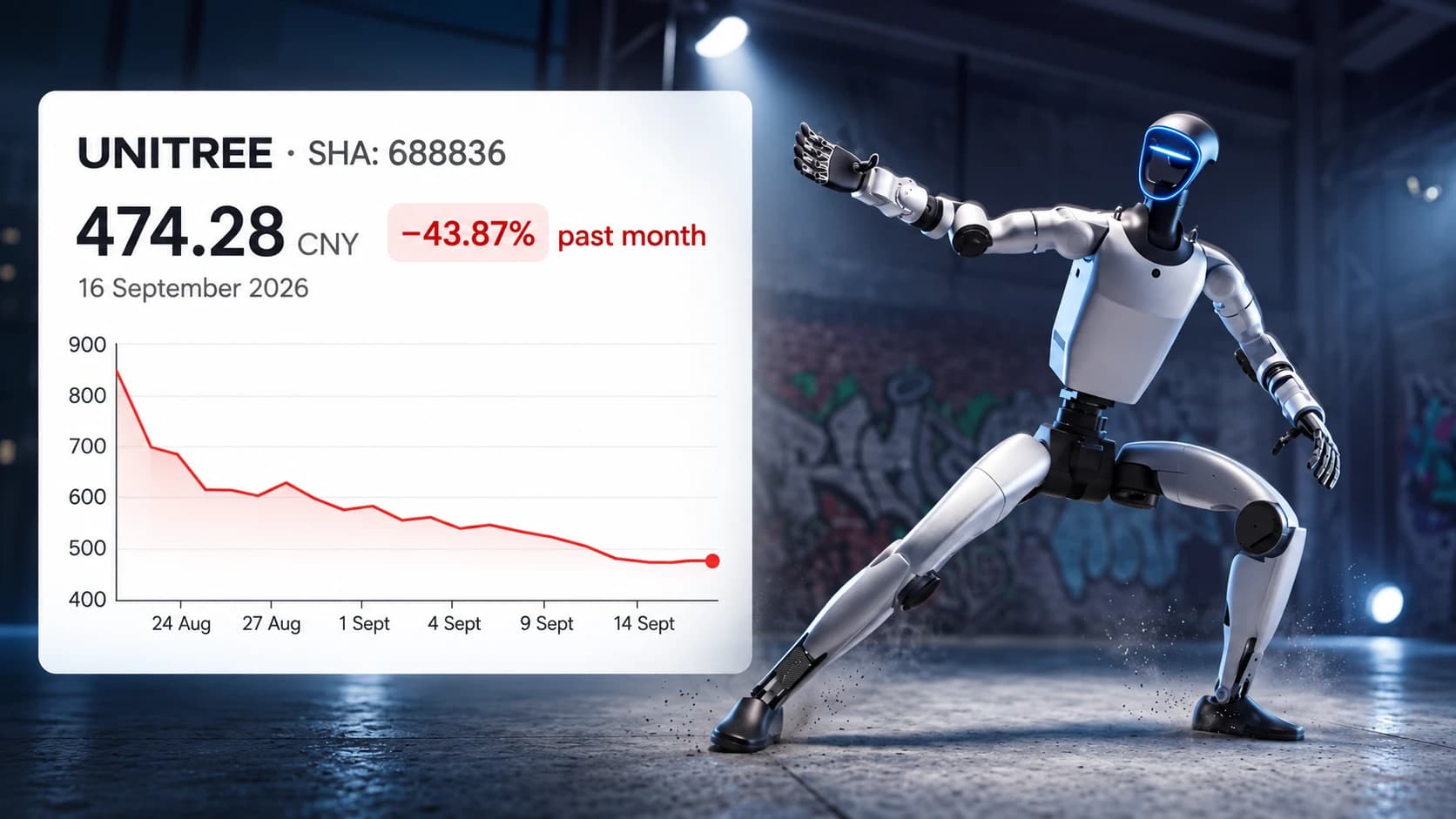
- Unitree Robotics: Having completed its IPO tutoring phase in late 2025, the Hangzhou-based firm is expected to list on the A-share market by mid-2026.
- Deep Robotics: Fresh off a $68 million Series C round, the company has already completed its shareholding reform, a final prerequisite for listing.
- Galbot: Rumors suggest a potential $4 billion Hong Kong IPO in 2026 for the Beijing-based retail robotics specialist.
The "Atlas Effect" and Hyundai’s Governance
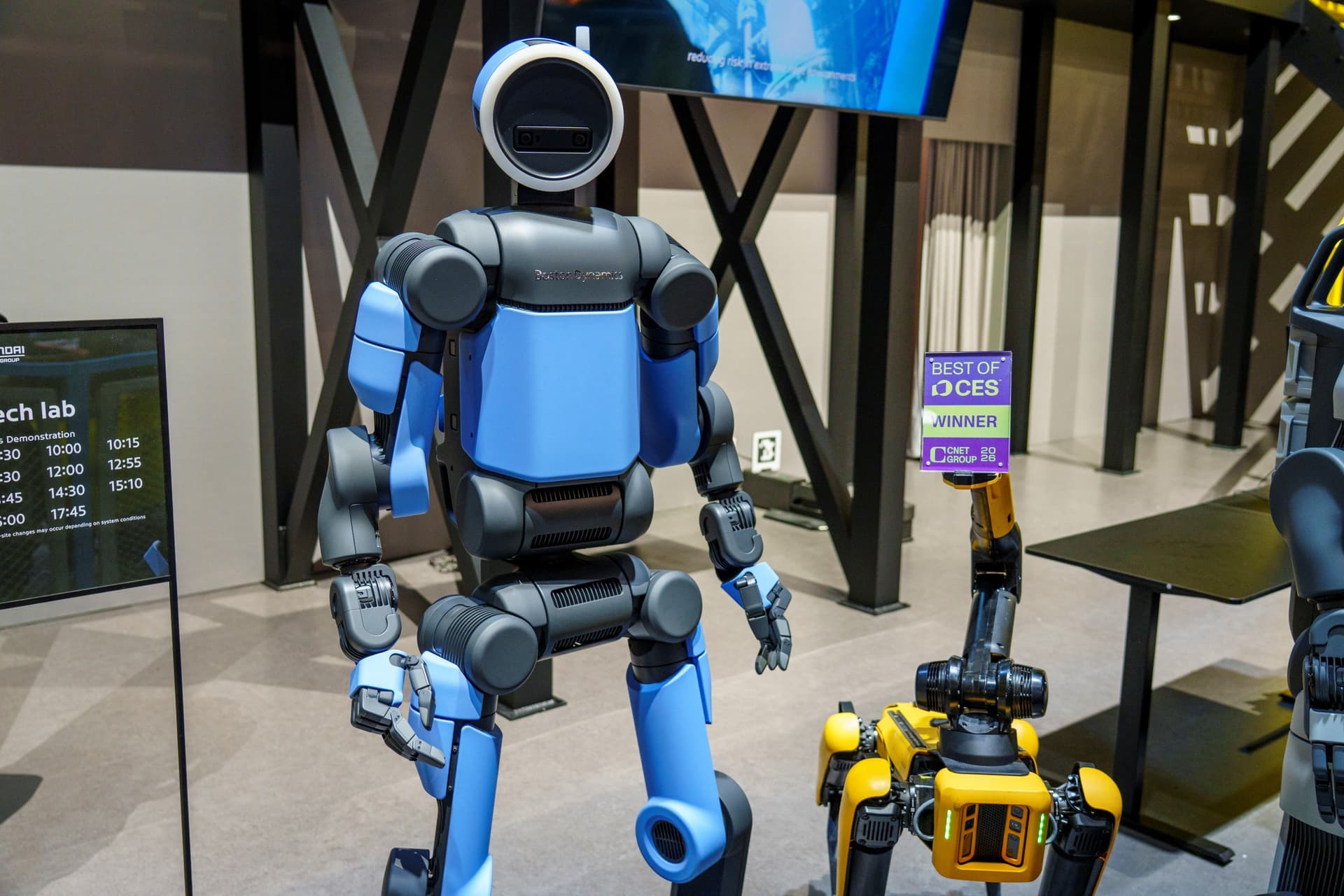
The Western market is also watching Boston Dynamics. Following the highly successful production-ready debut of the electric Atlas at CES 2026, speculation regarding a Nasdaq IPO has intensified.
While the current rally in stocks like Schaeffler is partly driven by "robotics-themed" speculation, the industrial milestones are becoming harder to ignore.
Share this article
Read next
- Published on
- Reading time
- 3 min read
Boston Dynamics IPO Unlikely in 2027, Hyundai Executive Says
- Published on
- Reading time
- 5 min read
Unitree’s Stock Slump Puts China’s Robot IPOs Under Scrutiny
- Published on
- Reading time
- 4 min read
Schaeffler Unveils "All-in-One" Actuator for Humanoids, Targeting the Industry’s Supply Chain Bottleneck
- Published on
- Reading time
- 4 min read
Unitree Soars Over 600% in Shanghai IPO, Cements China’s Lead in Humanoid Hardware
- Published on
- Reading time
- 5 min read
Unitree’s Blockbuster IPO Highlights the Scramble for Embodied AI Supremacy
- Published on
- Reading time
- 4 min read
Unitree Kicks Off STAR Market IPO Amid Deepening US-China Robotics Rivalry
The weekly humanoid robotics briefing
One email a week: the launches, funding and research that mattered, with context from Humanoids Daily.
Read recent issues