- Published on
ROBOTIS Enters the Open-Source Humanoid Arena with "AI Sapiens" K0 Platform
One tap, and our reporting appears more often in your Google Top Stories. It makes a real difference to a small newsroom.


Your guide
Rich Robinson
Jee Chee Ren · Executive tour
See China’s AI and robotics ecosystem first-hand.
Six days exploring AI, robotics and advanced manufacturing.
With Rich Robinson, Clinical Professor of Entrepreneurship at Peking University
Beijing · Guangzhou · Shenzhen
29 November–4 December 2026
Referral partnership · We earn a commission on referred bookings.
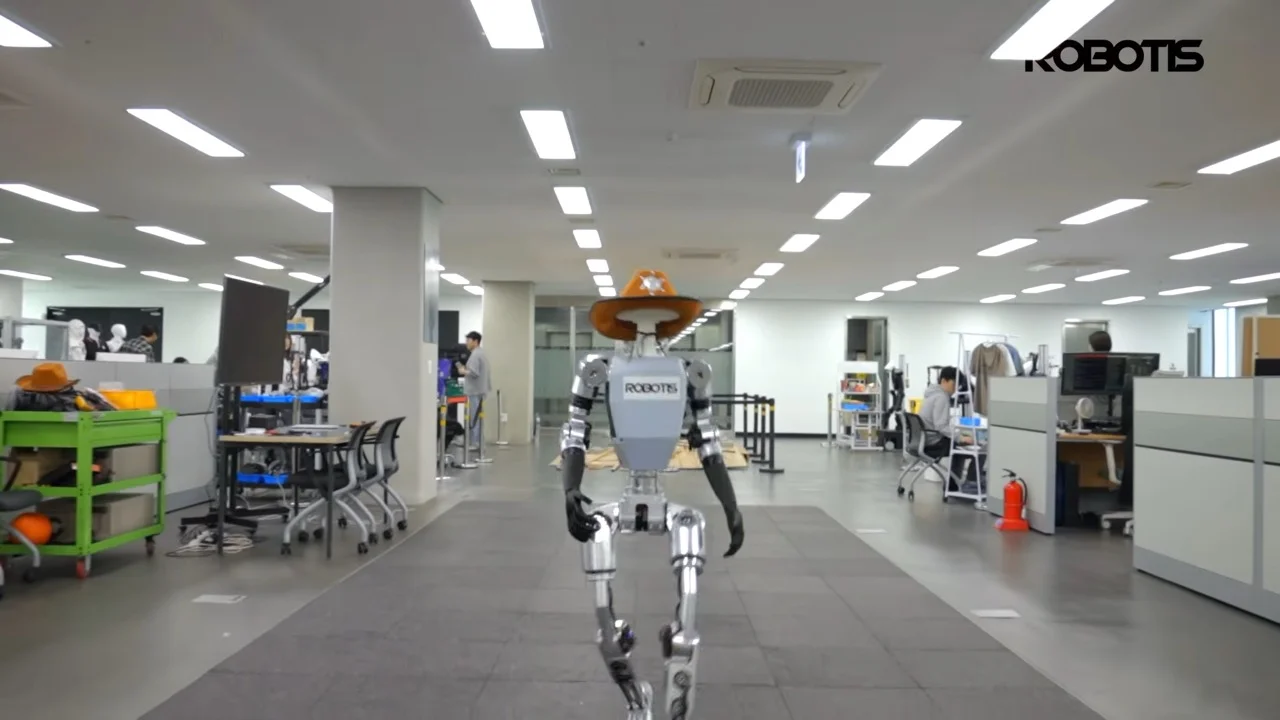
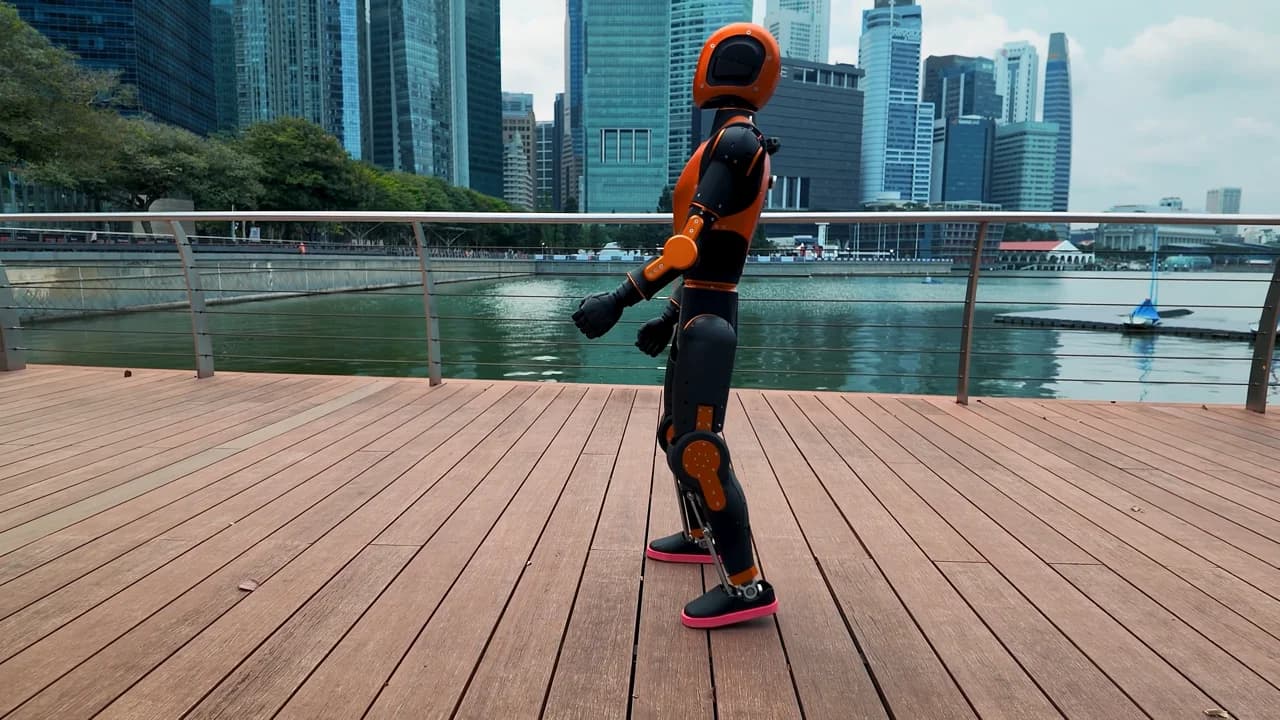
- ROBOTIS introduced the AI Sapiens K0, a 1.3-meter, 34kg humanoid featuring 23 degrees of freedom.
- The platform is entirely open-source, providing hardware BoM, CAD files, source code, and simulation assets to reduce "rebuild friction."
- It utilizes the new Dynamixel-Q Quasi-Direct Drive (QDD) actuators, designed for high backdrivability and precise torque control.
- The K0 is positioned as a research baseline for Physical AI, supporting reinforcement learning in NVIDIA Isaac Sim and imitation learning via leader-follower systems.
- ROBOTIS joins a shifting industry landscape currently occupied by projects like the Asimov "Here Be Dragons" kit and the ROBOTO ORIGIN baseline.
ROBOTIS, a long-standing leader in the robotic actuator market, has officially entered the humanoid race with the announcement of AI Sapiens. Revealed by Vice President Yoonseok Pyo on X, the platform represents a significant shift for the company toward "Physical AI"—intelligence that closes the loop between high-level reasoning and real-world hardware dynamics. The first model in this line, the K0, arrives as a fully open-source humanoid designed to serve as a reproducible baseline for researchers and developers.
The announcement comes at a time of rapid transition for the robotics industry. As proprietary "black box" systems face increasing criticism for being difficult to repair or modify, ROBOTIS is joining a movement to commoditize hardware. This philosophy mirrors recent releases like the Asimov DIY kit developed by Menlo Research , and the ROBOTO ORIGIN project from RoboParty.
Hardware Built for Dynamics
The AI Sapiens K0 stands 1.3 meters tall and weighs 34kg, placing it in a similar weight class to the 1.2-meter, 35kg Asimov v1. It features 23 degrees of freedom (DoF), with 6 in each leg, 5 in each arm, and a single-axis waist.
The core innovation of the K0 lies in its propulsion. While many hobbyist humanoids rely on standard servos, the K0 is powered by 23 in-house developed Dynamixel-Q actuators. These are Quasi-Direct Drive (QDD) units that combine low gear reduction ratios with high-torque motors. This architecture enables:
The weekly humanoid robotics briefing
One email a week: the launches, funding and research that mattered, with context from Humanoids Daily.
Read recent issues- High Backdrivability: Allowing the robot to respond naturally to external ground forces.
- Low Impedance: Critical for safety and compliant motion in human-centric environments.
- Torque-Level Control: Essential for dynamic balancing and complex manipulation tasks.
The actuator suite includes 14 QM-060 and 9 QM-080 units. ROBOTIS indicated that these components are scheduled for a broader commercial release in the second half of 2026.
Bridging the Sim-to-Real Gap
A primary goal for the AI Sapiens platform is solving what industry insiders call "rebuild friction"—the months of engineering effort typically wasted on basic infrastructure before AI training can begin. ROBOTIS is addressing this by shipping the K0 with a complete software and simulation stack.
Training is primarily conducted in NVIDIA Isaac Sim, allowing for large-scale reinforcement learning (RL) to develop stable locomotion. This strategy of "Processor-in-the-Loop" development is becoming a standard in the field, as seen with the zero-shot locomotion training utilized by the Asimov team. Additionally, the K0 supports an imitation learning pipeline, where data captured through a leader-follower system can be used to train models for natural, human-like behaviors.
The Economics of Open Hardware
By releasing the Bill of Materials (BoM), CAD files, and tutorials, ROBOTIS is positioning itself as a more stable alternative to high-CapEx startups that have struggled to scale. The industry is still processing the shutdown of K-Scale Labs, which collapsed after failing to secure funding for its $8,999 K-Bot.
Unlike K-Scale, which "bet the farm" on high-volume tooling , ROBOTIS is leveraging its existing manufacturing expertise in actuators to provide a "shared ground truth" for developers. While a final price for the full K0 kit has not been officially confirmed, the platform's open-source nature allows users to source their own parts—similar to the DIY-friendly approach of the ROBOTO ORIGIN.
The K0 is equipped with a modern compute stack, including an NPU delivering 6 TOPS of performance, and is powered by a 46.8V, 9000mAh battery. As the project moves toward a full release later this year, it joins a growing ecosystem of modular hardware that includes Anvil Robotics’ OpenARM and the Asimov platform, all aiming to make humanoid deployment "economically inevitable".
Share this article
Read next
- Published on
- Reading time
- 5 min read
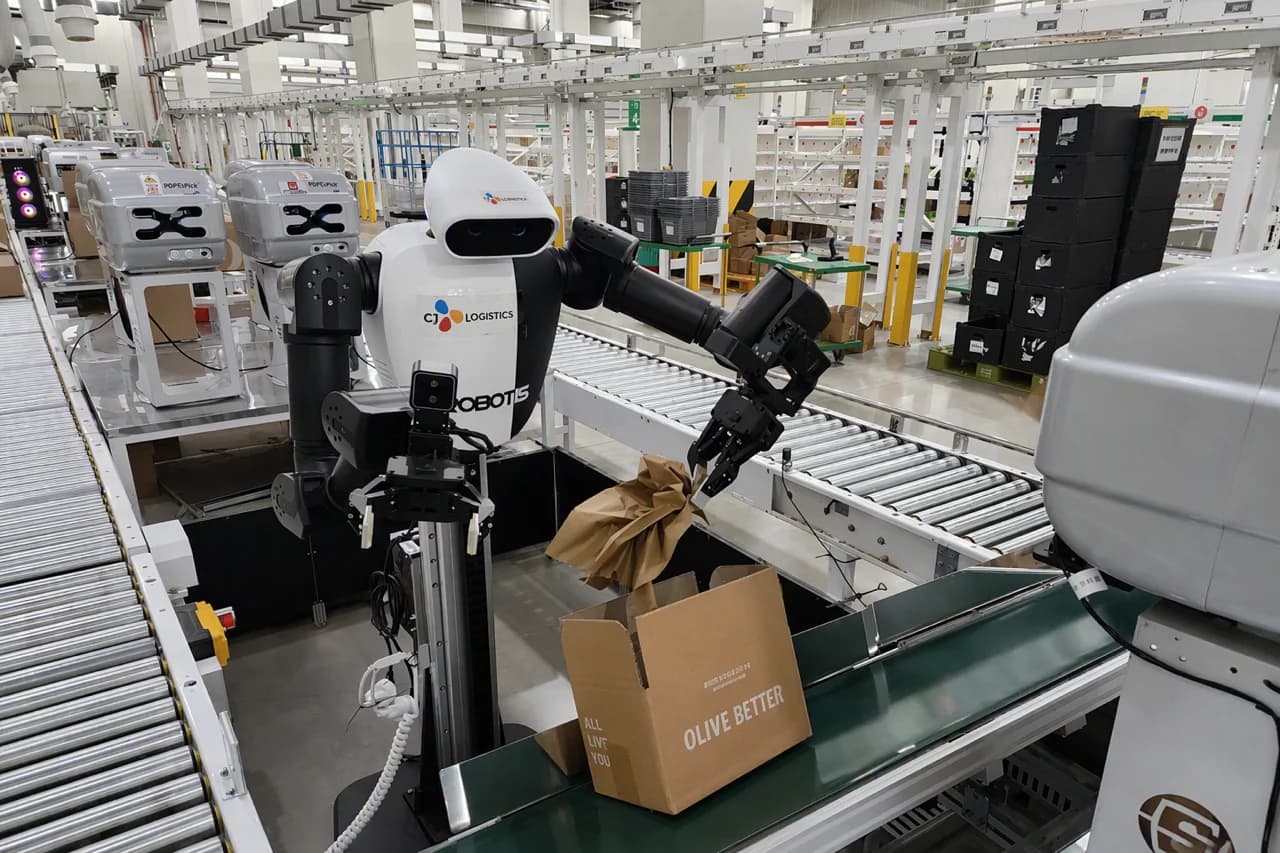
CJ Logistics Puts ROBOTIS Dual-Arm "AI Worker" on Live Olive Young Fulfillment Lines
- Published on
- Reading time
- 3 min read
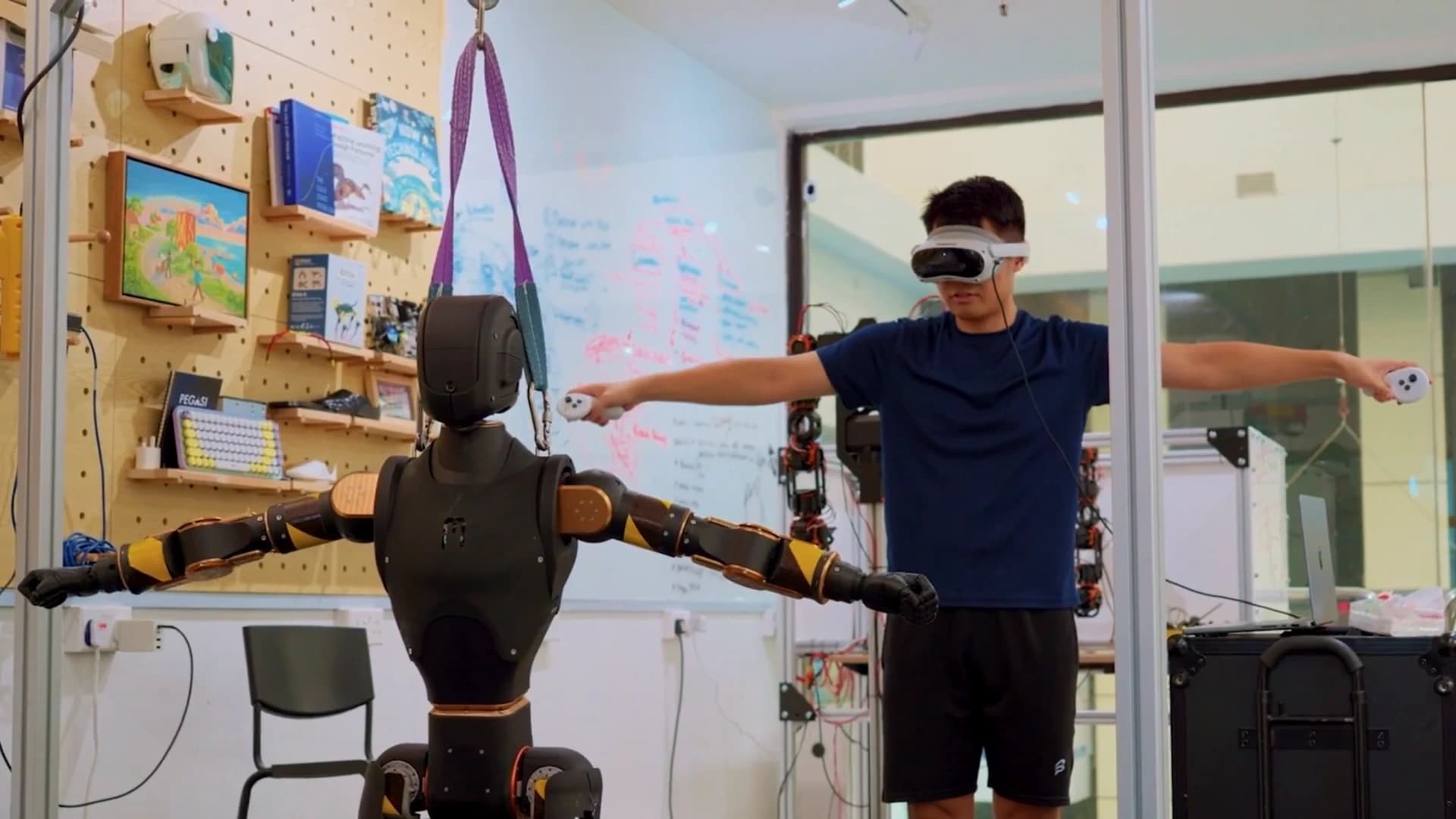
Asimov Releases Python SDK, Announces Open-Source Edge Control Layer
- Published on
- Reading time
- 2 min read
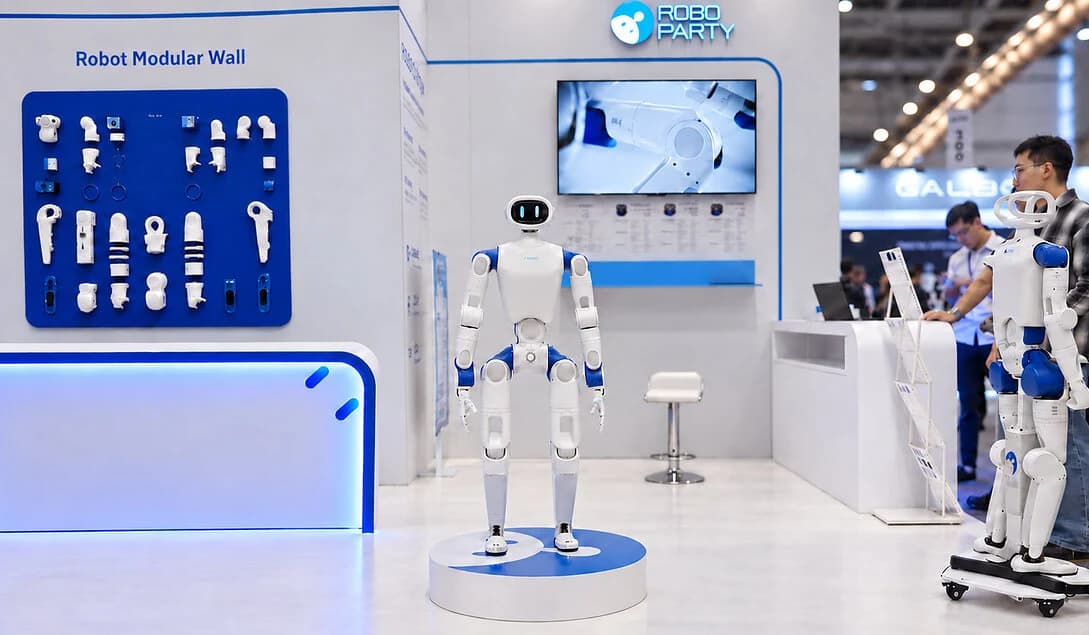
RoboParty Unveils RP1 Humanoid at IROS, Plans Broader Open-Source Release in Q4
- Published on
- Reading time
- 4 min read
Asimov Open-Sources the Training Code Behind Its Humanoid’s Walk
- Published on
- Reading time
- 7 min read
AGIBOT Open-Sources GE-Act 2.0, Challenging Unitree in the Open Embodied AI Race
- Published on
- Reading time
- 7 min read
Unitree Begins Open Release of UnifoLM-WLA-1.0 to Tackle Humanoid Generalization

The weekly humanoid robotics briefing
One email a week: the launches, funding and research that mattered, with context from Humanoids Daily.
Read recent issues