- Published on
Xpeng to Break Ground on "Full-Chain" Humanoid Factory to Meet 2026 Production Goal
One tap, and our reporting appears more often in your Google Top Stories. It makes a real difference to a small newsroom.


Xpeng is shifting its humanoid ambitions from the laboratory to the factory floor. The company announced today that it will break ground on a massive humanoid robot production base in Guangzhou during the first quarter of 2026, a move designed to secure its aggressive late-2026 target for mass production.
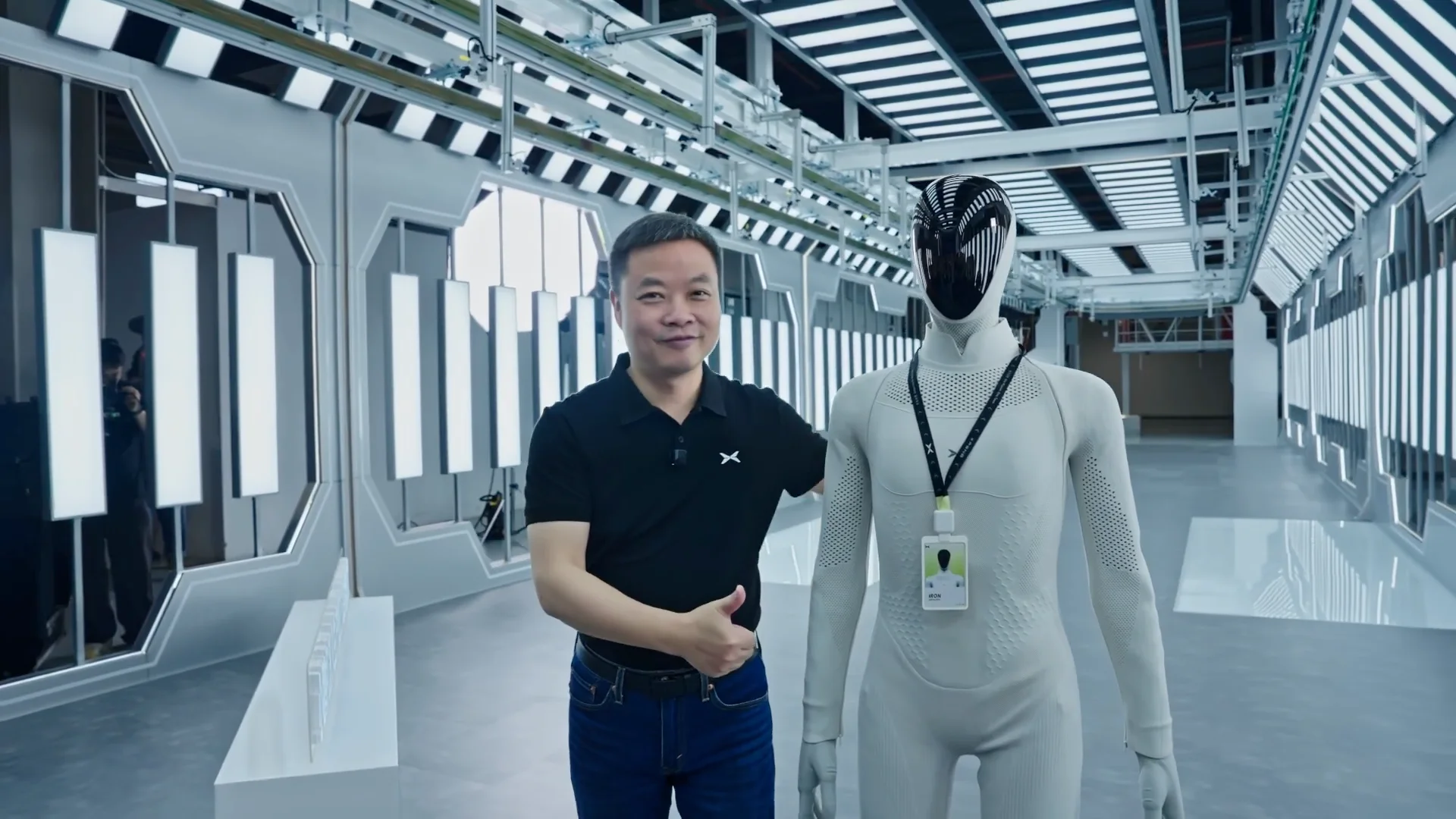
The facility, located in the Guangtang Sci-Tech Innovation City of the Tianhe district, is being described as the industry’s first "full-chain" humanoid manufacturing hub. Spanning approximately 110,000 square meters, the base will house the entire lifecycle of the "Iron" robot platform—from R&D validation and small-batch trials to large-scale industrial manufacturing.
Solving the "Bottleneck" of Physical AI
Xpeng’s decision to build dedicated infrastructure highlights a growing realization in the robotics sector: software alone cannot solve the "Physical AI" challenge. The company noted that the new base aims to resolve critical industry bottlenecks, specifically the lack of high-quality training data and the high barriers to entry within the hardware supply chain.
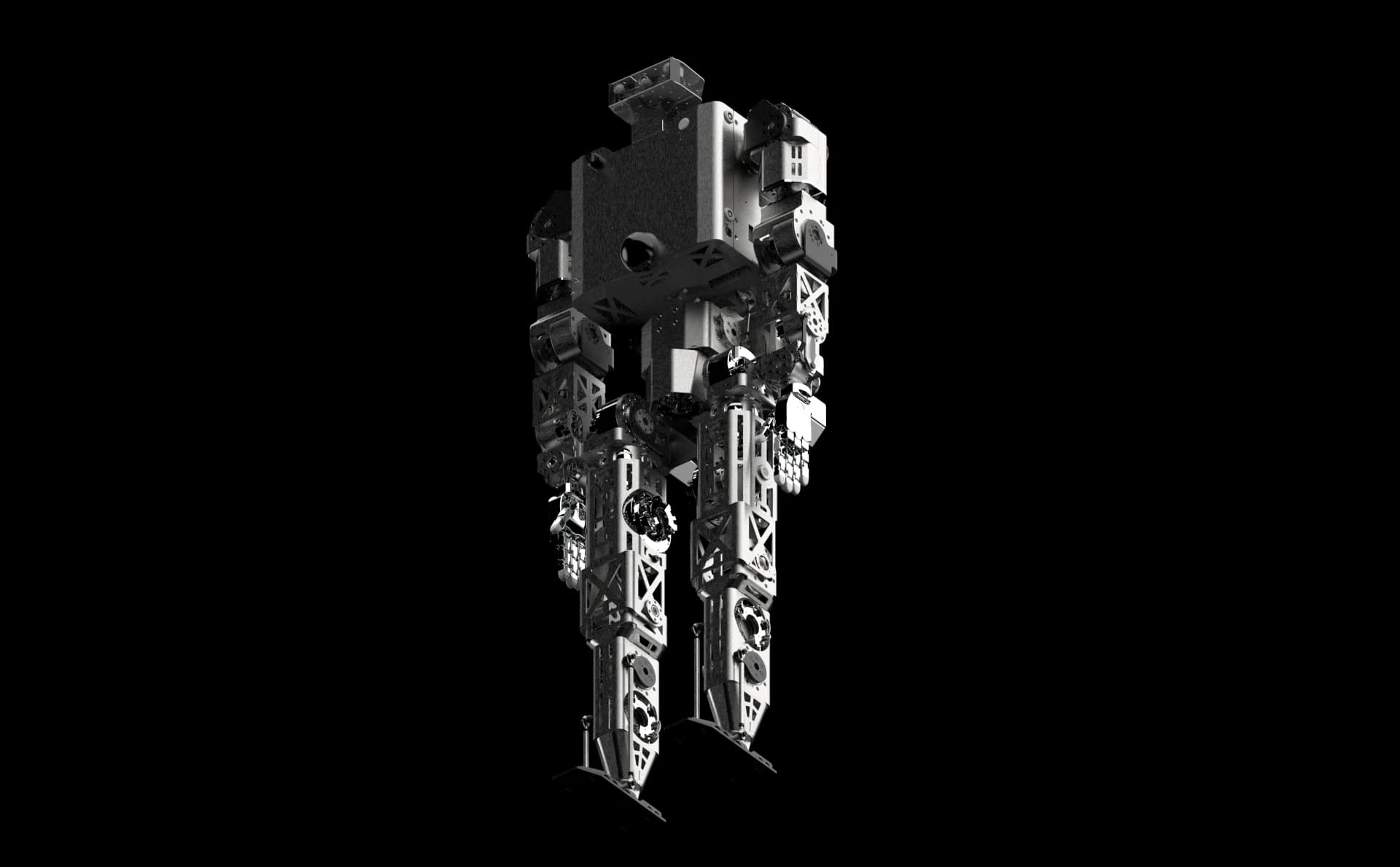
This expansion follows the recent production milestone of the ET1, an engineering test unit developed to "automotive-grade" standards. By integrating its mature electric vehicle (EV) manufacturing expertise into robotics, Xpeng believes it can avoid the mechanical failures—such as durability issues with dexterous hands—that have historically slowed the transition from prototype to product.
The weekly humanoid robotics briefing
One email a week: the launches, funding and research that mattered, with context from Humanoids Daily.
Read recent issues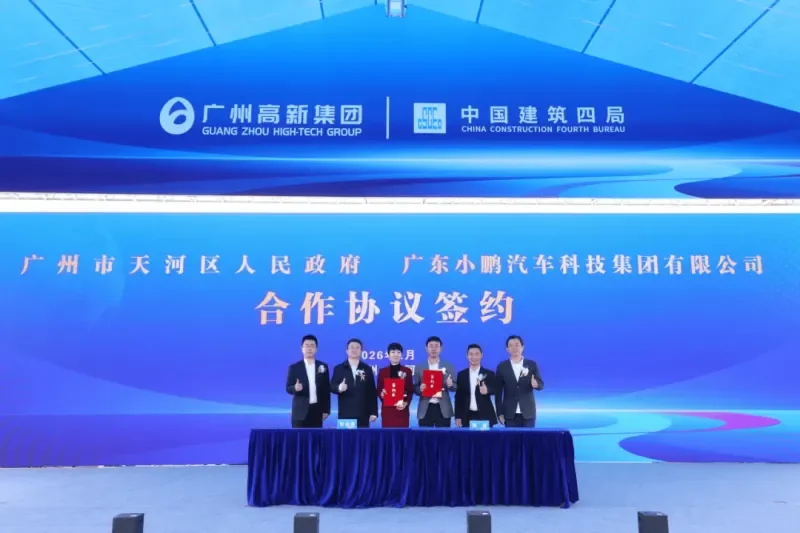
The Blueprint for "Iron"
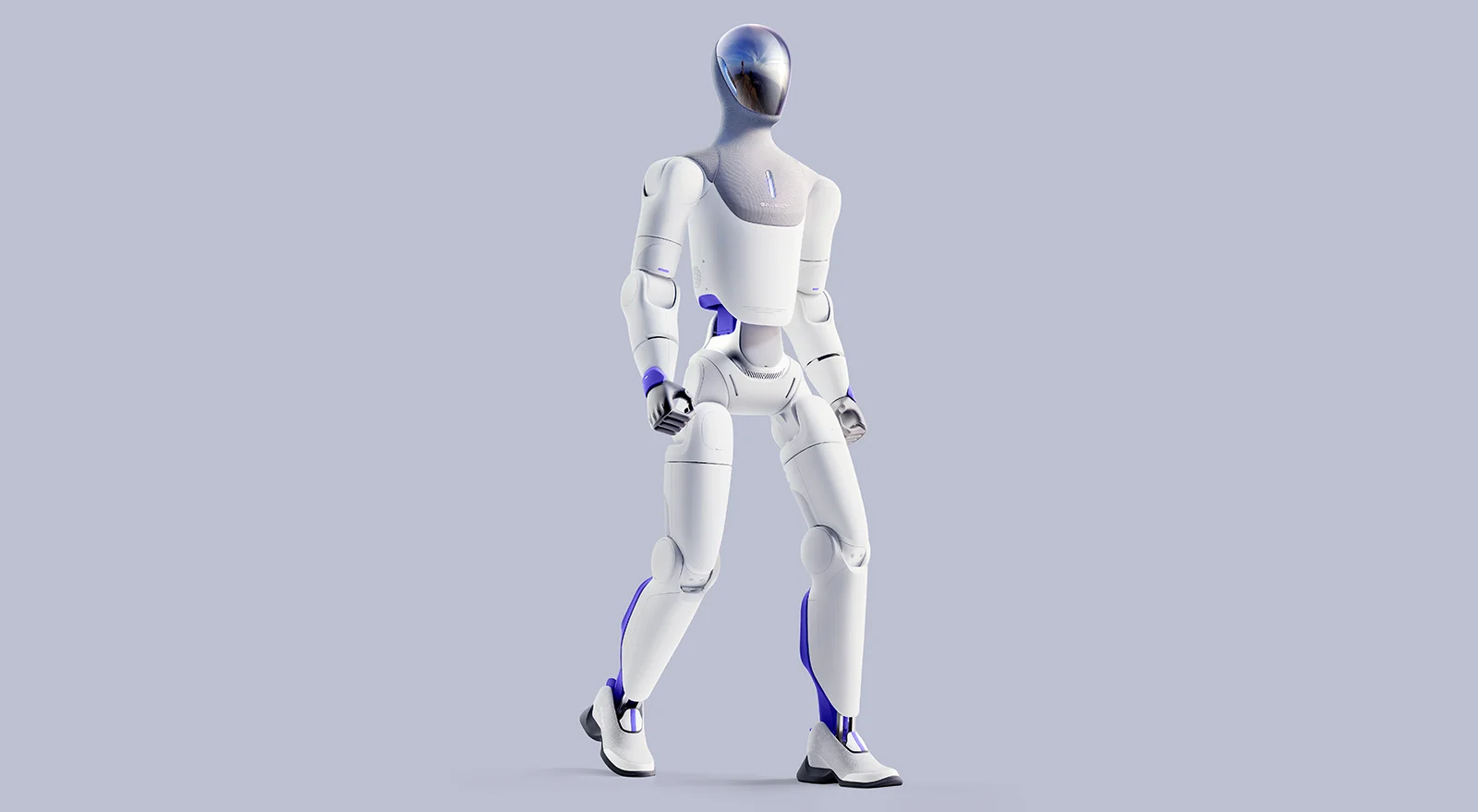
The Guangzhou facility will be the birthplace of the eighth-generation "Iron" robot, the version intended for commercial release. Key specifications for the platform include:
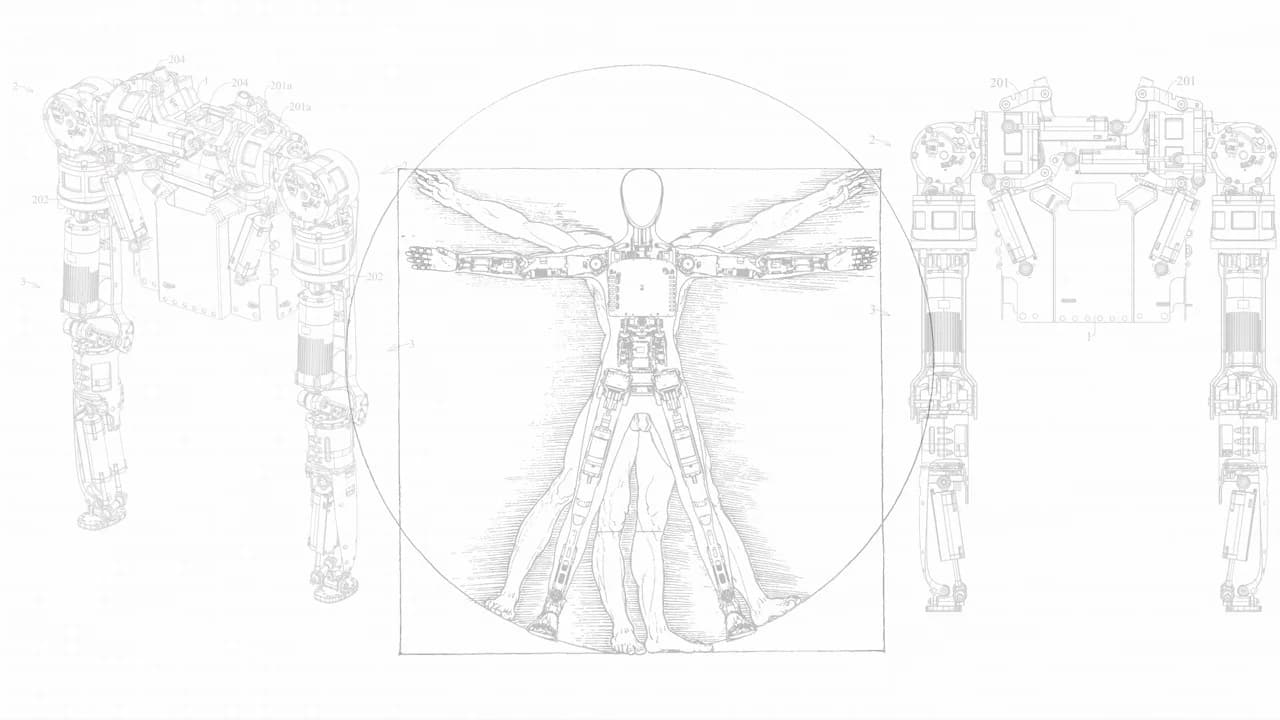
- Bionic Hardware: A 178 cm tall frame weighing 70 kg, featuring a "human-like spine" and a bionic fascia layer to mimic human muscle.
- Computing Power: Three in-house developed Turing AI chips providing a combined 2,250 TOPS of processing power.
- Advanced Power: The use of all-solid-state batteries for lightweight construction and enhanced safety in human-centric environments.
- Autonomous Brain: A multi-modal AI architecture combining Vision-Language-Task (VLT) and Vision-Language-Action (VLA) models.
A Race for Scale
Xpeng’s move to break ground on a dedicated factory puts it in a dead heat with global rivals. While Tesla is mapping its own production ramp and Hyundai/Boston Dynamics are moving the production-ready Atlas into automotive facilities, Xpeng is betting on "manufacturing synergy".
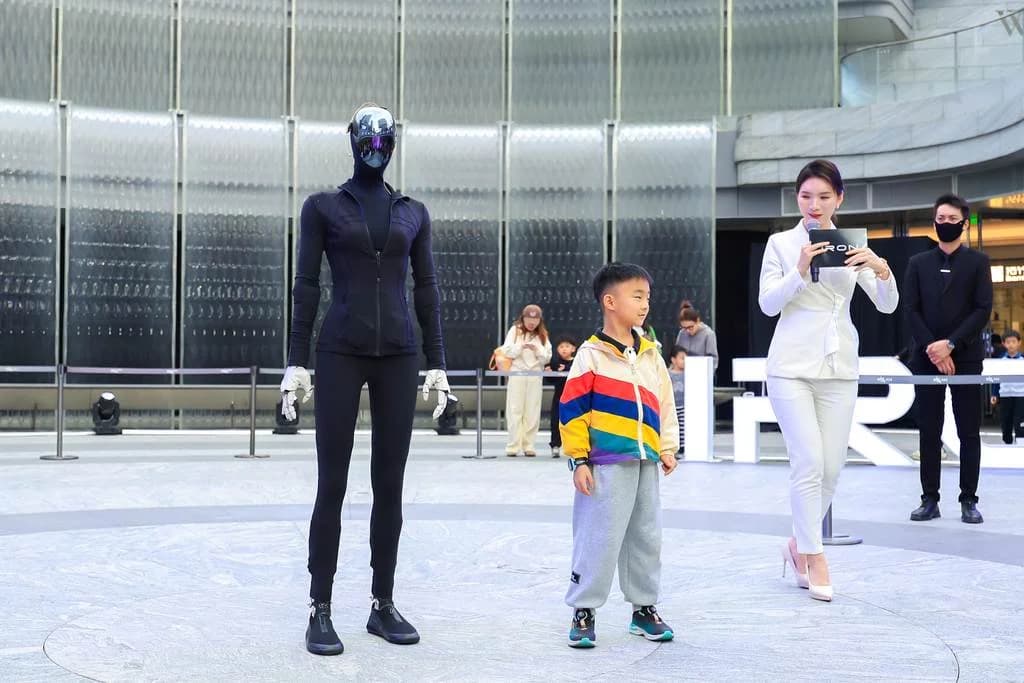
The company expects initial units to serve as tour guides and retail assistants within its own showrooms starting later this year before the Guangzhou factory begins churning out robots for the broader market in 2026. With Xpeng’s market capitalization already reflecting confidence in this pivot—recently surging to over $212 billion HKD—the pressure is now on the engineering team to ensure the new factory can deliver on the "dream of mass production".
Share this article
Read next
- Published on
- Reading time
- 6 min read
Inside XPENG’s Bet on IRON: He Xiaopeng on Why the Hardest Path in Humanoid Robotics Is Never Crowded
- Published on
- Reading time
- 6 min read
XPENG Launches Mass Production of IRON Humanoid
- Published on
- Reading time
- 4 min read
XPENG's Head of Robotics Admits Hardware is 'Bottleneck' as 2026 Production Goal Looms
- Published on
- Reading time
- 3 min read
XPENG CEO Targets Late 2026 for Massive IRON Deployment
- Published on
- Reading time
- 5 min read
Simulating the 'Masterpiece': XPENG Robotics Unveils Design Framework and Lattice Musculature for IRON
- Published on
- Reading time
- 3 min read
Xpeng Iron Hits the Catwalk: Humanoid Prototype Makes Surprise Debut in Shenzhen


The weekly humanoid robotics briefing
One email a week: the launches, funding and research that mattered, with context from Humanoids Daily.
Read recent issues