- Published on
Agility Robotics Co-Founder Outlines a 25-Year Vision for Human-Robot Coexistence
One tap, and our reporting appears more often in your Google Top Stories. It makes a real difference to a small newsroom.


Your guide
Rich Robinson
Jee Chee Ren · Executive tour
See China’s AI and robotics ecosystem first-hand.
Six days exploring AI, robotics and advanced manufacturing.
With Rich Robinson, Clinical Professor of Entrepreneurship at Peking University
Beijing · Guangzhou · Shenzhen
29 November–4 December 2026
Referral partnership · We earn a commission on referred bookings.

In an industry characterized by rapid-fire demos and ambitious, near-term forecasts, Agility Robotics co-founder and Chief Robot Officer (CRO) Jonathan Hurst has offered a more measured perspective on the future of humanoid robots. Speaking with South Korean newspaper The Chosun Daily, Hurst projected a 25-year timeline for when robots will "work and live together in human spaces," a vision grounded in a phased, safety-first approach to deployment.
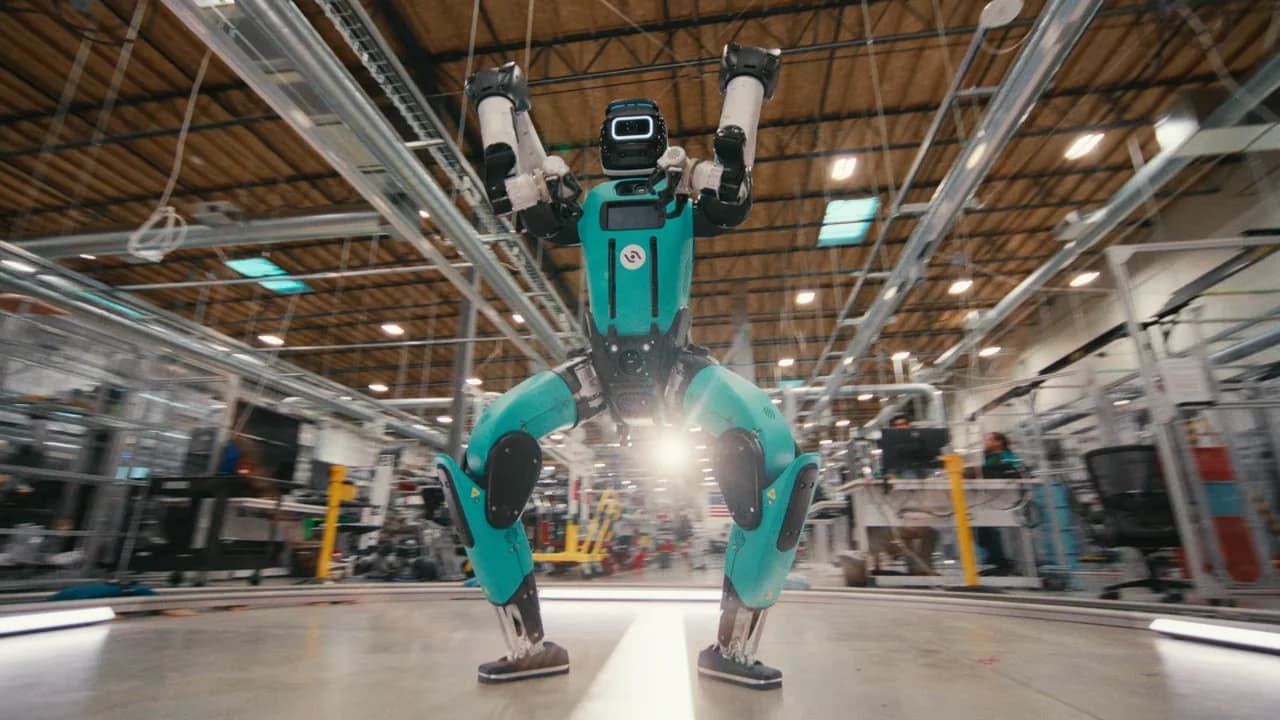
"The humanoid robots we developed are already carrying things in factories," Hurst stated in the interview. "In 25 years, robots will be working and living together in human spaces."
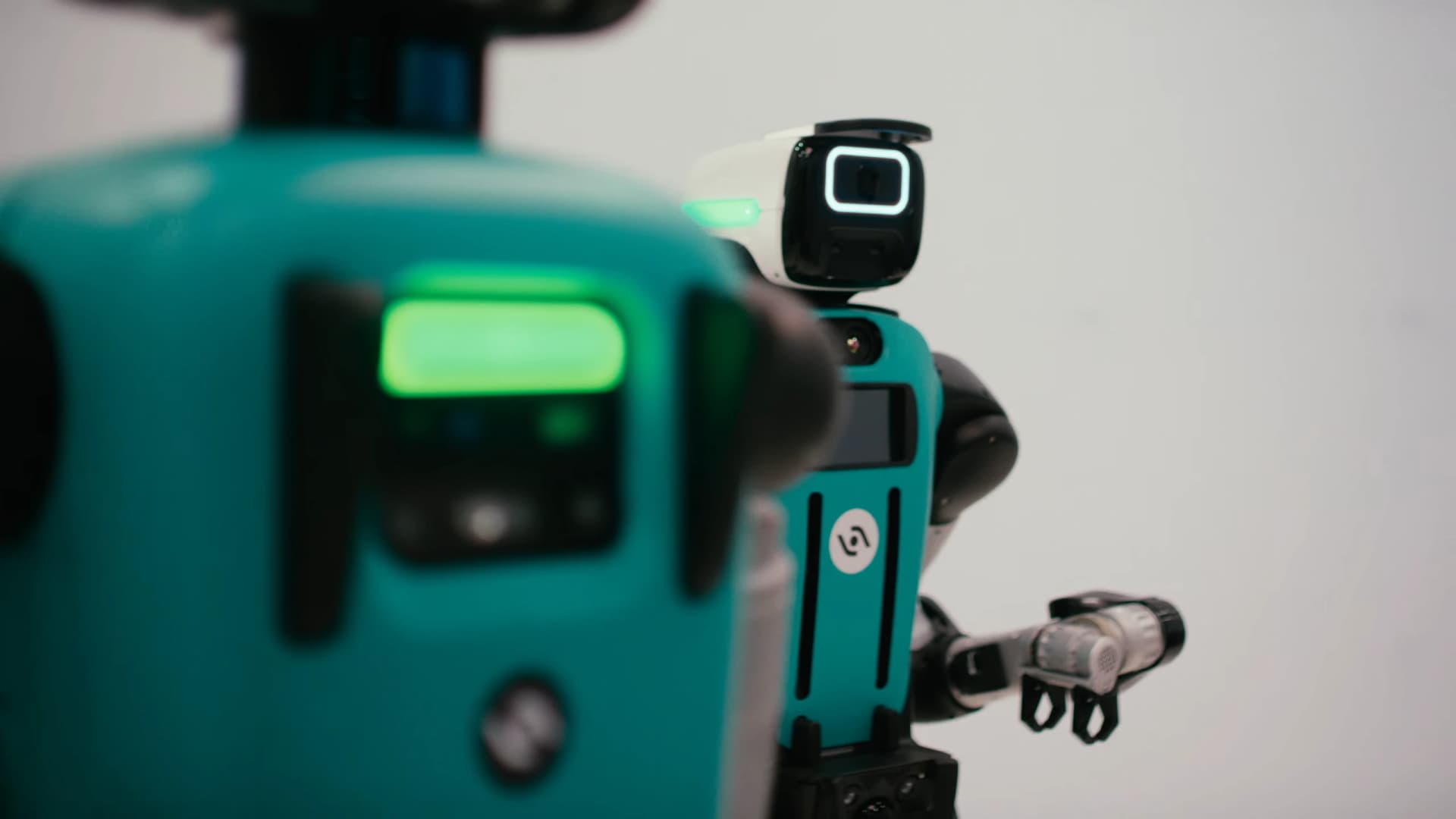
This long-range forecast suggests that while humanoids like Agility's Digit are making commercial inroads today, the path to widespread integration—particularly in domestic environments—is a marathon, not a sprint.

The Three Stages of Robot Evolution
Hurst framed the development of robotics in three distinct stages. The first began in the 1960s with industrial robot arms, which operate in highly structured environments designed specifically for them. The second stage arrived in the 2000s with autonomous mobile robots (AMRs) navigating the semi-structured floors of warehouses and logistics centers.
The weekly humanoid robotics briefing
One email a week: the launches, funding and research that mattered, with context from Humanoids Daily.
Read recent issuesWe are now entering the third stage: "human-centric" robots. The key distinction, according to Hurst, is that these machines must adapt to our world, not the other way around. "It is important not to create a robot that looks like a person, but a robot that does useful things for people in the space where people live," he explained. "The inflection point is approaching where robots are no longer confined to laboratories or factory corners, but are naturally integrated into human society."
A Cautious Path to the Home
While the ultimate goal is full integration, Hurst was particularly cautious about the timeline for domestic humanoids, predicting it will be "more than 10 years" before they are ready for home environments. He cited several critical hurdles:
- Safety: Humanoids are powerful enough to potentially cause serious injury.
- Stability: Balance and fall prevention technology still requires maturation to mitigate risks.
- Regulation: A clear regulatory framework for robots operating in private homes does not yet exist.
"I believe that human-centric robots will be the first step toward home robots, but there is still a long way to go," Hurst said. "They can only enter the home after safety has been secured through sufficient practical experience in commercial and industrial sites."
This philosophy underpins Agility's strategy of focusing on logistics and warehouses as a crucial proving ground. As previously covered by us, the company's Digit robot is already being deployed in facilities run by logistics firm GXO.
Near-Term Upgrades and the Competitive Landscape
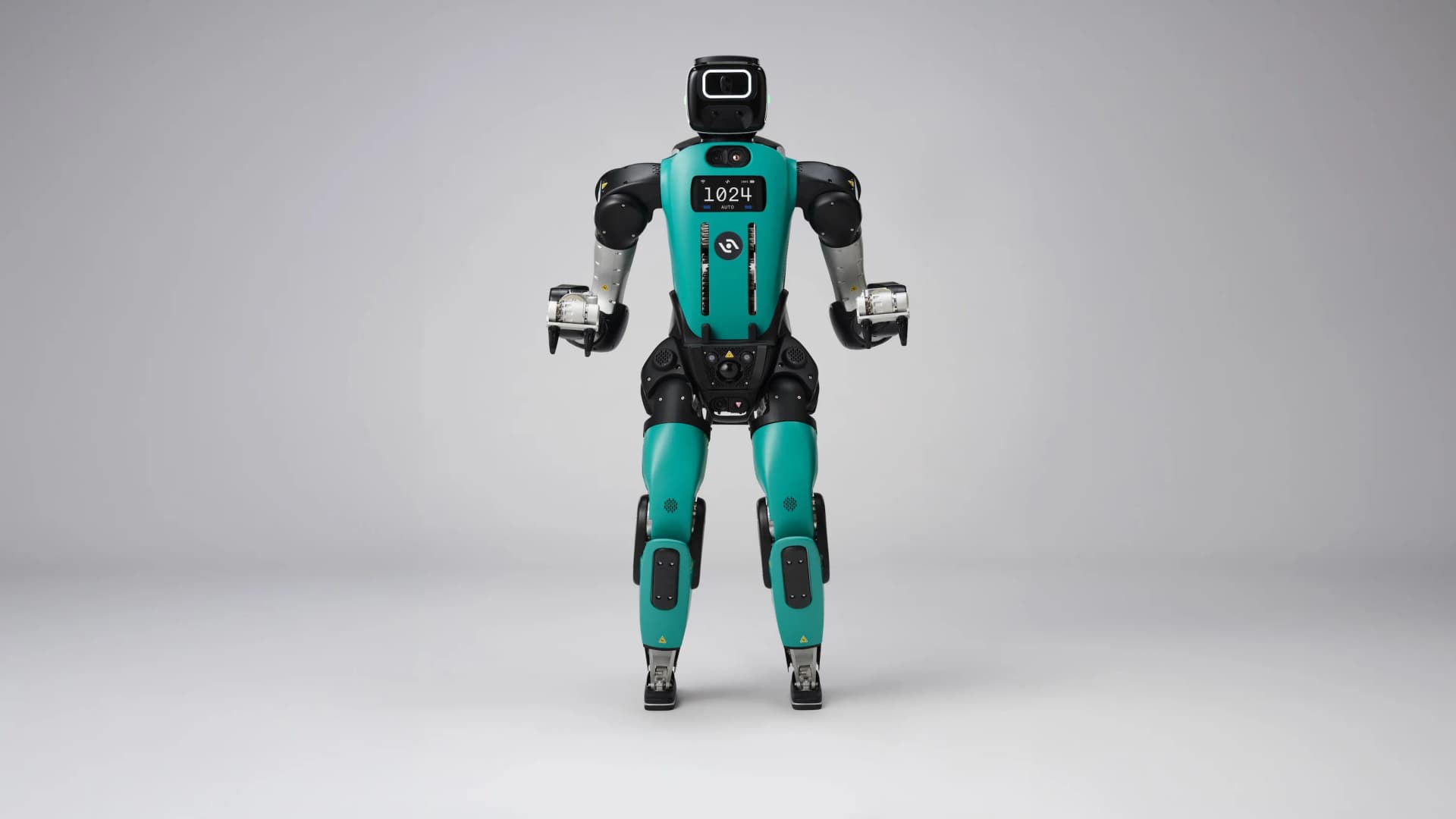
Looking to the immediate future, Hurst mentioned that Agility is developing the next iteration of its flagship product, Digit V5, with a target release for next year. Key upgrades will include a battery that can be fully charged in under 10 minutes and interchangeable hand tools to perform a wider variety of tasks.
Crucially, Digit V5 will incorporate multiple human-detection sensors to ensure safety, a step Hurst believes will allow it to be "the first robot that can move in the same space as a person without a separate isolation area" or protective work cell.
When asked about the burgeoning competition, Hurst acknowledged the rapid prototyping capabilities of Chinese firms but noted that few have reached full productization. He suggested that trust and security concerns could be a "stumbling block" for them in Western markets, though he conceded that "competition with China is inevitable." Regarding South Korean efforts, he found some research humanoids "interesting" but viewed them as "insufficient in the commercialization and scaling stage."
Hurst's comments paint a picture of a company focused on a deliberate, step-by-step validation of its technology. While the 25-year horizon for full human-robot coexistence may seem distant compared to more bullish industry claims, it reflects a pragmatic strategy: prove safety and value in the workplace first, and the home will eventually follow.
Share this article
Read next
- Published on
- Reading time
- 3 min read
“I Cannot Love Digit 5”: Agility Co-Founder Explains His Robot’s Compromises
- Published on
- Reading time
- 3 min read
Nine Minutes to Recharge: Agility Picks Nyobolt for Digit 5’s Long Working Day
- Published on
- Reading time
- 2 min read
Agility Moves Closer to Nasdaq as Merger Vote Is Set for November 2
- Published on
- Reading time
- 7 min read
Agility's Investor Day: Digit 5 Launches at a $150,000 Bill of Materials, and Its $300M Order Unlocks Skill by Skill
- Published on
- Reading time
- 4 min read
Agility’s Digit 5 Reveal Includes a Wheeled Robot Concept
- Published on
- Reading time
- 8 min read
Uncaged: Agility CEO Peggy Johnson and Co-Founder Jonathan Hurst Detail Digit 5 Architecture, AI Stack, and Supply Chains

The weekly humanoid robotics briefing
One email a week: the launches, funding and research that mattered, with context from Humanoids Daily.
Read recent issues