- Published on
Boston Dynamics Opens Atlas Training Center at Hyundai’s Georgia Factory
One tap, and our reporting appears more often in your Google Top Stories. It makes a real difference to a small newsroom.

Supported by RoboStrategySupport for Humanoids Daily comes from RoboStrategy
Sponsored
Investing involves risk, including possible loss of principal. Read the prospectus before investing.
- Boston Dynamics has opened an Atlas training center at Hyundai’s Georgia Metaplant, initially focused on automotive parts sequencing.
- A facility roughly ten times larger is planned for 2027, alongside exploration of other industries.
- Hyundai’s published roadmap targets factory deployment from 2028; training activity does not establish production readiness.
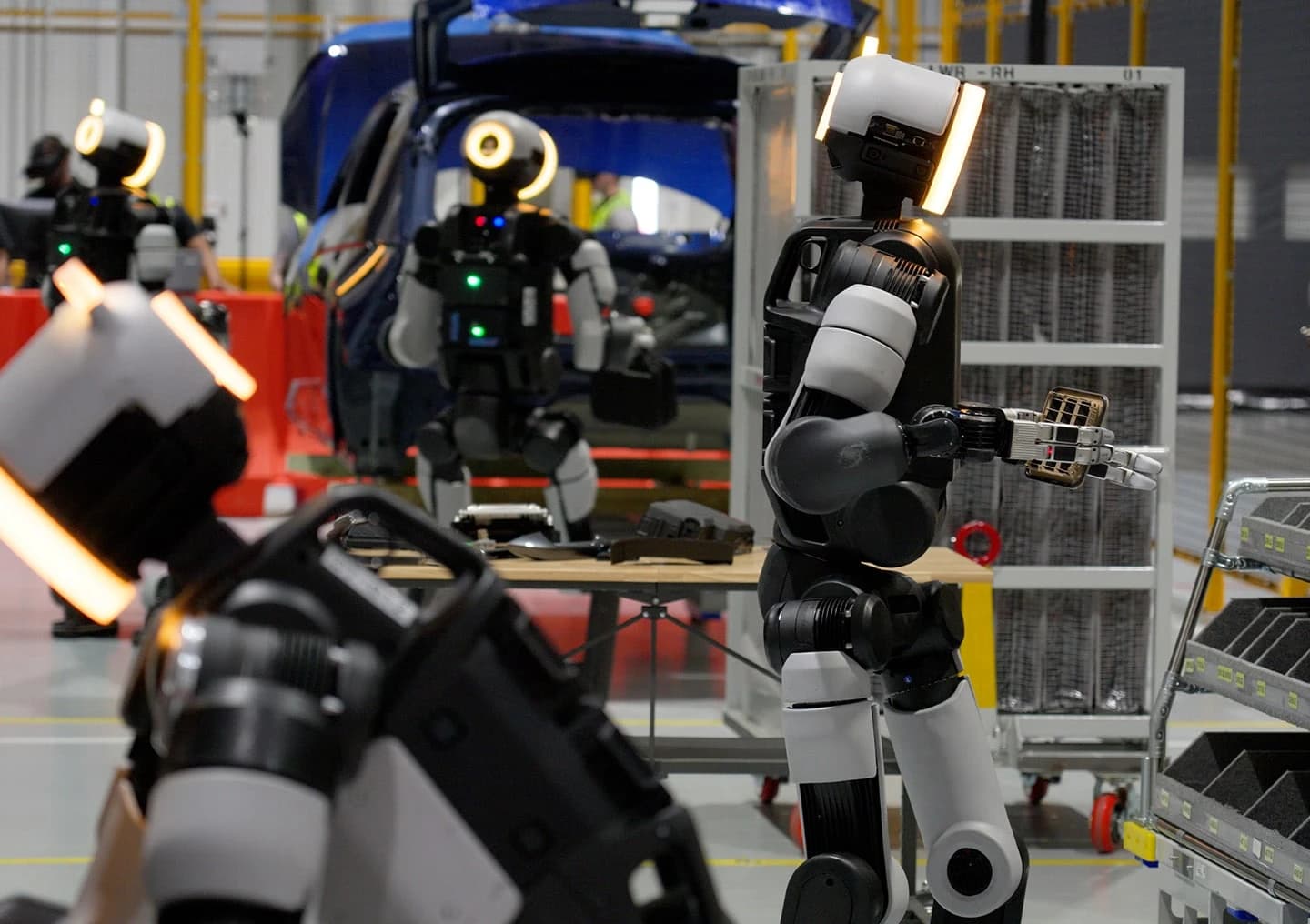
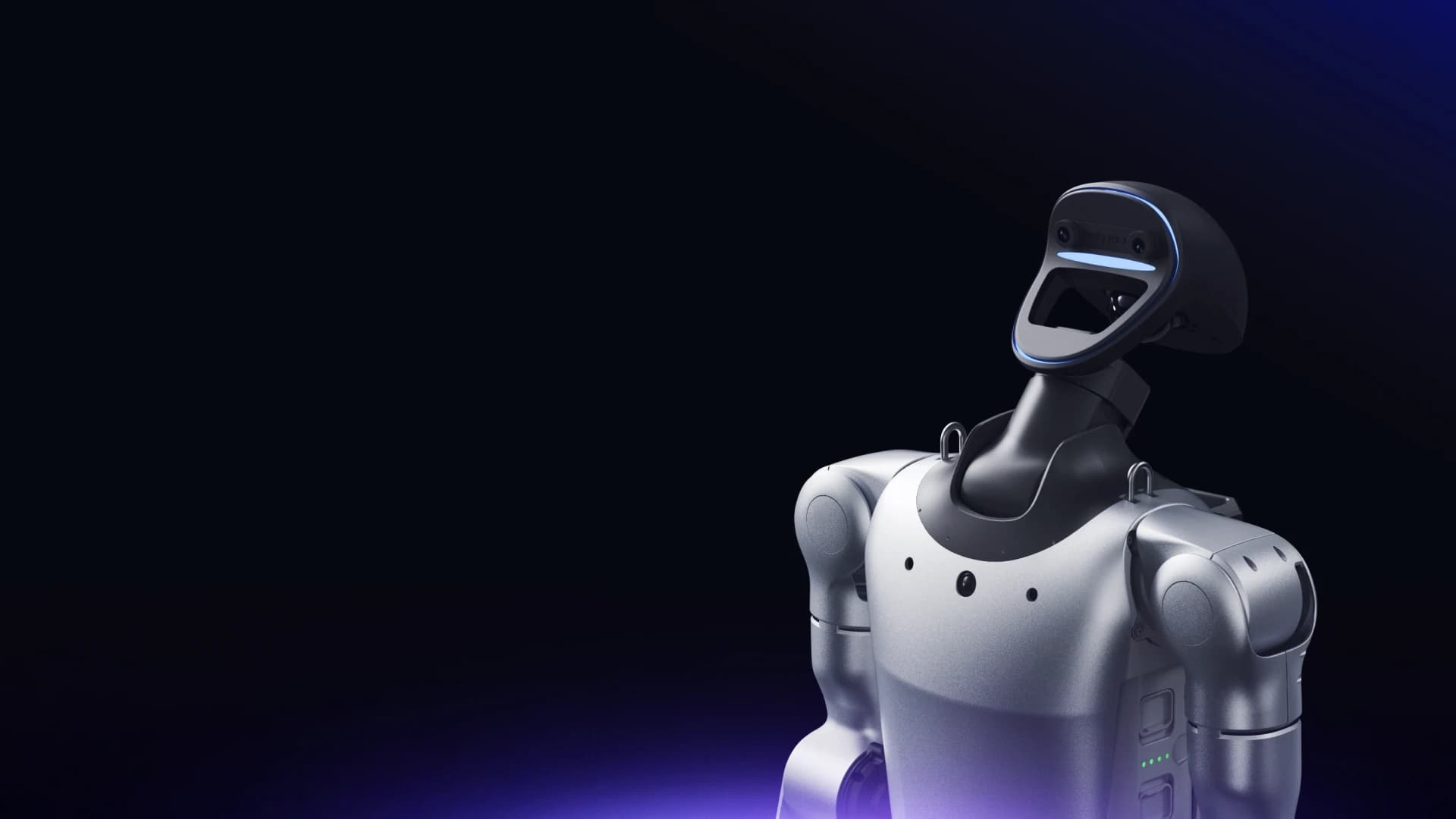
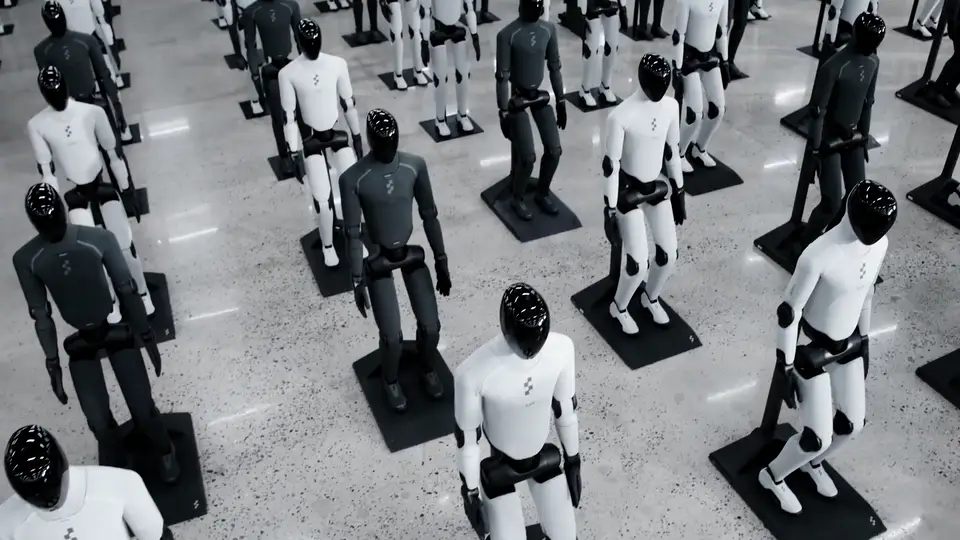
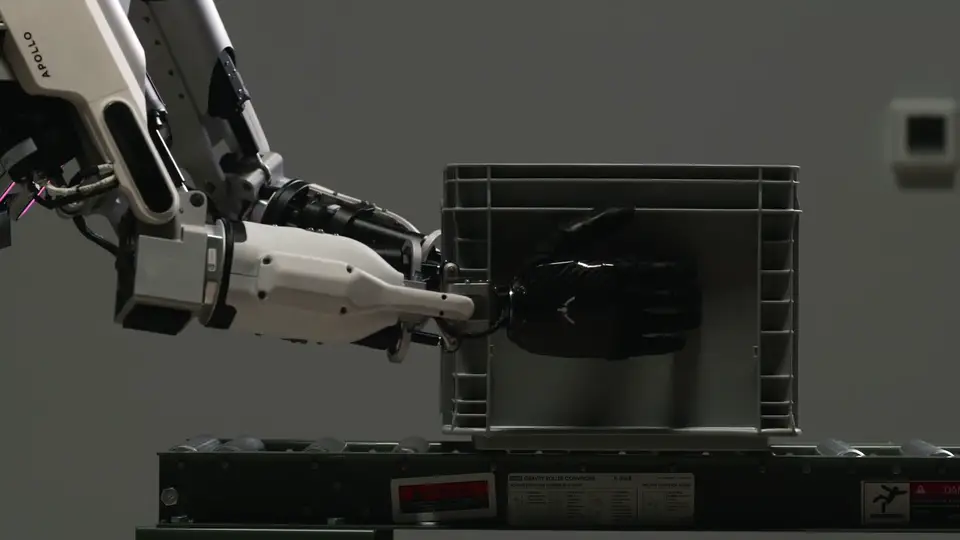
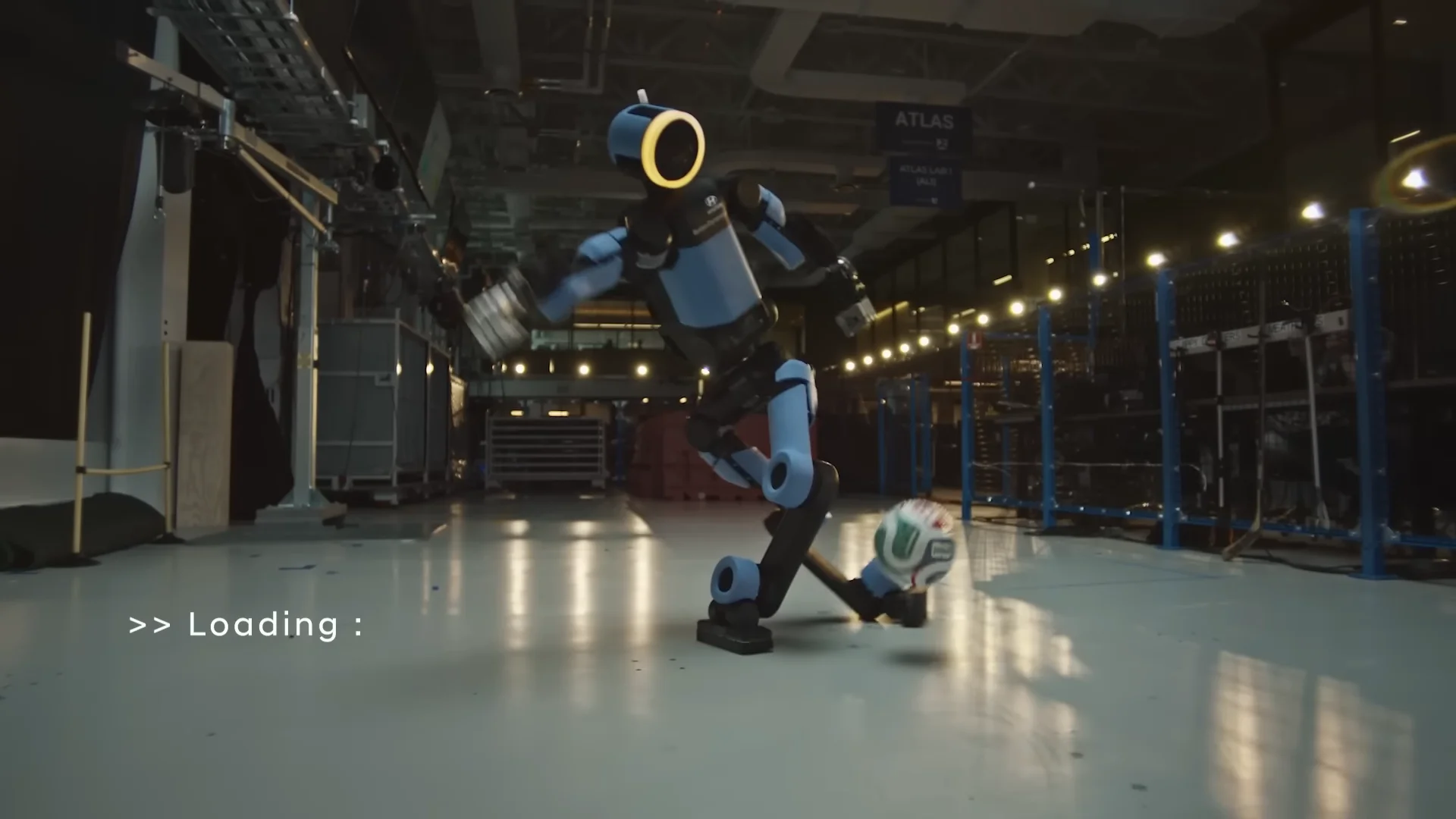
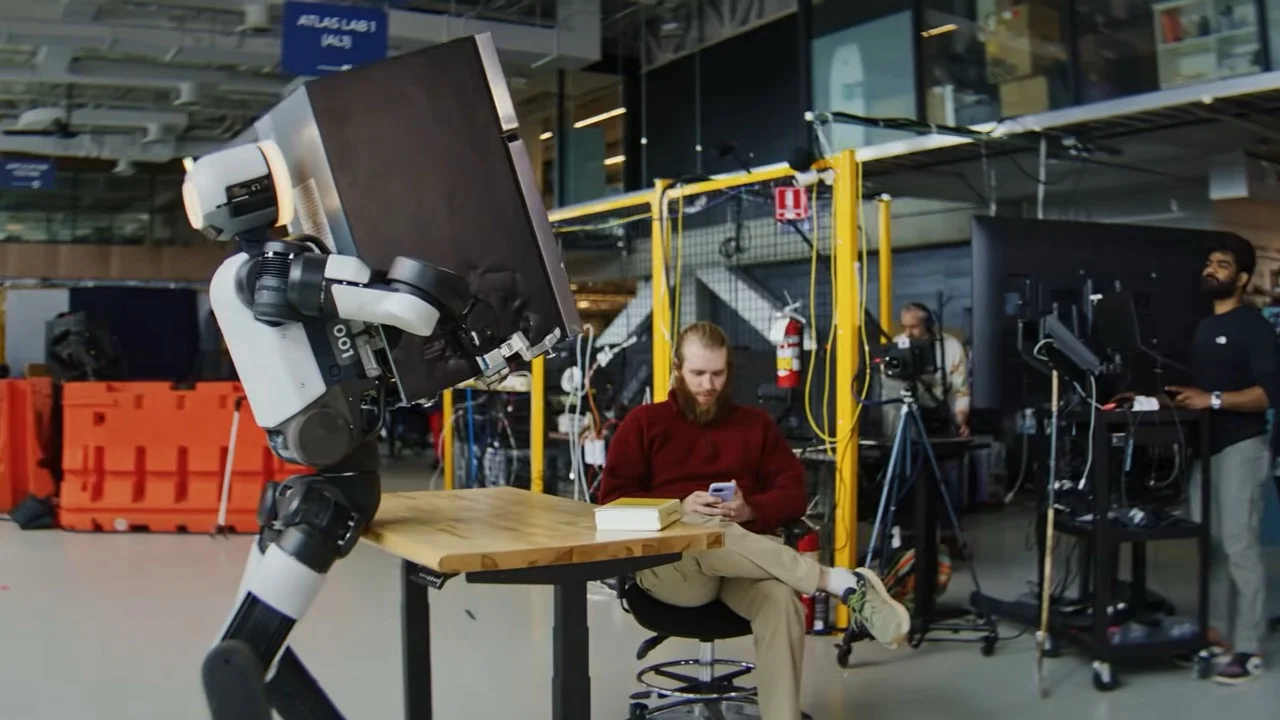
Atlas now has a dedicated place to learn factory work inside Hyundai’s U.S. manufacturing campus. Boston Dynamics announced on September 21 that its Robotics Metaplant Application Center (RMAC) is operational at Hyundai Motor Group Metaplant America, outside Savannah, Georgia.
Robots there are learning to arrange automotive parts for assembly. Boston Dynamics plans a move to a larger building in 2027 and is discussing training and data collection with existing Spot and Stretch customers in sectors including aerospace, semiconductors and logistics.
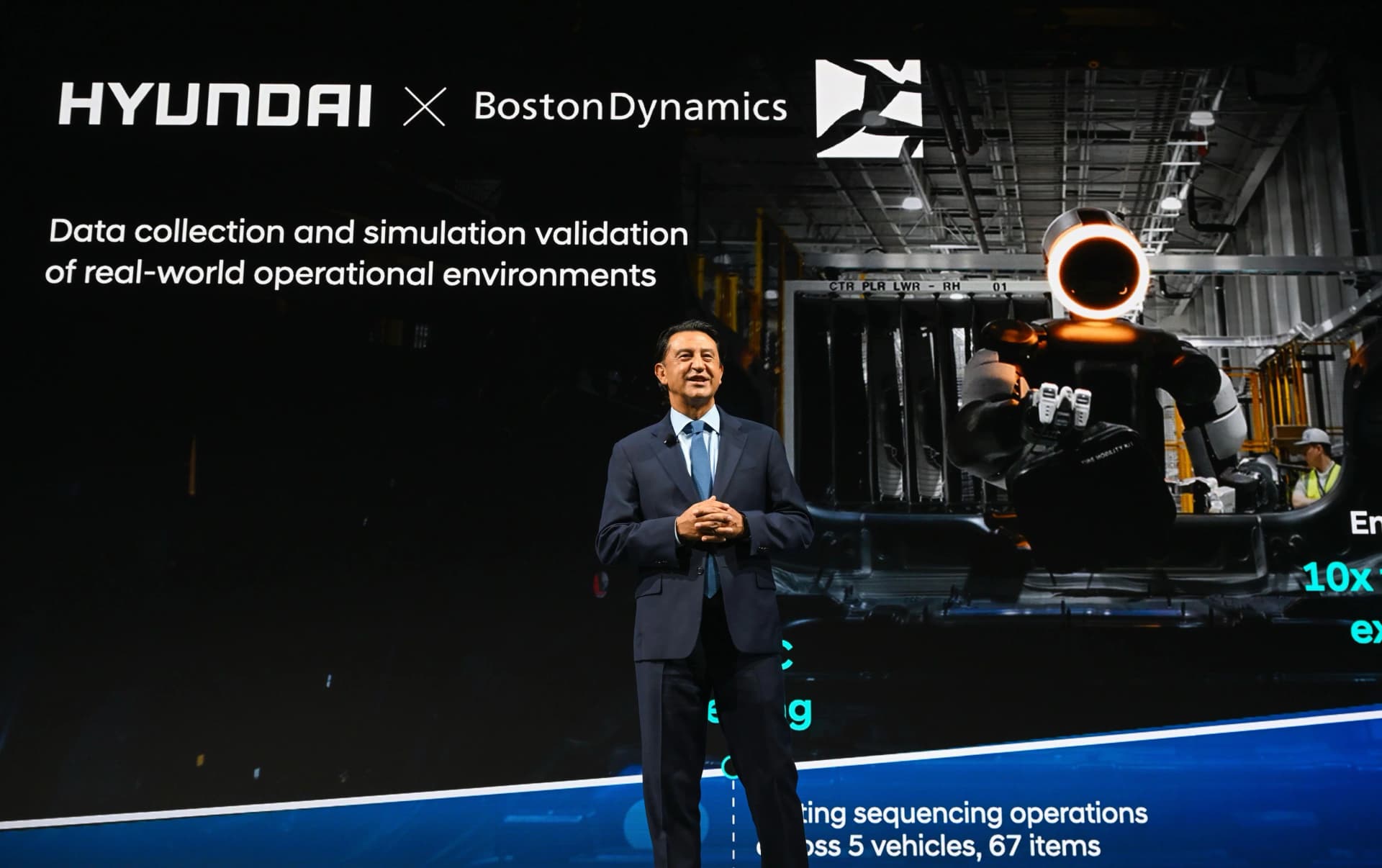
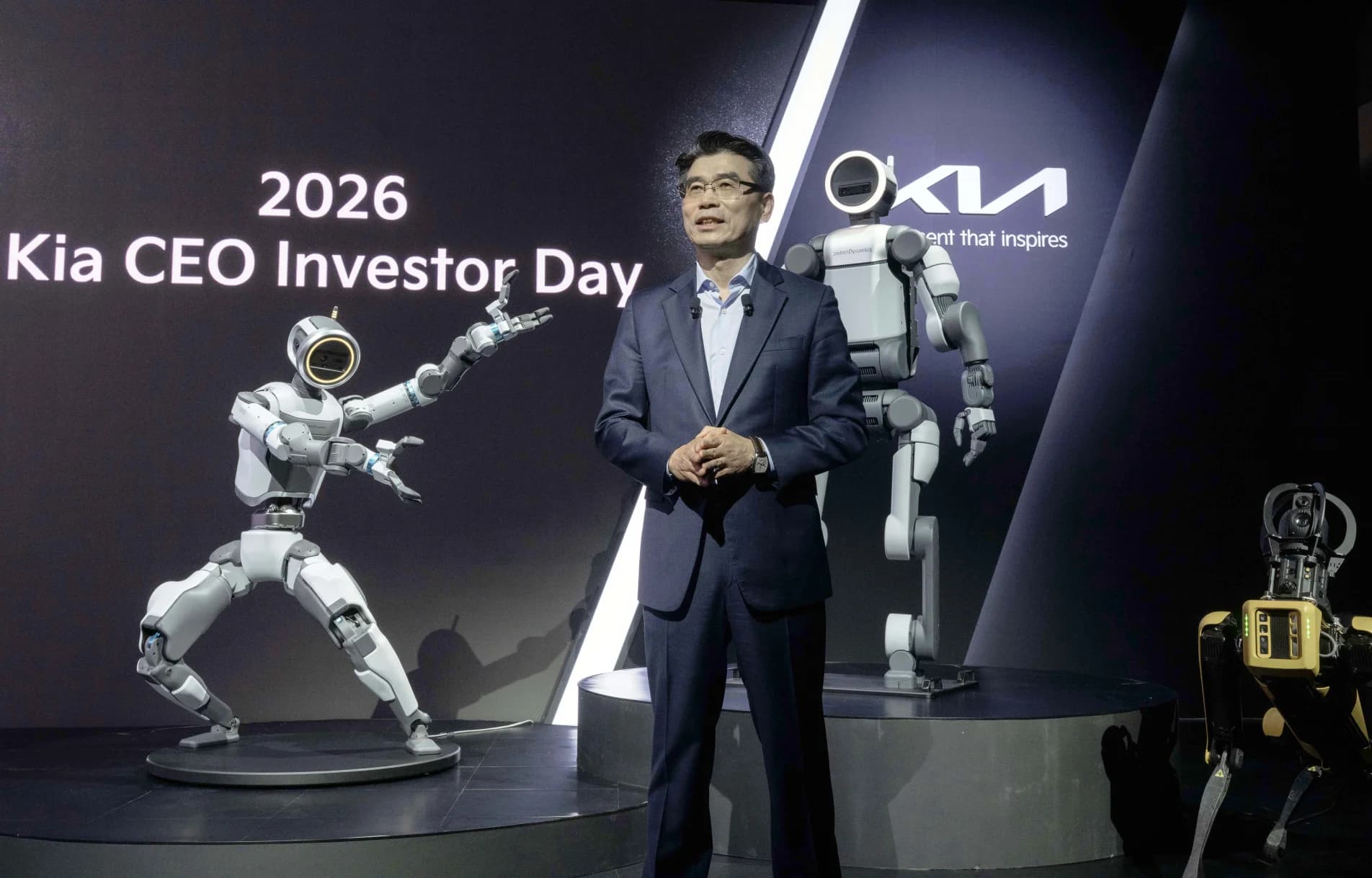
The release also reiterates plans for 25,000 Atlas deployments across Hyundai and Kia plants over the next few years and a U.S. factory capable of producing 30,000 robots annually. These are deployment and capacity ambitions, not current fleet or output figures.
A training milestone ahead of the production timetable
Hyundai’s July statement on its robotics strategy put the start of Atlas deployment at the Georgia Metaplant in 2028, initially for parts sequencing, with component assembly targeted by 2030. Those plans remain subject to technical validation, operational readiness and business requirements.
The weekly humanoid robotics briefing
One email a week: the launches, funding and research that mattered, with context from Humanoids Daily.
Read recent issuesSequencing is a practical starting point: a production line needs the correct components presented in the correct order. A robot must identify and handle the parts while fitting the pace and constraints of the surrounding process.
The distinction between training and deployment matters here. Working through a task in a test environment is one step; sustaining the required throughput, recovering from mistakes and operating safely alongside other activity are the tests that determine its value to a factory.
The software challenge behind the hardware
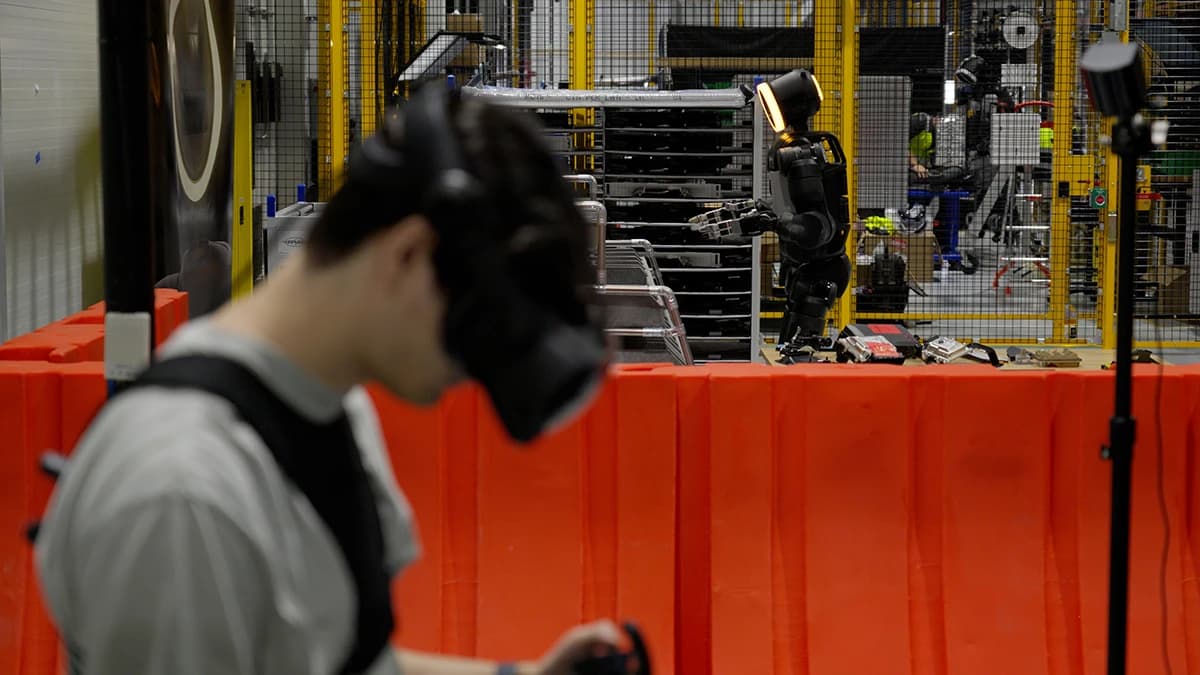
In our earlier coverage of Boston Dynamics’ manufacturing strategy, Atlas leaders described a learning approach combining human teleoperation, reinforcement learning in simulation and, over the longer term, observation of human activity.
Their argument was that the variety of automotive tasks makes individually engineered automation costly to extend. The commercial case for a general-purpose robot depends on being able to teach it additional work without rebuilding an automation system each time.
A center within Hyundai’s manufacturing campus offers a setting to test that proposition against actual workflows. The useful evidence to watch will be how quickly skills transfer between tasks and locations, how much intervention remains necessary, and whether reliability improves with more training.
That question also connects to Hyundai’s discussions about bringing Atlas to its Czech factory. No European deployment date has been announced. Skills developed in Georgia could inform a wider rollout, but success at one site would still need to translate to different equipment, processes and workplace requirements elsewhere.
Share this article
Read next
- Published on
- Reading time
- 3 min read
Hyundai Eyes Czech Factory for Atlas Humanoid
- Published on
- Reading time
- 7 min read
Hyundai Says Atlas Will Not Replace Workers — One Day After Settling a Strike Over Exactly That
- Published on
- Reading time
- 4 min read
Hyundai to Take Full Ownership of Boston Dynamics in $325 Million SoftBank Buyout
- Published on
- Reading time
- 5 min read
Bear Hugging a Fridge: Inside Boston Dynamics’ Push for "Whole-Body" Physical AI
- Published on
- Reading time
- 4 min read
The Production Pivot: Leadership Exodus and Internal Pressure at Boston Dynamics
- Published on
- Reading time
- 4 min read
The Blueprint for a Bipedal Workforce: Kia Details Atlas Deployment Roadmap
The weekly humanoid robotics briefing
One email a week: the launches, funding and research that mattered, with context from Humanoids Daily.
Read recent issues