- Published on
Robros Adds Full-Body Teleoperation to Its Korean Humanoid
One tap, and our reporting appears more often in your Google Top Stories. It makes a real difference to a small newsroom.

Supported by RoboStrategySupport for Humanoids Daily comes from RoboStrategy
Sponsored
Investing involves risk, including possible loss of principal. Read the prospectus before investing.
- Robros has demonstrated real-time full-body teleoperation of IGRIS-C, extending human control beyond its arms to coordinated movement and posture.
- The Seoul startup reports 18 cumulative robot sales and 36 units produced, with paid industrial trials spanning semiconductors, automotive manufacturing and logistics.
- The update adds a startup example to South Korea’s humanoid push, while leaving autonomous performance and sustained industrial productivity unproven.
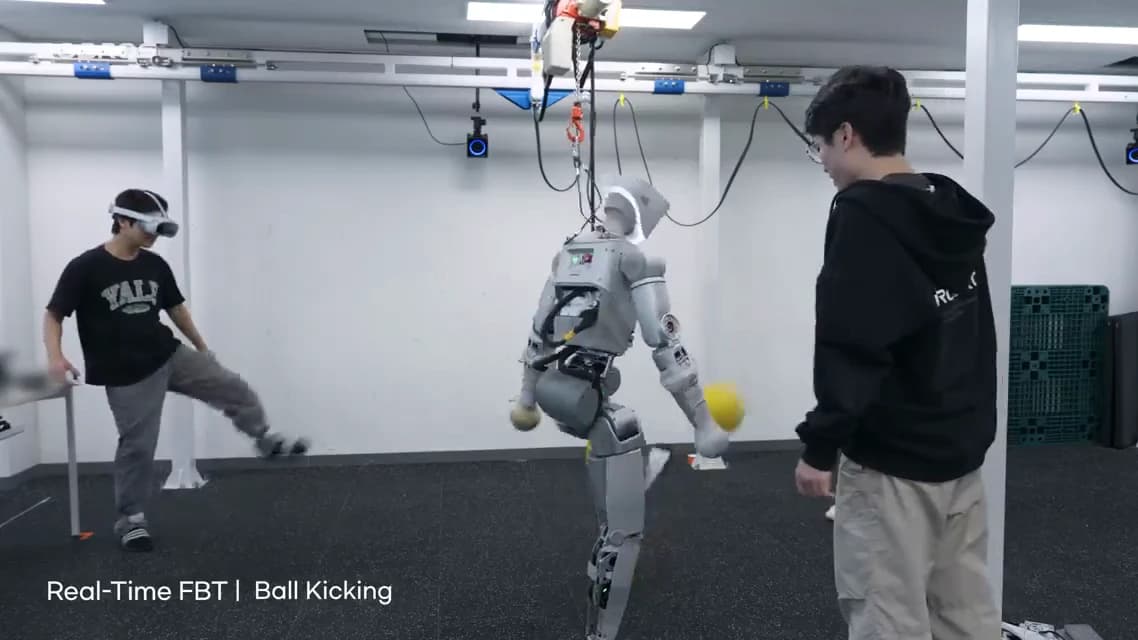
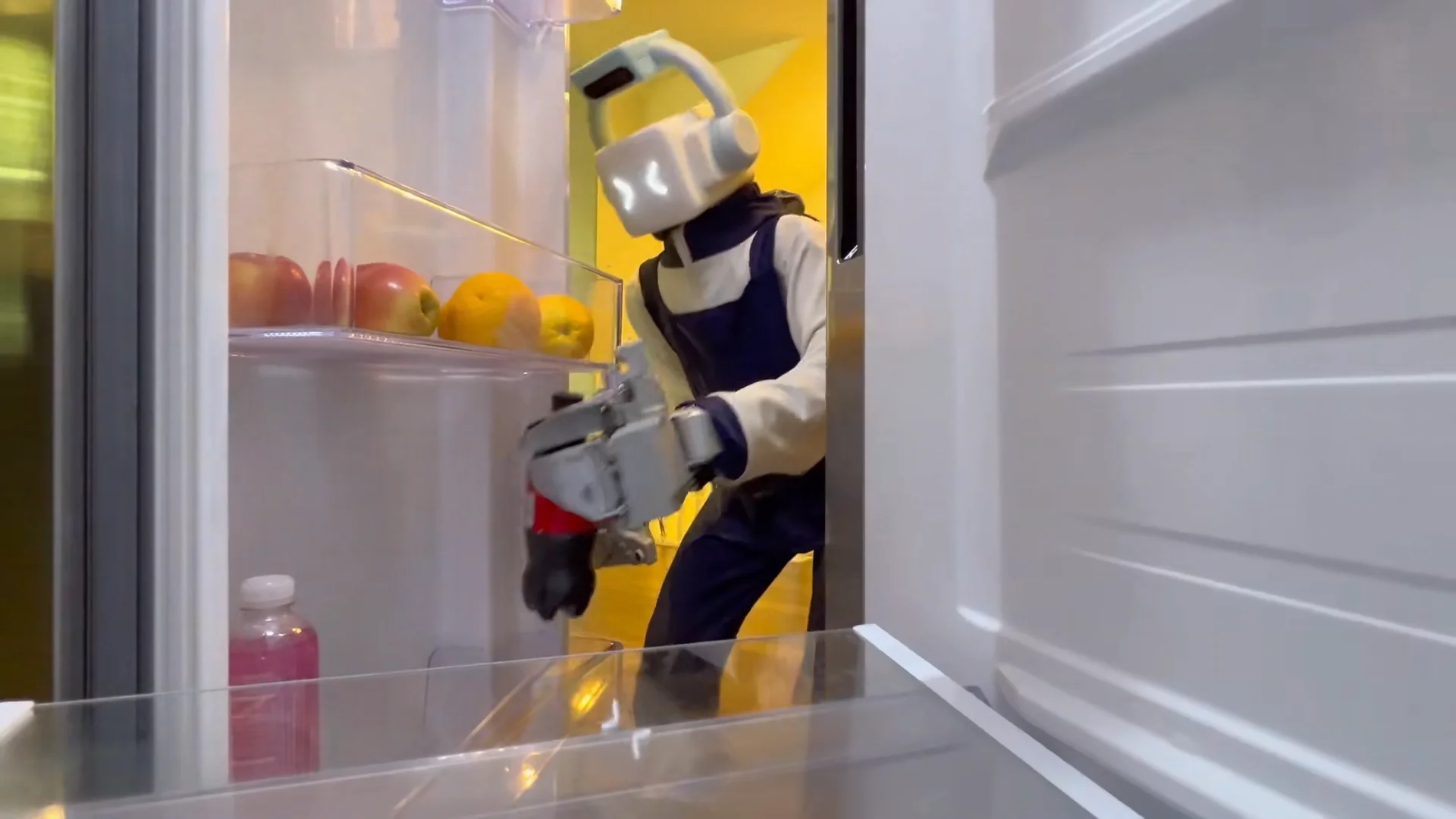
South Korean startup Robros is expanding how people can control its IGRIS-C humanoid, linking an operator’s movements to the robot’s entire body in real time.
The demonstration, reported by Seoul Economic Daily on September 22, extends an earlier focus on upper-body teleoperation to coordinated posture and lower-body movement. The newspaper’s English version renders the name as “Aegris-C”; Robros calls the platform IGRIS-C.
In its own announcement, Robros describes squatting, turning, box handling, bag punching and ball kicking under real-time human control. The company says its system coordinates the robot’s posture and balance as it follows the operator.
This is a teleoperation demonstration: a person supplies the judgment and directs the activity. The advance concerns the range of coordinated behavior available to that operator, rather than evidence that the robot can independently decide how to complete those tasks.
The weekly humanoid robotics briefing
One email a week: the launches, funding and research that mattered, with context from Humanoids Daily.
Read recent issuesMoving beyond arm-only control
For industrial work, the appeal is practical. Reaching a part, shifting stance and moving an object can require the legs, torso and arms to work together. Extending control across the body could let an operator handle situations that are difficult to address from a fixed position.
It could also make richer robot demonstrations available for training. That is a potential application, however; the announcement does not provide measured gains in learned autonomy, task success or production throughput. Nor does it establish how reliably the system would perform through an industrial shift.
A small commercial fleet already exists
Founded in 2020 and based in Seoul, Robros describes itself as a developer of the complete humanoid system, from hardware to control software and AI, with a team of more than 50 people.
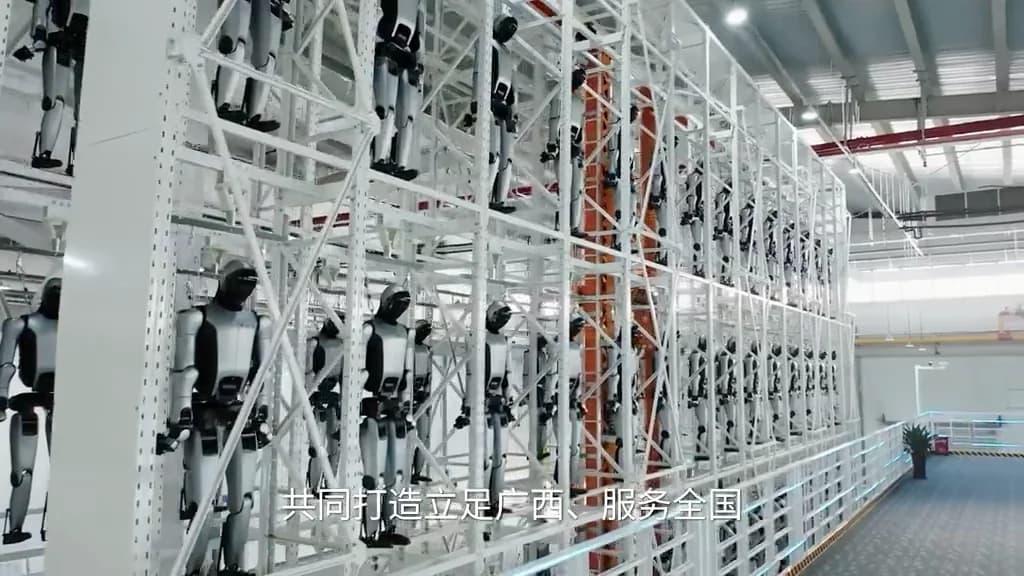
The company has also reported early commercial activity. In a company-hosted account of its industrial deliveries, Robros said nine additional paid supply agreements brought cumulative IGRIS-C sales to 18 units, against 36 robots produced. The other units supported internal development, demonstrations and customer testing.
The customers span semiconductor, automotive and logistics applications, with trials planned in environments including cleanrooms and refrigerated distribution centers. Paid contracts give the story substance beyond a promotional clip, but do not by themselves establish sustained productive operation.
IGRIS-C’s product page describes a 154 cm humanoid with interchangeable end effectors, including a five-finger hand and specialized grippers. Published weight figures differ: the product page lists 56 kg, while the developer documentation lists 60 kg and a two-arm payload of 6 kg. Those specifications should therefore be read with configuration differences or documentation updates in mind.
Another part of Korea’s humanoid ambition
Robros’ progress comes as South Korea seeks to build a broader domestic humanoid industry. As we reported in August, the government has outlined KRW 2.3 trillion in humanoid ecosystem investment through 2030, including component development and public procurement. Its official roadmap targets raising domestic sourcing of core components from 45% to 80%.
That provides context for KIST president Oh Sang-rok’s argument that Korea could become a third major humanoid power alongside the U.S. and China. Robros illustrates the startup activity alongside the country’s larger corporate and public-research efforts; the sources here do not establish that its latest work was funded by that program.
For Robros, the next evidence to watch is what those customer trials produce: repeatable useful tasks, manageable operator involvement and performance that survives the conditions of an actual workplace.
Share this article
Read next
- Published on
- Reading time
- 3 min read
Boston Dynamics Opens Atlas Training Center at Hyundai’s Georgia Factory
- Published on
- Reading time
- 3 min read
Hyundai Eyes Czech Factory for Atlas Humanoid
- Published on
- Reading time
- 3 min read
X Square’s Robot Starts Work at Lululemon’s Wuhan Warehouse
- Published on
- Reading time
- 8 min read
Skild AI Crosses $100M ARR in 10 Months, Mounting an Enterprise Assault on Robotics "Demo Culture"
- Published on
- Reading time
- 5 min read
Nucleus Pivots to Wheeled Base for "Nucleus II" Following Factory Floor Pushback
- Published on
- Reading time
- 4 min read
The Era of Embodied AGI Begins: AGIBOT and Longcheer Deploy World’s First Humanoid-Led Mass Production Line
The weekly humanoid robotics briefing
One email a week: the launches, funding and research that mattered, with context from Humanoids Daily.
Read recent issues