- Published on
The Alien in the Factory: Boston Dynamics Launches Production-Ready Atlas at CES 2026
One tap, and our reporting appears more often in your Google Top Stories. It makes a real difference to a small newsroom.


Your guide
Rich Robinson
Jee Chee Ren · Executive tour
See China’s AI and robotics ecosystem first-hand.
Six days exploring AI, robotics and advanced manufacturing.
With Rich Robinson, Clinical Professor of Entrepreneurship at Peking University
Beijing · Guangzhou · Shenzhen
29 November–4 December 2026
Referral partnership · We earn a commission on referred bookings.
From Research to Real-World Scale
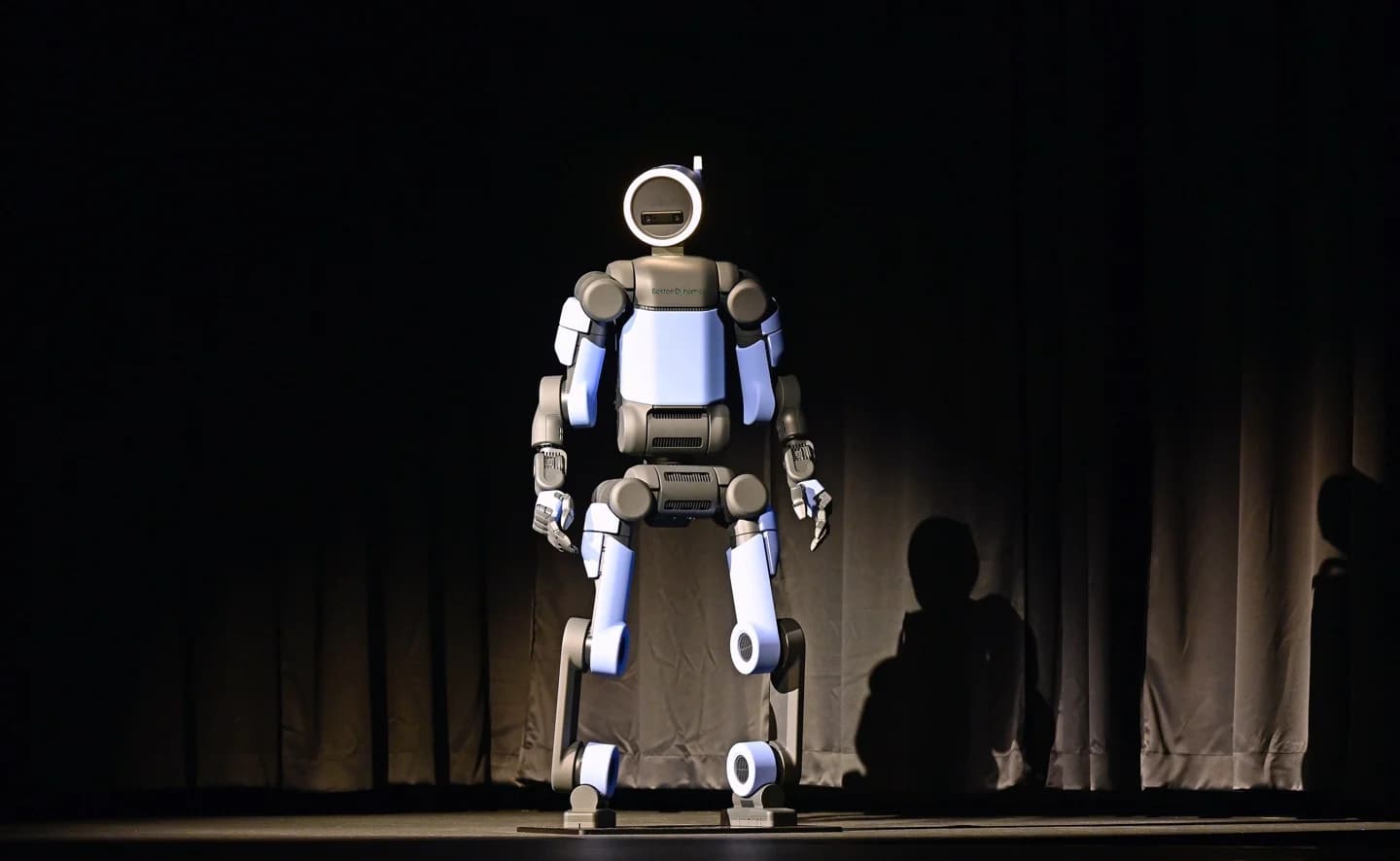
For years, the robotics world has watched Boston Dynamics through the lens of viral YouTube videos featuring backflips and parkour. At CES 2026 in Las Vegas, that era officially ended. Under the theme "Partnering Human Progress," Hyundai Motor Group (HMG) and Boston Dynamics unveiled the official production version of the all-electric Atlas, marking a decisive shift from laboratory curiosity to a commercial-grade industrial tool.
This isn't just a hardware refresh. The move signals the company's intent to fulfill its automotive volumes mandate, leveraging Hyundai’s massive manufacturing infrastructure to deploy droids at a scale previously reserved for cars.
An "Alien" Morphology Designed for Utility
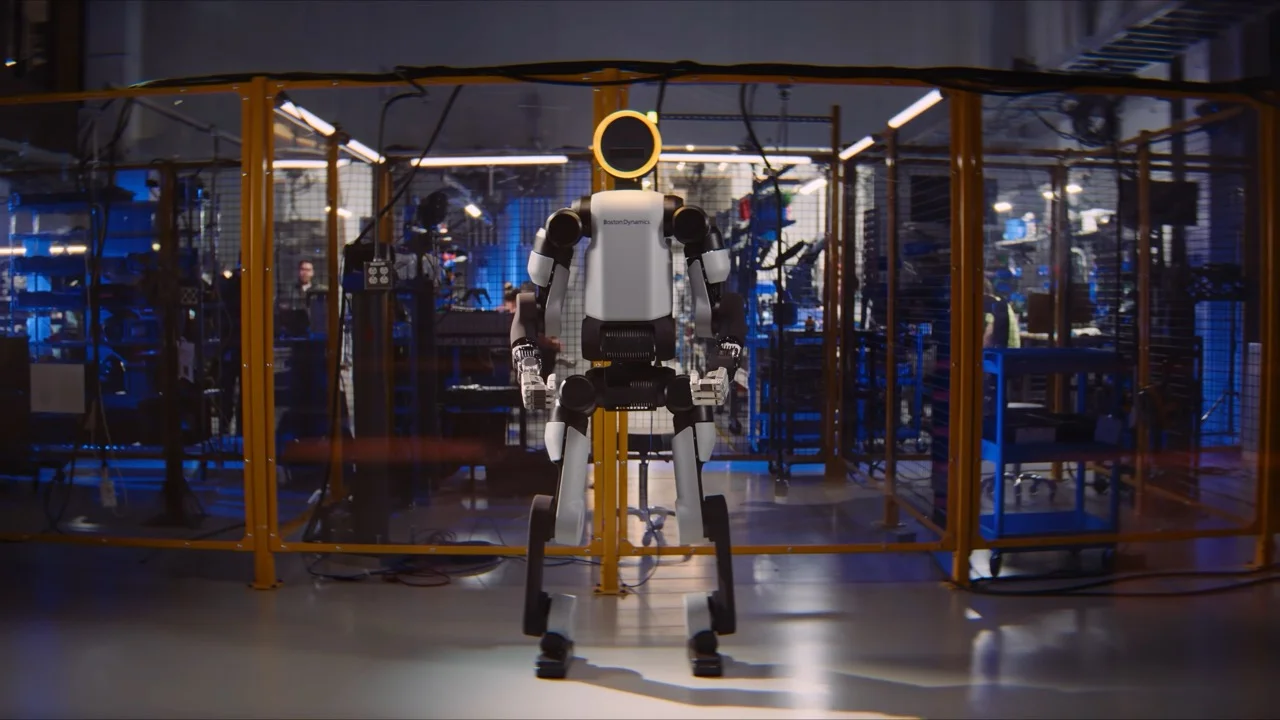
Perhaps the most striking aspect of the production Atlas is how little it tries to look human. While competitors like Figure or 1X pursue "human-mimicry" to ease teleoperation, Boston Dynamics has leaned into an "alien" or "superhumanoid" aesthetic. During the CES reveal, the team explained that the robot’s circular head and "face" were designed purposefully to signal that Atlas is a "helpful robot, not a person".
The robot features bowed legs and joints capable of continuous 360-degree rotation. As Atlas Product Management Lead Mario Bollini recently noted, the humanoid form is essentially a software problem; by decoupling the hardware from human skeletal limits, Atlas can spin its torso or reverse its legs to navigate tight factory floor constraints. At the reveal, Zach Jackowski, VP of Atlas, clarified that the robot's signature "standing up" maneuver—which looks somewhat supernatural—is simply the most stable and efficient way for the machine to get off the floor.
The weekly humanoid robotics briefing
One email a week: the launches, funding and research that mattered, with context from Humanoids Daily.
Read recent issues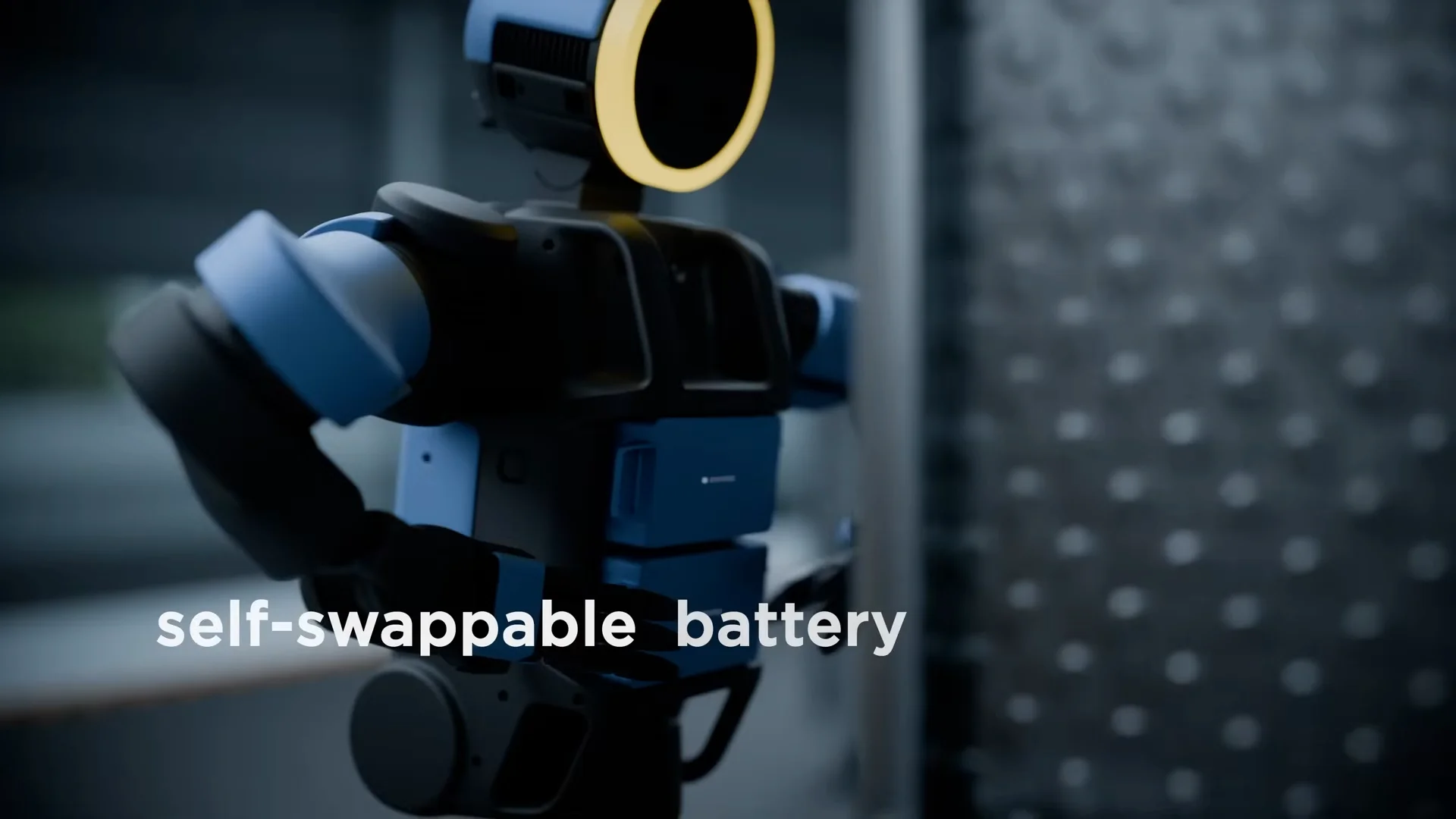
Key Specifications:
- Height: 1.9m (6.2 ft)
- Weight: 90kg (198 lbs)
- Degrees of Freedom: 56
- Payload Capacity: 50kg (110 lbs) instant; 30kg (66 lbs) sustained
- Battery Life: ~4 hours via dual self-swappable batteries
- Durability: IP67 rated (water resistant for washdowns); operational from -20°C to 40°C (-4°F to 104°F)
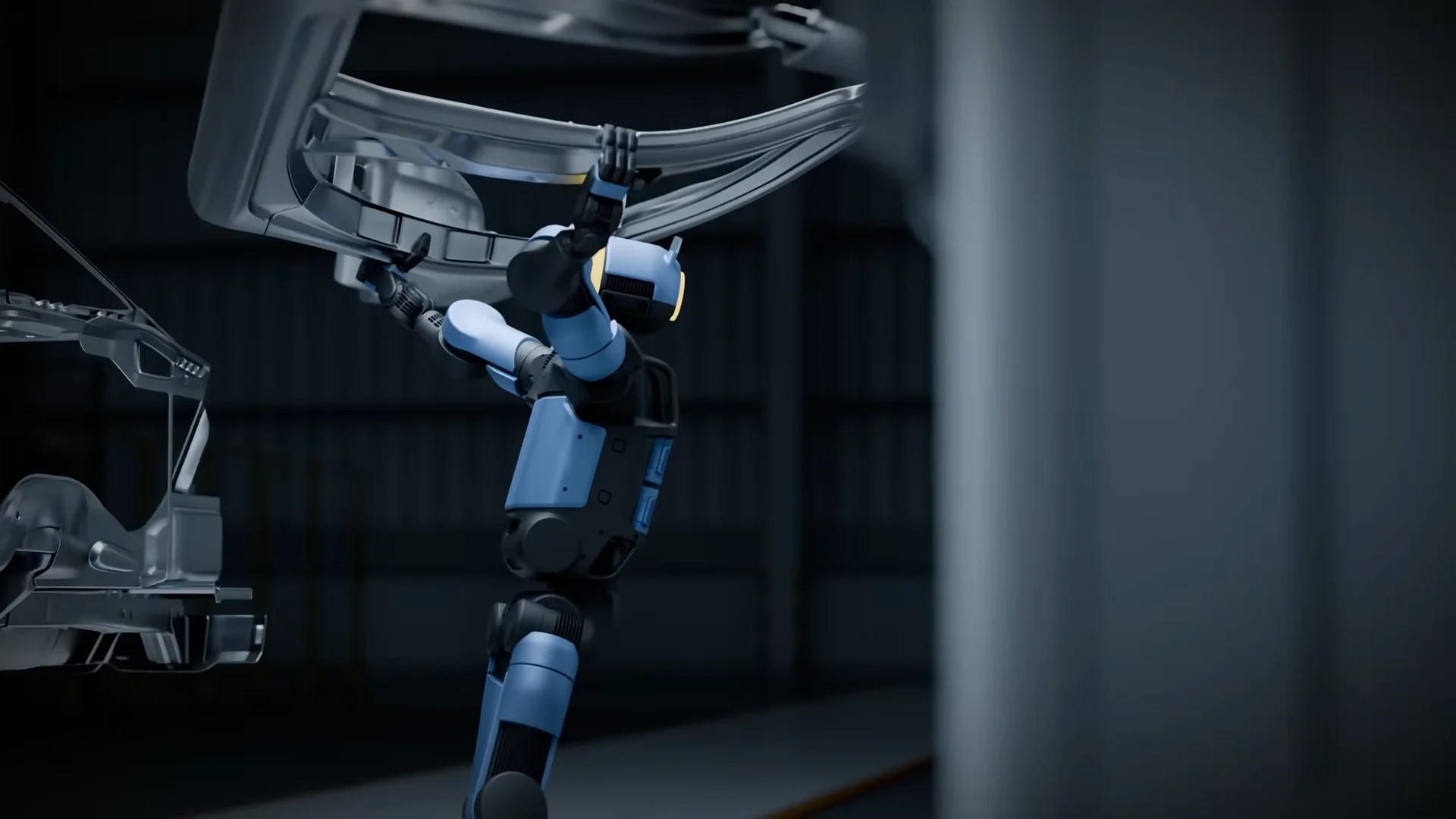
The hardware is built for serviceability. According to Bollini, the robot uses only two unique actuator designs to minimize supply chain complexity, and a limb can be swapped by a technician in less than five minutes.
The Four-Digit Compromise: Dexterity Without Dogma
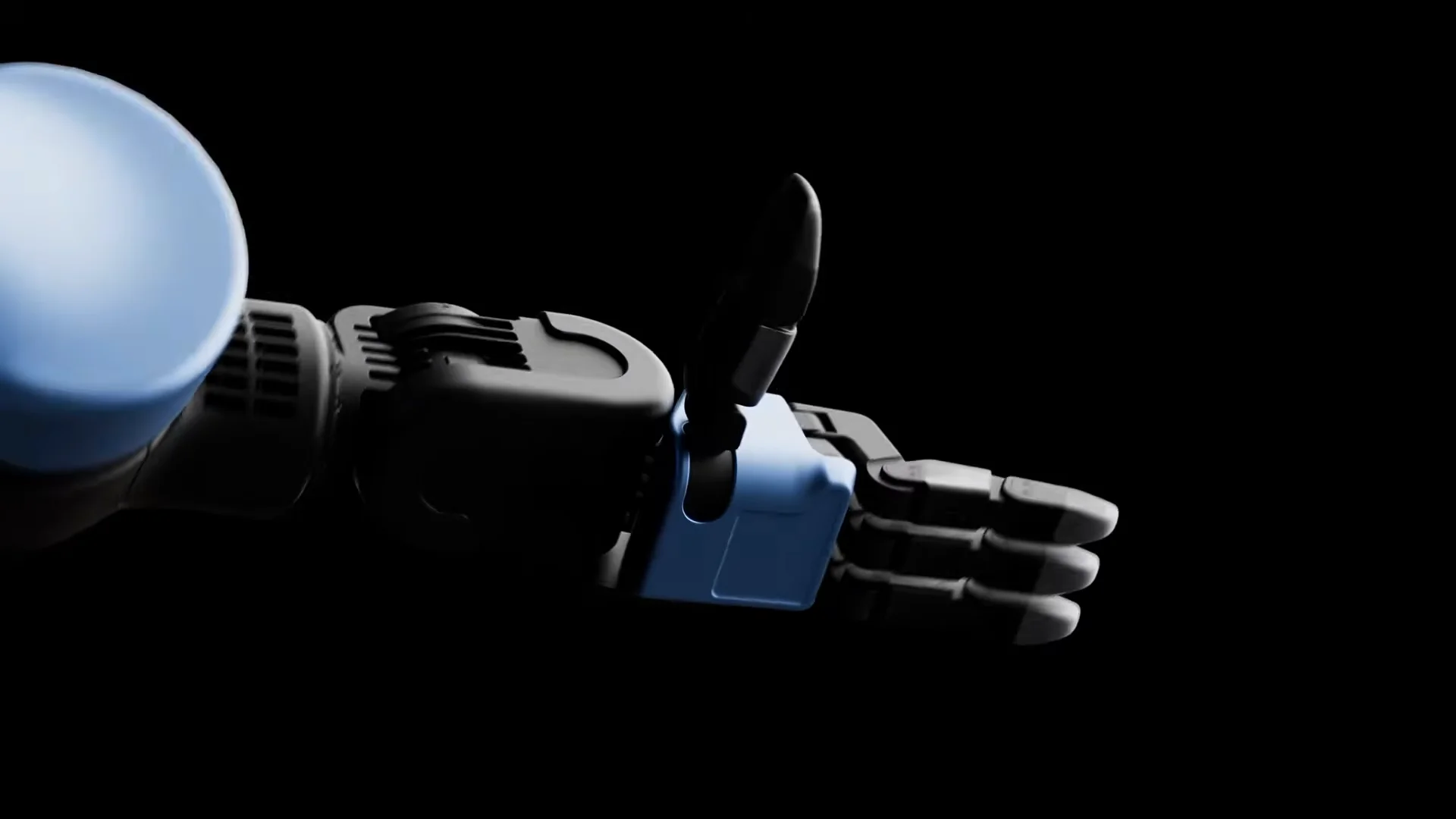
Atlas’s hands further emphasize the "function over form" philosophy. While we previously analyzed their strategy as a three-fingered gamble focused on minimizing mechanical failure, the production-ready version unveiled at CES 2026 features a four-digit gripper—comprised of three fingers and an opposable thumb. This configuration likely aims to provide the "sweet spot" for reliability in demanding industrial tasks like parts sequencing and machine tending.
The Brain: System 1 / System 2 and Gemini Integration
The intelligence driving Atlas has evolved significantly. Moving away from the classical "pyramid" of layered algorithms, the new architecture utilizes a System 1 / System 2 split. System 1 (the "cerebellum") handles high-frequency balance and motor torques, while System 2 (the "brain") processes visual data for abstract task planning.
A major highlight of the CES announcement is the deepening partnership with Google DeepMind. Following the high-profile hire of former CTO Aaron Saunders, DeepMind is integrating its Gemini Robotics models with the Atlas platform. DeepMind CEO Demis Hassabis confirmed on X that the first fleets of Atlas are scheduled to ship to Google and Hyundai in the coming months, intended to serve as the ultimate testbeds for "Physical AI."
The Roadmap to 30,000 Units
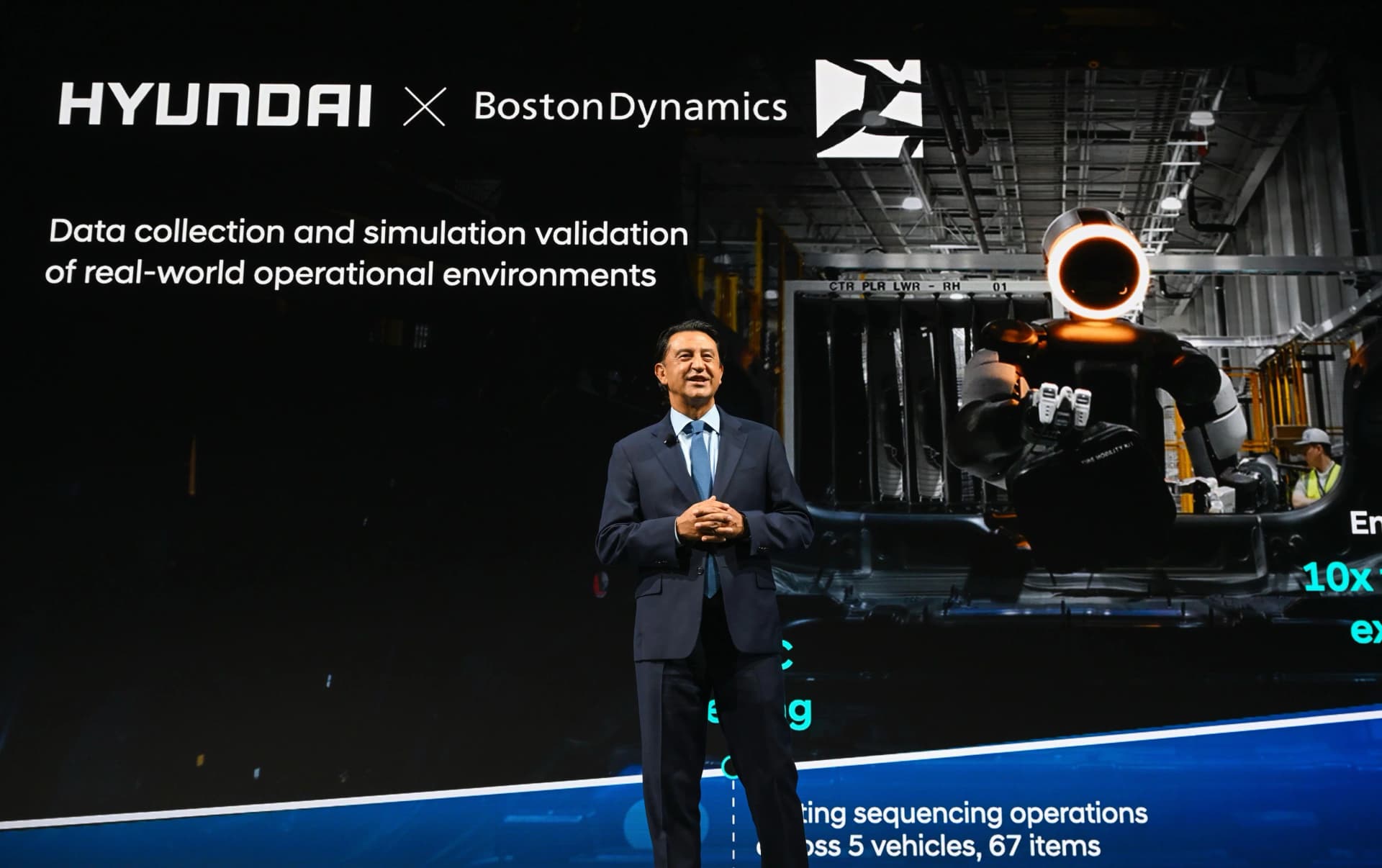
Hyundai is not just a parent company; it is the first and largest customer. The Group announced that Atlas will be deployed at the Hyundai Motor Group Metaplant America (HMGMA) in Georgia by 2028 for sequencing tasks.
The cornerstone of this deployment is the newly announced Robot Metaplant Application Center (RMAC). Described by the team as a "data factory," RMAC is designed to build the world's most complete dataset for training humanoid manufacturing skills. This center will serve as the engine for deploying tens of thousands of robots across HMG facilities worldwide.
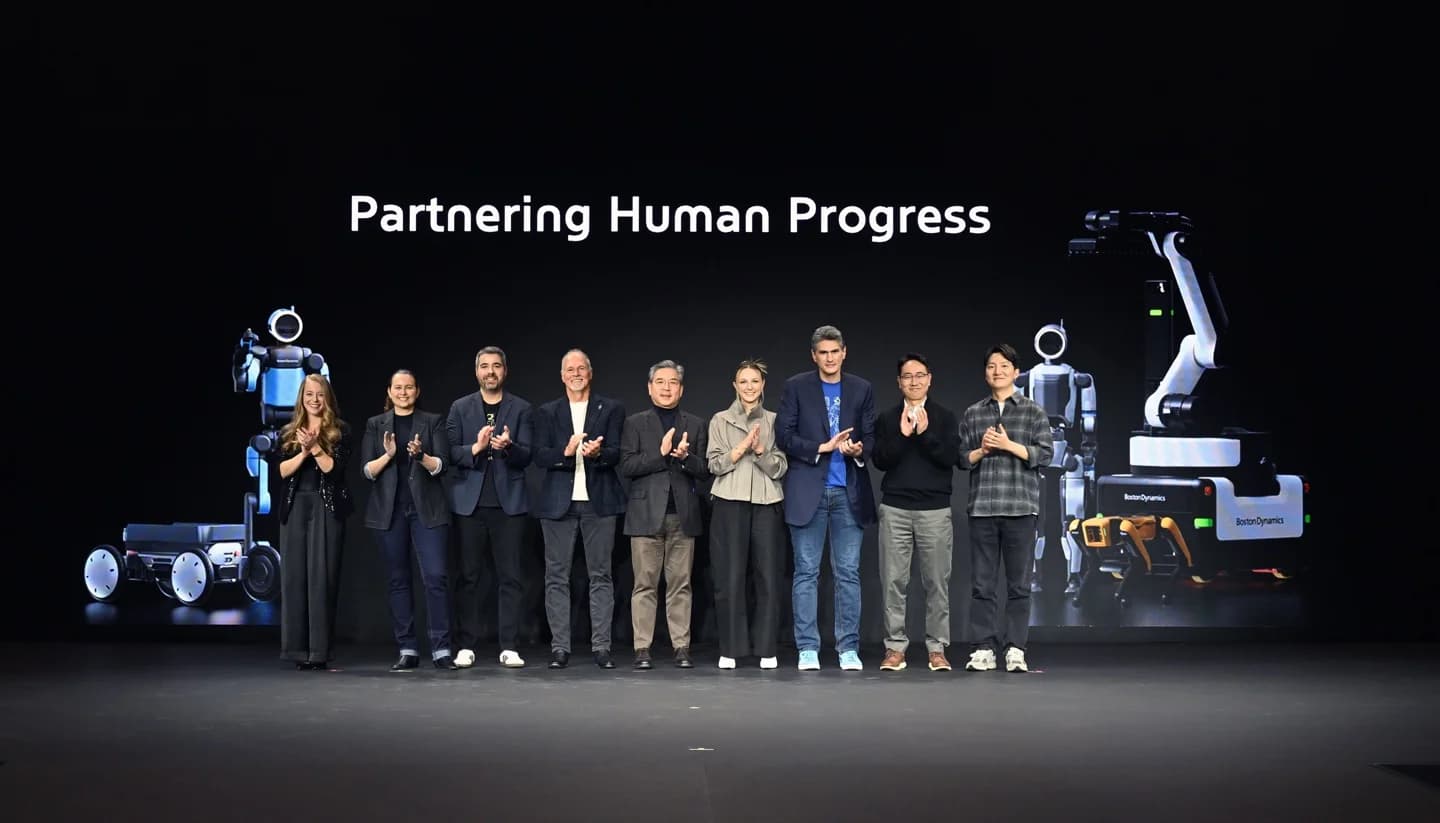
To support this, HMG and Boston Dynamics are building a new robotics factory capable of producing 30,000 Atlas robots per year. While the 2026 production run is already fully committed to internal HMG and Google DeepMind pilots, the company expects to open orders for additional early adopters in 2027.
Interestingly, the team admitted at CES that the robot walking on stage was a research prototype piloted by a Field Applications Engineer (FAE) to "keep things simple" for the public debut. The actual production units were reportedly too valuable to "pry out of the engineers' hands" at the lab, though autonomous material handling has already been proven in field tests at HMGMA.
A Reality Check on "Phase One"
Despite the polished stage presence at CES, Boston Dynamics executives remain grounded. They acknowledge that the industry is still in Phase One—the grueling grind of proving hardware reliability.
The "industrial revolution" promised by Atlas depends on whether these "alien" machines can handle the Moravec’s paradox of the real world: performing "dull and repetitive" manual labor with the same 99.9% uptime as the hard automation they are meant to replace. By 2028, when the first 30,000-unit factory comes online, we will know if the humanoid mission has truly graduated to Phase Two.
Share this article
Read next
- Published on
- Reading time
- 7 min read
Hyundai Says Atlas Will Not Replace Workers — One Day After Settling a Strike Over Exactly That
- Published on
- Reading time
- 4 min read
The Production Pivot: Leadership Exodus and Internal Pressure at Boston Dynamics
- Published on
- Reading time
- 4 min read
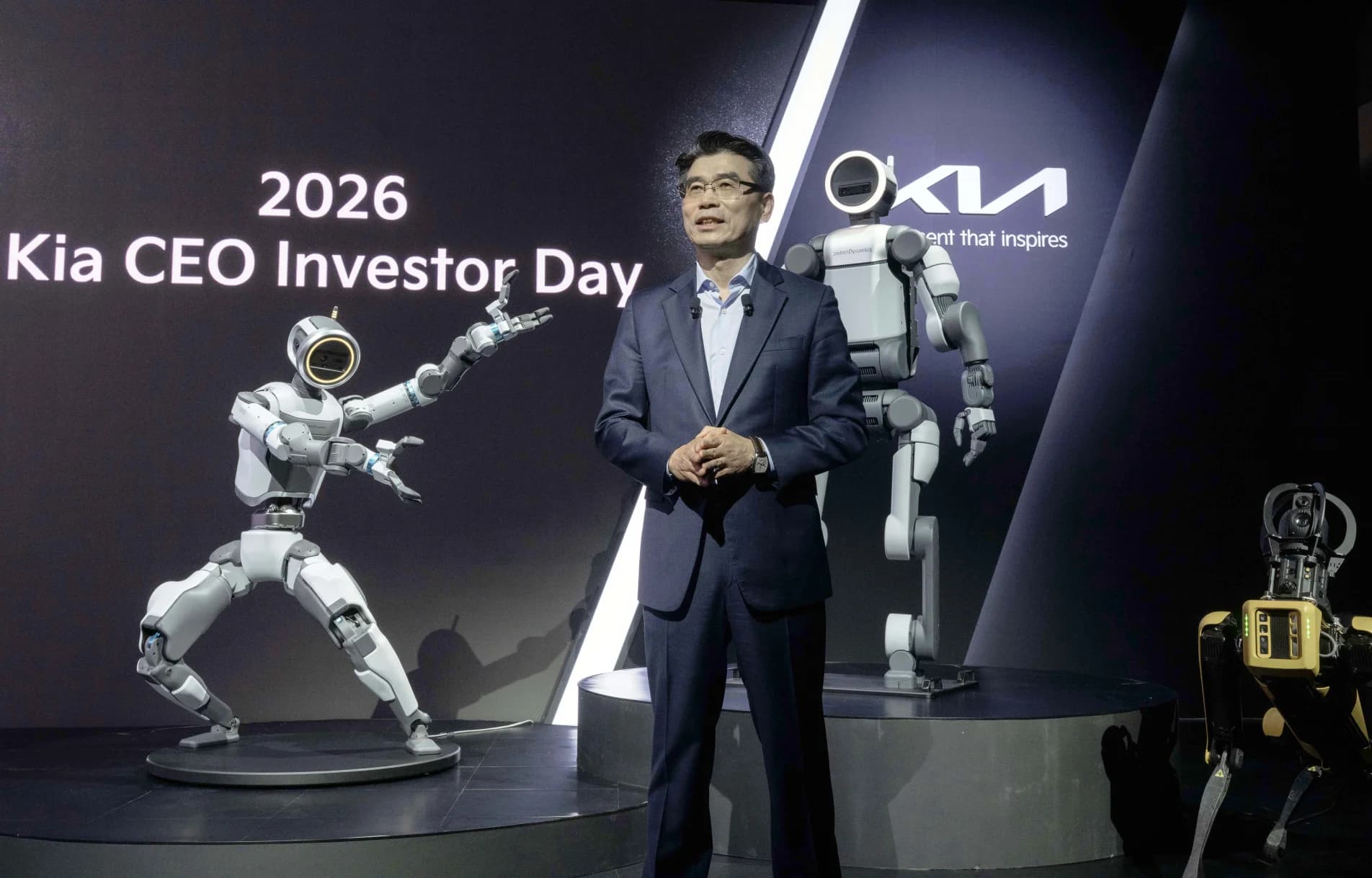
The Blueprint for a Bipedal Workforce: Kia Details Atlas Deployment Roadmap
- Published on
- Reading time
- 5 min read
Form as Function: Boston Dynamics Details the Industrial Design Logic Behind the Production Atlas
- Published on
- Reading time
- 5 min read
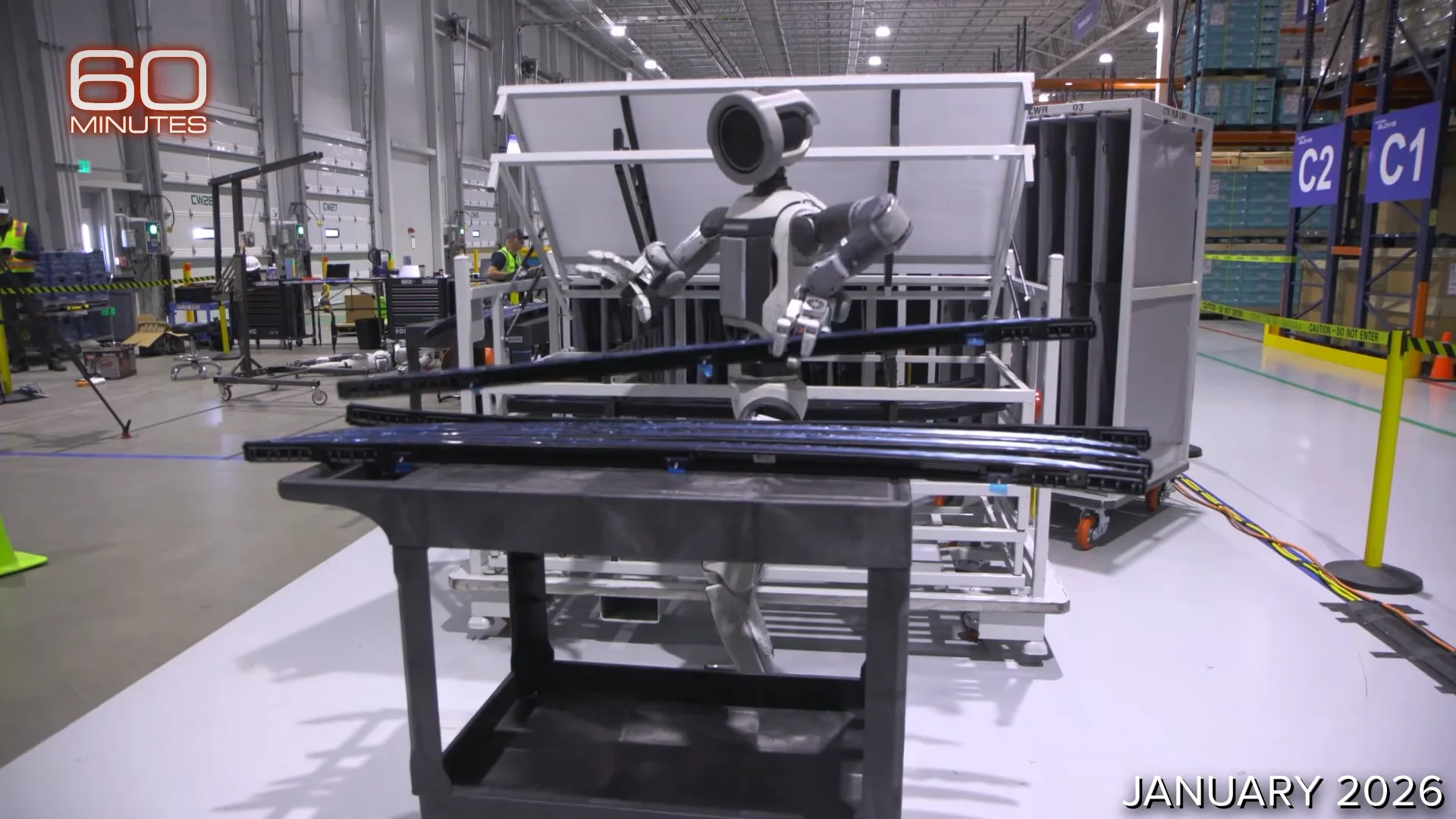
From Viral Clips to the Factory Floor: 60 Minutes Goes Inside Boston Dynamics’ Industrial Shift
- Published on
- Reading time
- 3 min read
End of an Era: Boston Dynamics CEO Robert Playter to Retire
The weekly humanoid robotics briefing
One email a week: the launches, funding and research that mattered, with context from Humanoids Daily.
Read recent issues