- Published on
Galbot’s PASSAGE Helps Humanoids Step Over, Duck Under and Squeeze Past Obstacles
One tap, and our reporting appears more often in your Google Top Stories. It makes a real difference to a small newsroom.


Your guide
Rich Robinson
Jee Chee Ren · Executive tour
See China’s AI and robotics ecosystem first-hand.
Six days exploring AI, robotics and advanced manufacturing.
With Rich Robinson, Clinical Professor of Entrepreneurship at Peking University
Beijing · Guangzhou · Shenzhen
29 November–4 December 2026
Referral partnership · We earn a commission on referred bookings.
Galbot has highlighted PASSAGE, a research framework that lets a humanoid choose how to move through clutter: stepping over low obstacles, ducking beneath overhead barriers and turning sideways through narrow gaps. The company shared the work in an October 13 post, following a September research paper.
- PASSAGE combines environmental perception, motion planning and whole-body control to negotiate obstacles.
- The team collected 100 hours of human motion across 1,500 virtual scenes.
- Its reported 98.67% simulation success rate measures reaching the destination; contact-free success was 70.3%.
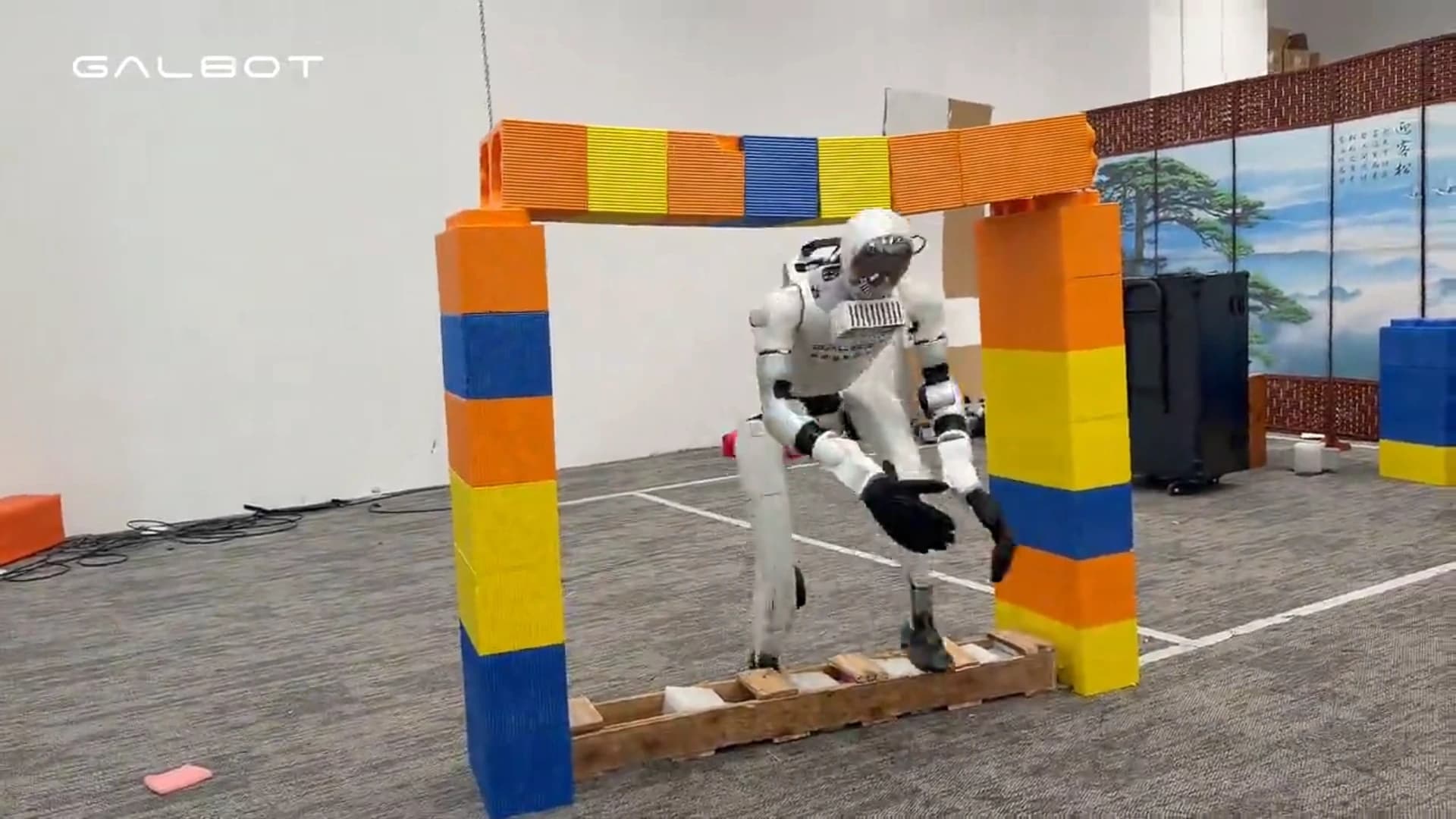
The practical challenge is deciding which parts of a robot’s body must move to fit through a space. A clear route for its feet may still leave its shoulders or head on a collision course.
According to the project page, PASSAGE pairs a planner that generates short movement sequences with a controller that executes them while responding to the surrounding geometry. One planner–controller pair selects and combines movements without separate policies for each obstacle type.
The training data connects human movement with the environment in which it occurs. Operators used virtual reality and inertial motion capture to demonstrate traversal. On the robot, LiDAR supplies environmental information, and the system runs on a Jetson AGX Orin without prebuilt maps or offboard computation.
The weekly humanoid robotics briefing
One email a week: the launches, funding and research that mattered, with context from Humanoids Daily.
Read recent issuesThe paper gives useful context for Galbot’s headline result. Across 750 simulated trials in 150 held-out scenes, the final model reached the destination in 98.67% of attempts. Requiring completion without touching an obstacle reduced that figure to 70.3%.
Physical testing used a Unitree G1 across 50 previously unseen layouts, each attempted once. The authors report completion without a fall or safety intervention in all 50 trials, with 45 completed without obstacle contact. These are the research team’s results from a limited evaluation, rather than evidence of deployment reliability.
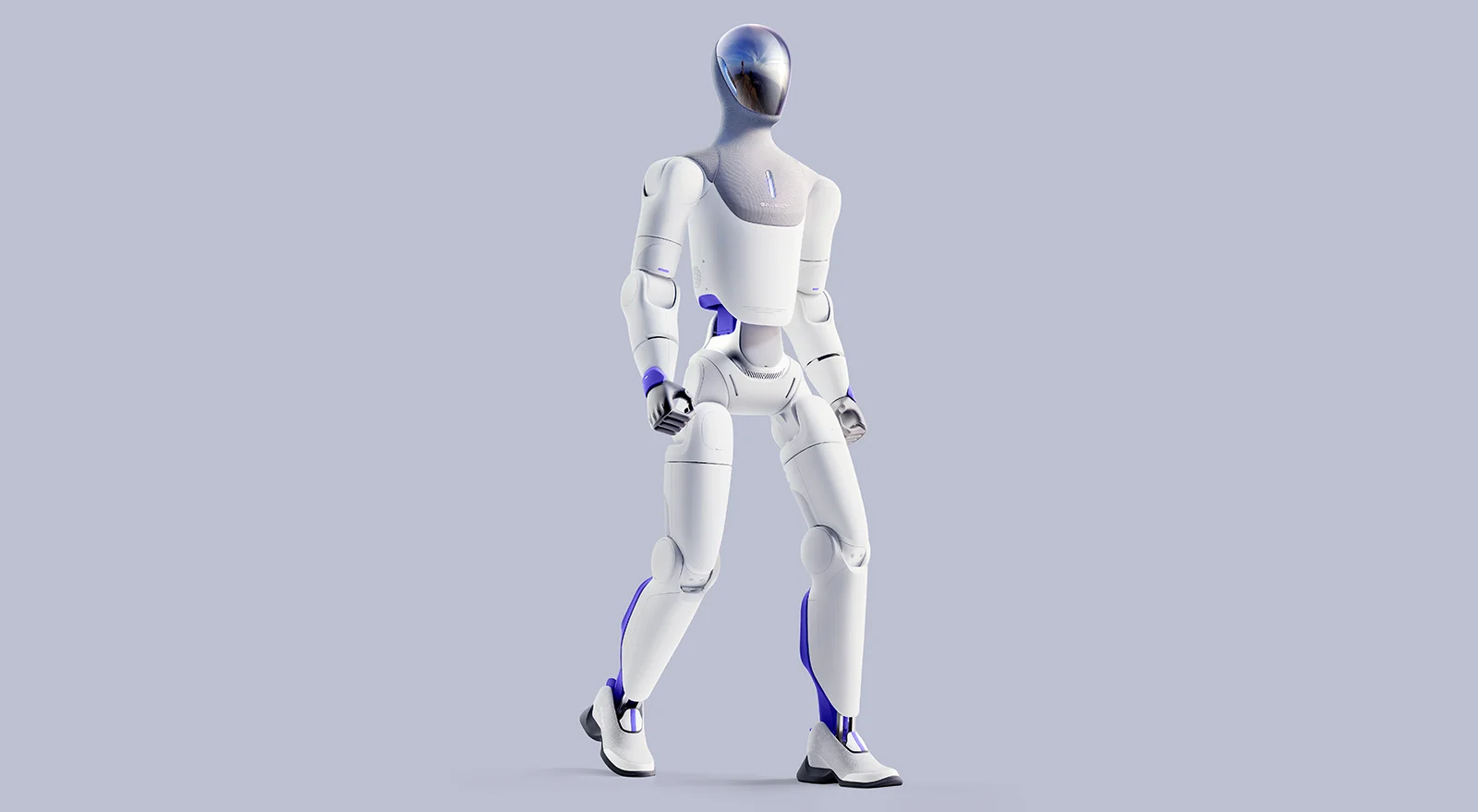
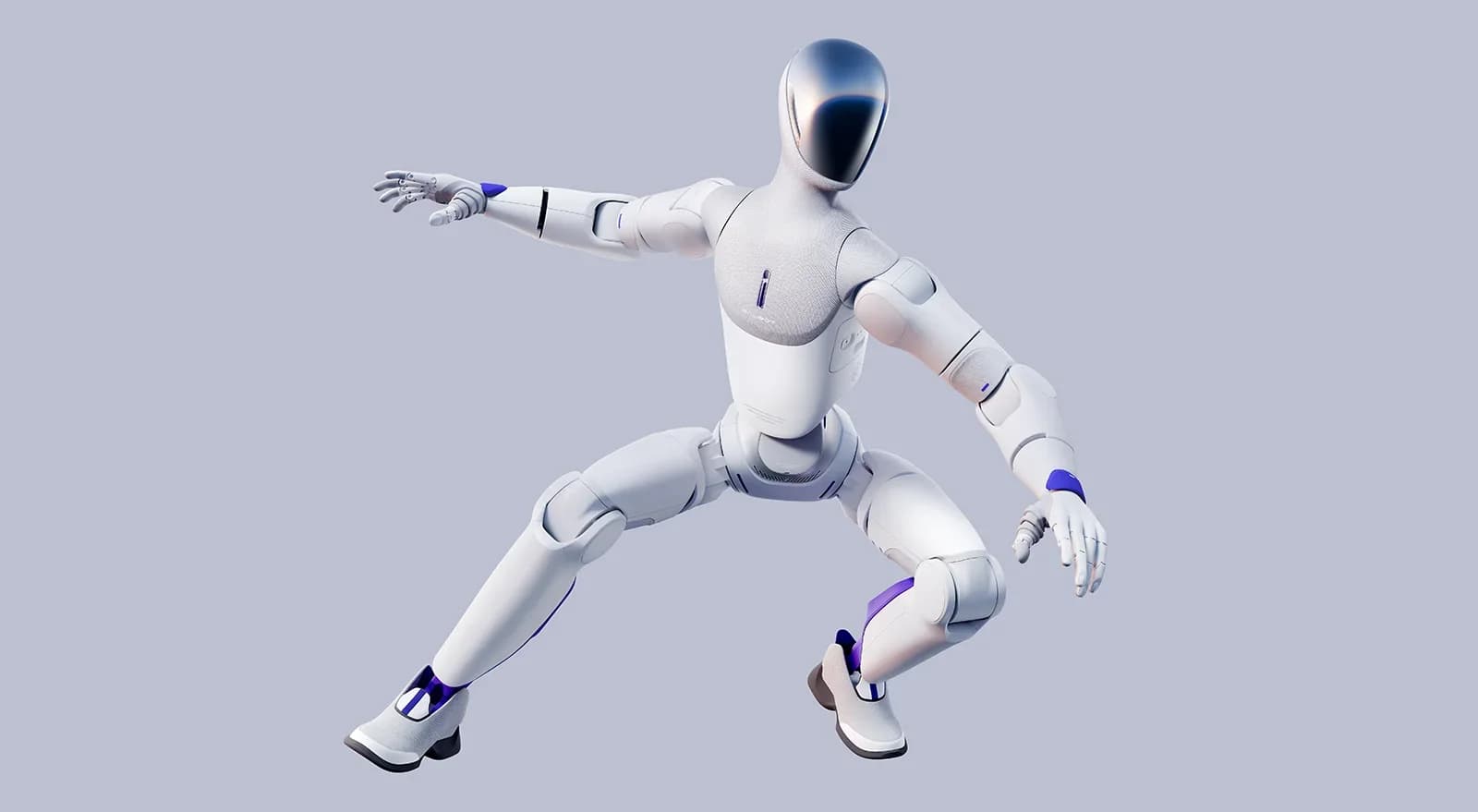
The G1 is a research platform here, distinct from Galbot’s own ET1, whose three versions start at a reported 79,000 yuan. PASSAGE’s published evaluation does not establish the same capabilities on ET1 or explain the choice of hardware.
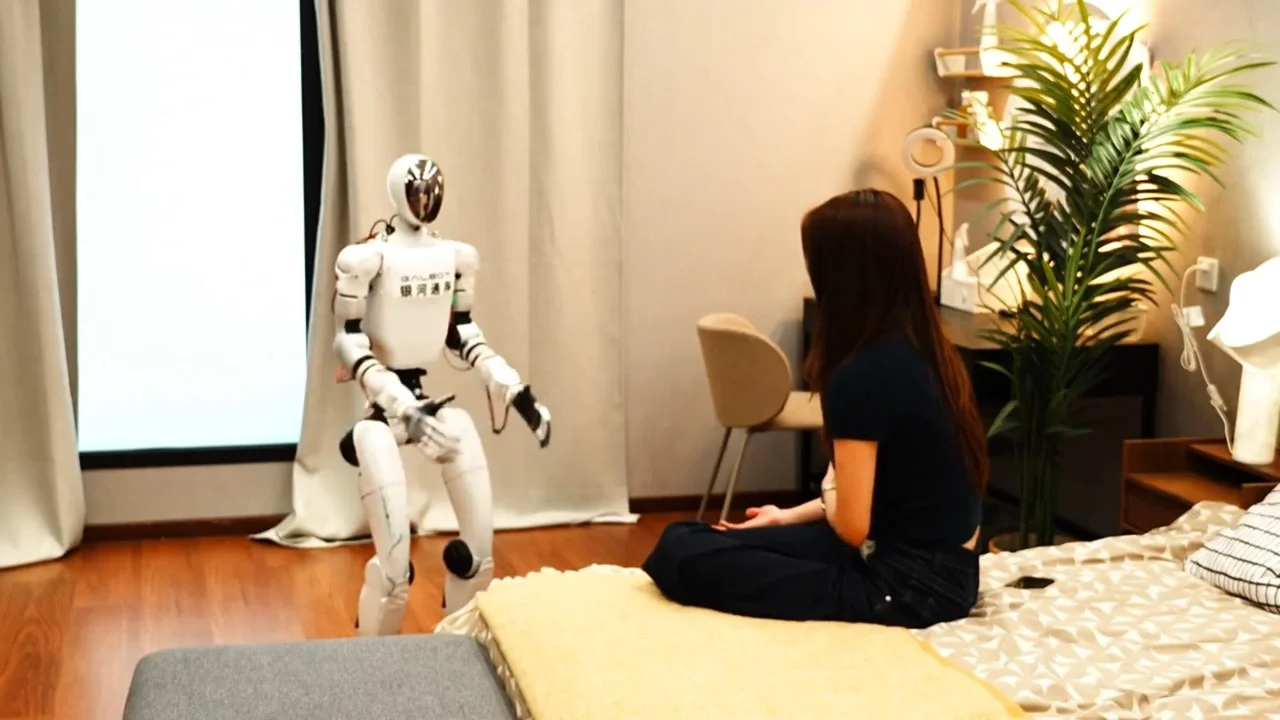
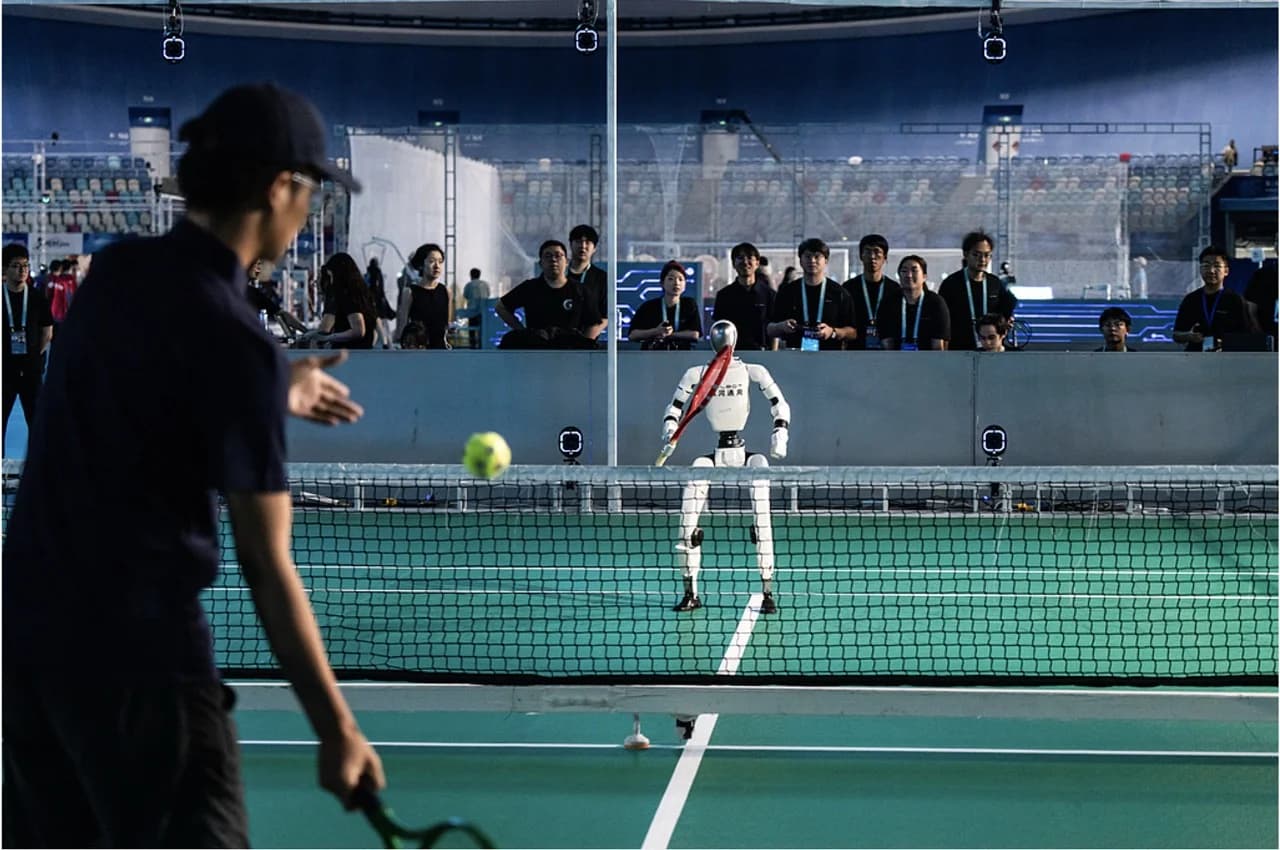
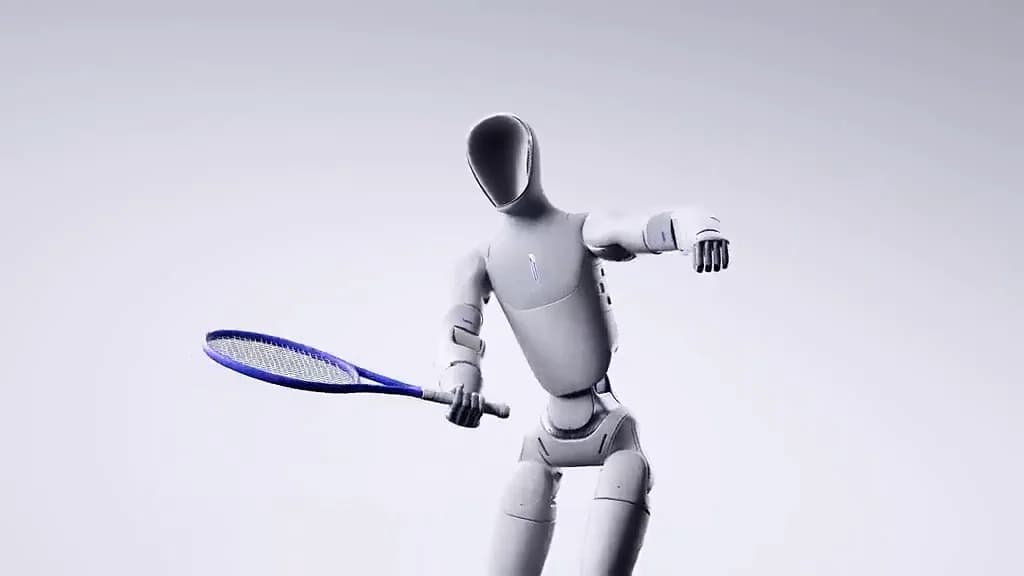
The work adds to Galbot’s broader research into humanoid movement. We previously covered RoboGesture’s real-time gestures coordinated with speech, also demonstrated on a Unitree G1, and AstraTennis’s live tennis demonstration. PASSAGE addresses another part of that challenge: adapting whole-body movement to the geometry of everyday spaces.
For humanoids intended to operate in furnished rooms and crowded workplaces, adapting body posture to available space is a useful capability. PASSAGE offers a concrete demonstration of that coordination, while the contact figures show where further improvement is needed. The project page currently lists code as coming soon.
Share this article
Read next
- Published on
- Reading time
- 3 min read
Galbot Prices ET1 Humanoid From 79,000 Yuan Across Three Versions
- Published on
- Reading time
- 9 min read
Beyond Mechanical Chatbots: Galbot Unveils RoboGesture to Tackle Real-Time Nonverbal Communication
- Published on
- Reading time
- 6 min read
Galbot Opens Pre-Orders for ET1 Bipedal Humanoid Aimed at Entertainment and Performance
- Published on
- Reading time
- 4 min read
From AlphaGo to AstraTennis: Galbot Humanoids Complete 100+ Consecutive Rallies in Live Tennis Match
- Published on
- Reading time
- 6 min read
Global Humanoid Shipments Surpass 22,000 in H1 2026 as AGIBOT Leads and Form-Factor Debates Intensify
- Published on
- Reading time
- 4 min read
Galbot Teases ET1 Bipedal Humanoid Ahead of WRC 2026 Debut
The weekly humanoid robotics briefing
One email a week: the launches, funding and research that mattered, with context from Humanoids Daily.
Read recent issues