- Published on
Minerva Emerges From Stealth With $10M for Humanoids Built for Dangerous Work
One tap, and our reporting appears more often in your Google Top Stories. It makes a real difference to a small newsroom.

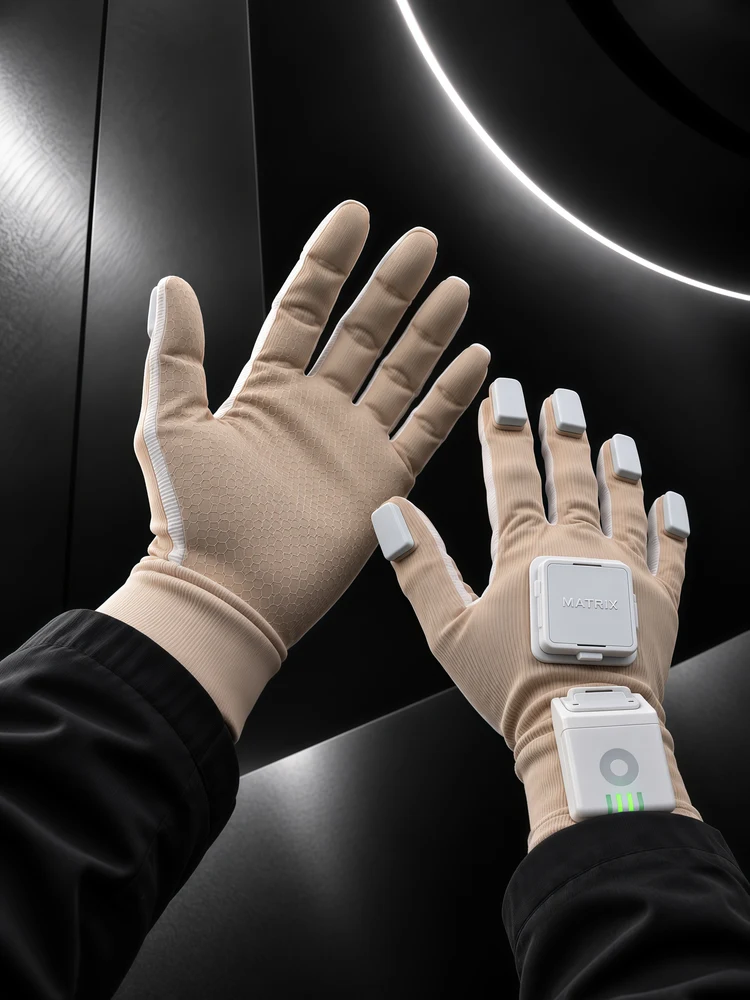
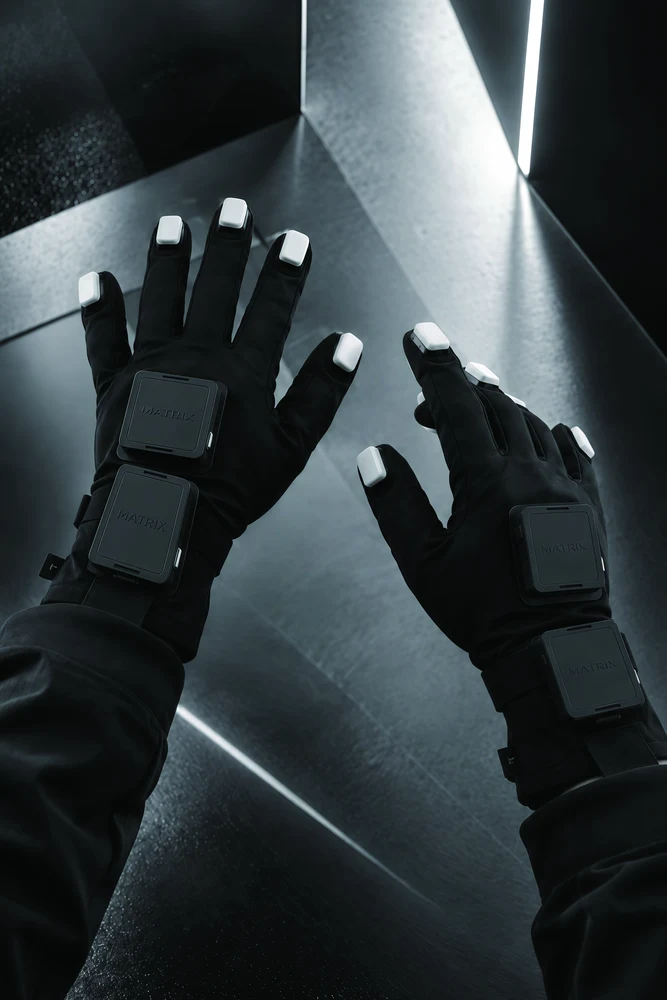

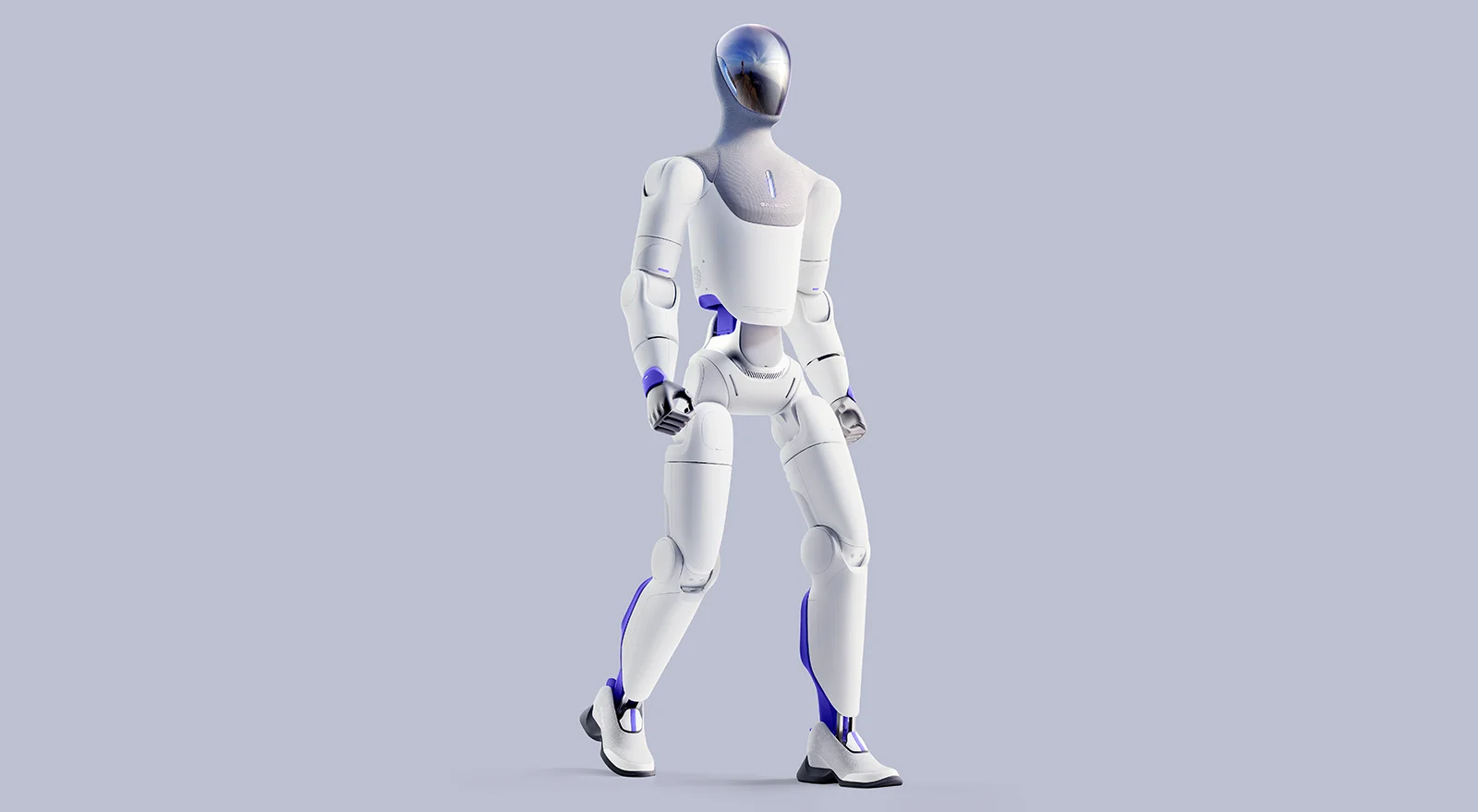
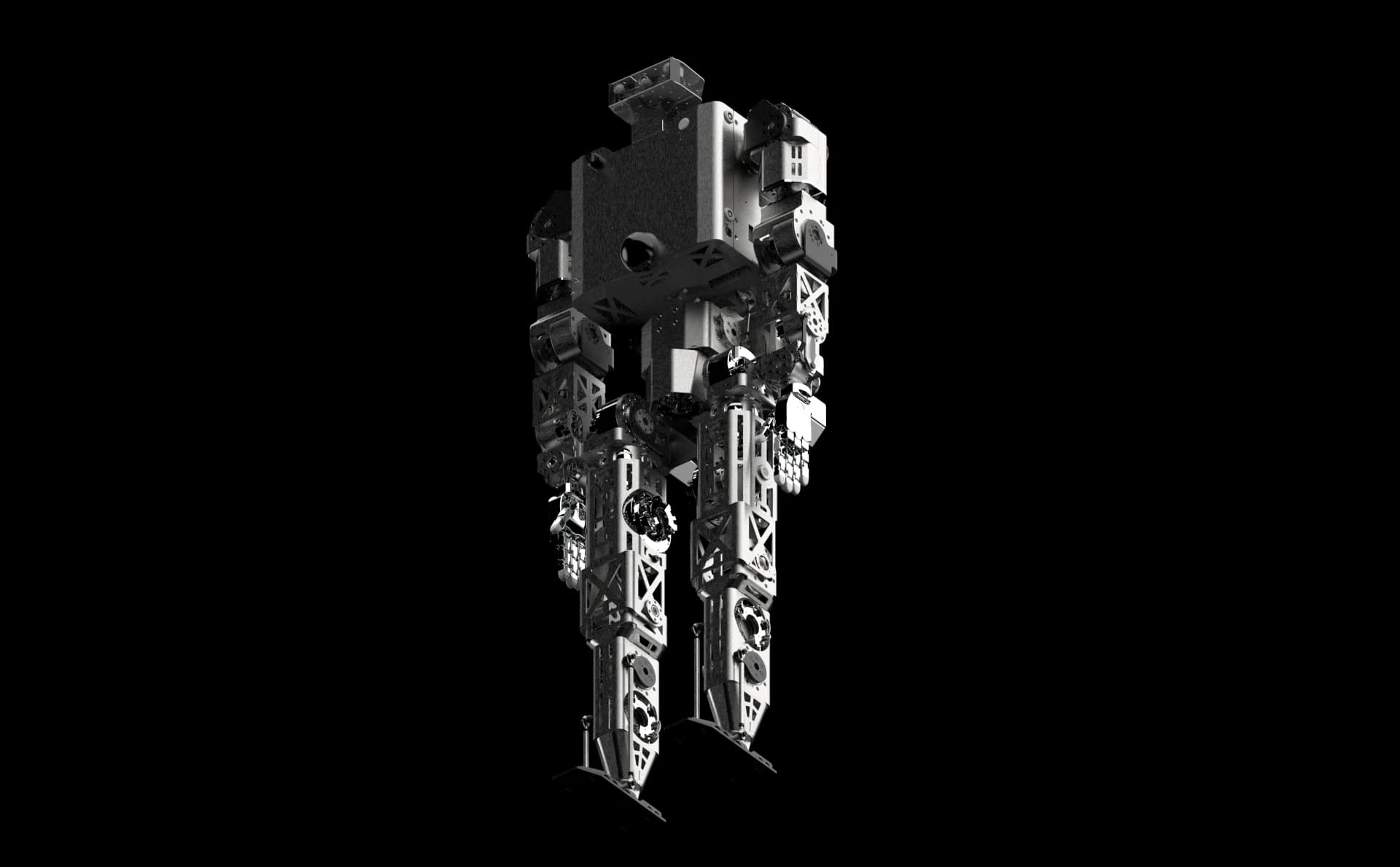
Minerva Humanoids has emerged from stealth with approximately $10 million in pre-seed funding to build Roger, a humanoid robot intended to let specialists carry out dangerous work from a safe distance. General Catalyst led the round, with Long Journey Ventures and Credo Ventures as co-leads.
The startup is targeting oil and gas operations and public safety, including explosive ordnance disposal and hazardous material response. Its approach pairs a remote human operator with onboard AI responsible for movement and balance.
- Minerva has raised approximately $10 million and plans its first paid oil and gas pilot this fall, with operational deployments targeted for 2027.
- Roger uses shared autonomy: a specialist directs critical actions remotely while onboard AI handles balance, fall recovery and navigation.
- CEO Sandor Felber told Humanoids Daily that the current robot is a prototype, with further ruggedization and autonomous return-to-base still in development.
Keeping the specialist in control
In an interview with Humanoids Daily ahead of the launch, co-founder and CEO Sandor Felber described a deliberate division of responsibility between the person and the robot.
“The high level intelligence is the human the operator,” he said. The onboard AI, he explained, makes sure Roger can balance, walk safely and execute the operator's movements.
The weekly humanoid robotics briefing
One email a week: the launches, funding and research that mattered, with context from Humanoids Daily.
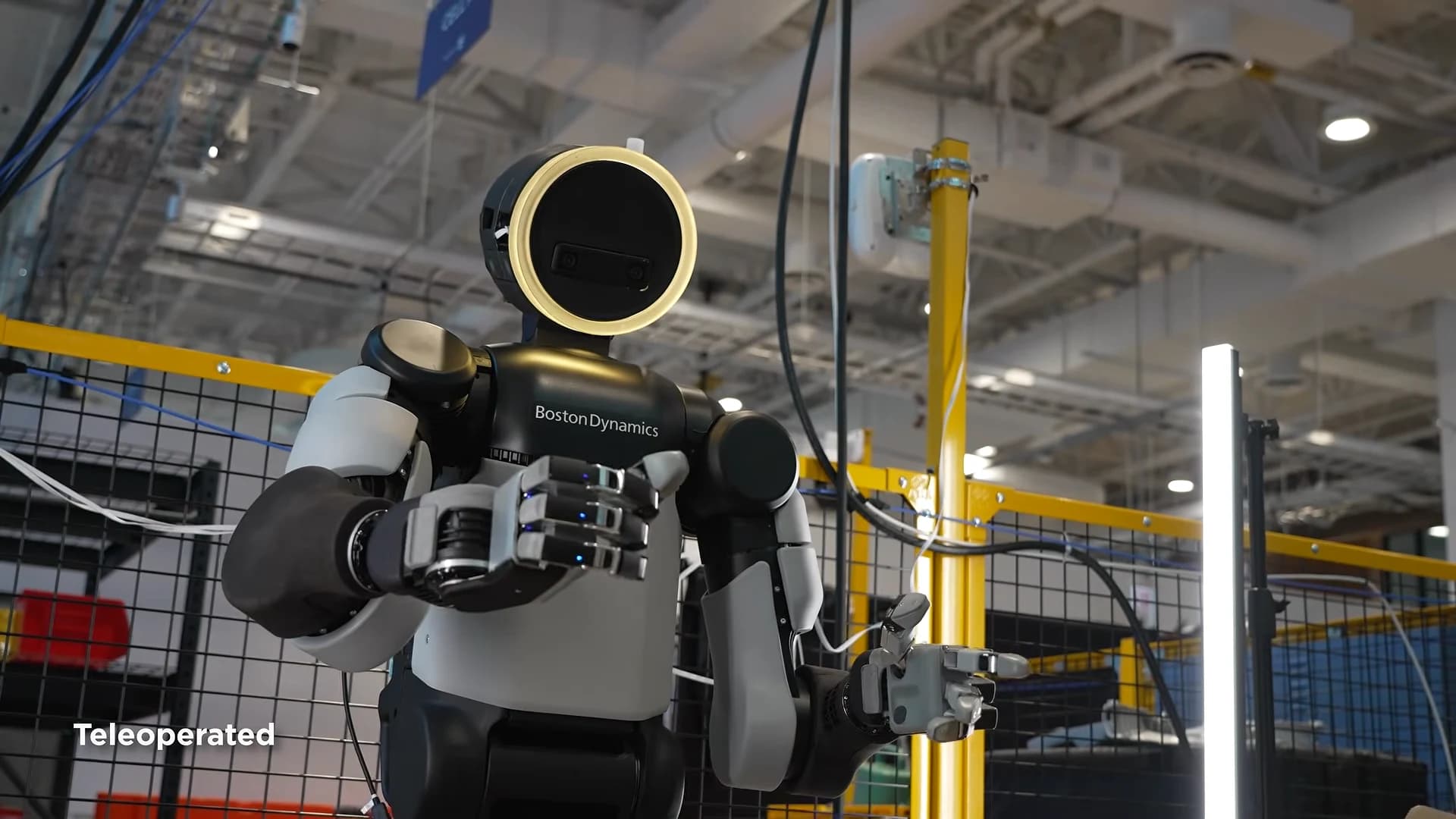
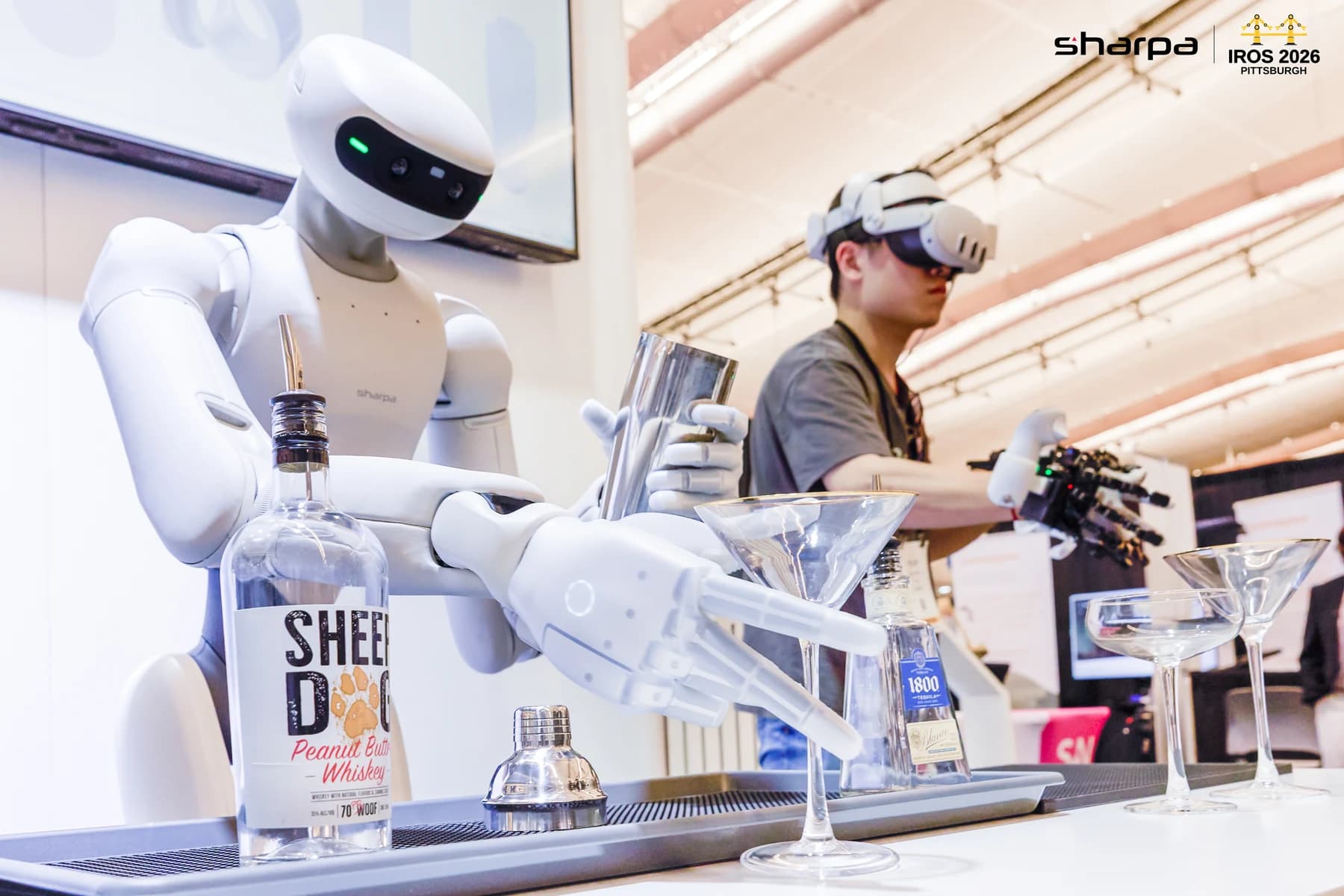
Read recent issuesAccording to Minerva's launch materials, operators use a VR headset to see through Roger's cameras and direct manipulation. Its in-house control system, Minerva Intelligence, handles balance, fall recovery and navigation to operator-selected waypoints.
Asked what would happen if the communications link were severed, Felber emphasized the system Minerva had chosen: “We have equipped our humanoid with the best cyber-secure teleoperation system that we could find,” he said.
If the connection is lost, Felber said Roger can adopt a safe pose; an autonomous return-to-base capability is still being developed. That distinction matters for a robot intended to work beyond the operator's immediate reach.
Felber said Roger will be expensive, with communications equipment and antennas contributing to the cost as Minerva prioritizes the technology it considers best suited to hazardous work over a low price. He did not disclose a specific price.
Felber said collecting training data in hazardous environments is difficult, while the need to remove people from danger already exists. Keeping a person in charge of critical decisions is also central to the company's approach to tasks where an incorrect action could trigger an explosive device.
At an airport, for example, he envisages a specialist remotely approaching a suspicious backpack or a downed drone to assess the threat. In oil and gas facilities, the intended work includes operating valves, turning levers and pressing buttons. The case for a humanoid is access to spaces and equipment already designed around people, combined with two-handed manipulation.
A prototype built around hazardous work
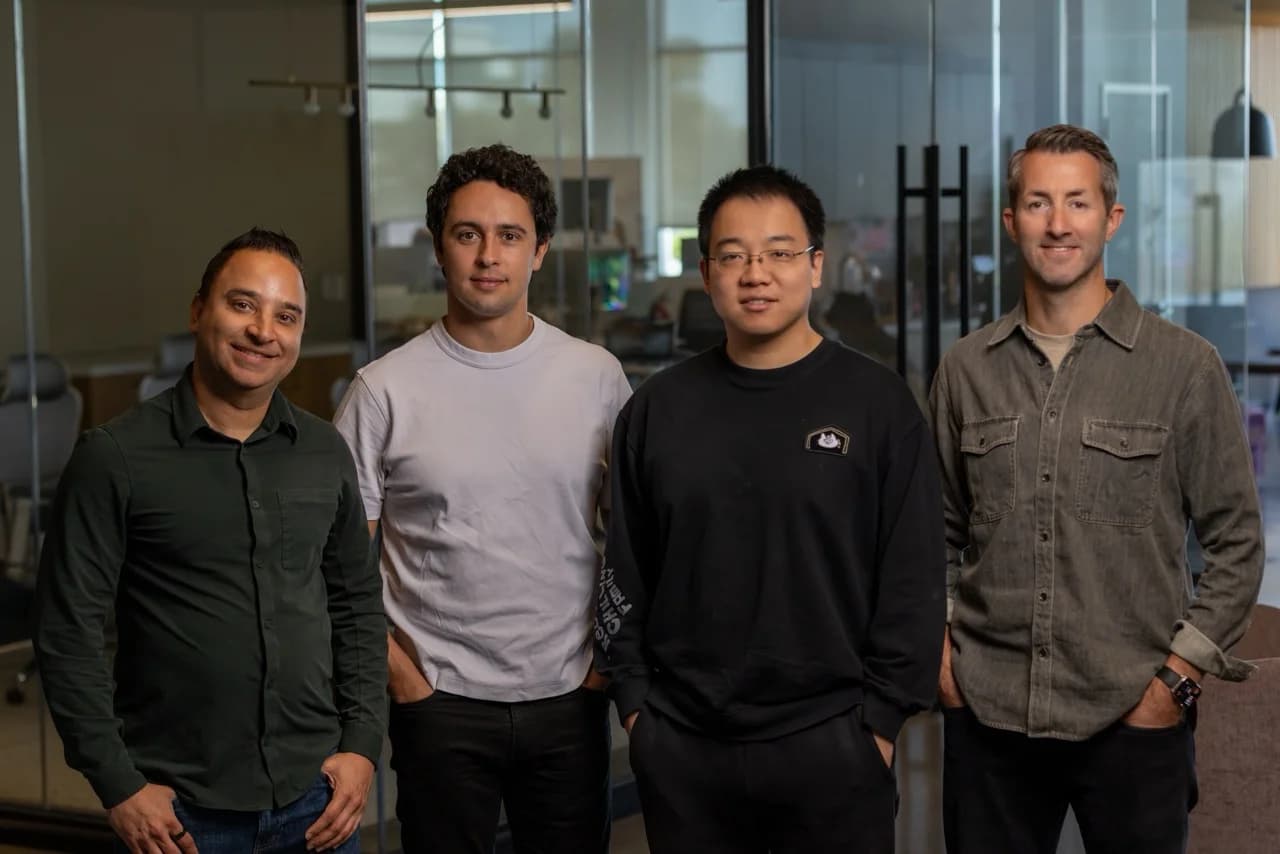
Minerva was founded in 2025 by Felber and CTO Maurice Rahme. Felber previously worked on Tesla's Optimus program and humanoid research at MIT CSAIL. Rahme spent six years at Boston Dynamics, including as a technical lead on Stretch.
Minerva says Roger progressed from a clean-sheet design in March 2026 to a walking prototype in August. Software and AI development is primarily based in the United States, while prototype manufacturing and assembly takes place in Sindelfingen, near Stuttgart. The company plans production in both Germany and the US.
Felber said southern Germany's precision-manufacturing suppliers were a major reason for locating hardware work there. The company is working with German actuator suppliers, although he declined to name them ahead of partnership announcements.
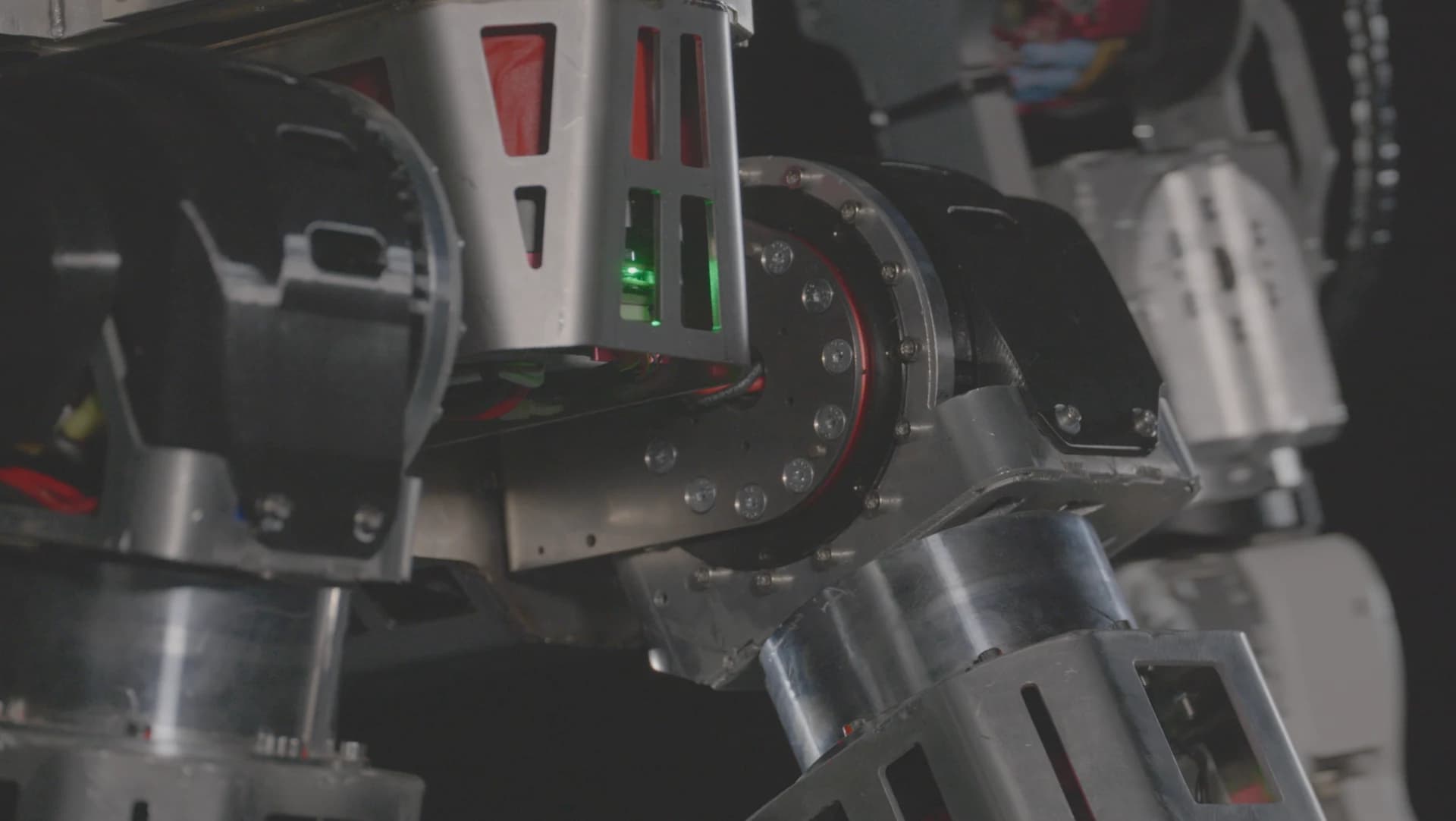
The hazardous-work focus also shapes its priorities. “We're currently not optimizing as much for cost,” Felber said.
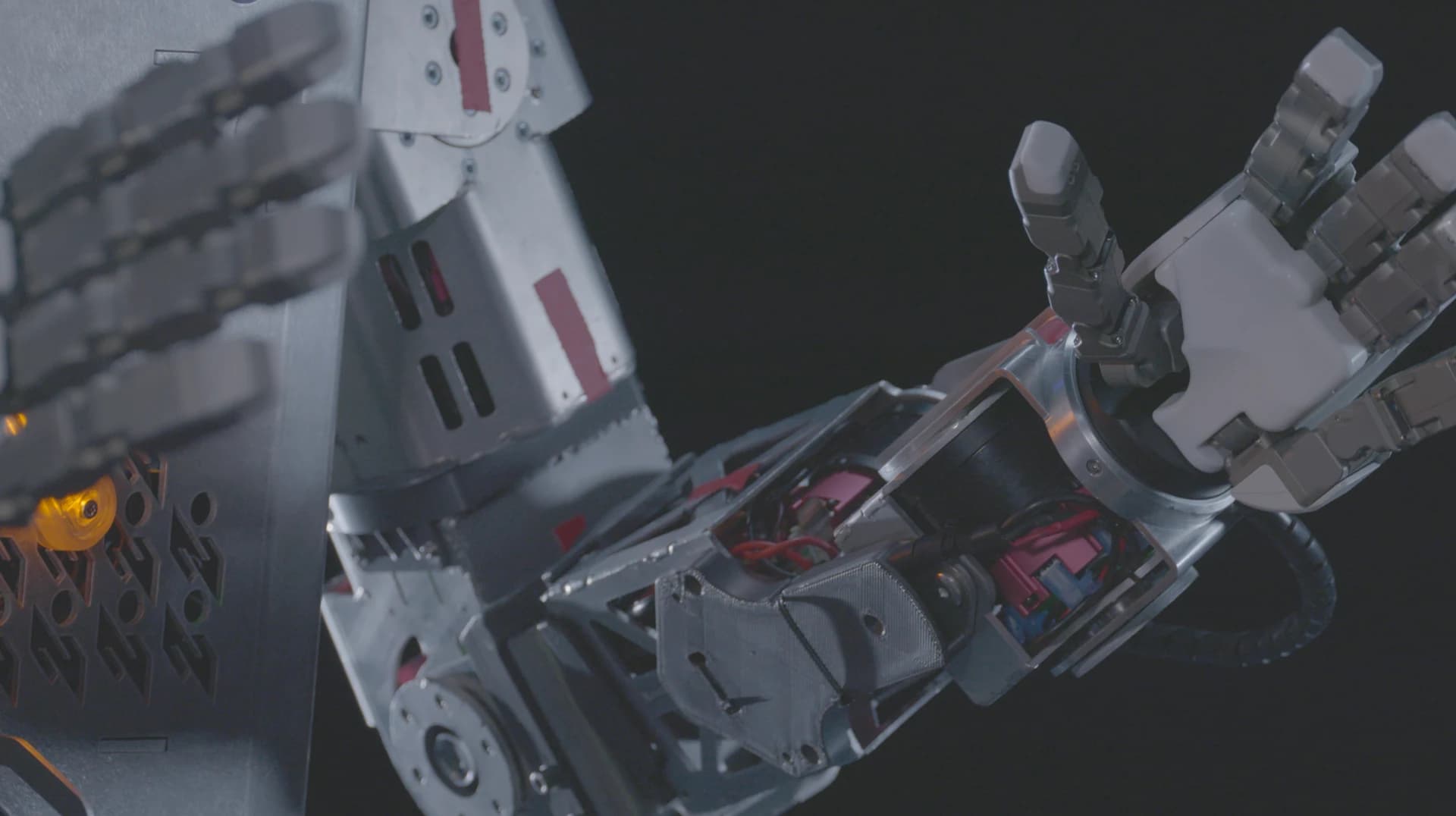
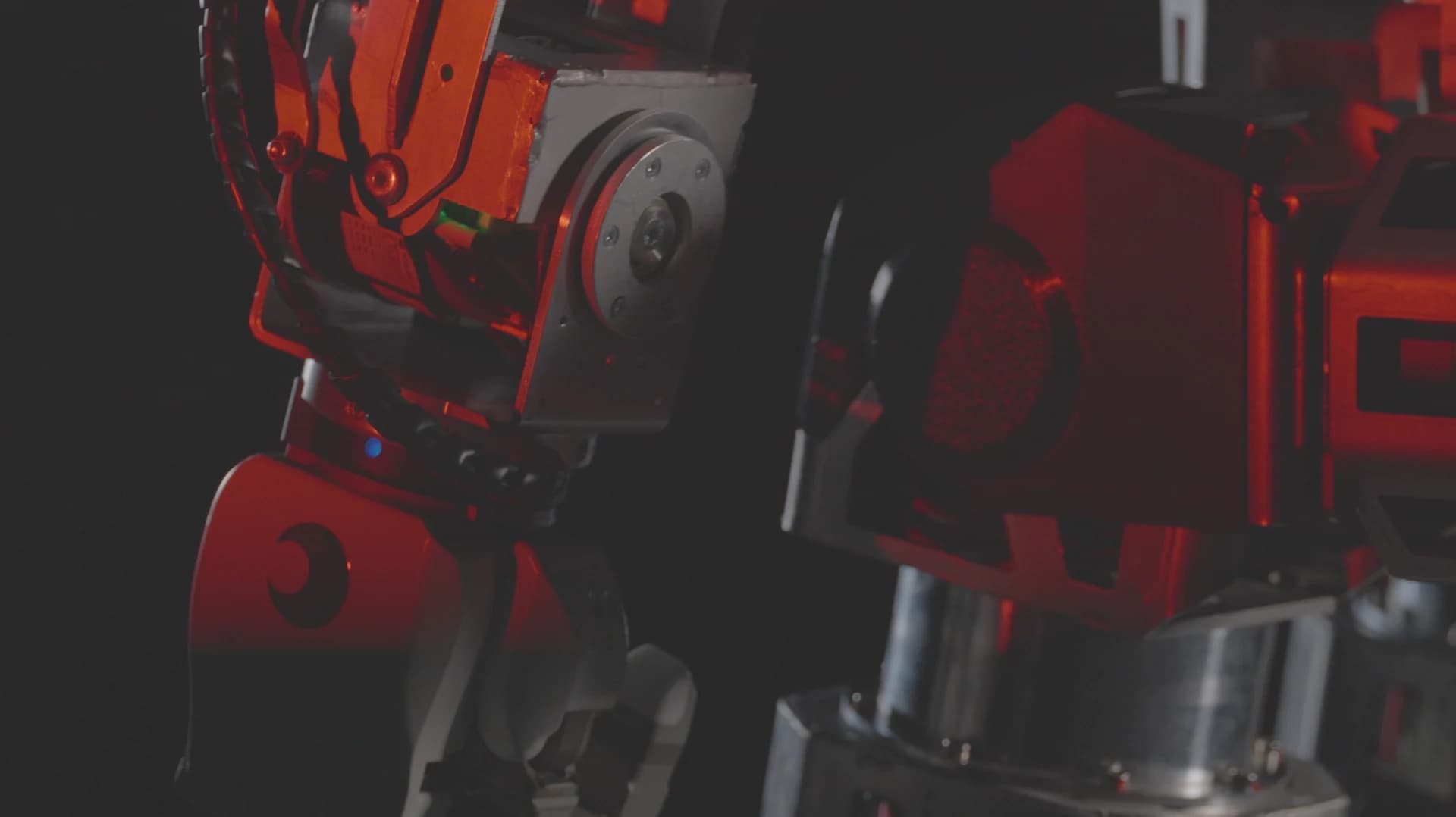
He was explicit about the hardware's present status: “It is a prototype.” Asked about exposed electronics and protection against dust and salt spray, he acknowledged that the robot is not yet as rugged as the company wants it to be.
Paid pilots come next
Minerva's fact sheet places its first paid oil and gas pilot in fall 2026, followed by a target of converting pilots into operational service contracts in 2027.
The company also says it has completed on-site testing while exploring deployments at two of the world's ten busiest airports, without naming them. It reports research partnerships with MBZUAI for energy applications and the University of Waterloo for perception in conditions such as smoke, darkness and sensor failure.
Those activities establish an early testing and development program, rather than evidence of a scaled commercial rollout. For Minerva, the next step is showing that Roger can reliably carry a specialist's skills into the hazardous settings it is being designed to serve.
This article draws on Minerva's October 6 launch materials and Humanoids Daily's October 5 interview with Sandor Felber. More information is available on Minerva's website.
Share this article
Read next
- Published on
- Reading time
- 3 min read
Clone Shows Torso 3 Hand Demo, Targets November Launch for Redesigned Torso 4
- Published on
- Reading time
- 7 min read
NVIDIA Buys Hugging Face for $12.9B as Open-Source Robotics Scales Up
- Published on
- Reading time
- 6 min read
SoftBank in Talks for Majority Stake in 1X at $6 Billion — Below the $10 Billion It Sought Last Year
- Published on
- Reading time
- 4 min read
Genesis AI Bolsters Leadership with Former X and Tesla Execs Ahead of Hardware Reveal
- Published on
- Reading time
- 4 min read
Agile Robots and Google DeepMind Partner to Bring Gemini to the Factory Floor
- Published on
- Reading time
- 3 min read
Nucleus Shares Nearly Two Hours of Factory Work, Says Demo Is 60% Autonomous

The weekly humanoid robotics briefing
One email a week: the launches, funding and research that mattered, with context from Humanoids Daily.
Read recent issues