- Published on
From AlphaGo to AstraTennis: Galbot Humanoids Complete 100+ Consecutive Rallies in Live Tennis Match
One tap, and our reporting appears more often in your Google Top Stories. It makes a real difference to a small newsroom.


Your guide
Rich Robinson
Jee Chee Ren · Executive tour
See China’s AI and robotics ecosystem first-hand.
Six days exploring AI, robotics and advanced manufacturing.
With Rich Robinson, Clinical Professor of Entrepreneurship at Peking University
Beijing · Guangzhou · Shenzhen
29 November–4 December 2026
Referral partnership · We earn a commission on referred bookings.
- Galbot has demonstrated autonomous tennis capabilities live at the second World Humanoid Robot Games, achieving over 100 consecutive rallies in singles and doubles play against human athletes.
- The demonstration, branded as "AstraTennis," showed robots executing serves, forehands, backhands, baseline rallies, net play, and dynamic balance recovery in real time.
- The live match marks the practical, full-match evolution of Galbot's LATENT athletic framework and follows the company's recent unveiling of the bipedal ET1 platform.
- While framing the event as a physical-world "AlphaGo moment," Galbot has yet to release low-level latency figures, sensor setups, or hardware specifications from the live exhibition.
A decade after DeepMind’s AlphaGo defeated Lee Sedol on the digital Go board, Beijing-based robotics firm Galbot is attempting to claim a similar milestone for embodied artificial intelligence on the tennis court.
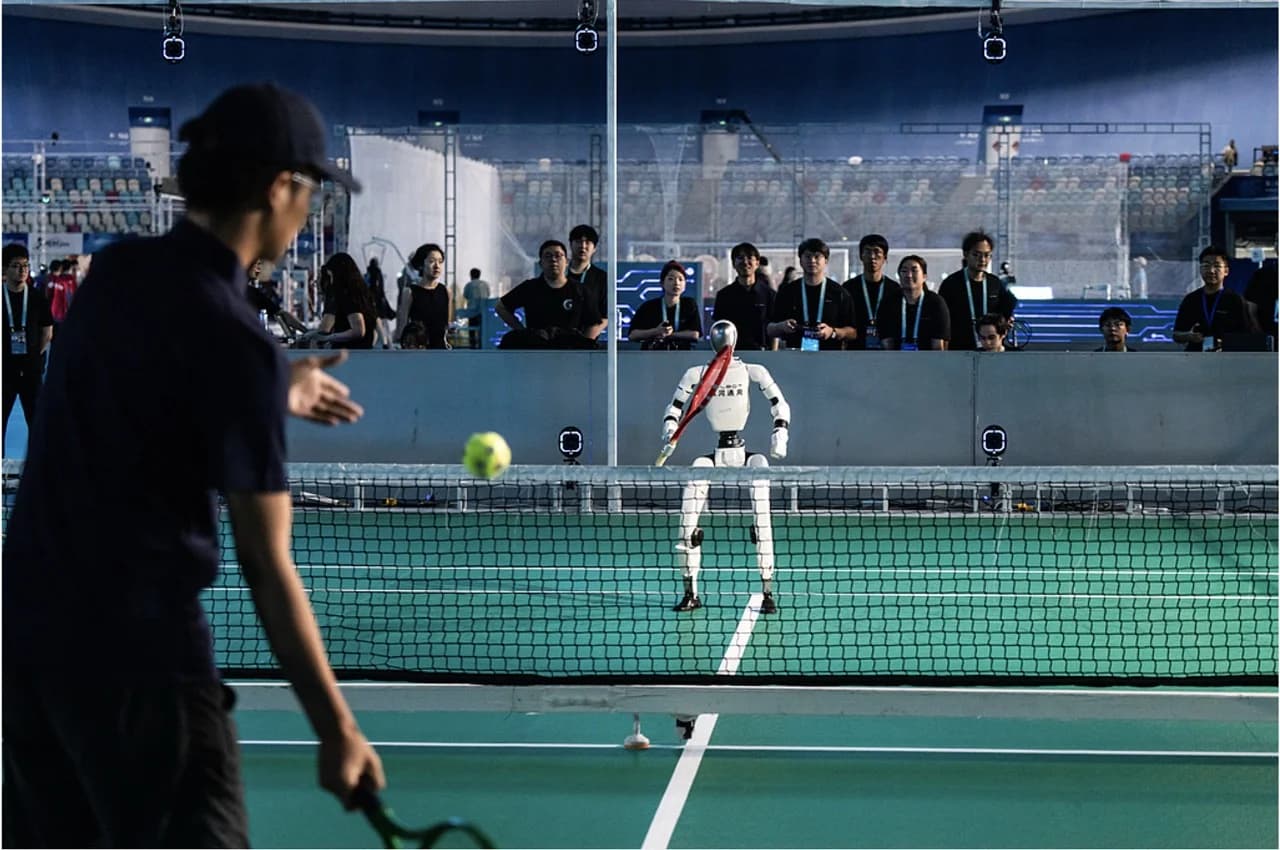
During the globally broadcast opening ceremony of the second World Humanoid Robot Games, Galbot staged what it described as the world's first live autonomous humanoid tennis match. Competing against and alongside human players, Galbot’s humanoid machines completed more than 100 consecutive rallies, setting a new benchmark for reactive physical intelligence and high-speed robotic locomotion.
An Athletic Stress Test for Embodied AI
Racket sports represent one of the most demanding benchmarks for physical AI. Unlike structured industrial pick-and-place tasks or scripted stage choreography, a tennis match requires continuous real-time perception, whole-body coordination, sub-second trajectory prediction, and dynamic balance recovery while sprinting across an unconstrained surface.
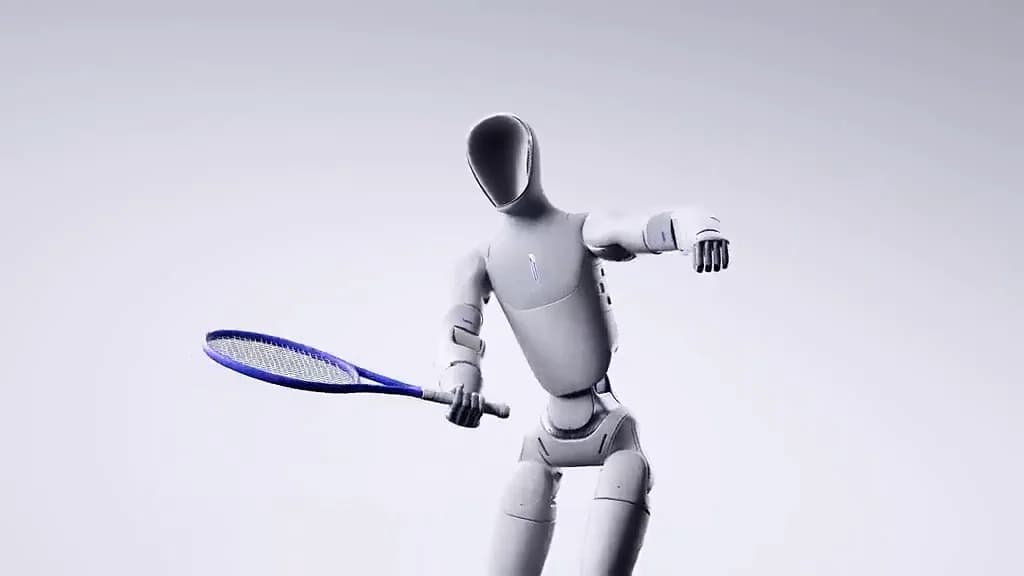
During the live exhibition, dubbed "AstraTennis," Galbot demonstrated full-court capabilities including serves, forehand and backhand returns, baseline exchanges, net volleys, and defensive recovery shots. In a doubles segment, the robots paired directly with human players, adjusting positioning and shot selection in real time to match the flow of the rally. Notably, the platforms demonstrated active balance stabilization, recovering their footing following aggressive, high-speed lateral lunges without interrupting play.
The weekly humanoid robotics briefing
One email a week: the launches, funding and research that mattered, with context from Humanoids Daily.
Read recent issuesGalbot emphasized that the performance was completely unscripted, with the machines executing closed-loop vision-action policies to perceive the ball and court geometry, calculate optimal stroke mechanics, and adjust tactics dynamically.
From Research Frameworks to the Court
The live demonstration represents the practical scaling of research Galbot has pursued over the past year. Earlier this year, engineers from Galbot, Tsinghua University, and Peking University introduced LATENT, a hierarchical reinforcement learning framework that trained robots on fragmented human motion-capture data to master tennis strokes using a Unitree G1.
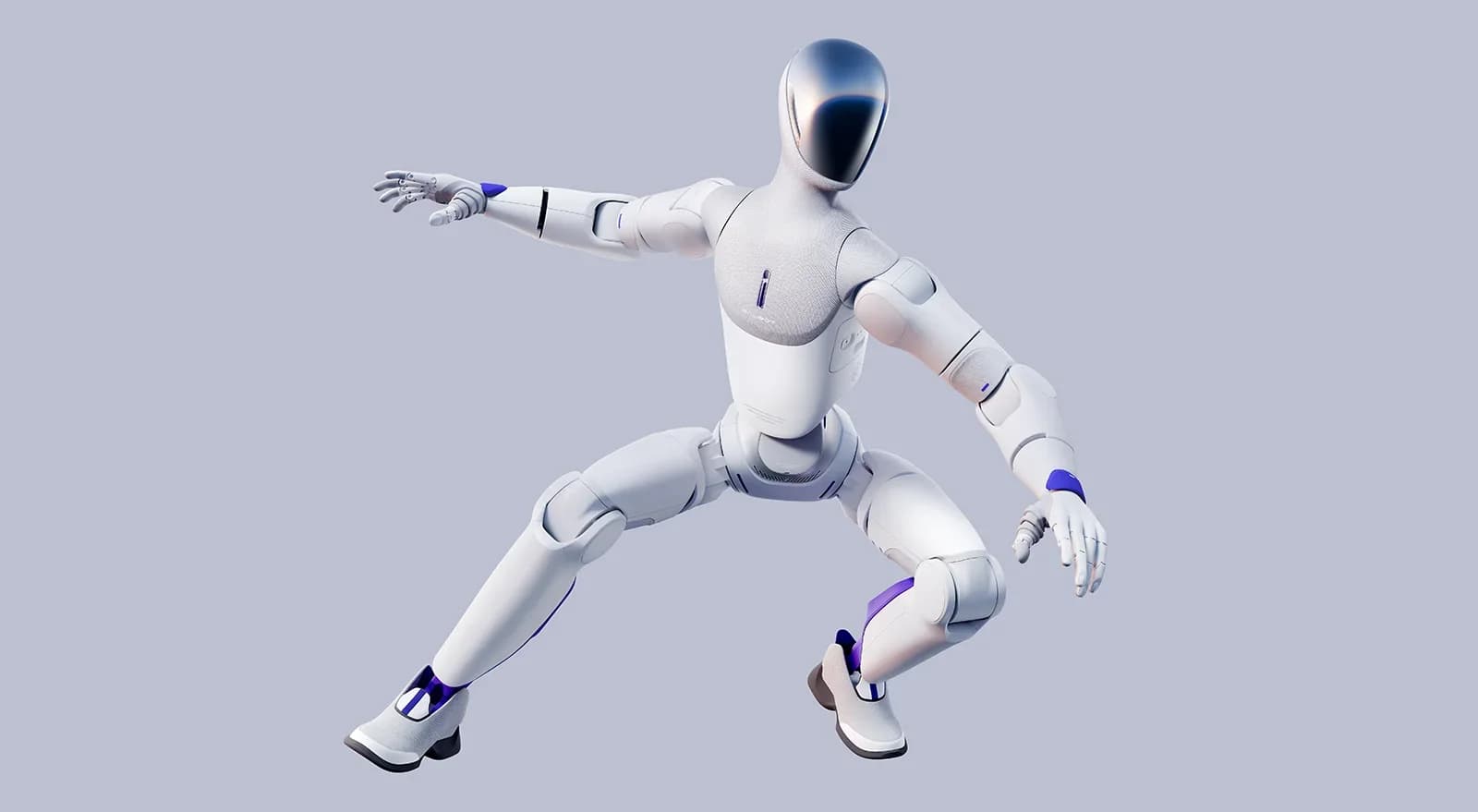
While the timing of the demonstration closely follows Galbot's high-profile reveal of its bespoke bipedal ET1 platform, visual evidence from the event indicates the court demonstration utilized modified Unitree G1 units customized with Galbot branding and styling cues reminiscent of the ET1, rather than the ET1 hardware itself. This suggests Galbot is continuing to leverage proven off-the-shelf research hardware to validate its software pipeline while its in-house bipedal platform undergoes development.
The exhibition also reflects the maturation of Galbot's proprietary "AstraBrain" architecture. While Galbot previously highlighted AstraBrain for domestic manipulation tasks like sorting and folding laundry at the Spring Festival Gala, AstraTennis showcases the model's high-frequency, low-latency control capabilities required for dynamic athletic maneuvers.
The Physical AI Benchmark
Galbot's high-profile demonstration arrives as the company explores a Hong Kong initial public offering valued at up to $4 billion. While Galbot built its commercial baseline around wheeled logistics robots for retail and warehousing, proving out agile locomotion and robust sim-to-real transfer is increasingly vital as Chinese humanoid vendors compete for technological leadership.
While sustaining over 100 consecutive rallies in a live venue is a significant engineering feat, several technical questions remain open. Galbot has not yet published detailed technical breakdowns of the exhibition match, including whether the court relied on external motion-capture camera rigs for ball tracking (as seen in early LATENT experiments) or operated purely on onboard perception suites.
Nevertheless, transitioning from isolated laboratory tests to an autonomous 100-shot rally in front of a live audience marks a concrete step forward in bringing agile, reactive intelligence out of simulation and onto the physical court.
Share this article
Read next
- Published on
- Reading time
- 3 min read
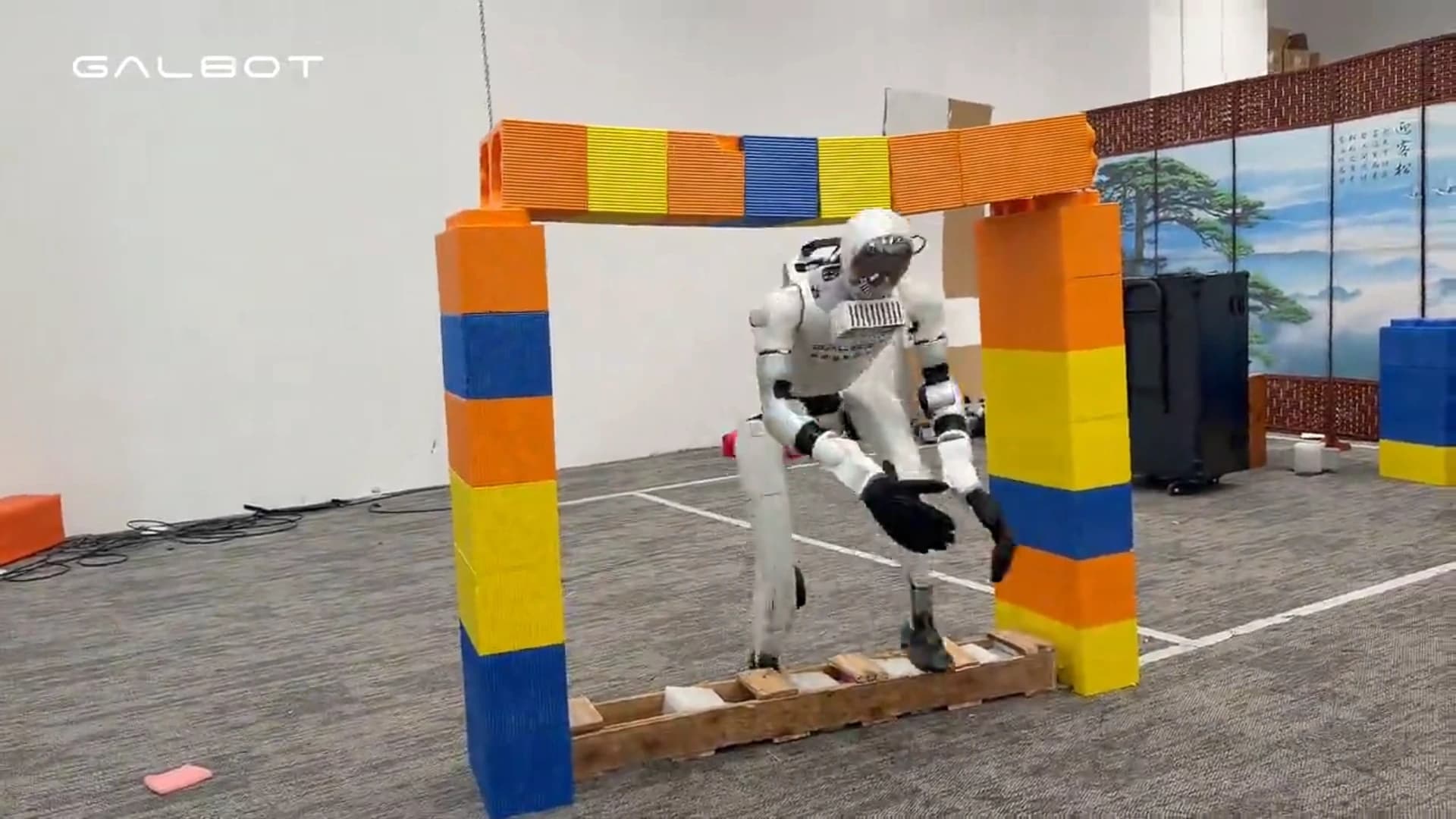
Galbot’s PASSAGE Helps Humanoids Step Over, Duck Under and Squeeze Past Obstacles
- Published on
- Reading time
- 3 min read
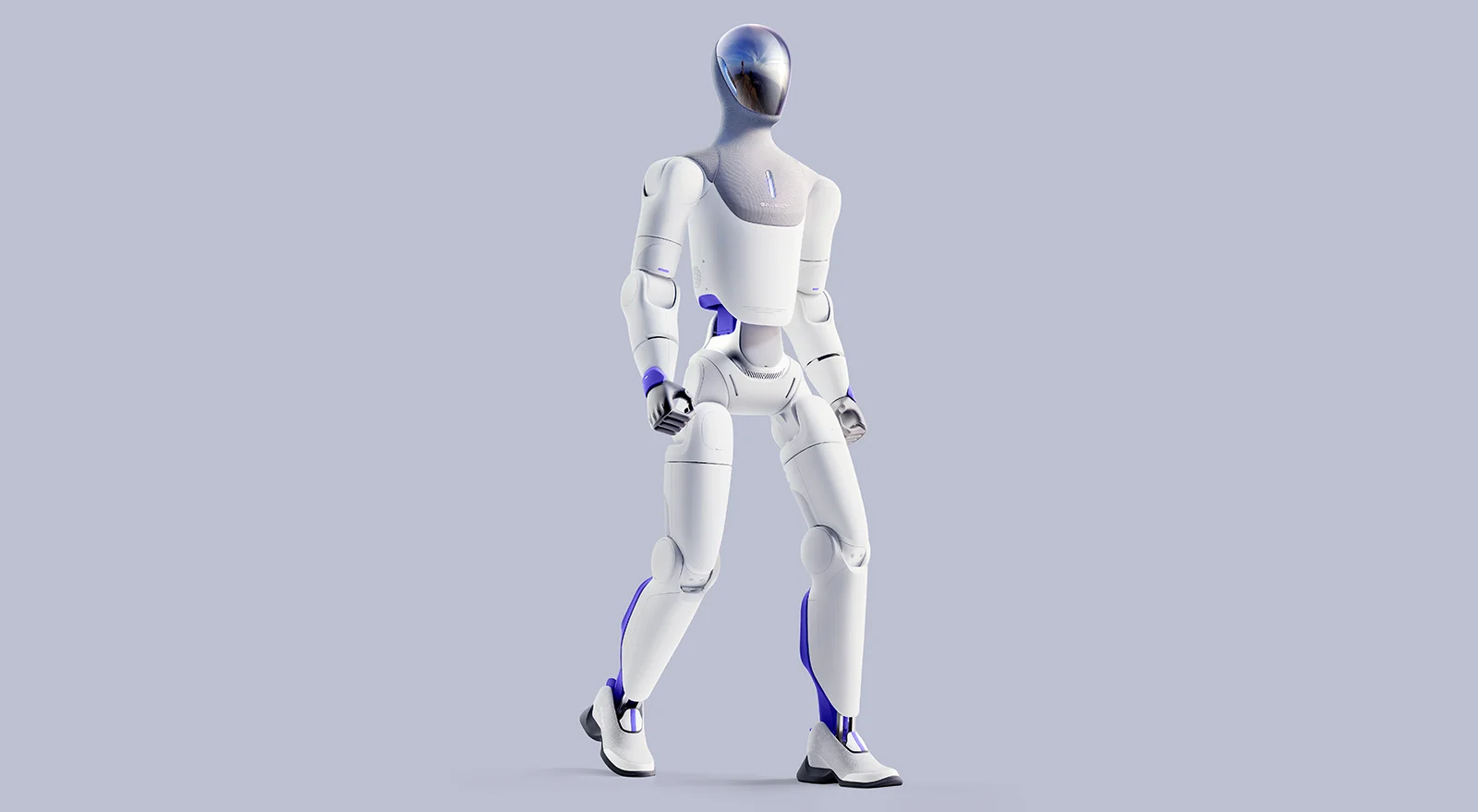
Galbot Prices ET1 Humanoid From 79,000 Yuan Across Three Versions
- Published on
- Reading time
- 9 min read
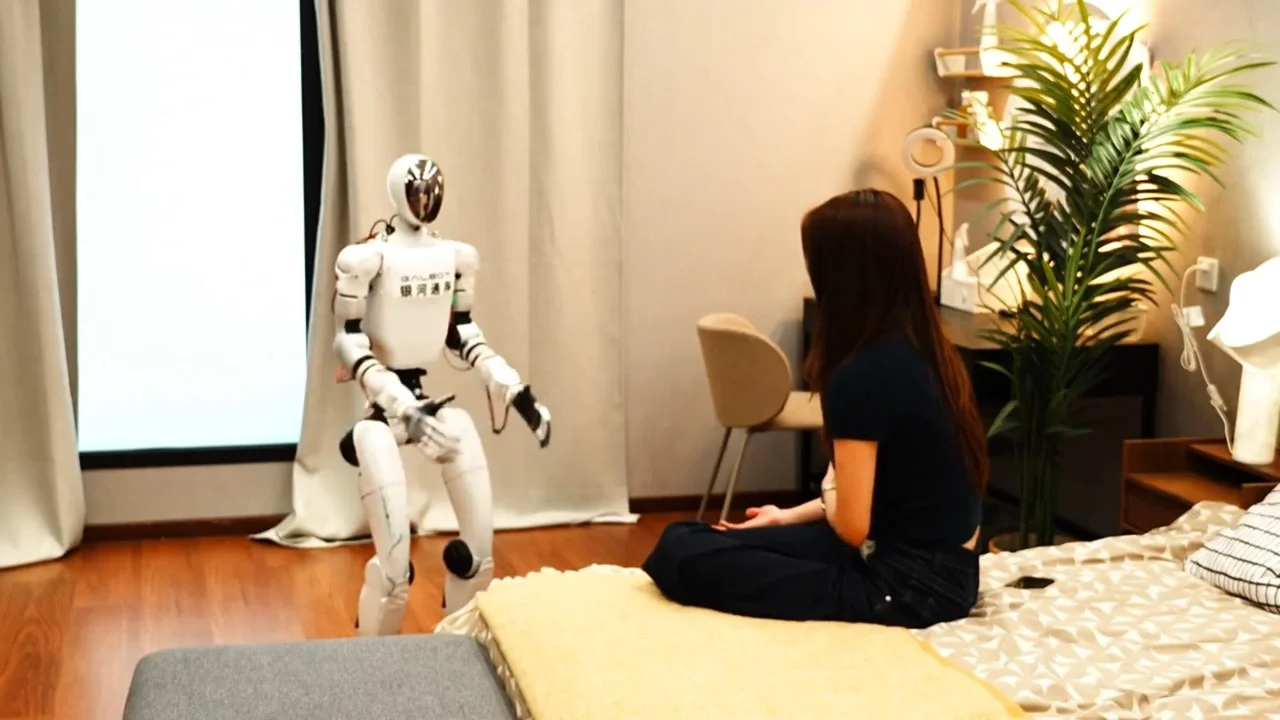
Beyond Mechanical Chatbots: Galbot Unveils RoboGesture to Tackle Real-Time Nonverbal Communication
- Published on
- Reading time
- 6 min read
Galbot Opens Pre-Orders for ET1 Bipedal Humanoid Aimed at Entertainment and Performance
- Published on
- Reading time
- 6 min read
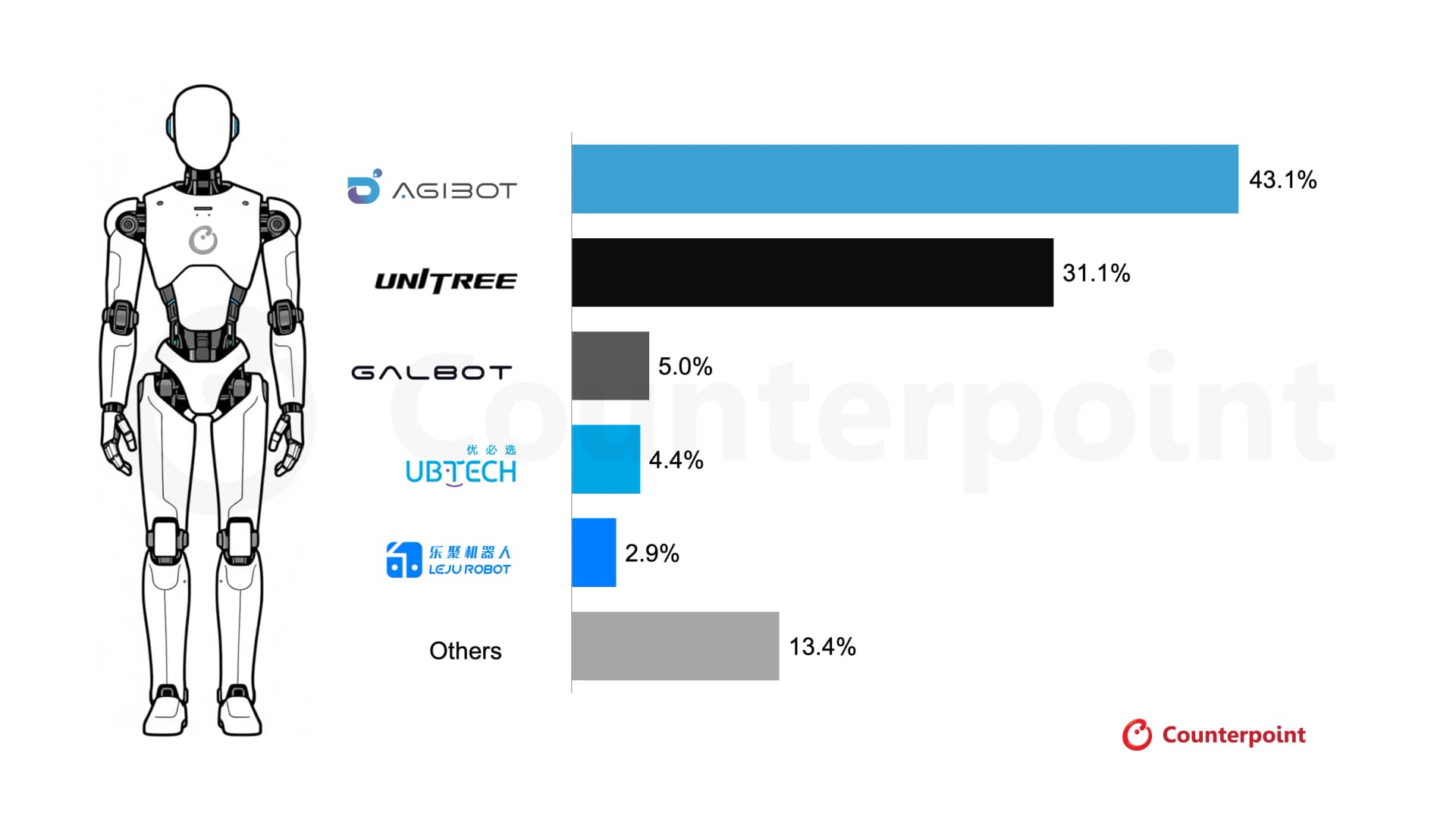
Global Humanoid Shipments Surpass 22,000 in H1 2026 as AGIBOT Leads and Form-Factor Debates Intensify
- Published on
- Reading time
- 4 min read
Galbot Teases ET1 Bipedal Humanoid Ahead of WRC 2026 Debut
The weekly humanoid robotics briefing
One email a week: the launches, funding and research that mattered, with context from Humanoids Daily.
Read recent issues