- Published on
Galbot Teases ET1 Bipedal Humanoid Ahead of WRC 2026 Debut
One tap, and our reporting appears more often in your Google Top Stories. It makes a real difference to a small newsroom.


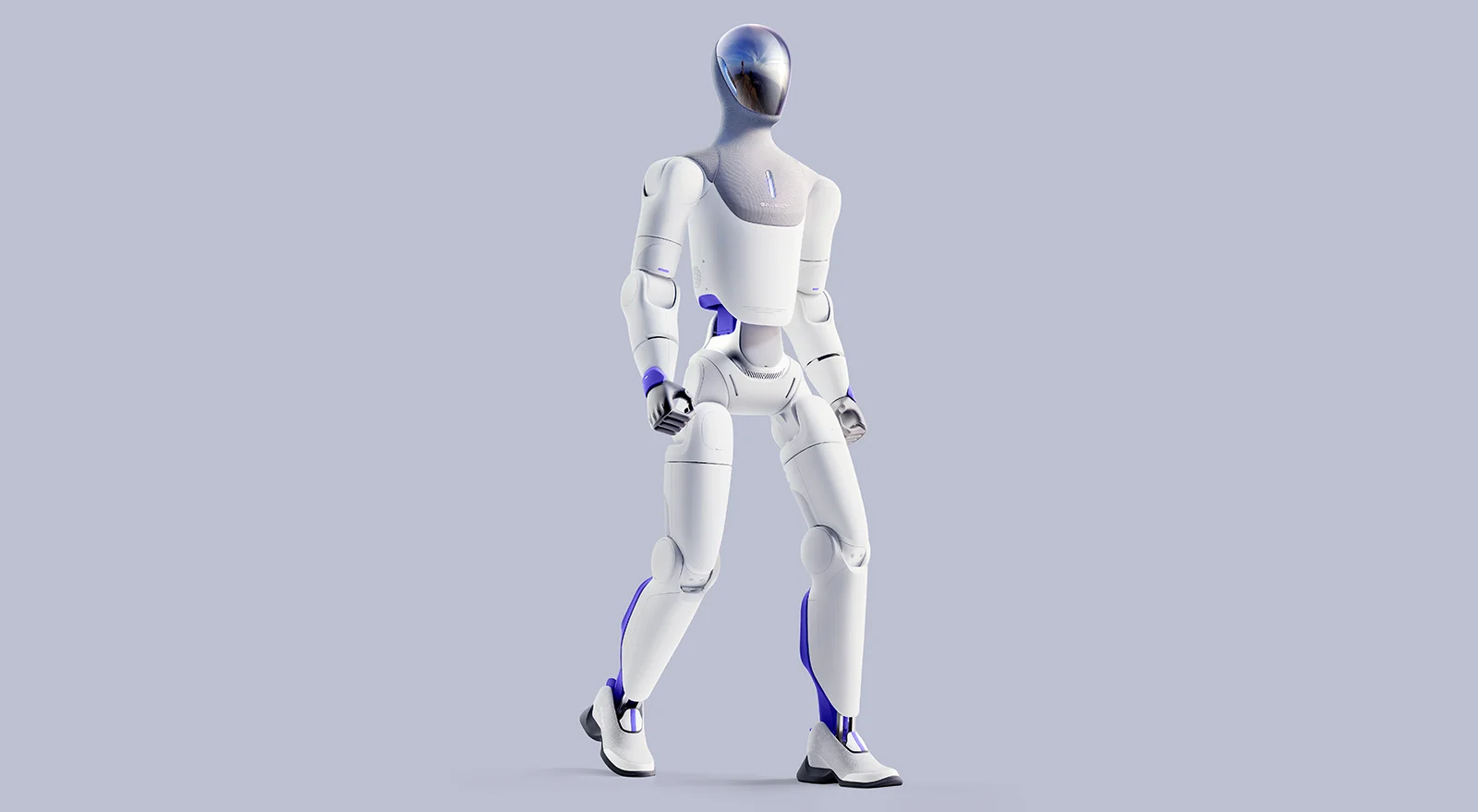
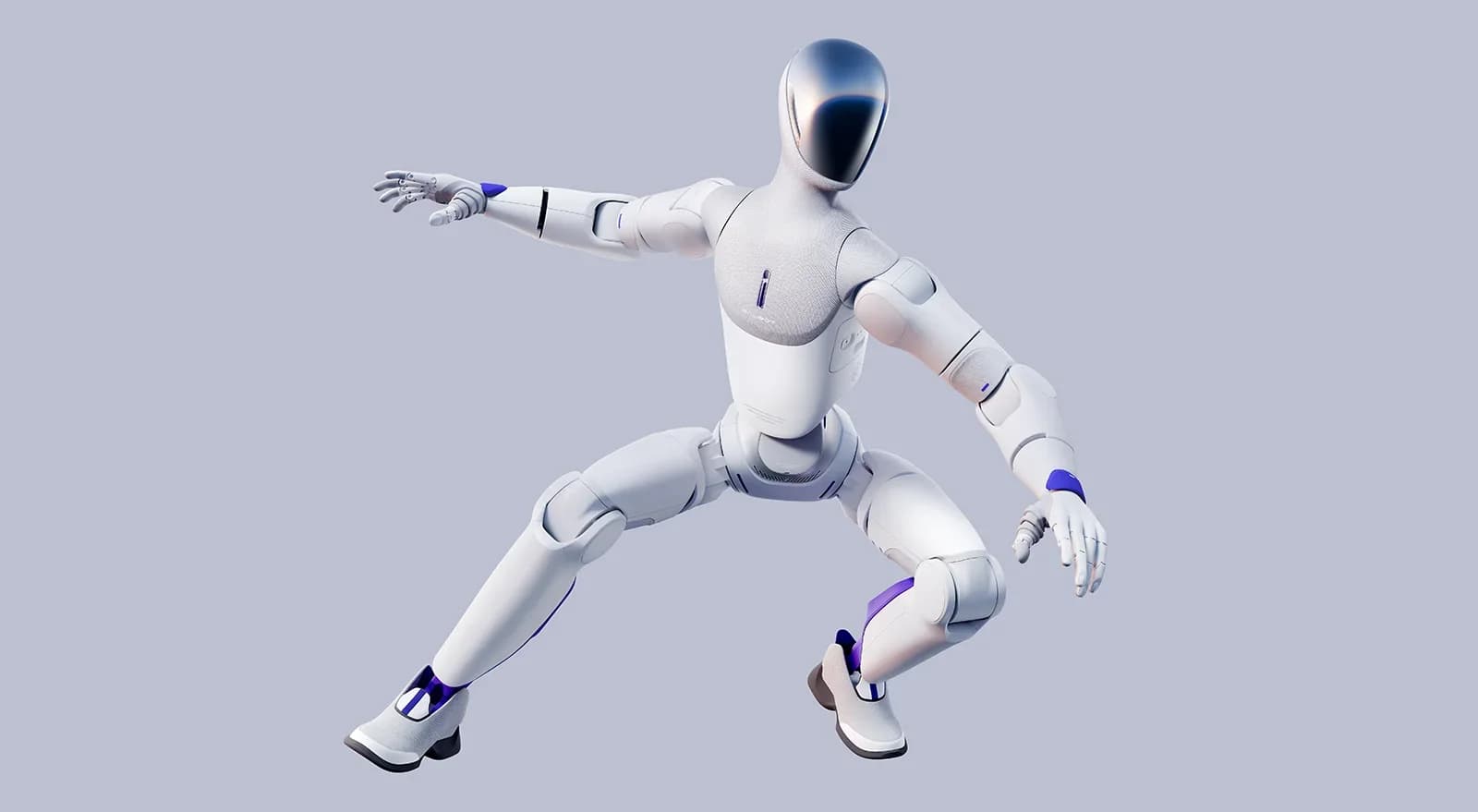
- Galbot has previewed the ET1, the startup’s first fully bipedal humanoid robot, ahead of its formal debut at WRC 2026 in Beijing.
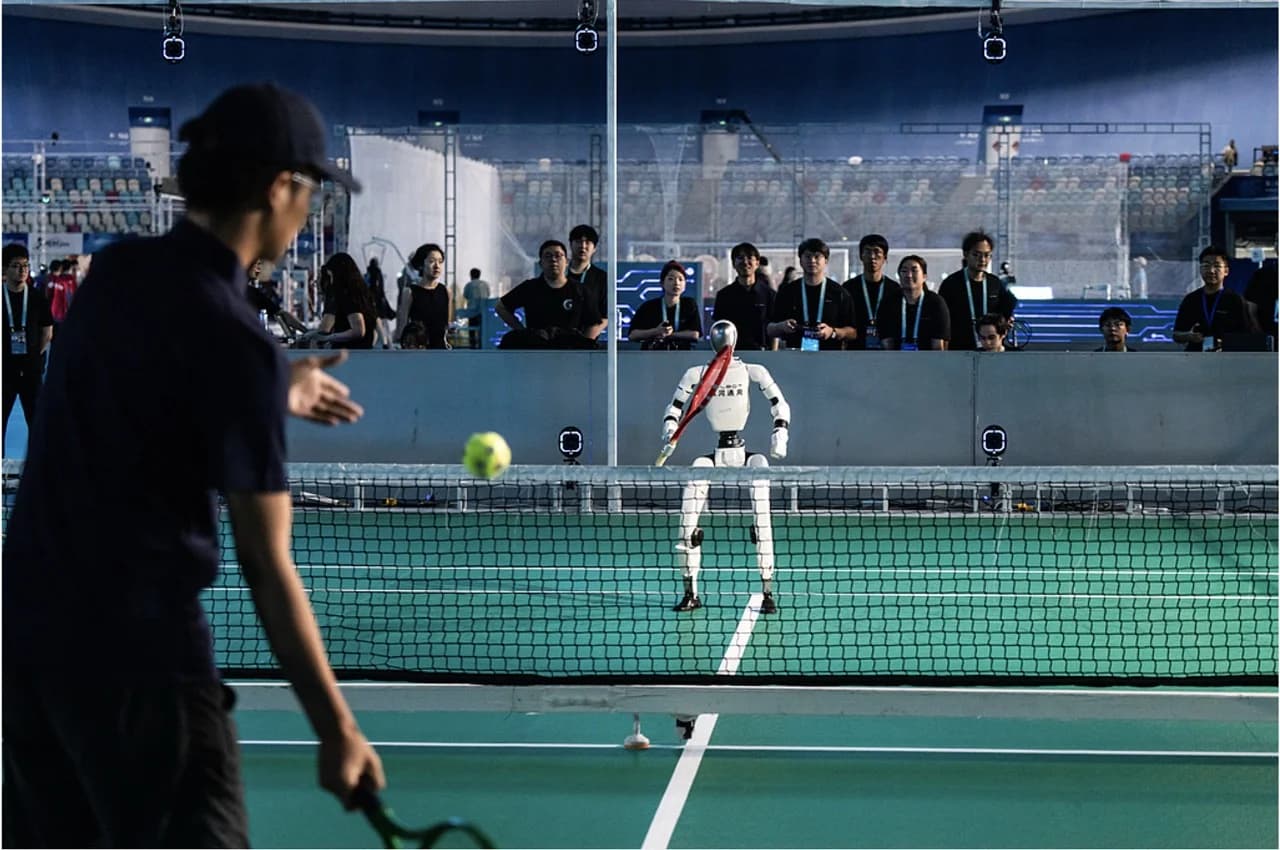
- A cinematic CGI teaser highlights dynamic athletic capabilities, showing the bipedal robot swinging a tennis racket in a polished aesthetic reminiscent of Western hardware reveals.
- The tennis demonstration builds on the LATENT athletic framework, a research initiative co-developed by Galbot engineers earlier this year.
- The ET1 marks a significant architectural pivot from Galbot's commercial, wheeled G1 platform as the company eyes a potential $4 billion IPO.
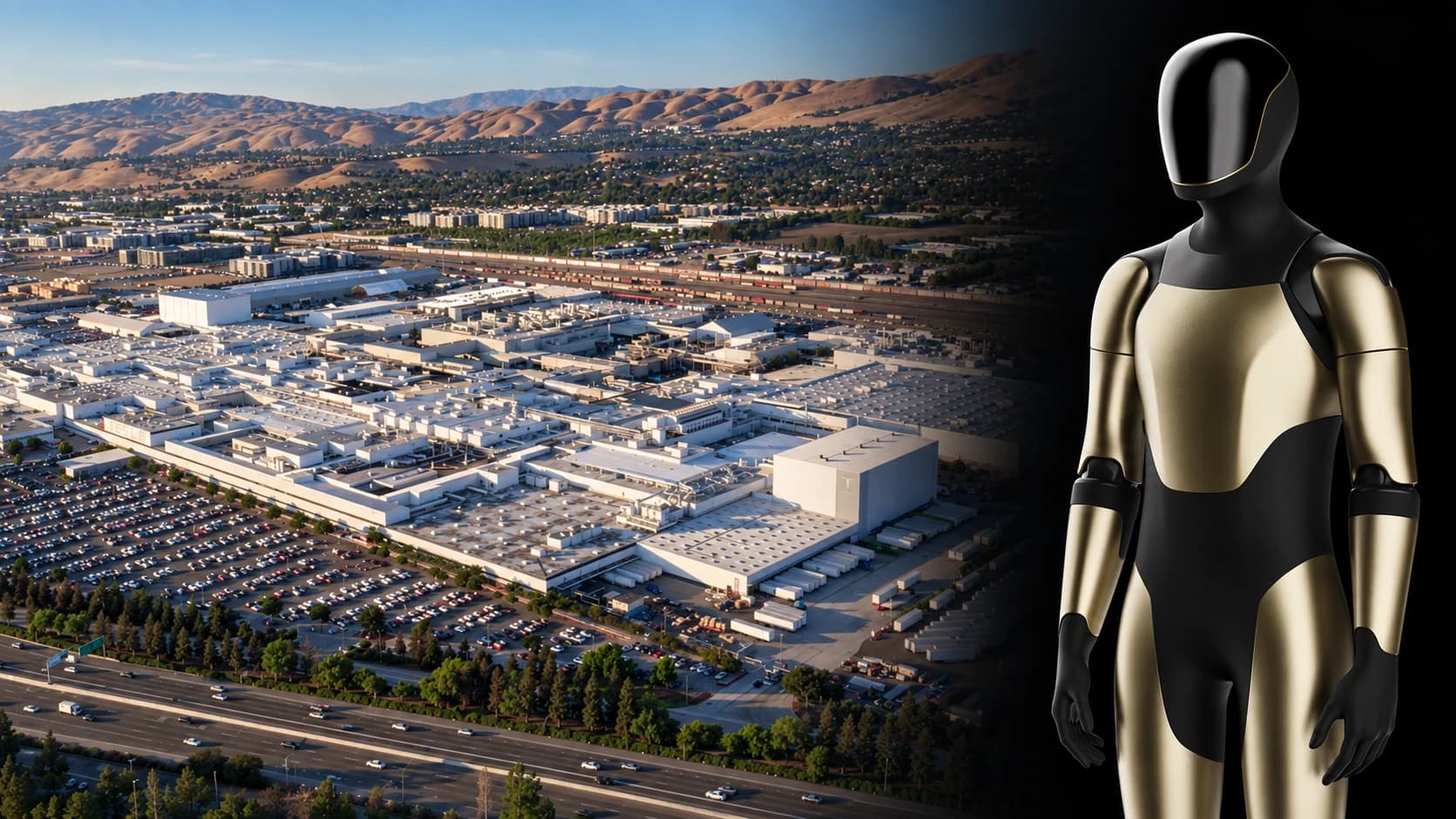
Beijing-based robotics startup Galbot is stepping into the high-dynamic bipedal arena. Ahead of the World Robot Conference (WRC 2026) kicking off in Beijing on August 19, the company has released promotional teasers and a high-gloss CGI video unveiling its newest platform: the Galbot ET1.
The preview represents a notable strategic expansion for Galbot. While the company has built its commercial footprint around wheeled dual-arm platforms, the ET1 marks its first dedicated, fully bipedal humanoid machine.

From Wheeled Logistics to Bipedal Agility
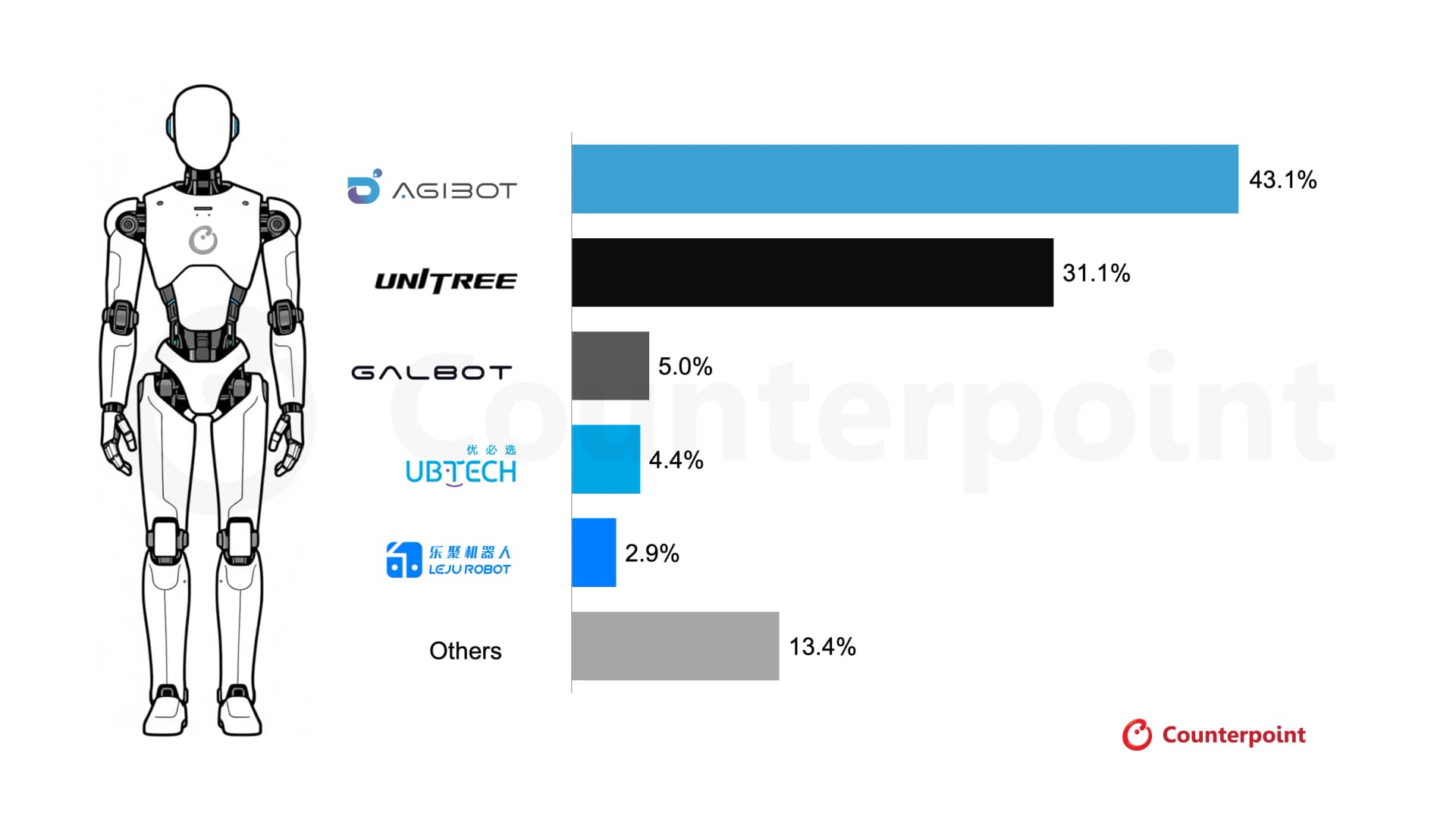
Until now, Galbot has pursued a pragmatic, application-first hardware strategy. Its flagship platform, the Galbot G1, relies on an omnidirectional wheeled base to tackle structured retail and logistics tasks such as shelf restocking and sorting. That focus on structured workspaces helped the company secure approximately 900 commercial shipments in the first half of 2026, placing it among China's top tier of humanoid vendors alongside AGIBOT and Unitree.
Backed by industrial heavyweights like CATL and exploring a Hong Kong public listing at a valuation of up to $4 billion, Galbot’s expansion into legged locomotion reflects the intensifying competitive pressure across the humanoid sector. As domestic rivals roll out high-volume bipeds for both industrial work and agile locomotion, developing an in-house bipedal platform has increasingly become table stakes for market leaders.
The weekly humanoid robotics briefing
One email a week: the launches, funding and research that mattered, with context from Humanoids Daily.
Read recent issuesThe Tennis Connection: Validating the LATENT Framework
The teaser video adopts a sleek, cinematic tone familiar to followers of high-profile robotics unveils, bearing stylistic similarities to the industrial design reveals pioneered by Western firms like Figure. However, instead of demonstrating routine warehouse manipulation or factory sequencing, Galbot’s video takes an athletic detour—depicting the ET1 executing high-velocity tennis strokes.
The choice of sport is not arbitrary. Earlier this year, researchers from Tsinghua University, Peking University, and Galbot Inc. introduced LATENT, a hierarchical reinforcement learning framework designed to teach robots athletic tennis skills from fragmented, imperfect motion capture data.
While that original study validated whole-body coordination and residual wrist corrections on a third-party Unitree G1 platform, the ET1 appears to be the bespoke hardware manifestation of Galbot’s athletic locomotion and fast-reaction manipulation research. Mastering racket sports requires sprint speeds exceeding 6 m/s, millisecond-level visual feedback loops, and dynamic full-body balance—benchmarks that push the boundaries of current actuator response and real-time control algorithms.
What to Watch at WRC 2026
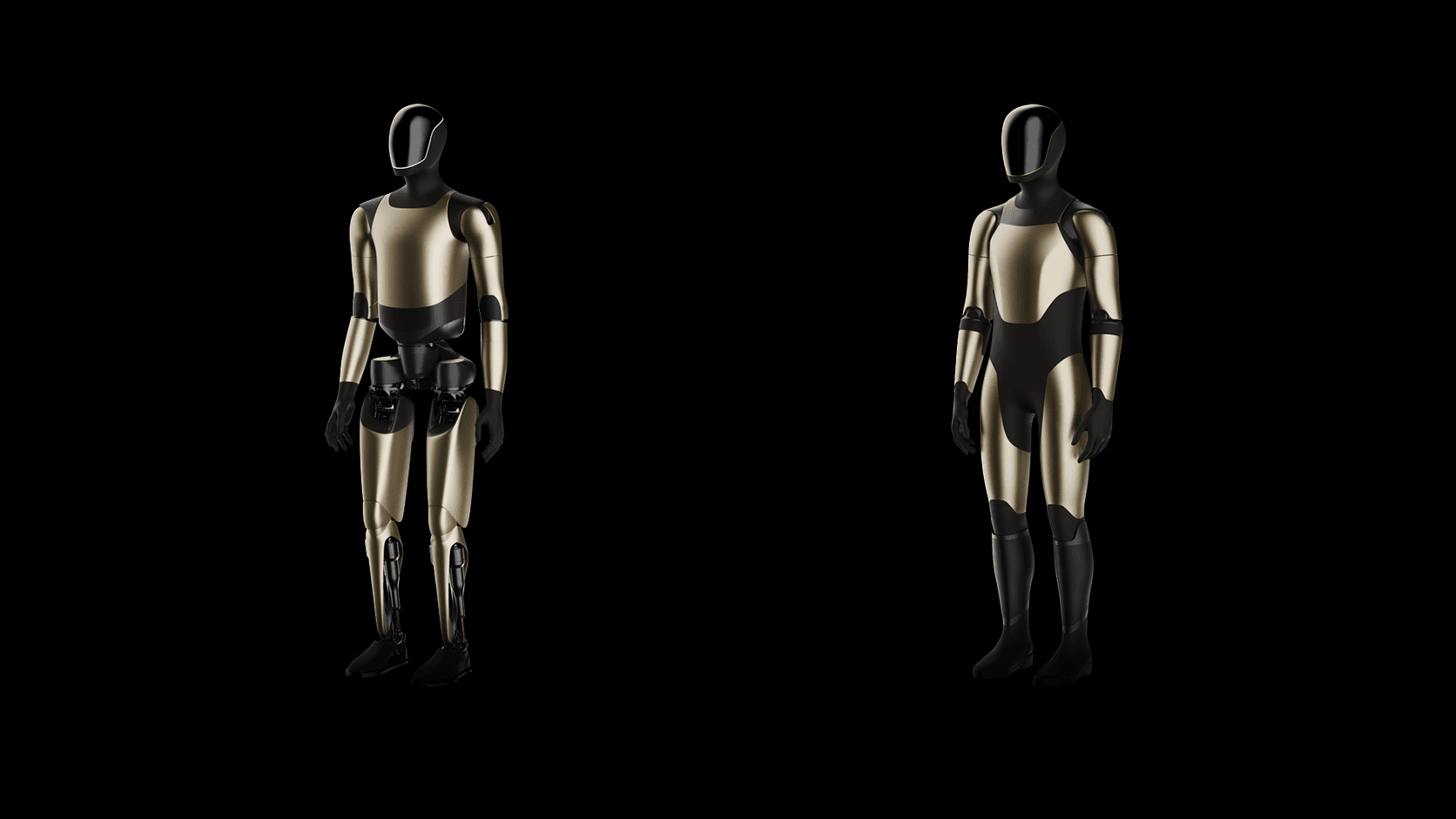
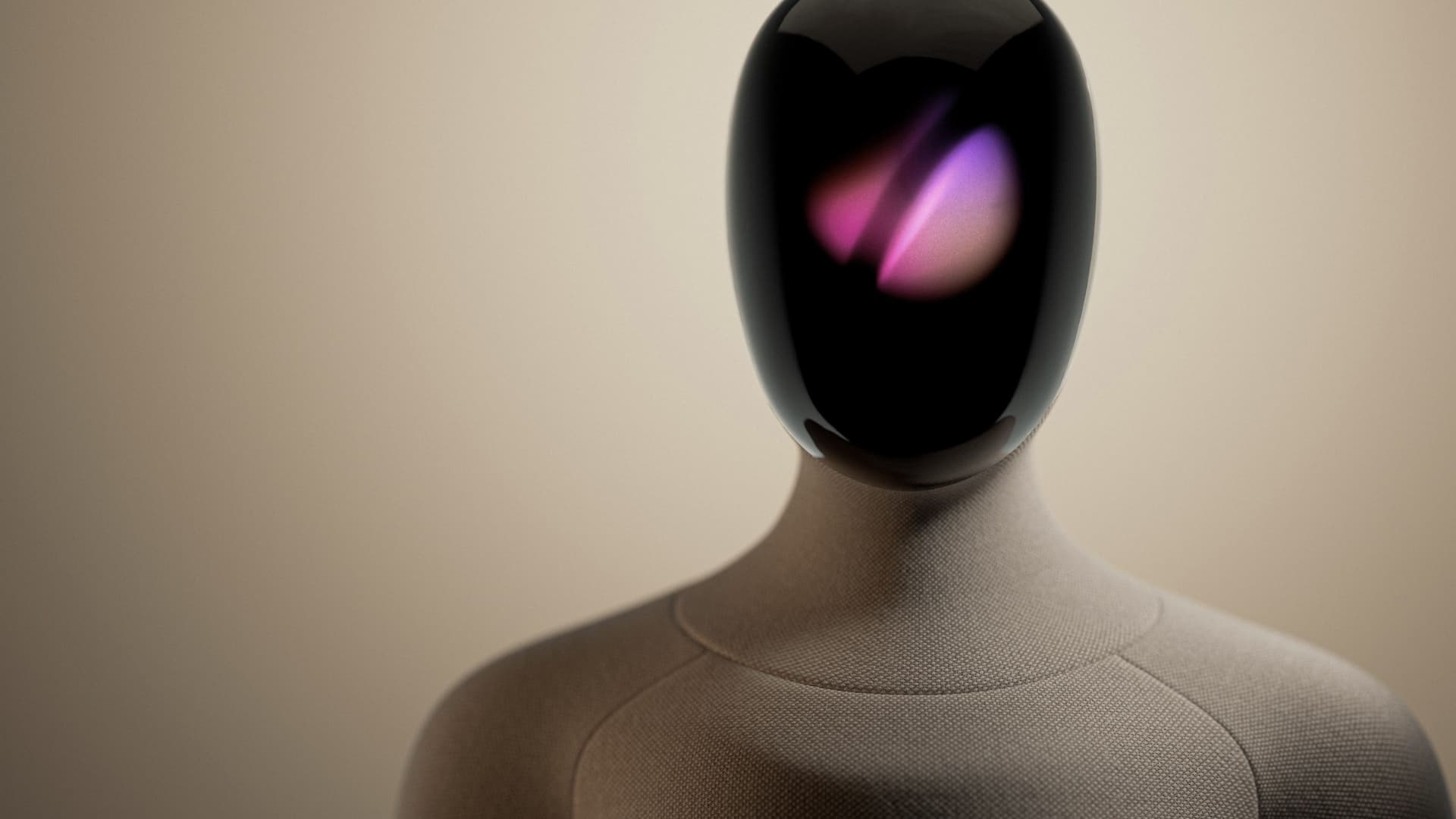
While the teaser provides a visual baseline—featuring smooth white paneling, integrated joint enclosures, and a dark visor display—Galbot has kept detailed technical specifications under wraps. Key engineering metrics remain to be confirmed, including:
- Total degrees of freedom (DoF) across the lower and upper body.
- Actuator architecture (whether relying on pure rotary actuators or hybrid quasi-direct-drive systems).
- Integrated onboard sensor suite and compute payloads for real-time vision.
- Commercial positioning, particularly whether the ET1 will serve as a research platform or target dynamic industrial and service deployment.
Galbot is set to exhibit the ET1 live at Booth C104 throughout WRC 2026 from August 19 to 23. Observers will be watching closely to see whether the platform's real-world locomotion matches the fluid athleticism promised in its digital debut.
Share this article
Read next
- Published on
- Reading time
- 3 min read
Galbot Prices ET1 Humanoid From 79,000 Yuan Across Three Versions
- Published on
- Reading time
- 6 min read
Galbot Opens Pre-Orders for ET1 Bipedal Humanoid Aimed at Entertainment and Performance
- Published on
- Reading time
- 9 min read
Beyond Mechanical Chatbots: Galbot Unveils RoboGesture to Tackle Real-Time Nonverbal Communication
- Published on
- Reading time
- 4 min read
From AlphaGo to AstraTennis: Galbot Humanoids Complete 100+ Consecutive Rallies in Live Tennis Match
- Published on
- Reading time
- 6 min read
Global Humanoid Shipments Surpass 22,000 in H1 2026 as AGIBOT Leads and Form-Factor Debates Intensify
- Published on
- Reading time
- 5 min read
The $1.4 Billion Sprint: Inside China’s Post-Gala Humanoid Funding Frenzy


The weekly humanoid robotics briefing
One email a week: the launches, funding and research that mattered, with context from Humanoids Daily.
Read recent issues