- Published on
Microagi Hires Animesh Garg to Turn Robot Models Into Reliable Workers
One tap, and our reporting appears more often in your Google Top Stories. It makes a real difference to a small newsroom.

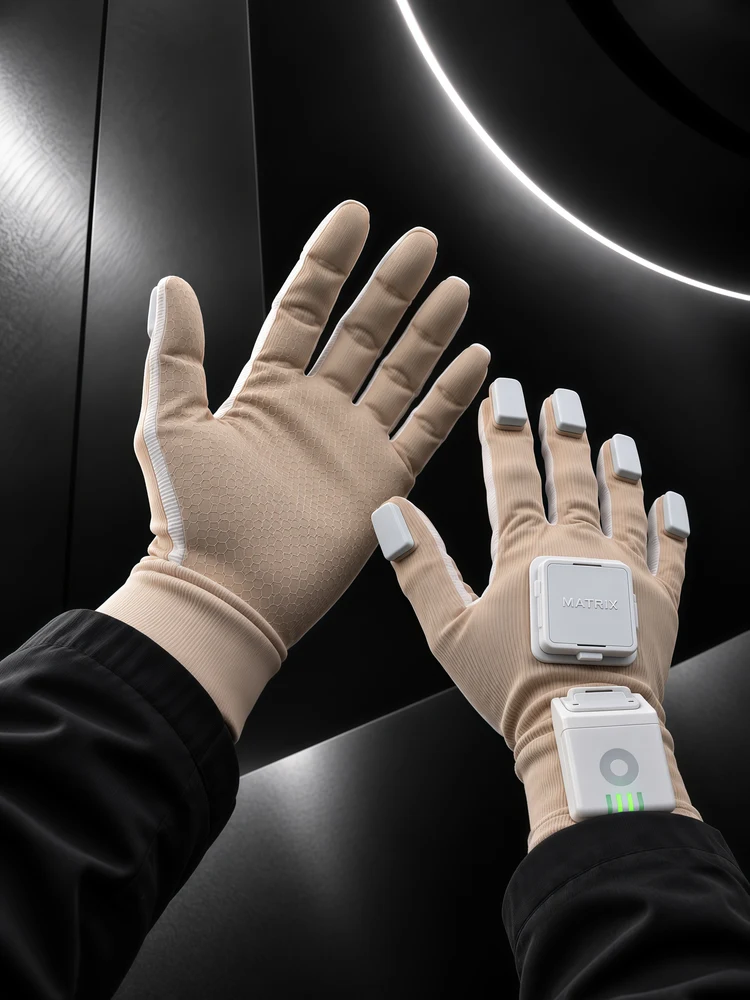
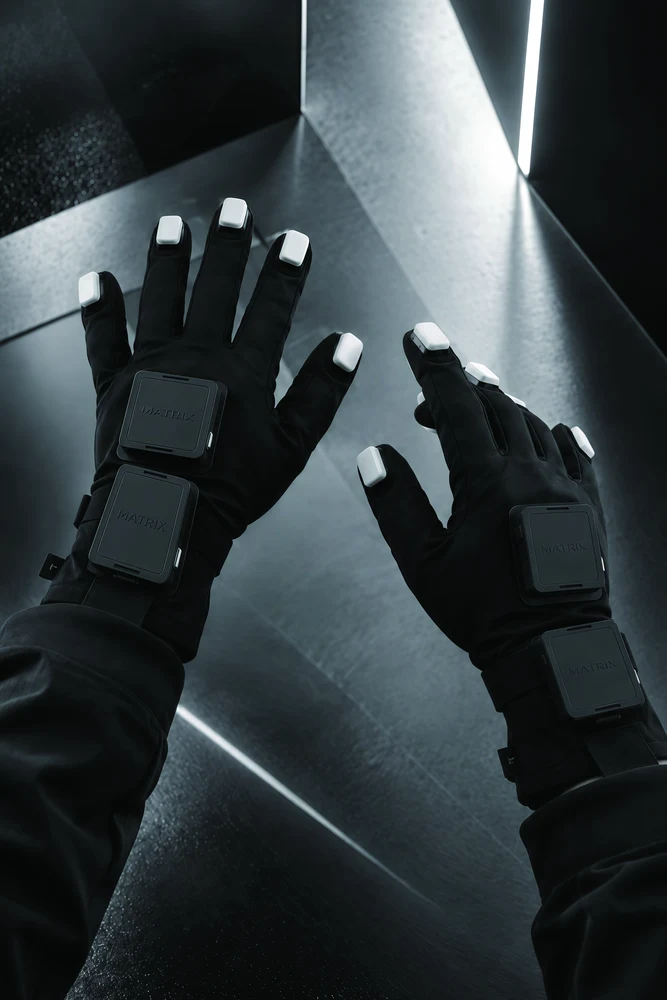

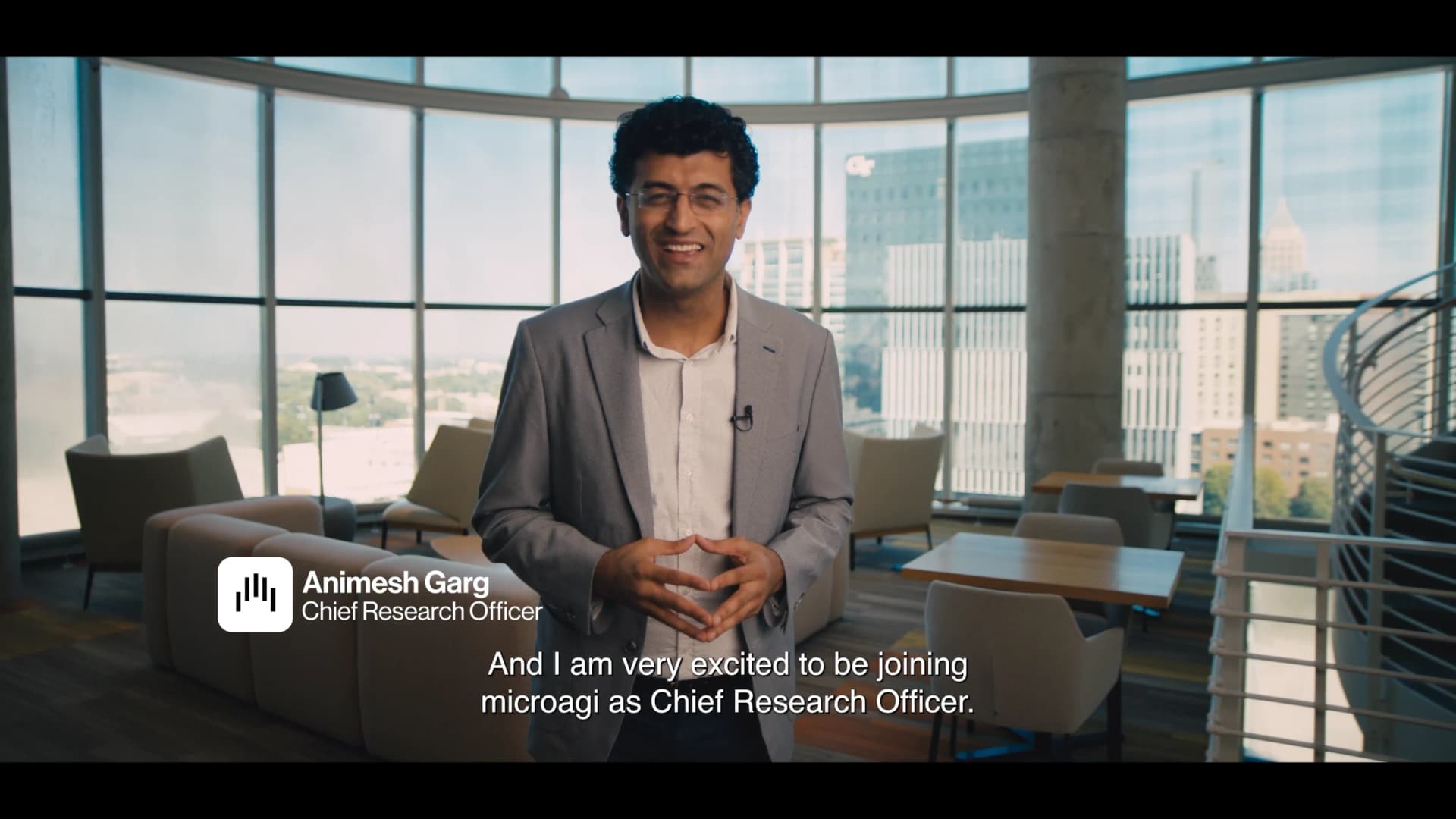
Microagi has appointed robot-learning researcher Animesh Garg as chief research officer, bringing in the Usable Robots team to tackle a practical challenge for physical AI: turning a broadly capable model into a robot that can reliably do a customer's job.
The September 29 announcement puts post-training at the center of the German company's strategy. Garg's background spans Georgia Tech, NVIDIA and humanoid developer Apptronik, making the appointment a significant addition to Microagi's research leadership.
- Animesh Garg joins Microagi as chief research officer alongside the Usable Robots team; Business Insider reports that seven members of his research group are joining through an acquisition.
- Microagi combines human activity data collected through Shift with Atlas, its industrial robotics deployment platform.
- Garg will focus on post-training and self-improvement. A separate post from Hugging Face CEO Clément Delangue highlights the scale of the company's data-storage ambitions.
Why Garg's arrival matters
Garg brings experience in both robot-learning research and commercial humanoids. His professional biography lists six years at NVIDIA Research, where he was a senior staff research scientist, and a stint as Apptronik's chief scientific officer in 2024–25. He is also a Georgia Tech professor whose research focuses on helping robots acquire skills and generalize to new environments.
He was among the researchers behind ORBIT, the simulation framework that evolved into NVIDIA's Isaac Lab. That connects his work to infrastructure used to train robot policies, alongside his experience at a company building humanoid hardware.
The weekly humanoid robotics briefing
One email a week: the launches, funding and research that mattered, with context from Humanoids Daily.
Read recent issuesBusiness Insider reports that Garg is bringing seven members of his research group through Microagi's acquisition of a startup the group had been developing in stealth. Financial terms were not disclosed. Microagi and Garg identify the joining team as Usable Robots in their announcements.
In his own post, Garg argues that robots still need substantial human assistance despite improvements in models and hardware. He identifies self-improvement, reinforcement-learning-based post-training and agentic interactions as the next areas of progress, and says Microagi offers access to both data and real deployments.
What Microagi is building
Microagi's website describes a business combining data collection, research and deployment. Its two products address different parts of that process: Shift records people performing physical work and turns those recordings into training data; Atlas brings autonomous robotics into industrial operations using customers' existing hardware.
Microagi focuses on adapting robot intelligence to customers’ operations, where a task needs to be performed consistently across shifts and changing conditions.
The company raised a $55 million seed round this summer, led by Hummingbird with Northzone, LocalGlobe, Village Global and redalpine participating. Osborne Clarke, which advised redalpine, described the Munich-based startup's plan to expand Atlas, grow its engineering teams and acquire computing capacity. CEO Bercan Kilic previously worked as a Red Bull Racing engineer.
In his introduction video, Garg makes the ambition more specific:
“We have a very simple goal: we want to be the first company that deploys a million robots in the real world.”
He describes a strategy of post-training with multimodal data in simulation and the real world, followed by repeated improvement to make individual robots specialists.
Kilic joked that 999,995 remained, while noting that Garg's appointment followed months of collaboration. Those ambitions remain far ahead of the deployment count implied by his post. Business Insider separately reported a larger five-year aspiration of at least 10 million robots; the company's announcement does not reconcile the two targets.
Delangue's post puts the data ambition in perspective
Hugging Face co-founder and CEO Clément Delangue shared a screenshot of a conversation about Microagi's storage requirements. His proposed announcement described a commitment to store two petabytes on Hugging Face over the following year.
Microagi CEO Bercan Kilic, appearing as “BDK” in the screenshot, replied that two petabytes would fill in roughly a day and suggested a commitment of 50, in that petabyte context, once the team had clarified its storage and archiving process.
The exchange illustrates the infrastructure ambitions behind collecting physical-world data. It does not establish that Microagi already holds a curated 50-petabyte training dataset, or that the data will be publicly available.
Garg's appointment addresses the other side of that data effort: making experience translate into reliable behavior. For Microagi, the commercial test will be how quickly it can adapt robots to new jobs, how consistently they perform, and how much human intervention they still require once installed.
Share this article
Read next
- Published on
- Reading time
- 3 min read
NEURA Launches HealthTech Unit, With MiPA on Its Healthcare Roadmap
- Published on
- Reading time
- 8 min read
Analysts See a PEEK Boom in Humanoid Robots. Kingfa’s Robotics Lead Says Most of It Is Hype
- Published on
- Reading time
- 4 min read
Vesoma Emerges From Stealth With a Humanoid Built to Learn
- Published on
- Reading time
- 3 min read
UBTECH Brings Walker C1 to Slovenia in Balkan Expansion Push
- Published on
- Reading time
- 5 min read
KIST Chief Says Korea Can Join the US and China as a Humanoid Power
- Published on
- Reading time
- 5 min read
Odyssey Unveils Odyssey-3, With Flexion Building Humanoid Control on Its World Model
The weekly humanoid robotics briefing
One email a week: the launches, funding and research that mattered, with context from Humanoids Daily.
Read recent issues