- Published on
Flourish 1 Brings a $3,555 Wheeled Semi-Humanoid to Household Chores
One tap, and our reporting appears more often in your Google Top Stories. It makes a real difference to a small newsroom.

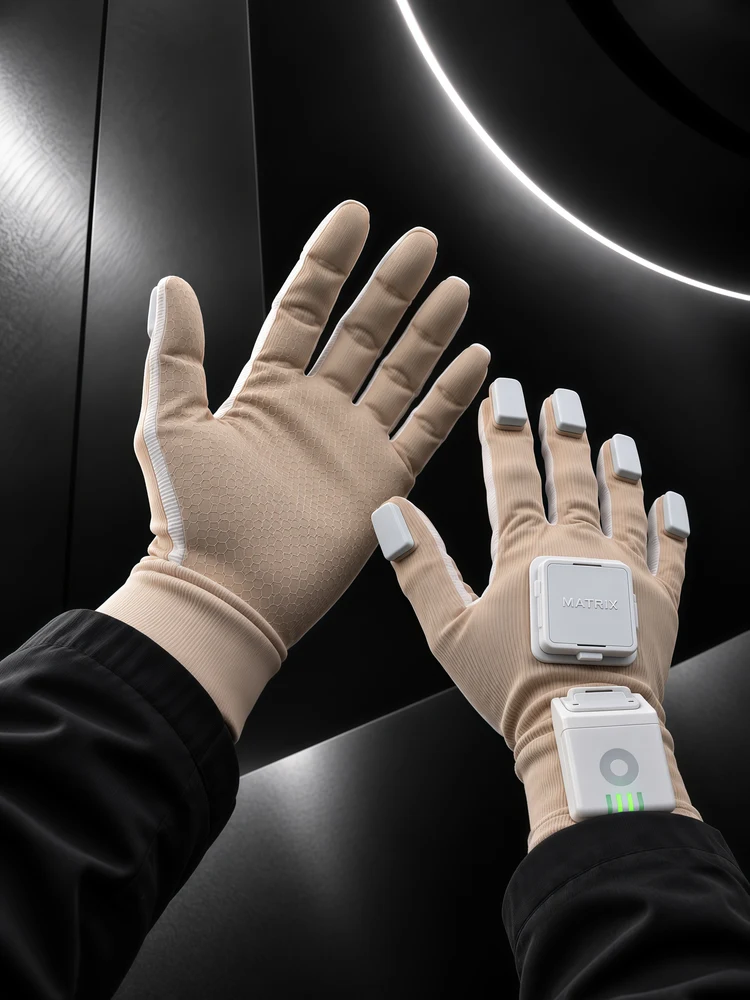


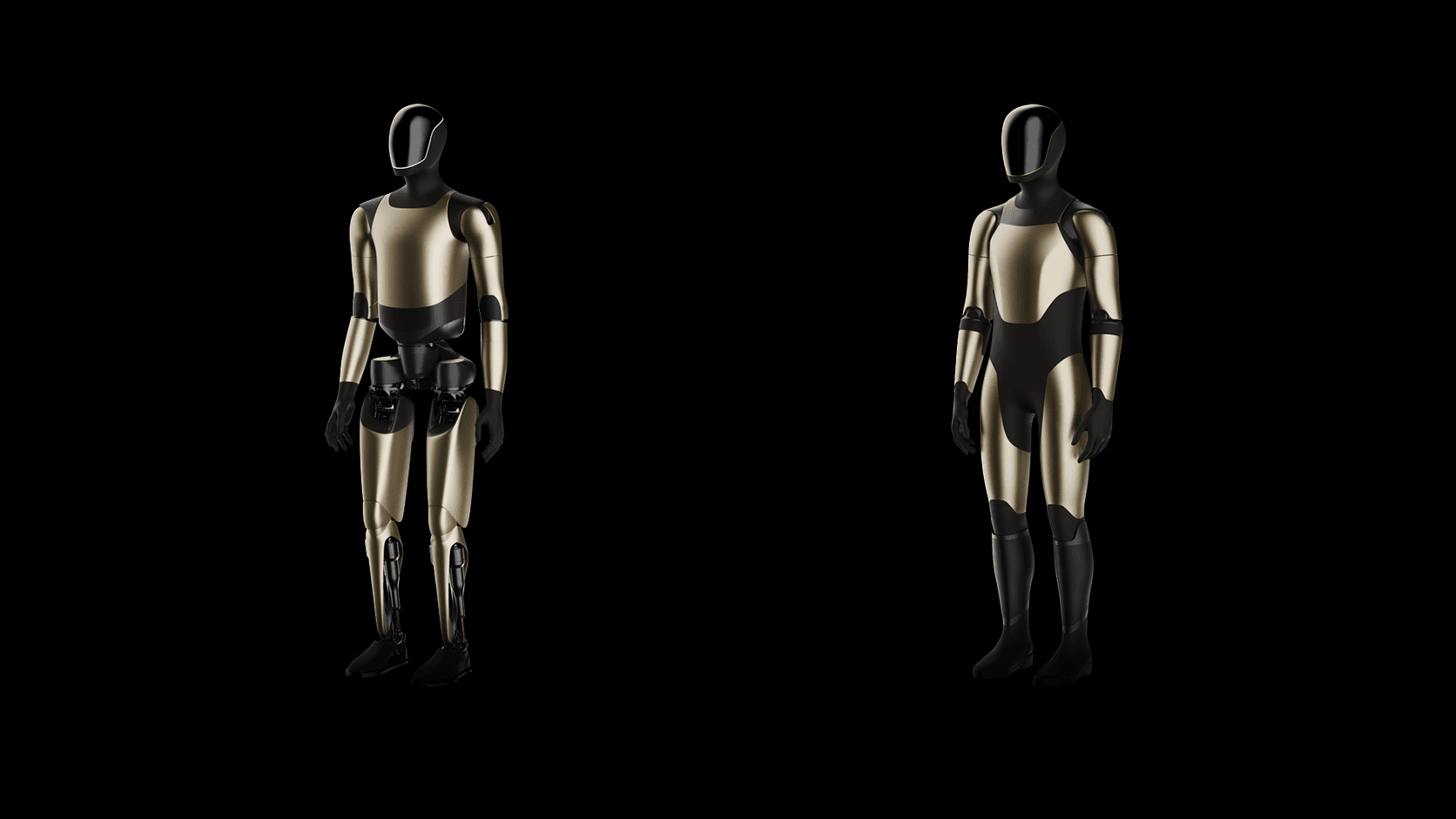
Flourish Robots has introduced Flourish 1, a wheeled semi-humanoid priced at $3,555, with pre-orders for an initial batch of 50 units and deliveries scheduled to begin in December 2026. The San Francisco startup is targeting household chores with a deliberately lightweight design and tasks taught by the owner.
- Flourish 1 costs $3,555, with the first 50 robots scheduled to ship in December.
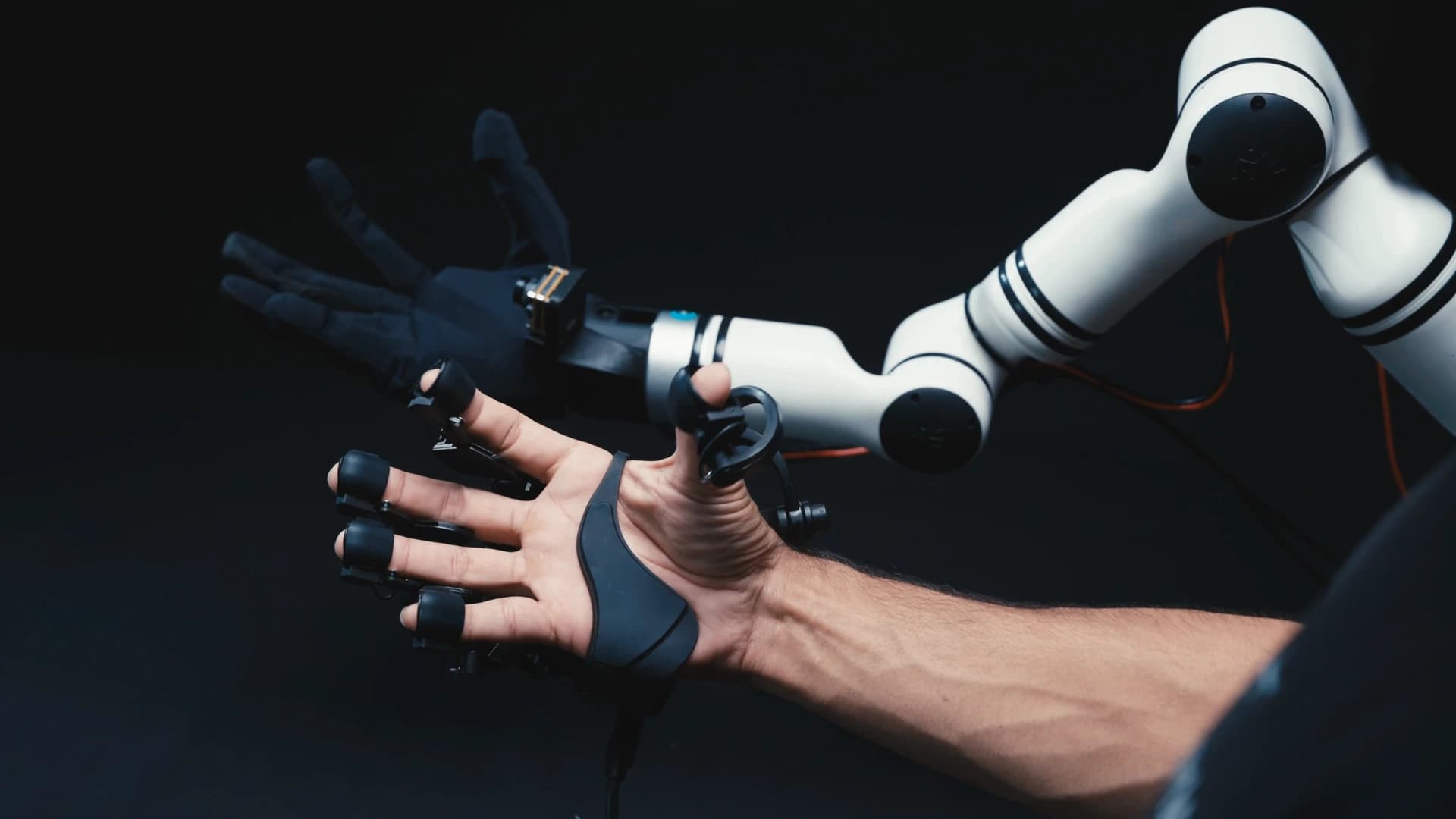
- Owners demonstrate tasks through a phone app; the company adapts pretrained models to each home.
- Its 1.5 kg payload, limited task reliability and additional compute requirements qualify the low-price pitch.
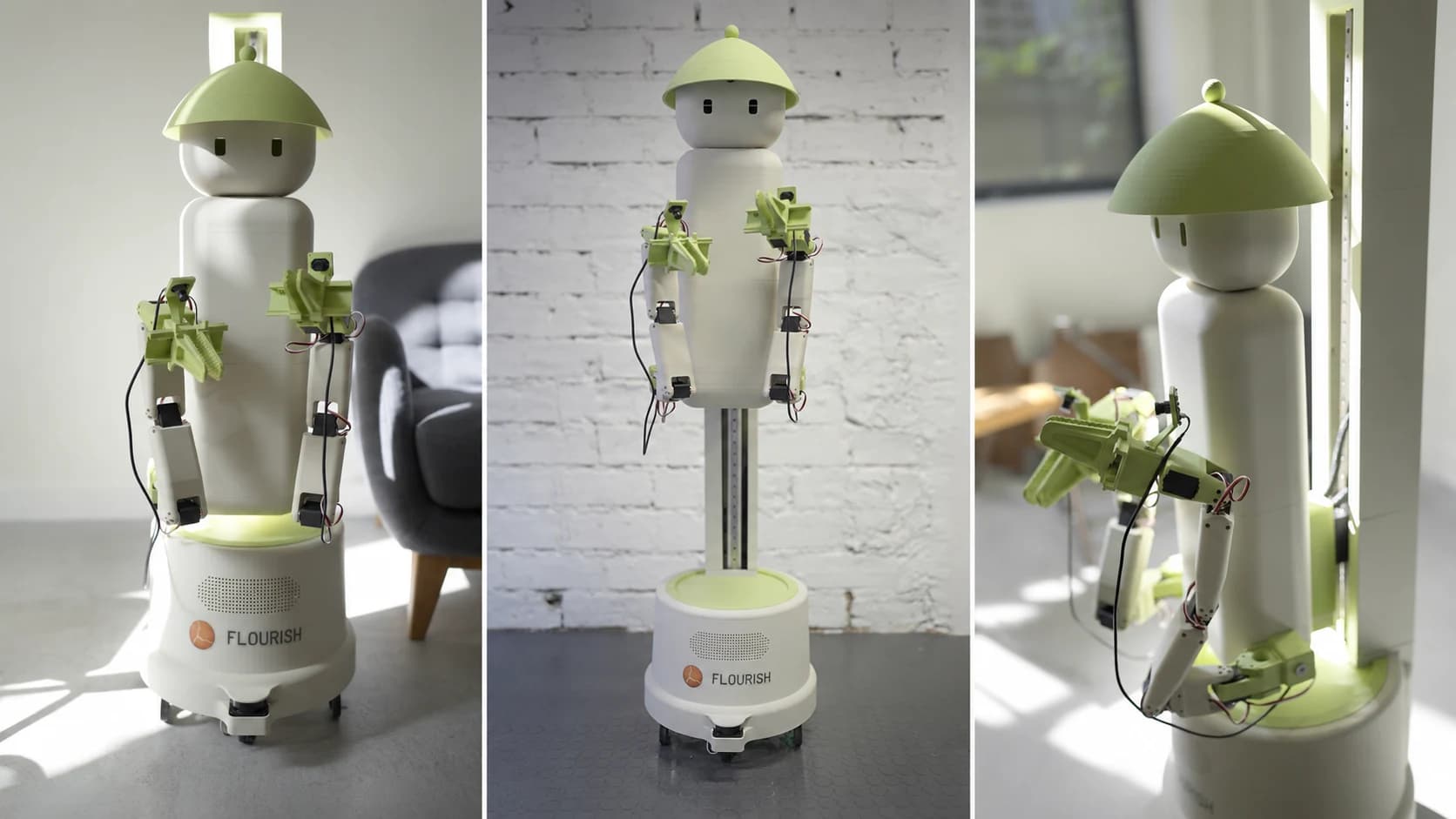
The company emerged from stealth on September 29, backed by a pre-seed round led by Families Fund. Its announcement lists chores including collecting shoes and clothes, wiping tables, watering plants and fetching objects.
Small hardware, specific tasks
Flourish 1 has two arms and grippers above a wheeled base, with an upper body that moves vertically. Company specifications list a 3.3-pound (1.5 kg) payload and a claimed 12-hour runtime. It cannot climb stairs, and Flourish advises against handling breakable objects.
In an interview with Forbes, founder and CEO Antoine Marcel said the low payload and indoor focus allow simpler, cheaper hardware. He described current chores as reliable but slow.
The weekly humanoid robotics briefing
One email a week: the launches, funding and research that mattered, with context from Humanoids Daily.
Read recent issuesThe software approach is similarly focused. Marcel says Flourish fine-tunes existing pretrained models for individual homes and breaks chores into workflows, using physical AI for manipulation while navigation handles movement between locations. He says the robot operates autonomously after teaching, rather than depending on remote operators to complete chores.
What the early buyers are signing up for
The website describes roughly five minutes arranging task steps, 30 minutes demonstrating them by driving the robot from a phone, and about an hour before the learned task is ready. Tasks can then be scheduled.
Flourish also states that a taught task currently works 80% of the time, without specifying a benchmark or test conditions. That leaves a meaningful gap between the promise of unattended housework and dependable daily use.
The robot runs on-device, but advanced AI tasks require extra compute: either the owner’s GPU or a company plan whose details are still forthcoming. The hardware price is clear; the full cost of those capabilities is not yet established.
For the first 50 households, the proposition is an affordable early experiment in household manipulation. The important test will be how much useful work it completes between interventions.
Share this article
Read next
- Published on
- Reading time
- 5 min read
Figure Melts Figure 02 With Arnold Schwarzenegger in a Terminator-Style Sendoff
- Published on
- Reading time
- 4 min read
Figure’s Multibillion-Dollar Compute Deal Meets Nscale’s Data-Center Buildout Challenge
- Published on
- Reading time
- 4 min read
Boston Dynamics Makes Its Case for Atlas and a Two-Year Payback Target
- Published on
- Reading time
- 4 min read
Matic Teases a Humanoid as It Looks Beyond Floor Cleaning
- Published on
- Reading time
- 4 min read
Boston Dynamics Takes a Drone Through Atlas Production in New Hiring Push
- Published on
- Reading time
- 4 min read
Chestnut Launches Aero Hand and Aero UMI, Pairing Dexterous Hardware With Its Data Collector


The weekly humanoid robotics briefing
One email a week: the launches, funding and research that mattered, with context from Humanoids Daily.
Read recent issues