- Published on
One Roof, Four Weeks: Inside 1X’s Vertical Speed Hack as NEO Ramps for 2026 Deliveries
One tap, and our reporting appears more often in your Google Top Stories. It makes a real difference to a small newsroom.

Supported by RoboStrategySupport for Humanoids Daily comes from RoboStrategy
Sponsored


Investing involves risk, including possible loss of principal. Read the prospectus before investing.
- 1X Technologies claims a four-week iteration cycle from initial CAD design to a finished, functional humanoid robot.
- CEO Bernt Børnich expressed heightened confidence that the NEO humanoid will be capable of attempting "almost anything" autonomously upon delivery later this year.
- The company maintains that its strictly vertically integrated model in Hayward, California, is a strategic necessity for rapid learning and supply chain security.
- While 2026 marks the first consumer shipments, 1X identifies 2027 as the year the platform will achieve "meaningful impact" for average users through refined utility and scale.
As the "humanoid production war" intensifies, 1X Technologies has provided its most intimate look yet at the 58,000-square-foot "NEO Factory" in Hayward, California. In a new facility tour and interview with Roberto Nickson, 1X leadership detailed a manufacturing philosophy that prioritizes total internal control as the key to winning the race for a domestic assistant.
The Four-Week Speed Hack
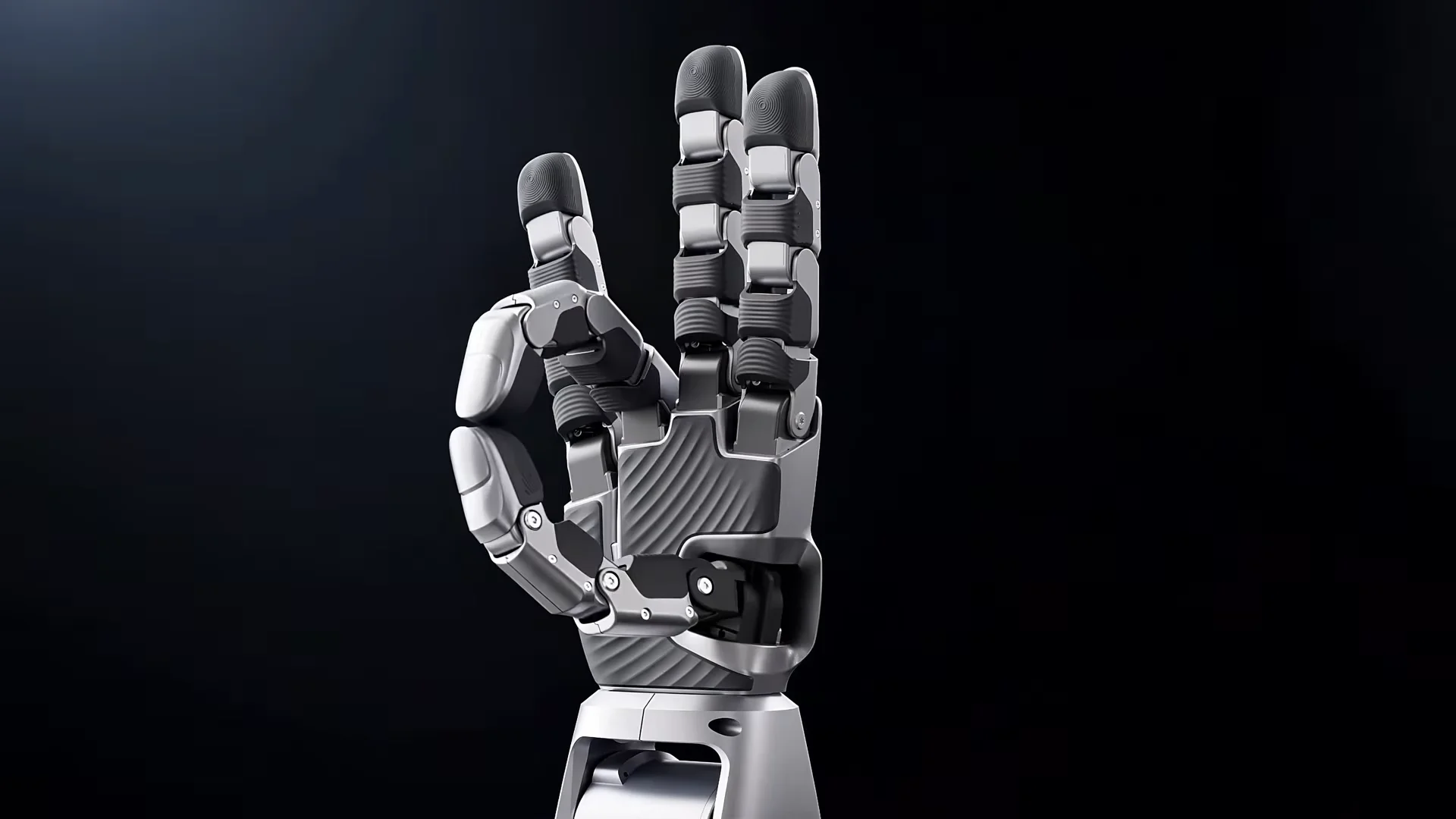
While competitors often grapple with global lead times for specialized actuators and sensors, 1X VP of Operations Vikram Kothari and CEO Bernt Børnich revealed that the Hayward facility operates on a rapid four-week cycle from CAD design to finished robot. This agility is powered by the company's commitment to building "everything from scratch" under one roof—including motors, wiring, and 22-DoF hands.
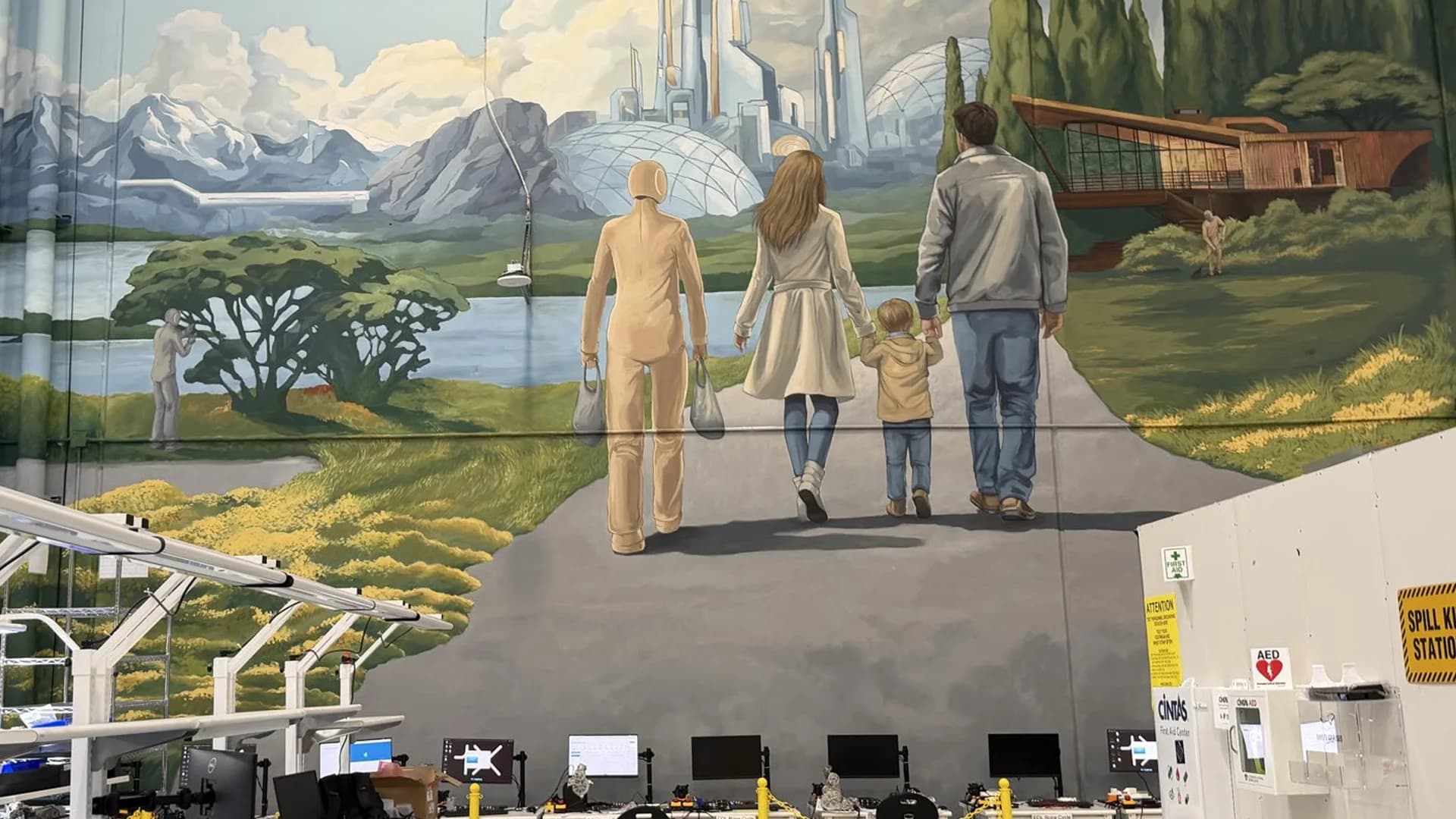
CEO Bernt Børnich framed this vertical integration as a "discipline of science," arguing that the ability to retool a production line in response to new research is what will define the next decade of robotics. This "speed hack" allows 1X to bypass the geopolitical supply chain volatility that has plagued other hardware startups.
A "Big Claim" for Autonomy
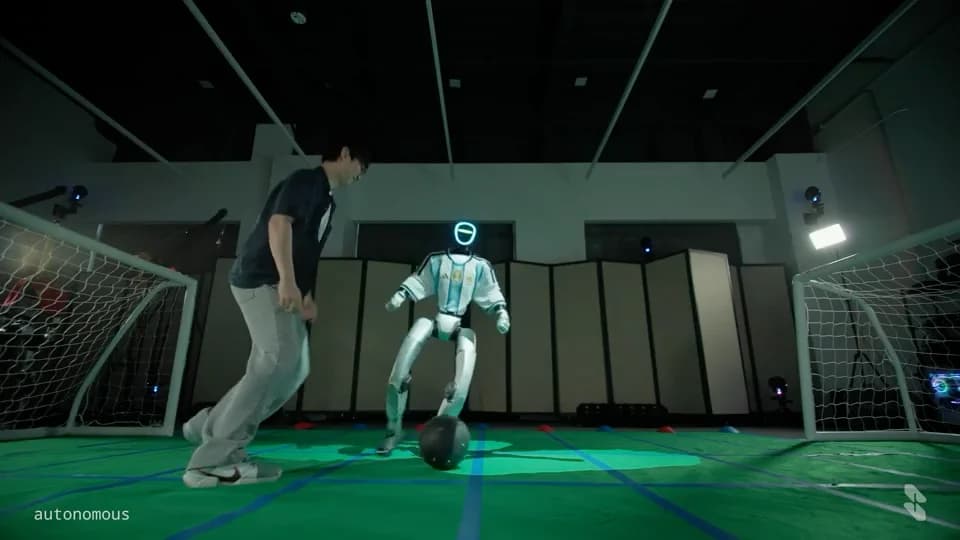
Perhaps the most striking takeaway from the tour was Børnich’s evolving stance on autonomy. While 1X has been famously transparent about its human-in-the-loop "Expert Mode", Børnich now claims that the 1X World Model (1XWM) has reached a state where the robot can "attempt almost anything" autonomously straight out of the box.
The weekly humanoid robotics briefing
One email a week: the launches, funding and research that mattered, with context from Humanoids Daily.
Read recent issues"When you get your NEO, it'll be able to attempt almost anything," Børnich stated, though he cautioned that the robot might still fail as it continues to learn in new environments. This marks a notable shift in confidence compared to earlier reports where success rates for complex tasks like scrubbing hovered around 20%. Børnich attributes this progress to the "omni-model" approach, where vision, touch, and motor control collapse into a single intelligent backbone.
Safety through Simulation
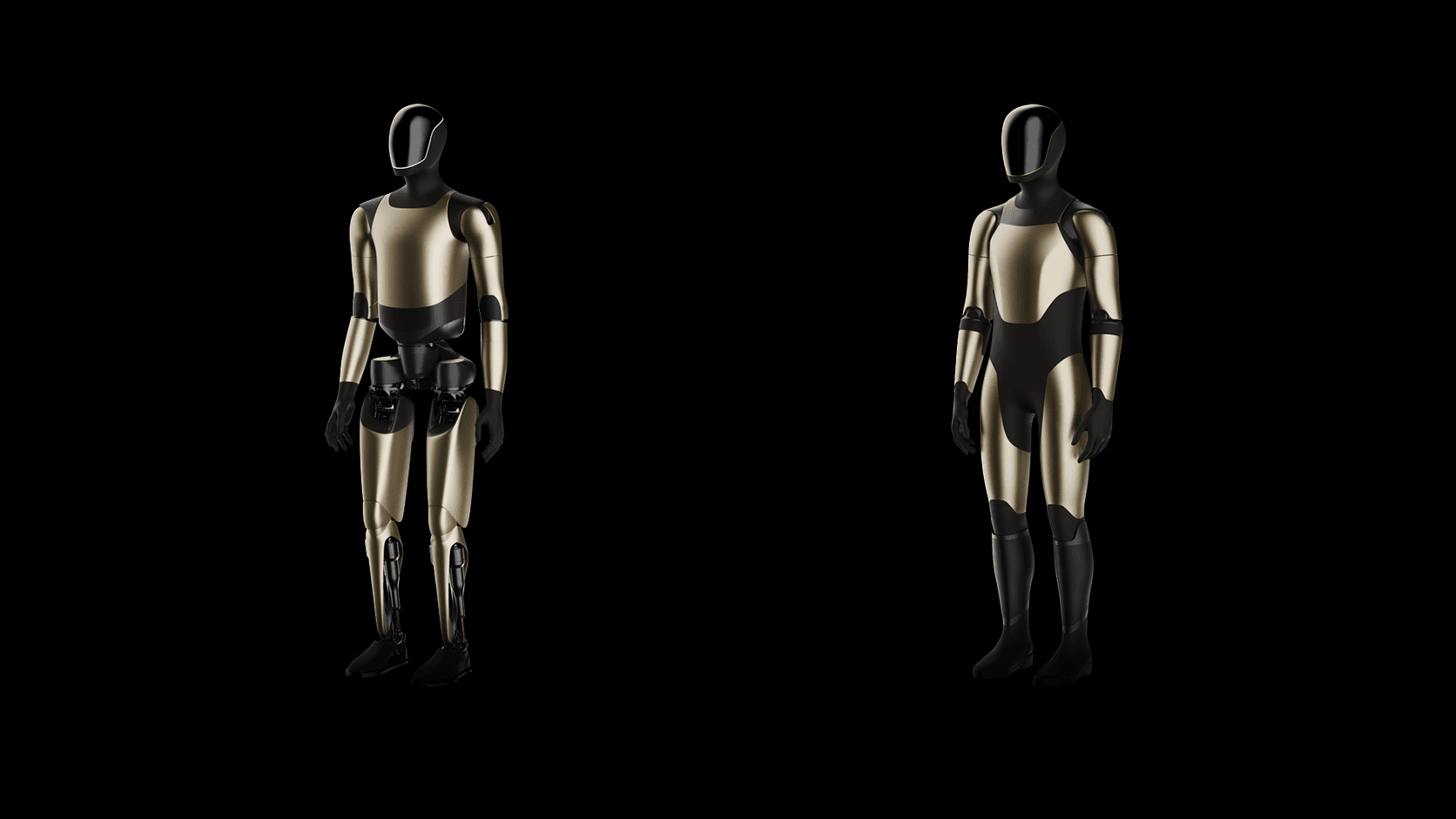
Addressing the inherent risks of bringing 66-pound machines into homes, Børnich emphasized that safety is being treated as a cognitive capability rather than just a mechanical one. The world model acts as a "mental simulator," allowing NEO to search through potential futures to identify the safest path for an action.
"My brain automatically simulates what can go wrong," Børnich said, using the example of carrying hot liquid near children. "The world model allows us to do the same." This software layer complements NEO’s passively safe tendon system, which is designed to be compliant and low-energy to prevent catastrophic collisions.
The Privacy Parallel
On the sensitive topic of data collection and teleoperation, Børnich doubled down on his defense of remote "Expert" oversight. He compared the vetting process for 1X operators to that of a traditional human cleaning service, suggesting that 1X’s centralized oversight provides a "better, more secure" alternative.
The company maintains that data transparency is paramount, and while the NEO Cortex utilizes cloud compute for its "big AI model," the user remains in control of what is shared and stored.
2027: The Year of True Utility
While the $20,000 android is set for its first consumer deliveries by the end of 2026, Børnich identified 2027 as the true "impact year."
"2026 is finally the year where we're going to finally get to experience this... and I think 2027, for most people, this will have an impact in their life," he predicted. This timeline aligns with 1X's aggressive goal to scale production capacity to 100,000 units annually by the end of 2027, potentially moving humanoids from a "pre-order curiosity" to a pervasive presence in American households.
Share this article
Read next
- Published on
- Reading time
- 6 min read
1X CEO Bernt Børnich Predicts "Hard Takeoff" in 3 Years, Details NEO Platform and Data Strategy
- Published on
- Reading time
- 4 min read
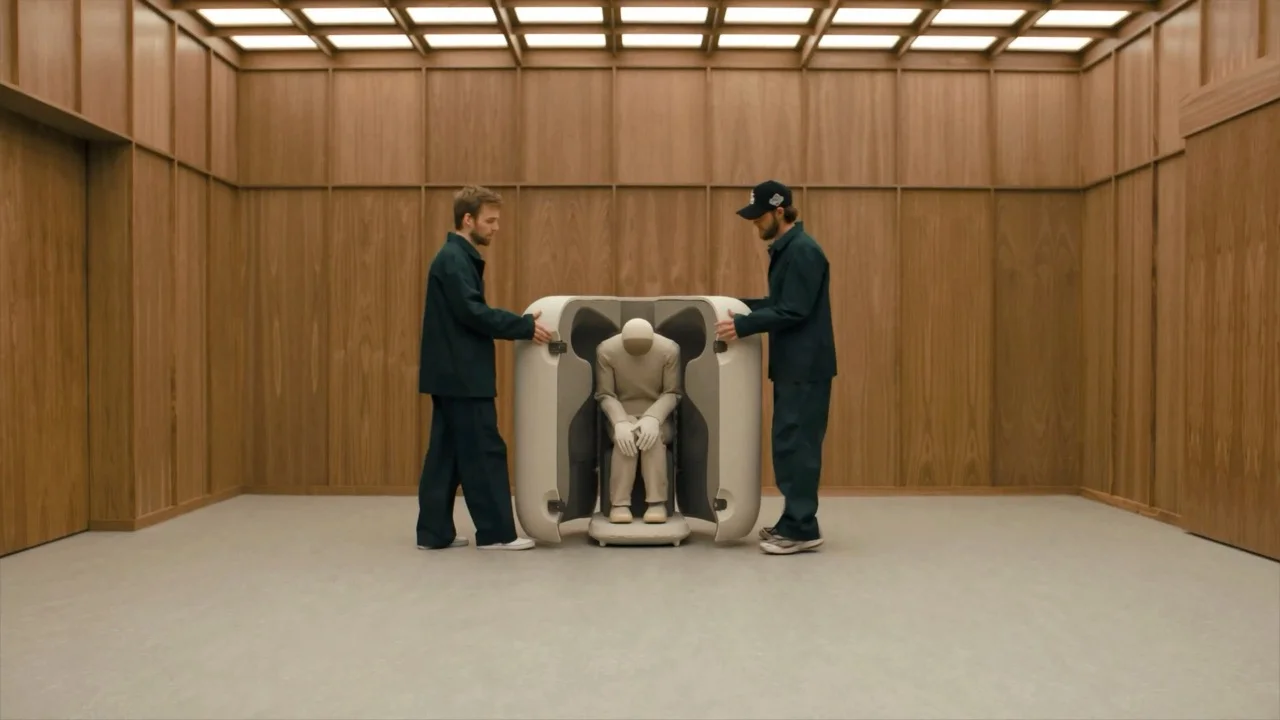
The Robot in the Box: 1X Teases NEO Delivery Logistics as Humanoid Production War Heats Up
- Published on
- Reading time
- 5 min read
1X Unveils 1XWM: The Video-to-Action "Brain" That Lets NEO Imagine Its Chores
- Published on
- Reading time
- 6 min read
1X's Human-in-the-Loop Plan Isn't a Pivot, It's a Decade-Old Bet
- Published on
- Reading time
- 4 min read
1X CEO Opens Up on the 'Magical' and 'Hard' Realities of Bringing Humanoid Robots Home
- Published on
- Reading time
- 3 min read
1X Teases "Incredible" Reveal Amidst Redwoods; Foundation Robotics Launches "Skynet Junior" Training Cluster




The weekly humanoid robotics briefing
One email a week: the launches, funding and research that mattered, with context from Humanoids Daily.
Read recent issues