- Published on
Schaeffler Unveils "All-in-One" Actuator for Humanoids, Targeting the Industry’s Supply Chain Bottleneck
One tap, and our reporting appears more often in your Google Top Stories. It makes a real difference to a small newsroom.

Supported by RoboStrategySupport for Humanoids Daily comes from RoboStrategy
Sponsored
Investing involves risk, including possible loss of principal. Read the prospectus before investing.
For the past year, German industrial supplier Schaeffler has been aggressively positioning itself as a primary customer for humanoid robots. Now, ahead of CES 2026 in Las Vegas, the company is formally revealing the other half of that equation: the hardware it intends to sell to the robot makers.
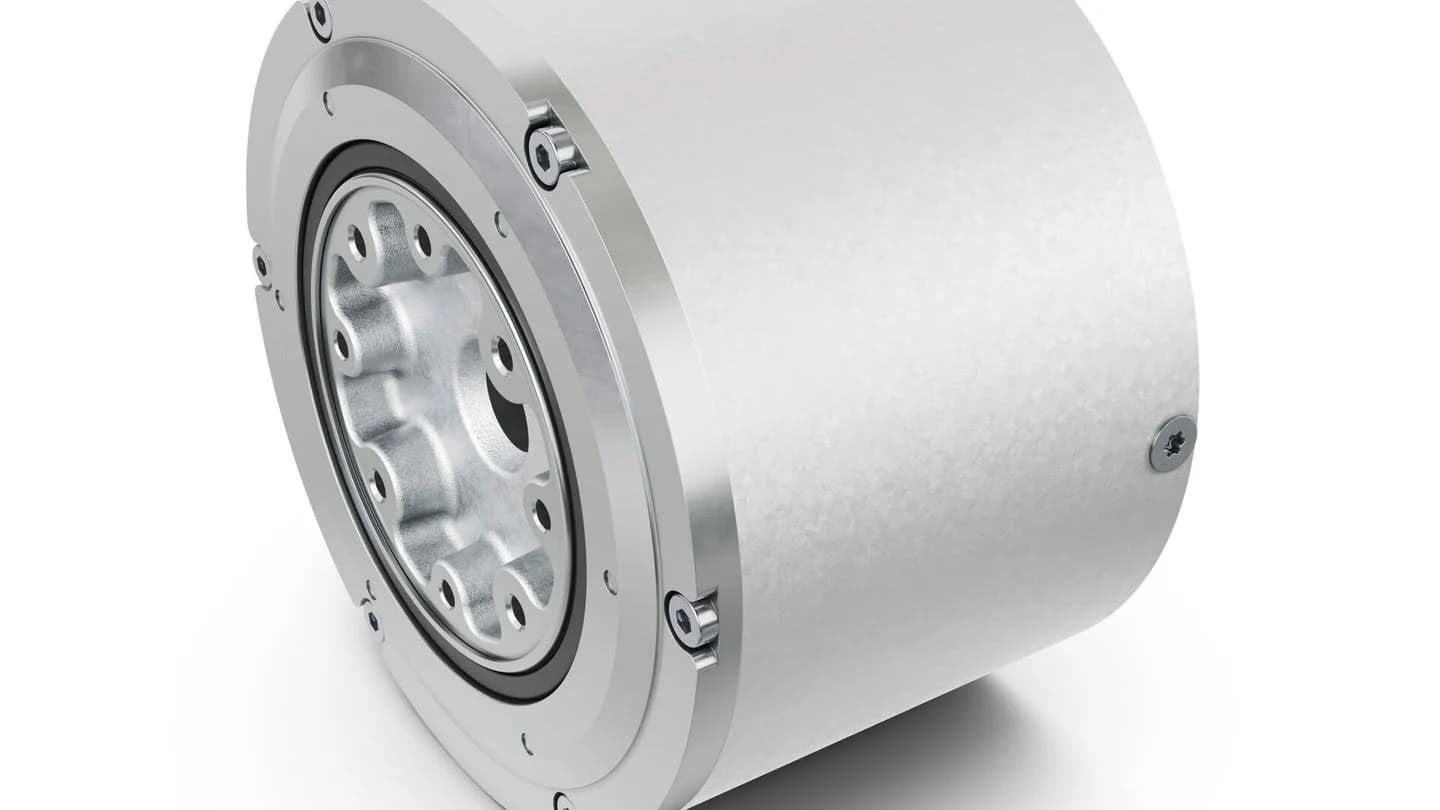
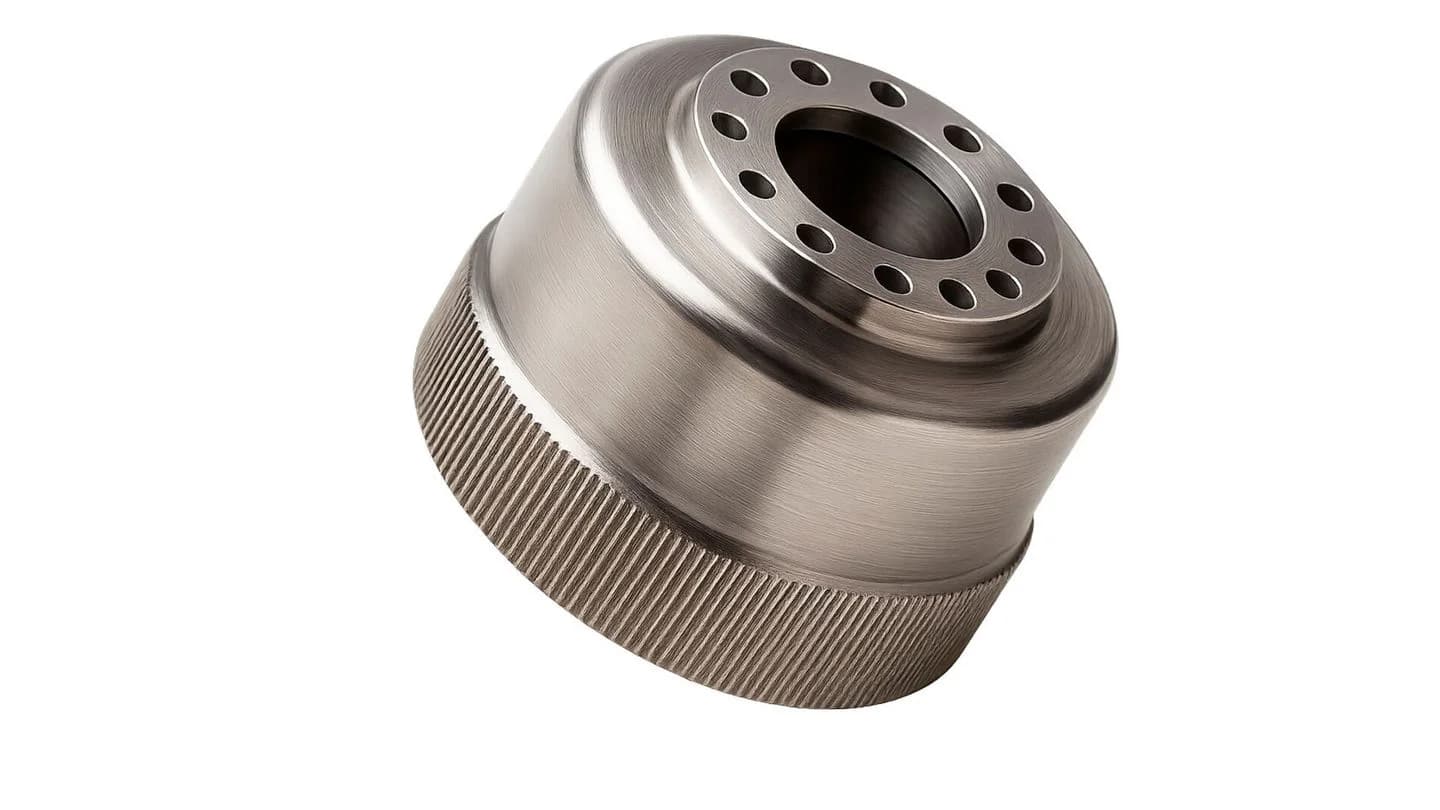
Schaeffler announced today the launch of a new planetary gear actuator designed specifically for the high-torque, compact requirements of humanoid joints. The "world premiere," set for the show floor in Las Vegas this January, represents the physical commercialization of a strategy the company has been teasing through R&D announcements and partnership deals throughout 2025.
The release signals Schaeffler's intent to replicate its automotive "Tier 1" status in the nascent humanoid sector, aiming to supply the critical "muscle" for the machines it also plans to employ.
The "All-in-One" Joint
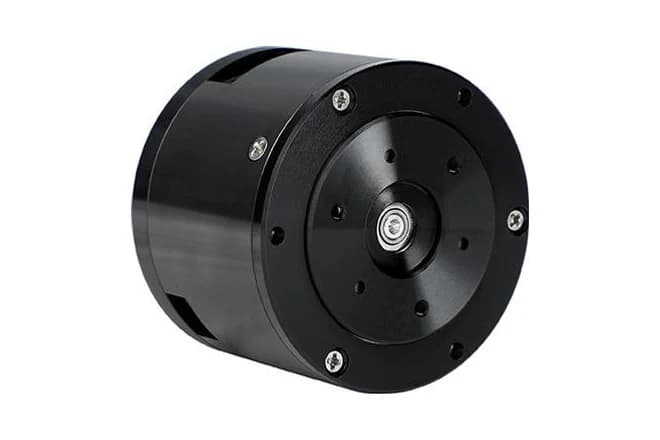
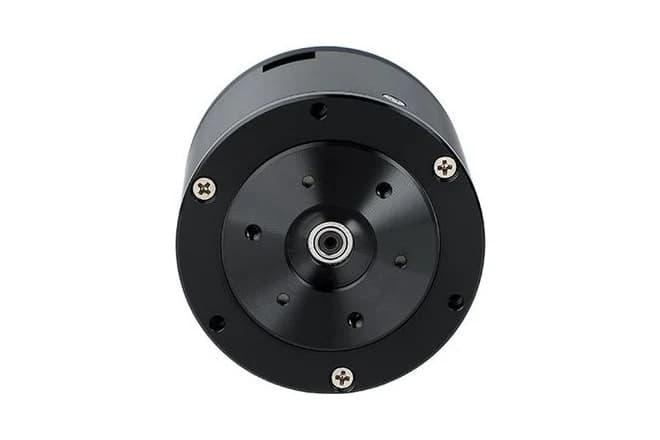
The new component is a fully integrated drive system. Rather than selling a gearbox in isolation, Schaeffler has packaged a two-stage planetary gearbox, an electric motor, an encoder, and a controller into a single, space-optimized unit.
The weekly humanoid robotics briefing
One email a week: the launches, funding and research that mattered, with context from Humanoids Daily.
Read recent issuesAccording to the company, the actuator is capable of a torque range between 60 and 250 Nm—a specification that targets the heavy-lifting joints of a humanoid, such as the hips, knees, and shoulders. Schaeffler estimates that a standard humanoid robot requires between 25 and 30 such actuators to function.
Technically, the primary challenge in humanoid actuation is balancing "stiffness" (for precision) with "compliance" (the ability to absorb shocks and interact safely with humans). Traditional industrial robot actuators are often rigid and cannot be easily back-driven (moved by external force).
Schaeffler claims its design offers "torque transparency" and smooth back-driving capabilities, features essential for the dynamic balancing and safe interaction required of general-purpose robots. The company notes that the unit is designed for "continuous-duty operation," a critical metric for robots intended to work full shifts in factories rather than just performing short demos.
Closing the Loop: From User to Supplier
This hardware release provides context for Schaeffler's rapid-fire series of partnerships over the last 12 months. The company has repeatedly emphasized a "User-Supplier" strategy—using its own factories as a testing ground to understand exactly what components these robots need.
Earlier this month, Schaeffler opened a joint lab with NTU in Singapore specifically to adapt automotive planetary gear technology for robotics. Today’s announcement appears to be the commercial realization of that research.
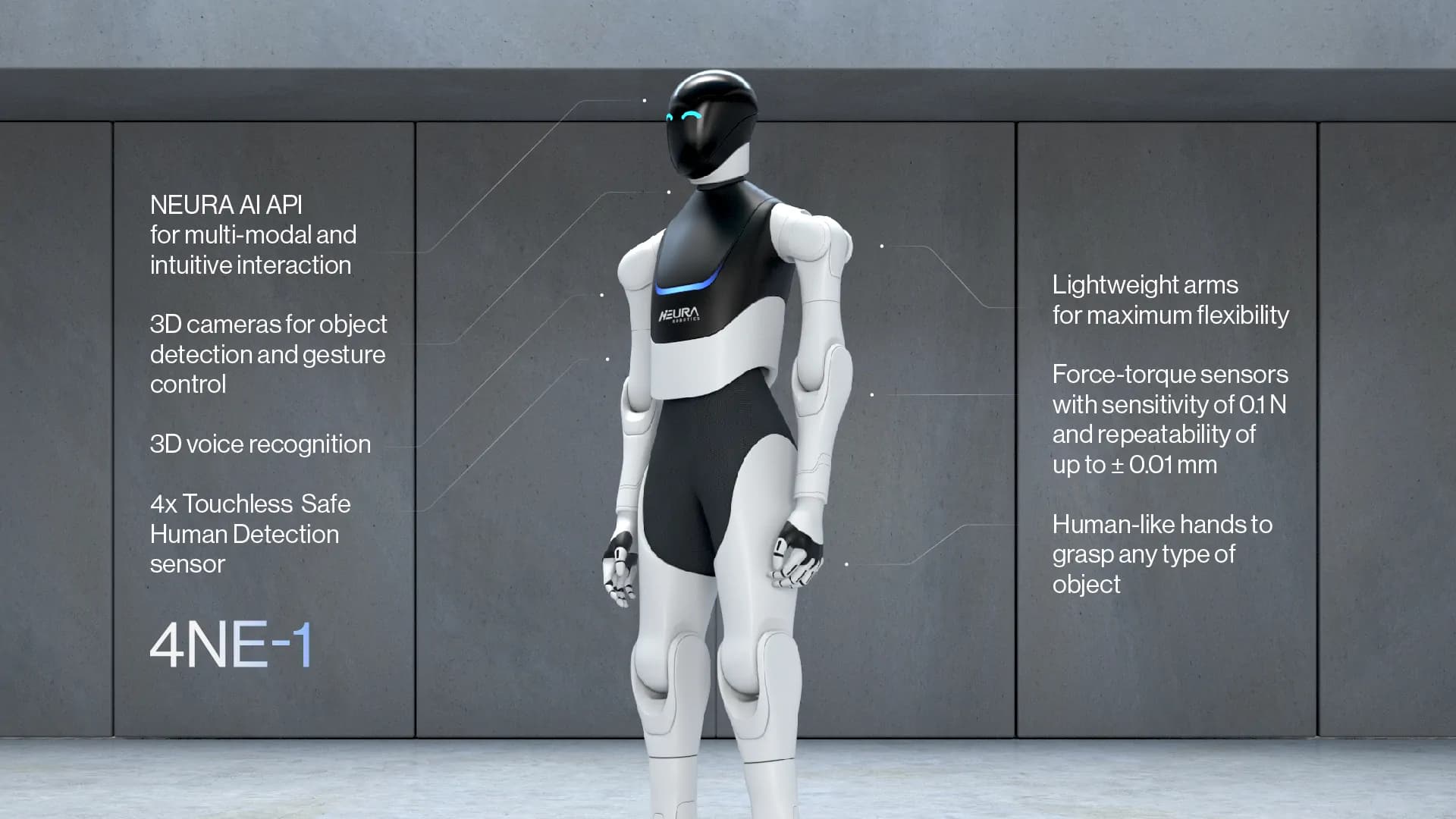
Furthermore, the specs of this new actuator align closely with the needs of its partners. In November, Schaeffler signed a massive deal with Neura Robotics, committing to buy thousands of robots while simultaneously agreeing to develop actuators for Neura's 4NE-1 platform. It is highly probable that the technology unveiled today is the same hardware destined for those machines.
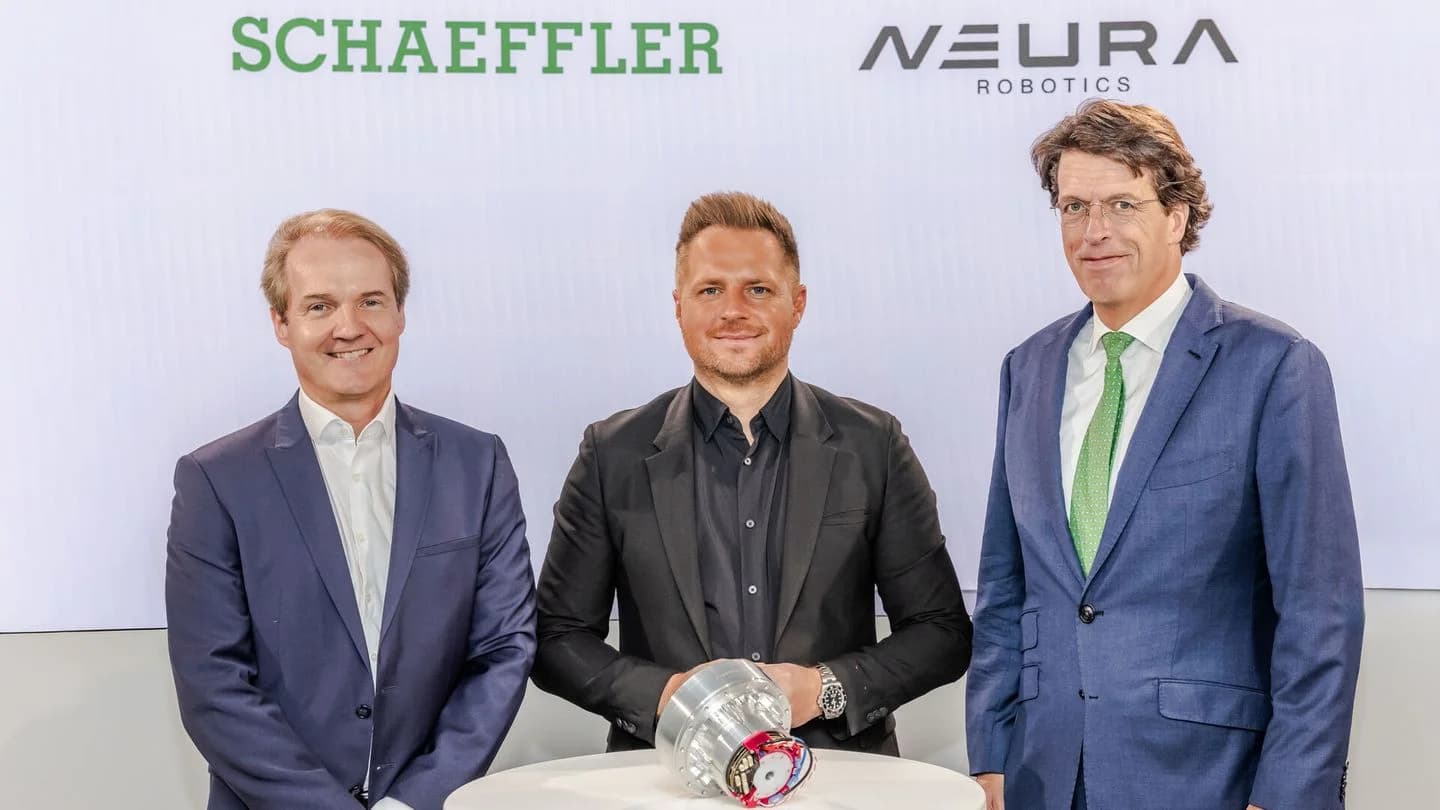
The Tier 1 Play
By manufacturing all components in-house—motor, gearbox, and sensors—Schaeffler is betting that humanoid manufacturers will eventually move away from vertical integration.
While companies like Tesla or Figure often design their own actuators to maximize performance, the automotive industry (Schaeffler's home turf) historically evolved toward a supply chain model where OEMs assemble parts from specialized Tier 1 suppliers. Schaeffler’s Andreas Schick, COO, explicitly framed the product in this light, citing the company's ability to "deliver the highest quality in large volumes" as a key differentiator.
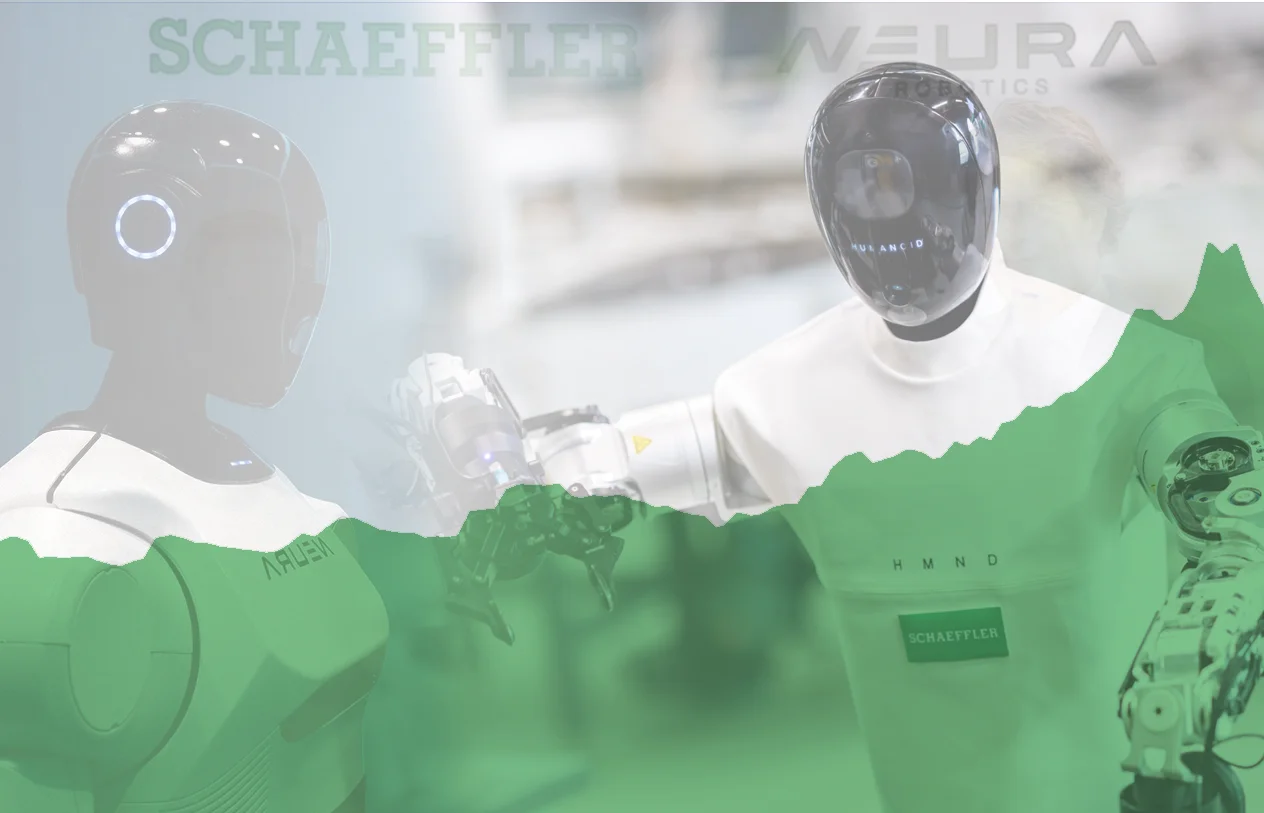
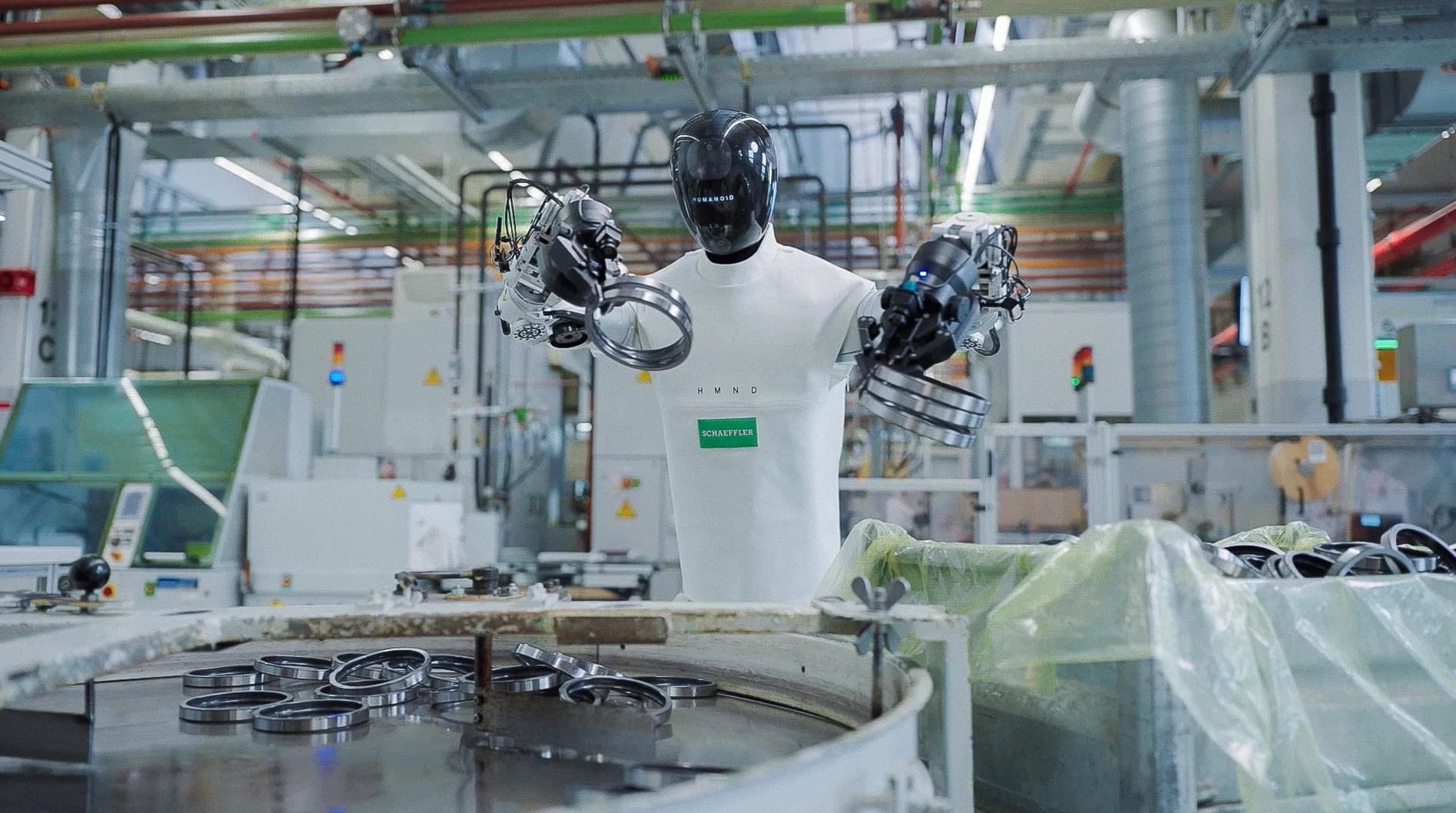
Schaeffler continues to maintain a broad ecosystem of pilot programs, including a bin-picking trial with UK startup Humanoid and a pilot partnership with Hexagon. Whether these platforms will also adopt Schaeffler's new actuators remains to be seen, but the German giant is clearly ensuring that if the humanoid market takes off, it will be powering the movement regardless of the brand on the robot's chest.
Schaeffler will display the new actuators at Booth 7301 in the West Hall of the Las Vegas Convention Center during CES 2026, running from January 6 to 9.
Share this article
Read next
- Published on
- Reading time
- 3 min read
The Taicang Nexus: Schaeffler Launches Dedicated Embodied AI Subsidiary in China
- Published on
- Reading time
- 3 min read
Neura Robotics Quietly Establishes €45 Million Subsidiary in China, Signaling Major Supply Chain Move
- Published on
- Reading time
- 4 min read
The "Schaeffler Effect": How Humanoid Ambition is Re-Rating Industrial Giants
- Published on
- Reading time
- 25 min read
The Humanoids of Europe: Built by Their Customers
- Published on
- Reading time
- 4 min read
Schaeffler Cracks the Cost Bottleneck: Formed Strain Wave Gearboxes Target 2027 Mass Production
- Published on
- Reading time
- 4 min read
Scale at Speed: Humanoid and Schaeffler Move to Massive Multi-Thousand Unit Rollout

The weekly humanoid robotics briefing
One email a week: the launches, funding and research that mattered, with context from Humanoids Daily.
Read recent issues