- Published on
Sunday Robotics Raises $165M to Transition from Demos to Real-World Deployment
One tap, and our reporting appears more often in your Google Top Stories. It makes a real difference to a small newsroom.


Your guide
Rich Robinson
Jee Chee Ren · Executive tour
See China’s AI and robotics ecosystem first-hand.
Six days exploring AI, robotics and advanced manufacturing.
With Rich Robinson, Clinical Professor of Entrepreneurship at Peking University
Beijing · Guangzhou · Shenzhen
29 November–4 December 2026
Referral partnership · We earn a commission on referred bookings.
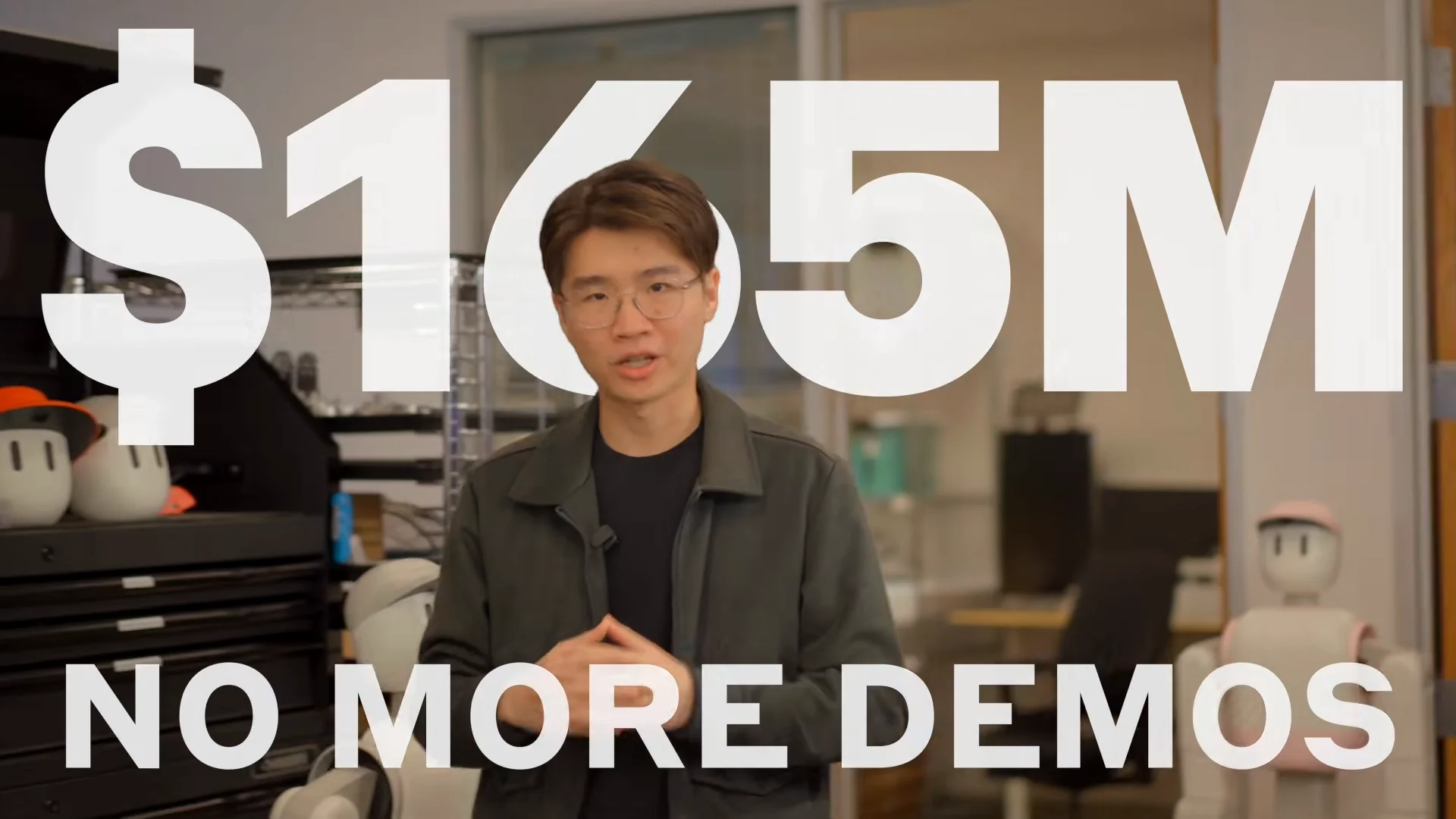
The era of the "viral robot demo" may be nearing its expiration date—at least according to the leadership at Sunday Robotics. The Mountain View-based startup announced today that it has raised $165 million in a Series B funding round, valuing the company at $1.15 billion. The round was led by Coatue, with participation from Bain Capital Ventures, Fidelity Management & Research Company, Tiger Global, and existing backers Benchmark and Conviction.
In a public statement accompanying the news, CEO Tony Zhao was characteristically direct about the company's next phase: "We raised $165M at a $1.15B valuation to stop doing demos."
Beyond the "Dishwasher Wars"
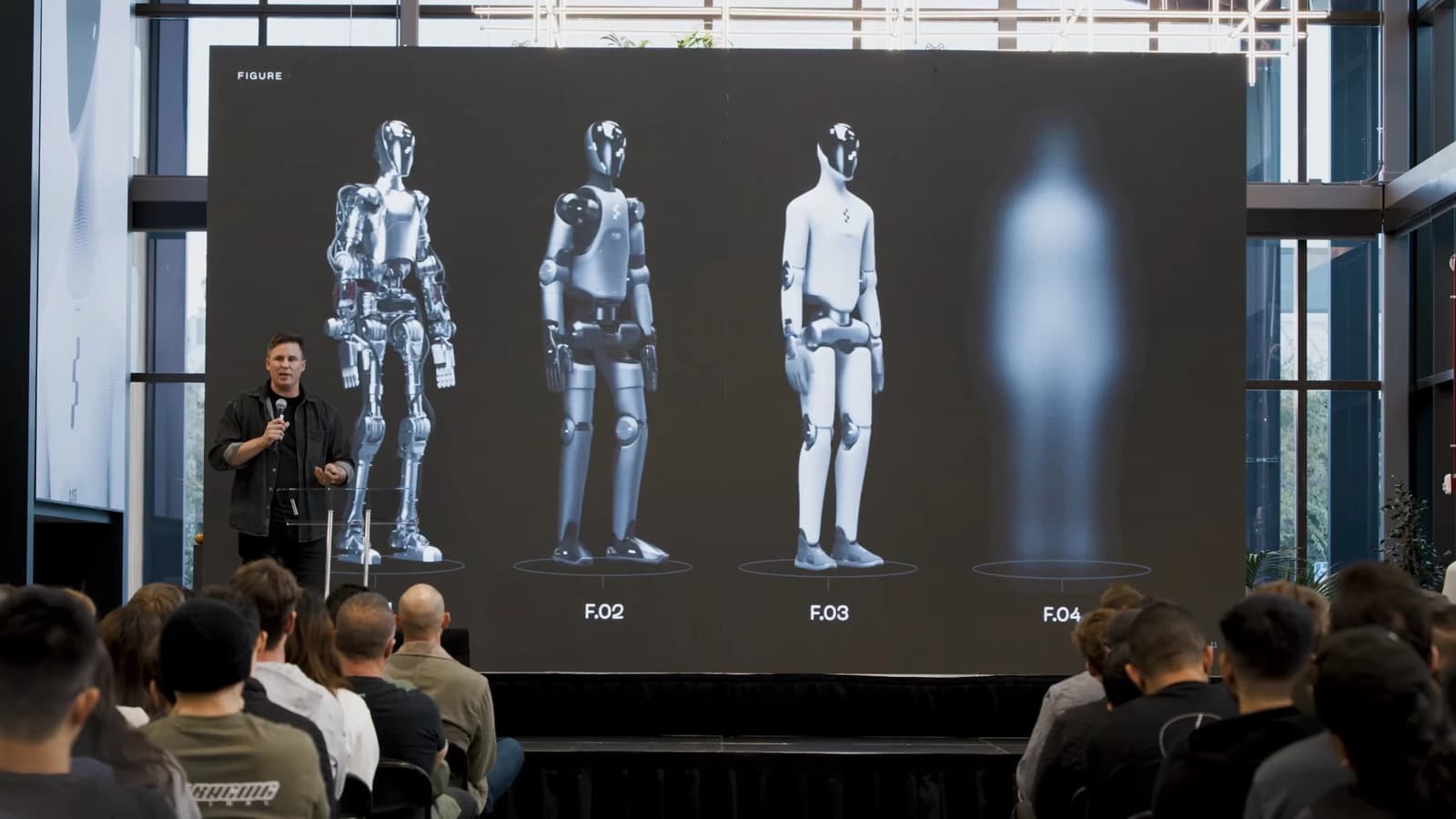
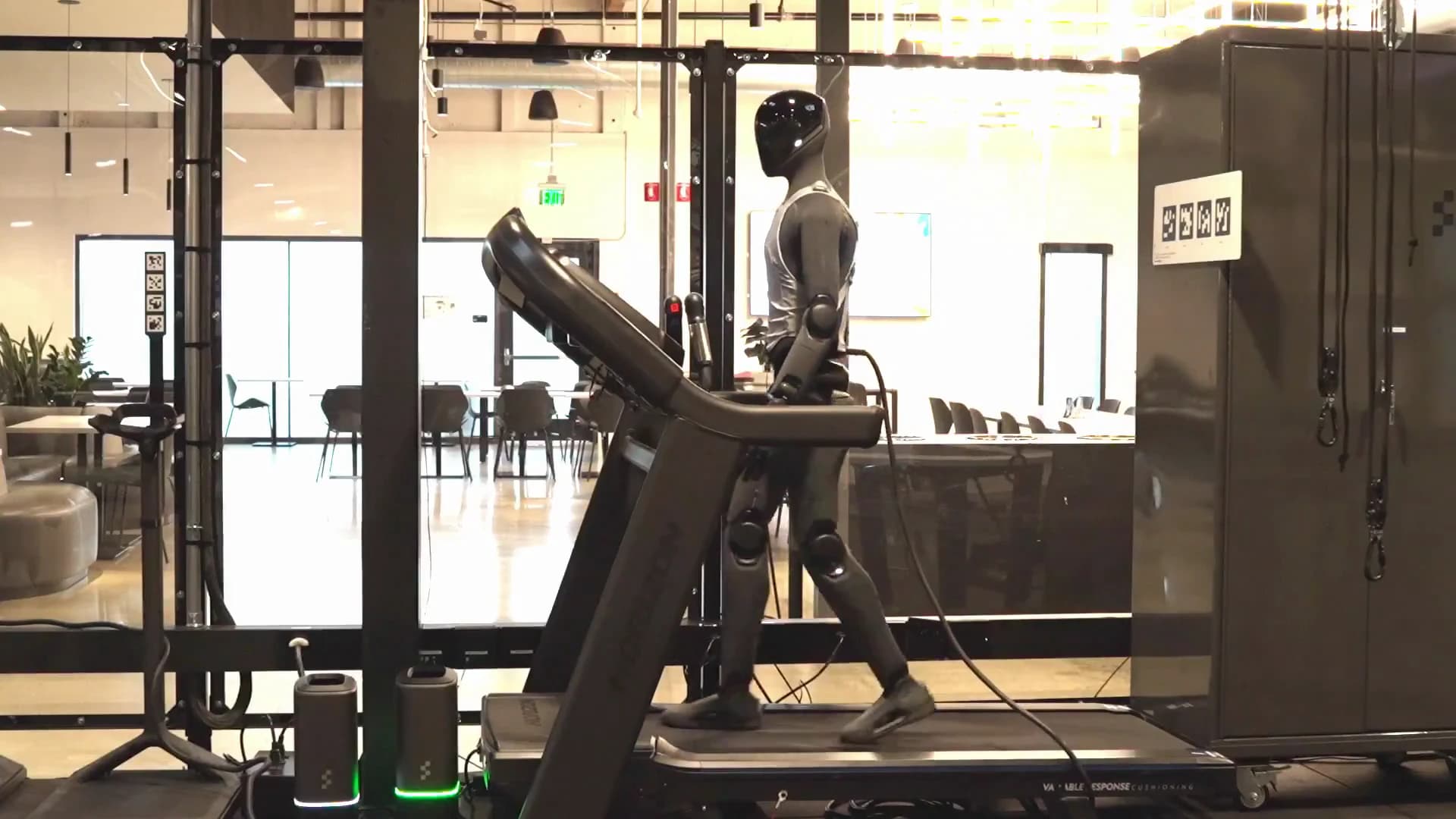
The funding comes at a pivotal moment for the industry, which has recently been characterized by high-stakes public maneuvering. Just weeks ago, Sunday and Figure engaged in what we dubbed the "dishwasher wars,".
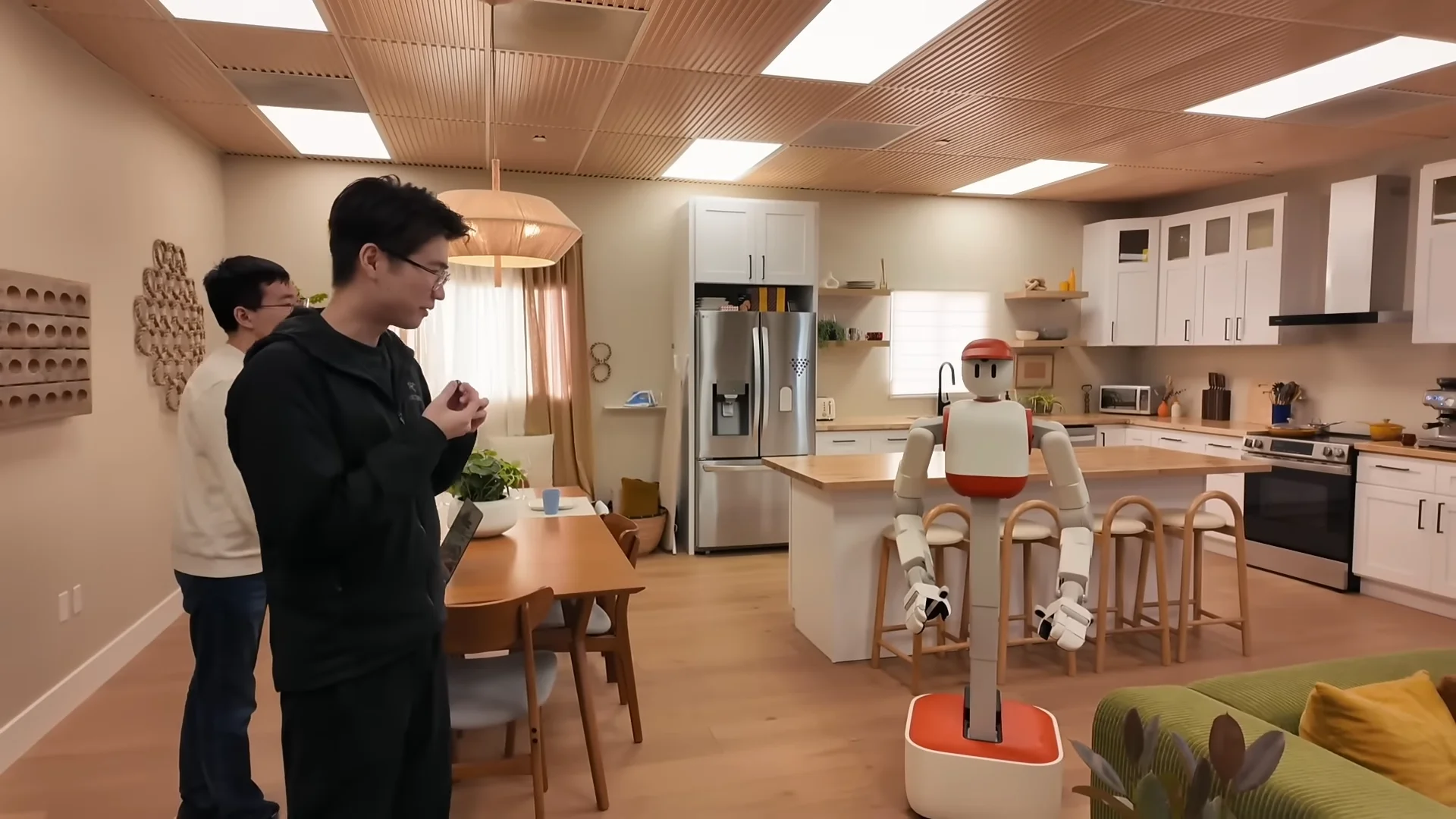
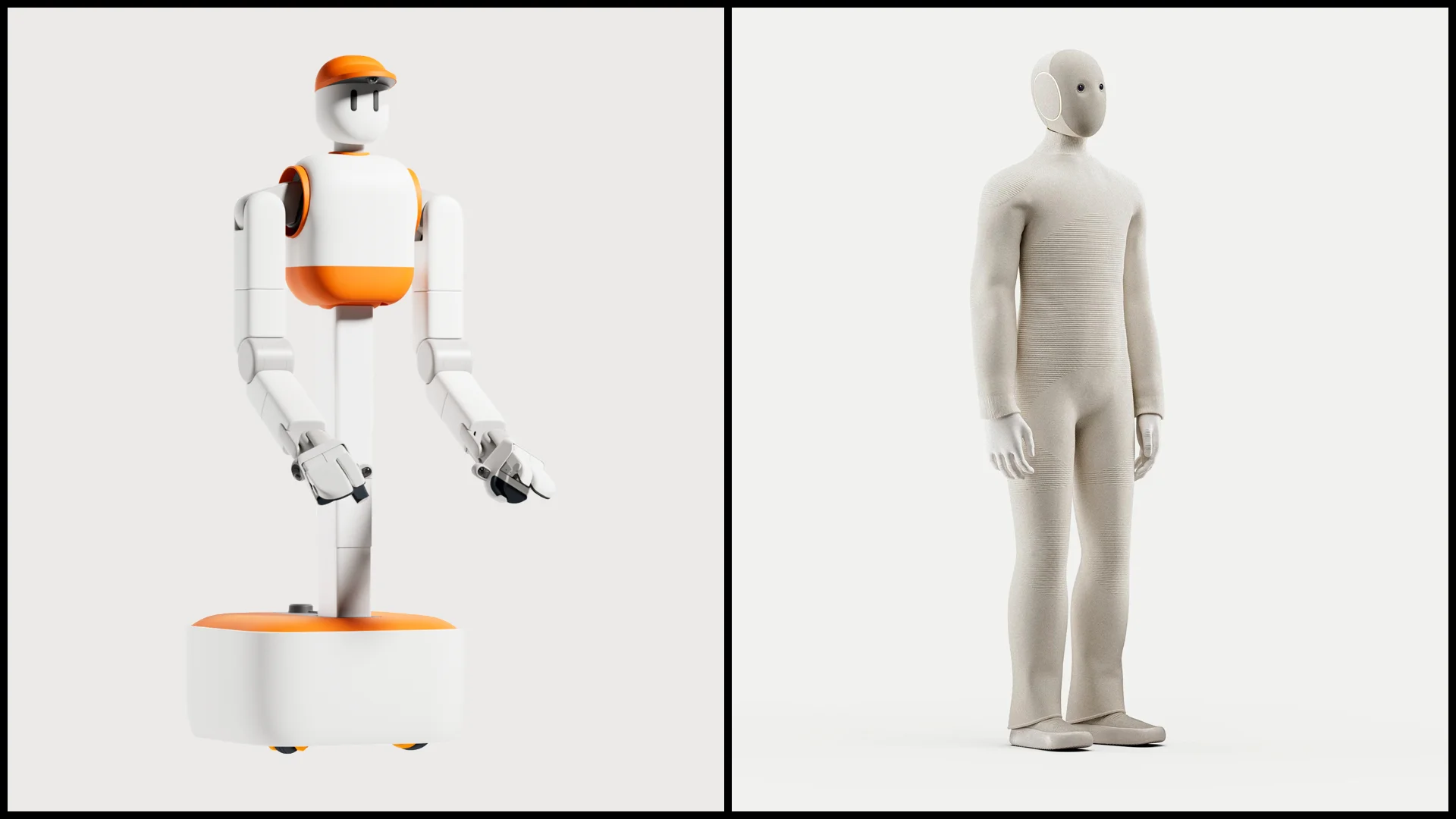
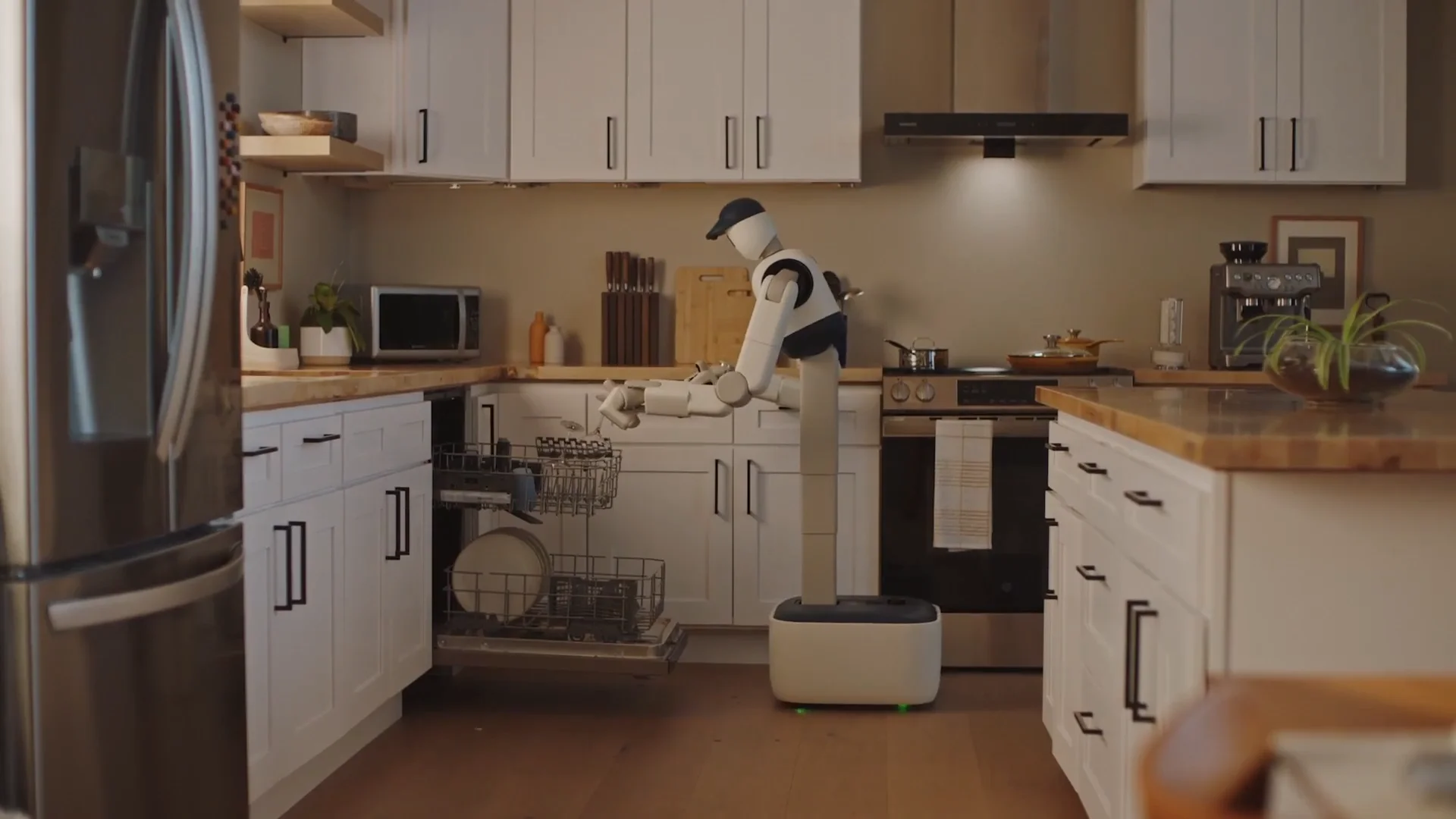
While these demonstrations have proven the capabilities of next-generation AI systems like Sunday’s ACT-1 and Figure’s Helix 02, Zhao’s latest comments suggest a pivot toward utility over optics. The new capital is earmarked for two primary pillars: research and immediate deployment. Sunday plans to begin shipping its wheeled robot, Memo, to beta participants within a few months, with a goal of reaching real-world homes by Thanksgiving 2026.
The weekly humanoid robotics briefing
One email a week: the launches, funding and research that mattered, with context from Humanoids Daily.
Read recent issues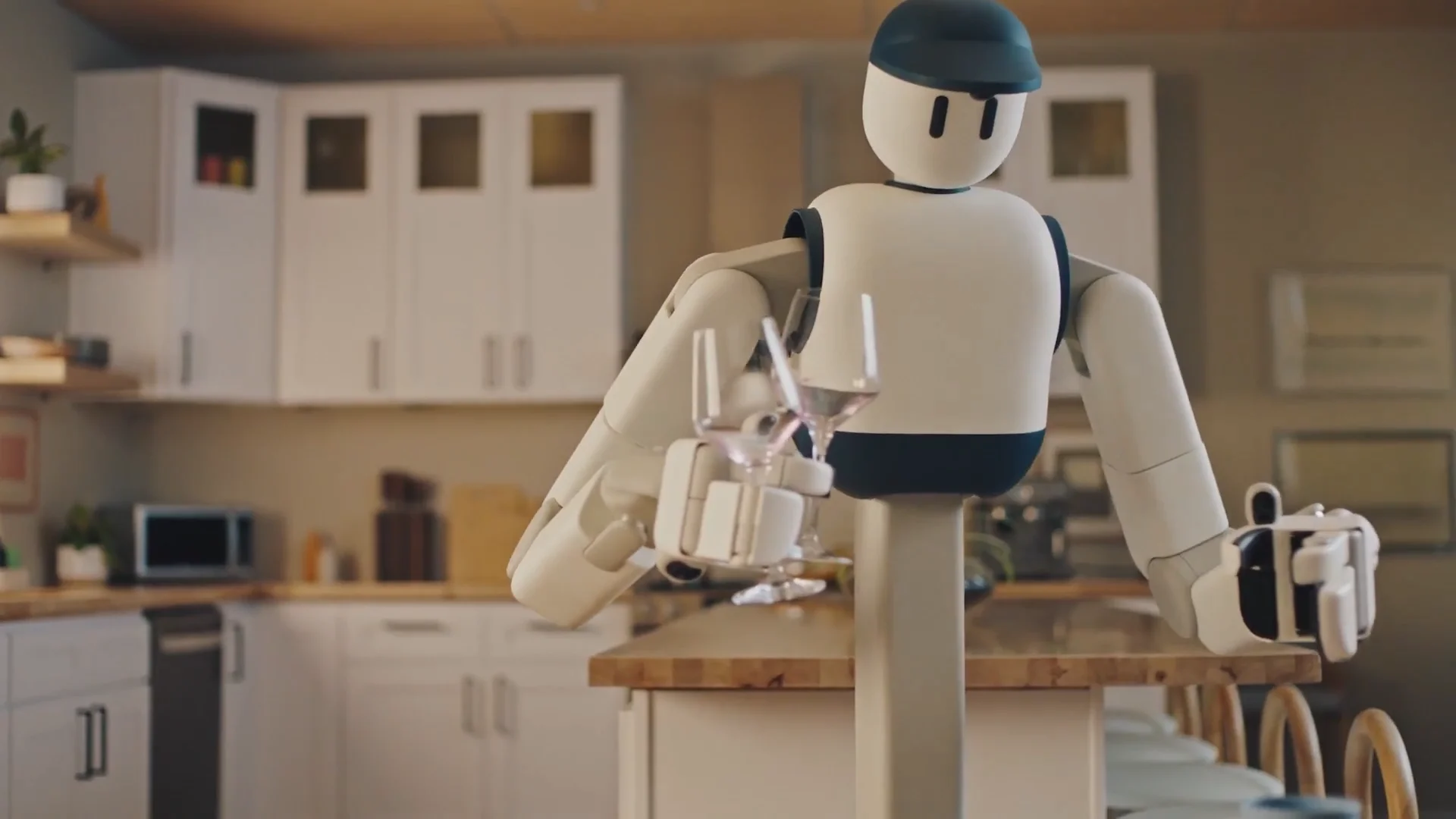
Scaling the Data Flywheel
The core of Sunday’s pitch to investors remains its unconventional "data-first" engineering philosophy. Unlike competitors who rely on expensive or hard to operate teleoperation rigs, Sunday has focused on its Skill Capture Glove—a $200 wearable that allows humans to record training data for domestic tasks without a robot present.
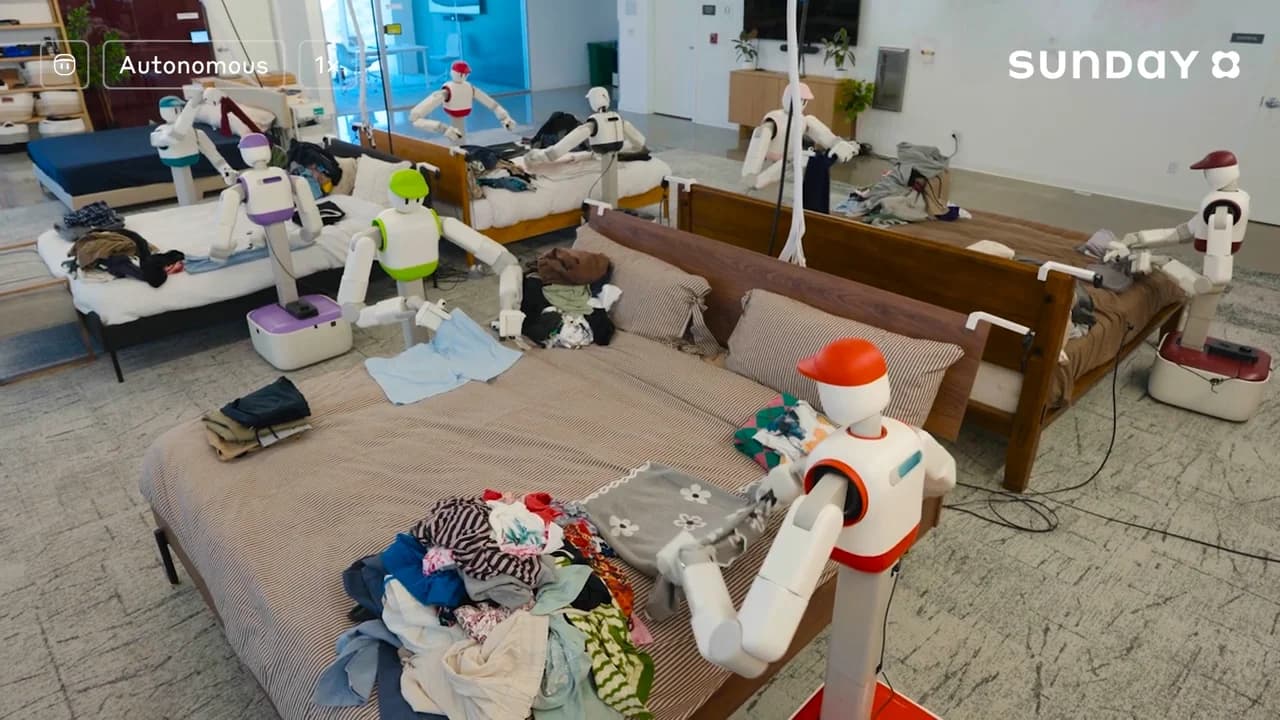
This approach has allowed the company to bypass the "data deadlock" that often hampers bipedal humanoid development. By distributing these gloves to hundreds of "Memory Developers," Sunday claims to have built the fastest model iteration loop in the industry. The company reported that its most recent demo, which featured Memo executing a complex 33-step "Table-to-Dishwasher" cycle, took only three months to develop.
The Series B funding will scale this "flywheel" further. Sunday aims to:
- 5x its "in-the-wild" data collection by the end of 2026.
- Integrate proprietary data with larger internet-scale "World Models" and Vision-Language Models (VLMs).
- Transition its current models from "zero-shot" research benchmarks into production-ready software.
The Recruitment Surge
The startup's aggressive mission has apparently struck a chord with the engineering community. Zhao revealed that Sunday has received more than 10,000 job applications over the last three months, allowing the company to double its headcount from 35 to 70 employees.
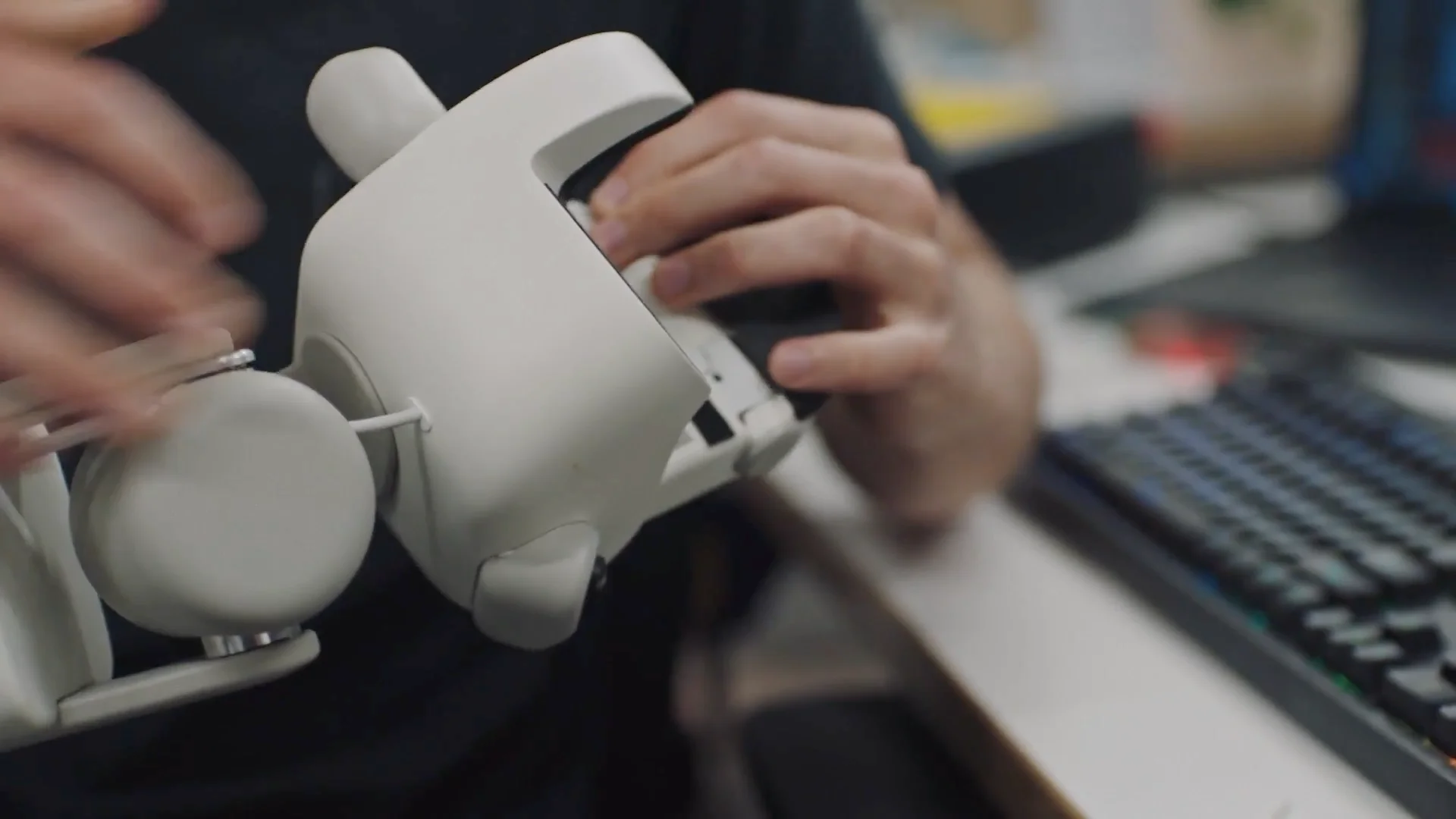
This "brain drain" from larger tech firms is a continuation of a trend we noted late last year, as top talent from Tesla’s Autopilot and Optimus teams began migrating to Sunday. These veterans are now tasked with refining Memo's "passive stability" and its specialized dual-gripper for the 2026 Beta program.
A Test of the "GPT Moment"
For months, the robotics industry has debated whether embodied AI is currently in its "GPT" or "ChatGPT" moment. If the former, the technology is a promising recipe yet to be scaled; if the latter, it is ready for consumer consumption.
By inviting Thomas Laffont of Coatue to the board and committing to a 2026 shipping window, Sunday is betting heavily on the latter. "Consumers don’t want hardware or software — they want a complete system that addresses their needs," said Aaref Hilaly, Partner at Bain Capital Ventures.
Whether the wheeled Memo can handle the "messy reality" of thousands of diverse home layouts remains to be seen. However, with $165 million in fresh capital and a mandate to "stop doing demos," Sunday Robotics is clearly ready to let the real world be its final judge.
Share this article
Read next
- Published on
- Reading time
- 5 min read
Watch: Inside Sunday Robotics’ Mission to Move Beyond the "Viral Demo"
- Published on
- Reading time
- 8 min read
The Appliance vs. The Android: Sunday and 1X Bet on Opposing Futures
- Published on
- Reading time
- 5 min read
Beyond the Viral Demo: Sunday Robotics Claims 99.1% Zero-Shot Success in Laundry Folding with ACT-2
- Published on
- Reading time
- 5 min read
Design Around the Data: Sunday Robotics Reveals Why They Built 100 Gloves Before One Robot
- Published on
- Reading time
- 4 min read
Sunday Robotics Founders on the "GPT Moment" for Physical AI and Breaking the Data Bottleneck
- Published on
- Reading time
- 4 min read
Eka Robotics Raises $150 Million to Give Robots a Better Feel for the Physical World
The weekly humanoid robotics briefing
One email a week: the launches, funding and research that mattered, with context from Humanoids Daily.
Read recent issues