- Published on
Neura Robotics Moves Humanoid R&D to Zurich, Tapping into Europe’s "Robotics Valley"
One tap, and our reporting appears more often in your Google Top Stories. It makes a real difference to a small newsroom.

Supported by RoboStrategySupport for Humanoids Daily comes from RoboStrategy
Sponsored
Investing involves risk, including possible loss of principal. Read the prospectus before investing.
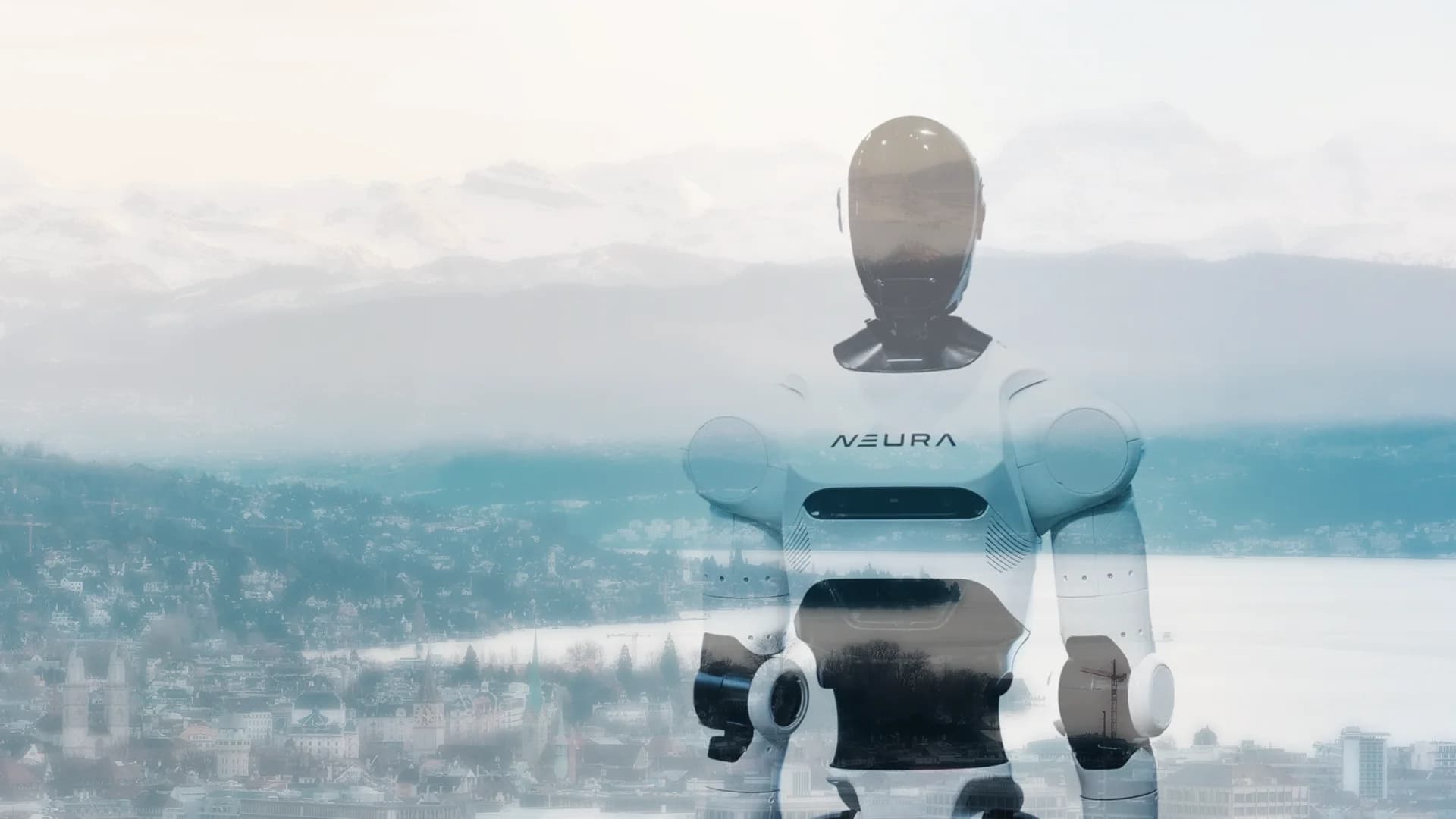
The geography of the humanoid robotics race is shifting, and the European center of gravity for "Physical AI" appears to be settling in the Swiss Alps.
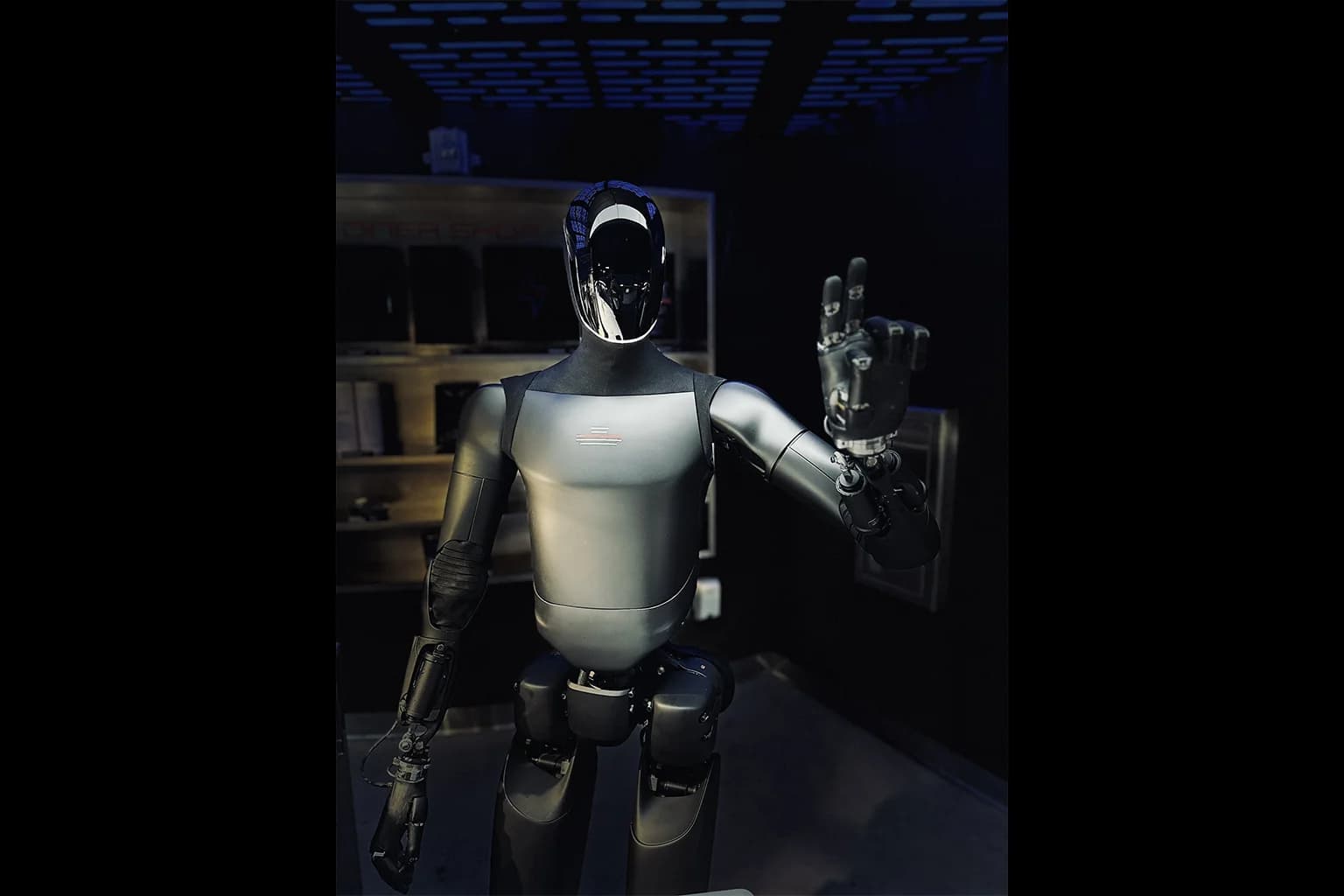
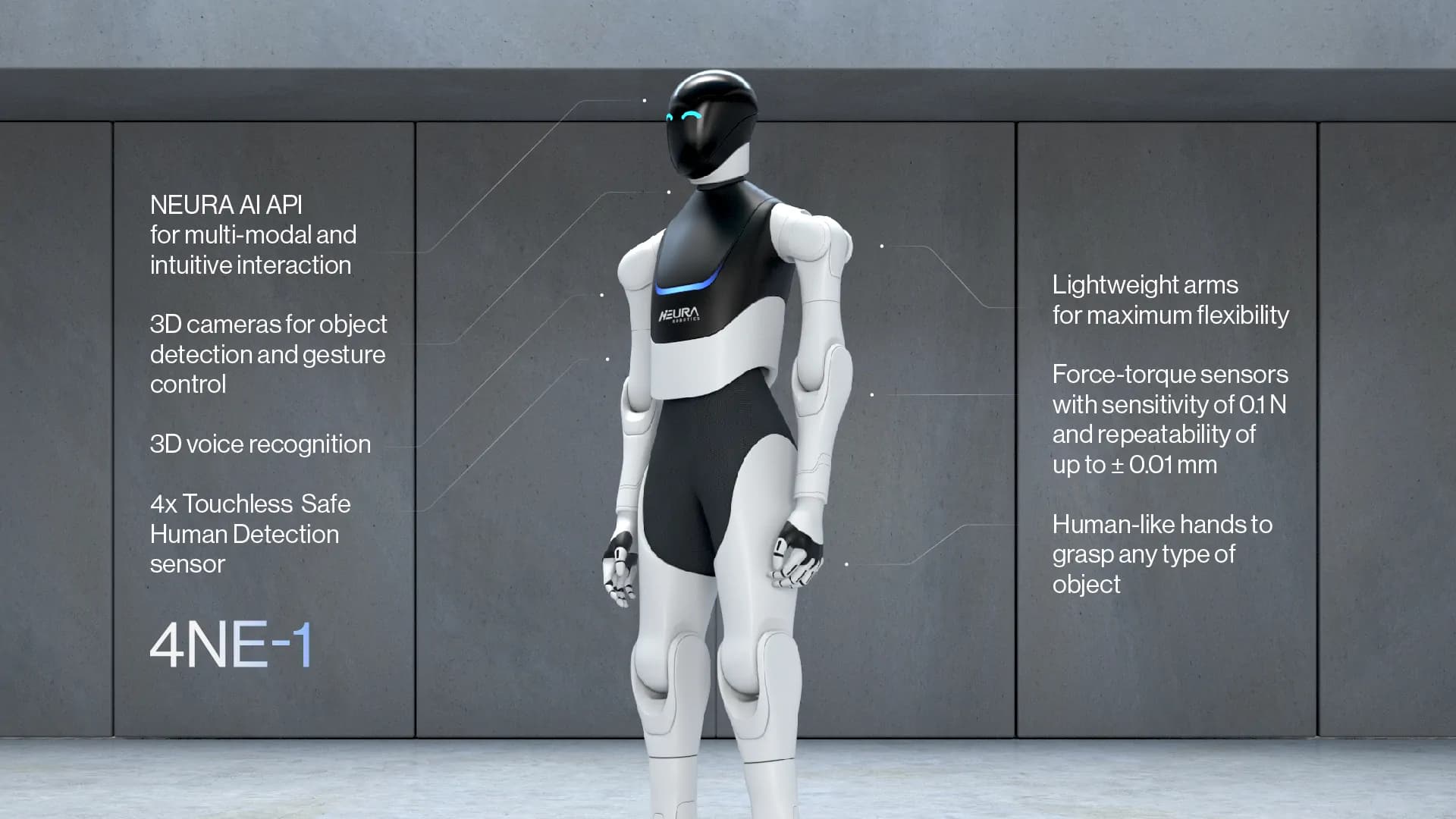
Neura Robotics, the German cognitive robotics firm, has officially opened a new development hub in Zurich’s Seefeld district. In a strategic pivot, the company announced that all research and development for its flagship 4NE-1 humanoid robot will be relocated to this new site, effectively separating the robot’s "brain" development from its manufacturing base in Germany.
The expansion involves a 1,800-square-meter facility—800 of which are already occupied, with the remainder following in 2026—and places Neura in direct proximity to one of the world's most productive pipelines for robotic talent: ETH Zurich.
The Brain in Zurich, The Body in Metzingen
According to the company, the new Swiss site will house teams dedicated to "Physical AI," sensor technology, and cognitive capabilities—the software stack that allows the 4NE-1 to perceive and interact with the world. Meanwhile, production and assembly will remain at the company’s headquarters in Metzingen, Germany.
The weekly humanoid robotics briefing
One email a week: the launches, funding and research that mattered, with context from Humanoids Daily.
Read recent issues"With Zurich, we are strengthening the development of our humanoid robot 4NE-1, from Physical AI and sensor technology to cognitive capabilities," said David Reger, founder and CEO of Neura Robotics.
This move clarifies Neura’s evolving global strategy. Over the past year, the company has aggressively decentralized its operations to leverage regional strengths:
- Germany: HQ and primary assembly.
- China: A dual-pronged expansion. In February 2025, Neura established a subsidiary, Noah Robotics, in Foshan's Sanlongwan Sino-German Industrial Park to focus on R&D for perception capabilities, according to local media reports. This was followed in September by a larger €45 million subsidiary in Hangzhou.
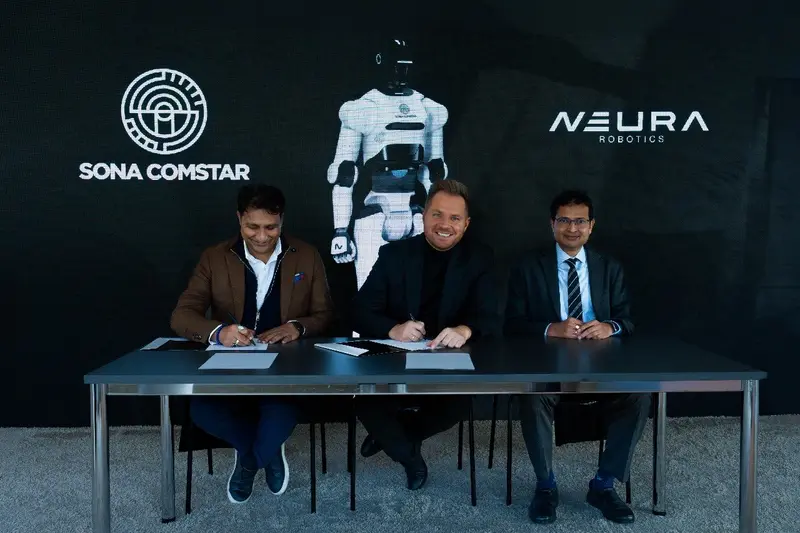
- India: A manufacturing partnership with Sona Comstar to scale production for Asian markets.
- Switzerland: Now the hub for high-level R&D and intelligence.
The Swiss "Robotics Valley"
Neura’s arrival in Zurich is not an isolated event; it is the latest evidence of Switzerland’s emergence as a premier cluster for humanoid and embodied AI research. The region, anchored by the academic output of ETH Zurich, is attracting a dense concentration of both startups and corporate labs.
Just weeks ago, Flexion, a startup founded by ETH alumni, emerged from stealth with $50 million in funding to build an "Android for robots" software stack, testing their algorithms on slopes just outside the city.
Similarly, Disney Research Zurich continues to push the boundaries of character robotics. The lab was instrumental in the development of the new Olaf robot, creating the "Newton" simulation framework that allows the character to balance and perform emotive, physics-defying animations.
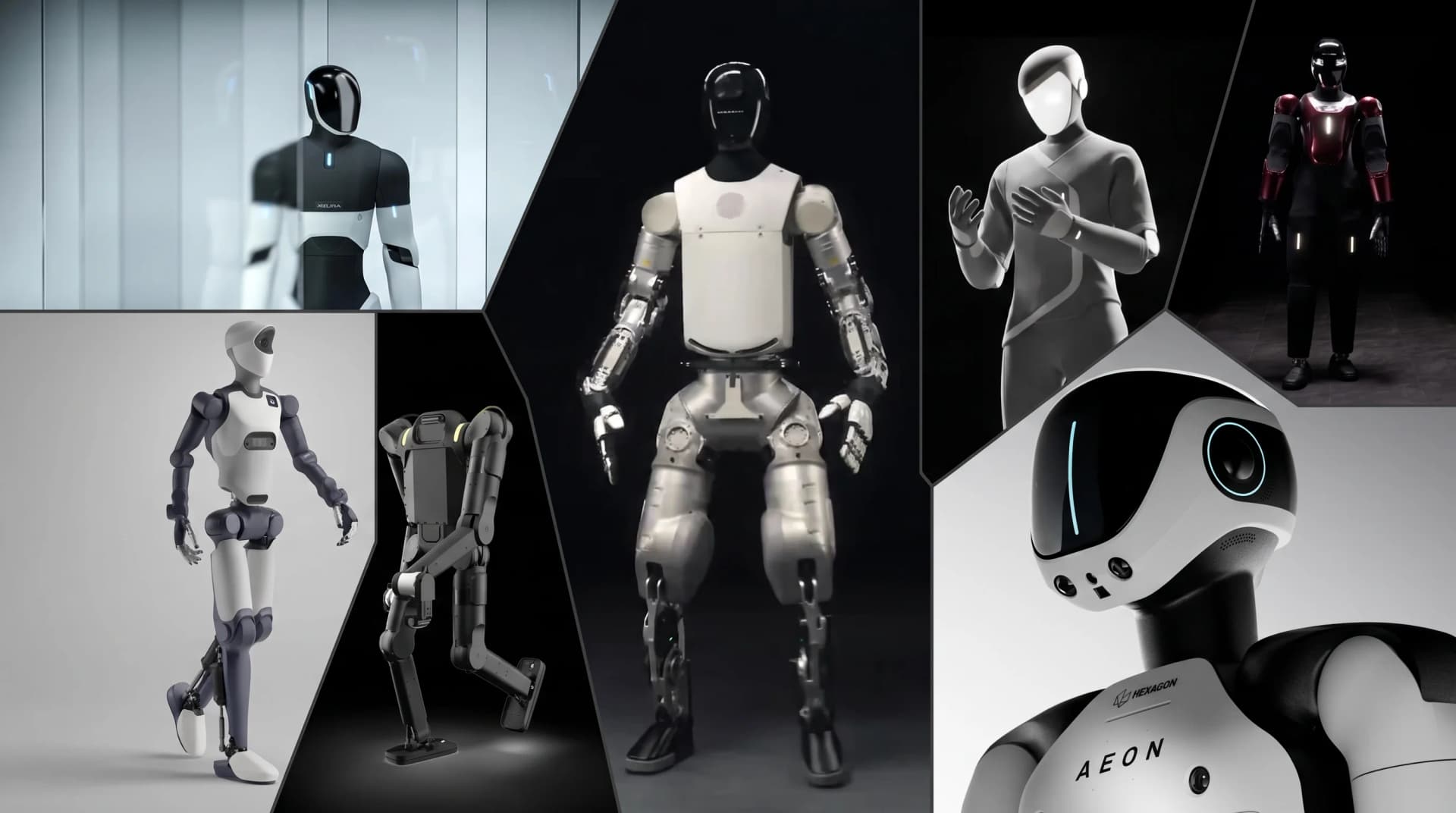
The trend extends to industrial heavyweights as well. Hexagon, the Swedish technology giant with deep roots in Swiss precision measurement (via its Leica Geosystems heritage), recently entered the market with its AEON industrial humanoid. Like Neura, Hexagon is leveraging the region's unique blend of precision engineering and computer vision expertise.
Why It Matters
For Neura Robotics, the move to Zurich is a play for talent. As the "embodied AI" sector heats up, engineers capable of bridging the gap between machine learning and mechanical control are becoming the industry's most scarce resource. By planting a flag in Seefeld, Neura is positioning itself to compete directly for the graduates who built the quadrupedal ANYmal and other landmark systems at ETH.
It also signals a maturation of the European robotics ecosystem. Rather than trying to do everything under one roof, companies are beginning to form specialized clusters: German industrialization, Chinese supply chain scale, and Swiss cognitive R&D.
Share this article
Read next
- Published on
- Reading time
- 25 min read
The Humanoids of Europe: Built by Their Customers
- Published on
- Reading time
- 4 min read
NEURA Robotics and TUM Launch Europe’s Largest Physical AI Training Center
- Published on
- Reading time
- 4 min read
Schaeffler Commits to Thousands of Neura Humanoids in Deep Component and AI Partnership
- Published on
- Reading time
- 4 min read
NEURA Robotics Partners With Sona Comstar to Scale Humanoid Production in India
- Published on
- Reading time
- 3 min read
Neura Robotics Quietly Establishes €45 Million Subsidiary in China, Signaling Major Supply Chain Move
- Published on
- Reading time
- 6 min read
NEURA Robotics Unleashes Next-Gen Humanoids and Cognitive Ecosystem at Automatica 2025
The weekly humanoid robotics briefing
One email a week: the launches, funding and research that mattered, with context from Humanoids Daily.
Read recent issues