- Published on
The $18 Million Brain: UBTECH Launches Aggressive Hunt for Embodied AI Chief
One tap, and our reporting appears more often in your Google Top Stories. It makes a real difference to a small newsroom.


Shenzhen-based UBTECH Robotics is putting its significant cash reserves to work in the talent war for "Physical AI." Fresh off a fiscal year where humanoid robots officially became its largest source of income, the company has announced a recruitment drive for a Chief Scientist of Embodied Intelligence, offering an annual compensation package reaching as high as RMB 124 million (approximately $18 million).
The eye-watering salary range—which starts at RMB 15 million ($2.1 million)—represents a major escalation in the global competition for AI talent. While Silicon Valley giants like Meta and OpenAI have long offered multi-million dollar packages to elite researchers, such figures are rare in the Chinese robotics sector. The move signals UBTECH's intent to transition from a hardware-heavy manufacturer into a leader in "Embodied AI"—the software "brains" that allow machines to navigate and interact with the physical world autonomously.
Securing the "Intelligence Infrastructure"
The incoming Chief Scientist will be tasked with defining UBTECH’s roadmap for embodied intelligence and leading research into foundational robot models. Specifically, the role focuses on Vision-Language-Action (VLA) systems—multimodal models that allow a robot to perceive its environment, process natural language instructions, and execute precise physical tasks in a single, unified loop.
This technical pivot follows UBTECH's recent efforts to build a "data flywheel." By feeding real-world data from industrial deployments back into its Thinker and Thinker-WM models, the company aims to refine robot autonomy at scale. UBTECH is also a founding partner in OpenMind's hardware-agnostic App Store, suggesting that the new Chief Scientist will need to navigate an increasingly open and collaborative software ecosystem.
The weekly humanoid robotics briefing
One email a week: the launches, funding and research that mattered, with context from Humanoids Daily.
Read recent issuesFunding the Hunt: The "Humanoid Flip"
UBTECH’s aggressive hiring is backed by a strong 2025 financial performance. According to the company’s annual results released on March 31, 2026, UBTECH achieved a "humanoid flip," where full-size robots became its primary revenue driver for the first time:
- Humanoid Revenue: Generated RMB 820.6 million ($113 million), accounting for 41.1% of total revenue.
- Sales Volume: The company sold 1,079 humanoid units in 2025, a massive leap from just dozens the year prior.
- Liquidity: As of year-end 2025, the company held approximately RMB 4.888 billion in cash and cash equivalents, providing the "dry powder" necessary for such high-stakes recruitment.
Industrial Validation and Global Pressure
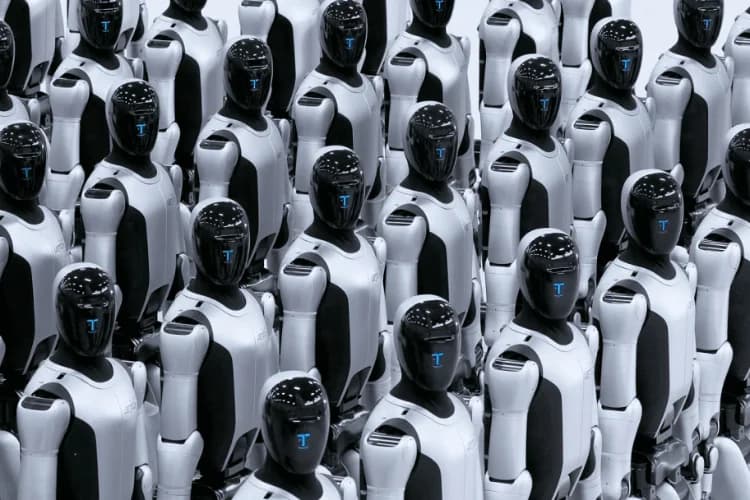
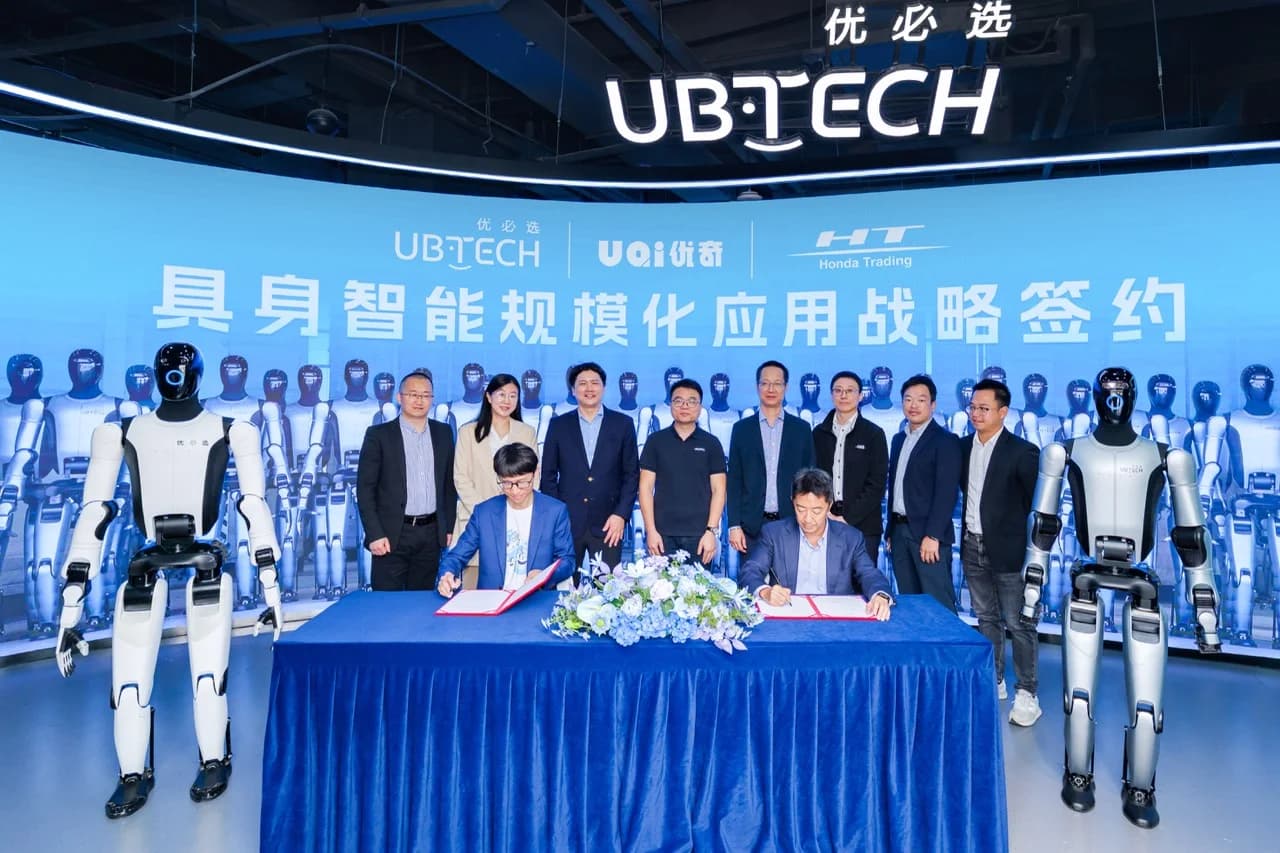
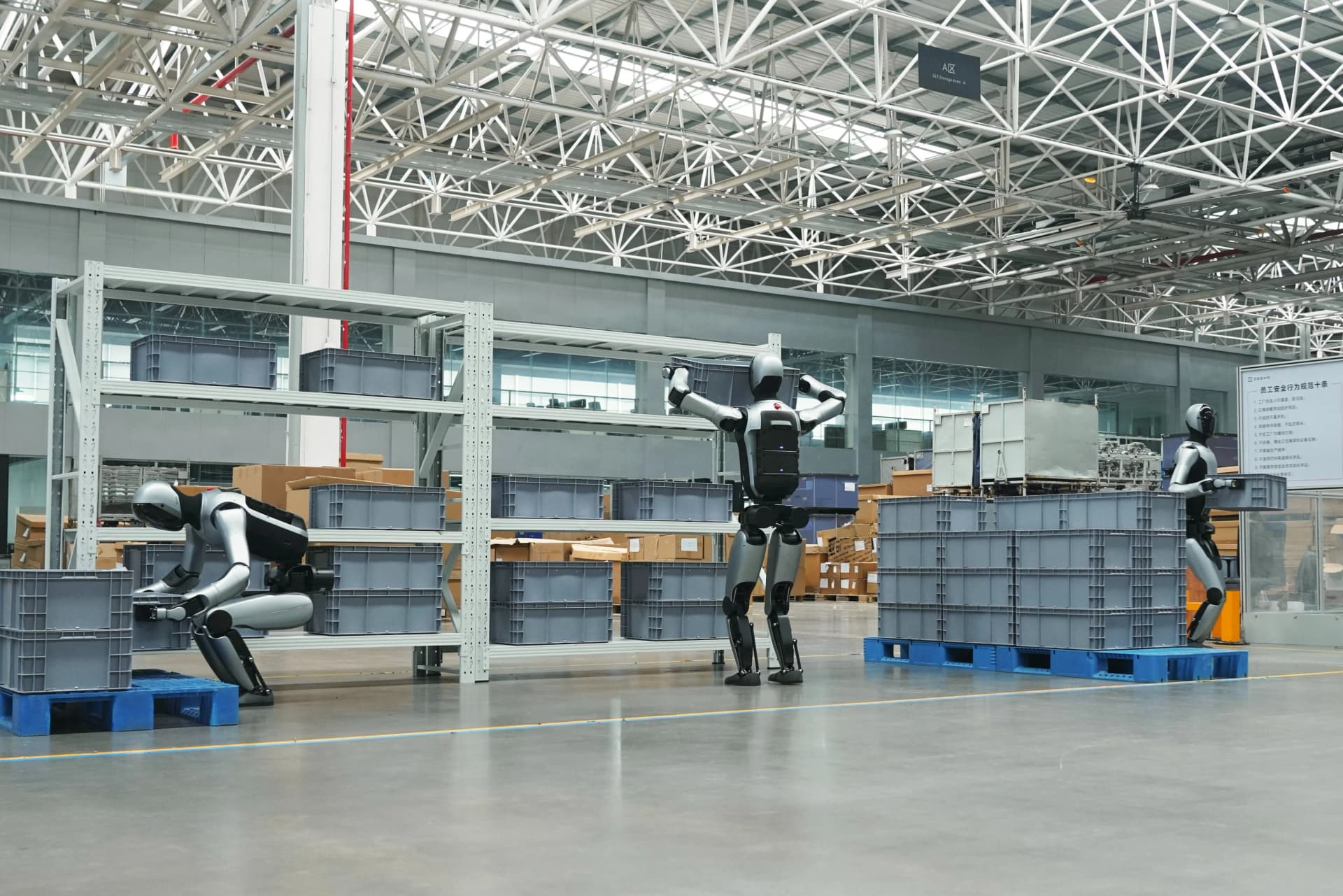
The recruitment drive comes as UBTECH's flagship industrial robot, the Walker S2, gains significant international traction. Beyond its high-profile partnership with Texas Instruments for semiconductor manufacturing, reports indicate that European aerospace giant Airbus SE has also purchased Walker S2 units for use in its aircraft plants.
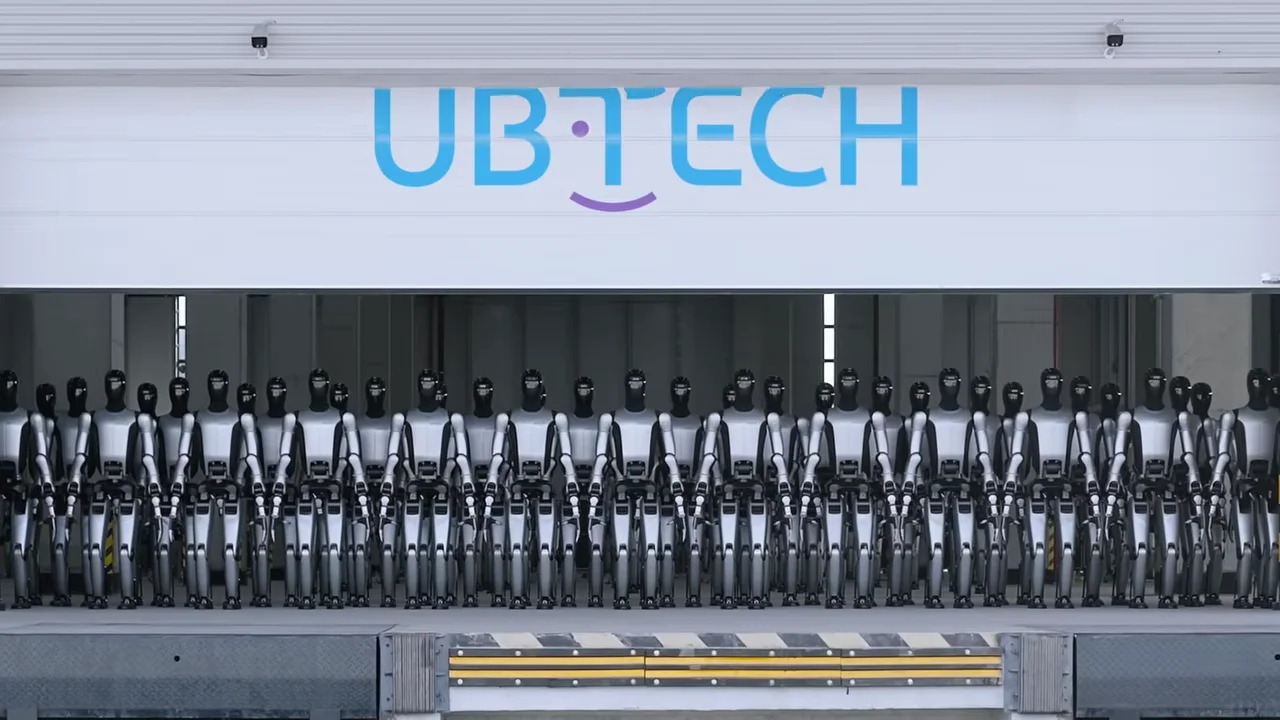
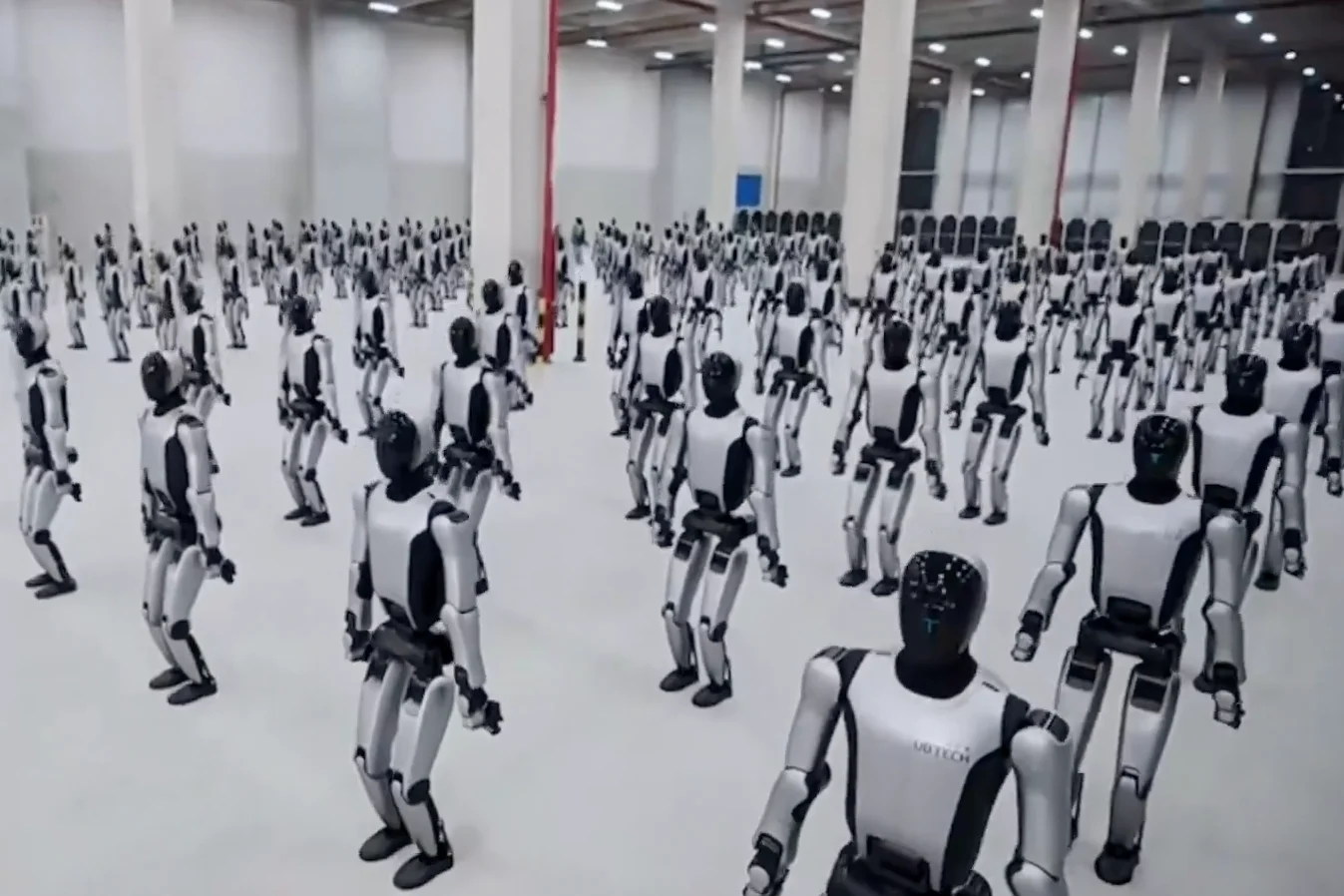
However, the pressure to innovate remains high. UBTECH’s mass delivery announcement late last year was met with skepticism from Western rivals, including Figure CEO Brett Adcock, who publicly questioned the authenticity of the company's "robot army" footage.
By hiring a world-class scientist to lead its AI efforts, UBTECH is looking to move beyond these public-relations skirmishes and solve the "utility gap." The company’s long-term goal remains a 10-fold production jump to 5,000 units in 2026, a feat that will require more than just efficient assembly lines—it will require robots that are smart enough to justify their presence on the factory floor.
Share this article
Read next
- Published on
- Reading time
- 4 min read
Rossmann Commences European Pilot of UBTECH Walker S2 Humanoid in Logistics
- Published on
- Reading time
- 4 min read
Supply Chain Synergy: UBTECH and Honda Trading to Pilot Humanoid Logistics
- Published on
- Reading time
- 4 min read
UBTECH’s 2025 Financials: Humanoids Leap to Center Stage as Losses Narrow
- Published on
- Reading time
- 5 min read
UBTECH Targets 10-Fold Output Jump to 5,000 Humanoids in 2026
- Published on
- Reading time
- 2 min read
UBTECH Claims "World's First" Mass Delivery of Humanoids as "Robot Army" Deploys
- Published on
- Reading time
- 2 min read
UBTECH Signals Walker S2 Mass Delivery with ''Robot Army'' Video
The weekly humanoid robotics briefing
One email a week: the launches, funding and research that mattered, with context from Humanoids Daily.
Read recent issues