- Published on
OpenMind Launches Hardware-Agnostic App Store to Unify Humanoid "Skills"
One tap, and our reporting appears more often in your Google Top Stories. It makes a real difference to a small newsroom.

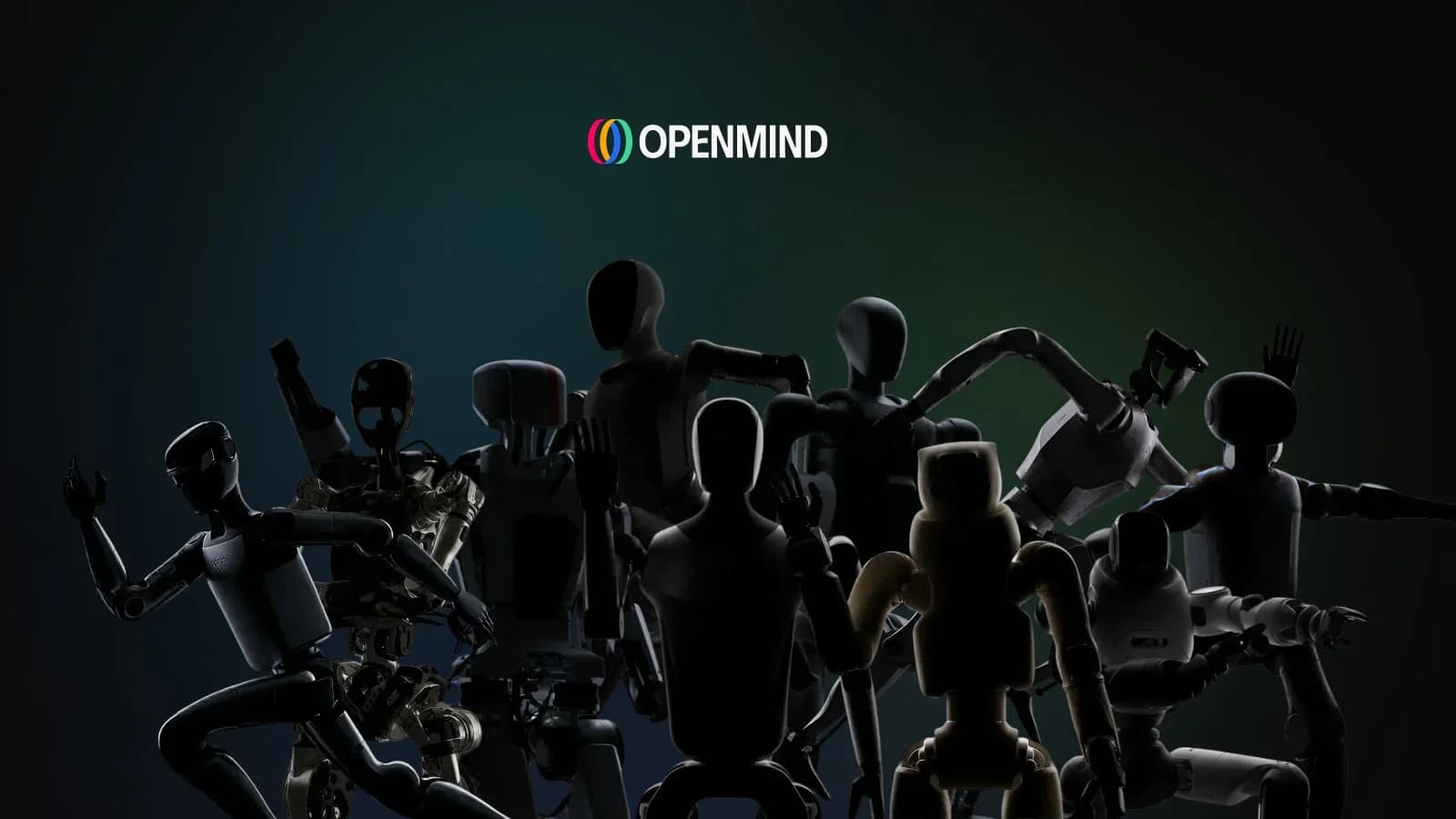
Silicon Valley-based OpenMind has officially launched its App Store for robots, a hardware-agnostic marketplace intended to serve as a universal distribution layer for robotic intelligence. The platform aims to move the industry beyond proprietary, vertically integrated stacks, allowing humanoid and quadruped robots to gain new capabilities through software updates rather than hardware overhauls.
The launch marks a significant escalation in OpenMind’s mission to provide the "intelligence infrastructure" for the robotics sector. It follows the company's recent move to open pre-orders for the BrainPack, a $999 modular sensor and compute suite designed to retrofit existing machines with high-level autonomy.
Bridging the "Walled Garden" Gap
Current robotics development is heavily fractured, with most machines locked into single-vendor ecosystems that limit cross-platform collaboration. OpenMind CEO Jan Liphardt, a Stanford professor, argues that for robots to become truly universal, they need a skill and cognition layer that evolves faster than their physical bodies.
“Computers and phones come with an operating system... but the real magic is the ability for everyone to personalize their phones and computers through apps,” Liphardt stated. “Your humanoid will be no different.”
Follow humanoid robotics without following every announcement.
Get the week’s most important launches, funding and research—and why they matter—in one email from Humanoids Daily.
Once a week. Unsubscribe anytime.
Read recent issuesThe App Store is built on OM1, OpenMind’s hardware-agnostic operating system. OM1 utilizes lightweight configuration files to define models and task logic, enabling developers to package complex behaviors—such as autonomous movement or social interaction—into portable applications that can run on heterogeneous hardware.
A Coalition of Robotics Heavyweights
OpenMind is not entering the market alone. The company has secured a list of launch partners that represents a significant portion of the global humanoid and quadruped market share:
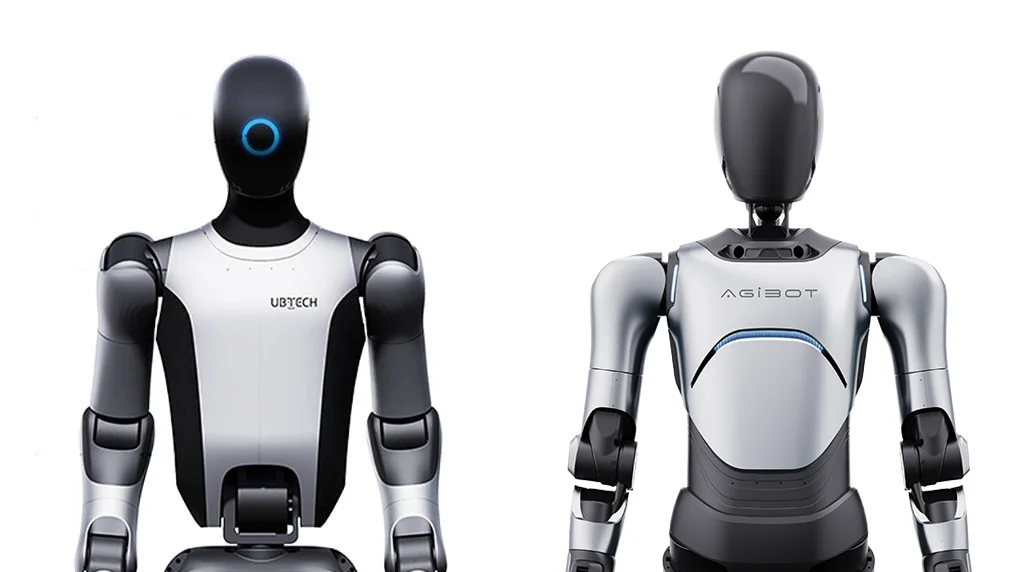
- UBTECH Robotics: The Shenzhen-based giant recently claimed the "world's first mass delivery" of industrial humanoids and is currently fulfilling an order book exceeding 800 million yuan (approx. $113 million).
- AgiBot: The startup recently celebrated rolling out its 5,000th unit and is known for its agile Lingxi X-Series.
- Deep Robotics: Producers of the DR02 all-weather humanoid designed for hazardous environments.
- LimX Dynamics: Makers of the Oli humanoid and the modular TRON 2 "shapeshifter".
- Other Partners: The group also includes Fourier, Booster, Dobot, and Magic Lab.
These partners will participate in a founding consortium to define shared interfaces and standards for robotic applications, with a first in-person meeting scheduled for April near the Stanford campus.
From Industrial Widgets to Social Intelligence
While many firms are focusing on "widgets packed per minute," Liphardt’s vision for the App Store leans toward socially intelligent machines. In a recently published manifesto titled "Robots for All of Us," Liphardt argued that connection and trust are more critical for mass adoption than brute strength.
He identifies chronic labor gaps in care, education, and service as the primary targets for OpenMind’s ecosystem. The store launched with five live applications focused on autonomous movement, social skills, and privacy—the latter of which likely integrates the native face-detection and blurring features originally teased for the BrainPack.
A Crowded Race for Software Dominance
OpenMind’s move comes as the industry increasingly views software as the primary bottleneck to scale. The competition to become the "Android of robotics" is heating up:
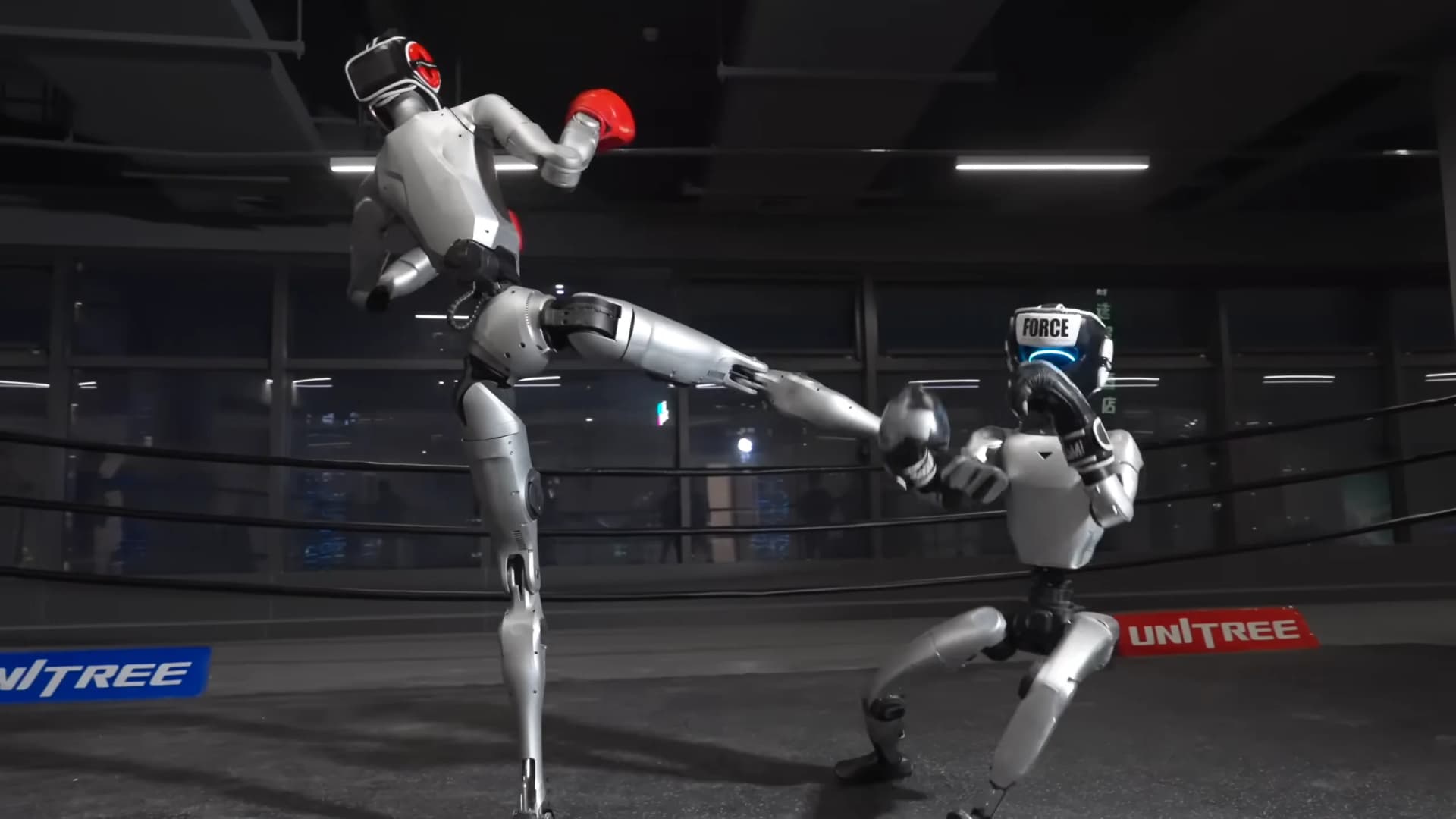
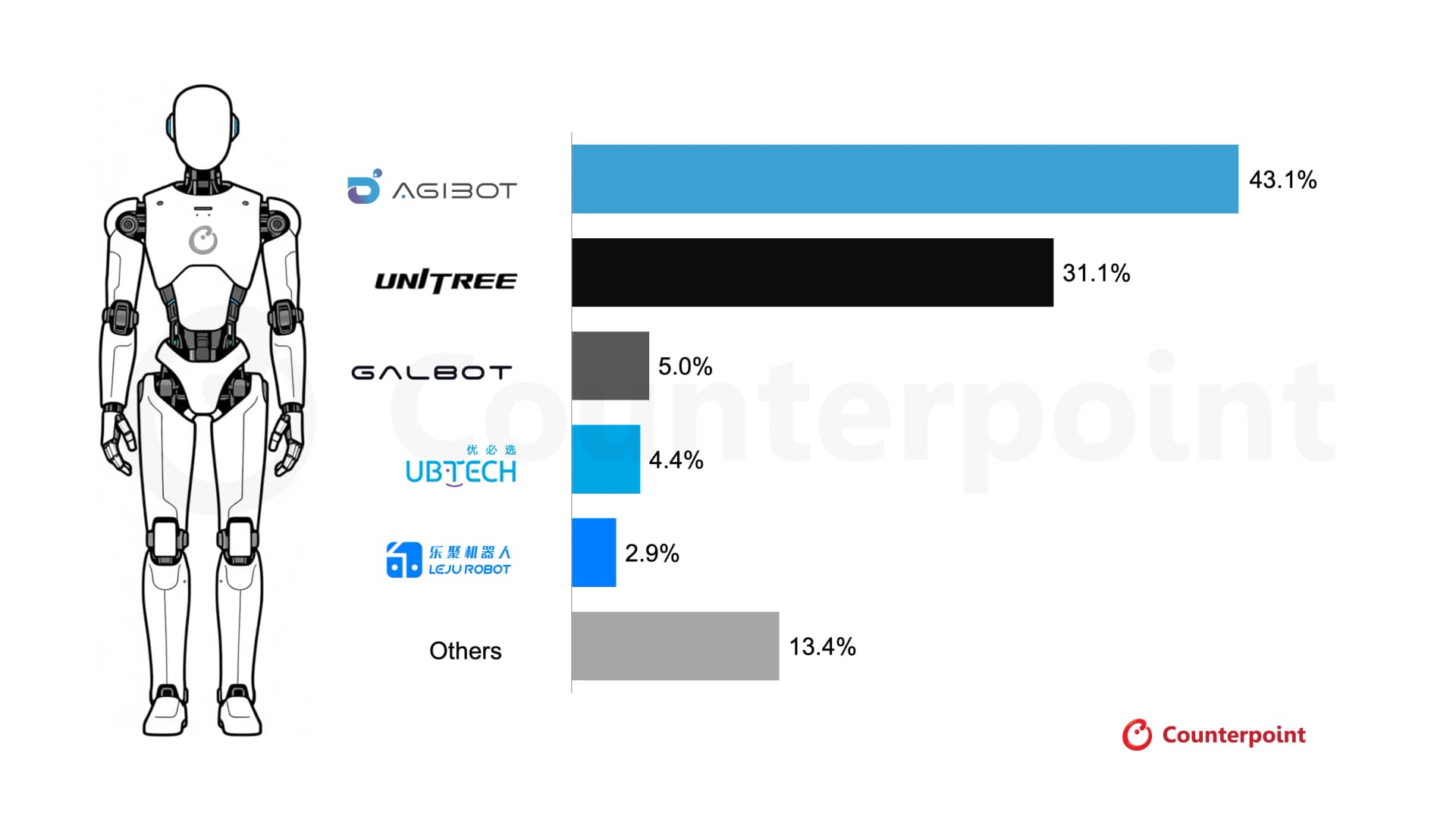
- Unitree Robotics, which recently claimed a global shipment lead of 5,500 units , has already teased its own "App Store" for humanoids to crowdsource skills like dancing and martial arts.
- Flexion Robotics emerged from stealth with $50 million in funding to build a similar "horizontal software layer" using the Unitree G1 as a primary development kit.
- AgiBot has released LinkCraft, a zero-code platform designed to lower the barrier for robot choreography and storytelling.
The success of the OpenMind App Store will depend on whether its 1,000+ developer community can produce apps that solve real-world utility gaps. While the technical challenges of "sim-to-real" transfer remain immense, the formation of a standards-focused consortium suggests that the industry is finally ready to trade walled gardens for a shared nervous system.
Share this article
Follow humanoid robotics without following every announcement.
Get the week’s most important launches, funding and research—and why they matter—in one email from Humanoids Daily.
Once a week. Unsubscribe anytime.
Read recent issuesRead next
- Published on
- Reading time
- 4 min read
State Grid’s $995 Million Bet: 8,500 Robots to Spearhead "Deployment Year One" in Energy
- Published on
- Reading time
- 4 min read
China Drafts ''Dream Team'' for Humanoid Robot Standards, Taps Founders of Unitree and AgiBot to Lead
- Published on
- Reading time
- 4 min read
Morgan Stanley Survey: Chinese Companies Want Humanoids, But the Products Aren't Ready
- Published on
- Reading time
- 4 min read
AGIBOT Tops Medal Table at 2nd World Humanoid Robot Games as Beijing Showdown Concludes
- Published on
- Reading time
- 6 min read
Global Humanoid Shipments Surpass 22,000 in H1 2026 as AGIBOT Leads and Form-Factor Debates Intensify
- Published on
- Reading time
- 3 min read
Global Times Reports on China's Accelerated Push in AI and Humanoid Robotics