- Published on
UBTECH Walker S2 Claims Design Award, Spotlighting 24/7 Battery Swapping
One tap, and our reporting appears more often in your Google Top Stories. It makes a real difference to a small newsroom.


Your guide
Rich Robinson
Jee Chee Ren · Executive tour
See China’s AI and robotics ecosystem first-hand.
Six days exploring AI, robotics and advanced manufacturing.
With Rich Robinson, Clinical Professor of Entrepreneurship at Peking University
Beijing · Guangzhou · Shenzhen
29 November–4 December 2026
Referral partnership · We earn a commission on referred bookings.
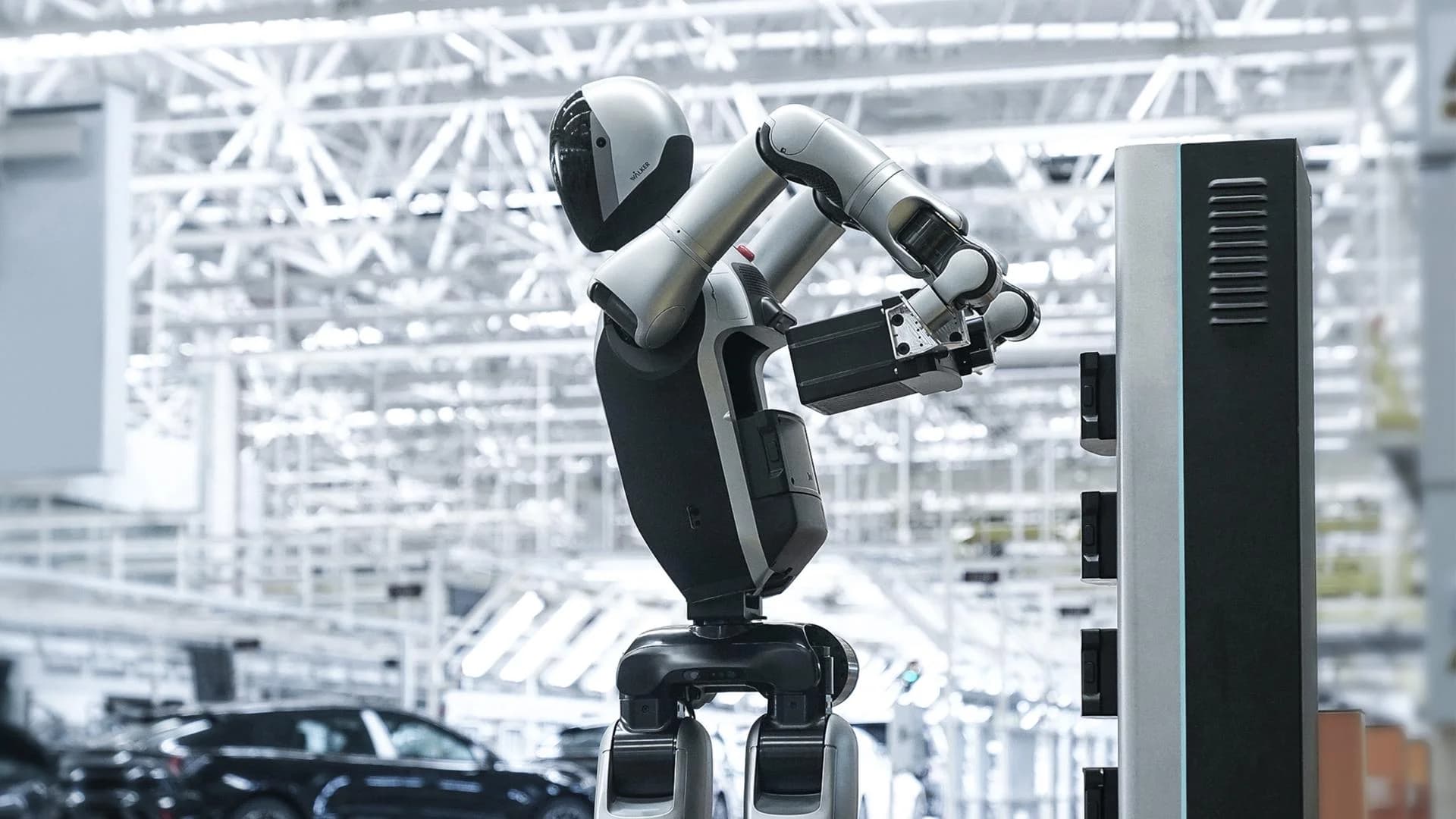
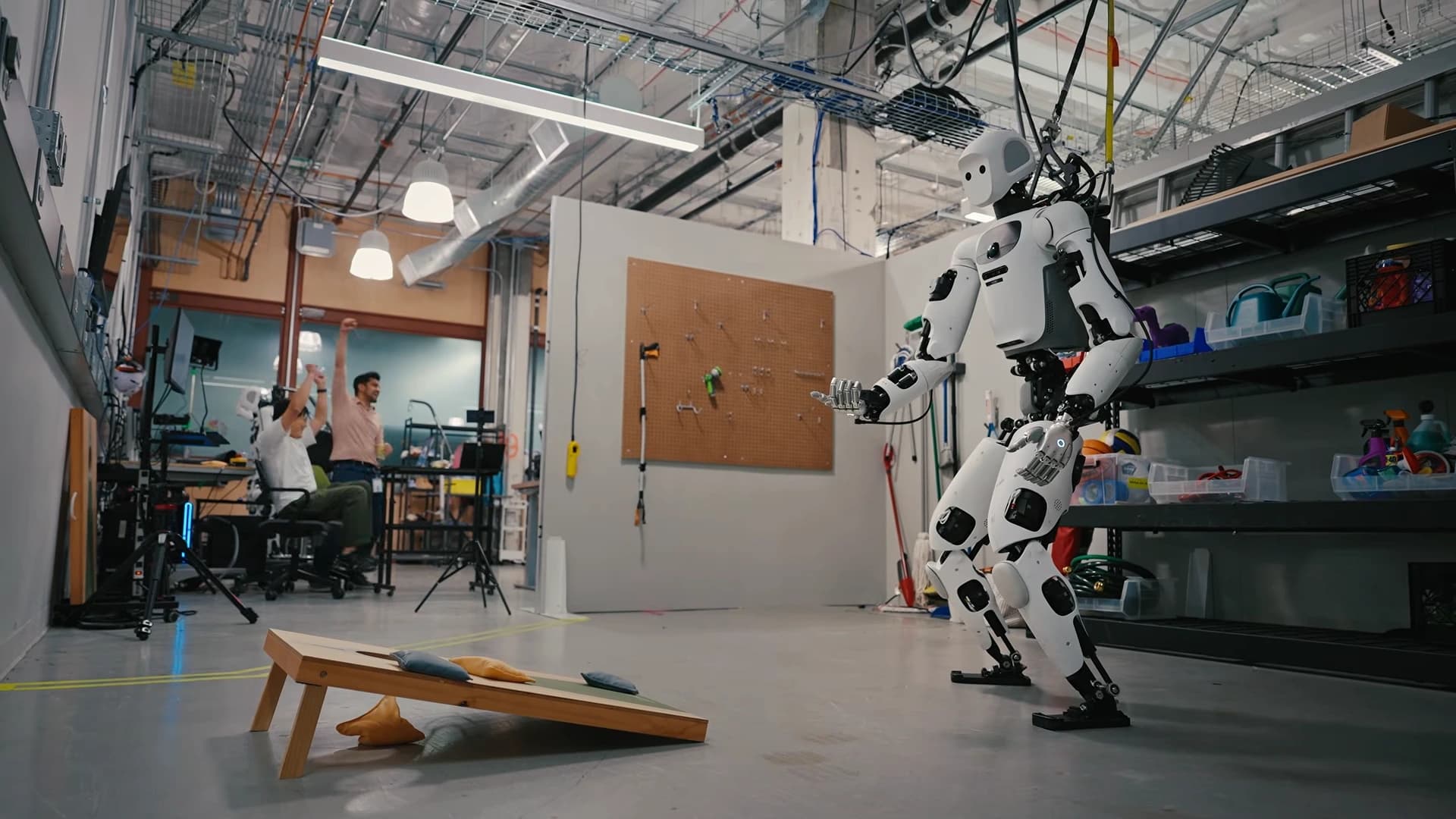
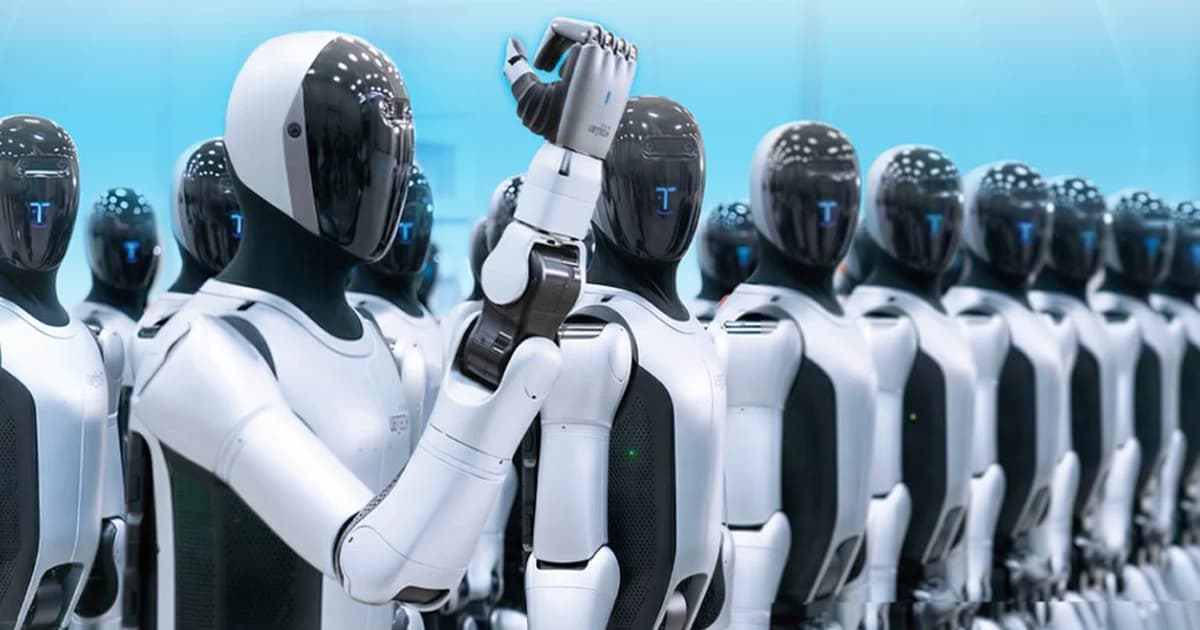
Shenzhen-based UBTECH Robotics has received a Platinum award in the 2025 MUSE Design Awards for its Walker S2 humanoid robot. In a social media post, the company noted that the Walker S2 was the "only humanoid robot" to achieve the Platinum distinction this year, framing the win as a showcase of "China's strength in humanoid robot design."
The MUSE Design Awards operate as a broad, international competition recognizing design across numerous categories, often funded by entry fees. For UBTECH, the award serves as a marketing milestone and, more importantly, a vehicle to spotlight the S2's specific technical advancements aimed at factory floors.
The award submission provides a detailed look at the features UBTECH is prioritizing for industrial adoption. Chief among these is the claim that the Walker S2 is the "world's first humanoid robot that can autonomously swap its own batteries." This capability is central to achieving 24/7, non-stop operation, a critical requirement for integration into demanding manufacturing workflows. The system reportedly includes hot-swappable batteries with physical isolation and a dual-battery backup for mission-critical redundancy.
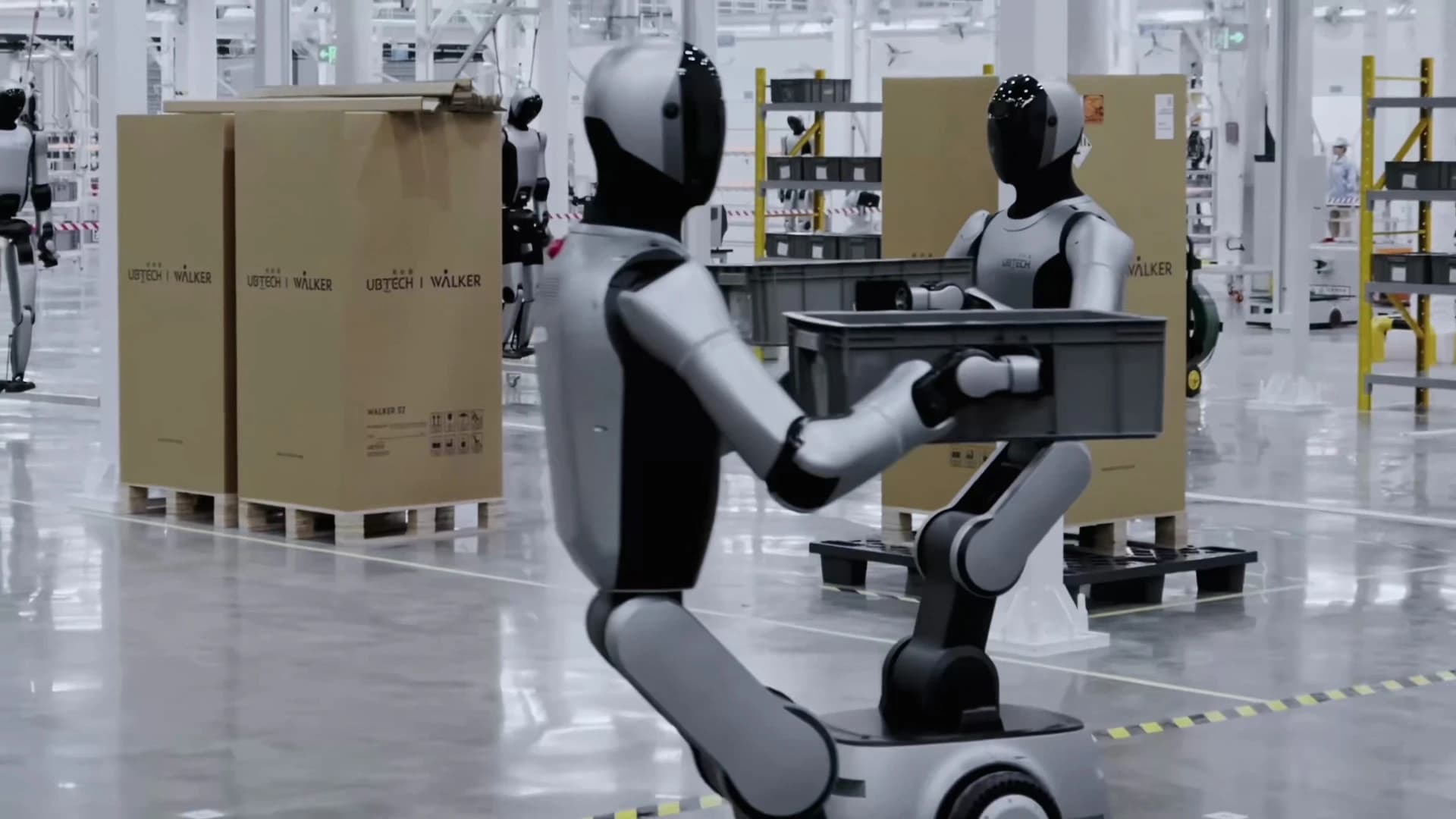
The description also highlights the robot's "Swarm Brain Network 2.0" and a "Co-Agent intelligence system." This builds on the swarm intelligence concepts UBTECH has previously trialed, such as the BrainNet system deployed at Geely's Zeekr 5G smart factory. The goal is to create a "dual-loop AI architecture" where robots can learn tasks independently while also collaborating seamlessly as a fleet.
The weekly humanoid robotics briefing
One email a week: the launches, funding and research that mattered, with context from Humanoids Daily.
Read recent issues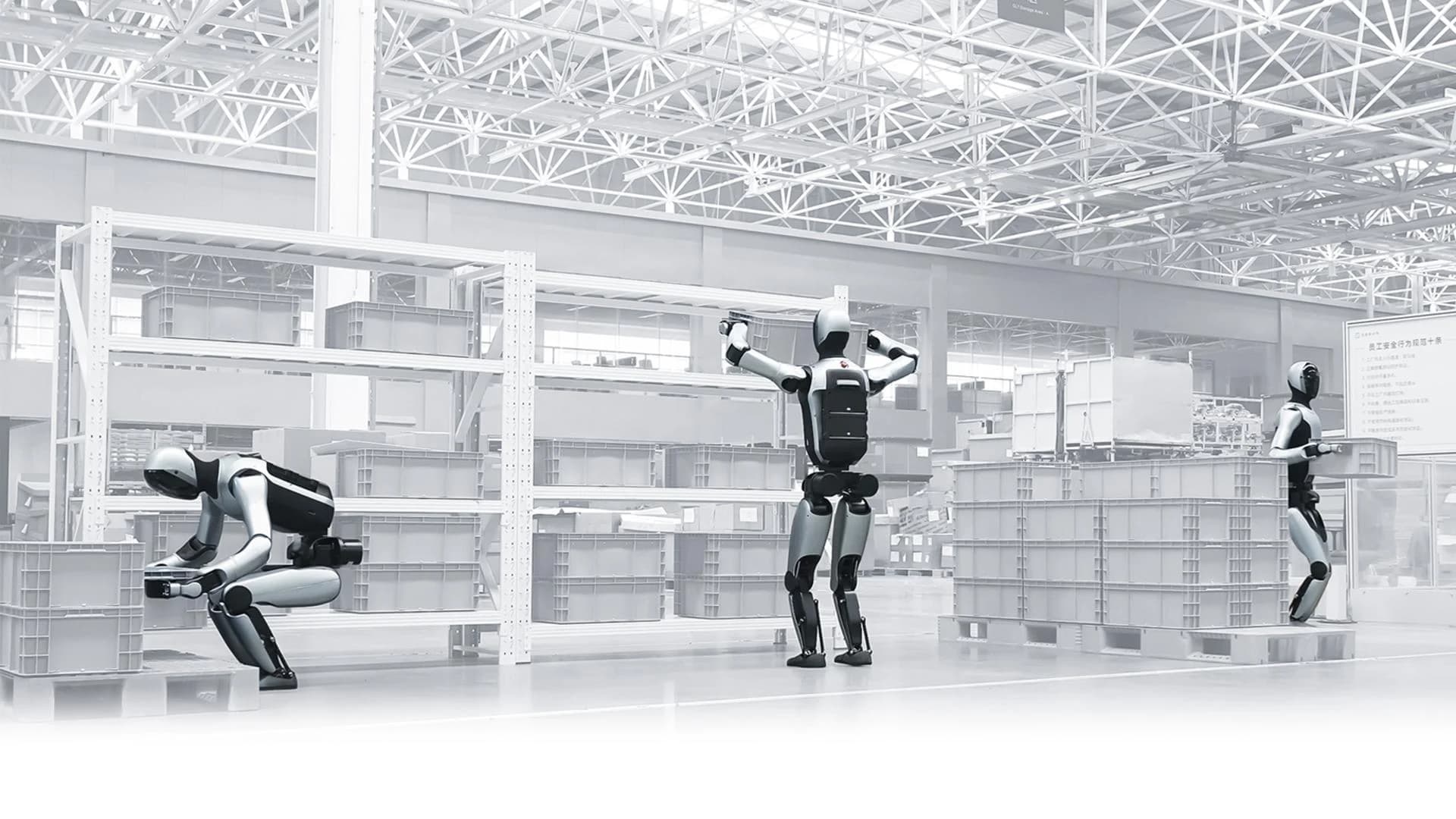
Other notable hardware includes what UBTECH calls "China's first humanoid with a pure RGB binocular vision system in its head," which, combined with AI algorithms, is designed to give the robot a human-like gait and balance for navigating complex, uneven factory environments.
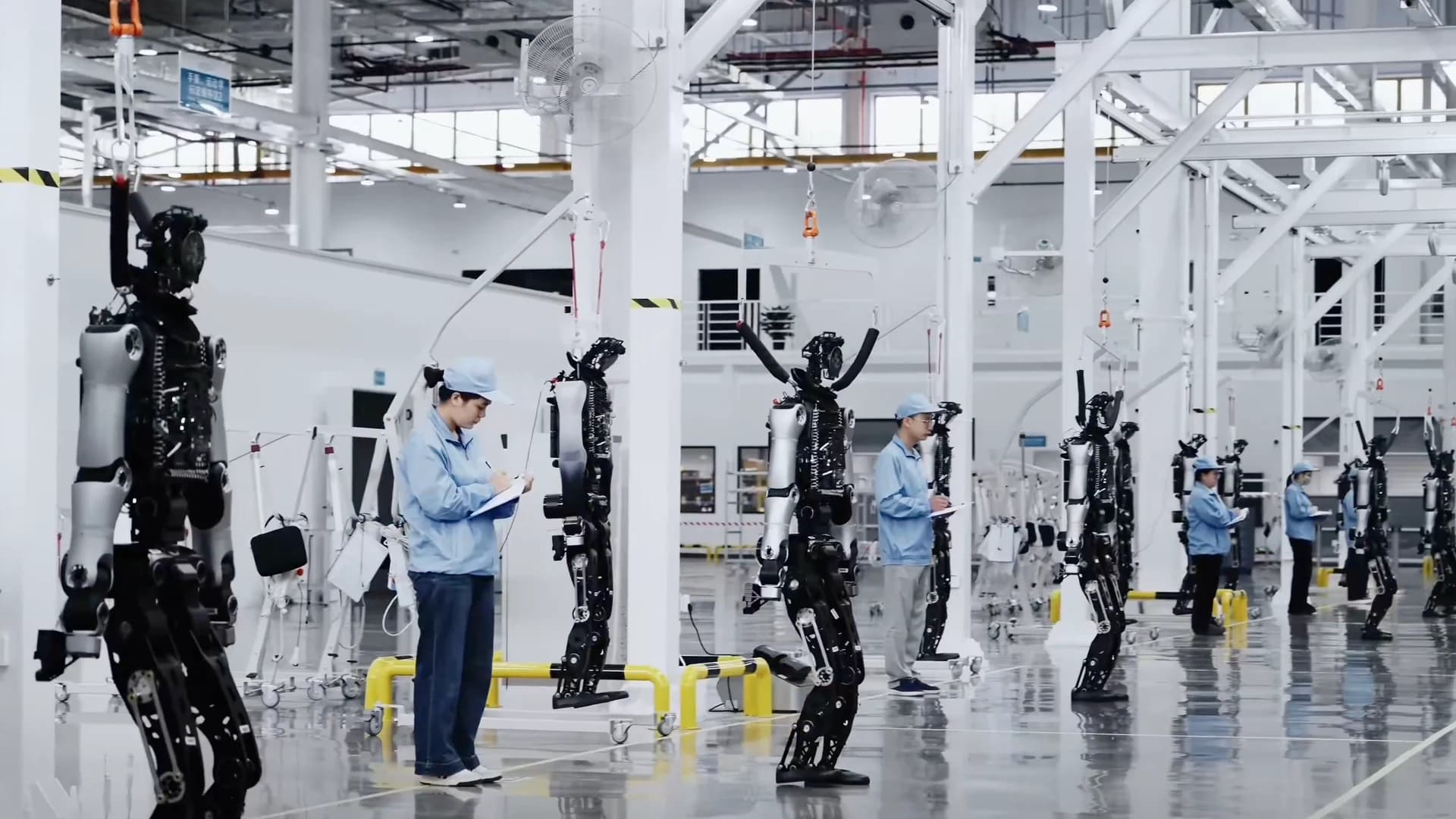
This focus on practical, industrial-grade features like autonomous charging and swarm collaboration aligns directly with UBTECH's aggressive commercial strategy. The company is in the midst of a major push to scale production, targeting 10,000 units annually by 2026, driven by demand from EV makers and manufacturing giants.
While the design award itself is a single data point, the technical specifications emphasized by UBTECH underscore the industry's shift. The focus is moving away from basic mobility demonstrations and toward solving core logistical problems—like how to keep a robot working through a whole day (and night) without human intervention. This effort is further bolstered by UBTECH's strategic partnership with Huawei, which aims to leverage cloud and AI infrastructure to accelerate this move from the lab to the factory floor.
Share this article
Read next
- Published on
- Reading time
- 2 min read
UBTECH and FAW-Volkswagen Expand Humanoid Robot Partnership Into Factory Logistics
- Published on
- Reading time
- 3 min read
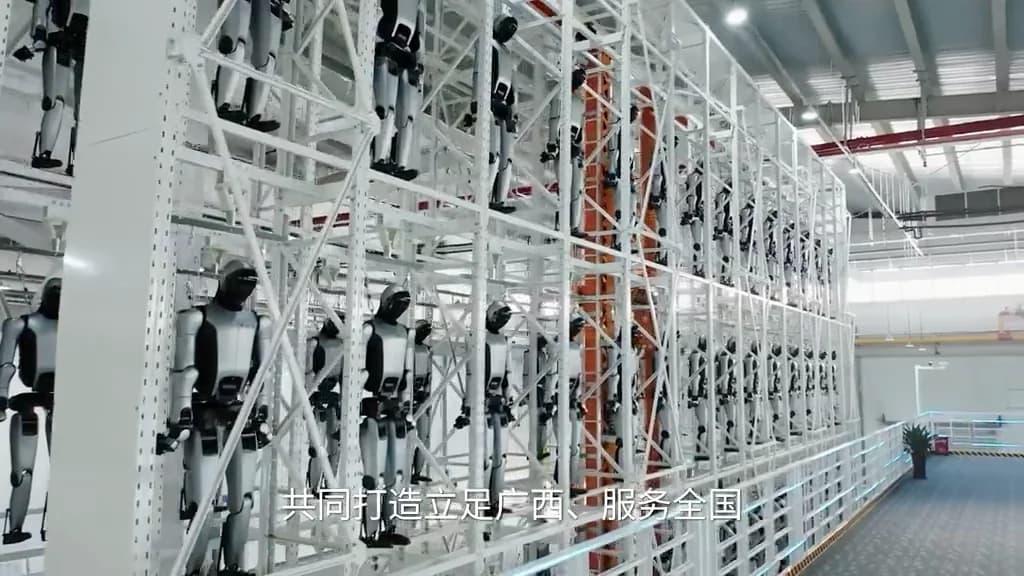
UBTECH CEO Tours Robot Factory, Says Monthly Output Could Reach 1,500 Units
- Published on
- Reading time
- 3 min read
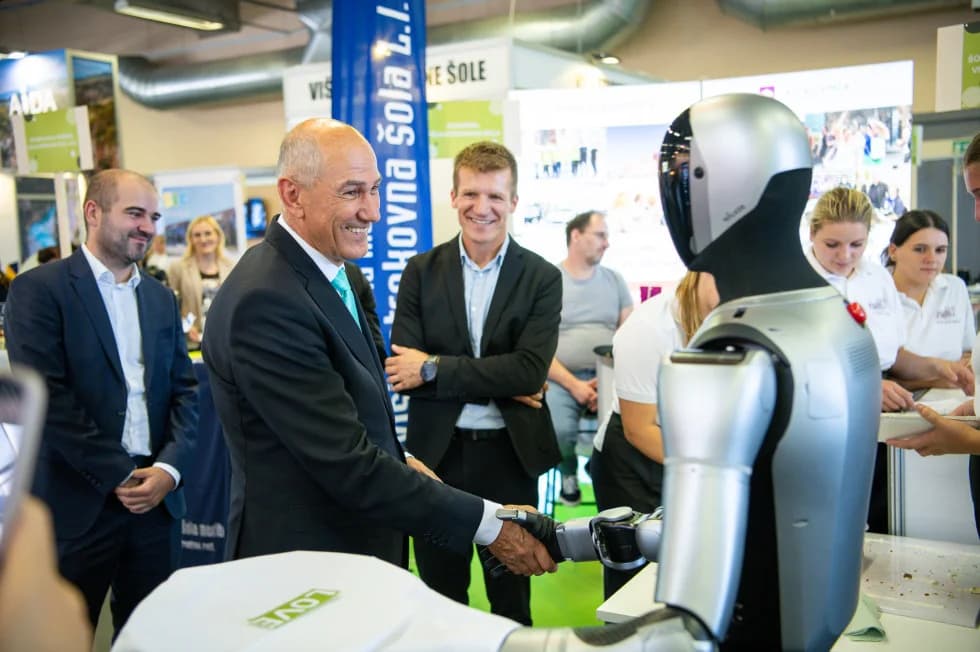
UBTECH Brings Walker C1 to Slovenia in Balkan Expansion Push
- Published on
- Reading time
- 8 min read
Inside UBTECH’s 10,000-Unit Super Factory: How Robots Are Building Humanoids in Liuzhou
- Published on
- Reading time
- 6 min read
UBTECH Reports 104% Revenue Surge in H1 2026 as Full-Size Humanoids Drive Growth
- Published on
- Reading time
- 4 min read
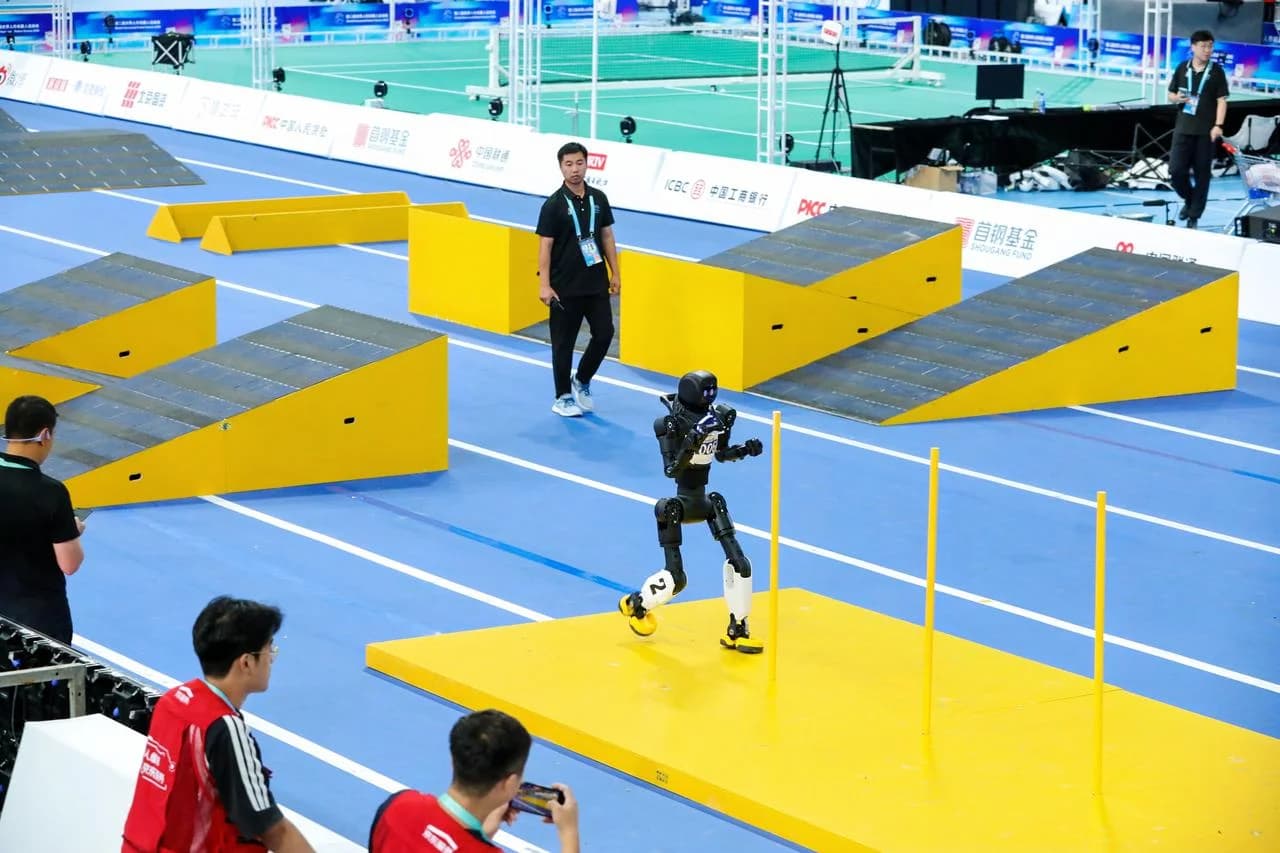
AGIBOT Tops Medal Table at 2nd World Humanoid Robot Games as Beijing Showdown Concludes
The weekly humanoid robotics briefing
One email a week: the launches, funding and research that mattered, with context from Humanoids Daily.
Read recent issues