- Published on
Supply Chain Synergy: UBTECH and Honda Trading to Pilot Humanoid Logistics
One tap, and our reporting appears more often in your Google Top Stories. It makes a real difference to a small newsroom.


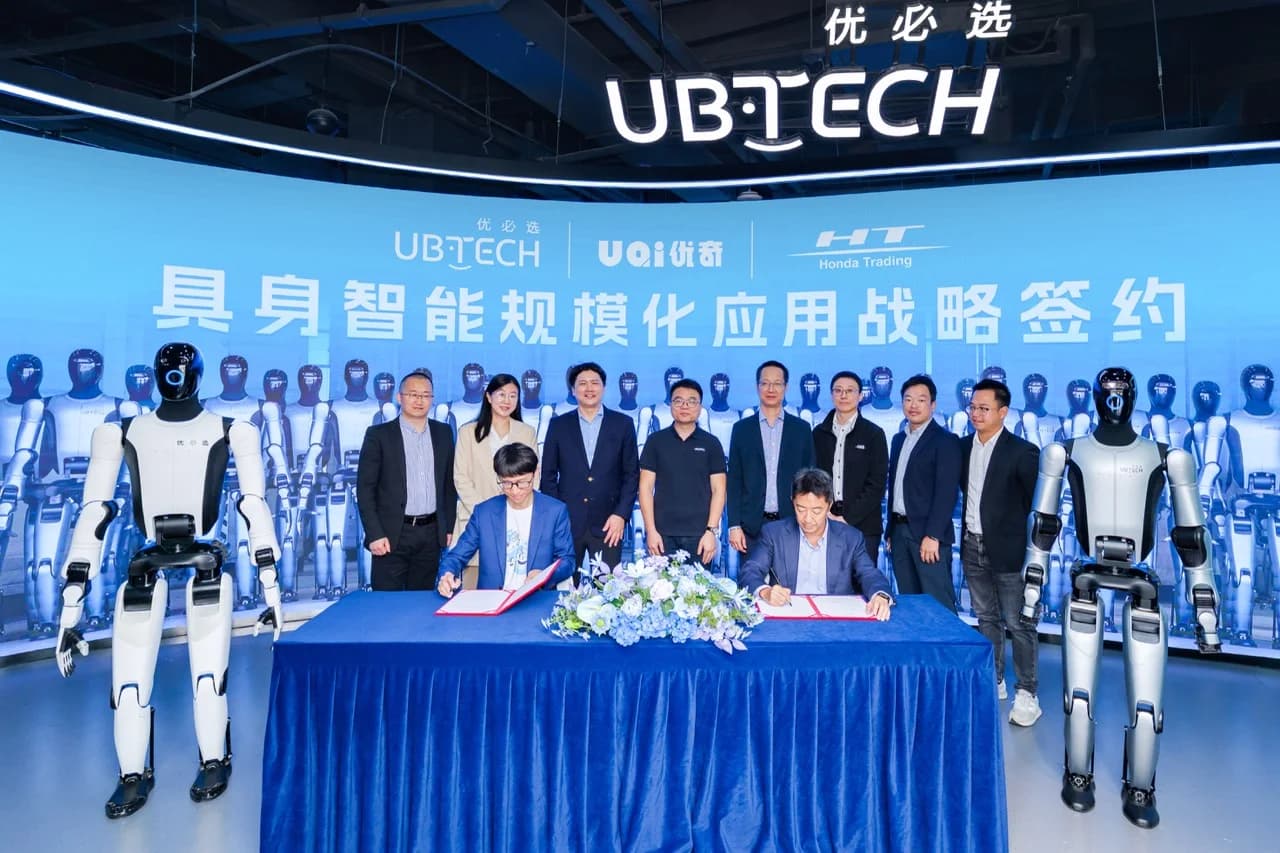
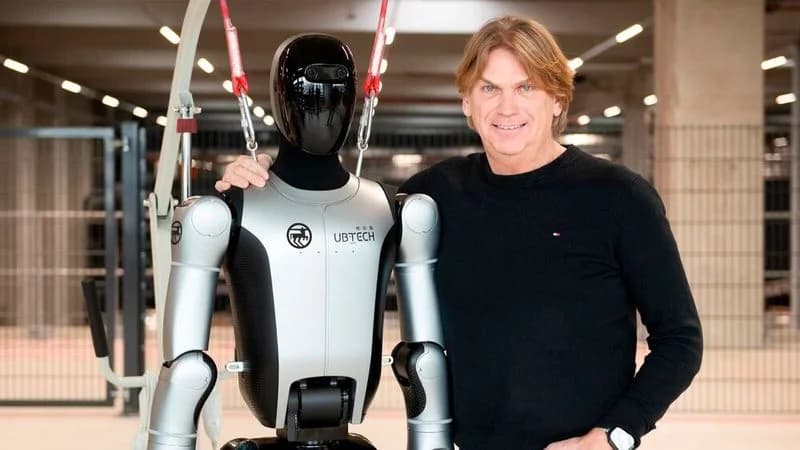
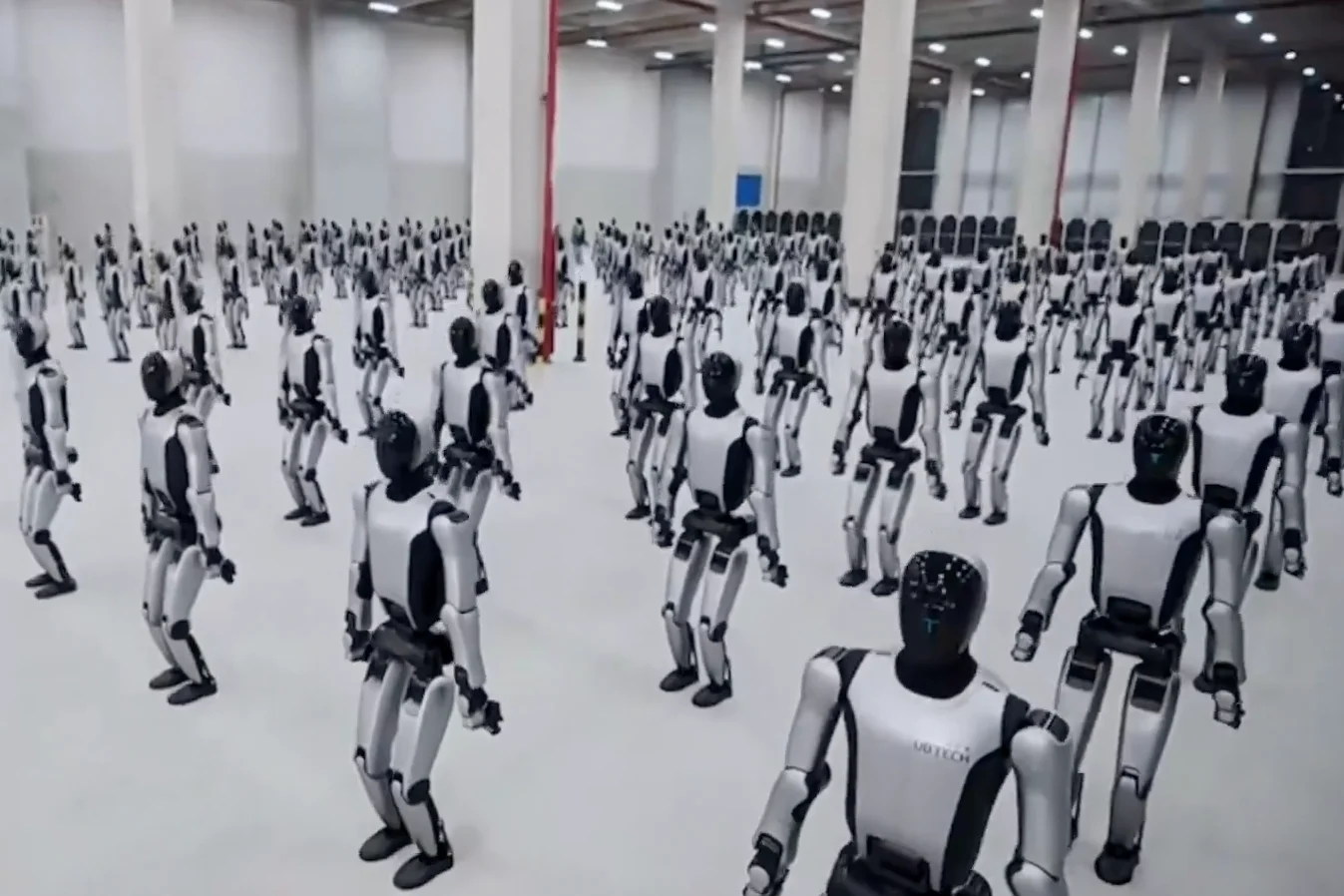
Shenzhen-based UBTECH Robotics is further cementing its footprint in the automotive sector. Through its smart logistics subsidiary, UQI, the company has signed a strategic cooperation agreement with Honda Trading (China) Co., Ltd. to explore the deployment of humanoid robots and autonomous logistics vehicles in industrial manufacturing and warehousing environments.
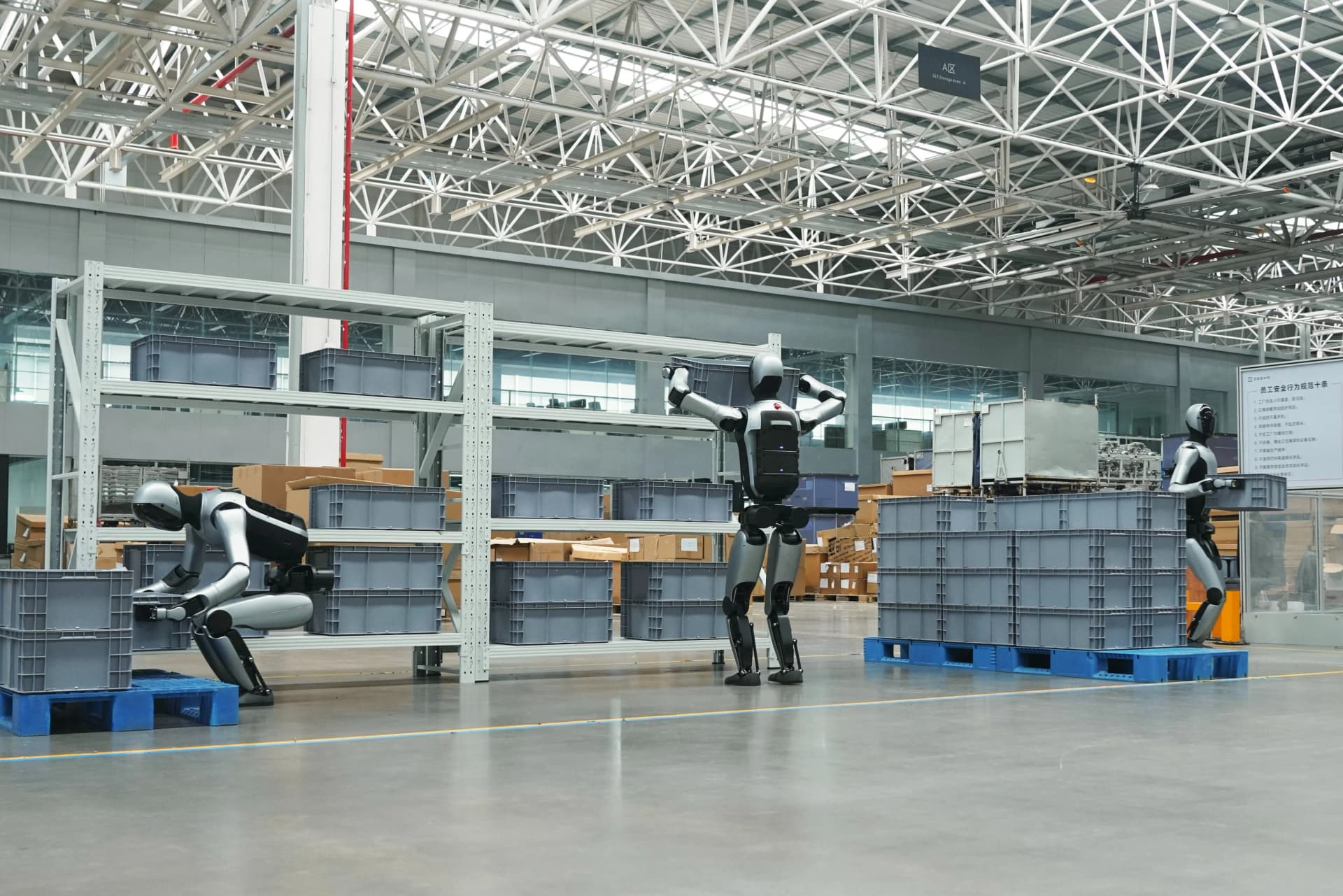
The partnership aims to transition "embodied AI" from controlled laboratory settings into the complex, high-throughput reality of the automotive supply chain. According to the agreement, Honda Trading’s extensive manufacturing network will serve as a testing ground for UBTECH’s Walker-series robots, facilitating pilot programs that focus on application research, scenario validation, and driverless logistics systems.
Leveraging a Global Footprint
The deal represents a significant logistics play for UBTECH. Honda Trading (China) is the regional headquarters for the Honda Trading Group, a wholly-owned subsidiary of Honda Motor that operates 56 branches across 19 countries. By integrating with a partner that manages the global trade of materials, components, and equipment, UBTECH gains access to a diverse array of real-world industrial use cases.
This collaboration follows a string of industrial validations for UBTECH, which has already deployed its hardware at firms like BYD, Foxconn, and Geely. More recently, the company expanded into the high-precision semiconductor vertical through a strategic partnership with Texas Instruments, where its robots are being "debugged" for clean-room operations.
The weekly humanoid robotics briefing
One email a week: the launches, funding and research that mattered, with context from Humanoids Daily.
Read recent issuesScaling the "Humanoid Flip"
The partnership comes as UBTECH reports a historic shift in its business model. In its 2025 fiscal results, the company achieved what analysts are calling a "humanoid flip," where full-size robots became its primary source of income for the first time.
- Humanoid Revenue: Generated RMB 820.6 million (approx. $113 million), accounting for 41.1% of total revenue.
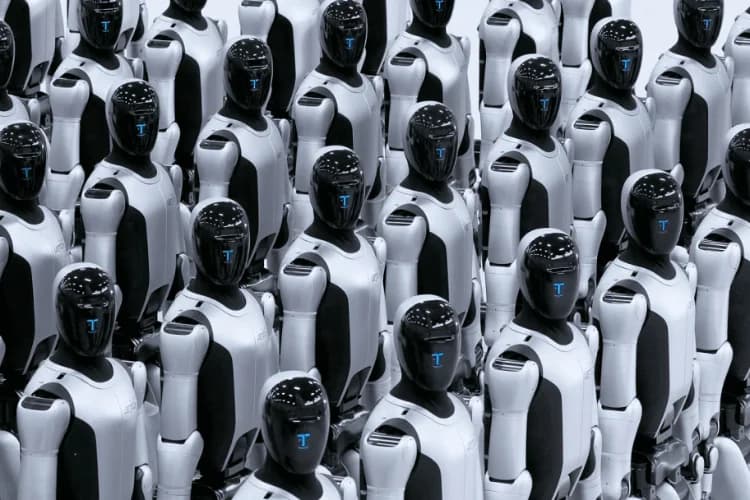
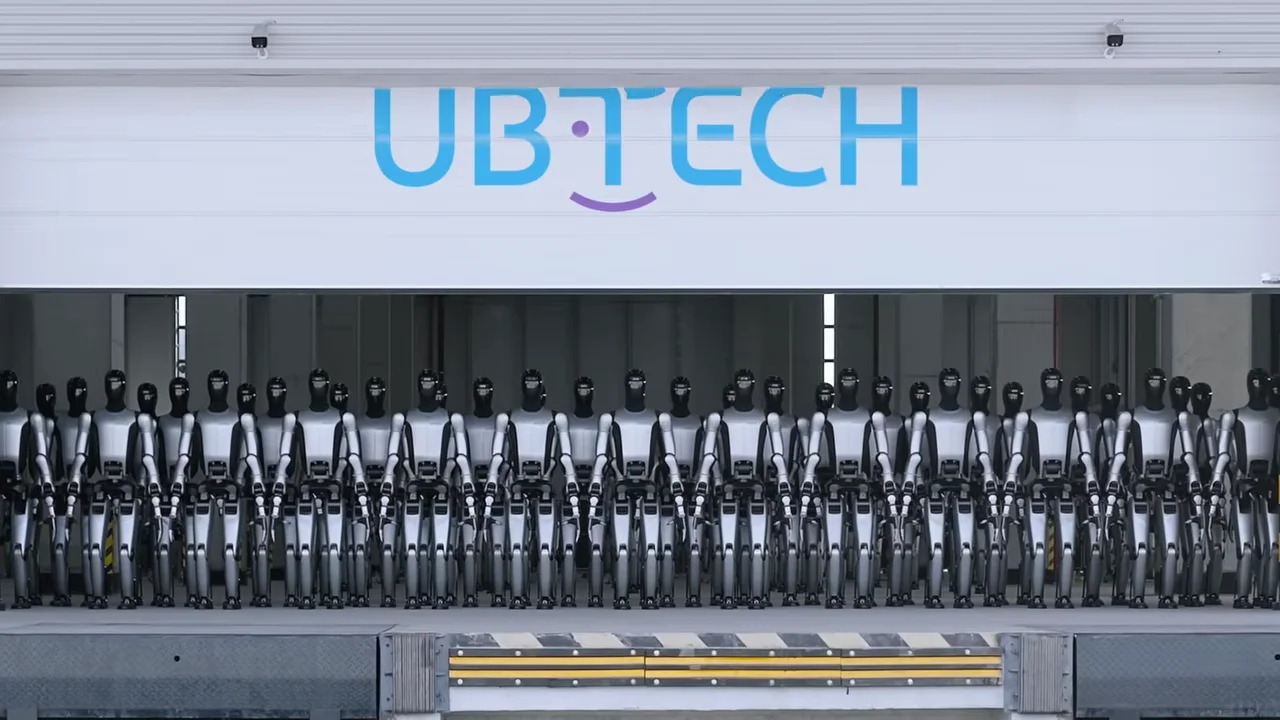
- Shipment Volume: The company sold 1,079 humanoid units in 2025, a massive leap from the dozens sold in previous years.
- Industrial Concentration: Over 80% of these units were deployed in industrial settings, including aerospace and consumer electronics.
To maintain this momentum, UBTECH is aggressively hunting for top-tier software talent to bridge the "utility gap." The company recently announced a recruitment drive for a Chief Scientist of Embodied Intelligence, offering a compensation package worth up to $18 million to lead research into Vision-Language-Action (VLA) systems.
Solving the Utility Gap
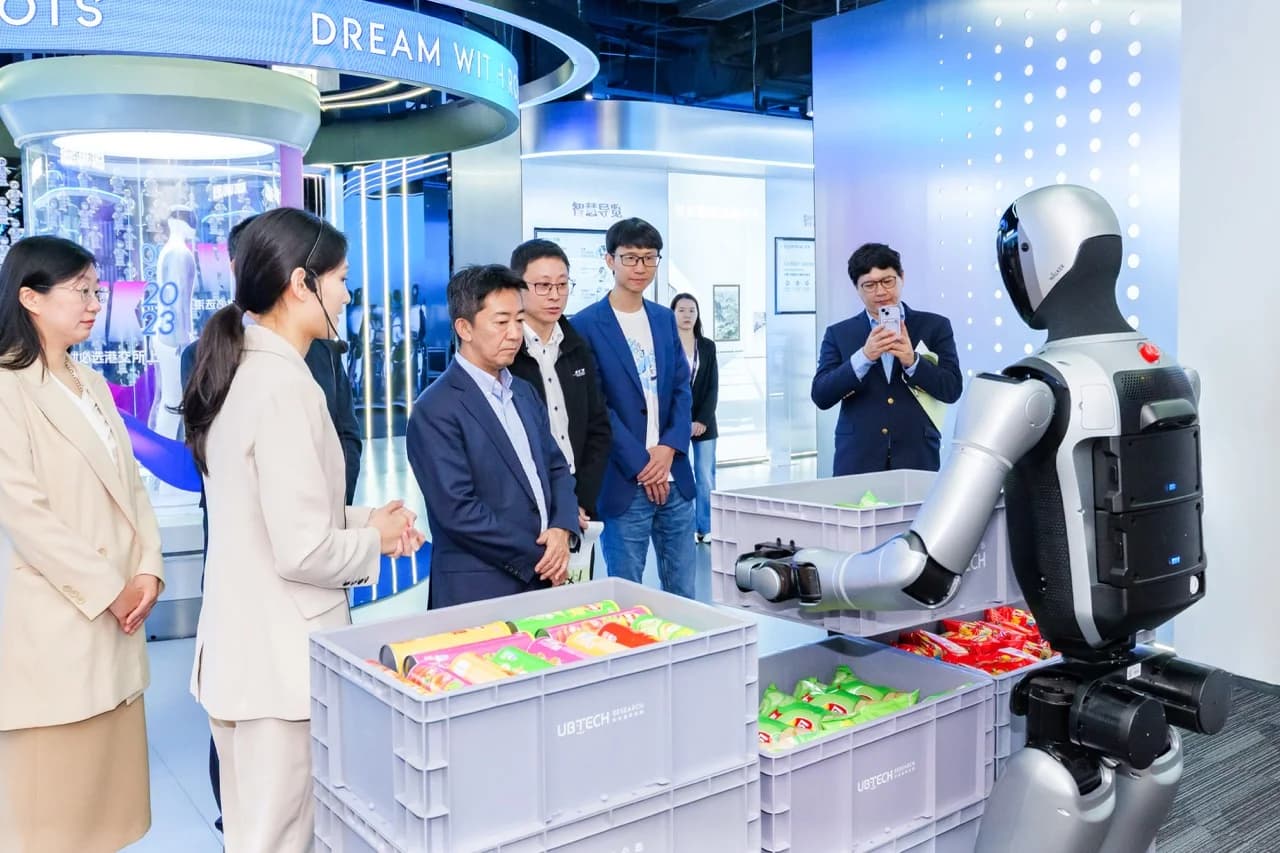
For Honda Trading, part of the appeal likely lies in the Walker S2’s ability to operate in 24/7 environments. The model is marketed as one of few humanoid currently featuring an autonomous battery-swapping system, allowing it to replace its own power source and return to work without human intervention.
UBTECH expects that data gathered from the Honda Trading pilots will feed back into its Thinker and Thinker-WM foundation models. This "data flywheel" is essential for refining the robots' ability to handle tasks like sorting, quality inspection, and material handling in "multi-agent" environments where humanoids must coordinate with smaller autonomous mobile robots (AMRs).
While UBTECH continues to report net losses—RMB 789.8 million in 2025—the company is betting on scale to reach profitability. With a target of reducing unit costs to under $20,000 by 2030, securing high-volume partners like Honda is a critical step in proving that humanoid workers are a viable, cost-effective alternative to traditional automation.
Share this article
Read next
- Published on
- Reading time
- 4 min read
Rossmann Commences European Pilot of UBTECH Walker S2 Humanoid in Logistics
- Published on
- Reading time
- 4 min read
The $18 Million Brain: UBTECH Launches Aggressive Hunt for Embodied AI Chief
- Published on
- Reading time
- 4 min read
UBTECH’s 2025 Financials: Humanoids Leap to Center Stage as Losses Narrow
- Published on
- Reading time
- 5 min read
UBTECH Targets 10-Fold Output Jump to 5,000 Humanoids in 2026
- Published on
- Reading time
- 2 min read
UBTECH Claims "World's First" Mass Delivery of Humanoids as "Robot Army" Deploys
- Published on
- Reading time
- 2 min read
UBTECH Signals Walker S2 Mass Delivery with ''Robot Army'' Video
The weekly humanoid robotics briefing
One email a week: the launches, funding and research that mattered, with context from Humanoids Daily.
Read recent issues