- Published on
From Pixels to Torque: Figure Unveils Helix 02 and the Era of Whole-Body Autonomy
One tap, and our reporting appears more often in your Google Top Stories. It makes a real difference to a small newsroom.


Your guide
Rich Robinson
Jee Chee Ren · Executive tour
See China’s AI and robotics ecosystem first-hand.
Six days exploring AI, robotics and advanced manufacturing.
With Rich Robinson, Clinical Professor of Entrepreneurship at Peking University
Beijing · Guangzhou · Shenzhen
29 November–4 December 2026
Referral partnership · We earn a commission on referred bookings.
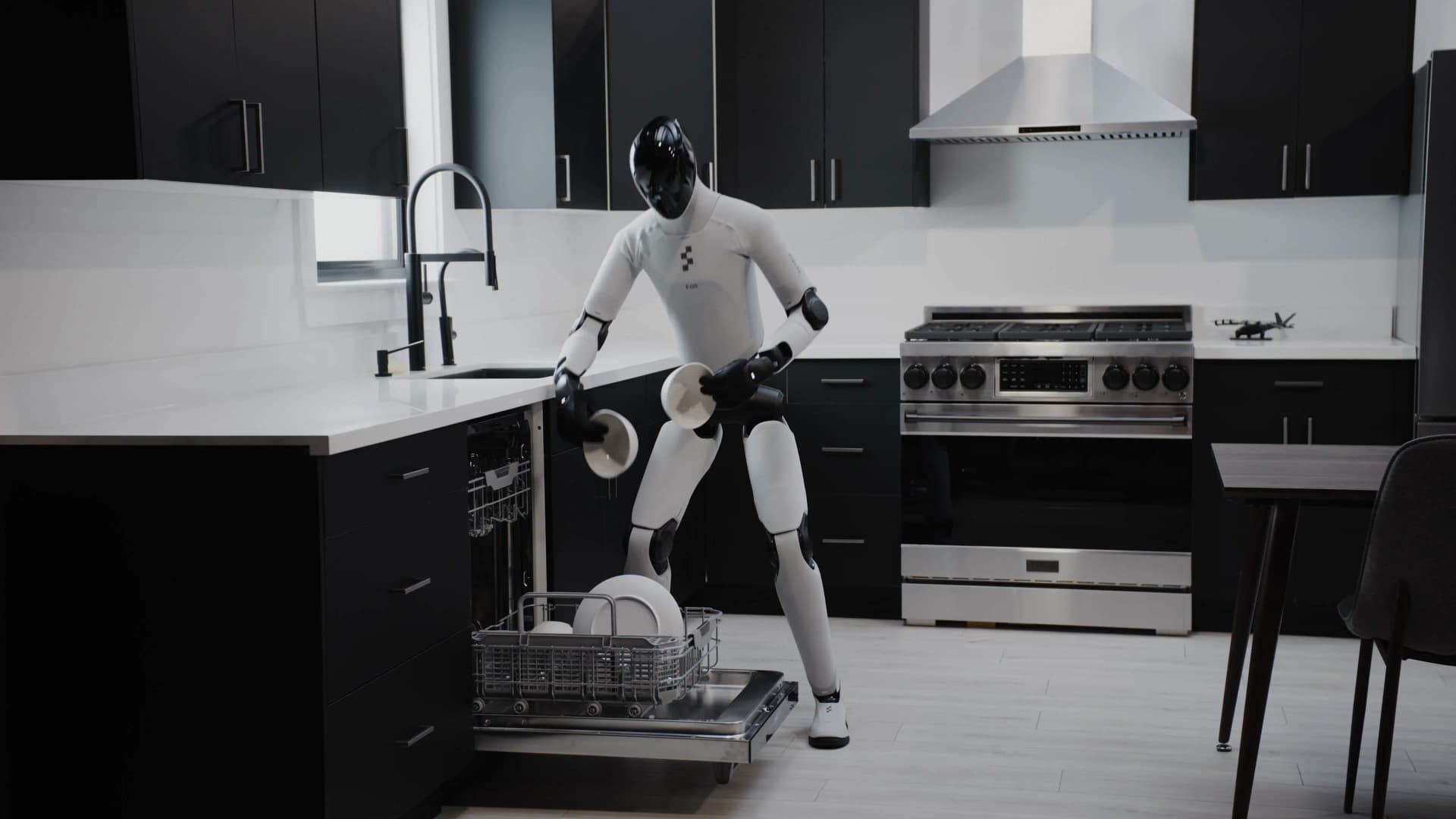
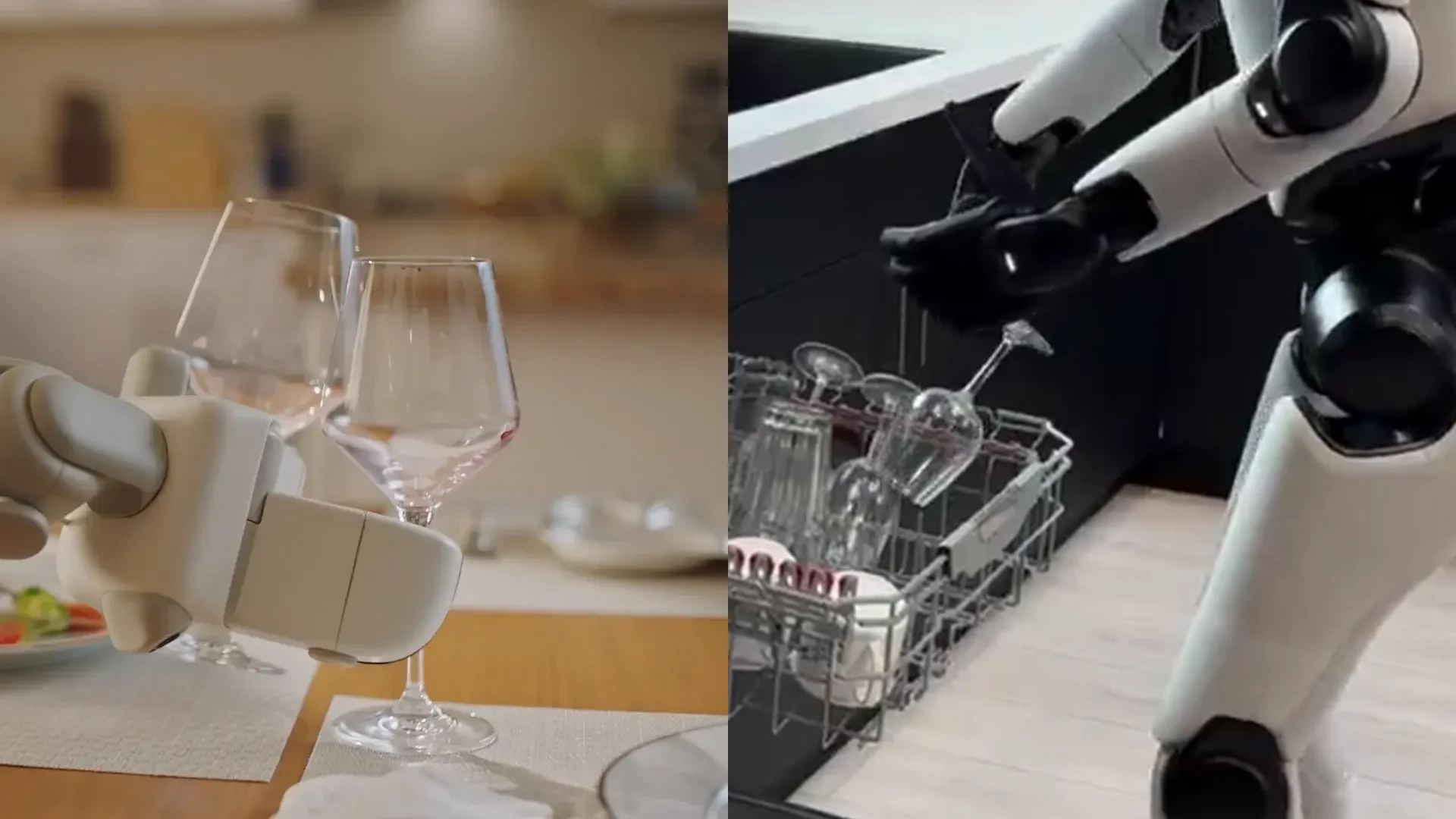
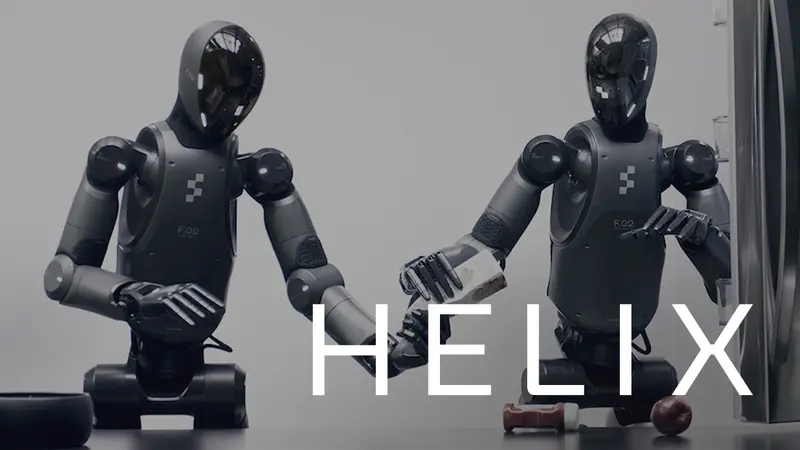
In a significant update to its software stack, Figure has officially introduced Helix 02, the next generation of its proprietary AI system. While the original Helix model demonstrated the ability to control a humanoid’s upper body via neural networks, Helix 02 represents a transition to full-body autonomy. The announcement was accompanied by a nearly four-minute, unedited video of a Figure 03 robot autonomously unloading and loading a dishwasher—a task involving 61 distinct actions with no human intervention or teleoperation.
The Three-Layer Brain: System 0, 1, and 2
The core of Helix 02 is a hierarchical architecture that Figure describes as a "System 0, 1, 2" approach. This structure is designed to handle different timescales of robotic behavior, from high-level reasoning to millisecond-level balance.
- System 2 (S2): The semantic reasoning layer. It processes natural language and visual scenes to set high-level goals, such as "Walk to the dishwasher and open it".
- System 1 (S1): A "pixels-to-whole-body" visuomotor policy. Operating at 200 Hz, it translates vision and tactile data directly into joint targets for the entire robot.
- System 0 (S0): A new foundation layer for physical embodiment. Operating at 1 kHz, this neural network handles balance, contact, and coordination.
Notably, Figure claims S0 was trained on over 1,000 hours of human motion data and replaces approximately 109,504 lines of hand-engineered C++ code with a single neural prior. This shift toward "Software 2.0" aims to produce more fluid, human-like motion compared to the rigid, rule-based controllers of the past.
Solving "Loco-Manipulation"
The primary technical breakthrough cited by Figure is the achievement of loco-manipulation—the ability to move and manipulate objects as a single, continuous system. Historically, bipedal robots have relied on a "stop-and-go" workflow: walking to a location, stabilizing, and then performing a task.
Follow humanoid robotics without following every announcement.
Get the week’s most important launches, funding and research—and why they matter—in one email from Humanoids Daily.
Once a week. Unsubscribe anytime.
Read recent issuesHelix 02 allows the robot to maintain balance while carrying delicate objects and adjust its reach dynamically while stepping. The dishwasher demonstration highlights the robot’s ability to use its entire frame as a tool, such as closing drawers with its hip or lifting the dishwasher door with its foot when its hands are occupied.
Sensing the Frontier: Palm Cameras and Tactile Feedback
While the hardware specs for Figure 03 were detailed last year, Helix 02 is the first software model to fully integrate the robot’s advanced sensor suite into its neural policies.
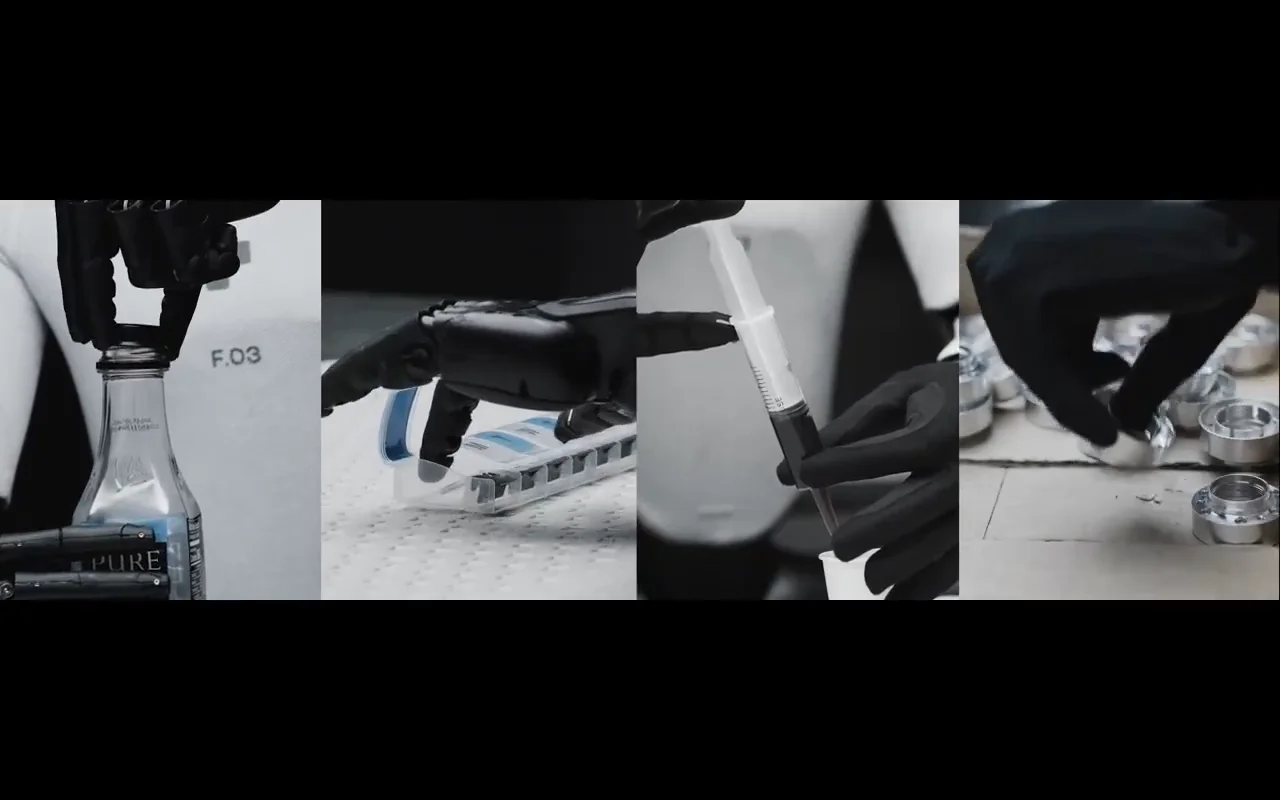
- Tactile Intelligence: New fingertip sensors can detect forces as light as three grams (roughly the weight of a paperclip), enabling the robot to perform delicate tasks like extracting a single pill from a box or dispensing precise volumes from a syringe.
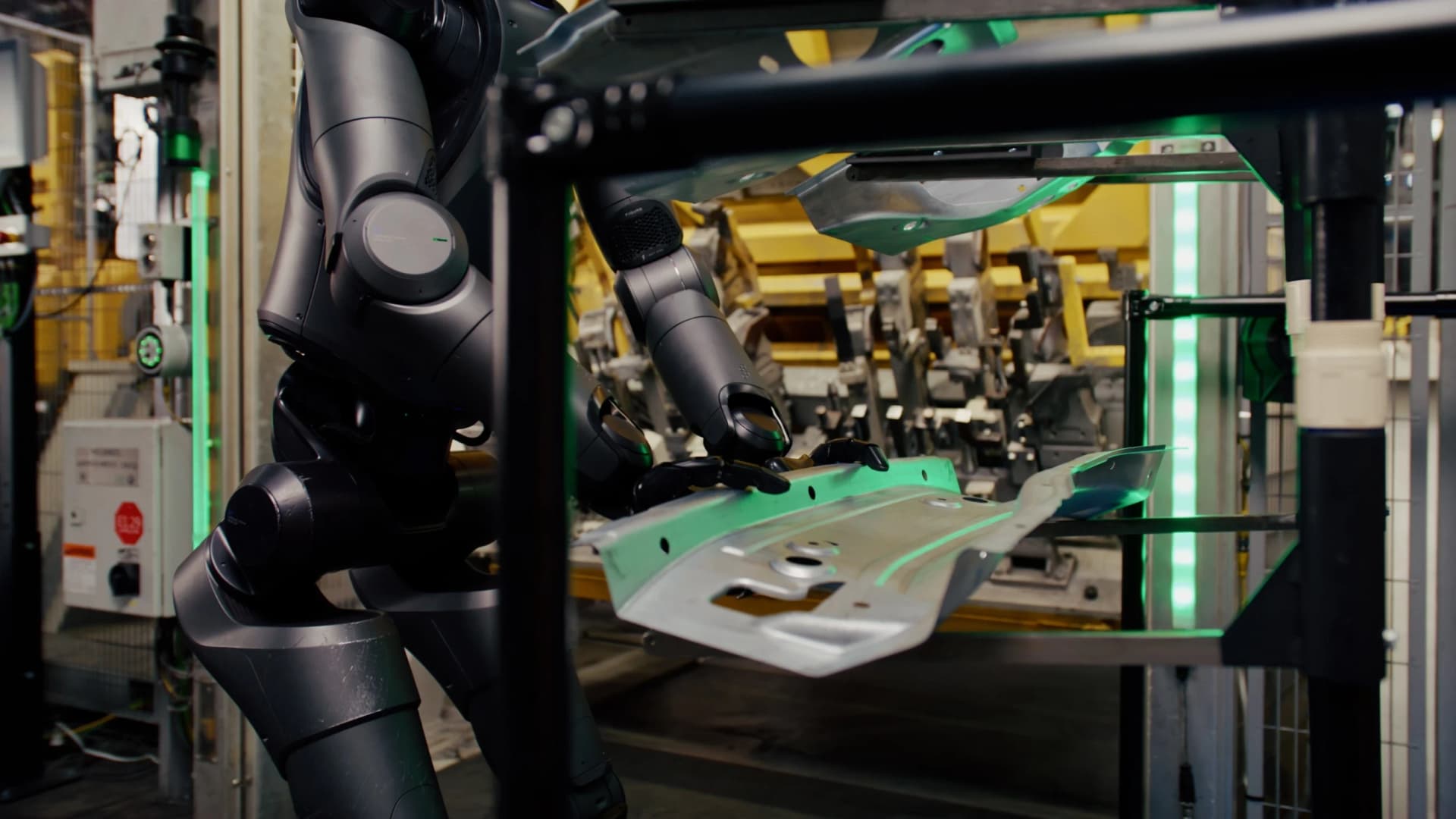
- In-Hand Vision: Palm-mounted cameras provide visual feedback during tasks where the head-mounted cameras are occluded, such as reaching into a cluttered bin of metal parts at Figure's "BotQ" manufacturing facility.
Analyzing the Aggressive Timeline
This software update aligns with CEO Brett Adcock’s bold predictions for 2026, which claimed that humanoid robots will begin performing unsupervised, multi-day tasks in homes they have never seen before. By demonstrating long-horizon autonomy—tasks involving dozens of continuous actions over several minutes—Figure is attempting to distance itself from competitors like 1X, which Adcock has frequently criticized for its reliance on human-in-the-loop teleoperation.
However, the demonstration has already drawn scrutiny from industry peers regarding its real-world robustness. Sunday Robotics CEO Tony Zhao recently commented on the reveal, praising the robot's impressive whole-body control while raising questions about the objects used in the footage. "Nitpick from a roboticist: it looks like all objects this time are plastic, and some of the manipulations seem to rely on that," Zhao noted, asking what had changed since Figure's previous loading demonstrations.
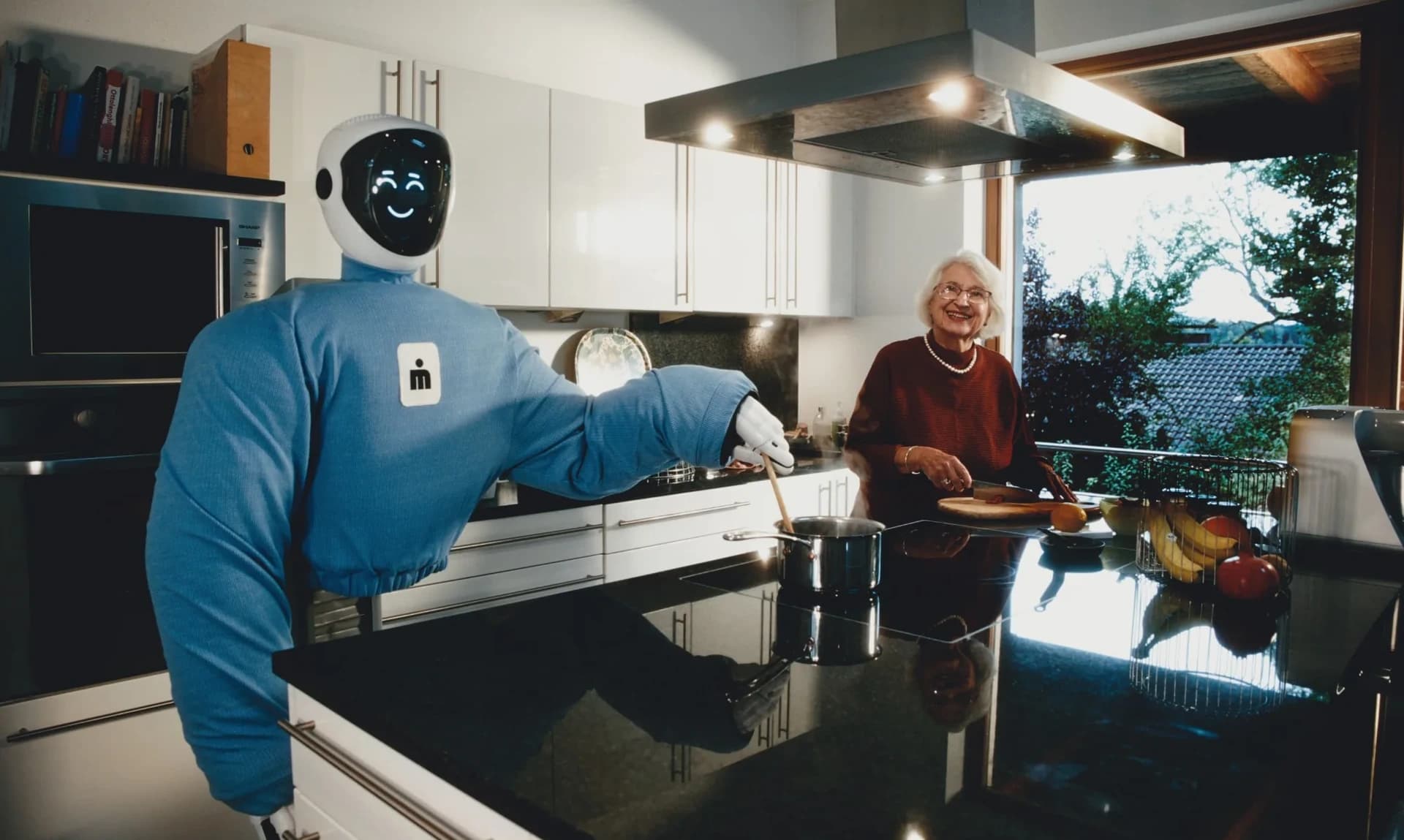
This critique highlights a persistent challenge in domestic robotics: the gap between manipulating durable, uniform plasticware and the "messy reality" of a real kitchen, which includes heavy ceramics and fragile glassware. While Figure's "pixels-to-torque" approach aims for general-purpose intelligence, critics like Zhao—whose own wheeled robot, Memo, utilizes a custom dual-gripper for high-fidelity dexterity—suggest that specialized manipulation of diverse materials remains a critical hurdle. Ultimately, the real test for Helix 02 will be its performance in "unseen" homes, where the robot must navigate unpredictable layouts and handle fragile household goods without a human pilot.
Share this article
Follow humanoid robotics without following every announcement.
Get the week’s most important launches, funding and research—and why they matter—in one email from Humanoids Daily.
Once a week. Unsubscribe anytime.
Read recent issuesRead next
- Published on
- Reading time
- 5 min read
BMW Reflections: Why the Spartanburg Pilot Succeeded and Why Figure 02 Had to Die
- Published on
- Reading time
- 4 min read
The End of C++: Brett Adcock on Helix 02 and Figure’s Path to "Room-Scale" Autonomy
- Published on
- Reading time
- 3 min read
The Dishwasher Wars: Figure Fires Back at Sunday Robotics with Glassware Demo
- Published on
- Reading time
- 4 min read
Figure's 'Most Boring Video' is a 60-Minute Statement on Humanoid Endurance
- Published on
- Reading time
- 4 min read
Figure AI Reorganizes to Boost Humanoid Learning with 'Helix' AI Model
- Published on
- Reading time
- 2 min read
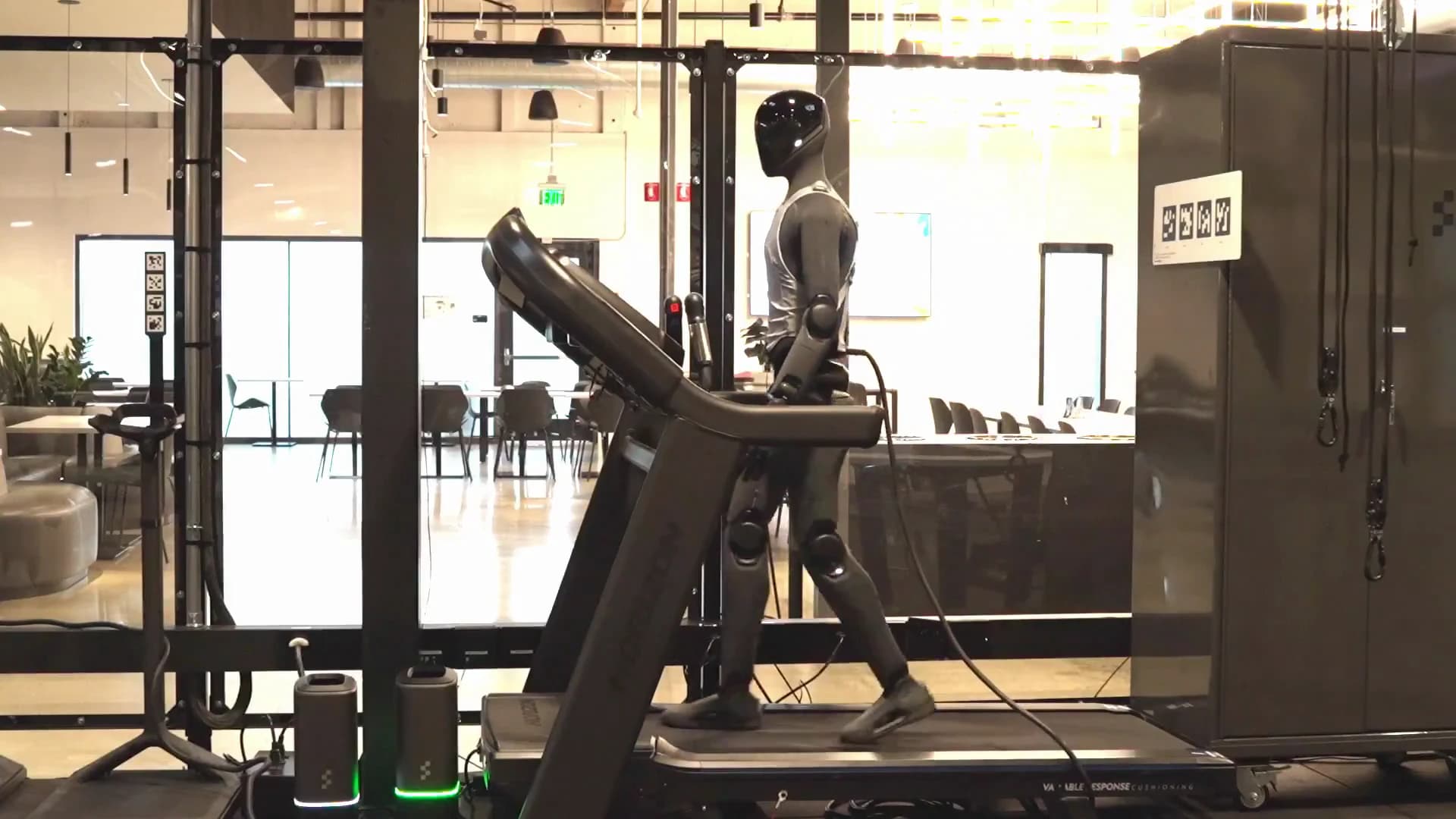
Figure’s Humanoid Has Walked 348 Miles on a Treadmill—and It’s Still Going