- Published on
The "One LG" Play: How the Korean Giant is Engineering a Humanoid Supply Chain
One tap, and our reporting appears more often in your Google Top Stories. It makes a real difference to a small newsroom.



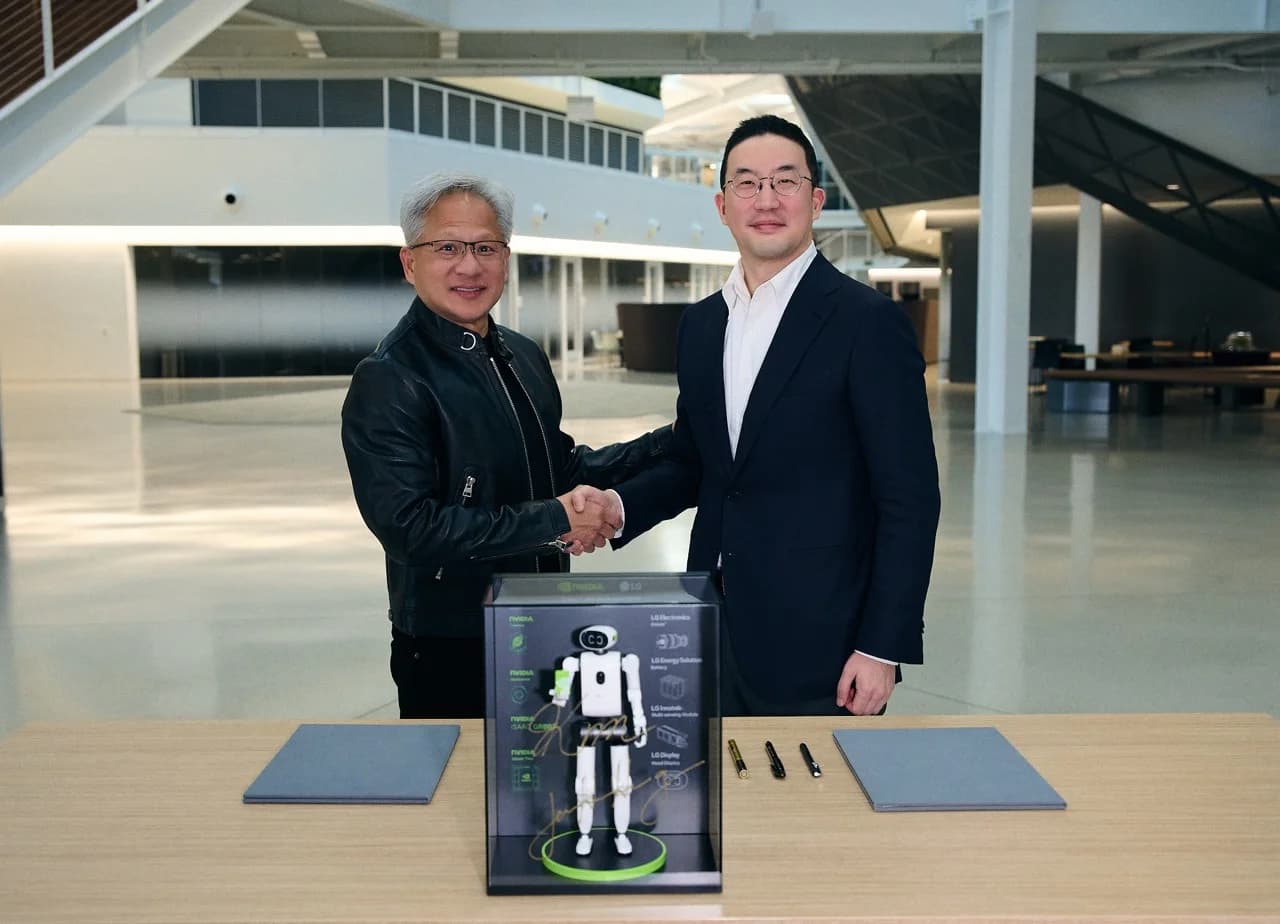
LG Group is quietly deploying a familiar playbook to capture the burgeoning humanoid robotics market. In a strategy mirroring its "One LG" approach used in automotive components and AI data centers, the conglomerate is coordinating its various affiliates to offer integrated "subsystem packages" rather than isolated parts, as reported by the Korea Herald.
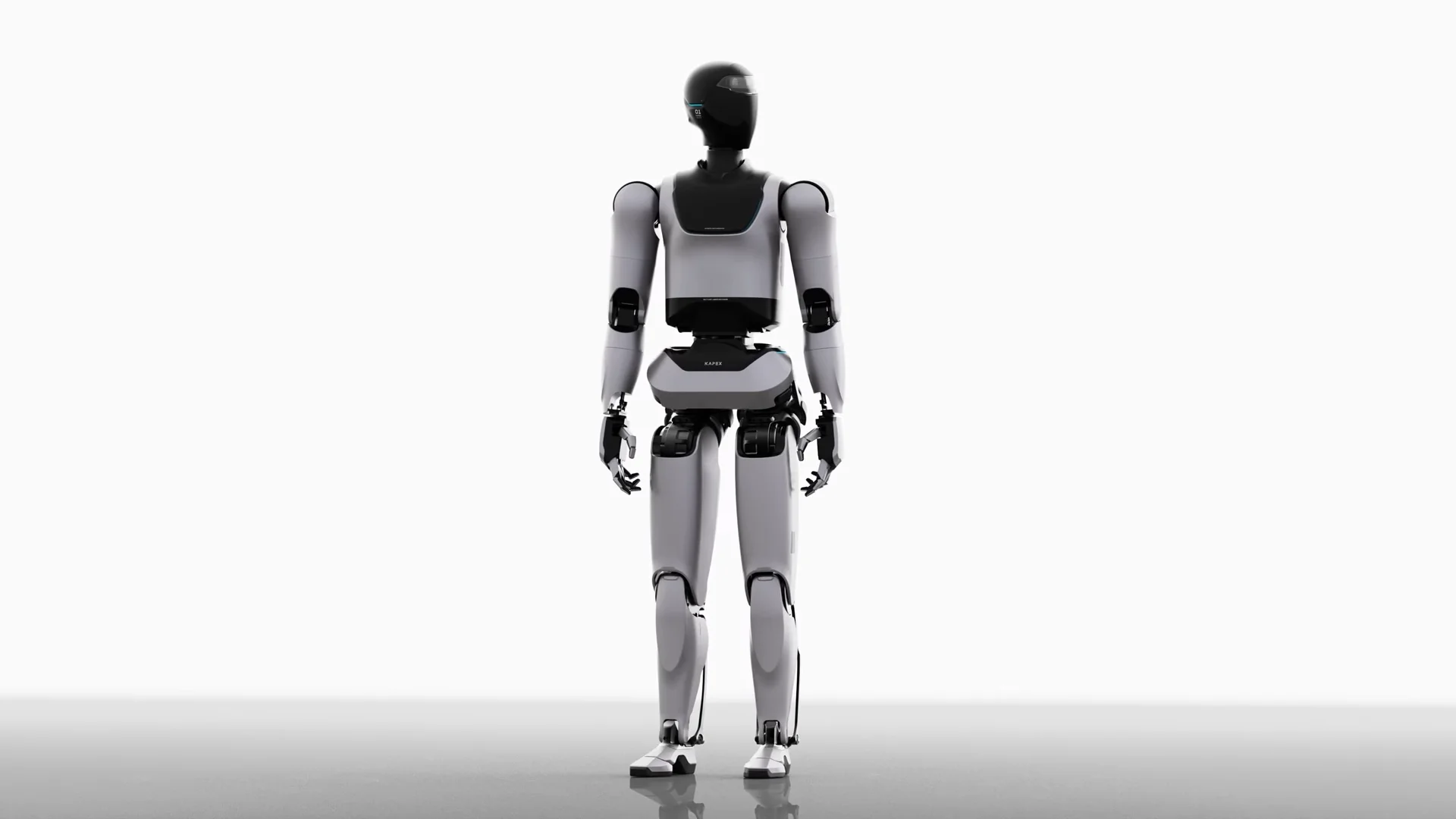
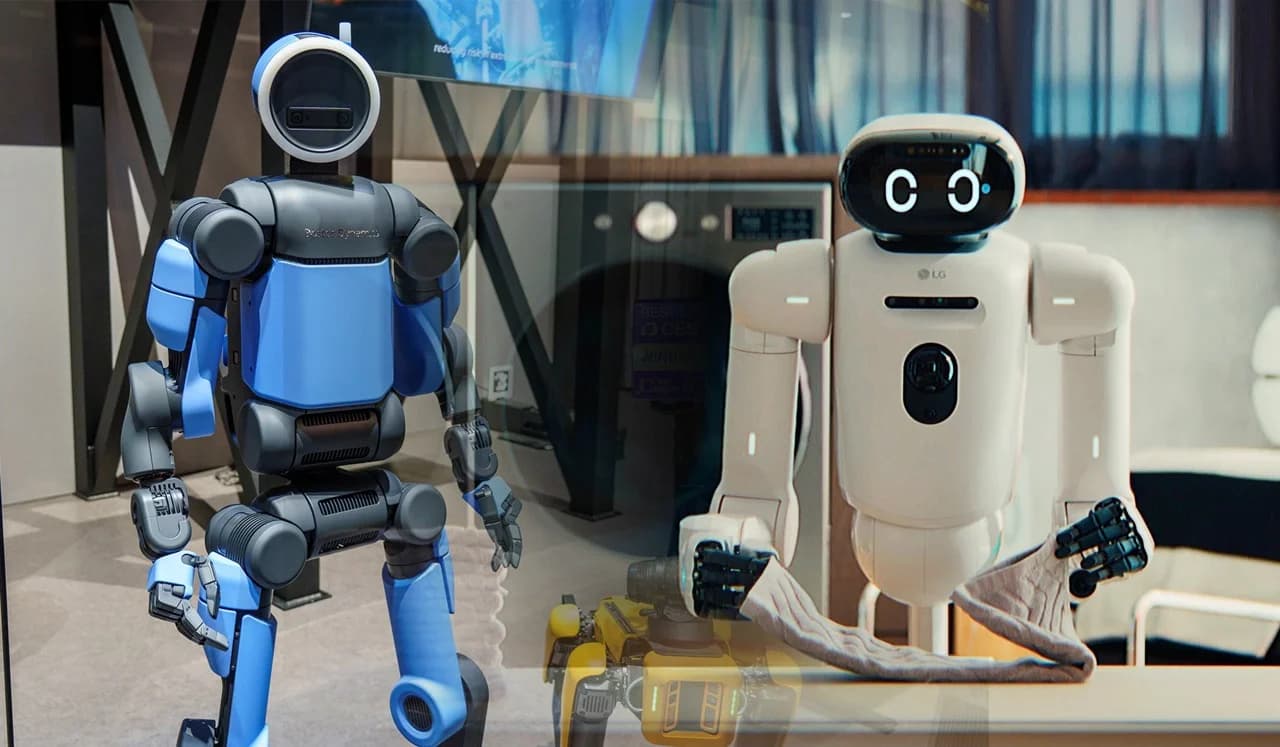
The move signals a shift for LG, moving from projects like the KAPEX humanoid platform or the AI home robot CLOiD toward becoming a foundational supplier for the entire industry. By aligning its expertise in actuators, batteries, and sensing modules, LG aims to solve the high-cost barrier of humanoid production, where hardware components currently account for the vast majority of build expenses.

The Bill of Materials Battle
The economic logic behind LG’s push is grounded in the reality of robot manufacturing: actuators—the motors and gears that enable movement—typically represent 40% to 60% of a humanoid's total cost.
LG Electronics is leading this charge with its Axium actuator line. CEO Lyu Jae-cheol recently confirmed that the company expects to reach mass-production capacity for Axium by the end of 2026. LG is leveraging its massive home appliance infrastructure, which already produces 45 million motors annually, to achieve the economies of scale that smaller robotics startups lack.
The weekly humanoid robotics briefing
One email a week: the launches, funding and research that mattered, with context from Humanoids Daily.
Read recent issuesThis hardware foundation is a critical pillar of South Korea’s broader national "One-Team" push to dominate the "Physical AI" sector by the end of the decade.
Next-Gen Power: Anode-Free Solid-State Cells
While actuators provide the muscle, LG Energy Solution is focused on the endurance problem. At the InterBattery 2026 exhibition in Seoul, the company unveiled sulfide-based all-solid-state battery cells designed specifically for humanoids.
Unlike standard electric vehicle batteries, these "anode-free" solid-state cells prioritize energy density per unit of volume. This is essential for machines that must pack power into a human-shaped torso alongside complex compute stacks and cooling systems. LG is pursuing a dual-track timeline:
- 2029: Solid-state cells for EVs.
- 2030: Anode-free cells optimized for the high-burst output required for robotic tasks like catching balance or lifting heavy loads.
The company is reportedly in discussions with at least six global robotics firms, further cementing its role as a cross-industry vendor.
Sensing, Vision, and the "Brain"
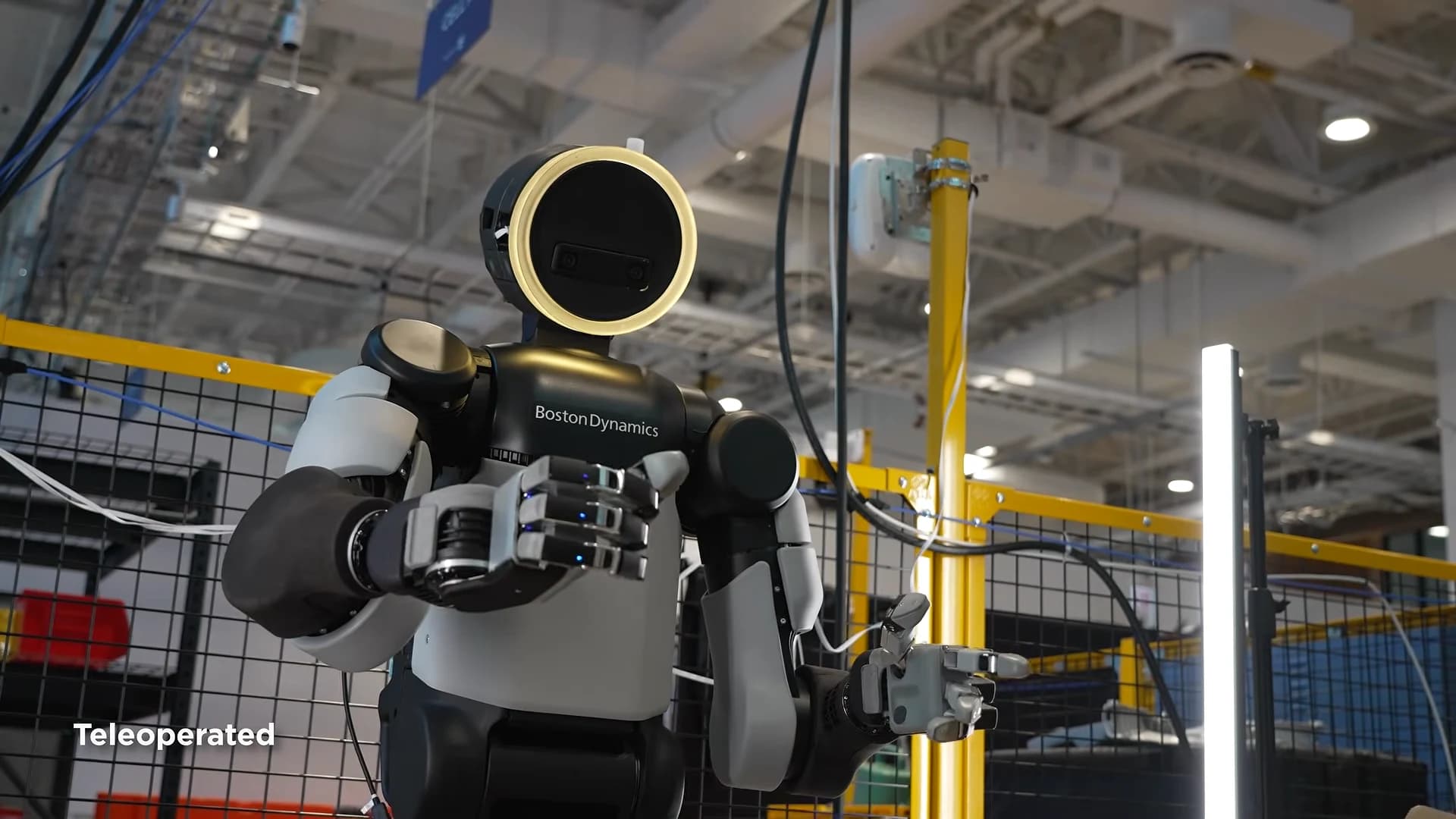
LG Innotek has already established a foothold in the high-end humanoid market through its collaboration with Boston Dynamics. The affiliate is producing composite sensing modules that integrate cameras, lidar, and radar into a single unit. CEO Moon Hyuk-soo anticipates that large-scale production for these modules—serving clients like Boston Dynamics and Figure—will hit full stride between 2027 and 2028.
On the cognitive side, LG AI Research is developing Exaone 4.5. This vision-language model serves as the "cerebrum" for robots, enabling them to understand complex environments. It is currently being integrated into the KAPEX robot, a joint project between LG and the Korea Institute of Science and Technology (KIST).
Integration as a Competitive Edge
Even the robot’s "face" is an LG project. LG Display has demonstrated 7-inch flexible OLED panels for humanoid interfaces, repurposing the same curved plastic OLED technology used in luxury automotive dashboards.
By bundling these disparate technologies, LG offers a "one-stop-shop" for humanoid manufacturers. This strategy has already proven lucrative in other sectors:
- November 2025: LG hosted Mercedes-Benz for an integrated automotive component presentation.
- August 2025: LG affiliates won a 100 billion won ($66.3 million) data center project in Jakarta by packaging cooling, power, and facility management.
Reality Check: The Long Game
Despite the synergy, significant hurdles remain. LG Electronics has yet to ship its actuators to external customers, and LG Innotek executives admit that "meaningful" robotics revenue is still three to four years away.
Furthermore, LG's component strategy must coexist with its participation in government-led initiatives like the M.AX Alliance and the K-Humanoid Alliance. While these alliances encourage cooperation, the race to provide the "standard" parts for the next generation of industrial humanoids remains a fierce internal and external competition. For now, LG is betting that being the world’s biggest "parts bin" is the most certain path to victory in the humanoid revolution.
Share this article
Read next
- Published on
- Reading time
- 3 min read
South Korea Challenges US and China with 'KAPEX' Humanoid Robot
- Published on
- Reading time
- 5 min read
LG to Unveil Next-Gen Humanoid Built on NVIDIA Isaac GR00T in Early 2027
- Published on
- Reading time
- 5 min read
KIST Chief Says Korea Can Join the US and China as a Humanoid Power
- Published on
- Reading time
- 4 min read
South Korea Doubles Down on "Physical AI" with New Hyundai Innovation Hub and National Humanoid Council
- Published on
- Reading time
- 4 min read
South Korea’s M.AX Alliance Taps Seoul National University to Build AI Models for Humanoids
- Published on
- Reading time
- 4 min read
Boston Dynamics Gives Atlas Four-Finger Hands Built for Tools and AI Training
The weekly humanoid robotics briefing
One email a week: the launches, funding and research that mattered, with context from Humanoids Daily.
Read recent issues