- Published on
The "Synthetic Human" Roadmap: Clone Robotics Eyes Silicon Valley and $20,000 Price Points
One tap, and our reporting appears more often in your Google Top Stories. It makes a real difference to a small newsroom.

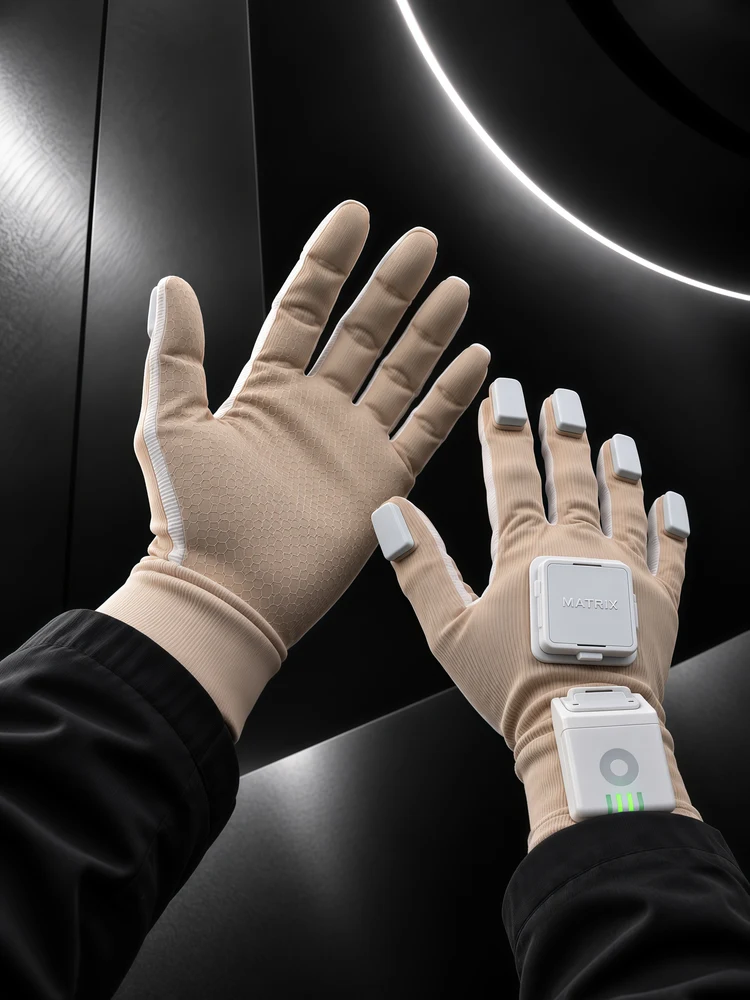
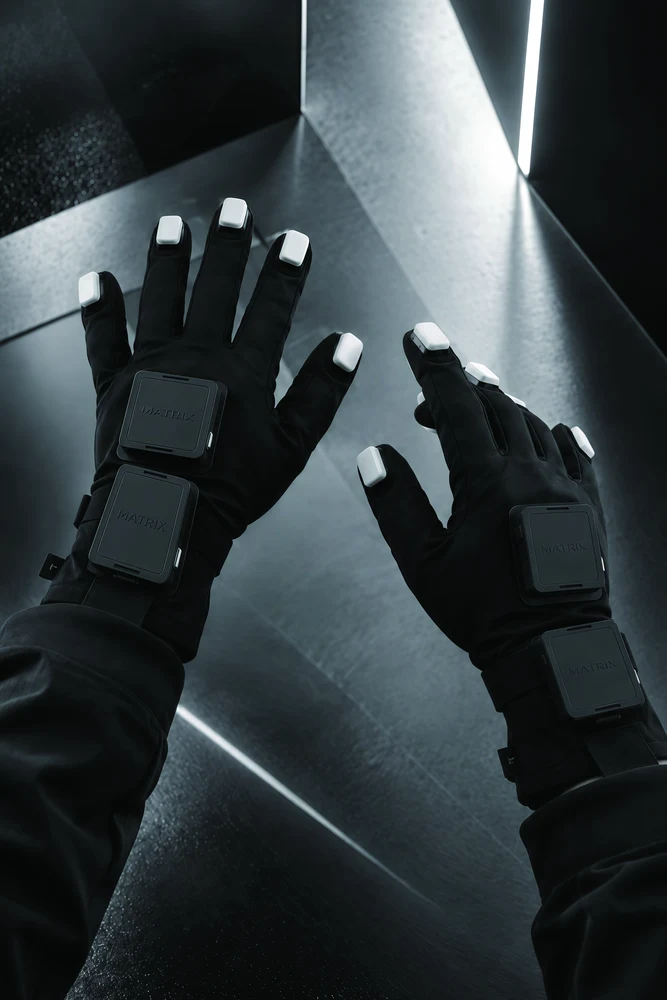

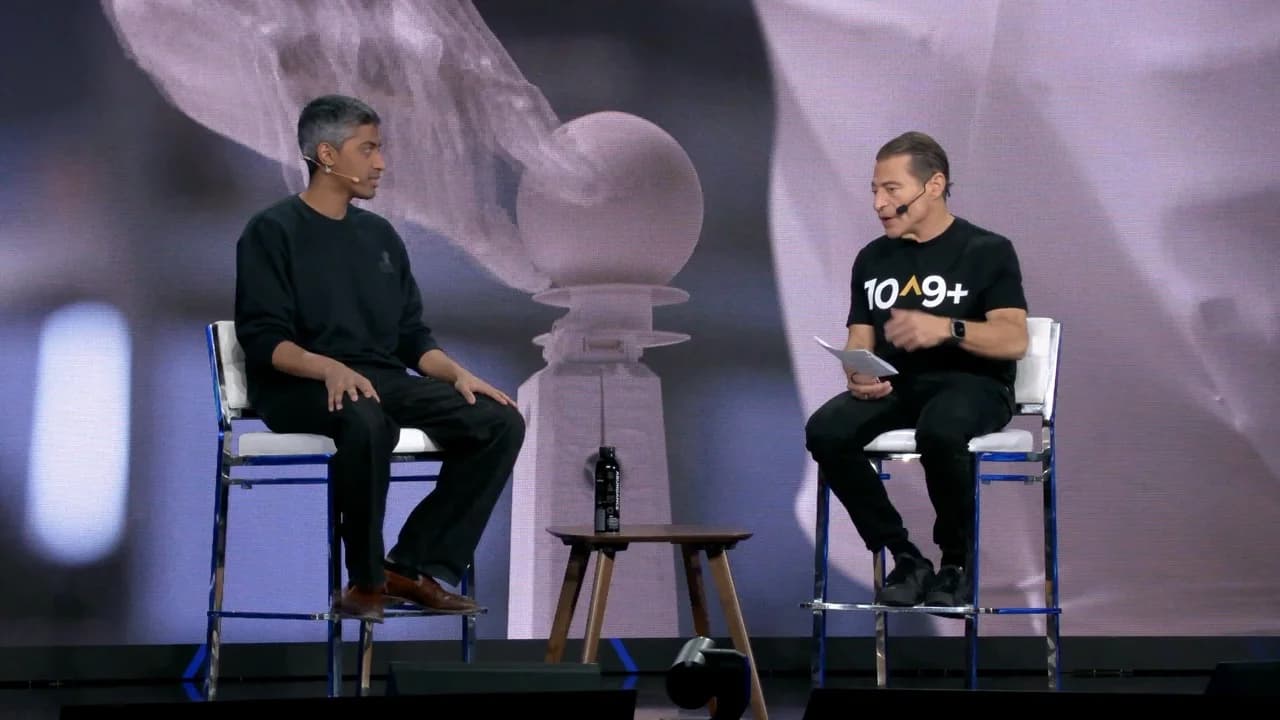
In a fireside chat at the 2026 Abundance Summit, Clone Robotics co-founder Dhanush Radhakrishnan signaled a major shift for the company, transitioning from its Polish roots to the heart of Silicon Valley. Just recently, the company opened its second office in Mountain View, California, as it prepares to scale its vision of "synthetic humans" rather than traditional humanoid robots.
Biomimicry Over Mechanics
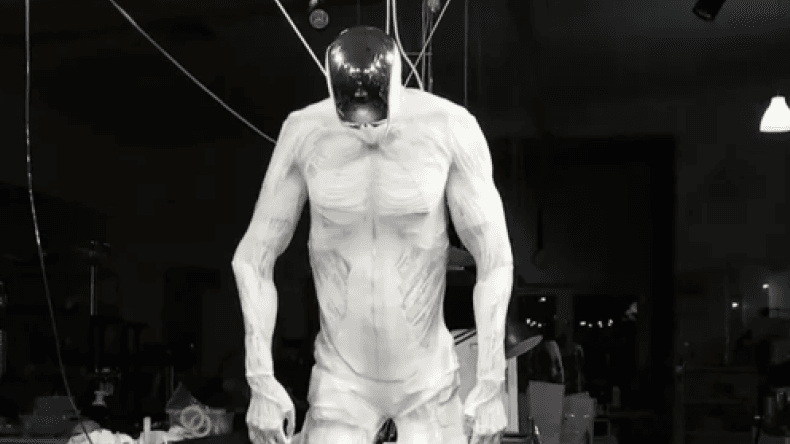
Radhakrishnan defines Clone’s approach as a fundamental departure from the industry standard. While most manufacturers "shoehorn" electric motors into a rigid exoskeleton, Clone utilizes an anatomically accurate polymer skeleton.
The system is actuated by "Myofiber" artificial muscles—a refined version of the McKibben muscle technology that was largely abandoned decades ago. Clone has spent nearly a decade maturing these fluidic muscles, which require a complex, miniaturized hydraulic vascular system to function.

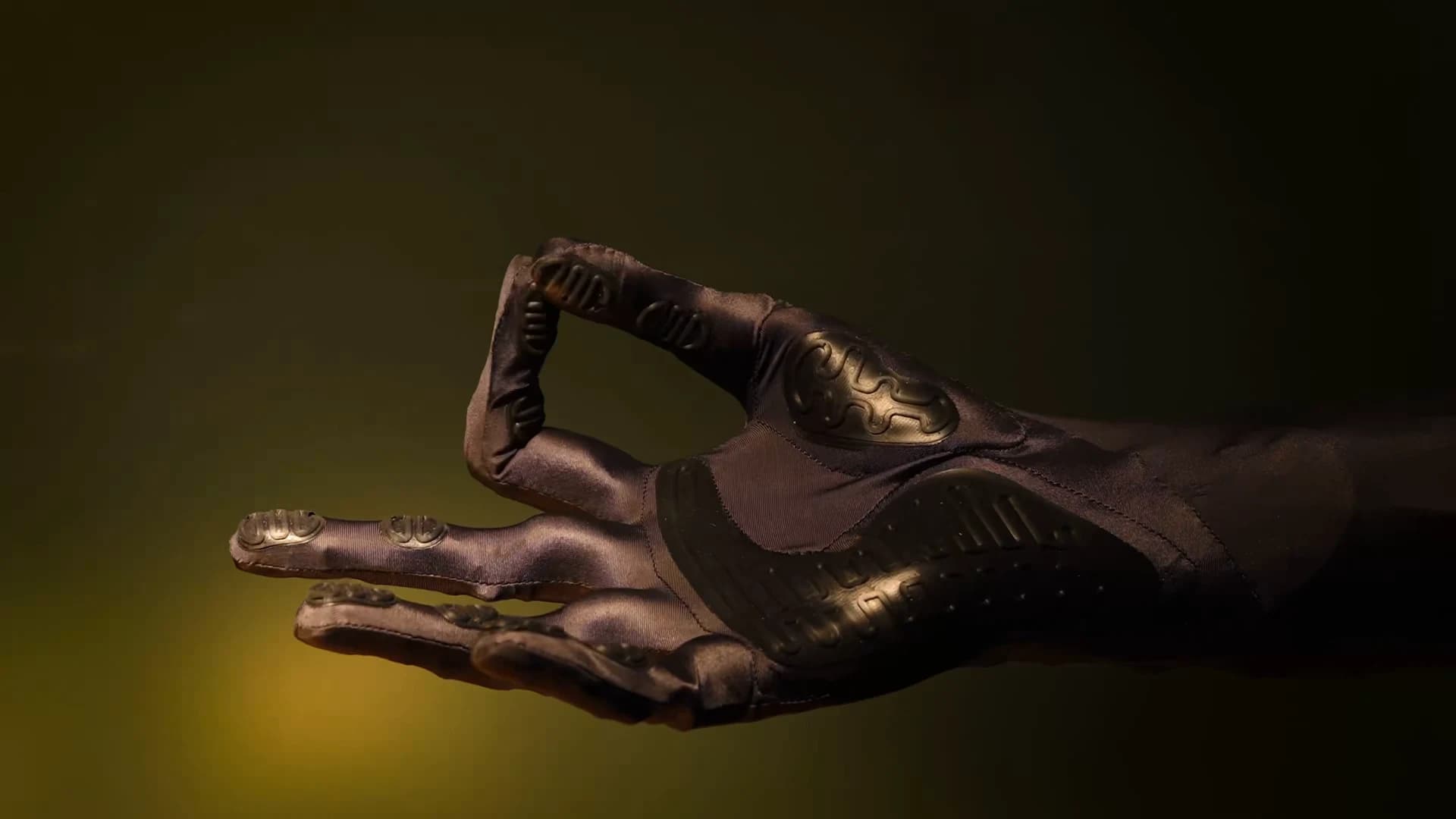
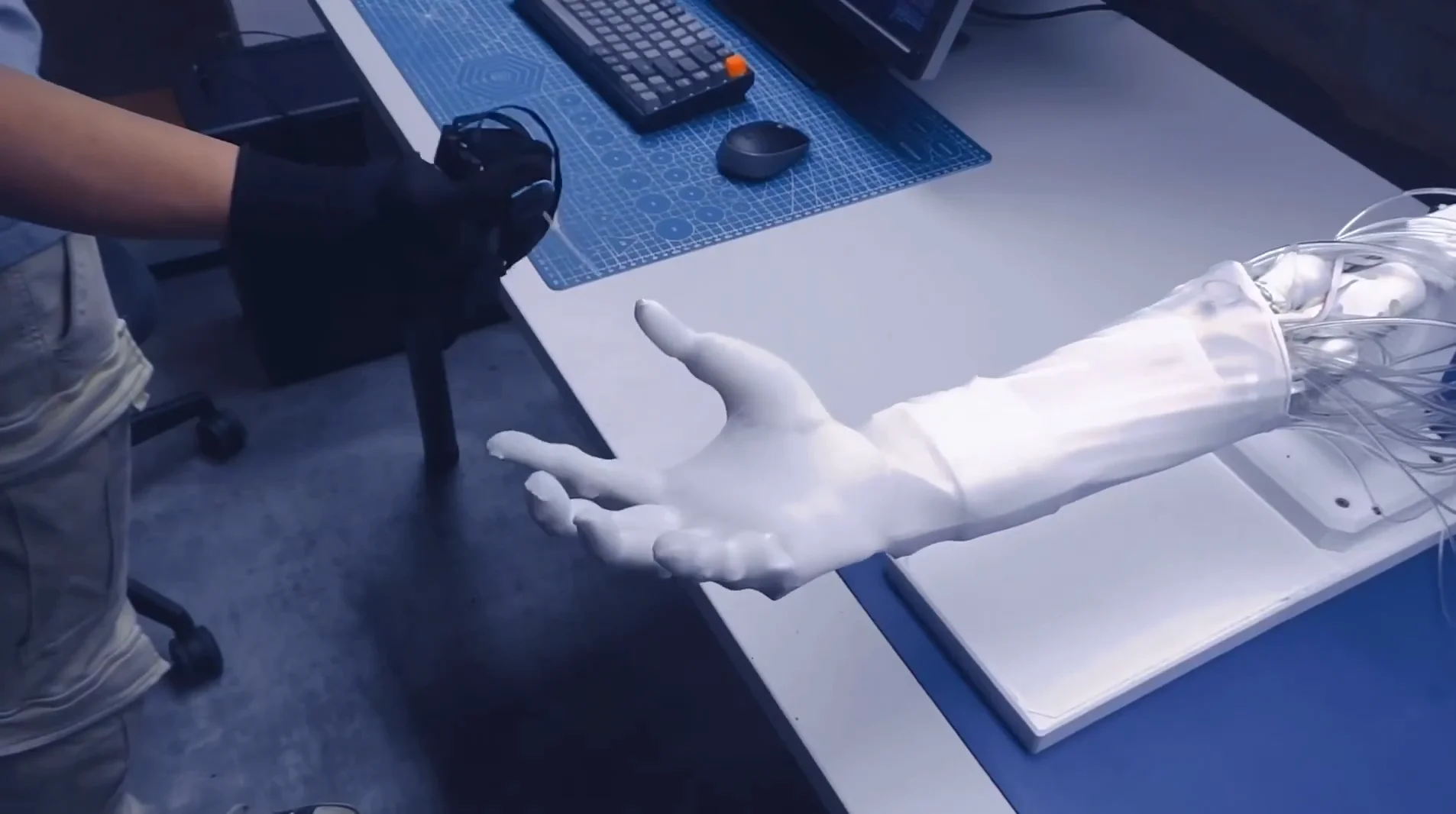
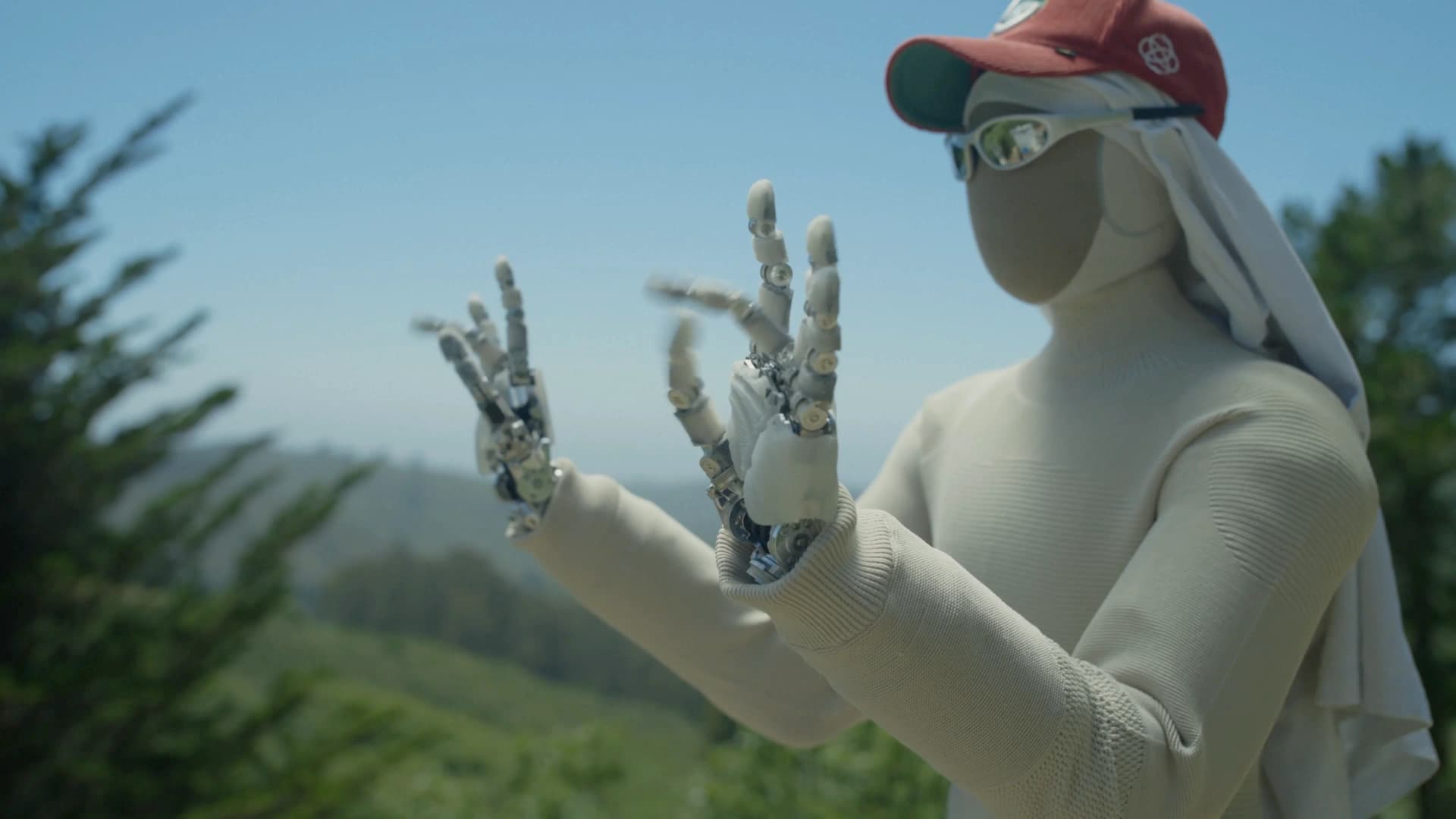
The technical trade-off is significant: Clone must manage high-dimensional control to "puppeteer" these muscles just to maintain basic poses. However, Radhakrishnan argues this creates a layer of abstraction where higher-order neural networks—such as Vision-Language-Action (VLA) models—can operate the android as if it were a motor-driven machine, but with human-level softness, speed, and strength. This level of dexterity was recently showcased in a demo of a startlingly fast robotic hand utilizing a new neural joint controller.
The weekly humanoid robotics briefing
One email a week: the launches, funding and research that mattered, with context from Humanoids Daily.
Read recent issuesThe Road to the "Robo Butler"
While the company previously announced a limited run of the Clone Alpha for 2025, Radhakrishnan laid out an aggressive long-term roadmap during the summit:
- Late 2026: Achieving a "surgically accurate" torso platform capable of using complex tools like scalpels and power drills.
- 2027: Demonstrating natural, human-like walking.
- 2028: Launching the first commercial products aimed at the "Robo Butler" market, specifically focusing on enterprise environments like hotels where tasks are repetitive and structured.
This timeline places Clone in direct competition with firms like 1X, Figure and Tesla, though Radhakrishnan notes that his competitors face an "entirely different technical roadmap" due to their reliance on traditional gears and motors.
Economics and the "True Clone"
Perhaps the most provocative claim from the summit was the economics of synthetic tissue. Radhakrishnan stated that Clone can currently manufacture a musculoskeletal android for under $20,000—a price point often associated with low-cost Chinese motor-actuated models. By producing muscle fiber "by the kilometer," the company aims to maintain a mass-market price of $20,000 while offering premium units at higher tiers.
This focus on the manufacturing layer mirrors broader industry trends, such as the record $7.2 million pre-seed raised by Allonic to "weave" robots rather than assemble them.
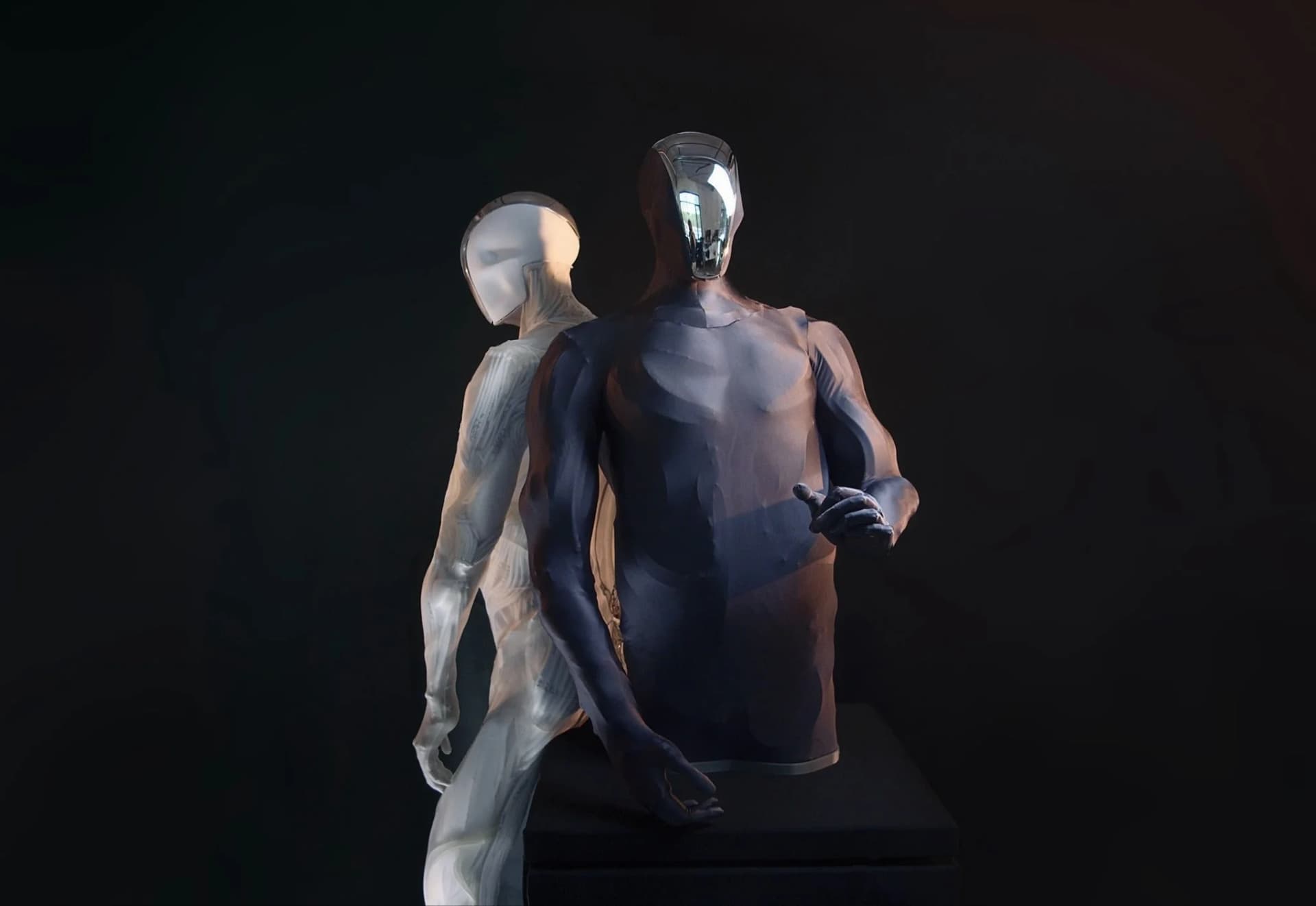
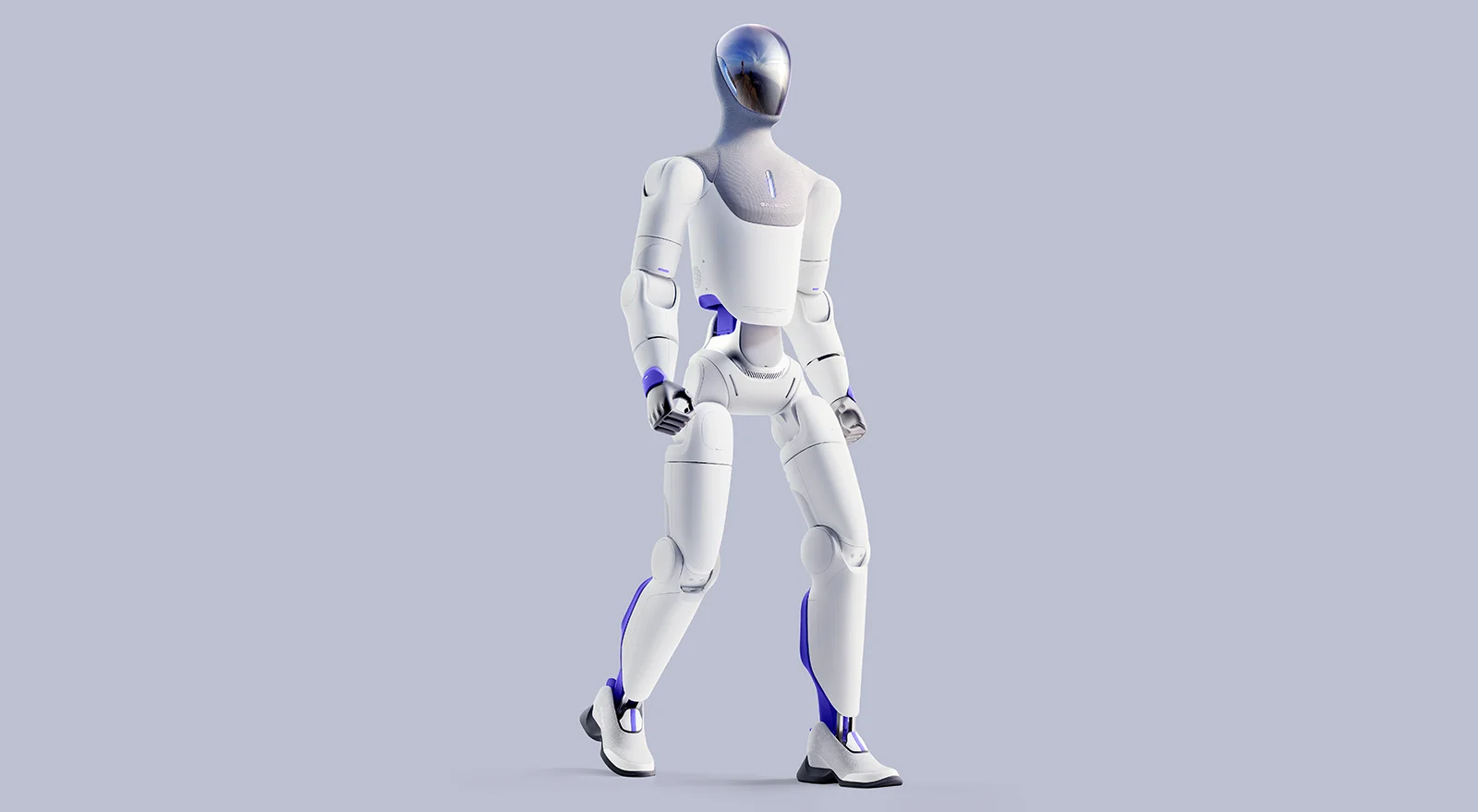
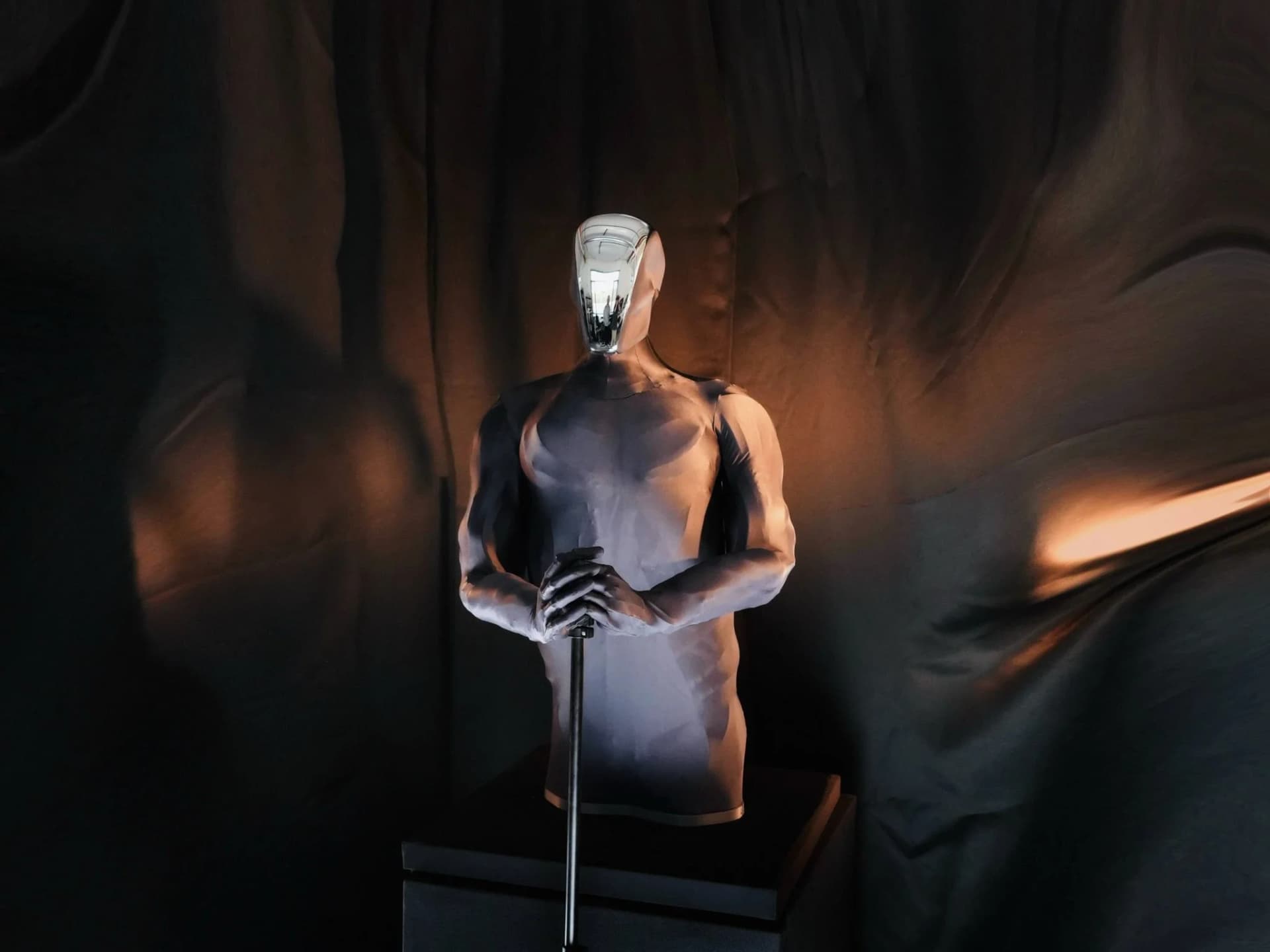
The summit also touched on the "Uncanny Valley." The current "Clone" model features a mirrored visor instead of a face. However, Radhakrishnan revealed that the company plans to move toward the "Neoclone"—the first model with a neutral face—and eventually "True Clones," which he claims will be indistinguishable from humans by replicating all 40 facial muscles to capture micro-expressions.
With $17 million raised to date and a new $50 million round currently underway, Clone Robotics is betting that the future of automation isn't just intelligent, but biologically familiar.
Share this article
Read next
- Published on
- Reading time
- 3 min read
Clone Robotics Announces Limited Edition Clone Alpha Humanoid Robot for Pre-Order in 2025
- Published on
- Reading time
- 3 min read
Clone Shows Torso 3 Hand Demo, Targets November Launch for Redesigned Torso 4
- Published on
- Reading time
- 2 min read
Clone Robotics Demos Startlingly Fast Robotic Hand, Touts Neural Controller
- Published on
- Reading time
- 10 min read
Agility's Numbers Are In: $1.8M in Sales, a $138M Loss, and a Backlog Owed to an Insider
- Published on
- Reading time
- 6 min read
SoftBank in Talks for Majority Stake in 1X at $6 Billion — Below the $10 Billion It Sought Last Year
- Published on
- Reading time
- 4 min read
Hyundai to Take Full Ownership of Boston Dynamics in $325 Million SoftBank Buyout
The weekly humanoid robotics briefing
One email a week: the launches, funding and research that mattered, with context from Humanoids Daily.
Read recent issues