- Published on
Inside UBTECH’s 10,000-Unit Super Factory: How Robots Are Building Humanoids in Liuzhou
One tap, and our reporting appears more often in your Google Top Stories. It makes a real difference to a small newsroom.

Supported by RoboStrategySupport for Humanoids Daily comes from RoboStrategy
Sponsored
Investing involves risk, including possible loss of principal. Read the prospectus before investing.
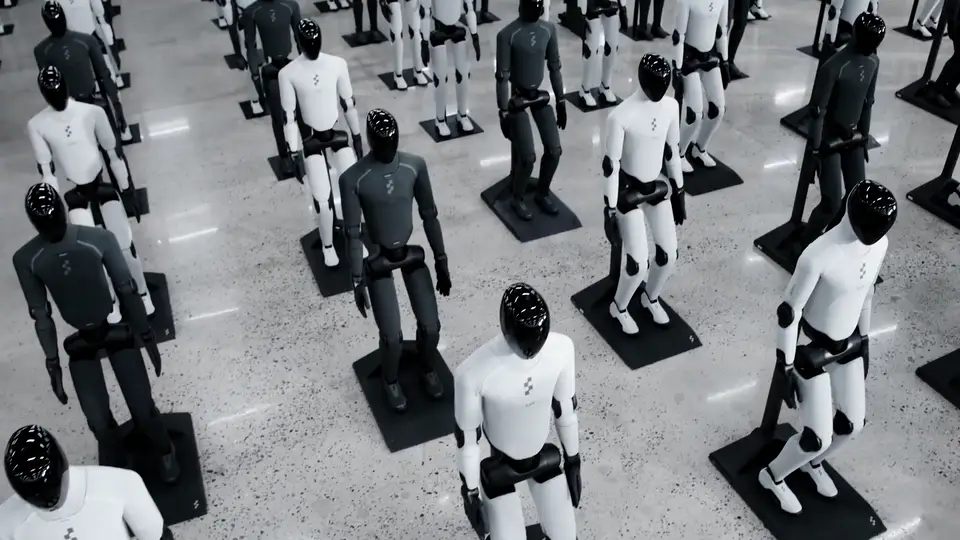
- UBTECH Robotics has officially commissioned its Industrial Humanoid Robot Super Smart Factory in Liuzhou, Guangxi, targeting an annual run-rate capacity of 10,000+ units.
- The 14,000-square-meter facility utilizes a flexible, non-conveyor assembly line boasting a 10-minute takt time for industrial humanoids and wheeled embodied platforms.
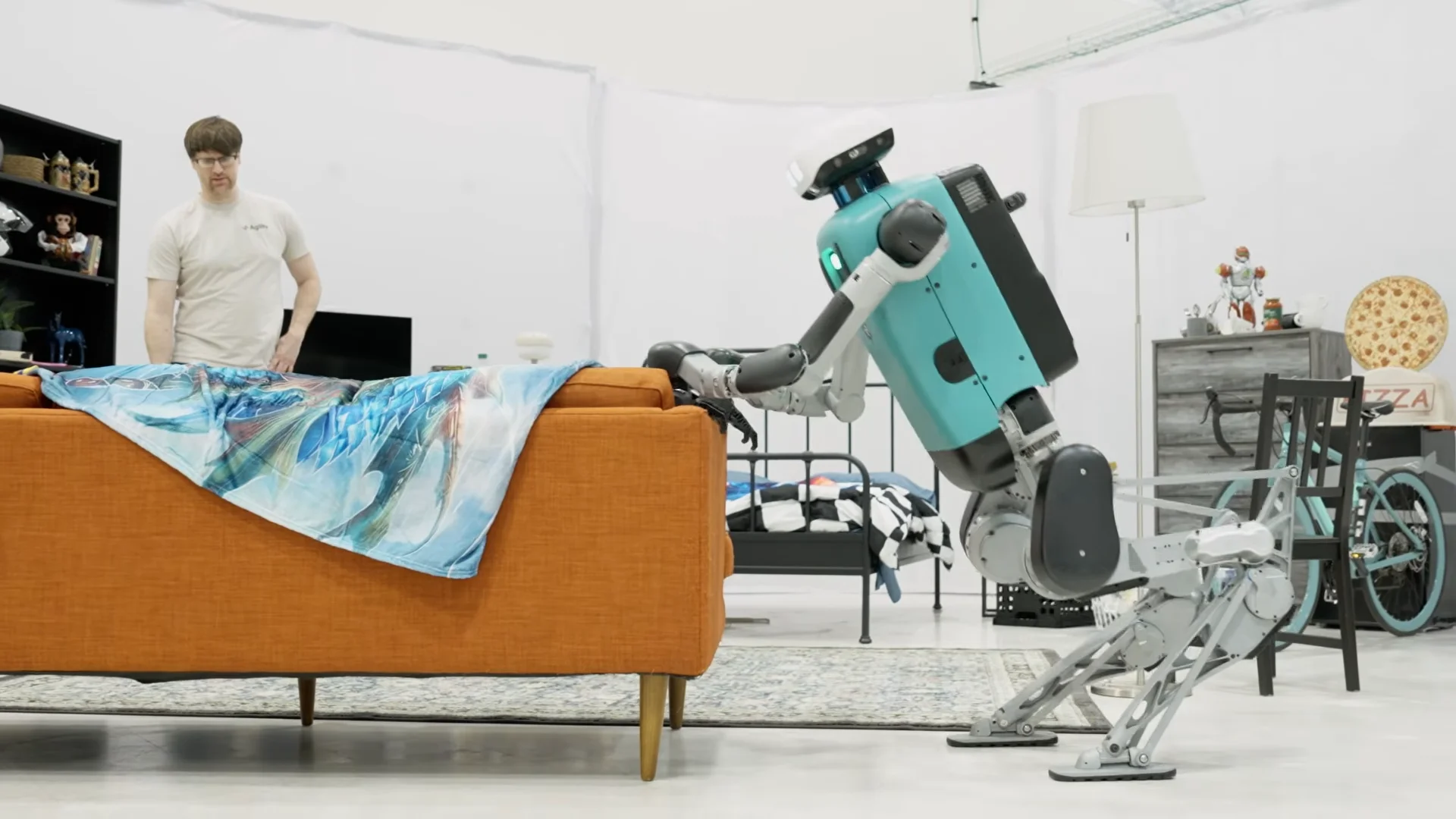
- The manufacturing floor operationalizes a "robots building robots" model, deploying wheeled Cruzr mobile manipulators, autonomous forklifts, and AGVs for dynamic kitting and material transfer.
- The expansion comes on the heels of UBTECH's 1,445% revenue surge in full-size humanoids in H1 2026, backing its bid to cut production costs below $20,000.
- Key bottlenecks shift from factory-floor throughput to end-customer absorption and autonomous software reliability as the sector enters an unprecedented volume ramp.
The humanoid robotics sector has spent years defending showcase videos and bench demonstrations. In Liuzhou, China, UBTECH Robotics is attempting to answer the scaling question with pure factory iron.
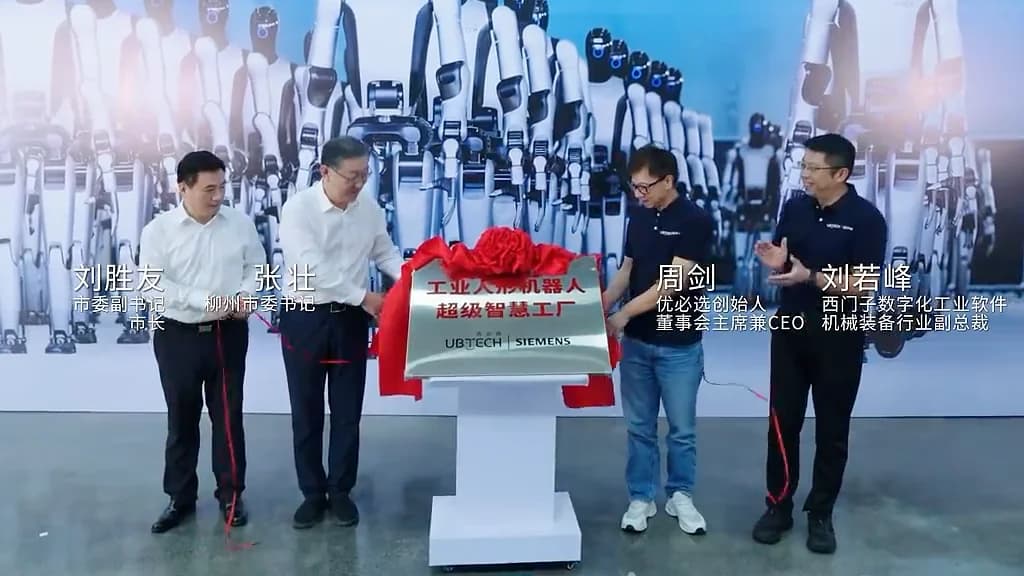
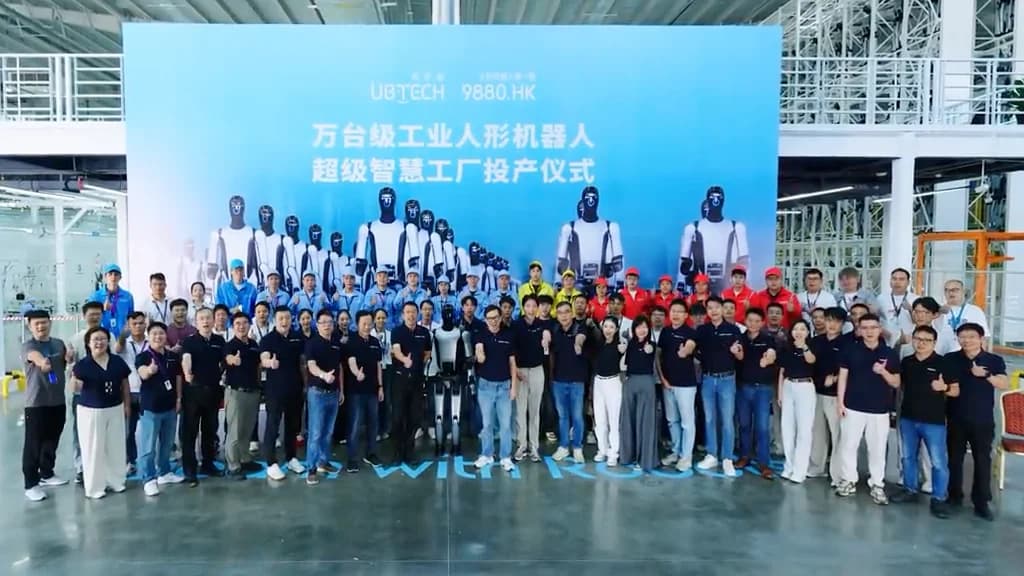
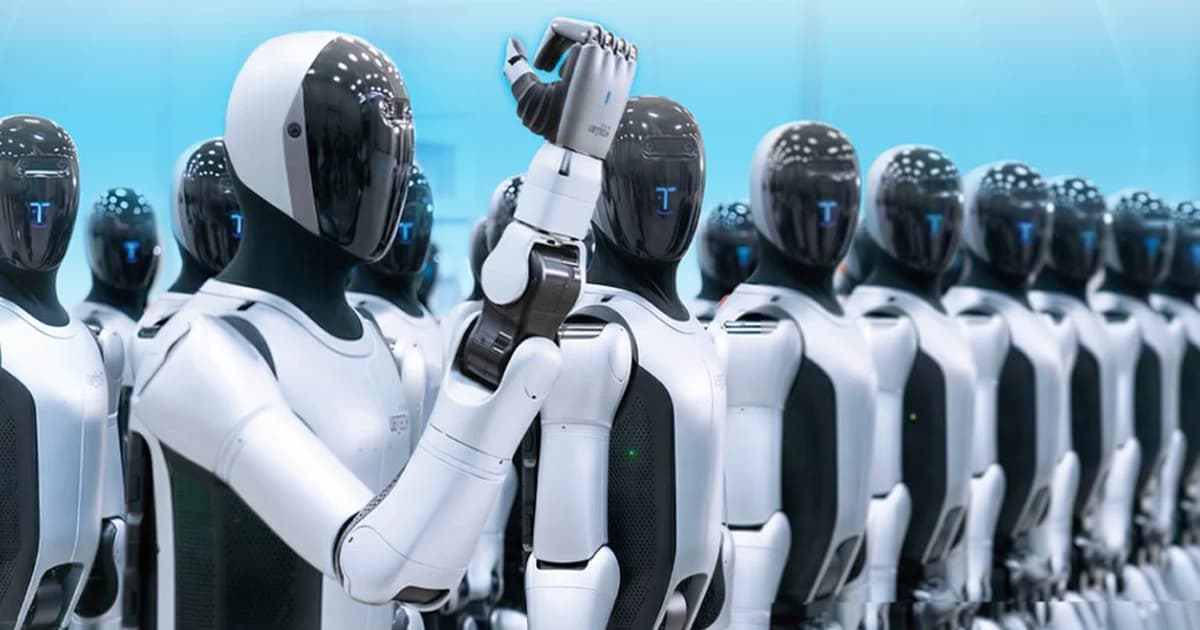
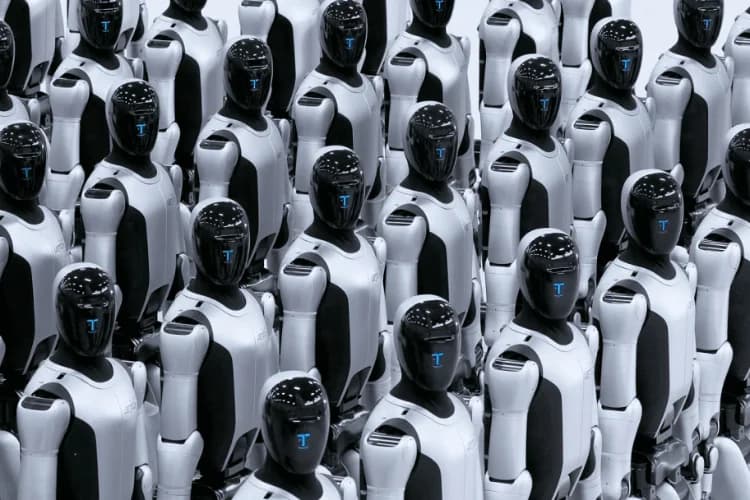
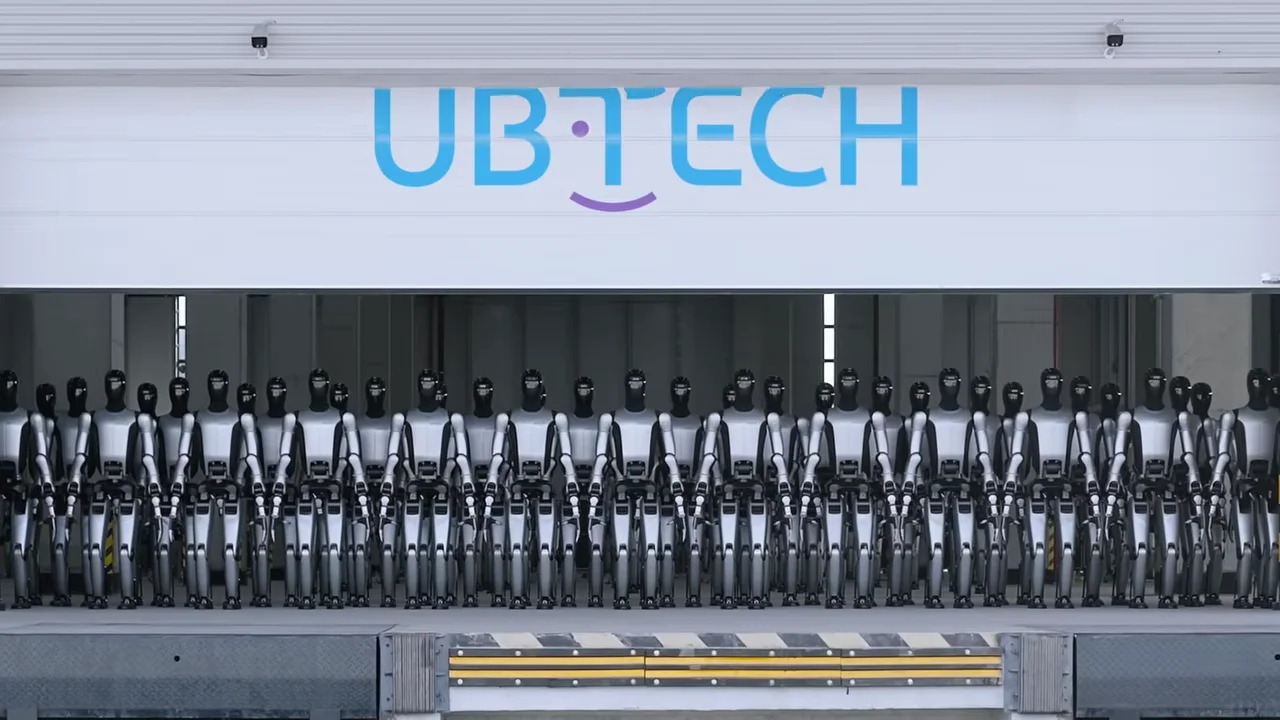
Over the weekend of September 12–13, 2026, the Shenzhen-headquartered robotics maker officially commissioned its Industrial Humanoid Robot Super Smart Factory (工业人形机器人超级智慧工厂) in the Northern Ecological New Area of Liuzhou, Guangxi. Billed as the world's first smart manufacturing plant engineered specifically for a 10,000-unit annual capacity of industrial bipedal and wheeled embodied platforms, the facility marks a transition from batch-assembly workshops to high-throughput, automotive-grade industrialization.
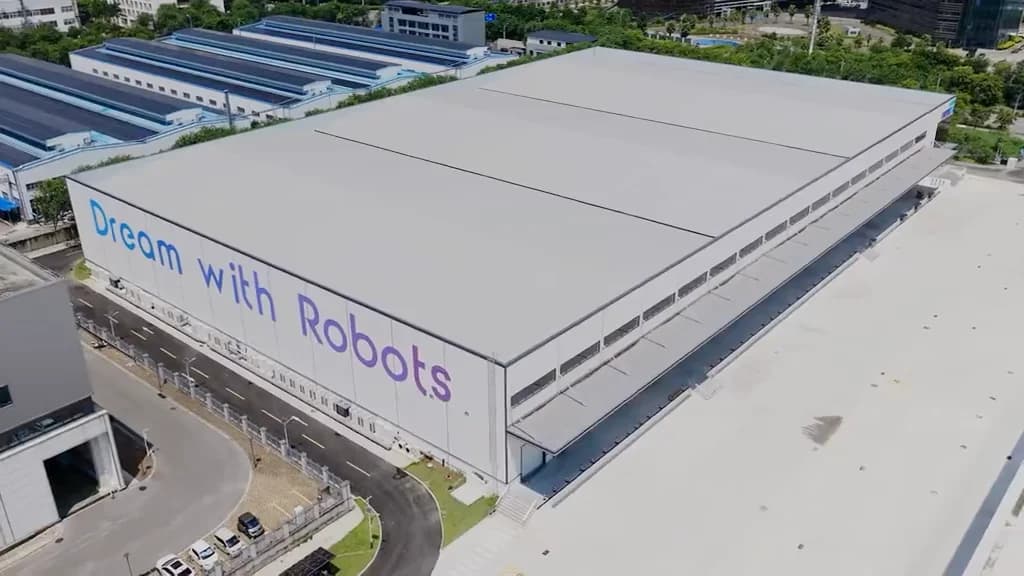
The milestone lands directly amid a bruising global production race. While Western frontrunners like Figure celebrate producing their 1,000th Figure 03 humanoid at a takt time of one robot per hour, Chinese vendors have pushed hard to convert domestic supply chains into massive hardware output. For UBTECH, whose full-size humanoid revenues surged 1,445% in the first half of 2026 on the back of 921 bipedal deliveries, the Liuzhou plant represents the physical backbone needed to support its long-term targets.
Inside the Floor: A Robot Every 10 Minutes
Covering 14,000 square meters with a 13.8-meter clearance height, the Liuzhou plant is designed around an aggressive benchmark: rolling off a completed industrial humanoid once every 10 minutes.
The weekly humanoid robotics briefing
One email a week: the launches, funding and research that mattered, with context from Humanoids Daily.
Read recent issuesRather than utilizing rigid, traditional automotive overhead conveyor chains, UBTECH has opted for a flexible, mixed-model assembly floor. The line simultaneously fabricates the bipedal Walker S series (including the industrial Walker S2) and wheeled embodied systems like the Cruzr S2 and Cruzr Y1.
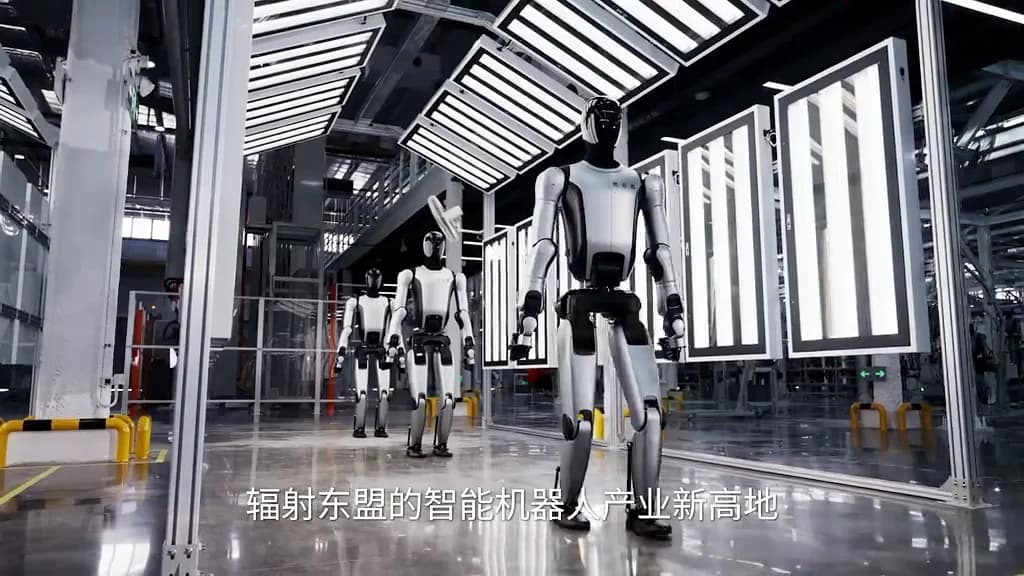
The hardware assembly choreography centers around several custom manufacturing stations:
- Smart Fastening and Torque Logging: Assembling a single humanoid chassis requires driving more than 2,000 screws across 50 distinct specifications. Automated digital torque stations feed fasteners, monitor driving depth, and stream real-time torque-angle telemetry directly into the factory floor's digital backbone to prevent missing or stripped bolts.
- Ergonomic 360° Dollies: Workpieces sit atop self-docking, rotating mobile dollies equipped with collaborative arms and assistive manipulators. Built-in RFID tags link each chassis's unique serial number to incoming component batches and quality milestones.
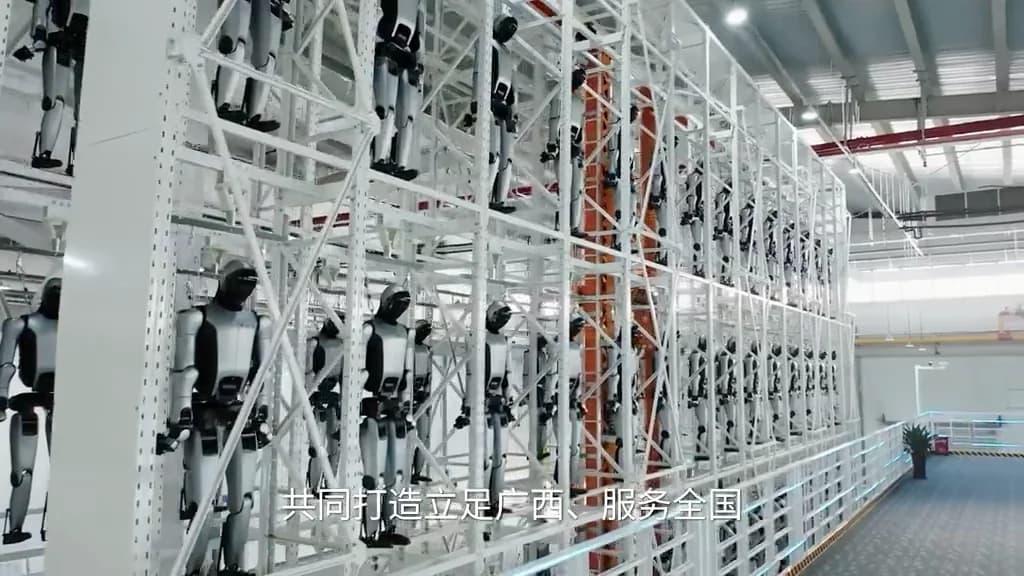
- Vertical Storage Density: Completed inventory moves into a 65-square-meter, high-bay automated storage and retrieval system (ASRS) with automated stacker cranes, providing dynamic buffering for up to 112 finished units while slashing warehouse footprint by over 50%.
- Burn-In and Inspection Tunnels: Every machine undergoes more than four hours of continuous end-of-line dynamic stress testing—calibrating joint actuators, gait balance, and payload stability—before entering an automotive-grade lighting tunnel for multi-angle visual inspection of seams, finishes, and panels.
Robots Building Robots
The most striking aspect of the Liuzhou operation is its closed intralogistics loop: the workforce feeding the assembly line is largely robotic itself.
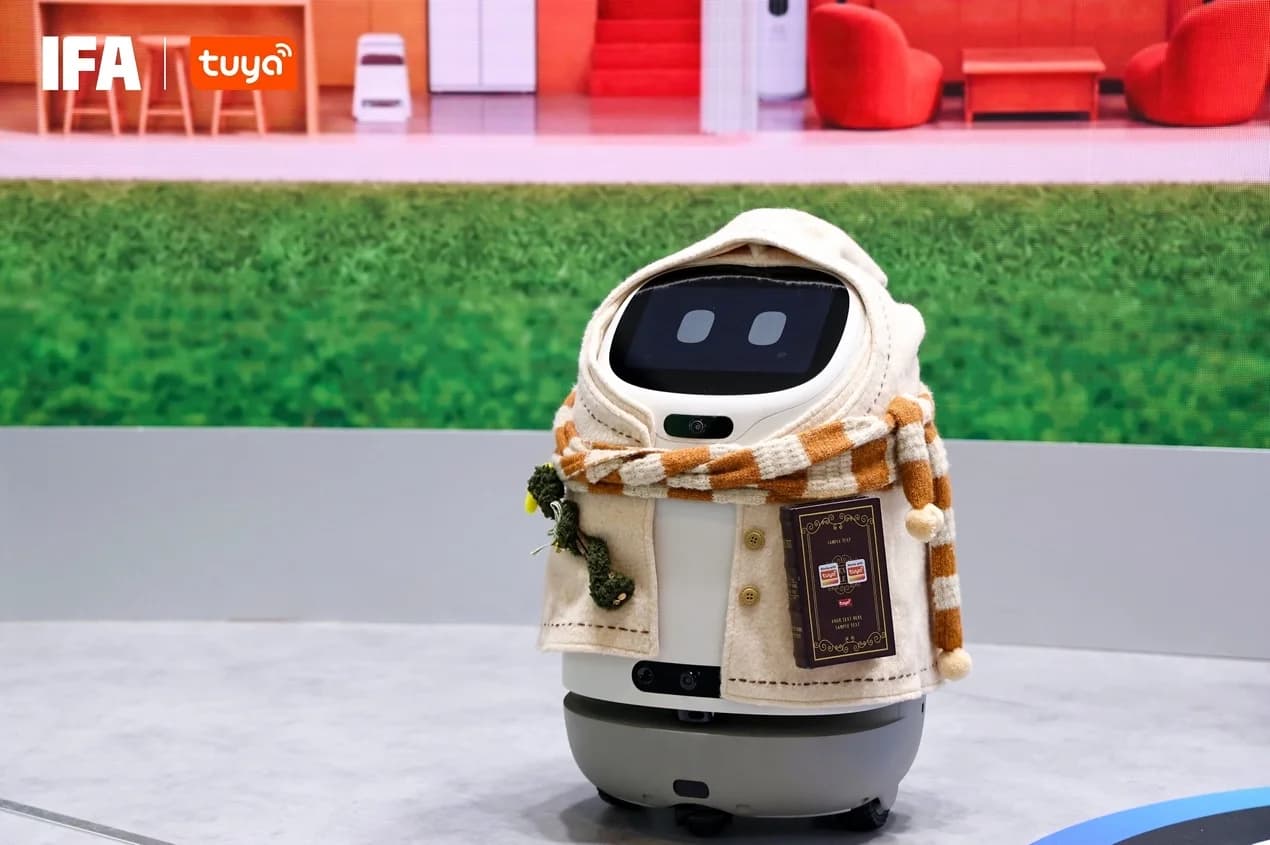
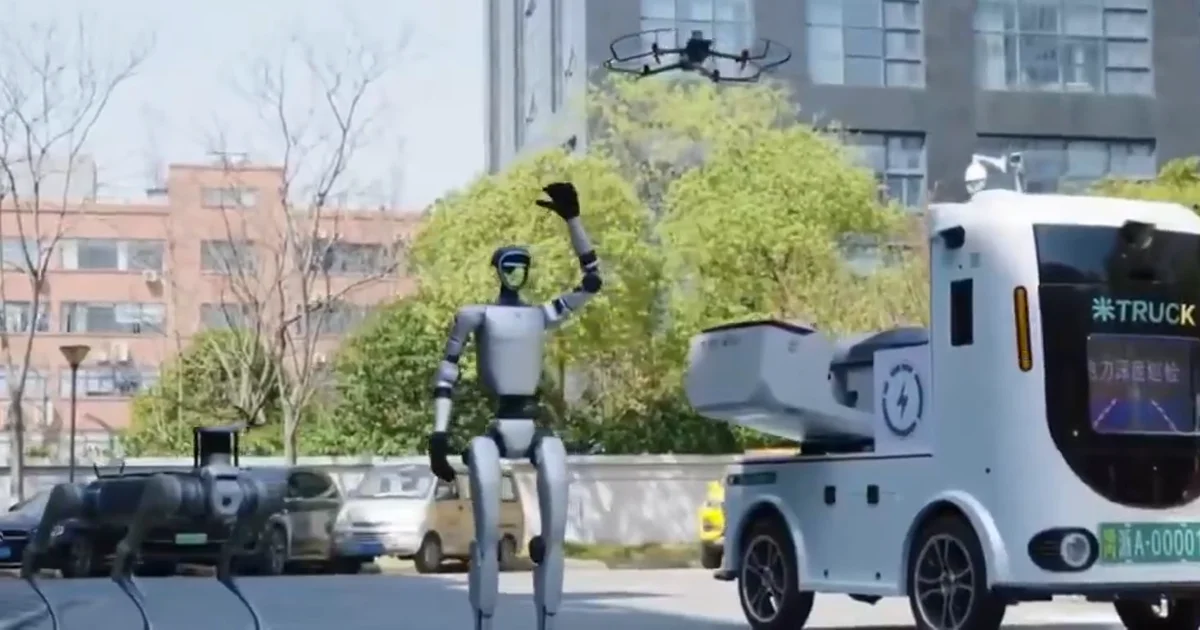
Instead of manual parts runners, UBTECH has deployed an embodied mobile logistics fleet. Wheeled Cruzr Y1 and Cruzr S2 mobile manipulators outfitted with 3D vision handle depalletizing, bin picking, tote replenishment, and intra-station component transit. The mobile manipulators dynamically adapt to shifted storage bins and non-uniform pallet orientations, working alongside standard automated guided vehicles (AGVs), Wali (瓦力) autonomous forklifts, and Chitu (赤兔) unmanned haulers.
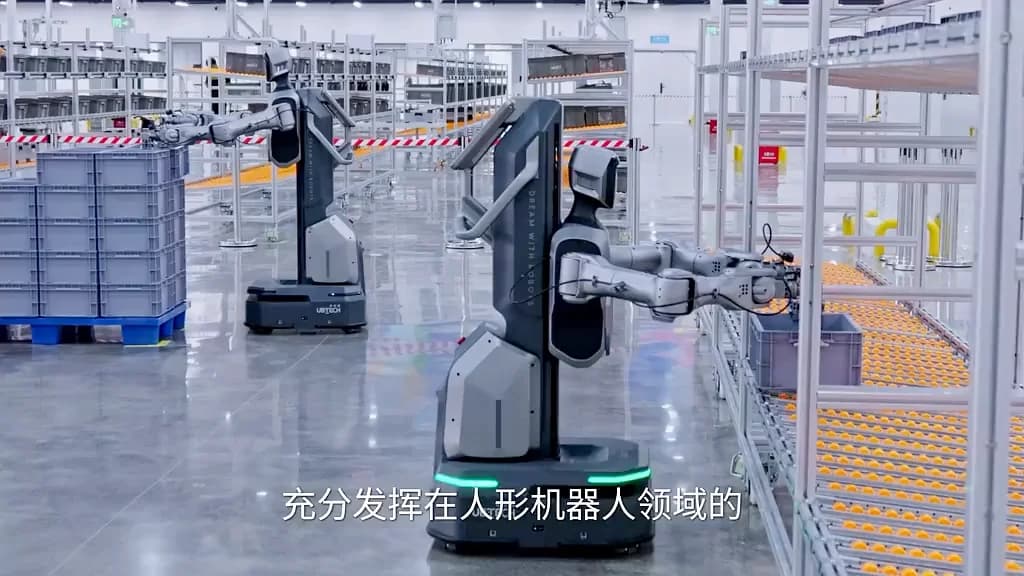
The orchestration of this fleet runs on UBTECH's proprietary Yanshee MOM (Manufacturing Operations Management) platform, integrated with Siemens' Intelligence Center X enterprise agent architecture.
Before breaking ground, UBTECH and Siemens Digital Industries Software constructed a 1:1 digital twin in Siemens Plant Simulation. The software modeled transit congestion, empty tote return cycles, and AGV buffer thresholds to validate whether a 10-minute takt time was mathematically achievable without bottlenecks.
The Push for $20,000 Humanoids
The strategic imperative behind building a dedicated 10,000-unit facility is tied directly to the unit economics of embodied AI. As UBTECH executives outlined in their plan to aggressively scale output, the company is banking on scale to reduce humanoid manufacturing costs by 20% to 30% annually, eyeing a sub-$20,000 unit production cost by 2030.
That price threshold is viewed across the industry as the tipping point where humanoids shift from capital-intensive enterprise experiments into standard factory infrastructure. UBTECH, which claims its supply chain is over 90% localized in China, is leveraging Guangxi’s heavy automotive industrial cluster. The Liuzhou plant sits in close proximity to automotive manufacturing partners like SAIC-GM-Wuling and Dongfeng Liuzhou Motor, where Walker S units have already completed operational trials. Regional officials are also pitching the Liuzhou hub as an export springboard into Southeast Asian industrial markets via the ASEAN trade corridor.
The factory's commissioning coincides with a broader wave of hardware scale across China's robotics sector. Just days prior to UBTECH’s opening, electric vehicle maker XPENG commissioned its own automated production line in Guangzhou for the IRON humanoid robot, boasting over 80% process automation derived directly from its EV manufacturing ecosystem. Yet while XPENG is adapting automotive manufacturing discipline to assemble consumer-facing humanoids internally, UBTECH's Liuzhou facility represents a dedicated, standalone bet on high-mix industrial biped and wheeled logistics production.
This expansion also accelerates as broader competitive pressures mount domestically. According to Counterpoint Research’s H1 2026 data, rivals AGIBOT and Unitree have captured the lion’s share of global shipment volumes with aggressive multi-form and low-cost biped portfolios, respectively. With China's Ministry of Industry and Information Technology projecting national production across tier-one manufacturers to surpass 100,000 cumulative units in 2026, factory-floor capacity has become a necessary prerequisite for staying in the game.
The Reality Check
Yet, as impressive as a 10-minute takt time appears on paper, ramping a 10,000-unit factory introduces distinct commercial risks.
Manufacturing capacity is only as valuable as an order book's ability to absorb it. While UBTECH’s full-size humanoid revenues jumped substantially in H1 2026, enterprise industrial clients accounted for more than 96% of that income. Industrial deployments remain tethered to extended customer validation cycles, customized line integration, and cautious capital expenditure budgets among automakers and electronics contract manufacturers.
Furthermore, producing a high volume of hardware does not automatically solve the embodied software challenge. While foundation models like UBTECH’s Thinker-VLA and Siemens' factory orchestration agents have shown progress on structured tasks, real-world generalizability remains an ongoing hurdle.
Still, the Liuzhou commissioning signals that the humanoid industry is moving past handcrafted, artisan-like prototype runs. As UBTECH's automated dollies and Cruzr handlers begin assembling Walker bipeds at scale, the question is no longer whether high-density humanoids can be built systematically—it is whether factory floors around the world are ready to put 10,000 of them to work.
Share this article
Read next
- Published on
- Reading time
- 6 min read
UBTECH Reports 104% Revenue Surge in H1 2026 as Full-Size Humanoids Drive Growth
- Published on
- Reading time
- 4 min read
State Grid’s $995 Million Bet: 8,500 Robots to Spearhead "Deployment Year One" in Energy
- Published on
- Reading time
- 4 min read
Rossmann Commences European Pilot of UBTECH Walker S2 Humanoid in Logistics
- Published on
- Reading time
- 4 min read
Supply Chain Synergy: UBTECH and Honda Trading to Pilot Humanoid Logistics
- Published on
- Reading time
- 4 min read
The $18 Million Brain: UBTECH Launches Aggressive Hunt for Embodied AI Chief
- Published on
- Reading time
- 4 min read
UBTECH’s 2025 Financials: Humanoids Leap to Center Stage as Losses Narrow
The weekly humanoid robotics briefing
One email a week: the launches, funding and research that mattered, with context from Humanoids Daily.
Read recent issues