- Published on
New Survey Reveals What Americans Actually Want From Home Robots (And What They Fear)
One tap, and our reporting appears more often in your Google Top Stories. It makes a real difference to a small newsroom.


Your guide
Rich Robinson
Jee Chee Ren · Executive tour
See China’s AI and robotics ecosystem first-hand.
Six days exploring AI, robotics and advanced manufacturing.
With Rich Robinson, Clinical Professor of Entrepreneurship at Peking University
Beijing · Guangzhou · Shenzhen
29 November–4 December 2026
Referral partnership · We earn a commission on referred bookings.
The concept of the humanoid home robot has largely been defined by the companies building them. We have heard Elon Musk’s vision of a "limitless future" and 1X CEO Bernt Børnich's theory of a "social contract". But until now, we haven't heard much from the people expected to actually live with these machines.
A new report released this month by TMT consulting firm Altman Solon, titled "Humanoid Home Robots: The Gap Between Interest and Adoption," provides one of the first statistically significant looks at consumer sentiment regarding general-purpose androids.
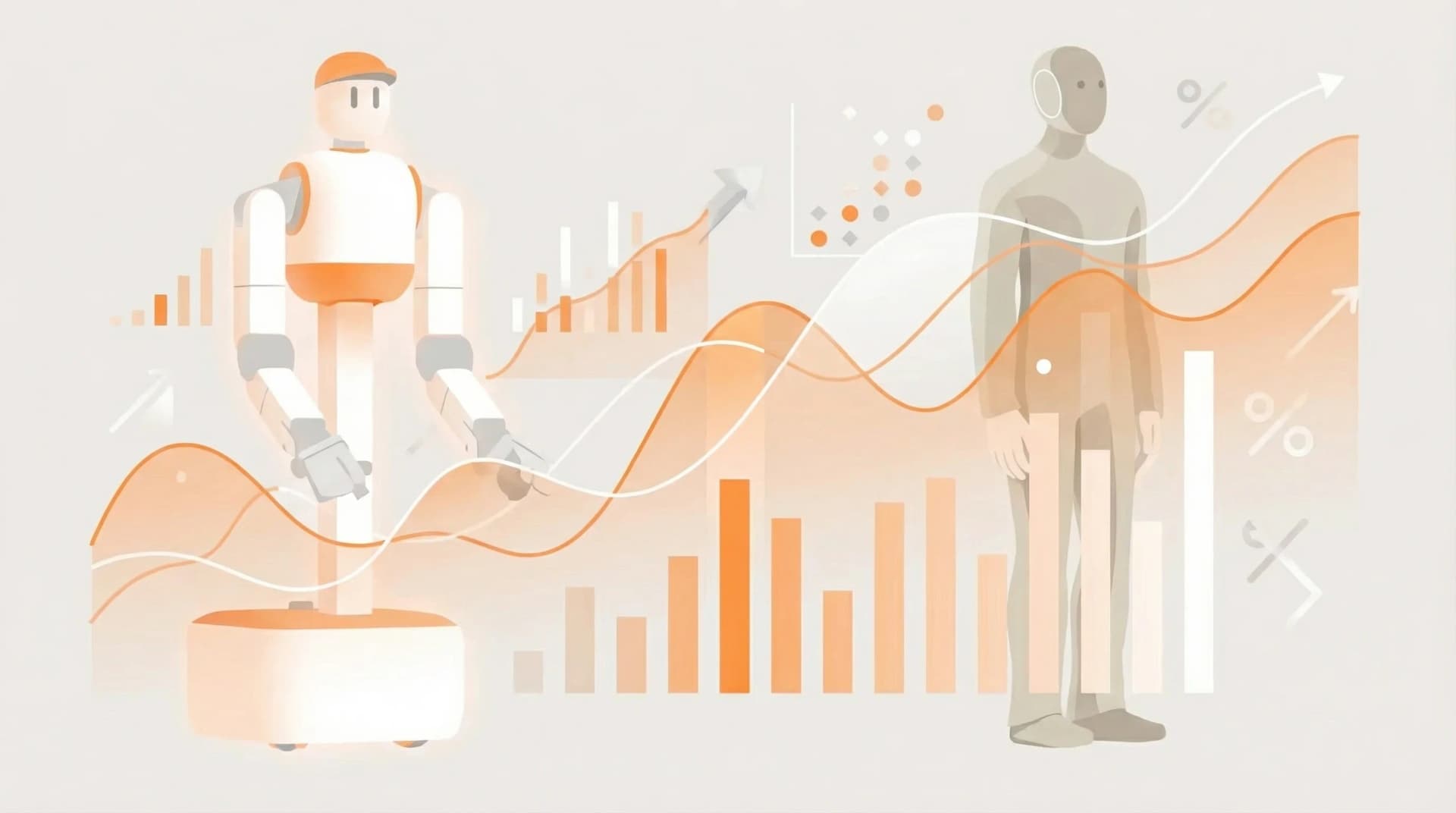
Surveying over 1,000 U.S. consumers, the data paints a picture of a market that is simultaneously intrigued and confused. While 65% of respondents expressed interest in owning an advanced home robot, 85% admitted they were "not at all," "slightly," or only "moderately" familiar with the technology.
This "familiarity gap" is unsurprising—aside from a few expensive pre-orders and beta programs, the home humanoid does not yet exist as a consumer product. However, the survey offers critical insights into what potential buyers hope these machines will do, and perhaps more importantly, what they want them to look like.
Follow humanoid robotics without following every announcement.
Get the week’s most important launches, funding and research—and why they matter—in one email from Humanoids Daily.
Once a week. Unsubscribe anytime.
Read recent issues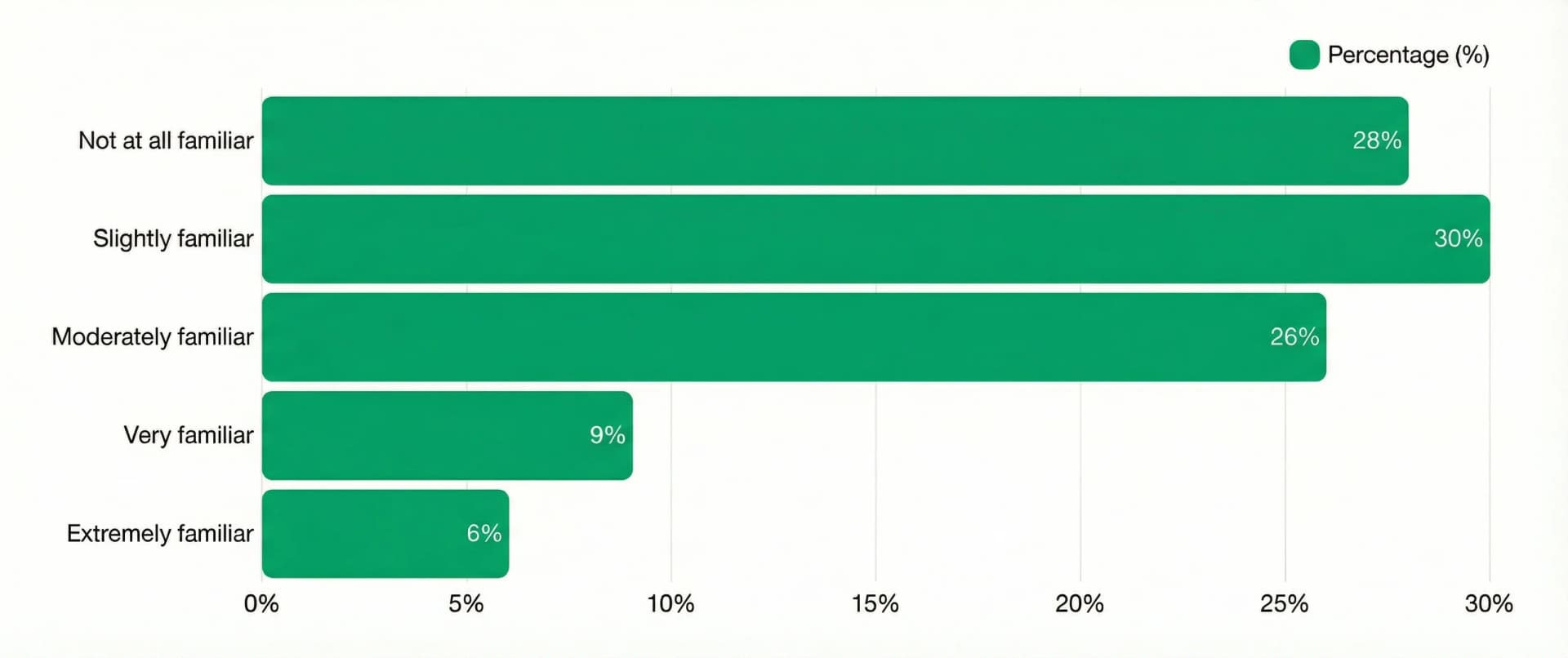
The Utility Mandate: Chores First, Companionship Second
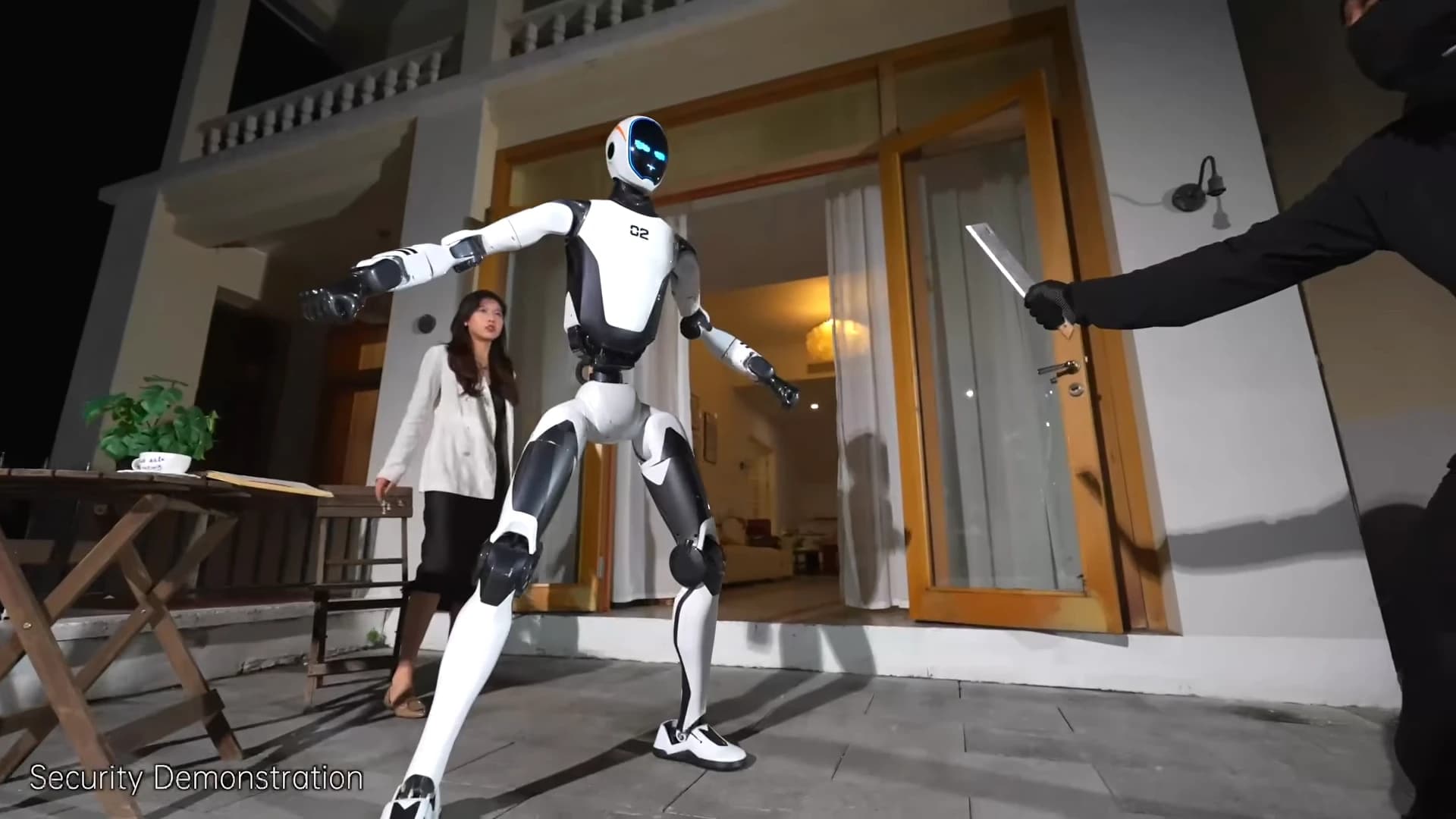
Despite the narrative push toward "AI companionship" from some corners of the industry, American consumers view robots primarily as utilitarian tools. When asked to rank desired features, "Cleaning" (vacuuming, mopping, dusting) took the top spot at 23%, followed by "Security monitoring" at 14%.
This data validates the functionalist approach taken by companies like Sunday Robotics, which has prioritized "chore density" and stability over human likeness. It also aligns with the "appliance" philosophy over the "android" philosophy—users want the floor cleaned, and they are less concerned with whether the machine doing it has a personality.
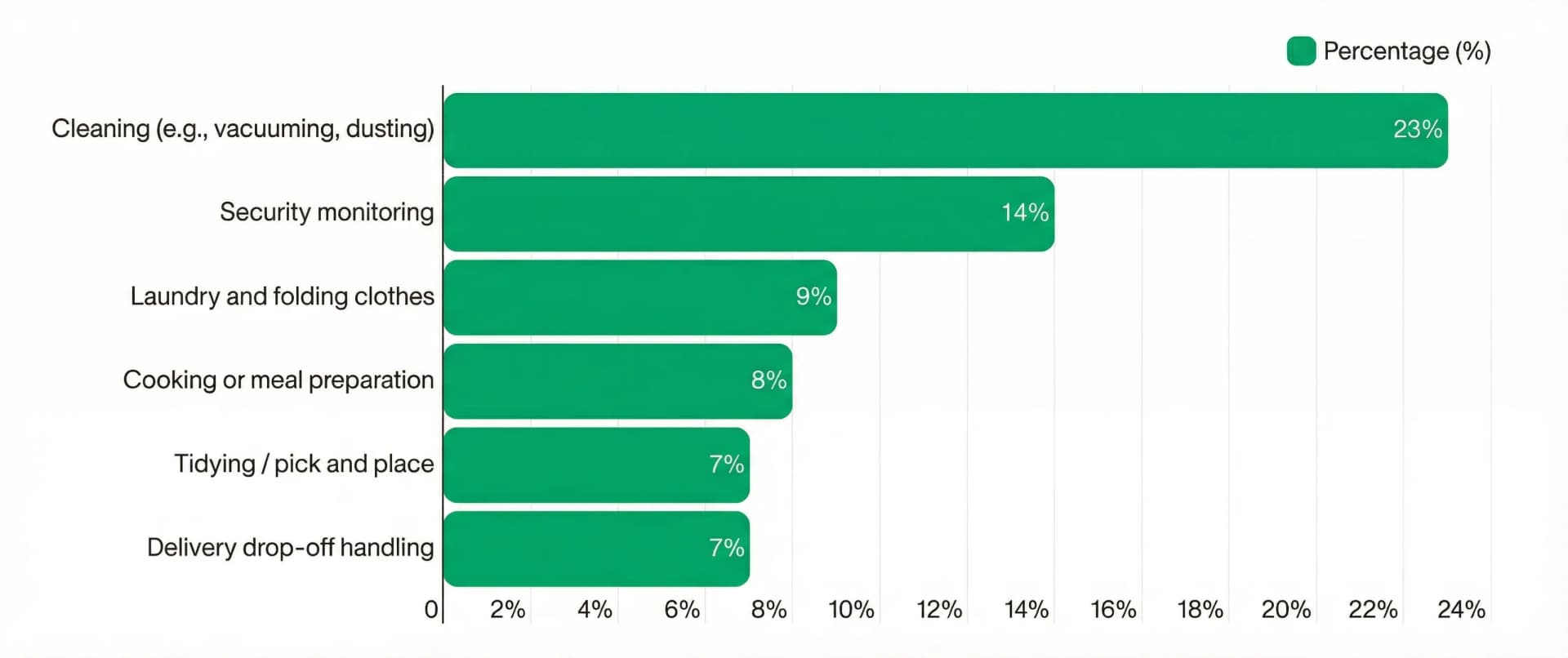
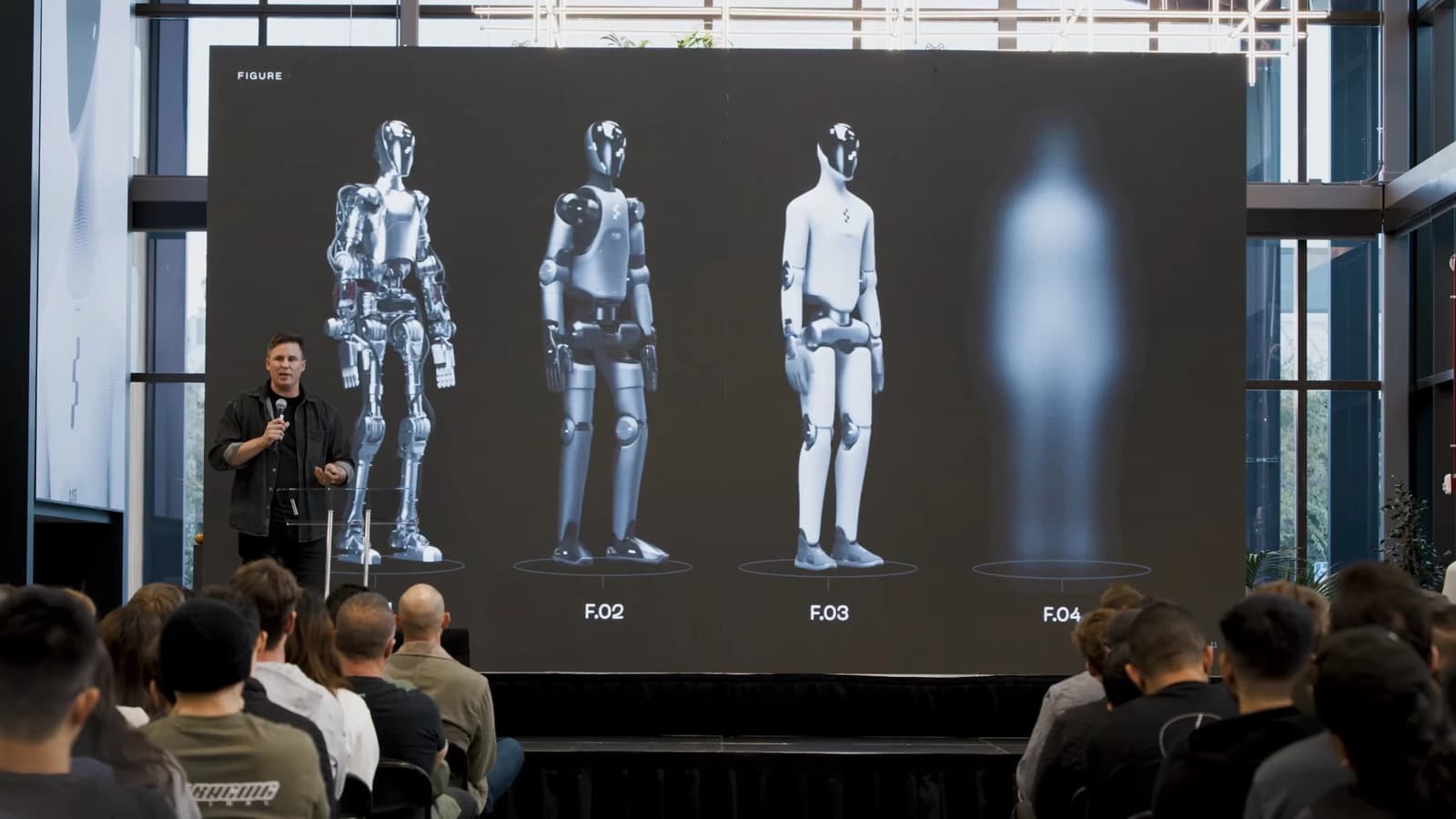
Interestingly, "Cooking" (8%) and "Laundry" (9%) ranked lower, perhaps reflecting a skepticism that current technology can handle such complex, high-stakes tasks. As we’ve noted in recent coverage of Figure 03, even the most advanced prototypes still struggle with the variability of folding clothes without human intervention.
Design: The "Soft" Factor
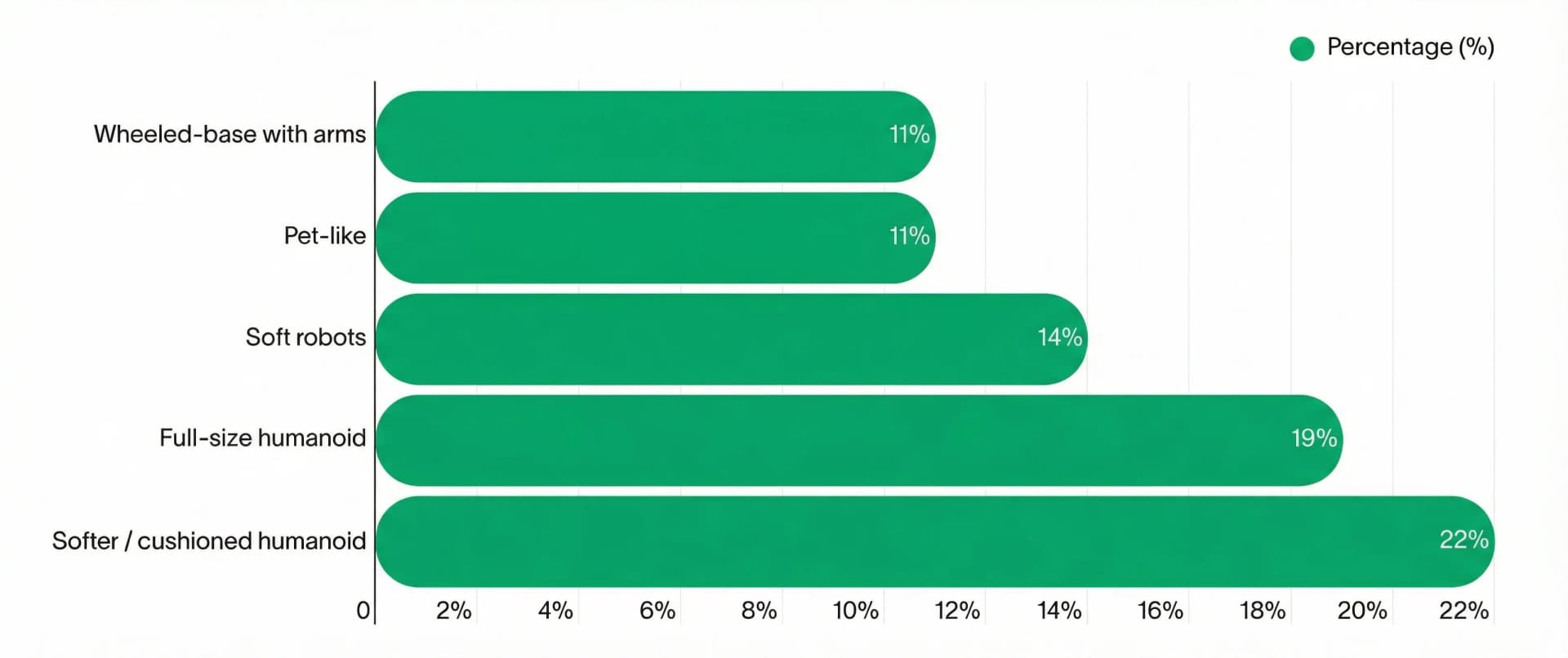
One of the survey's most actionable findings for hardware designers concerns aesthetics. The data shows a clear preference for "visually and haptically soft" models over the "imposing" industrial designs often seen in early prototypes.
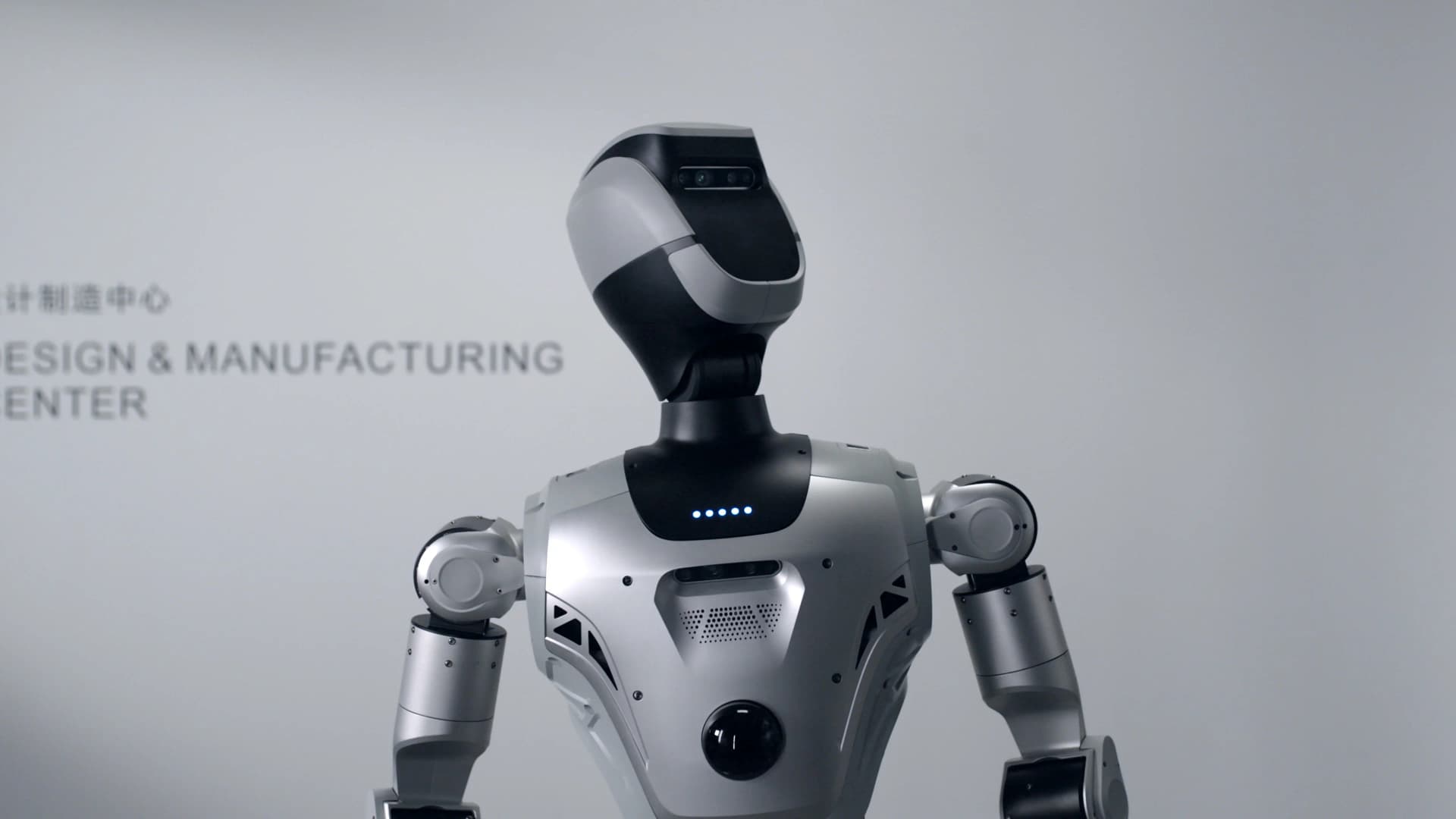
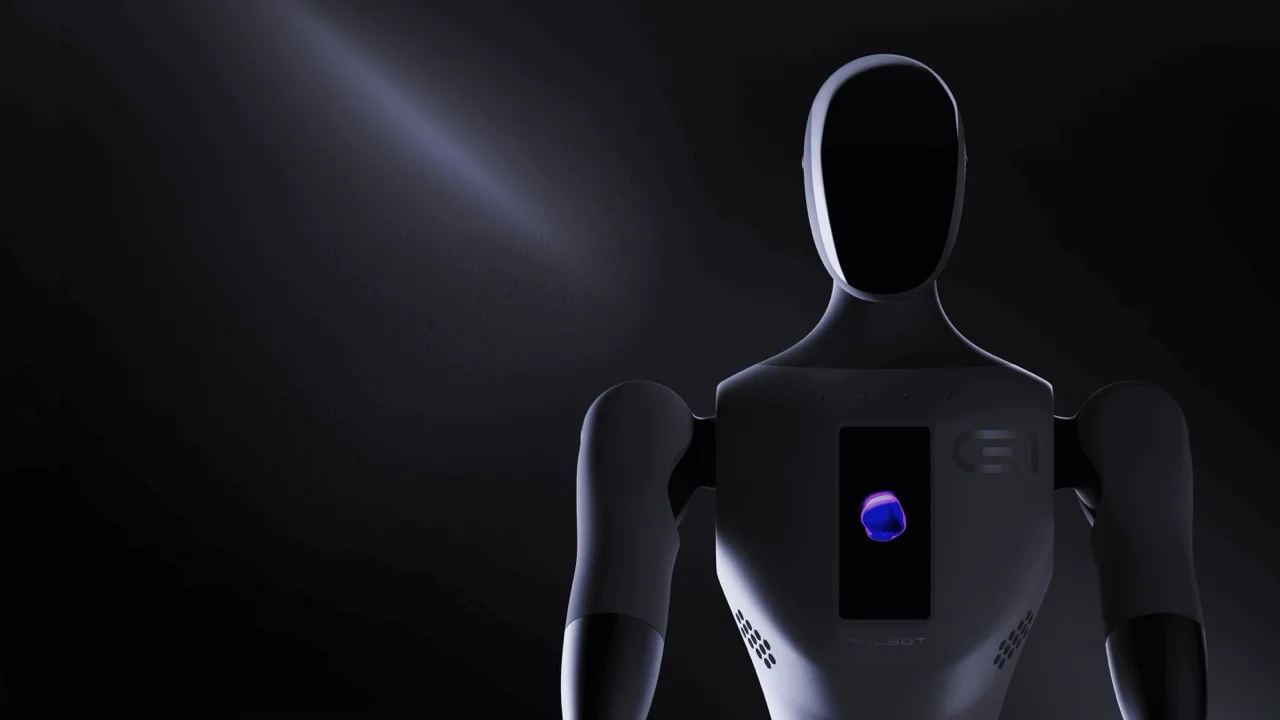
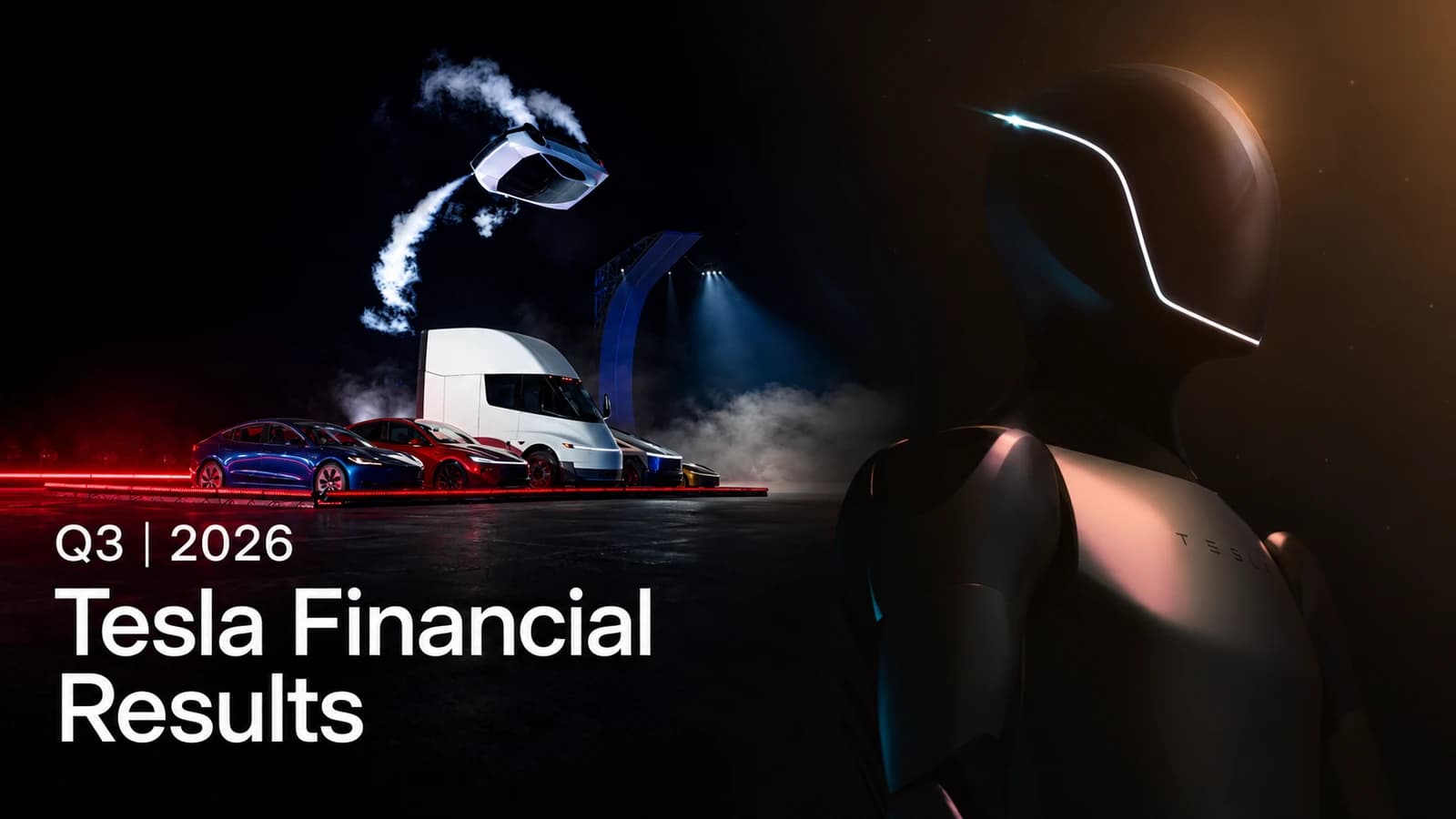
Altman Solon notes that the "Optimus-style" aesthetic—typified by Tesla’s hard metal and exposed actuators—proved polarizing. While it appealed to some men, it scored lower overall and was less popular with women. Conversely, "soft" humanoids resonated more broadly.
This data validates the strategies of several emerging players who are actively pivoting away from the "cold machine" look. Xpeng's newly debuted "Iron" robot, for instance, features a distinctly human-like form with "full coverage soft skin". CEO He Xiaopeng explicitly stated the goal is to make the robot "warmer" and "more intimate" for the home , even offering customization options for different body shapes and sexes.
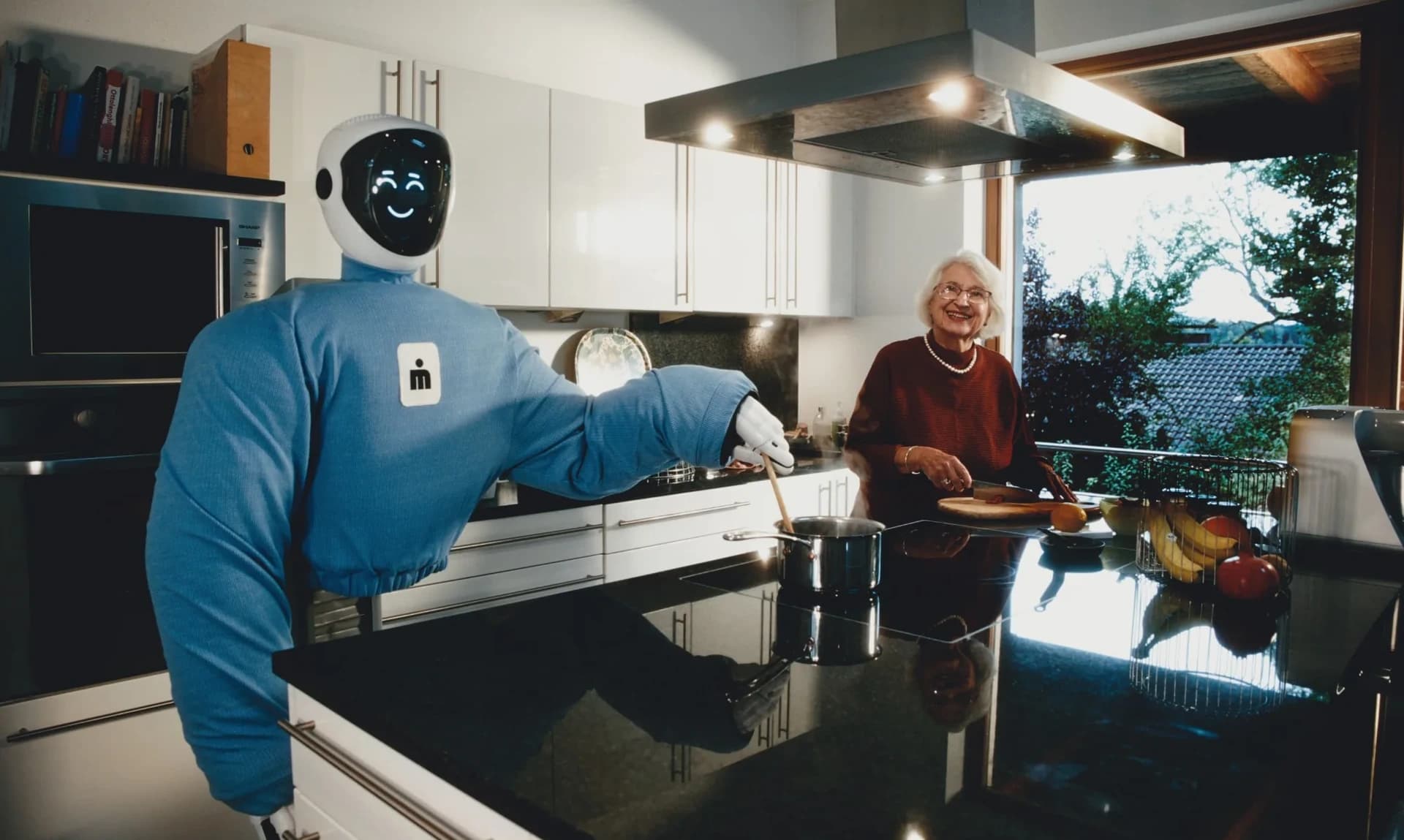
Similarly, 1X Technologies has wrapped its NEO robot in a soft, non-threatening "sweater" to obscure its mechanics. Beyond human mimicry, we are also seeing a rise in "lovable" robotics inspired by animation. Disney's new "Olaf" robot and startups like Cartwheel Robotics are prioritizing "expressive motion" and friendly, caricature-like designs to bypass the uncanny valley entirely. If a machine is going to share a hallway with children and pets, the consumer demand for "approachability" appears to outweigh the "cyberpunk" cool factor.
The Value Equation
The survey also attempted to quantify exactly how much value consumers expect to extract from a robot butler. Over half (54%) of respondents expect a robot to save them six hours or less per week.
When asked to put a price on that time, 61% of respondents valued the saved labor at roughly $14 per hour. Altman Solon extrapolates this to an annual value of roughly $5,000.
Unsurprisingly, 69% of respondents stated they are unwilling to pay more than $5,000 for a home robot. However, reading too deeply into willingness-to-pay data for a non-existent product category is likely premature. As the report notes, 5% of respondents—the "early adopters"—indicated a willingness to pay $10,000 or more.
For now, companies like 1X are targeting that sliver of enthusiasts who are buying the vision of the future rather than a strict ROI on dishwashing. But for the industry to reach the mass adoption implied by the interest levels in this survey, the cost curve will need to bend drastically toward that $5,000 psychological barrier.
Comfort and Safety
Perhaps the most significant hurdle identified is trust. The survey found a 50/50 split on comfort levels regarding having a human-sized robot in the home. The primary concerns cited were not sci-fi scenarios of robot uprisings, but practical fears of "physical danger" and "intimidation."
This reinforces the urgency of safety standards—a topic that has recently spurred the formation of government committees in China and safety debates in the US.
The Altman Solon report serves as a reality check for a hype-fueled industry. The interest is there, but the product—at least the affordable, safe, and soft product that consumers actually want—has yet to arrive.
Share this article
Follow humanoid robotics without following every announcement.
Get the week’s most important launches, funding and research—and why they matter—in one email from Humanoids Daily.
Once a week. Unsubscribe anytime.
Read recent issuesRead next
- Published on
- Reading time
- 3 min read
SoftBank Reportedly Agrees to Buy Marc Raibert’s Robotics Institute
- Published on
- Reading time
- 3 min read
AGIBOT Says A3 Ultra Is Going to Work in Hotels, Shops and Metro Inspection
- Published on
- Reading time
- 3 min read
Boston Dynamics IPO Unlikely in 2027, Hyundai Executive Says
- Published on
- Reading time
- 3 min read
Unitree Says It Won’t Become a Robot Integration Company
- Published on
- Reading time
- 4 min read
LimX Dynamics Secures $200 Million Series B to Scale Modular and General-Purpose Humanoids
- Published on
- Reading time
- 4 min read
Galbot Reportedly Eyes $4 Billion Hong Kong IPO, Joining China’s Humanoid Rush